

The traditional wedding industry, often characterized by its fast pace, demanding social interactions, and spontaneous communication, has long been perceived as a domain primarily suited for extroverted neurotypicals who thrive amidst high-decibel chaos and immediate verbal demands. However, a growing cohort of neurodivergent professionals, particularly those identifying as autistic and/or ADHD, are successfully challenging these conventional operating procedures, demonstrating that a tailored approach not only prevents burnout but also fosters a more inclusive and innovative sector. In observance of World Autism Month, this article delves into the strategies employed by three pioneering wedding photographers who have meticulously redesigned their business models to align with their neurocognitive profiles, transforming potential vulnerabilities into distinct competitive advantages.
The Landscape of Neurodiversity in Professional Settings
Neurodiversity, an umbrella term encompassing neurological variations such as Autism Spectrum Disorder (ASD) and Attention-Deficit/Hyperactivity Disorder (ADHD), represents a natural human variation rather than a deficit. Recent data from the Centers for Disease Control and Prevention (CDC) indicates that approximately 1 in 36 children in the U.S. has been identified with autism spectrum disorder, while ADHD affects about 9.8% of children and 4.4% of adults. As these individuals enter the workforce, their unique cognitive processing styles, sensory sensitivities, and communication preferences often clash with workplace norms designed for neurotypical individuals. For neurodivergent professionals, particularly in high-pressure, client-facing roles like wedding photography, these mismatches can lead to significant challenges, including sensory overload, social fatigue, and executive dysfunction, culminating in severe burnout.
Wedding photography, by its very nature, is a multifaceted profession demanding a blend of artistic vision, technical skill, logistical planning, and intense interpersonal engagement. Photographers are expected to manage unpredictable timelines, navigate crowded and noisy environments, direct large groups, and maintain high levels of social energy for extended periods—often 8 to 12 hours or more. This environment, while exhilarating for some, can be profoundly taxing for autistic and ADHD individuals whose brains process information and sensory input differently. The prevailing industry culture often glorifies "hustle culture" and constant availability, further exacerbating the risk of burnout for those who require structured environments and ample recovery time. This emerging discourse highlights not only the resilience of neurodivergent professionals but also the potential for the broader industry to evolve towards more sustainable and equitable practices.
Phase 1: The Inquiry & Booking Process – Establishing Clear Boundaries
The initial interaction with potential clients sets the tone for the entire professional relationship. For many neurodivergent individuals, spontaneous verbal communication, such as phone calls, can be particularly draining due to the need for immediate processing, interpretation of non-verbal cues, and real-time response formulation. This executive function load can quickly lead to overwhelm, making the traditional "quick call" a significant barrier to entry or a precursor to burnout.
Emily Blatter of Seattle’s Emily Paris Photography, an advocate for streamlined processes, has largely automated her client inquiry and booking system. Instead of relying on impromptu phone conversations, Emily employs a comprehensive online questionnaire. "I gather most of the important logistics for a wedding day in one big questionnaire," Blatter explains. "It lets the couple answer everything on their own time, and gives me all the info I need in a clear and structured way." This method allows clients to provide detailed information at their leisure, eliminating the pressure of live dialogue and ensuring all critical details are captured accurately and efficiently. For Blatter, this structured intake not only safeguards her processing power but also provides a clear, written record that minimizes miscommunication and reduces anxiety for both parties.
Similarly, Sam Waldron of Dutcher Photography in Wisconsin leverages a Customer Relationship Management (CRM) system, specifically Honeybook, as a crucial organizational tool. "A CRM system is critical to staying organized and reducing stress," Waldron asserts. For neurodivergent professionals, CRMs offer a systematic way to manage client communications, contracts, and invoices, minimizing the cognitive load associated with administrative tasks. Waldron emphasizes the importance of proactive communication in setting client expectations: "I make sure to set clear expectations with clients every step of the way so that they always know what next steps are, what is expected of them (and when), and what they can expect from me (and when)." This transparency is invaluable for autistic and ADHD individuals who thrive on predictability and clear guidelines, simultaneously building client trust and reducing the likelihood of last-minute changes or misunderstandings that can trigger stress.
Katrina Gurr of A+K Photography in Washington state echoes the sentiment regarding written communication. "I do best with written communication when possible, since it gives me time to process and think through how I want to respond," Gurr states. She notes that "Verbal communication can feel a little overwhelming at times, especially if I am expected to respond right away, so having space to reflect helps me communicate more clearly." This preference highlights a common neurodivergent trait: the need for processing time to formulate thoughtful and accurate responses, which ultimately leads to more effective and less exhausting communication.
The implications of these adapted booking strategies are significant. By prioritizing written, asynchronous communication and automated systems, these photographers are not only mitigating their personal risk of burnout but are also modeling a more efficient and professional client onboarding process. This approach ensures that energy is conserved for the creative and technical demands of the actual wedding day, leading to higher quality work and a more sustainable business practice.
Phase 2: Preparation & Planning – The Strategic Advantage of Organization
The planning phase of a wedding is often a complex dance of timelines, shot lists, vendor coordination, and client communication. For neurodivergent professionals, who may experience challenges with executive function suchs as organization, task initiation, and working memory, this phase can be particularly daunting. However, by leaning into hyper-organizational tendencies often associated with neurodiversity, these photographers transform potential pitfalls into strengths.
Katrina Gurr’s approach is rooted in meticulous list-making and automation. "Lists, lists, more lists," she emphasizes. "Checklists help me make sure we are prepared early instead of running around at the last minute packing camera bags or trying to remember important details." Checklists provide external scaffolding for executive functions, ensuring that no critical step is missed and reducing cognitive load during stressful periods. Gurr further integrates technology: "Email templates help keep communication cohesive, and automated reminders for sessions and tasks help me stay organized and make sure nothing gets missed." This systematic approach ensures consistency in client communication and frees up mental energy that would otherwise be spent on repetitive administrative tasks.
Emily Blatter takes her organizational strategies a step further by embracing an offline approach to reduce digital fatigue. "I have a Google Doc template that I put all of my notes (timeline, shot list, arrival information) into for the day," Blatter explains. "I make sure to have it printed out so I don’t have to mess with my phone in the middle of the wedding, and I can also physically check items off the shot list as I go." The tactile act of checking off items on a physical list can be deeply satisfying and effective for some neurodivergent individuals, providing a tangible sense of progress and reducing screen time during intense periods. Blatter also advocates for broader automation: "Automate what you can! There’s a lot of admin work involved in running a business, and executive function can make that hard to manage." This advice underscores a critical point: leveraging technology for routine tasks allows neurodivergent individuals to allocate their finite executive function resources to higher-level creative and problem-solving activities.
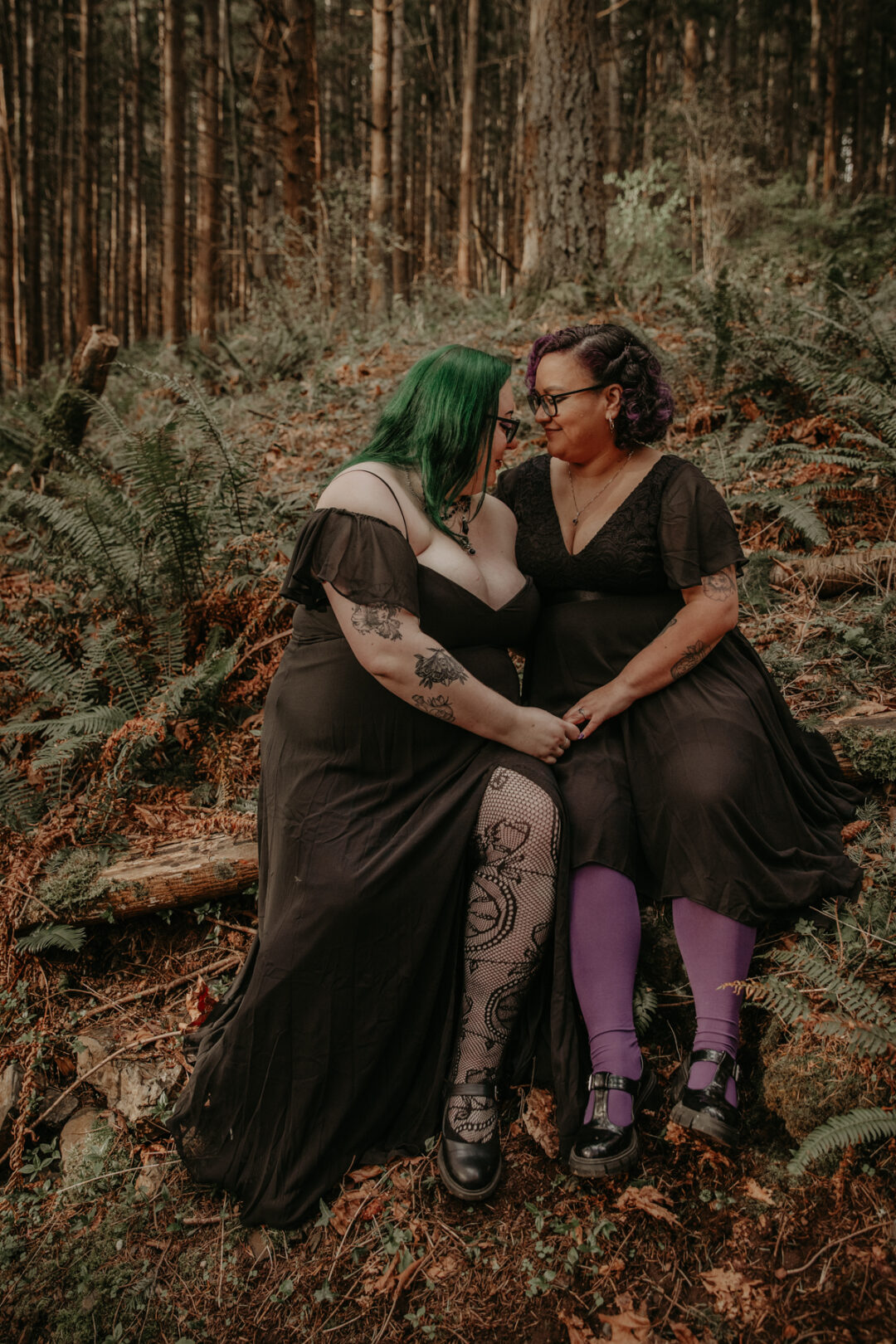
Sam Waldron, too, champions extreme organization as a competitive edge. "Holy organization skills, Batman! Seriously, organization and a deep and abiding love of spreadsheets makes running the administrative side of the business much more doable than it seems to be for a lot of creatively-focused business owners," Waldron quips. Their reliance on tools like Honeybook for "templated contracts, emails, client questionnaires, etc." ensures a consistent, high-quality client experience without the mental strain of reinventing processes for each new client. This strategic investment in robust organizational systems not only mitigates executive dysfunction but also builds a reputation for reliability and professionalism, attracting clients who value clear communication and structured processes.
The collective experience of these photographers demonstrates that hyper-organization, often a natural inclination for many neurodivergent individuals, can be consciously cultivated into a formidable business asset. By establishing rigorous systems, utilizing templates, and embracing automation, they transform the often-chaotic planning phase into a predictable and manageable process, laying the groundwork for a successful and less stressful wedding day.
Phase 3: The Wedding Day – Strategies for Sensory Survival
The wedding day itself is a sensory maelstrom. Flashing lights, loud music, crowded spaces, unpredictable schedules, and constant social demands can quickly overwhelm even neurotypical individuals. For autistic and ADHD photographers with heightened sensory sensitivities and limited social energy reserves, these elements present significant challenges that, if unaddressed, can lead to sensory shutdown or emotional dysregulation.
Emily Blatter’s essential toolkit includes a crucial item: earplugs. "I keep a set of good earplugs in a sturdy little case on my keys so I always have them with me, which really helps me maintain my hearing and keep me from getting overwhelmed by noise on the dance floor," Blatter shares. High-fidelity earplugs, which reduce noise levels without muffling sound quality, are particularly beneficial, allowing photographers to protect their hearing and reduce sensory input while still being able to communicate and capture moments effectively. Beyond sensory protection, Blatter prioritizes restorative breaks: "I make sure I can sit down in a quiet space away from the guests so I can regain some social energy for the rest of the reception." This scheduled solitude is not merely a break but a vital act of self-regulation, allowing her nervous system to reset and preventing the accumulation of social and sensory fatigue.
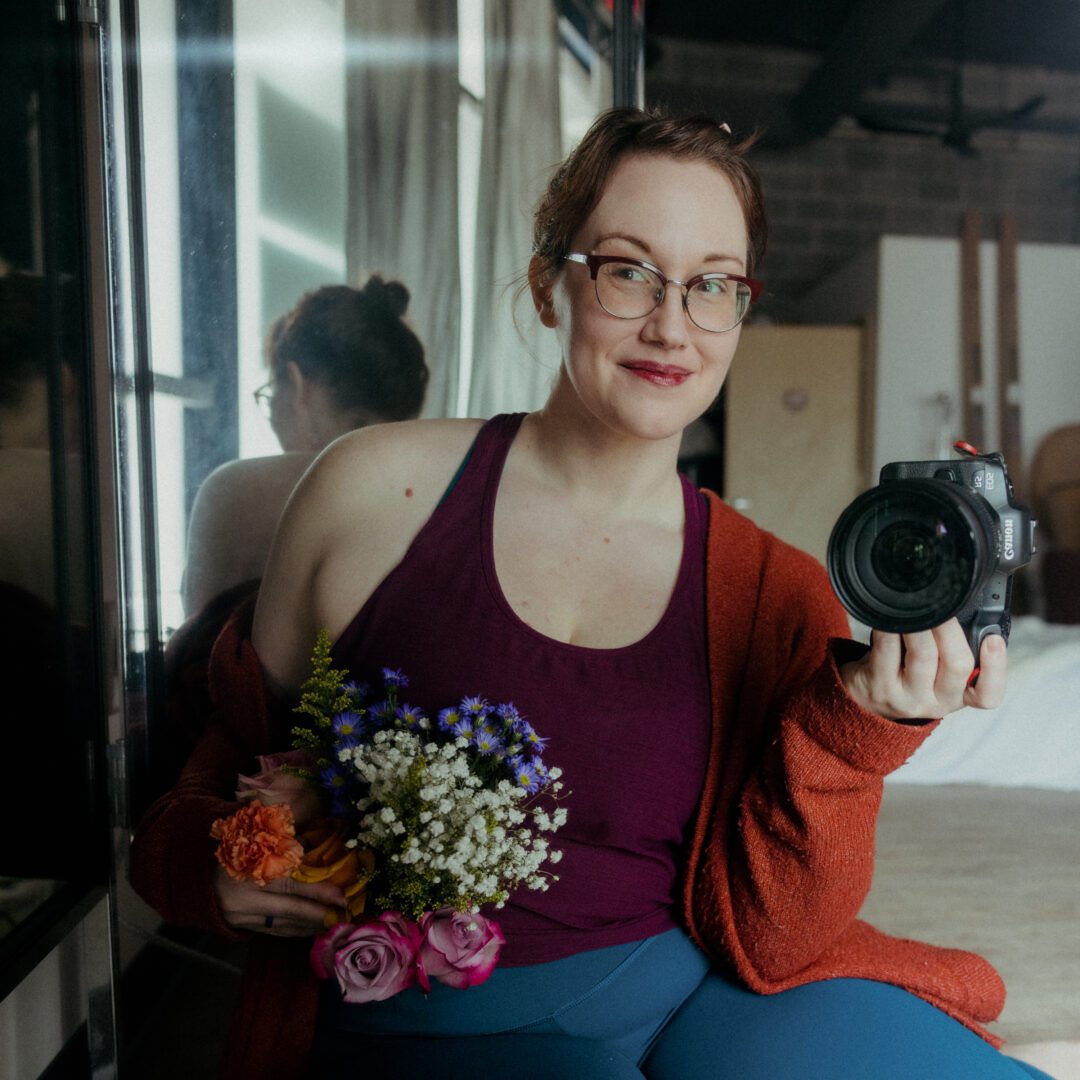
Sam Waldron has integrated sensory and energy management directly into their service offerings. "As a photographer, I don’t offer any wedding packages over 7 hours, because it is too hard on my body," Waldron explains. This proactive boundary setting is a powerful example of recognizing and respecting one’s own limitations, rather than pushing through to the point of collapse. Long wedding days, often extending to 10-12 hours, are physically and mentally exhausting. By capping their service hours, Waldron ensures they can deliver high-quality work without compromising their well-being. Furthermore, for packages exceeding four hours, Waldron includes a second photographer. "I have structured my packages such that any wedding packages that include more than 4 hours of photography include a second photographer… so that I have the ability to take short breaks for stretching or quiet if needed." A second photographer not only provides additional coverage and diverse perspectives but critically allows the primary photographer to step away from the immediate intensity of the event for brief periods of respite, essential for sensory and social recovery.
These strategies underscore a fundamental truth: managing sensory input and social energy on a wedding day is not a luxury for neurodivergent professionals, but a necessity for sustained performance. By implementing tools like earplugs, scheduling quiet breaks, and structuring service packages to include support, these photographers are demonstrating how to navigate a demanding environment effectively while preserving their mental and physical health.
Phase 4: After the Wedding & Beyond – Prioritizing Recovery and Authenticity
The period immediately following a wedding can be as challenging as the event itself. The "wedding hangover" is a common phenomenon, but for autistic and ADHD individuals, the intense social and sensory demands can lead to a full-blown "autistic burnout" or significant post-event fatigue, requiring extended recovery. The long-term sustainability of a business hinges on effective post-event self-care and a commitment to authentic business practices.
Emily Blatter rigorously builds recovery time into her calendar. "I generally try to avoid booking back-to-back weddings," she states. "After photographing a wedding, I usually need to spend a day resting and not really talking to ANYONE, so I make sure I have that time to myself the next day." This deliberate scheduling of downtime is crucial for allowing the nervous system to recalibrate and for replenishing depleted social and sensory resources. Ignoring this need for recovery can lead to chronic burnout, impacting both personal well-being and professional performance.

Beyond immediate recovery, the broader philosophy of operating a sustainable neurodivergent-affirming business involves a profound commitment to authenticity. Katrina Gurr offers empowering advice: "Be yourself, stand up for what you believe in, and do great work… You do not have to build your business by trying to sound like everyone else or fit into what you think you are supposed to be." This statement challenges the pervasive industry pressure to conform to neurotypical norms, such as constantly networking in loud environments or engaging in superficial small talk. By embracing their authentic selves, neurodivergent photographers can attract clients who value their unique perspective and working style, fostering more genuine and less draining professional relationships.
Sam Waldron encapsulates this philosophy with the concept of "soul mate clients." "Lean into your strengths, and remember, you don’t have to be the photographer (or other wedding vendor) for everyone, you have to be the best vendor for YOUR soul mate clients," Waldron advises. This strategic focus on attracting ideal clients—those who understand and appreciate their structured communication, organized approach, and sensory needs—creates a symbiotic relationship. It reduces the need for "masking" (the conscious suppression of autistic traits to conform to social expectations), which is a significant source of fatigue and burnout. When clients are a good fit, communication is smoother, expectations are aligned, and the overall experience is more positive for both parties.
The long-term implications of these post-wedding and authenticity strategies are profound. They highlight that sustainable business growth for neurodivergent professionals is not about overcoming their neurological differences but about integrating them into a strengths-based business model. By prioritizing recovery and fostering genuine client relationships, these photographers are building resilient careers that honor their unique needs and talents.
Broader Impact and Implications: Cultivating an Inclusive Wedding Industry
The strategies employed by Emily Blatter, Sam Waldron, and Katrina Gurr transcend individual coping mechanisms; they represent a blueprint for a more inclusive and accessible wedding industry. Their experiences demonstrate that by actively designing businesses that honor neurodivergent needs, professionals can not only survive but thrive, showcasing unique strengths such as hyper-focus, meticulous attention to detail, deep empathy, and unparalleled organizational skills.

The conventional wisdom of the wedding industry, often steeped in extroverted, neurotypical norms, can inadvertently exclude a wealth of talent. By advocating for and implementing neuro-affirming practices—from asynchronous communication to structured timelines and sensory management—these photographers are creating a vital dialogue. This movement challenges the industry to reconsider what "professionalism" truly entails and to recognize that diverse cognitive styles bring immense value. A photographer who requires written communication and quiet breaks may be precisely the one who delivers an exceptionally detailed shot list and captures nuanced emotional moments due to their unique observational skills.
The implications extend beyond individual vendors. When neurodivergent photographers set clear boundaries and adapt their processes, they educate clients and fellow vendors on the importance of inclusive practices. This ripple effect can lead to broader industry shifts, encouraging event planners to create quieter vendor spaces, venues to consider sensory environments, and other professionals to re-evaluate their communication styles. Ultimately, an industry that accommodates a wider range of cognitive profiles is a stronger, more innovative, and more equitable industry. It is a testament to the fact that designing for accessibility often benefits everyone, leading to clearer communication, better organization, and a more humane working environment.
Conclusion: Your Brain as Your Best Business Asset
The journey of these autistic and ADHD wedding photographers underscores a powerful message: your unique brain is your best business asset. By bravely rejecting the confines of neurotypical expectations and instead building businesses that intrinsically respect how their brains operate, these professionals are not merely surviving the intense wedding season—they are redefining success. They are proving that hyper-focus, radical organization, and profound empathy are not just personal traits but powerful competitive advantages when channeled effectively.
Their work stands as a compelling testament to the fact that there is indeed a seat at the table for every kind of mind within the dynamic world of wedding services. By championing self-advocacy and innovative business design, they are paving the way for a more understanding, adaptable, and ultimately, more powerful industry—one where authenticity is celebrated, and burnout is no longer an inevitable rite of passage. Their success is a beacon, illuminating the path towards a future where inclusive practices are not an afterthought, but the very foundation of a thriving professional landscape.