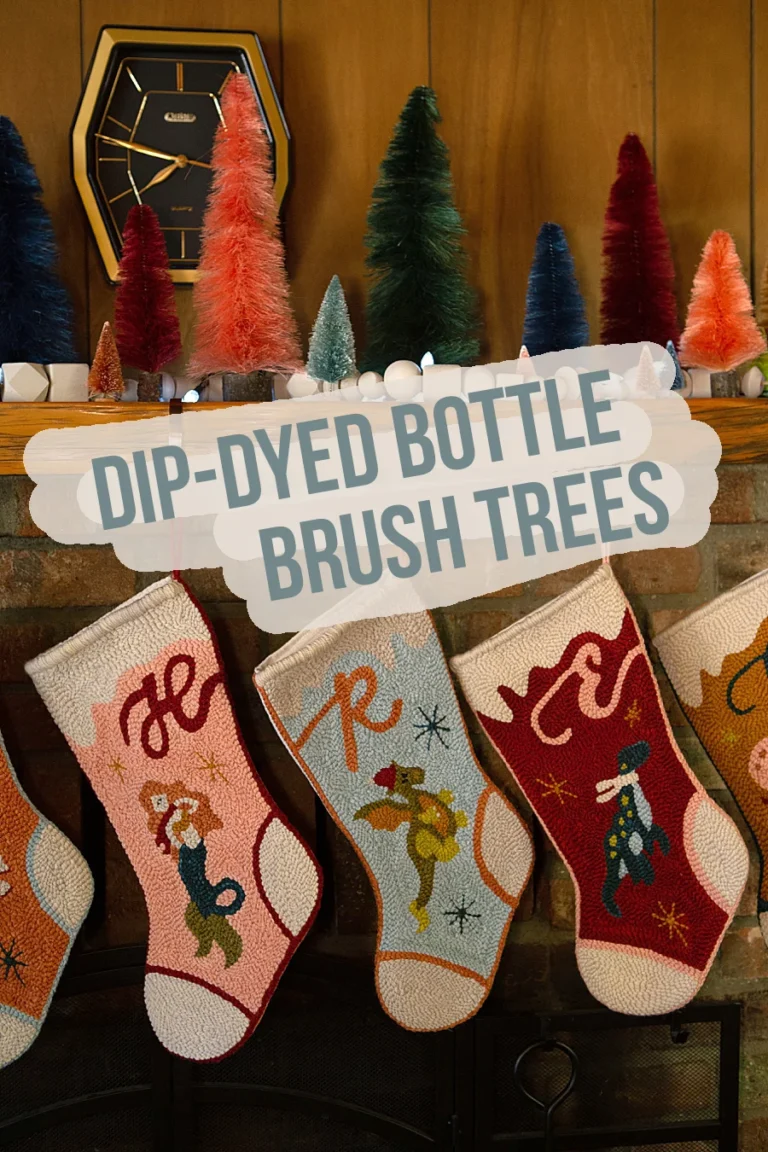

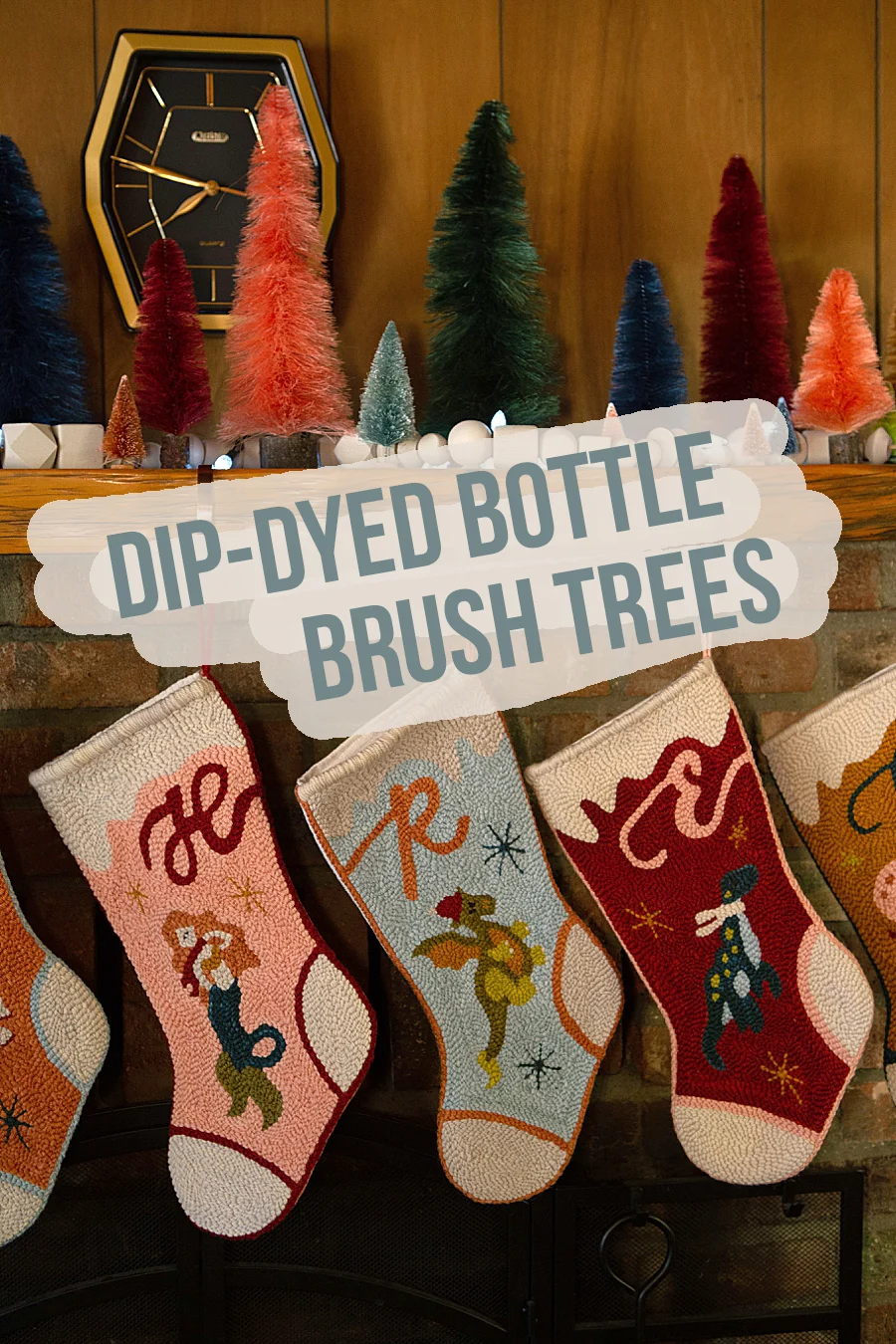
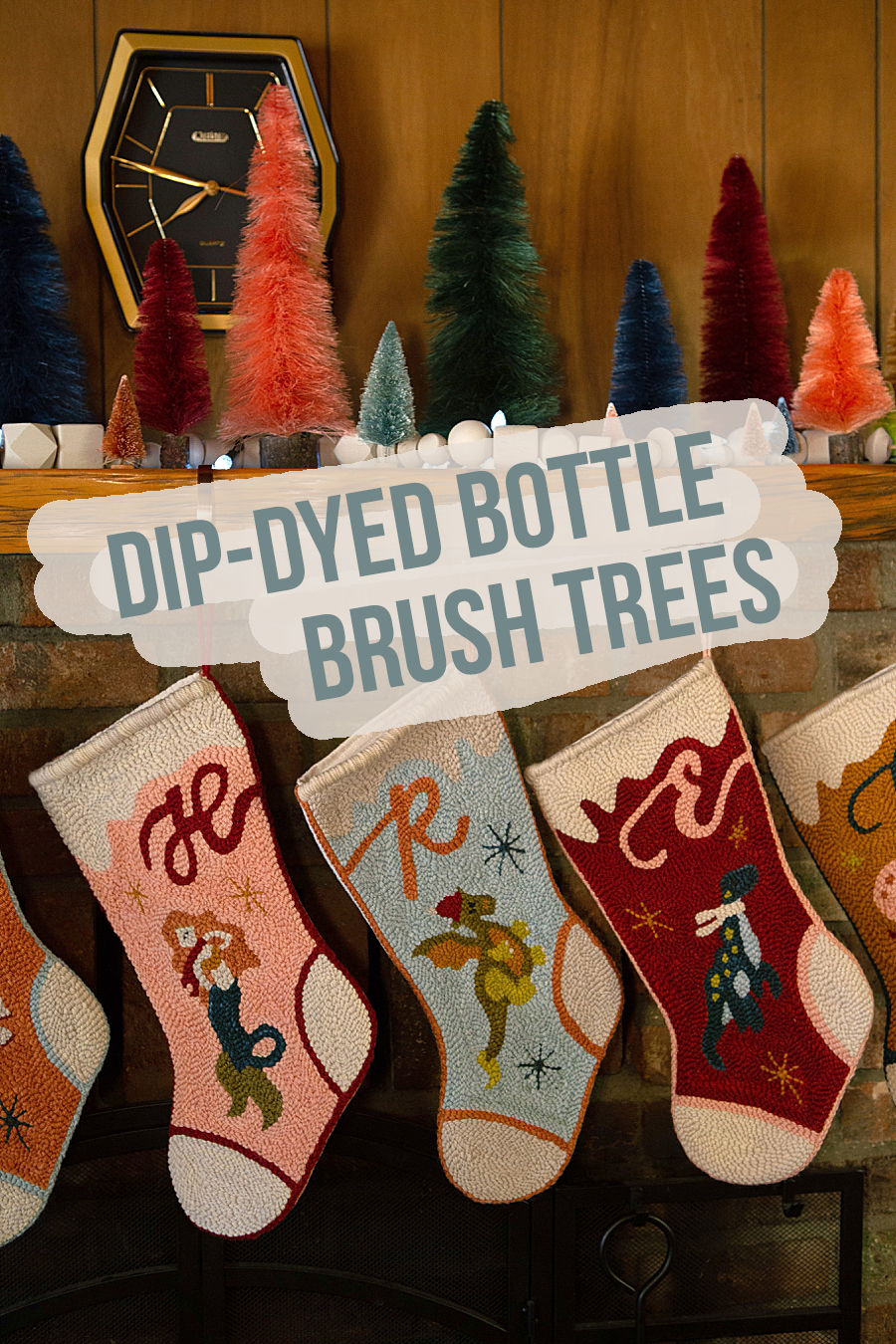
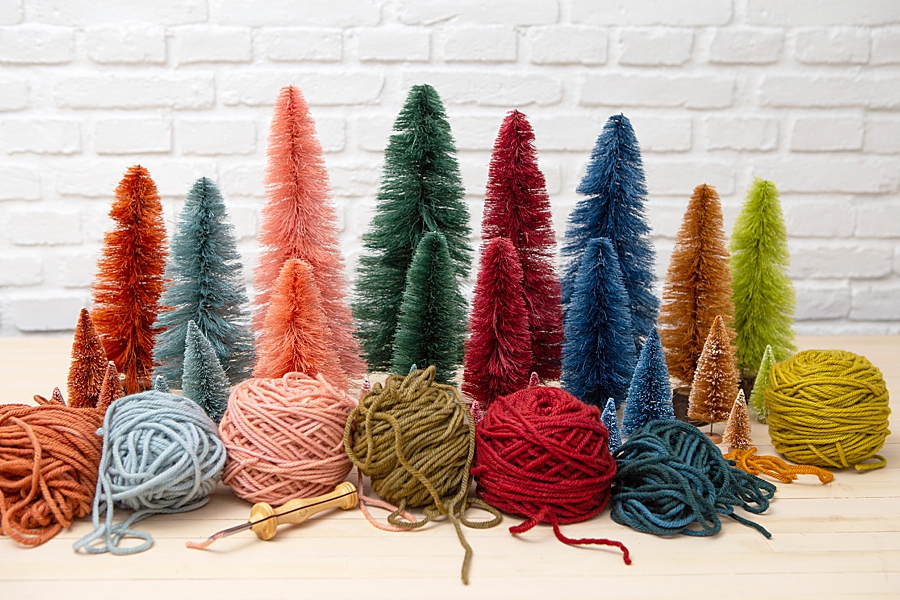
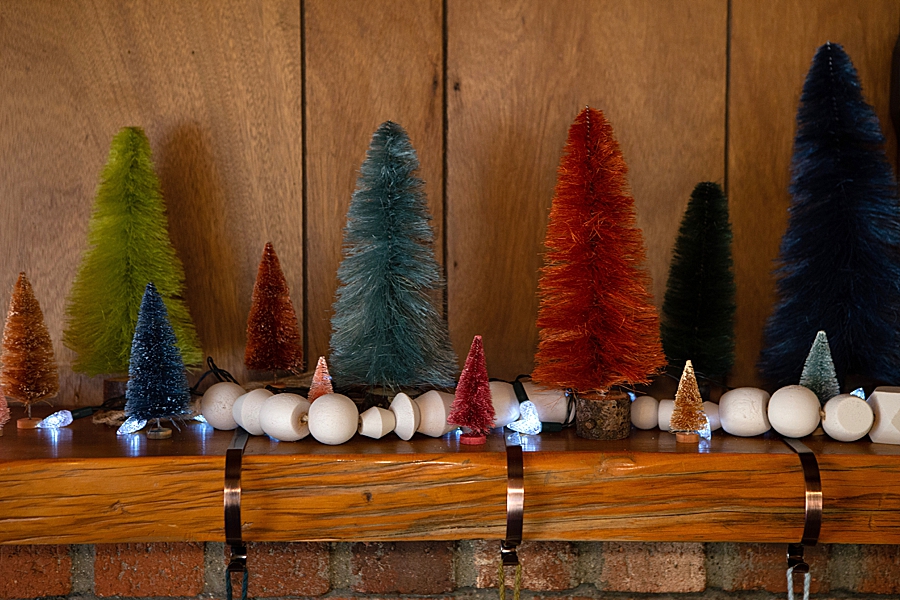
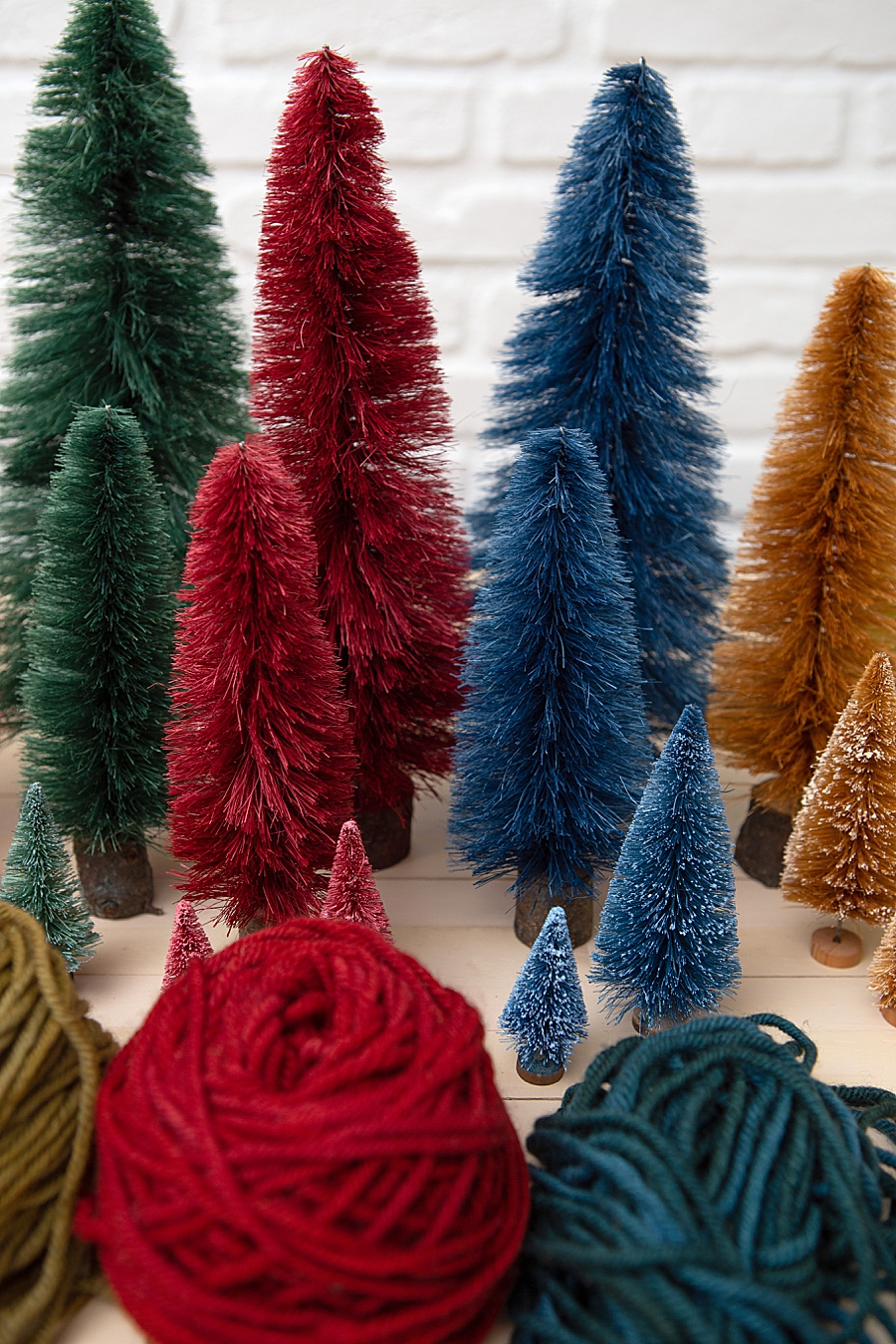
The landscape of holiday interior design is undergoing a significant shift as consumers increasingly move away from mass-produced, imported commodities in favor of artisanal, domestically manufactured goods. This trend is exemplified by a recent project led by Jen Causey-Kidder, the creative force behind the design platform Something Turquoise, who documented a specialized process for dip-dyeing bottle brush trees. The initiative was born out of a specific requirement to match holiday greenery with custom-made heirloom punch needle stockings, highlighting a growing demand for high-level personalization in home decor. By sourcing high-quality, natural-fiber trees from a domestic artisan and utilizing precise color formulas, the project demonstrates how traditional holiday symbols can be elevated through modern DIY techniques and intentional sourcing.
The Shift Toward Domestic Artisanal Sourcing
A primary driver for this project was the stated difficulty in locating domestically produced holiday decor within the mainstream retail market. The designer’s search for bottle brush trees—a staple of mid-century modern and nostalgic Christmas displays—revealed a marketplace dominated by overseas manufacturing. This reflects broader economic data suggesting that while the United States remains a massive consumer of holiday goods, a substantial percentage of these items are imported. According to U.S. Census Bureau data, the vast majority of artificial Christmas trees and related ornaments are imported annually, often leading to a homogeneity in style and quality.
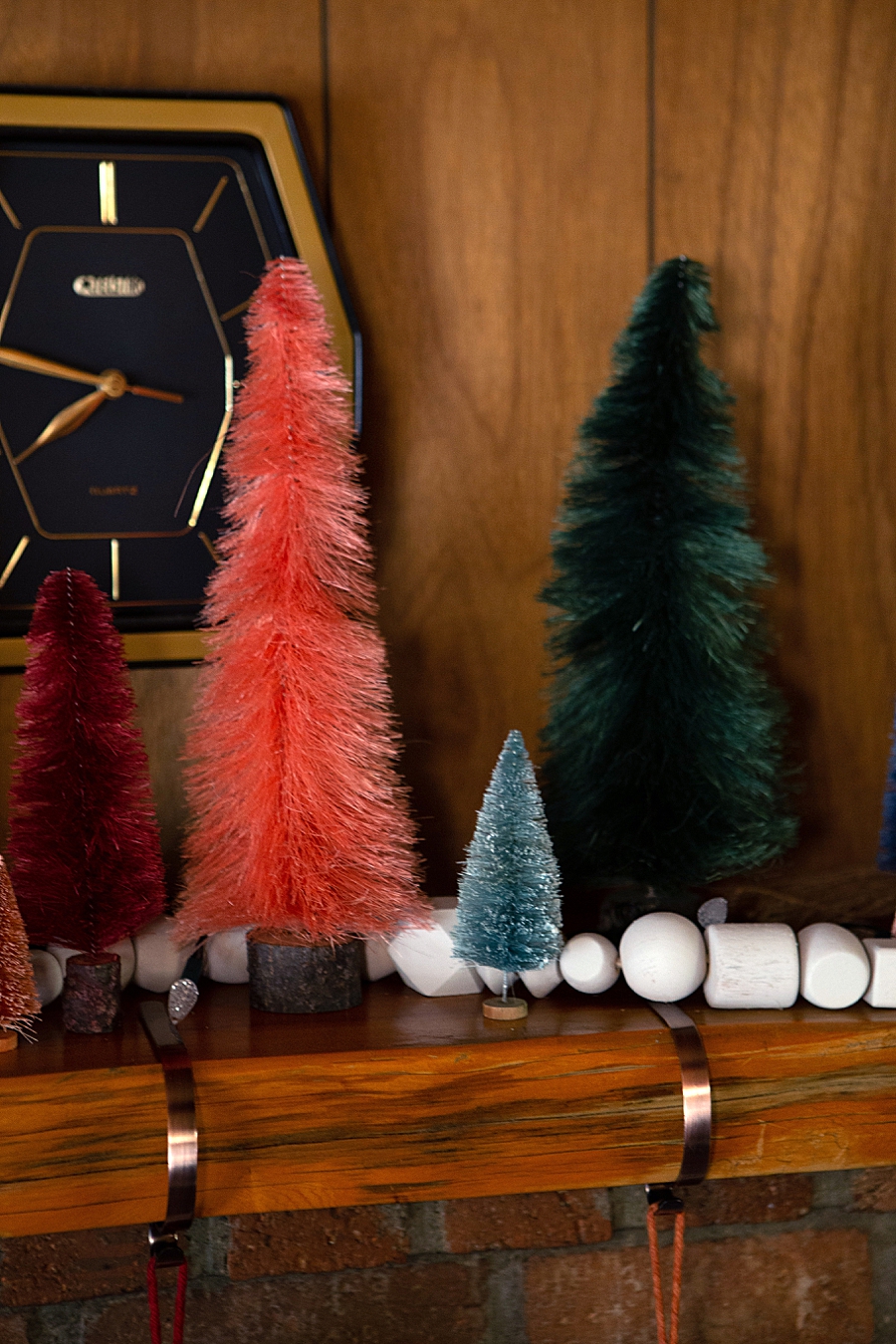
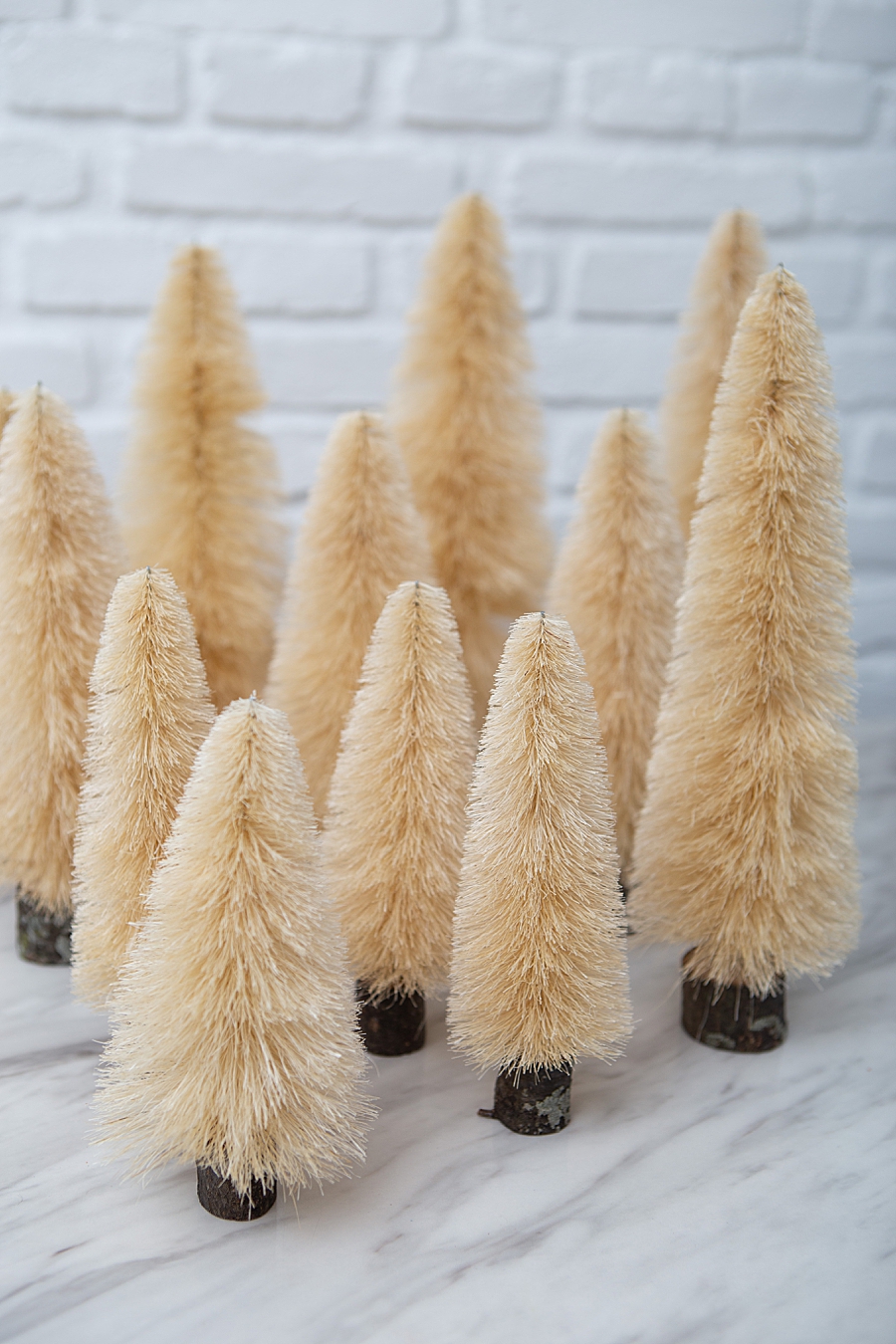
The alternative identified for this project was Studio59 Handmade, an Etsy-based studio operated by an artisan named Rachel. These trees are characterized by their construction in various widths—classic, thin, and wide—and a size range spanning four to twelve inches. By choosing "natural" (uncolored) trees, the designer gained the necessary canvas for custom color application. This move toward "slow decor" emphasizes the value of handmade items that offer durability and aesthetic flexibility over the "disposable" nature of lower-cost imports.
Technical Analysis of the Dip-Dyeing Process
The methodology employed for the customization of these trees involves the use of acid-based or multipurpose dyes, specifically those produced by Rit Dye, a company that has dominated the home-dye market since the early 20th century. The process is not merely an aesthetic choice but a technical application that requires precision to ensure color fastness and uniformity across different fiber densities.
Material Preparation and Chemistry
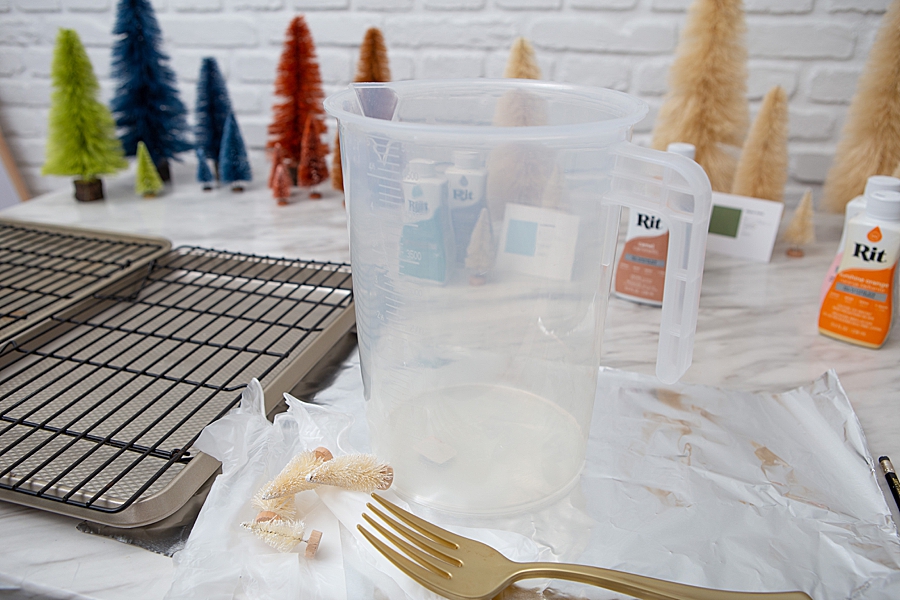
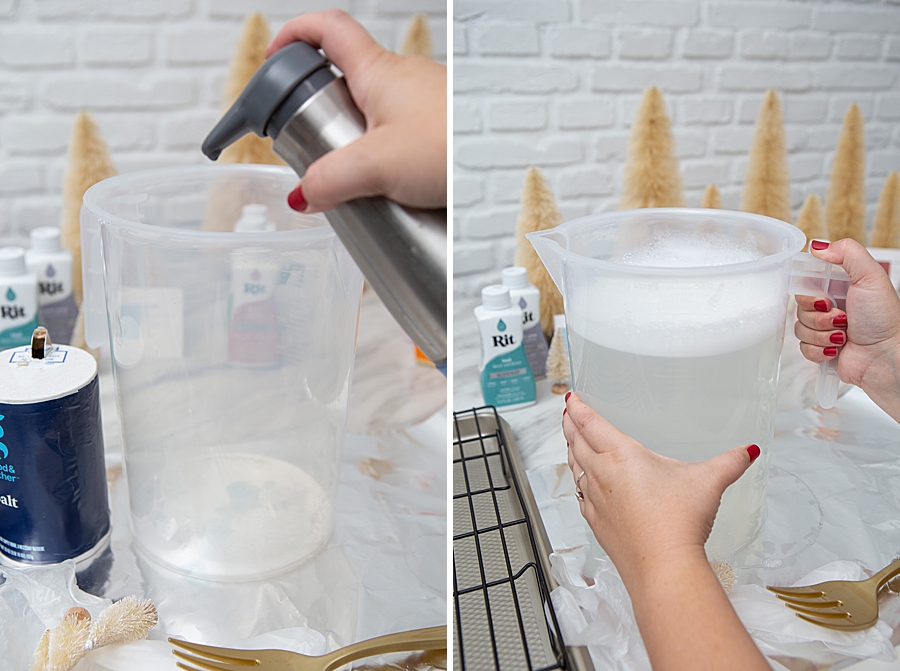
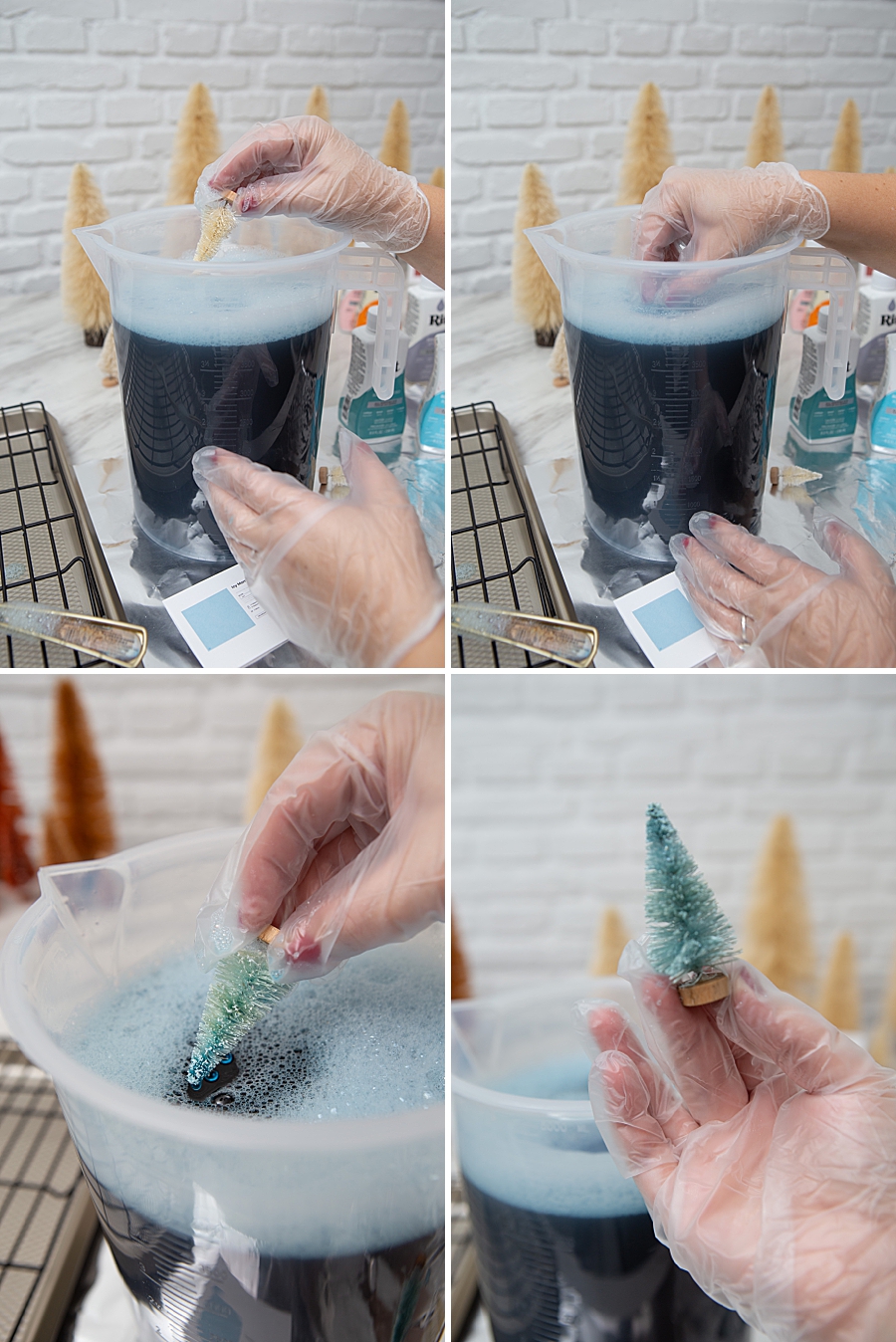
The success of the dyeing process is predicated on the preparation of the dye bath. The project utilized a combination of high-temperature water, dish soap, and salt. From a chemical perspective, the dish soap acts as a surfactant, breaking the surface tension of the water to allow the dye molecules to penetrate the dense bristles of the bottle brush trees more effectively. The addition of salt (sodium chloride) serves as an ionic catalyst, particularly when working with natural fibers like sisal or hemp, which are commonly used in high-quality bottle brush construction. The salt helps the fiber to absorb the dye more deeply, resulting in a more vibrant and lasting color.
Precision Color Matching
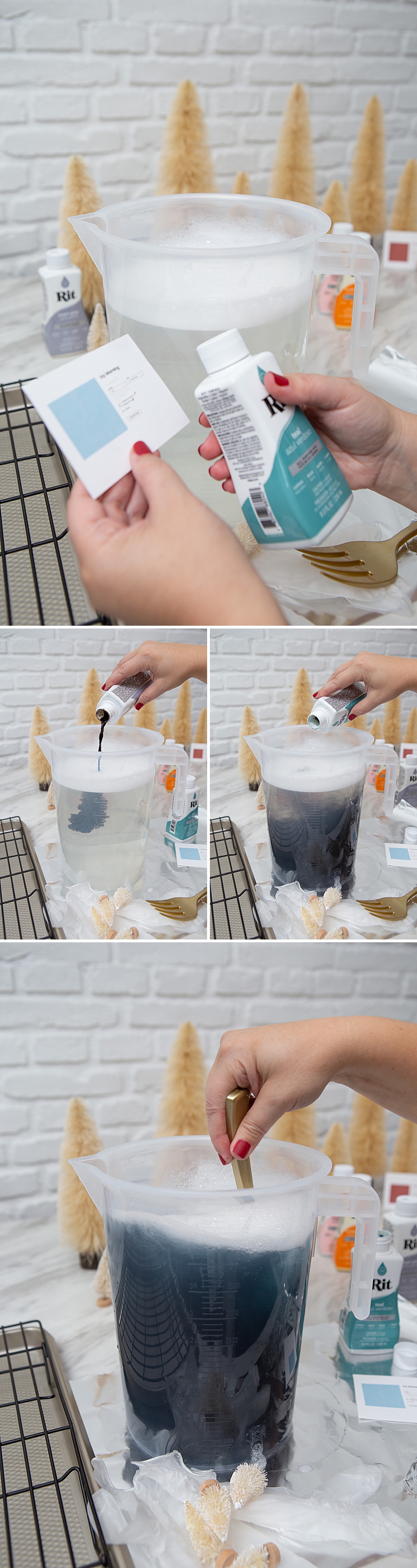
To achieve a match with specific textile elements—in this case, Cardo yarn by Manos del Uruguay used for punch needle stockings—the designer utilized the Rit Dye Color Formulas database. This digital resource allows users to replicate thousands of specific hues by mixing primary and secondary liquid dyes in exact proportions. For the Something Turquoise project, these formulas were adjusted to a one-gallon water ratio, ensuring that the concentration was sufficient for the volume of trees being processed.
Chronology of the Customization Project
The execution of the dip-dyeing project followed a structured timeline, ensuring that each tree reached the desired saturation level without compromising the integrity of the wire frame or the adhesive holding the bristles in place.
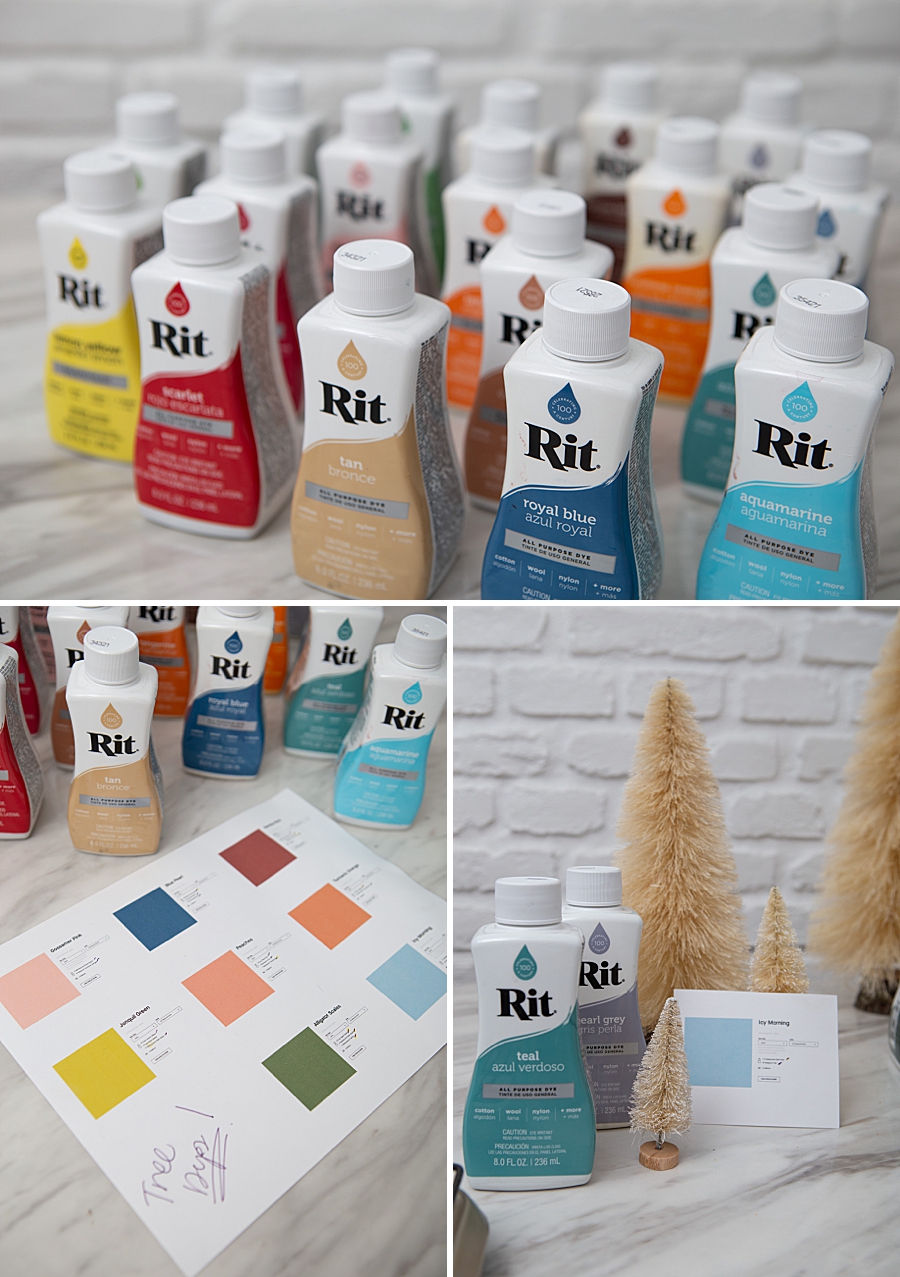
- Sourcing and Selection: The process began with the acquisition of 15 natural-toned trees from Studio59 Handmade. The selection included a variety of heights to create visual interest in a "forest" display.
- Color Formulation: Using digital screenshots of the Rit Dye database, the designer prepared a comprehensive color chart to match the palette of the hand-punched stockings.
- Experimental Testing: A critical phase involved testing the dye mixtures on "test trees"—smaller, less expensive versions—to verify the hue before committing the premium handmade trees to the bath. This step is vital in professional-grade DIY projects to prevent the waste of high-value materials.
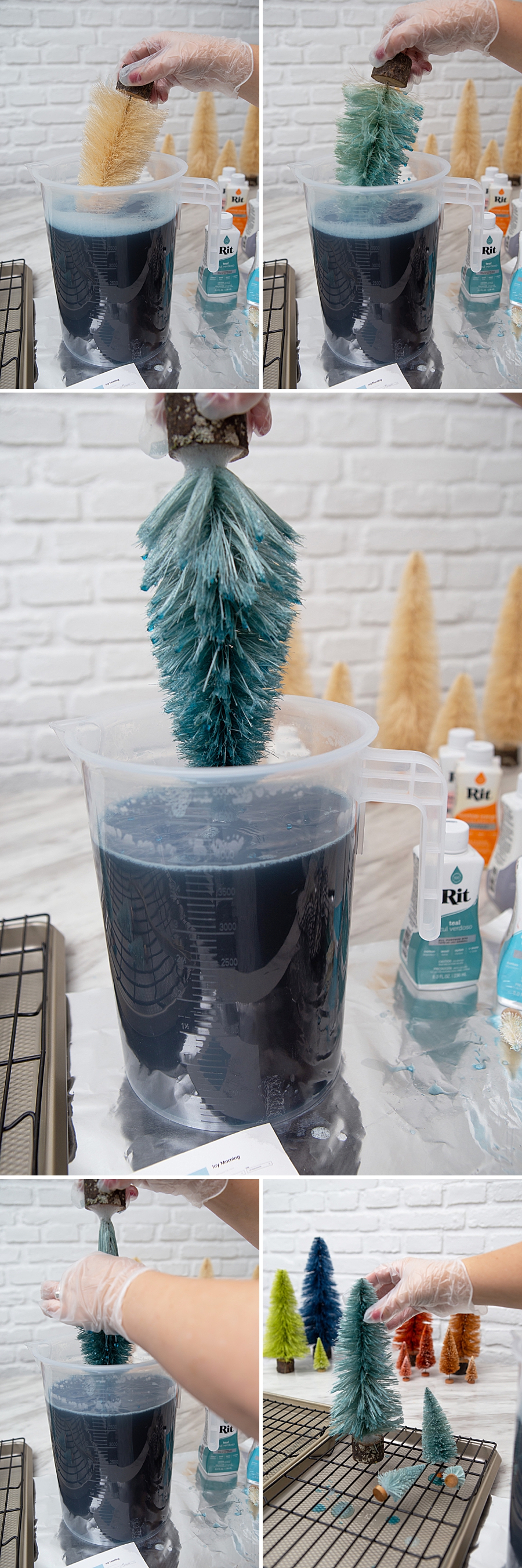
- The Immersion Phase: Each tree was submerged in the hot dye bath for approximately 45 seconds. This duration was calculated to allow for deep penetration without oversaturating the core.
- De-watering and Curing: After removal from the dye, excess liquid was manually stripped from the bristles. The trees were then placed on cookie cooling racks over trays to allow for 360-degree airflow.
- Drying Period: A mandatory 24-hour drying period was observed to ensure the color was fully set and the bristles had returned to their natural texture.
Economic and Cultural Context: The Rise of the "Heirloom" DIY
The motivation behind this project—creating "heirloom" punch needle stockings and matching decor—aligns with a significant cultural shift toward "intentional living" and sustainable consumption. In an era of "fast fashion" and "fast decor," there is a documented resurgence in traditional crafts such as punch needle embroidery, knitting, and custom dyeing.
Industry analysts suggest that the DIY market has evolved from a cost-saving measure into a luxury-adjacent hobby. Consumers are willing to spend more on high-quality raw materials (like the $30+ per skein yarn from Manos del Uruguay or handmade Etsy trees) to create items that will be kept for decades rather than discarded after a single season. This "heirloom" mentality provides a psychological counter-balance to the transience of digital life, offering a tangible connection to the holiday season through physical labor and creative expression.
Implications for the Holiday Retail Sector
The success of such niche DIY projects carries implications for the broader retail sector. As consumers become more adept at customizing their environments, the demand for "blank" or "natural" high-quality base products is expected to rise. Retailers who provide the components for customization—rather than just the finished product—may find a more engaged and loyal customer base.
Furthermore, the role of social media platforms like Instagram and TikTok in disseminating these techniques cannot be overstated. The designer in this instance utilized Instagram Reels to demonstrate the process in real-time, effectively acting as an educator and an influencer. This democratization of design knowledge allows independent artisans like Rachel of Studio59 to reach a global audience, bypassing traditional big-box retail distribution chains.
Technical Considerations for Future Applications
For those seeking to replicate the results of the Something Turquoise project, several technical factors should be considered:
- Fiber Composition: Most artisanal bottle brush trees are made from sisal, a natural fiber derived from the agave plant. Sisal is highly absorbent but can become soft when wet. Proper drying is essential to maintain the conical shape of the tree.
- Water Temperature: The use of "the hottest water possible" is necessary to open the fibers. However, if the water is too close to boiling, it may melt the adhesives used to secure the bristles to the central wire. A temperature of approximately 140°F (60°C) is generally considered optimal for home dyeing.
- Post-Dye Maintenance: Once dyed and dried, these trees should be stored in a moisture-free environment to prevent color bleeding or the growth of mildew on the natural fibers.
Conclusion
The customization of holiday decor through dip-dyeing represents a intersection of traditional craftsmanship and modern aesthetic precision. By rejecting the limitations of mass-market availability and opting for a combination of domestic artisanal sourcing and technical color matching, designers are able to create cohesive, high-quality holiday environments. This project serves as a blueprint for the "new traditionalist" approach to seasonal decorating, where the value of the object is found in its provenance, the labor of its creation, and its ability to be passed down through generations as a true heirloom. As the "Made in USA" and DIY movements continue to gain momentum, the holiday landscape will likely see a continued diversification of styles, driven by the creativity of individual makers and the availability of professional-grade tools and materials.