

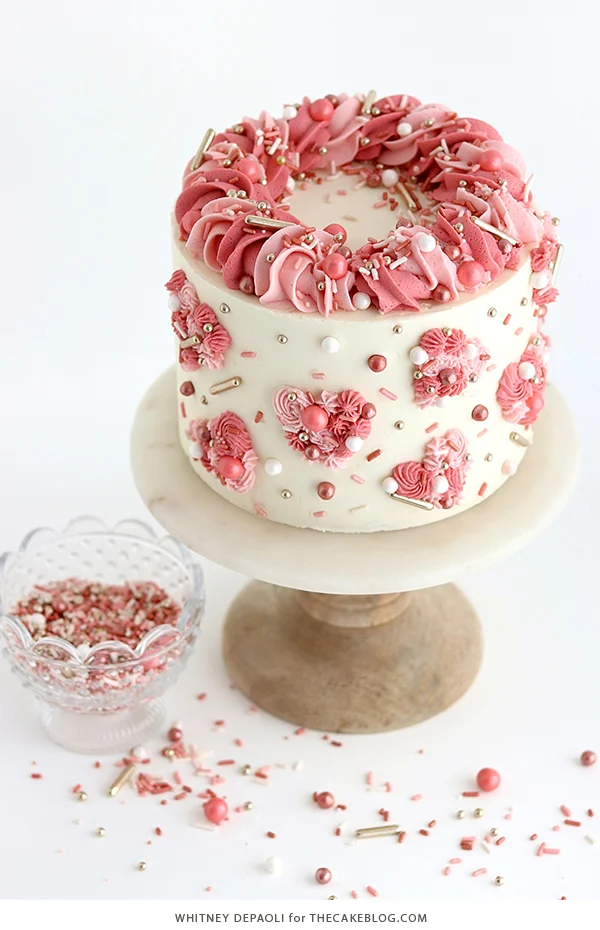
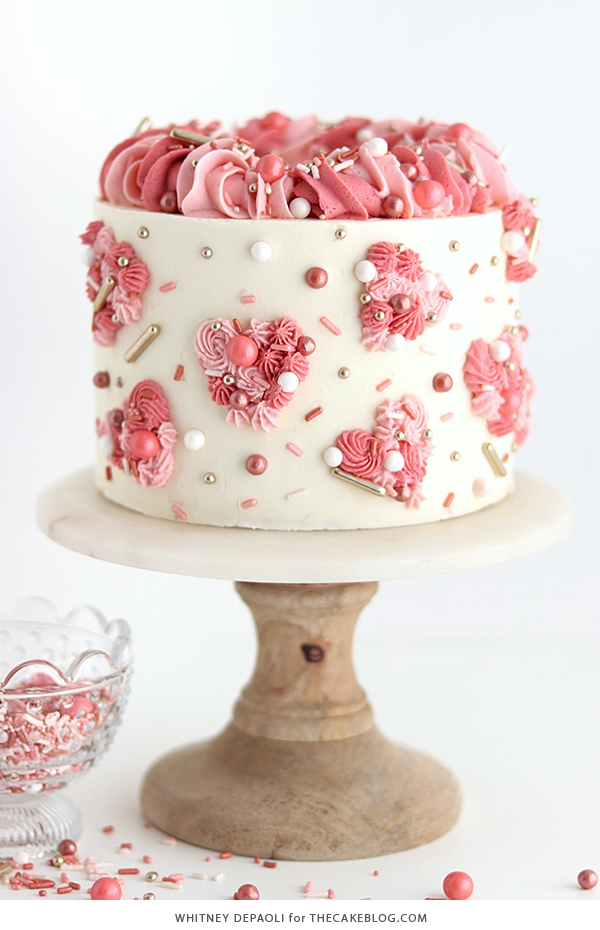
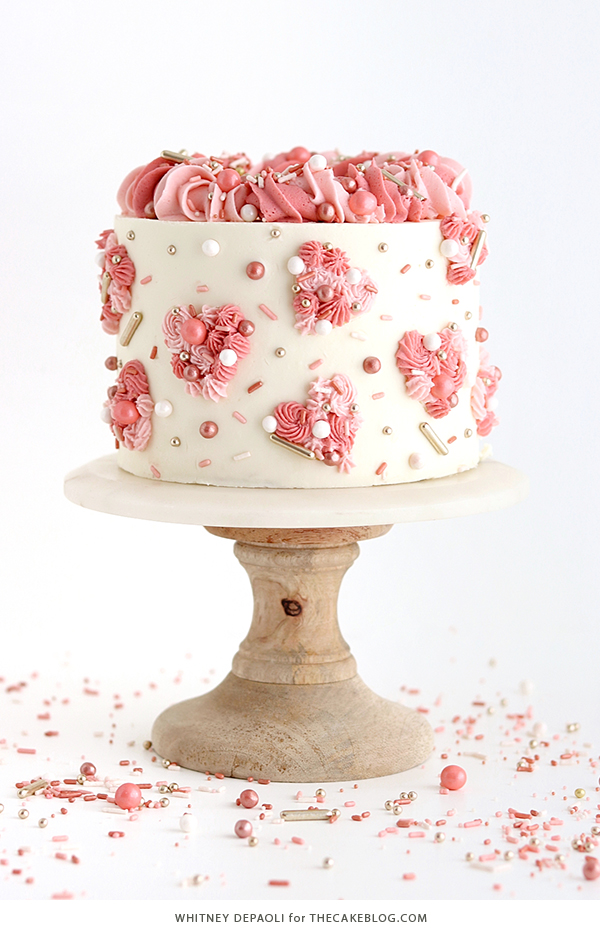
The intersection of traditional holiday motifs and modern confectionery techniques has reached a new milestone with the release of a comprehensive tutorial by Whitney DePaoli, a prominent contributor to the culinary platform The Cake Blog. This latest instructional guide focuses on the "Piped Hearts" technique, a method that prioritizes texture, depth, and a sophisticated color palette to redefine the standard Valentine’s Day aesthetic. While hearts and pink hues have long been staples of February 14th celebrations, the methodology introduced by DePaoli utilizes a specific imprinting and piping strategy inspired by contemporary social media trends, specifically the work of digital creator @frostedfujicakes. This approach represents a broader shift in the home baking industry, where high-level professional techniques are being adapted for enthusiasts looking to create centerpiece-quality desserts for personal celebrations or social gatherings.
The Evolution of Valentine’s Day Cake Artistry
Historically, Valentine’s Day confectionery was dominated by simple heart-shaped pans or flat, flooded royal icing designs. However, the rise of the "visual economy" on platforms such as Instagram and Pinterest has catalyzed a demand for multi-dimensional, tactile designs. The Piped Hearts Valentine’s Cake tutorial addresses this demand by moving away from two-dimensional decorations in favor of a "mixed-media" approach that combines buttercream piping with varied sprinkle textures.
Industry data suggests that the home baking market has seen significant growth over the last five years, with a notable increase in consumers seeking specialized tools such as specific piping tips and high-pigment food gels. According to market research, the global cake decorating supplies market is expected to continue its upward trajectory, driven by the democratization of professional techniques through online tutorials. DePaoli’s contribution is positioned within this trend, offering a bridge between amateur accessibility and professional-grade visual appeal.
Technical Specifications and Methodology
The core of the Piped Hearts technique lies in the "imprint-and-fill" method, a procedural innovation that ensures geometric precision without requiring the freehand drawing skills of a master pastry chef. The process begins with a foundation of chilled, smooth-frosted cake, which serves as a canvas for the structural elements of the design.
Phase I: Structural Imprinting
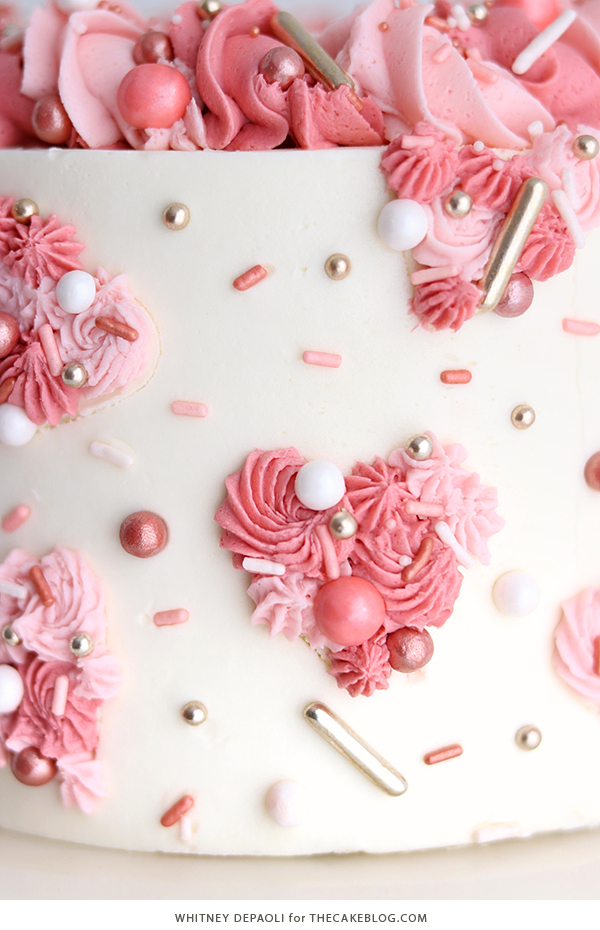
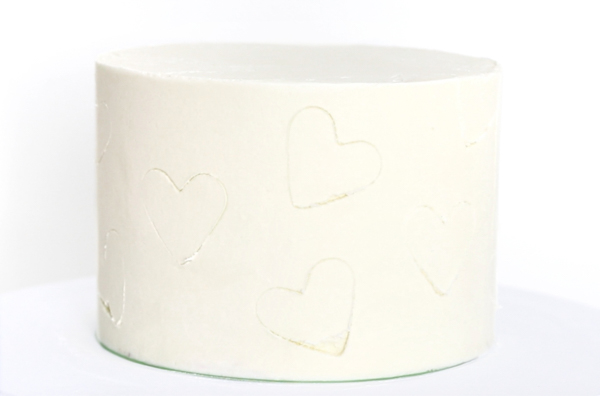
The initial stage of the design involves the use of a standard heart-shaped cookie cutter. Rather than using the tool for its traditional purpose of cutting dough, it is utilized as a stencil. By gently pressing the cutter into the cold buttercream surface, the baker creates a faint but visible outline. This serves as a boundary for the subsequent piping work. Technical experts suggest that the cake must be sufficiently chilled—ideally for at least 30 to 60 minutes—to ensure the cutter leaves a clean mark without sticking to or tearing the base frosting. DePaoli recommends a spacing of at least two inches between imprints to prevent visual crowding and to maintain the integrity of the "modern" minimalist aesthetic.
Phase II: Textural Piping and Tool Utilization
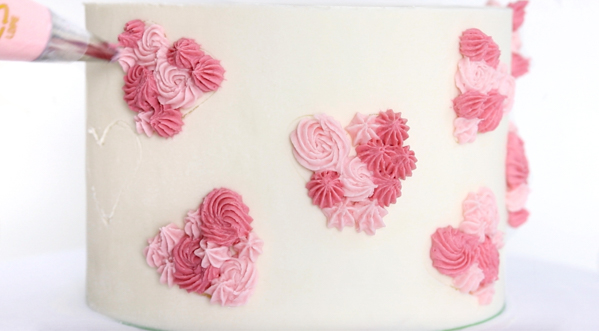
The tutorial specifies the use of three distinct piping tips: the 1M, the 199, and the 21. Each tip serves a specific geometric function:
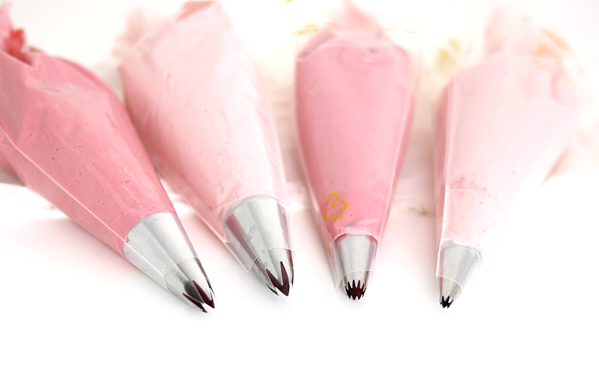
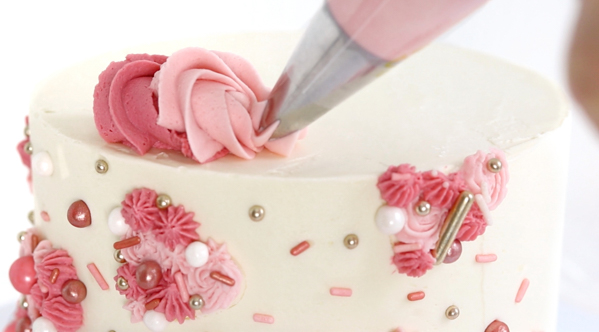
- The 1M Tip: Traditionally used for large rosettes, in this context, it is used to create "tiny rosettes" that provide the primary volume within the heart shape.
- The 199 and 21 Tips: These open-star tips are used to create varied sizes of "stars" or "dollops," which fill the interstitial spaces between the larger rosettes.
The use of American buttercream is highlighted as the preferred medium for this technique. Known for its high sugar content and crusting properties, American buttercream provides the structural stability required to hold the intricate shapes of the stars and rosettes, even at room temperature. This is a critical factor for cakes intended for display at parties or events.
Color Theory and Aesthetic Analysis
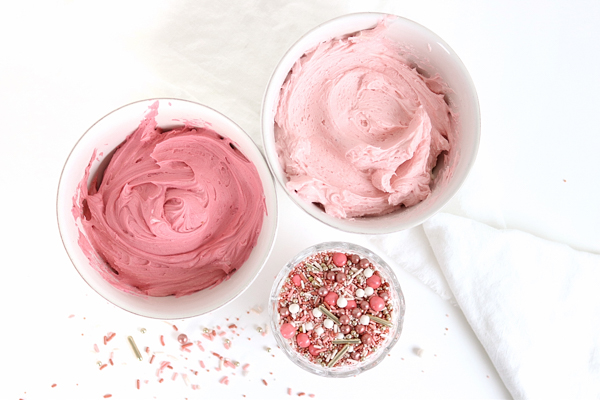
A significant departure from traditional Valentine’s Day palettes is seen in the choice of a rose gold and "Dusty Rose" color scheme. By utilizing Americolor Dusty Rose gel, the tutorial demonstrates how monochromatic or tonal variations can create more visual interest than a simple red-and-white contrast.
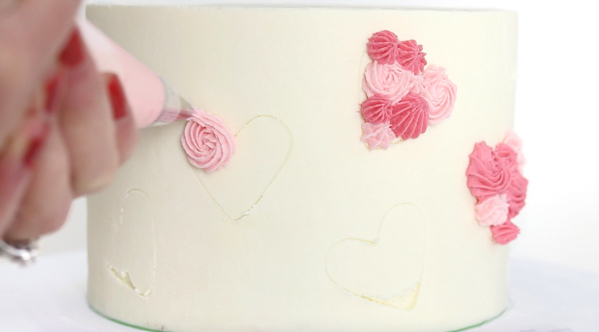
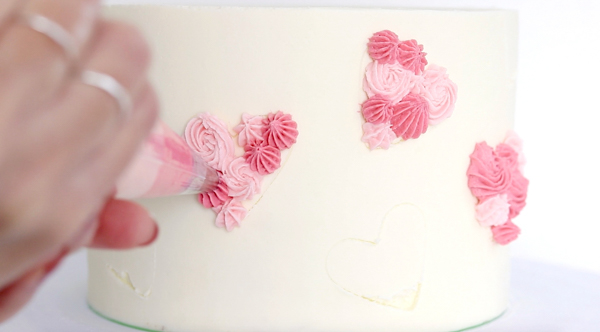
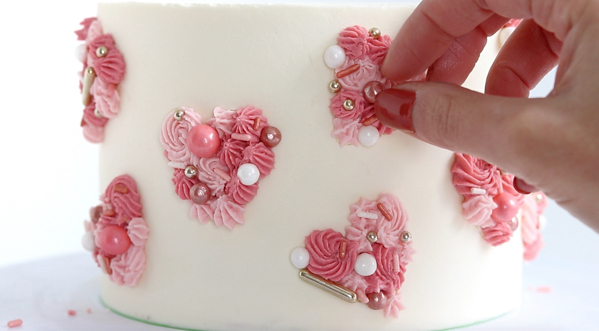
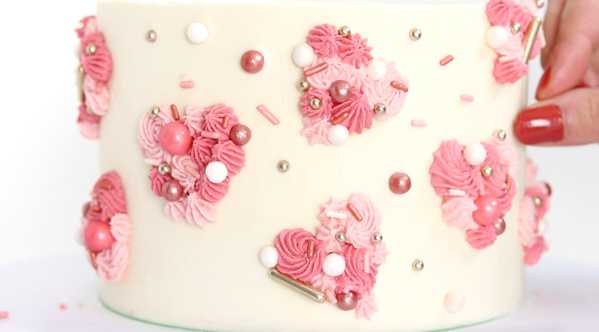
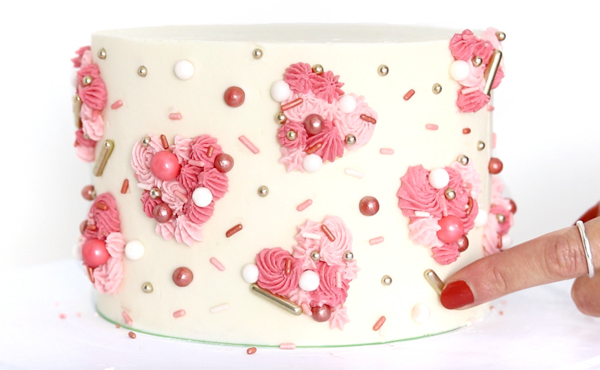
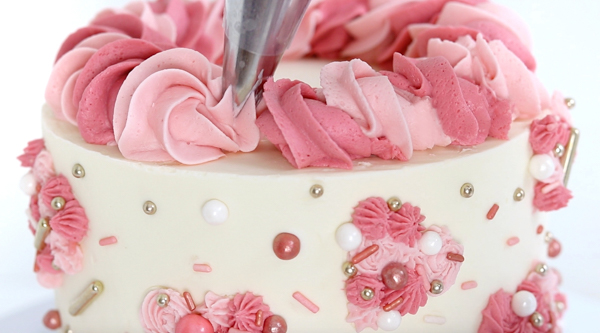
The application of color is divided into two distinct bowls of buttercream, creating a gradient effect when piped side-by-side. This tonal depth is further enhanced by the addition of a custom sprinkle mix. The sprinkles do not merely serve as a garnish; they are an integral part of the structural design, used to "fill in the gaps" where the piping tips cannot reach. This creates a seamless, jewel-like appearance within each heart.
Safety Protocols and Regulatory Considerations
A critical component of the tutorial involves the use of metallic dragées and rods. The guide includes a formal advisory regarding gold and silver decorative elements. While these items are widely sold for cake decoration, the U.S. Food and Drug Administration (FDA) has historically maintained a complex stance on their consumption.
The tutorial notes that while these items are considered safe for contact with food, they are often labeled "for decoration only" in the United States. DePaoli specifically advises bakers to instruct guests not to consume long gold rods, highlighting a growing trend in the baking industry to prioritize safety and transparency regarding non-traditional ingredients. This reflects a broader movement toward consumer education in the culinary arts, ensuring that aesthetic choices do not compromise the safety of the end-user.
Procedural Chronology: From Prep to Border
The construction of the Piped Hearts Valentine’s Cake follows a strict chronological order to ensure the stability of the final product:
- Preparation of the Base: The cake is frosted and chilled.
- Color Calibration: Buttercream is tinted to the desired "Dusty Rose" shades.
- Bag Fitting: Four piping bags are prepared with the 1M, 199, and 21 tips to allow for rapid switching during the piping process.
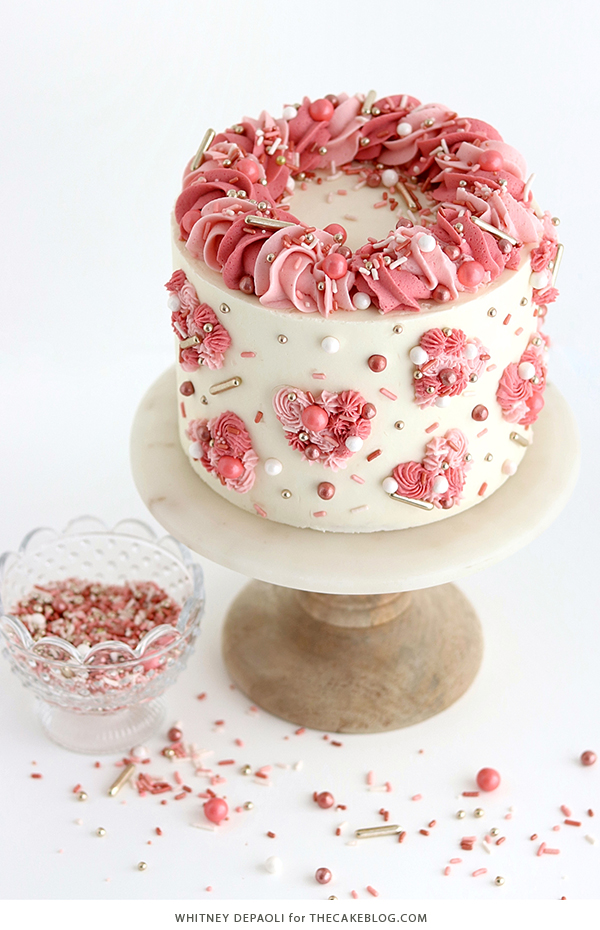
- The Imprinting Stage: Hearts are randomly but strategically placed around the cake’s circumference.
- Internal Piping: The hearts are filled with a mixture of rosettes and stars.
- The "Damp Towel" Technique: For the placement of individual sprinkles, DePaoli introduces a practical tip: using a damp paper towel to slightly moisten the fingertip, allowing for the precise pickup and placement of small sugar pearls without the need for specialized tweezers.
- The Rosette Rope Border: The design is anchored by a top border created by piping 1M rosettes in a counter-clockwise motion at a 45-degree angle. This "rope" effect provides a frame for the top of the cake, tying the side decorations to the overall structure.
Market Impact and Consumer Response
The release of such tutorials has a measurable impact on the retail sector. Retailers specializing in baking supplies often report a "tutorial-driven" surge in the sales of specific piping tips and food colorings mentioned by high-profile contributors like DePaoli. For instance, the 1M tip has become a staple in home kitchens largely due to its versatility in creating the "rosette" look that has dominated social media for several years.
Furthermore, the shift toward "Galentine’s Day"—a celebration of female friendship popularized by modern culture—has expanded the market for Valentine’s-themed cakes. These designs are no longer exclusively for romantic partners; they are increasingly used as centerpieces for social gatherings, driving a demand for "eye-catching" and "versatile" designs that appeal to a broader demographic.
Broader Implications for the Baking Industry
The Piped Hearts technique represents the ongoing professionalization of the home baker. By providing clear, data-driven instructions and specific tool recommendations, contributors like Whitney DePaoli are elevating the standard of amateur baking. This has led to a more discerning consumer base that values texture, color theory, and structural integrity as much as flavor.
In conclusion, the Piped Hearts Valentine’s Cake is more than a seasonal recipe; it is a case study in the modern application of traditional themes. By combining geometric imprinting, specialized piping, and a sophisticated approach to color and safety, the tutorial provides a blueprint for the future of holiday-themed confectionery. As the baking industry continues to evolve, the emphasis on tactile, multi-dimensional designs is expected to remain a dominant force, influencing both professional pastry chefs and home enthusiasts alike. The success of this technique lies in its ability to be "so easy to whip up" while remaining "totally eye-catching," a balance that remains the gold standard in contemporary digital culinary instruction.