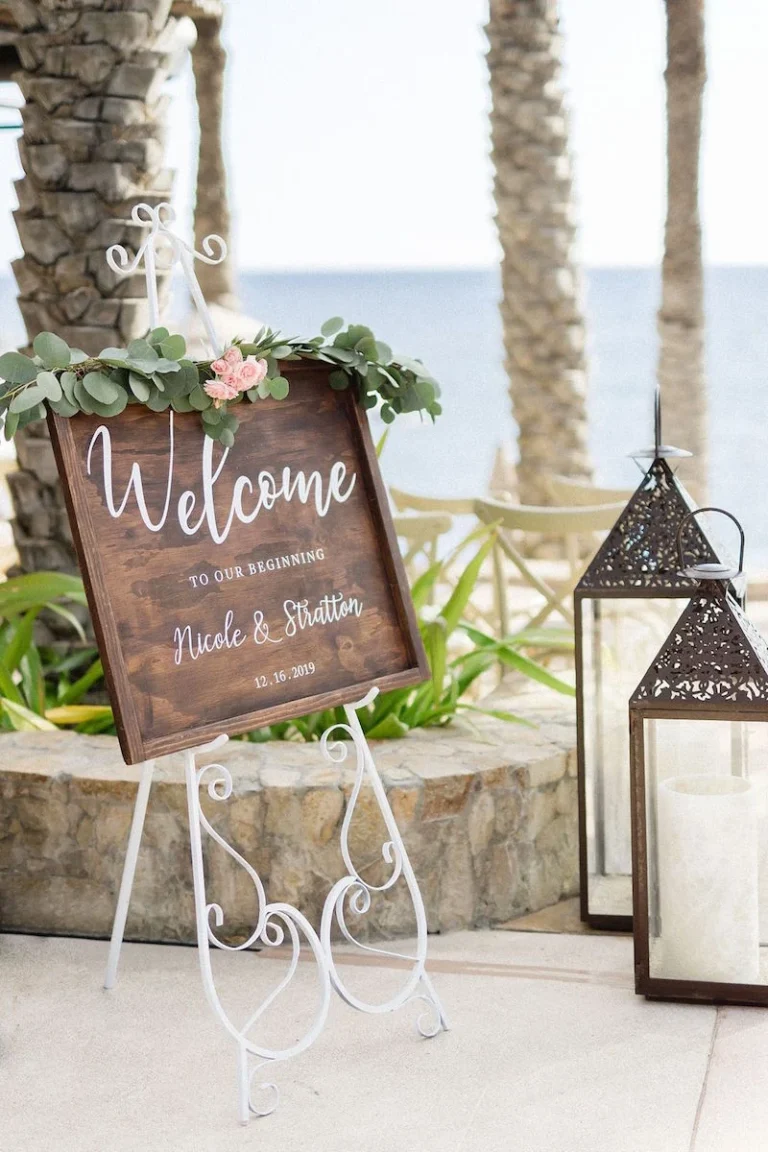




The allure of a destination wedding, set against the backdrop of an exotic locale or a picturesque resort, has captivated countless couples. While the romantic ideal of saying "I do" with a breathtaking vista as witness is powerful, the logistical realities of orchestrating such an event from afar necessitate thorough planning and informed decision-making. For couples envisioning their special day at a resort, a critical phase of this planning involves engaging directly with potential venues. Understanding what to ask a destination wedding resort before committing to a booking can significantly streamline the process, mitigate potential surprises, and ultimately ensure the dream day aligns with expectations and budget.
The journey to a destination wedding often begins with the selection of an enchanting location. However, once a geographical preference is established, the granular research into specific resorts becomes paramount. This investigative phase is not merely about admiring glossy brochures; it’s about a deep dive into the operational capabilities, service offerings, and financial considerations of each potential venue. To facilitate this crucial step, a structured approach, focusing on key inquiries, can empower couples to make confident choices. The following ten questions are designed to equip prospective brides and grooms with the knowledge needed to navigate the complex landscape of destination wedding resort planning.
Maximizing Value: Honeymoon Packages and Room Block Negotiations
One of the initial considerations for couples planning a destination wedding is the potential for integrated honeymoon arrangements. Many resorts, recognizing the significant investment couples make in bringing friends and family to their chosen location, proactively offer discounted honeymoon packages. These packages can present a compelling financial advantage, allowing couples to seamlessly transition from their wedding celebration to a romantic post-nuptial retreat without the added expense and complexity of arranging travel to a separate destination.
1. Do They Offer Honeymoon Packages?
Inquiring about these bundled offers can reveal opportunities for significant savings. A resort that allows couples to extend their stay at a reduced rate post-wedding can transform the financial outlay into a more comprehensive holiday experience. This often proves considerably more economical than booking a separate honeymoon destination, factoring in flights, accommodation, and associated travel costs. Understanding the specifics of these packages, including what they encompass and their alignment with the couple’s budget, is a vital part of the early research. For instance, a package might include a complimentary upgrade, spa treatments, or dining credits, adding tangible value to the overall wedding investment.
Beyond personal accommodation, managing the lodging needs of wedding guests is another significant logistical and financial aspect. The number of rooms required can range from a handful to dozens, depending on the guest list size. Therefore, a crucial negotiation point revolves around securing favorable rates for the wedding party.
2. Is There a Room Block Discount?
Engaging with resort representatives about the possibility of a room block discount is a standard and essential practice. Couples should ascertain whether the resort offers reduced nightly rates for a specified number of rooms booked by their guests. A well-negotiated room block can alleviate a substantial financial burden for attendees, making the destination wedding more accessible and appealing. To approach this negotiation effectively, it is advisable for couples to conduct preliminary research into the average nightly rates for comparable accommodations in the local area. Armed with this data, they can more confidently discuss and potentially secure a lower per-night price, ensuring that the trip remains affordable for their guests. Industry data suggests that effective negotiation on room blocks can lead to savings of 10-20% off standard rates, a considerable sum when multiplied across multiple rooms and nights.
Operational Support: Planners, Rentals, and Catering
The operational intricacies of a wedding, particularly in an unfamiliar setting, can be daunting. Resorts that specialize in hosting events often provide a suite of services designed to simplify this process. Understanding the extent of this support is crucial for couples to gauge their own planning workload and identify potential areas where external assistance might be needed.
3. Is a Planner Provided?
Many resorts known for their wedding services may include an on-site wedding planner as part of their event packages. This is a significant advantage. An experienced on-site planner possesses intimate knowledge of the resort’s facilities, its event spaces, and its operational flow. They can leverage this expertise to optimize the use of the venue, ensuring that the couple’s vision is brought to life seamlessly. This contrasts sharply with engaging an external planner who may lack prior experience with the specific resort, potentially leading to a steeper learning curve and a less efficient execution. The availability of an in-house planner can save couples considerable time and stress, as they are already familiar with the venue’s capabilities and vendor relationships.
Beyond personnel, the physical elements of a wedding require careful consideration. Many small, decorative, or functional items are essential for the ceremony and reception but are impractical to transport across long distances.
4. Do They Rent Supplies?
A critical question for couples to ask is whether the resort rents out essential supplies such as chargers, linens, decorative items, or even basic sound equipment. If the resort does not offer these amenities, couples will need to source them from external event rental companies. This adds another layer of complexity, involving research, booking, coordination of delivery and pickup, and potential shipping costs, especially if local rental companies are not readily available. The ability to rent necessary items directly from the resort can significantly simplify logistics, reduce the risk of items being lost or damaged in transit, and potentially offer cost savings. For example, a resort might have a comprehensive inventory of table settings, ensuring a cohesive aesthetic without the need for guests to pack or ship fragile items.
The culinary aspect of any wedding is a focal point, and destination weddings are no exception. The logistics of catering for a wedding party in a remote location can be particularly challenging.
5. Do They Provide Catering?
Resorts with on-site restaurants are often well-equipped to handle wedding catering, offering services that can range from plated dinners and buffet-style meals to in-suite breakfasts for guests and bar services. It is vital for couples to clarify whether these catering services are included in the initial event fees or are considered an additional expense. Understanding the scope of their culinary offerings, including menu customization options, tasting opportunities, and any associated service charges, is essential for budgeting and guest satisfaction. A resort that offers comprehensive in-house catering can streamline the planning process and ensure a consistent quality of food and service.
Venue Management and Guest Experience
Ensuring a smooth and enjoyable experience for both the couple and their guests requires an understanding of how the resort manages its event calendar and the local environment.
6. Are Other Events Scheduled?
It is entirely appropriate for couples to inquire about other significant events that may be scheduled at the resort concurrently with their wedding. This question aims to ascertain the potential for crowds, noise disruptions, or shared facilities, which could impact the exclusivity and tranquility of their celebration. Knowing if the property will be particularly busy can help couples manage expectations regarding the availability of staff, parking, and common areas. If the resort is hosting multiple large events, it might be advisable to discuss with the venue management how they ensure each event receives adequate attention and privacy.
The natural environment plays a pivotal role in shaping the wedding experience, particularly for outdoor ceremonies and receptions. Understanding the local climate is crucial for effective planning.
7. What Is the Weather Like?
Inquiring about the typical weather patterns of the destination is fundamental to making informed decisions about ceremony and reception venues, attire, and even the types of activities that can be planned. For instance, a destination known for consistent sunshine and high temperatures will necessitate different planning considerations than one prone to frequent rainfall or cooler, unpredictable weather. This information directly influences choices between indoor and outdoor settings, the need for shade or heating, and the suitability of various recreational activities for guests. Couples can then strategize accordingly, perhaps opting for a climate-controlled indoor space as a primary option with a beautiful outdoor setting as a backup, or planning activities that are resilient to various weather conditions.
Capturing Memories and Entertainment
Beyond the core logistics, two key elements contribute significantly to the overall success and memorability of a wedding: photography and entertainment.
8. Do They Have a Photographer?
Some popular wedding resorts may offer the services of an in-house photographer, who can be instrumental in capturing bridal portraits and documenting the entire wedding day. This can be a convenient option, as the photographer is likely familiar with the best locations and lighting at the resort. However, couples should also inquire about the photographer’s style, portfolio, and whether their services are included or available as an add-on. For smaller hotels or those that host fewer weddings annually, an in-house photographer might not be a standard offering. In such cases, couples will need to research and secure their own photographer, ensuring they align with the desired aesthetic and have experience with destination weddings.
The atmosphere and flow of a wedding reception are heavily influenced by the music and the ability of a professional to orchestrate the event.
9. Should You Hire a DJ?
While some resorts may provide basic sound systems, it is crucial to understand the extent of their music offerings. Some venues might only offer a few speakers, leaving couples to manage their own playlists. While this can be a budget-friendly option, it often lacks the dynamic engagement that a professional DJ provides. A skilled DJ not only handles the music selection for key moments like the processional and recessional but also plays a vital role in managing the reception’s flow. This includes introducing the wedding party, facilitating toasts, coordinating speeches, and ensuring the energy of the event remains high. Couples should inquire whether the resort recommends DJs or if they have partnerships with entertainment providers, as a dedicated DJ can elevate the guest experience and ensure a memorable celebration.
Financial Planning and Finalizing the Commitment
The financial aspect of a destination wedding can be substantial, often involving significant upfront costs. Planning for these expenses requires careful consideration and open communication with the venue.
10. Are There Payment Plans?
Destination weddings can range from tens of thousands to hundreds of thousands of dollars, depending on the location, guest count, and chosen amenities. It is therefore essential for couples to inquire about the availability of payment plans. Many resorts understand the financial commitment involved and are willing to work with couples to structure payments over time. This can alleviate the pressure of a large, single upfront payment, allowing couples to spread the cost over several months leading up to the ceremony. Understanding the resort’s payment schedule, deposit requirements, and cancellation policies is critical for sound financial planning. Exploring options for phased payments can make the dream of a destination wedding more attainable and less financially overwhelming.
Comparative Analysis and Strategic Decision-Making
With a comprehensive understanding of these ten key questions, couples are now better equipped to embark on a comparative analysis of different destination wedding resorts. The process should involve reaching out to several venues in their desired location, meticulously comparing the packages and services offered. This due diligence ensures that the chosen resort not only aligns with their aesthetic preferences but also meets their practical needs and financial parameters. By gathering detailed information on everything from honeymoon inclusions and room block discounts to on-site planning support, catering options, and payment structures, couples can confidently select a venue that will serve as the perfect backdrop for their unforgettable destination wedding. This strategic approach transforms the potentially daunting task of planning a wedding from afar into an exciting and manageable journey towards their dream day.