


The landscape of American holiday consumerism is undergoing a significant shift as domestic artisans and DIY enthusiasts move away from mass-produced imports in favor of high-quality, locally sourced, and customizable decor. This transition is exemplified by the growing demand for specialty items such as handmade bottle brush trees, which serve as a canvas for intricate color-matching projects. As consumers increasingly prioritize "Made in the USA" labels and artisanal craftsmanship, the intersection of traditional holiday aesthetics and modern customization techniques has created a niche market for high-end seasonal accents. This movement is not merely a preference for aesthetics but a response to a globalized supply chain that often prioritizes quantity over durability and individual expression.
The Shift Toward Domestic Craftsmanship and the Artisan Economy
For decades, the holiday decor market has been dominated by large-scale manufacturing hubs, primarily in China, which produce millions of identical seasonal items annually. However, recent market data suggests a burgeoning "Slow Holiday" movement. Similar to the Slow Fashion movement, this trend emphasizes heirloom-quality items over disposable plastic goods. According to industry reports from the Association for Creative Industries (AFCI), the DIY and craft sector has seen a consistent upward trajectory, with consumers seeking more personalized and sustainable options for their homes.
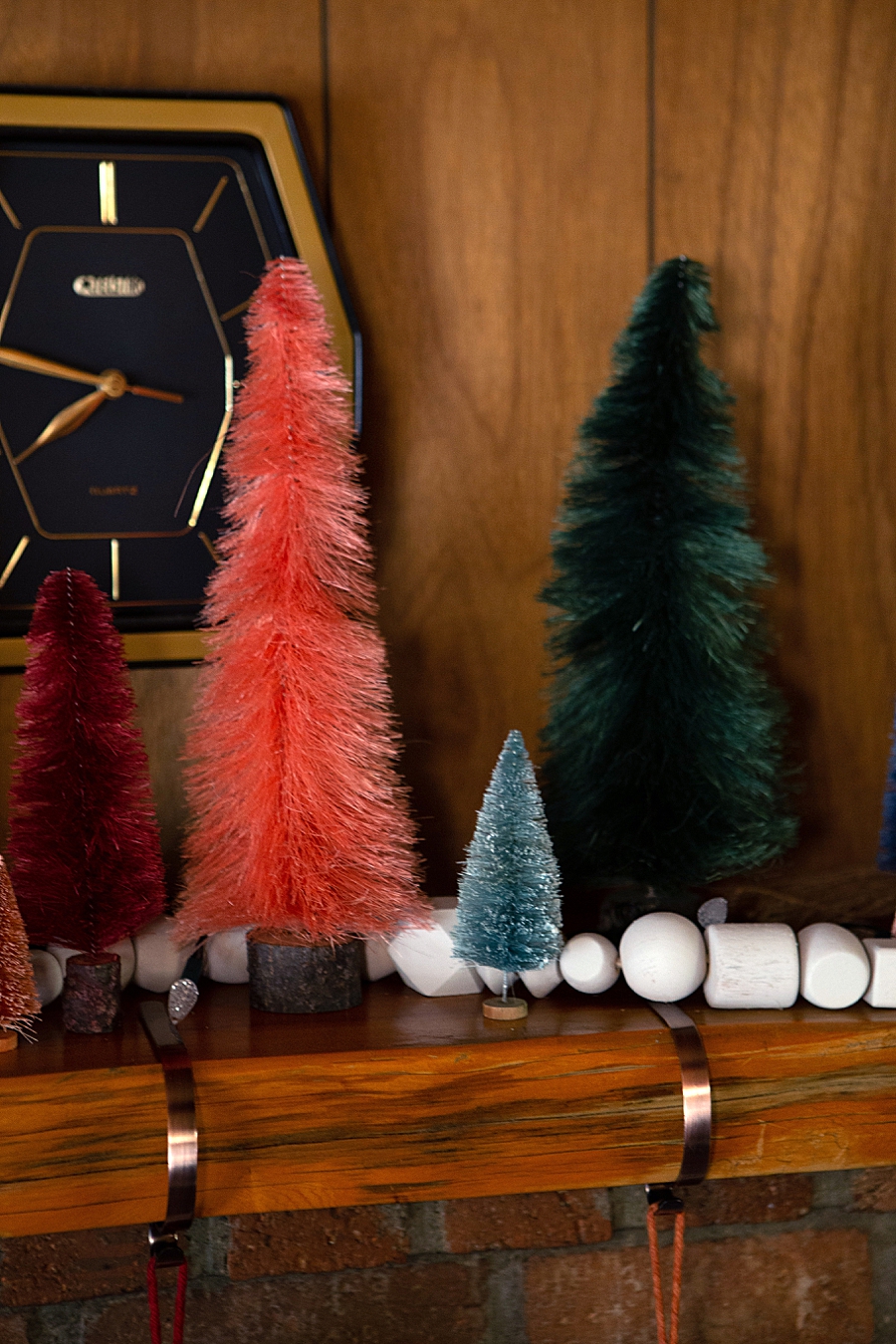
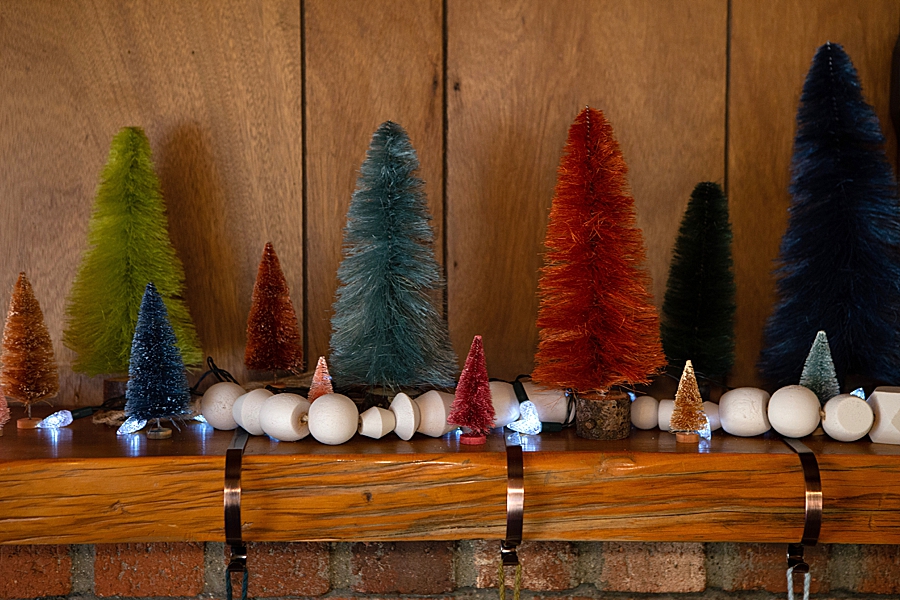
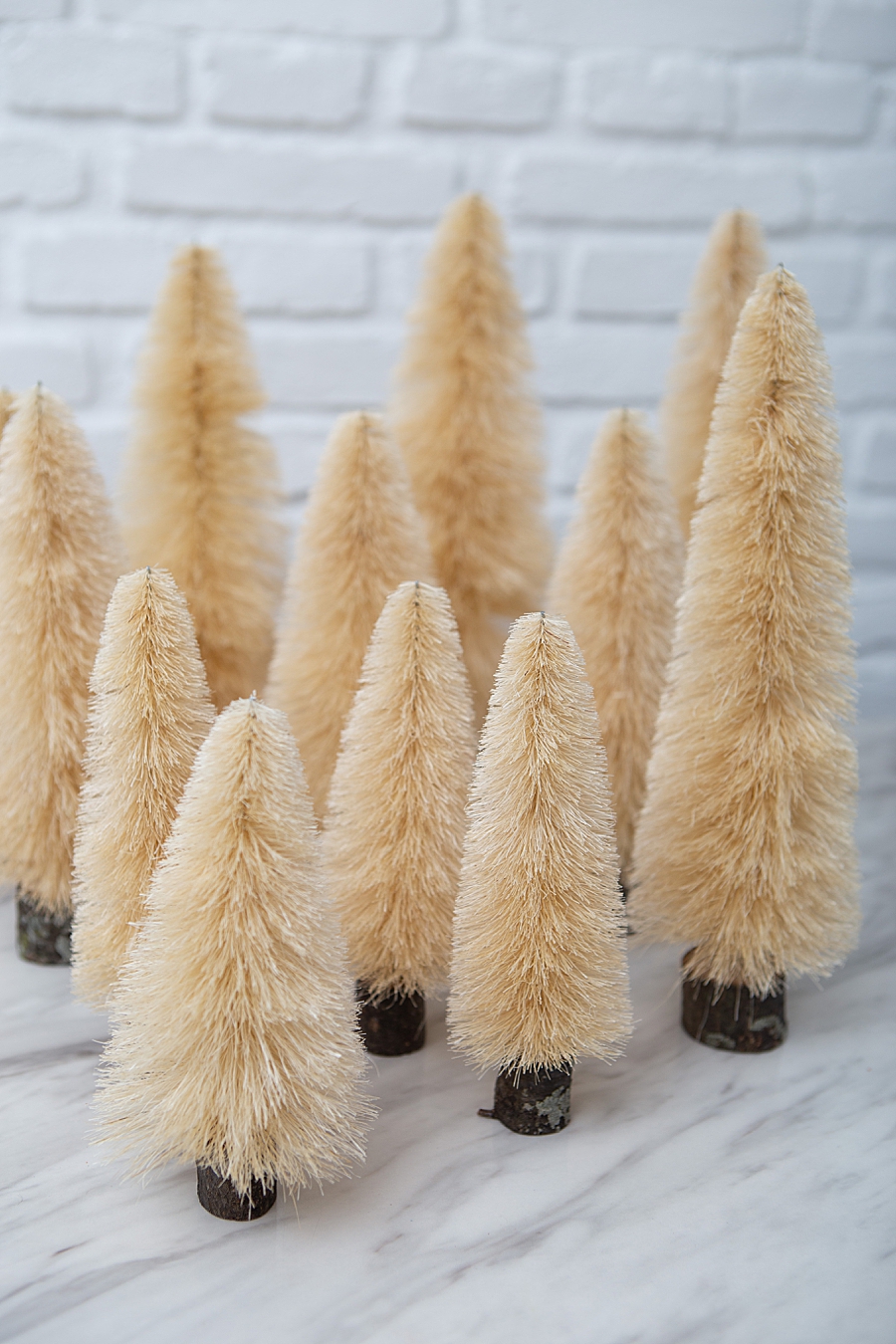
The search for high-quality, domestically made bottle brush trees—a staple of mid-century modern and farmhouse holiday styles—has led many consumers to artisanal platforms like Etsy. One such producer, Studio59 Handmade, led by artisan Rachel, has gained prominence for providing handmade trees that depart from the rigid, artificial look of mass-market versions. These trees are typically crafted from natural sisal or hemp fibers and come in various widths—classic, thin, and wide—and heights ranging from 4 to 12 inches. The availability of "natural" or unbleached versions of these trees is critical for the growing segment of crafters who utilize dip-dyeing techniques to achieve specific color palettes that are unavailable in retail stores.
Chronology of the Customization Process: A Case Study in Color Matching
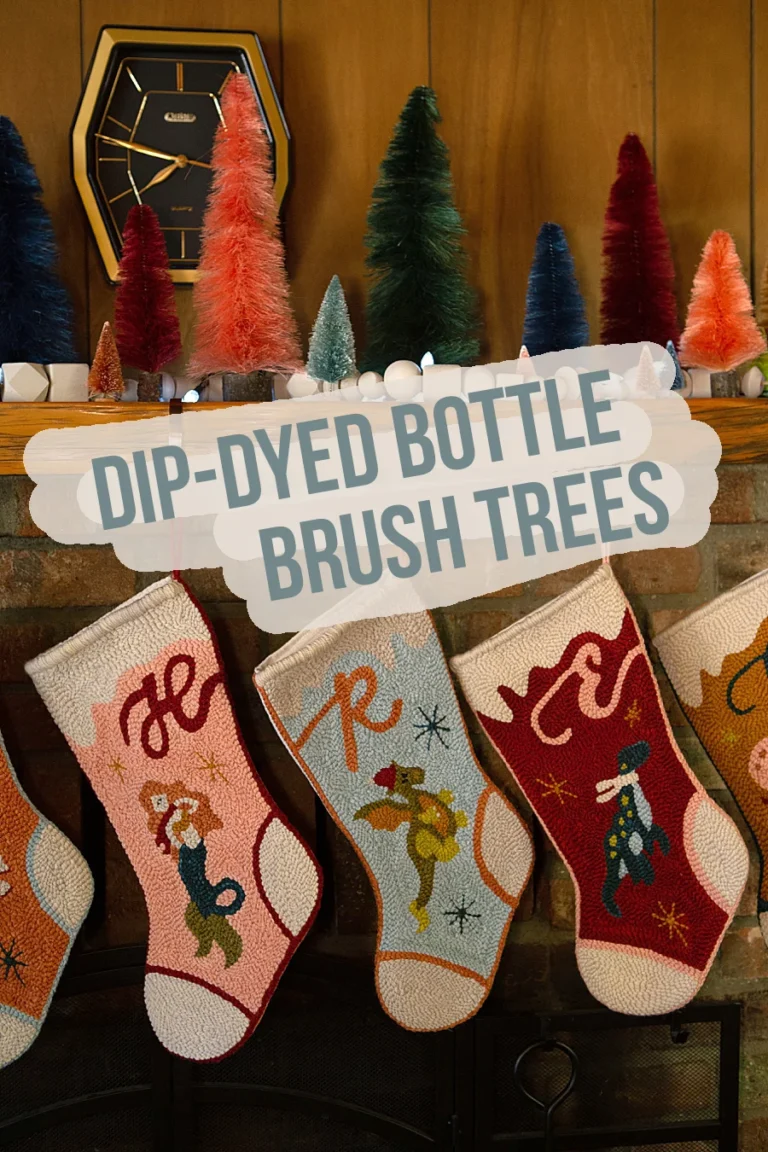
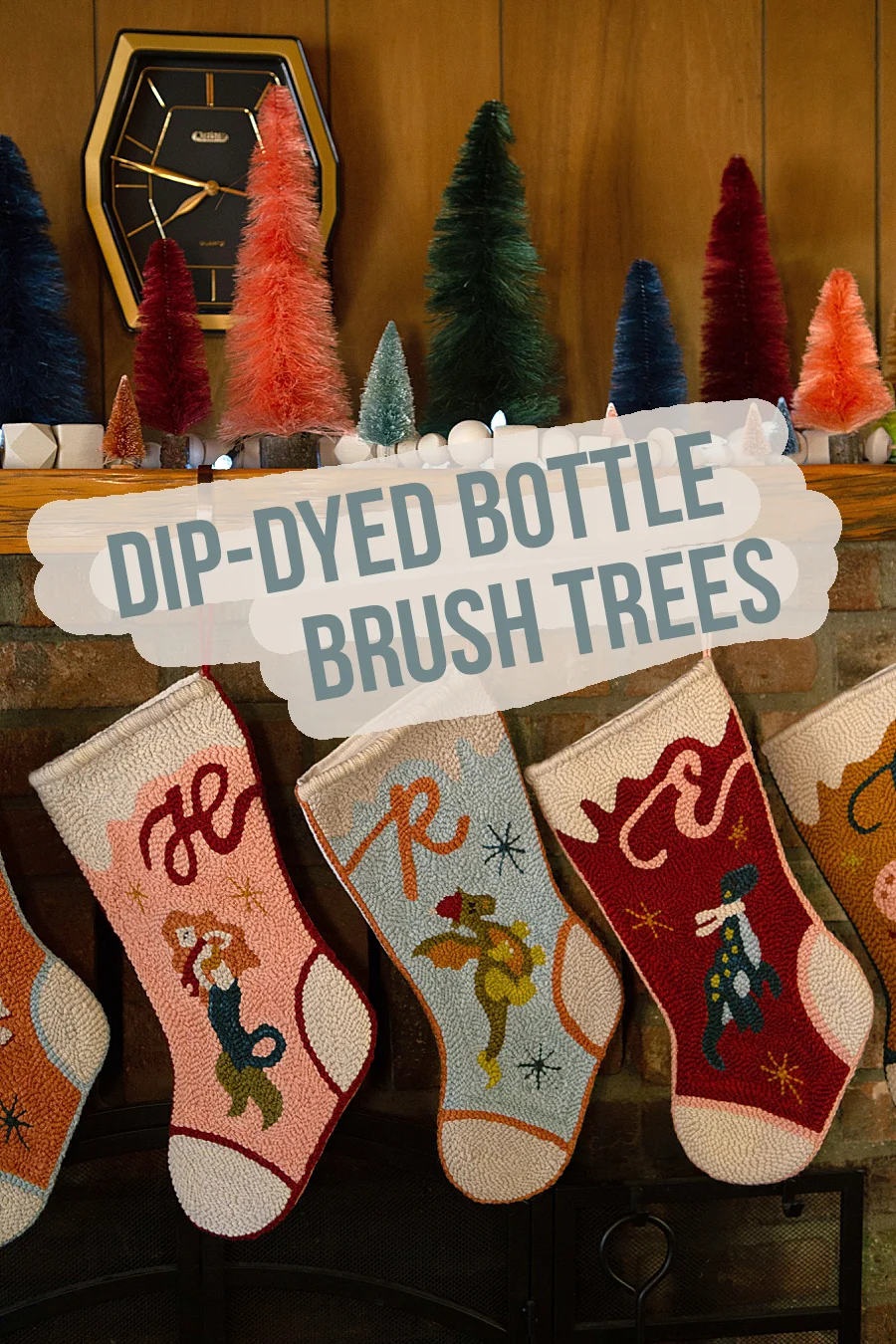
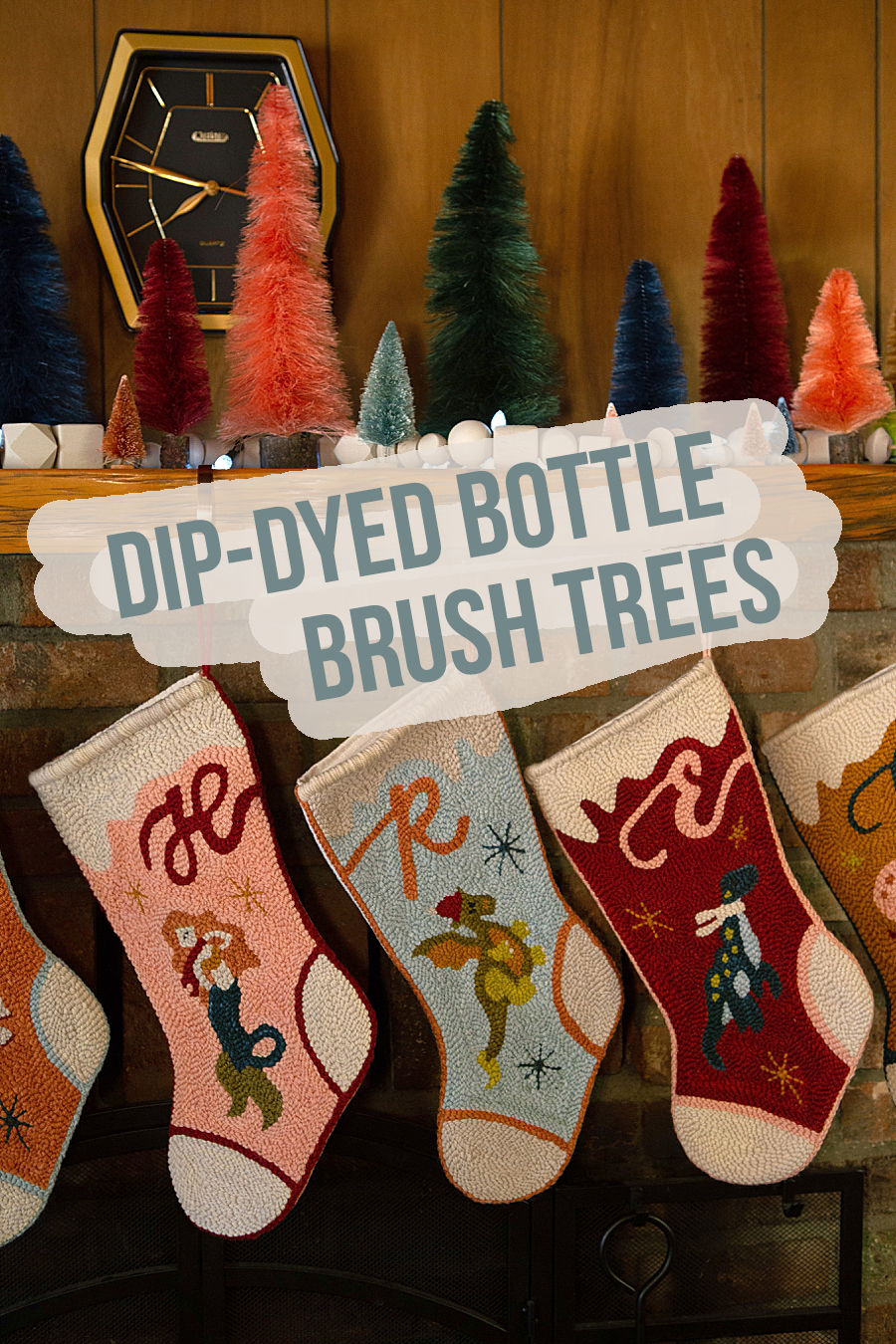
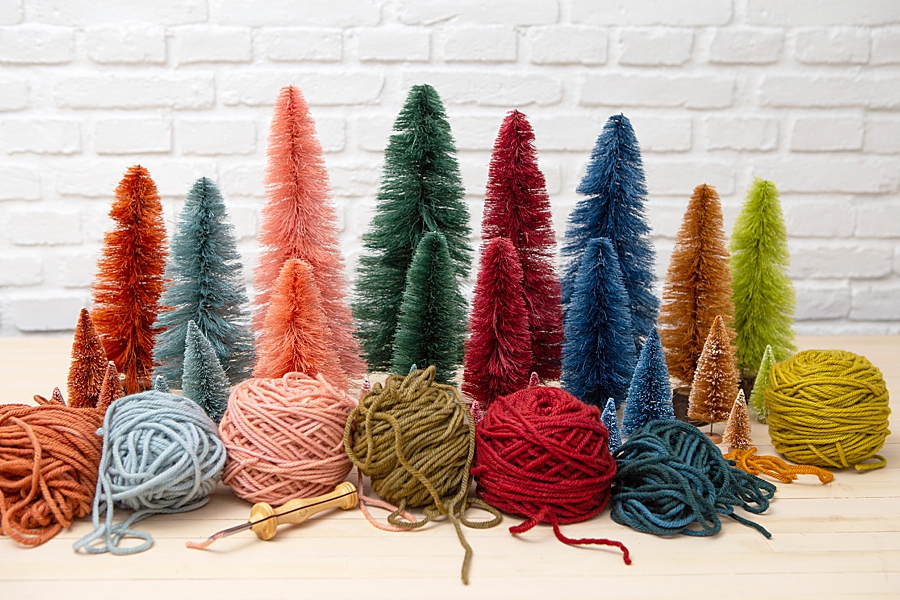
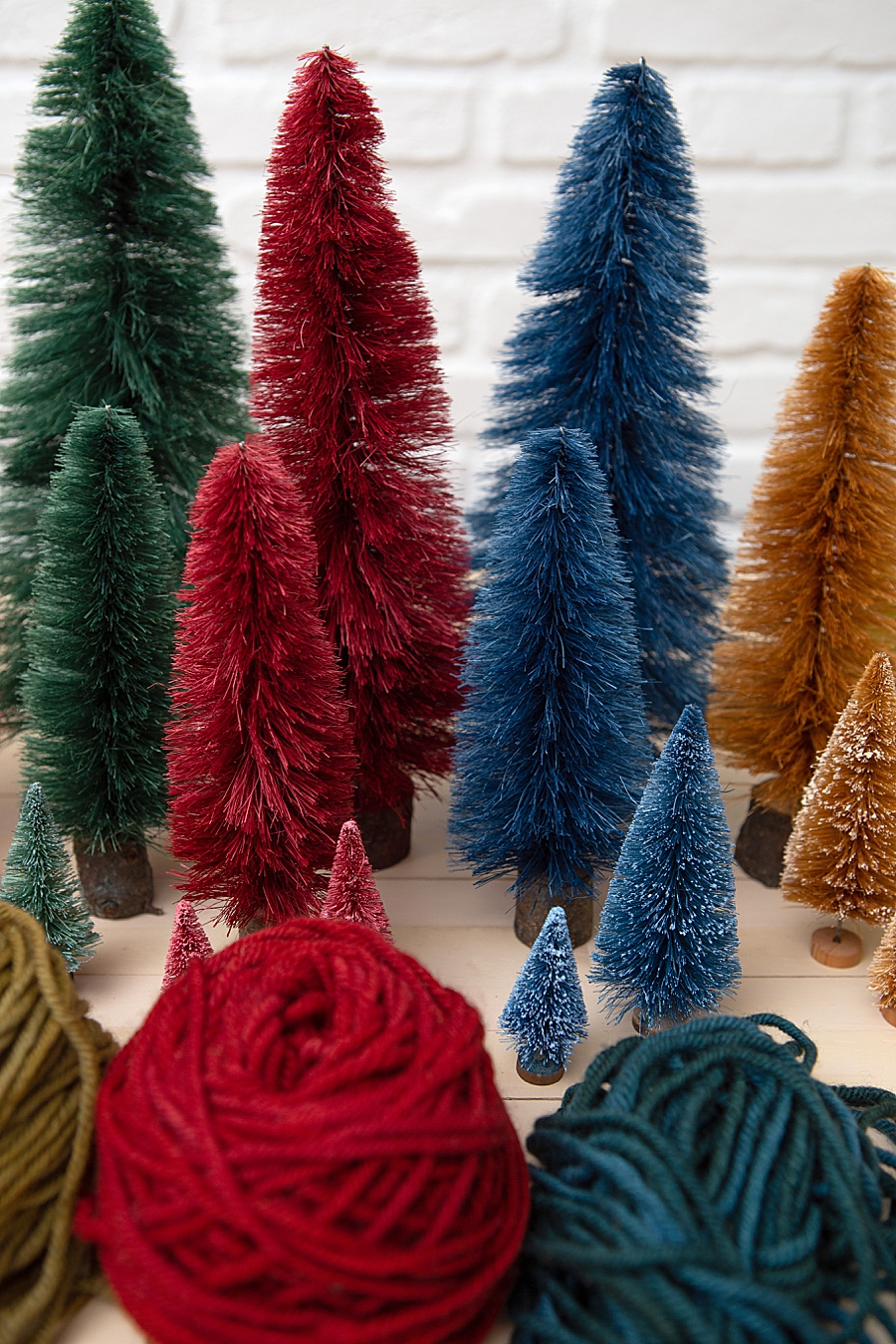
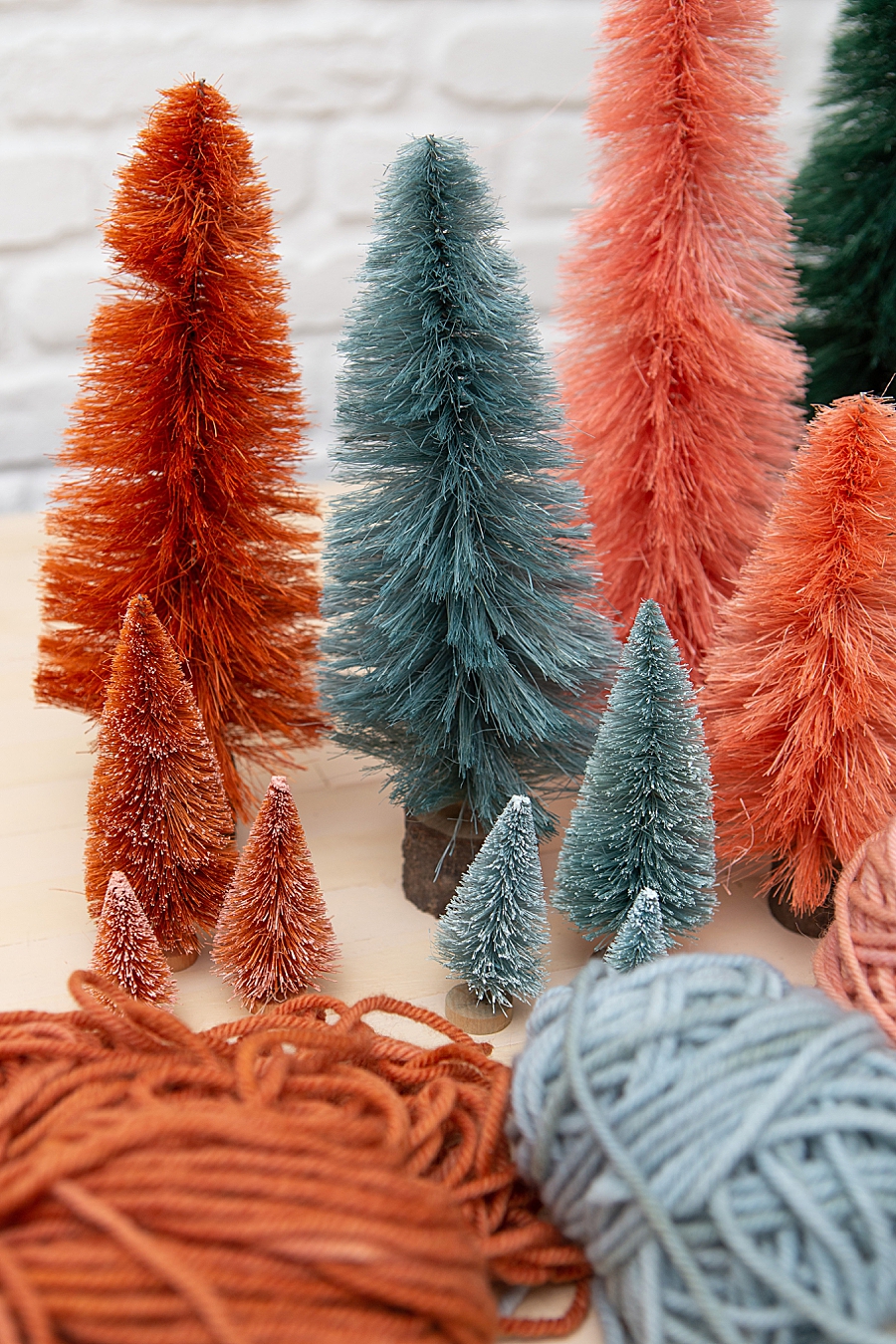
The process of customizing holiday decor often begins with a specific design anchor. In a recent high-profile project documented by Jen Causey-Kidder of Something Turquoise, the objective was to match holiday trees to a set of heirloom punch needle stockings. The stockings were crafted using "Cardo" yarn by Manos del Uruguay, a high-quality wool known for its specific, saturated hues. This level of color precision requires a technical approach to dyeing that goes beyond standard hobbyist methods.
Phase One: Procurement and Preparation
The methodology begins with the procurement of natural-fiber trees. Unlike plastic-based synthetic trees, natural sisal fibers are receptive to acid and all-purpose dyes. The selection of Studio59 Handmade trees provided the necessary structural integrity to withstand a liquid dye bath without losing their shape or shedding excessively.
Phase Two: Technical Formulation
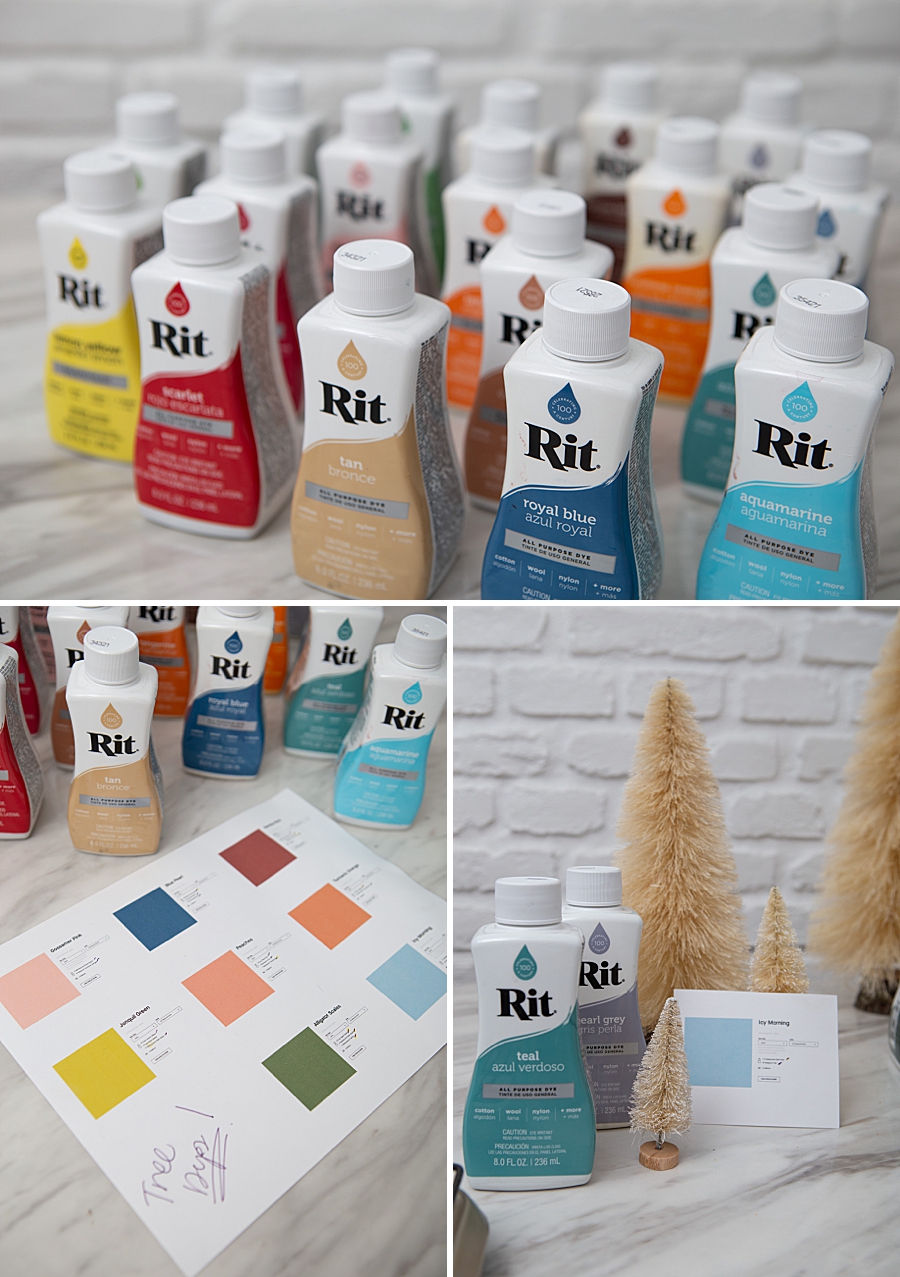
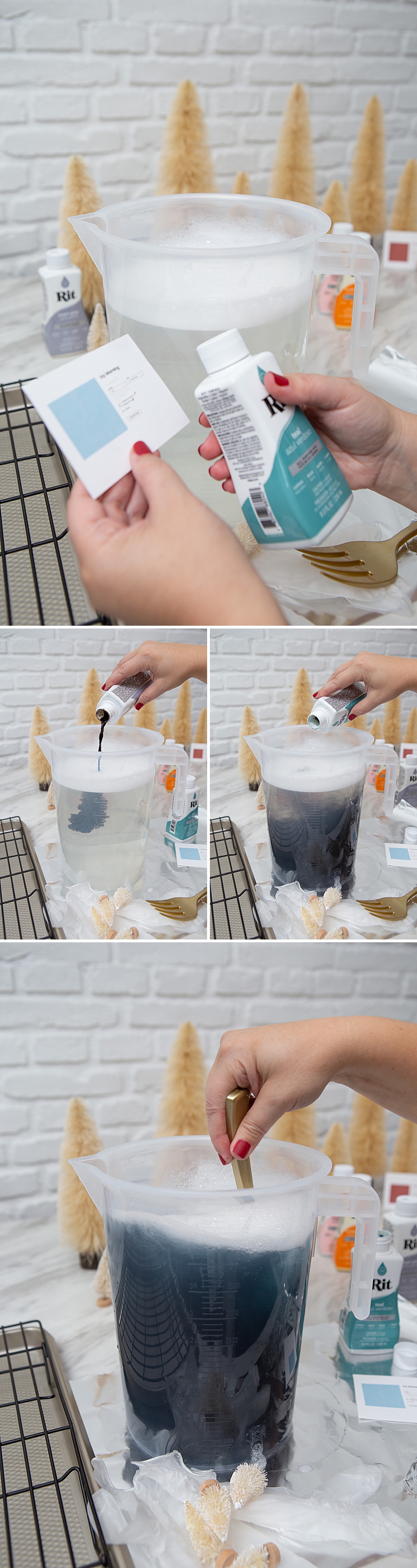
To achieve a perfect match between the trees and the yarn, the project utilized the Rit Dye Color Formula system. This digital resource allows users to mix primary and secondary liquid dyes in specific ratios to create thousands of distinct shades. For the punch needle stocking project, screenshots of various formulas were compiled and printed to serve as a laboratory-style reference sheet. This step is essential for maintaining consistency across a set of 15 trees of varying sizes.
Phase Three: The Chemical Environment
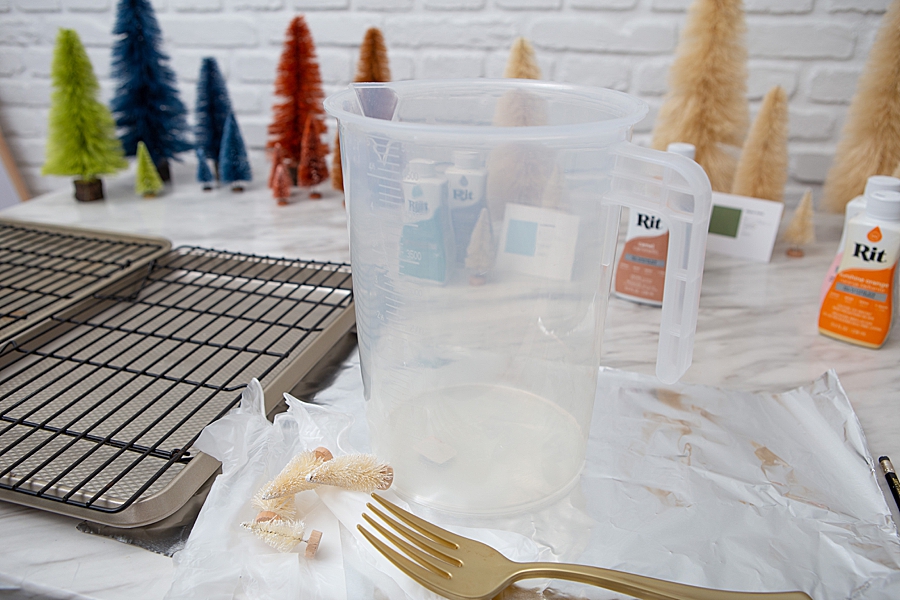
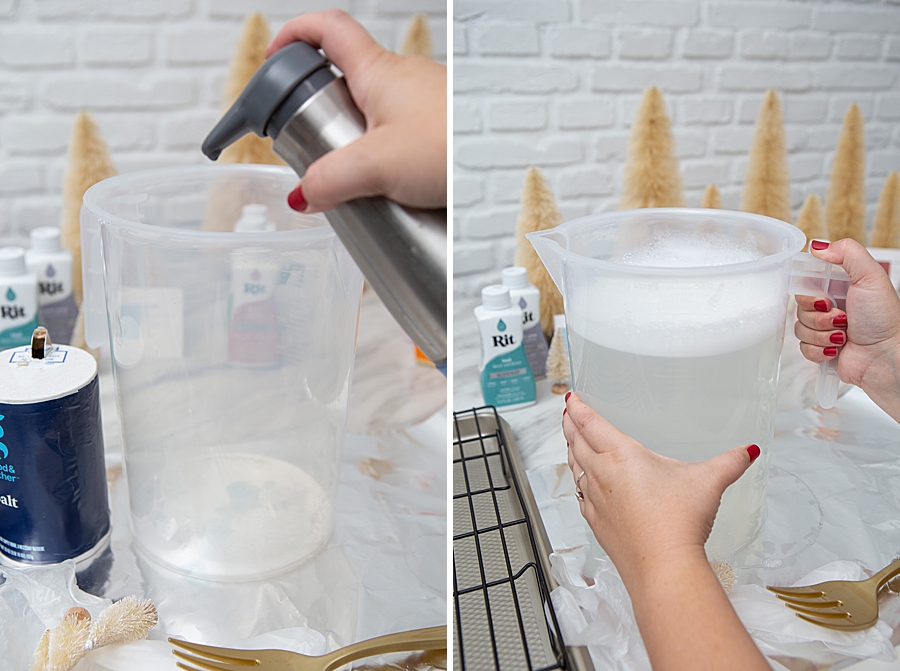
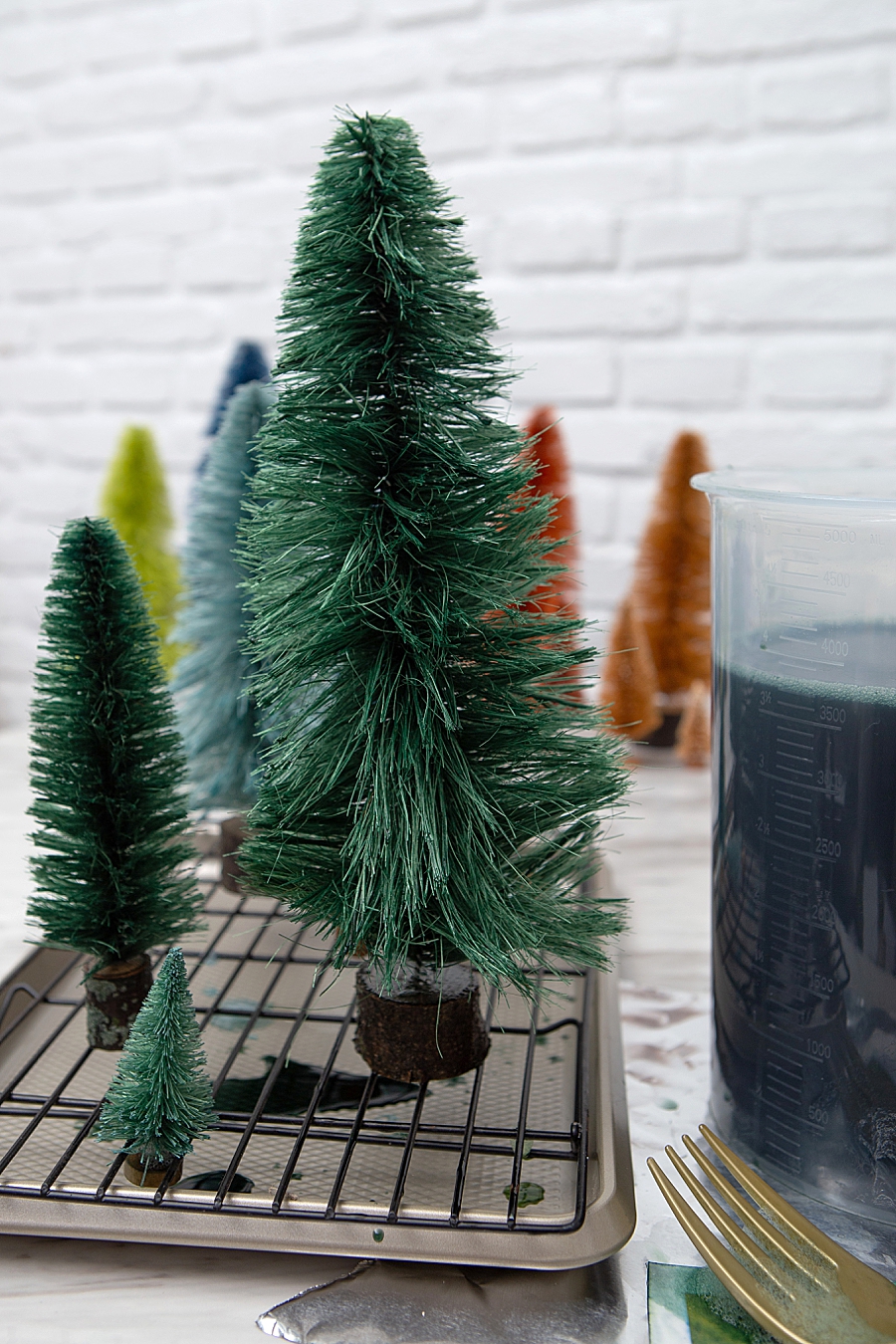
The preparation of the dye bath involves more than just pigment and water. To ensure even penetration of the dye into the dense sisal bristles, the water must be heated to a near-boiling point. Two critical additives are required:
- Surfactants (Dish Soap): A small amount of liquid dish soap is added to the water to break the surface tension, allowing the dye to penetrate the fibers more deeply and evenly.
- Mordants/Electrolytes (Salt): A teaspoon of salt is added to the gallon-sized pitcher. In the dyeing of cellulose and certain natural fibers, salt acts as an exhausting agent, helping the dye molecules to migrate out of the solution and onto the fiber.
Phase Four: Testing and Calibration
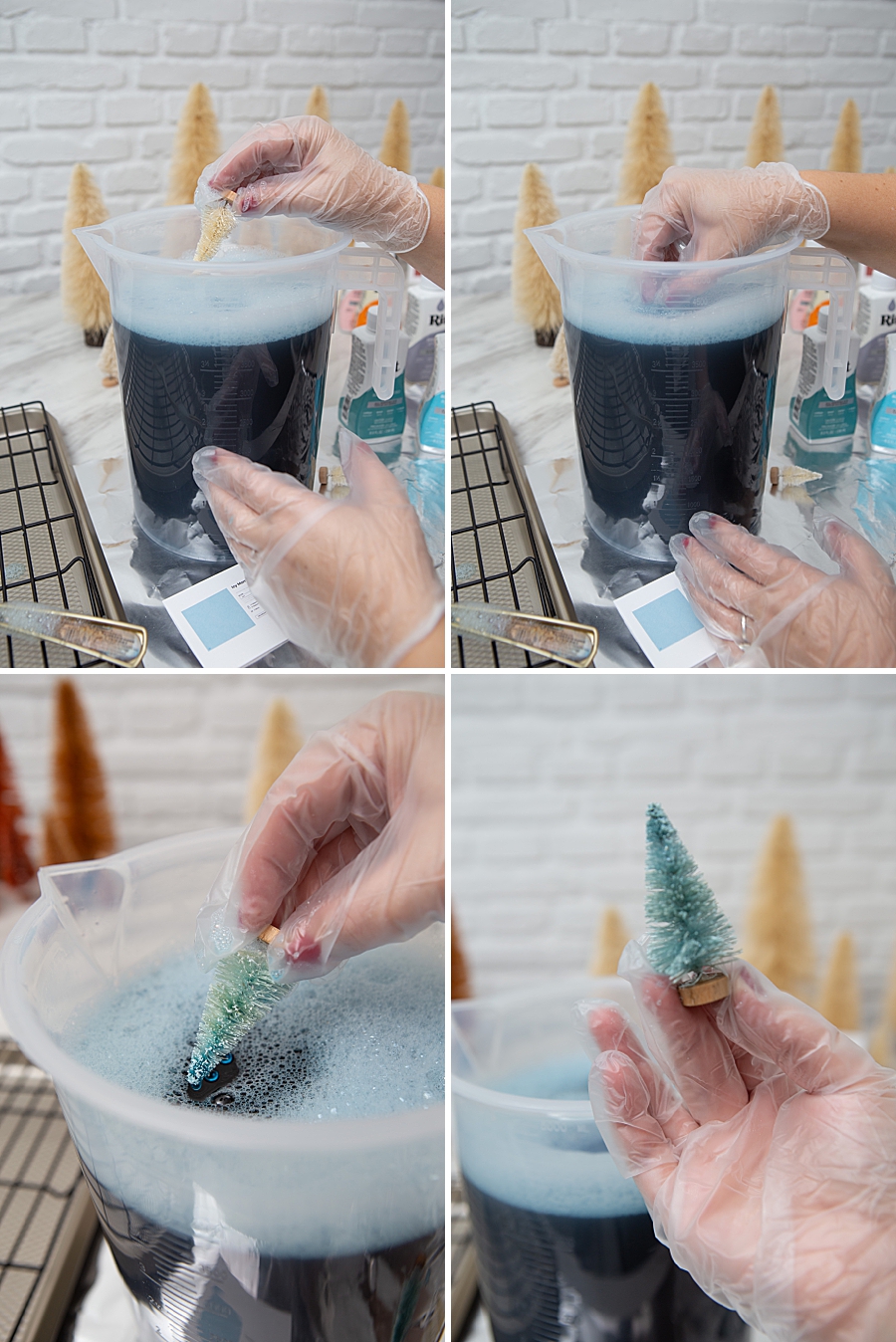
Given the artisanal nature of handmade trees—which are more expensive than their mass-produced counterparts—the testing phase is a financial and aesthetic necessity. Small, inexpensive "test trees" or scrap sisal fibers are dipped into the mixture first. This allows the crafter to adjust the saturation by adding more dye or diluting the mixture with more hot water before committing the final pieces to the bath.
Phase Five: The Dipping and Curing Process
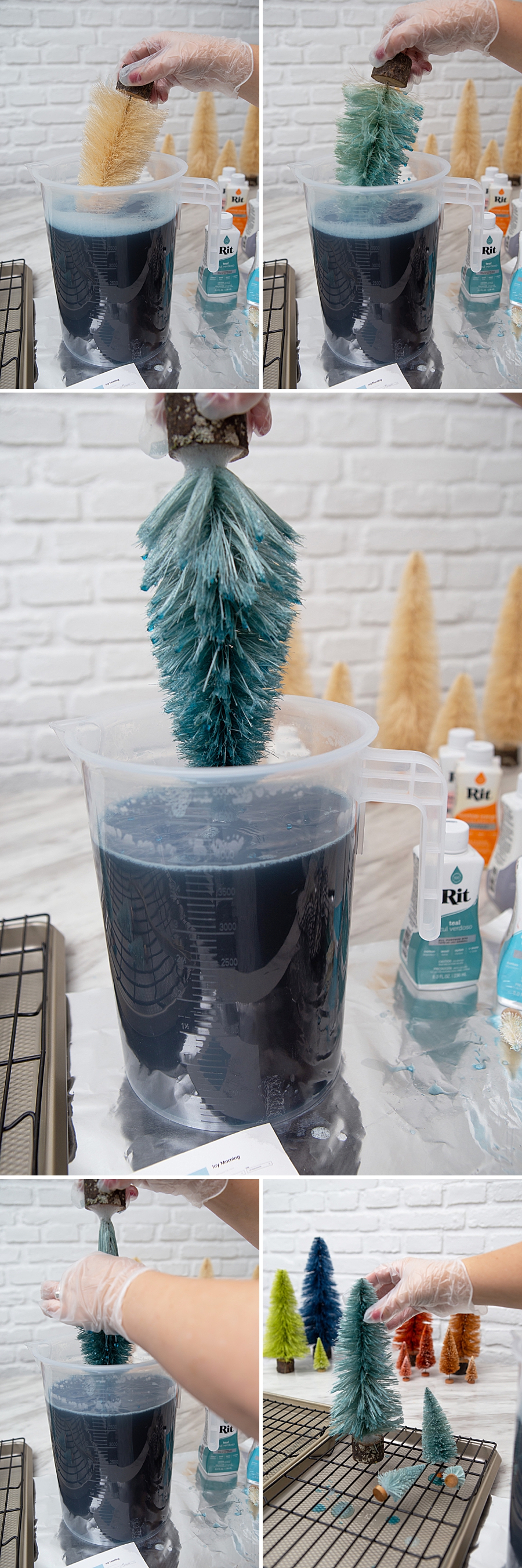
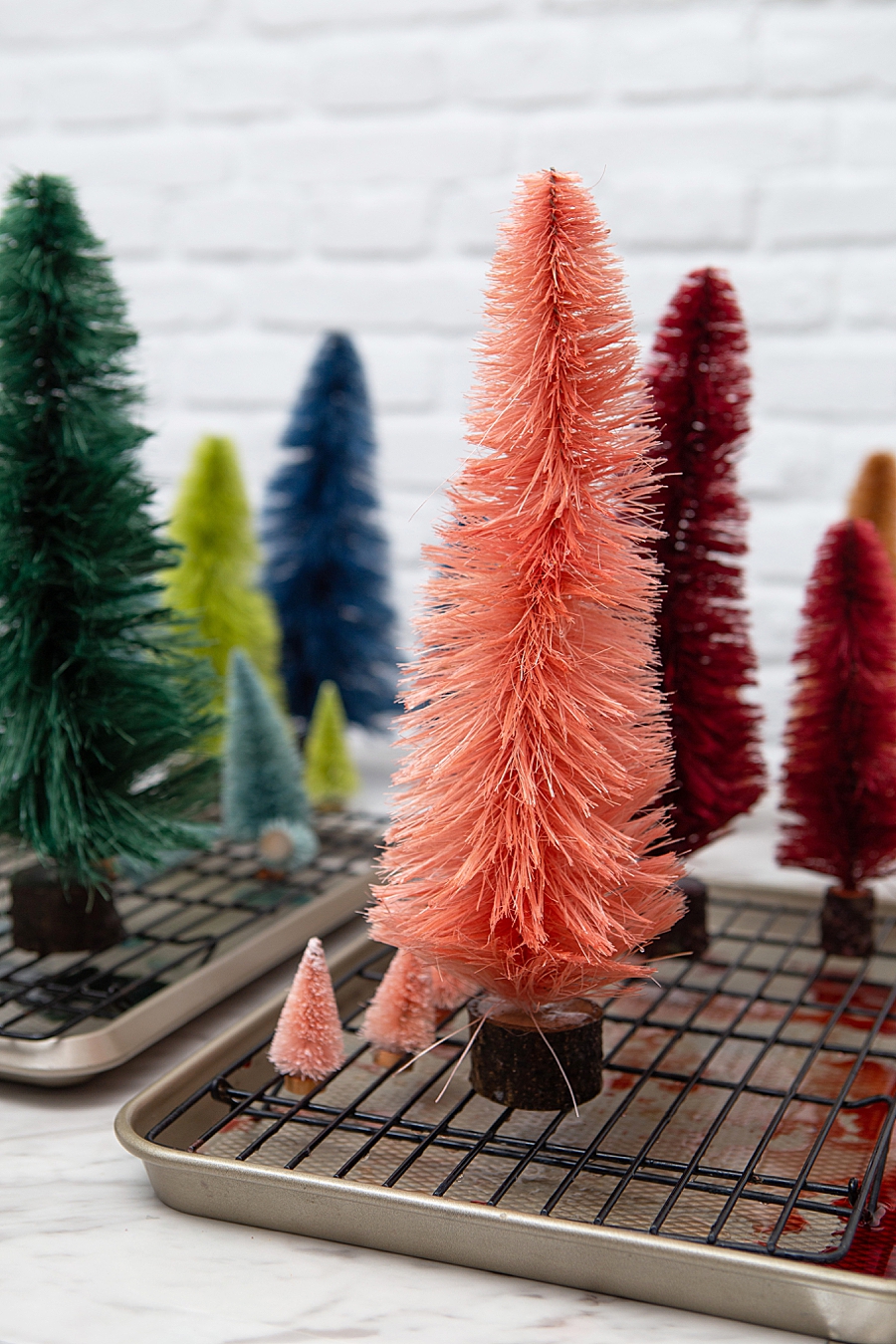
The trees are submerged in the dye bath for approximately 45 seconds. During this time, the tree is often rotated to ensure the core of the brush is reached. Following the submersion, excess liquid is removed by hand or by gentle shaking. The final stage involves a drying period of at least 24 hours. The trees are placed on cooling racks over cookie sheets to allow for 360-degree airflow, preventing the dye from pooling at the base and ensuring a uniform finish.
Supporting Data: The Economic Impact of the DIY Sector
The resurgence of these traditional crafting techniques is backed by significant economic data. The global Christmas decor market was valued at approximately $30 billion in 2023, with a projected compound annual growth rate (CAGR) of 4.5% through 2030. Within this market, the "handcrafted" segment is growing at nearly double the rate of the general market.
Furthermore, the "Etsy Effect" has empowered small-scale manufacturers like Studio59 Handmade to compete with global retailers. By offering customization (such as different widths and natural finishes), these small businesses provide a utility that large-scale factories cannot match. For the consumer, the higher price point of a handmade US product is offset by the longevity of the item and the ability to create a cohesive, designer-level aesthetic at home.
Technical Analysis of Materials: Sisal and Dye Chemistry
The success of the dip-dyeing method relies heavily on the material science of the bottle brush tree. Most high-quality handmade trees are made from sisal, a fiber extracted from the Agave sisalana plant. Sisal is known for its strength, durability, and ability to stretch. From a chemical perspective, sisal is a lignocellulosic fiber.
When using a product like Rit Dye (an all-purpose dye), the process involves both acid and direct dye components. The direct dye works on the cellulose in the sisal, while the heat and salt facilitate the bond. This explains why "junk" trees made of PVC or other plastics cannot be dyed using this method; synthetic fibers require disperse dyes and much higher temperatures to open the fiber’s molecular structure. The choice of natural materials is therefore both an environmental preference and a technical requirement for customization.
Broader Implications for the Holiday Market
The move toward customized, domestically sourced holiday decor reflects a broader cultural shift toward intentionality. As Jen Causey-Kidder noted in her documentation of the project, the frustration with "junk made in China" is a sentiment shared by an increasing number of American households. This frustration stems from several factors:
- Environmental Concerns: The carbon footprint of shipping low-cost goods across the Pacific is substantial.
- Quality Control: Mass-produced trees often feature uneven trimming, sparse bristles, and weak wire frames.
- Aesthetic Homogenity: Retailers like Target or Hobby Lobby often carry the same color palettes, leaving little room for unique home styling.
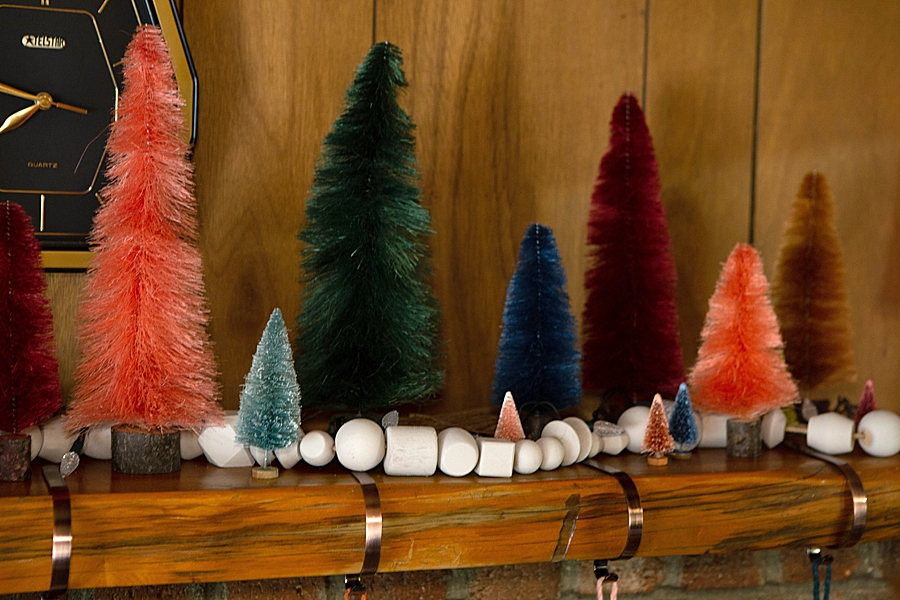
By choosing to dye their own decor, consumers are reclaiming the "heirloom" aspect of the holidays. A tree dyed to match a specific set of handmade stockings is more likely to be preserved and passed down through generations than a generic store-bought item. This "heirloom economy" fosters a different relationship between the consumer and their possessions, prioritizing sentiment and craft over convenience.
Conclusion: The Future of Seasonal Artisanship
The project of dip-dyeing bottle brush trees to match heirloom punch needle stockings is a microcosm of a larger movement in the American consumer landscape. It represents the intersection of digital resources (Etsy, online color formulas), traditional craftsmanship (handmade sisal trees, punch needle embroidery), and technical DIY skills.
As the market continues to evolve, it is expected that more small-scale American manufacturers will emerge to fill the void left by mass-market retailers. The demand for "natural" bases for DIY projects indicates that the modern consumer is no longer just a passive buyer but a co-creator of their domestic environment. The success of artisans like Rachel of Studio59 Handmade and the technical guides provided by creators like Jen Causey-Kidder suggest that the future of holiday decor lies in the hands of those who value quality, domestic production, and the unique beauty of a handmade home.