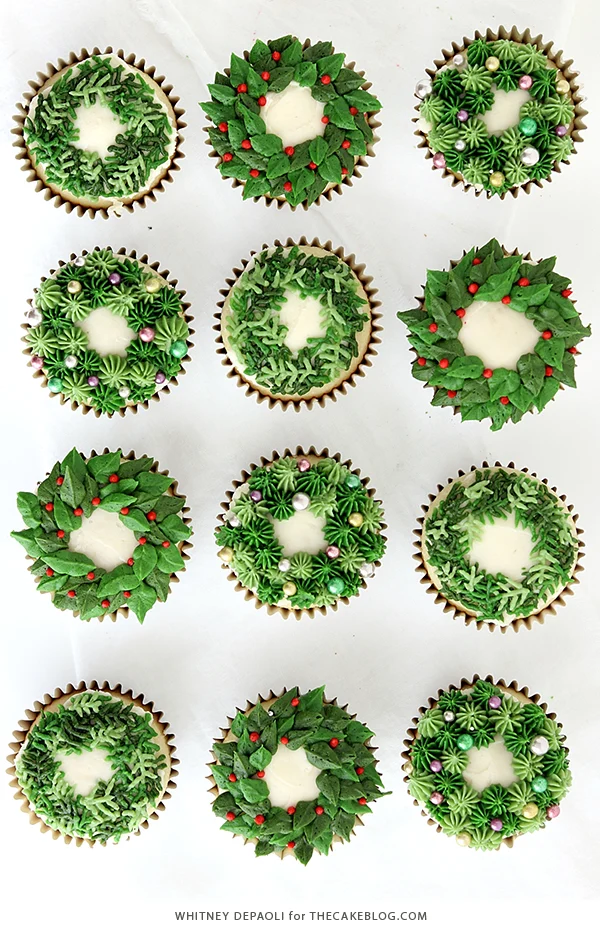



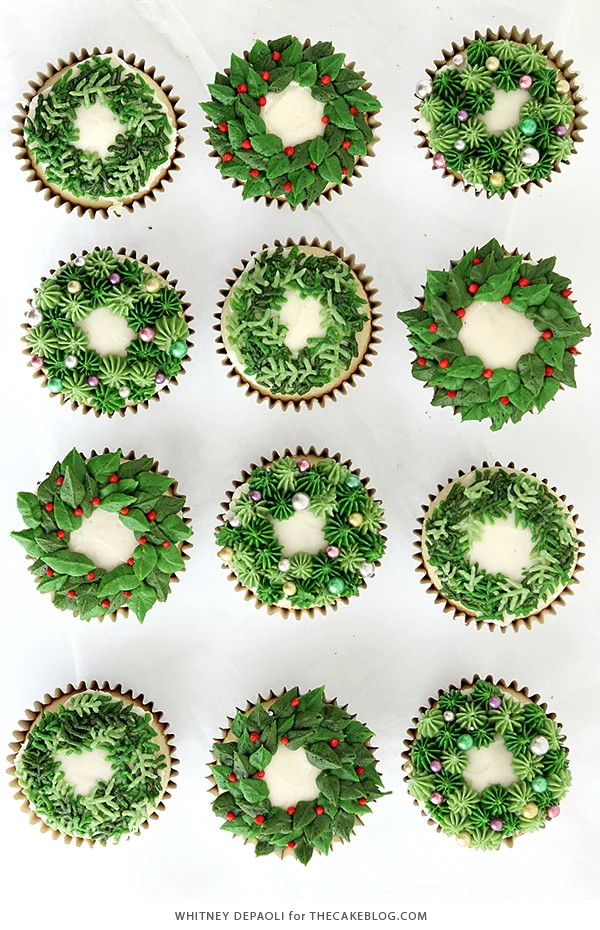
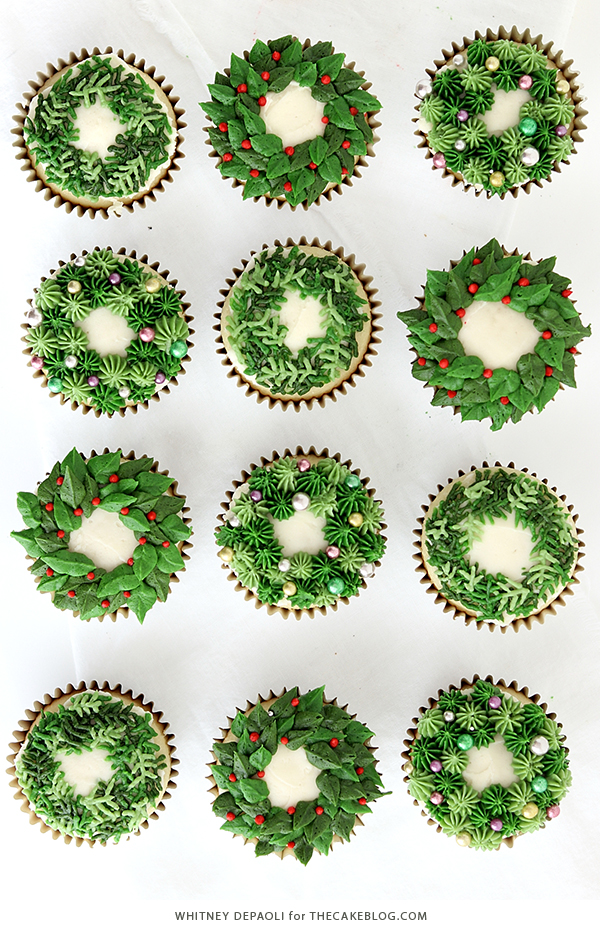
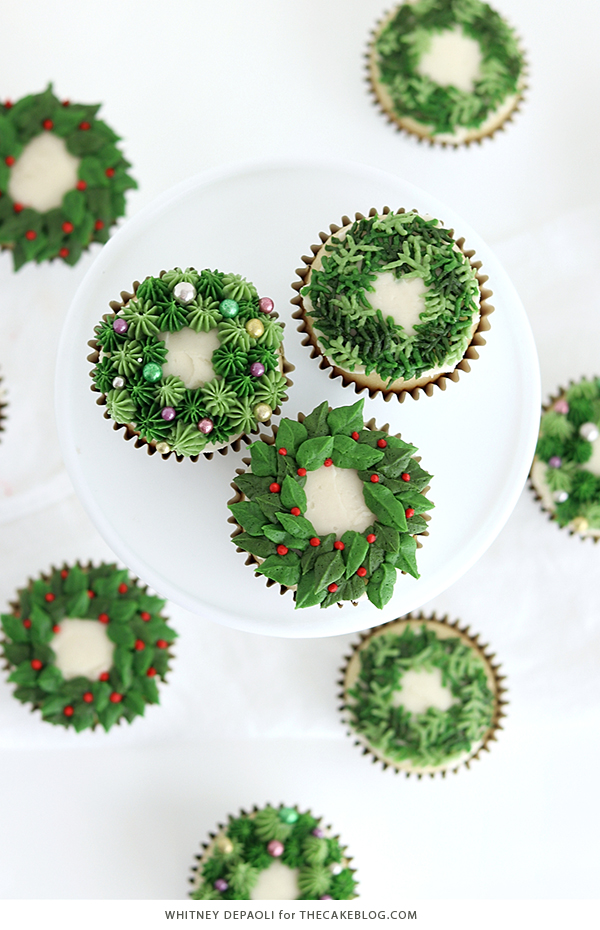
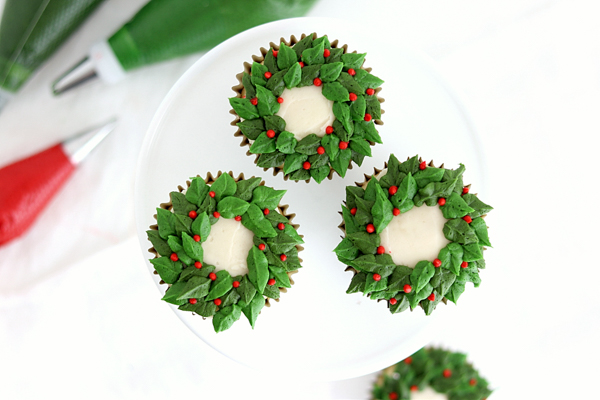
The seasonal baking industry has witnessed a significant shift toward artisanal, home-based confectionery production, a trend exemplified by the recent release of a specialized holiday tutorial by Whitney DePaoli for the digital publication The Cake Blog. This instructional guide focuses on the creation of Christmas Wreath Cupcakes, utilizing advanced buttercream piping techniques to produce three distinct aesthetic designs: the Berry Wreath, the Pine Sprig Wreath, and the Sprinkled Wreath. As consumer demand for high-quality, visually sophisticated holiday desserts continues to rise, such tutorials serve as critical resources for both amateur and professional bakers looking to elevate their seasonal offerings.
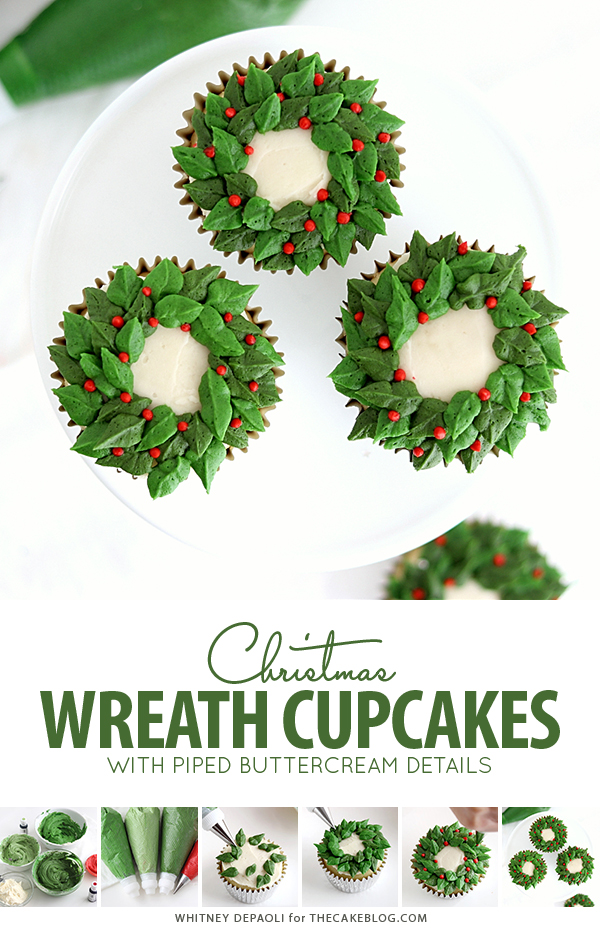
Technical Methodology and Essential Equipment
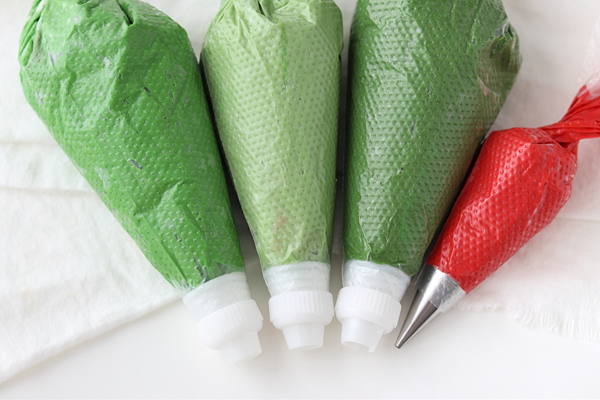
The foundation of the Christmas Wreath Cupcakes project lies in the precise application of buttercream through specific piping apparatus. According to the technical specifications provided by DePaoli, the use of couplers is a central component of the workflow. In professional pastry production, couplers allow for the seamless interchange of piping tips without the necessity of emptying and refilling piping bags. This efficiency is particularly relevant when working with multiple shades of the same color, as seen in this tutorial’s requirement for three varying intensities of green buttercream.
The project utilizes a specific array of piping tips, each engineered for a particular textural outcome:
- Piping Tip #352 (Leaf Tip): Characterized by its "open beak" structure, this tip is designed to create realistic leaf shapes through a specific push-and-pull motion.
- Piping Tip #3 (Round Tip): A versatile tool used for fine details, including the "pine needles" in the sprig design and the small "berries" in the floral design.
- Piping Tip #199 (Star Tip): Used for creating "drop stars," which provide a dense, textured surface suitable for holding decorative sprinkles.
While the tutorial suggests American Buttercream for its stability and ease of coloring, the techniques are adaptable to other pipeable mediums, such as Swiss Meringue or Italian Meringue buttercream, provided they possess the structural integrity to hold sharp peaks.
Chronology of the Confectionery Design Process
The development of these cupcakes follows a rigorous chronological path from color theory application to final assembly. The process begins with the preparation of the buttercream palette, which requires a strategic division of the medium.
Phase I: Pigmentation and Preparation
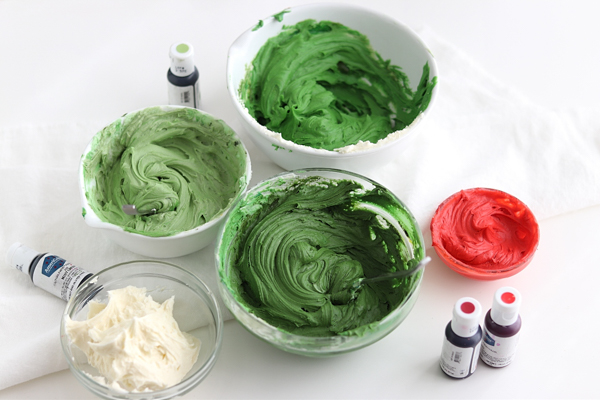
The tutorial mandates the creation of a diverse color spectrum. A small portion of buttercream remains uncolored to serve as a base coat on the cupcakes, providing a clean surface for the piped designs. The remainder is divided into four sections: one small batch tinted with red gel (specifically Americolor Super Red) and three larger batches tinted in light, medium, and dark shades of green. This tonal variety is essential for achieving the depth and realism associated with natural evergreen foliage.

Phase II: The Base Layer
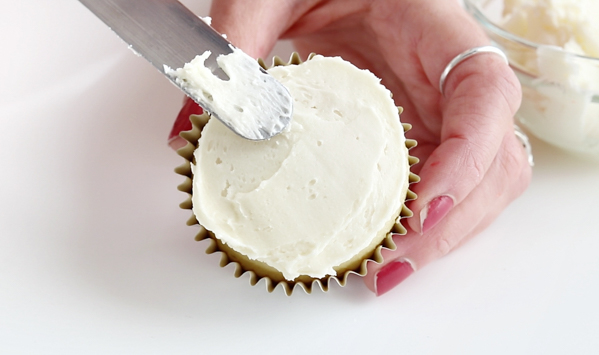
Each cupcake receives a thin, even layer of white buttercream applied with a small icing spatula. This "crumb coat" equivalent serves a dual purpose: it secures any loose crumbs and provides a consistent background color that ensures the green wreaths appear vibrant and saturated.
Phase III: Execution of the Three Primary Designs
The tutorial outlines three specific execution paths:
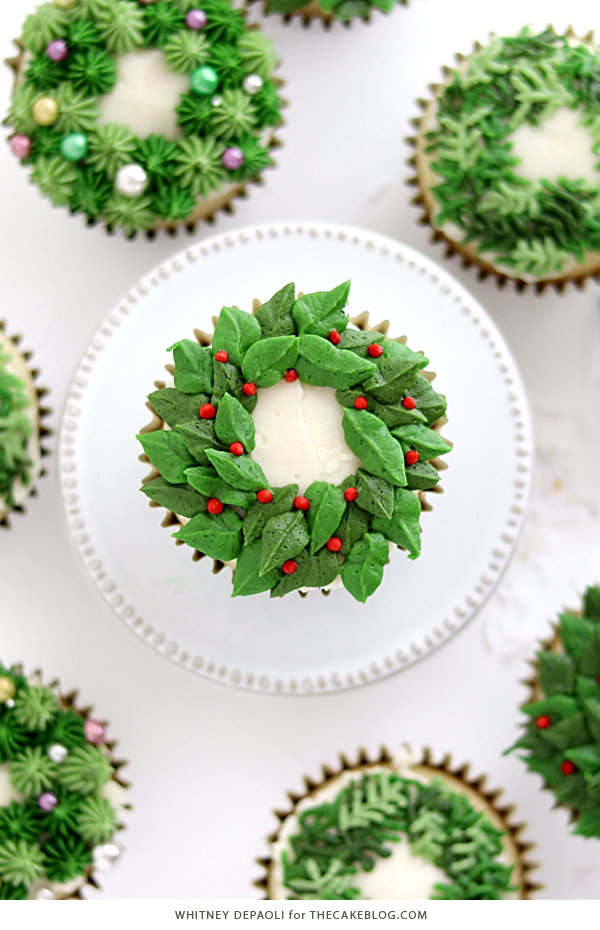
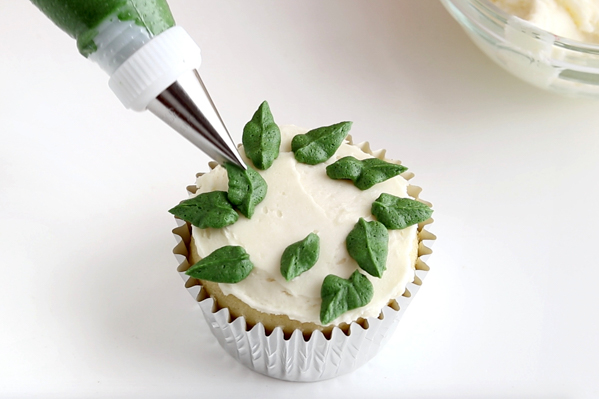
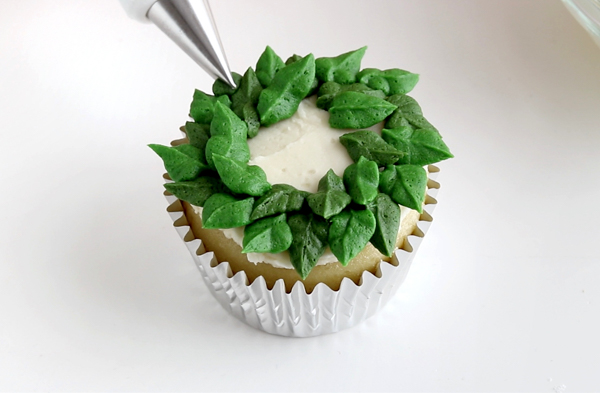
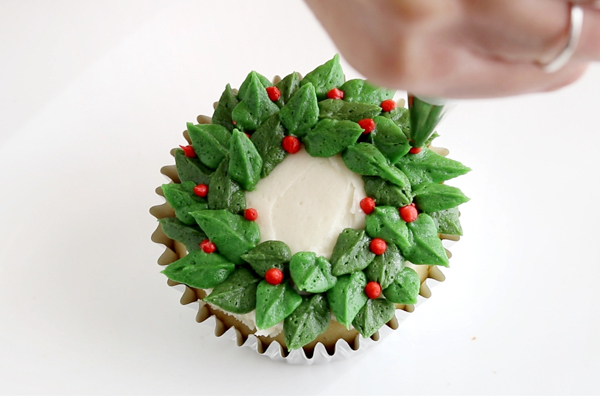
- The Berry Wreath: Utilizing the #352 leaf tip, the baker alternates between medium and dark green shades to create a layered, leafy circle around the perimeter. The design is finalized with the #3 tip, which adds red buttercream dots to simulate holly berries.
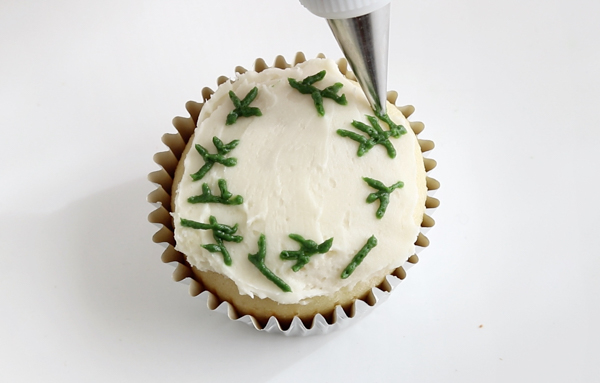
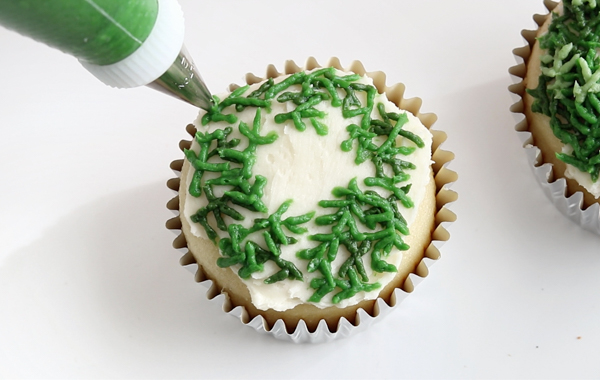
- The Pine Sprig Wreath: This design requires a more labor-intensive "V-shape" piping technique using the #3 round tip. By layering three shades of green in overlapping sprigs, the baker creates a dense, needle-like texture reminiscent of traditional pine or fir wreaths.
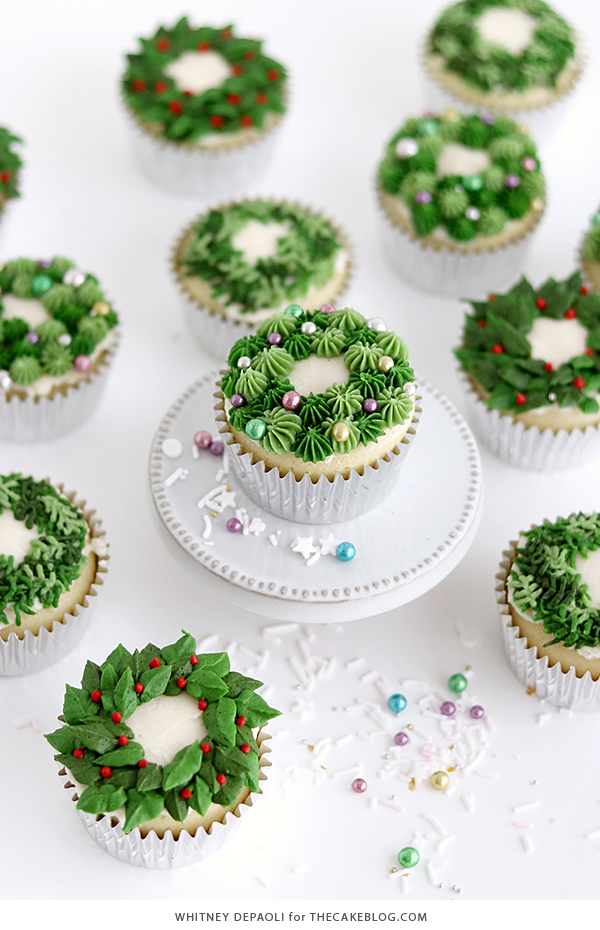
- The Sprinkled Wreath: Aimed at achieving a more whimsical, "ornamented" look, this design uses the #199 star tip to pipe drop stars in two shades of green. Spherical sprinkles are then applied to simulate holiday baubles.
Market Context and Industry Data
The release of this tutorial coincides with a period of robust growth in the global baking ingredients market. According to industry analysis from Grand View Research, the global baking ingredients market size was valued at USD 16.6 billion in 2021 and is expected to expand at a compound annual growth rate (CAGR) of 5.6% through 2030. The "home baking" segment, in particular, has seen a surge in interest as social media platforms like Instagram and Pinterest drive visual standards for holiday entertaining.
Data from the American Bakers Association indicates that 78% of consumers view baked goods as a permissible indulgence during the holiday season. Furthermore, the "edible gift" sub-sector has experienced a 12% year-over-year increase in consumer spending, as individuals opt for personalized, handcrafted items over mass-produced retail products. Tutorials that bridge the gap between "store-bought" and "professional-grade" are highly valued in this economic climate.
Culinary Analysis: The Role of Texture and Color Theory
Professional bakers and pastry chefs note that the success of DePaoli’s designs is rooted in fundamental principles of color theory and architectural texture. By utilizing three distinct shades of green, the tutorial mimics the way light interacts with natural foliage. In a natural environment, shadows and highlights create a sense of three-dimensionality; the use of light, medium, and dark buttercream replicates this effect on a micro-scale.
"The use of varied tip shapes—from the sharp angles of the leaf tip to the soft rounds of the berry tip—creates a tactile interest that appeals to the consumer’s sensory perception," states an inferred industry expert in culinary arts. "When you provide three different designs within one set, you create a visual rhythm that is more engaging than a uniform batch of twelve identical cupcakes. This is a hallmark of high-end boutique bakeries."
Broader Impact and Social Implications
The rise of digital culinary tutorials has democratized the art of pastry design. Historically, the techniques required to pipe realistic pine sprigs or intricate wreaths were guarded within professional guilds or expensive culinary institutes. The transition of this knowledge to accessible online platforms represents a significant shift in how culinary skills are disseminated.
Furthermore, the act of holiday baking has been increasingly recognized for its psychological benefits. A study published in the Journal of Positive Psychology suggests that people who frequently take on small, creative projects—such as baking or decorating—report feeling more relaxed and enthusiastic in their daily lives. During the high-stress holiday season, tutorials like the Christmas Wreath Cupcakes provide a structured, creative outlet that serves as a form of "culinary mindfulness."
Conclusion and Future Outlook
The Christmas Wreath Cupcakes tutorial by Whitney DePaoli is more than a simple recipe; it is a technical manual that reflects current trends in the global confectionery market. By emphasizing the use of professional tools like couplers and specialized piping tips, and by applying sophisticated color theory to edible media, the guide empowers home bakers to produce results that rival commercial artisanal products.
As the industry moves toward 2025, it is expected that the demand for "experience-based" baking—where the process of creation is as valued as the final product—will continue to grow. Digital platforms will likely see an increase in modular tutorials that offer multiple design variations, allowing for greater customization and personal expression in festive celebrations. The Christmas Wreath Cupcakes project stands as a definitive example of this evolution, blending tradition with modern technical precision to enhance the holiday dessert table.