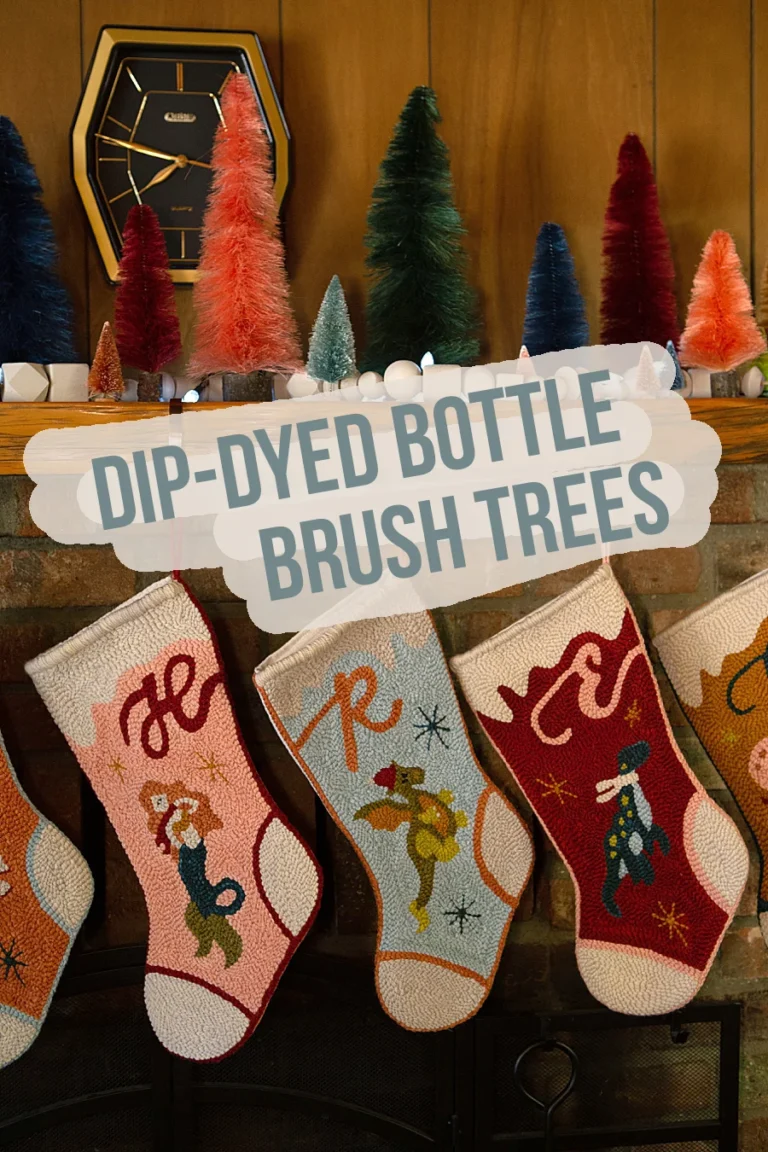



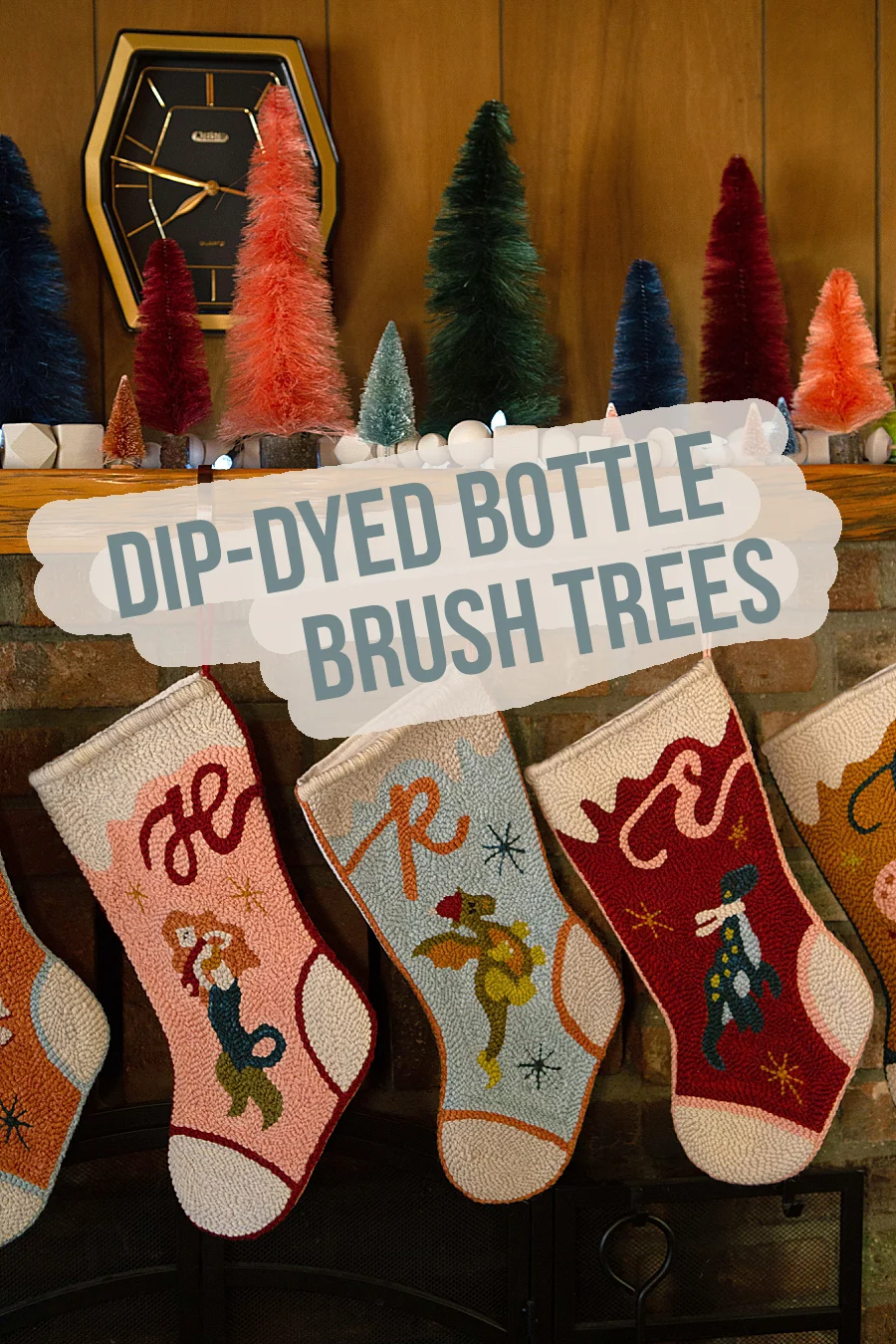
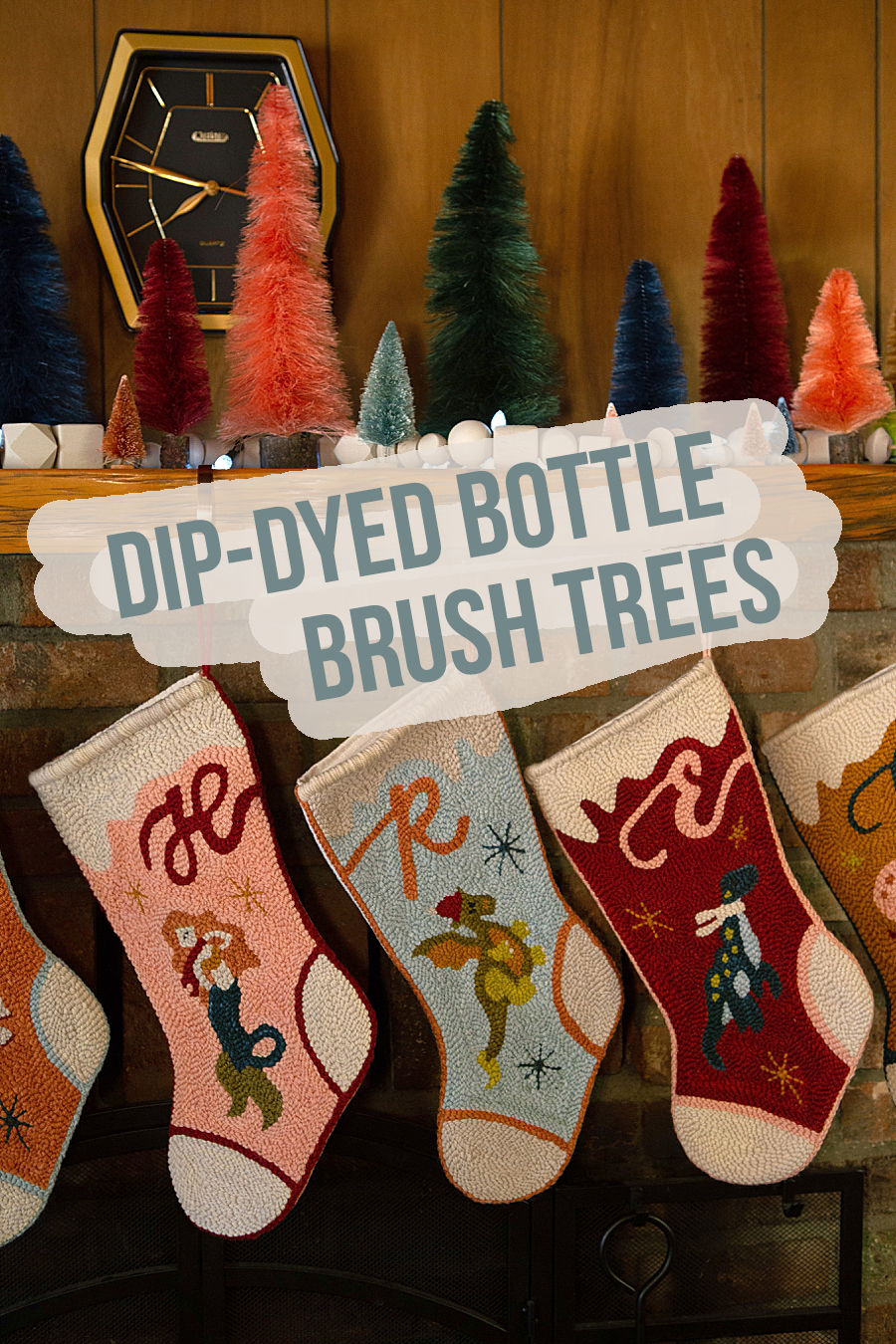
The landscape of holiday home decor is experiencing a significant shift as consumers increasingly prioritize domestic craftsmanship and bespoke customization over mass-produced imports. This movement, characterized by a transition from "disposable" seasonal items to "heirloom" quality decorations, was recently highlighted by the efforts of DIY expert Jen Causey-Kidder of Something Turquoise. Seeking to align holiday aesthetics with specific textile projects, Causey-Kidder documented a sophisticated process for dip-dyeing bottle brush trees to match hand-punched needle stockings. This initiative reflects a broader consumer trend: a growing dissatisfaction with the quality of imported goods and a subsequent surge in the "maker economy," where platforms like Etsy provide access to specialized American artisans such as Studio59 Handmade.
The Shift Toward Domestic Artisan Sourcing
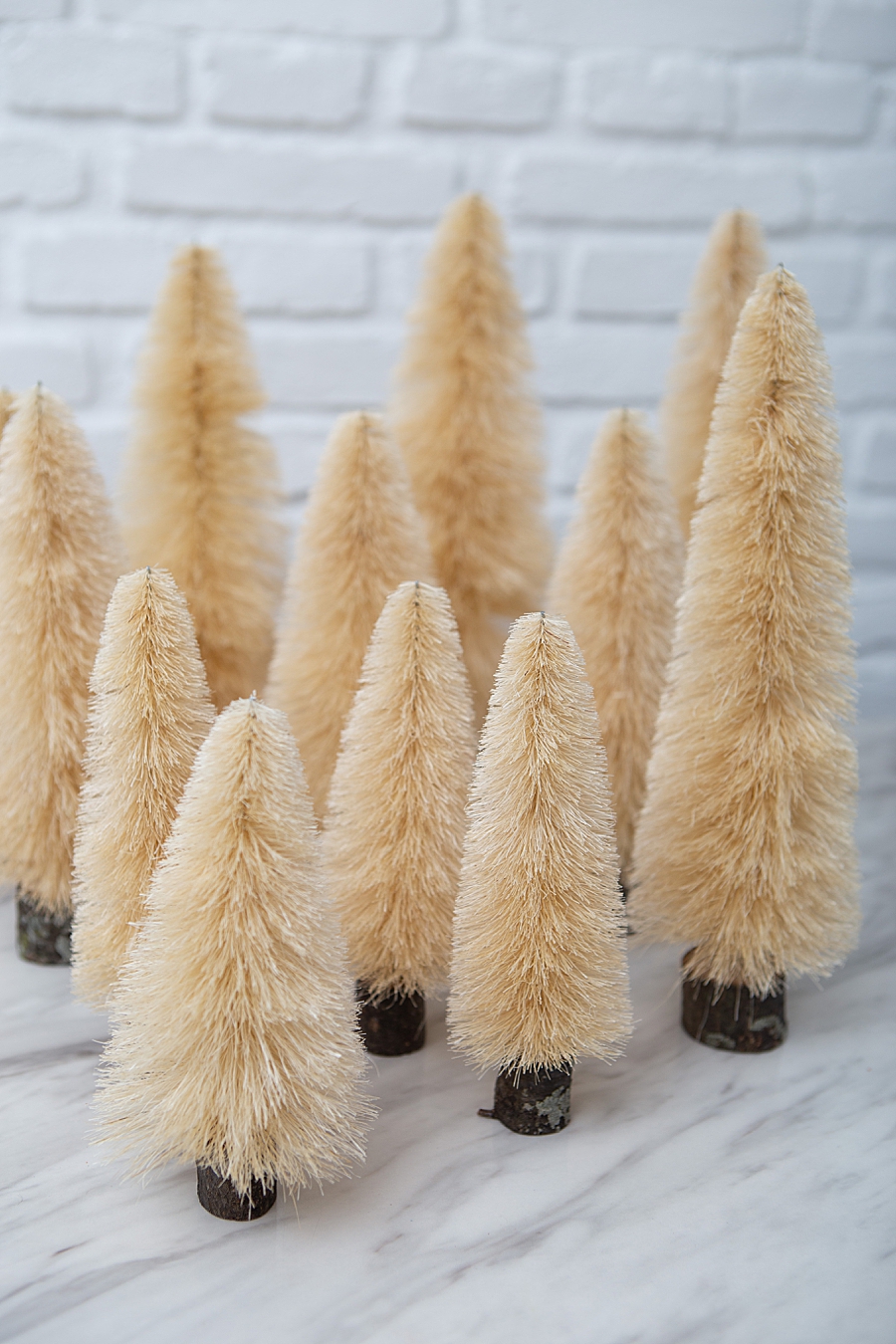
The resurgence of the "Buy American" sentiment within the crafting community is not merely a matter of sentiment but a response to a perceived decline in the durability and aesthetic versatility of mass-market products. For many hobbyists and professional decorators, the inability to find specific color palettes or material qualities in big-box retail stores has led to a reliance on small-scale manufacturers. In the case of bottle brush trees—a staple of mid-century and contemporary holiday decor—the market has long been dominated by overseas production. However, artisans like Rachel of Studio59 Handmade have filled this void by offering handmade sisal trees in various widths (classic, thin, and wide) and heights ranging from four to twelve inches.
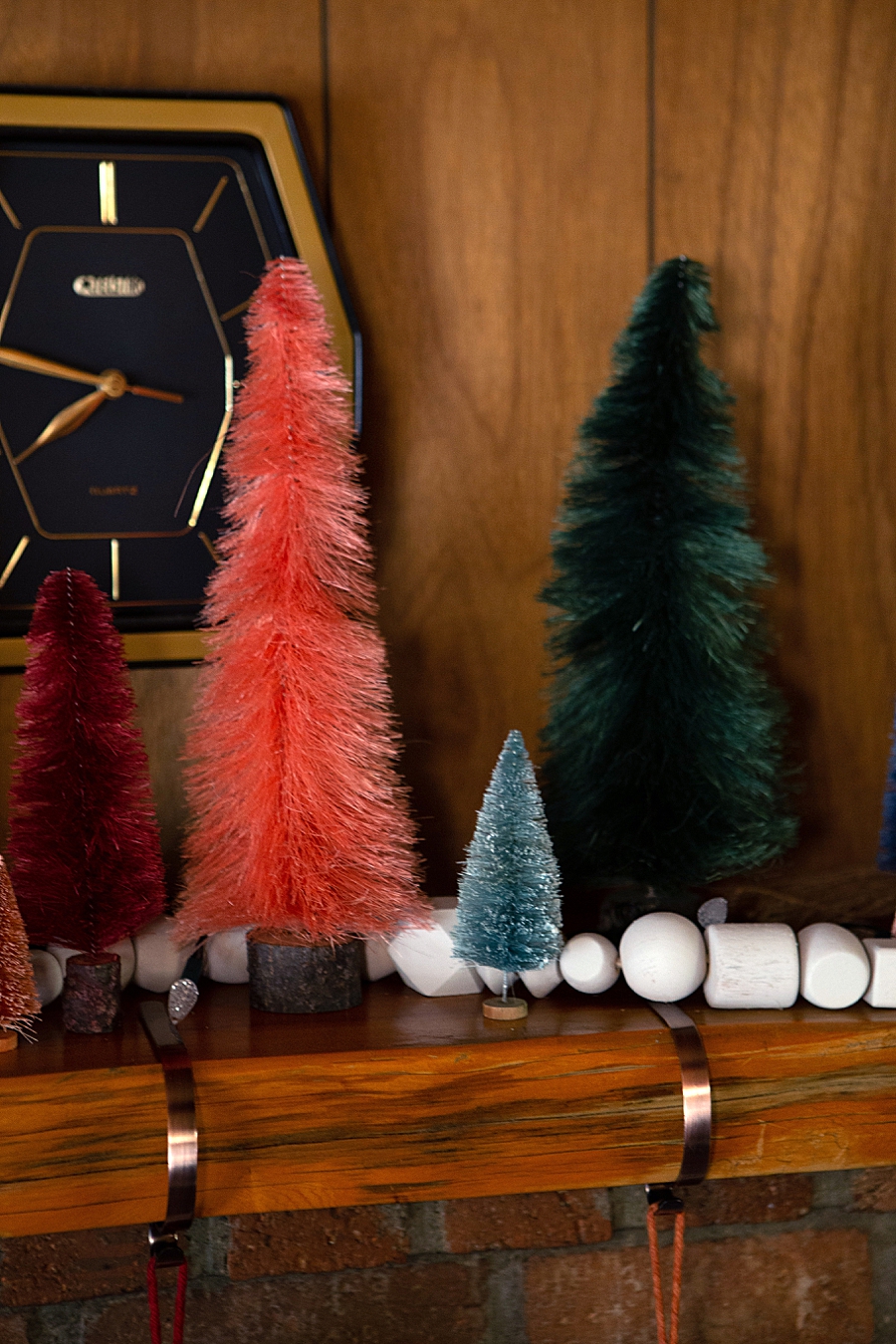
These domestic products offer a "natural" base, which serves as a blank canvas for advanced customization. The shift toward natural-fiber trees allows for the application of high-quality dyes, a process that is often impossible with the synthetic, pre-treated plastics found in cheaper alternatives. This movement toward raw, high-quality materials is a cornerstone of the modern DIY movement, which values the longevity of the finished product over the convenience of a ready-made purchase.
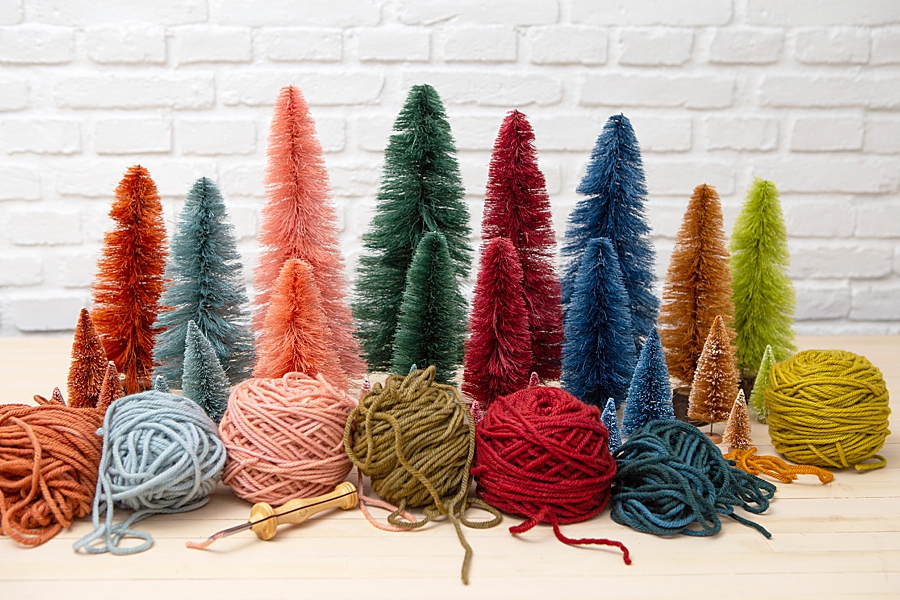
Technical Methodology: The Science of Dip-Dyeing Sisal
The process of customizing bottle brush trees involves a precise intersection of chemistry and textile art. To achieve a perfect color match with high-end yarns—specifically the Cardo line by Manos del Uruguay—a rigorous dyeing protocol must be followed. The methodology utilized by Causey-Kidder provides a blueprint for professional-grade results at home.
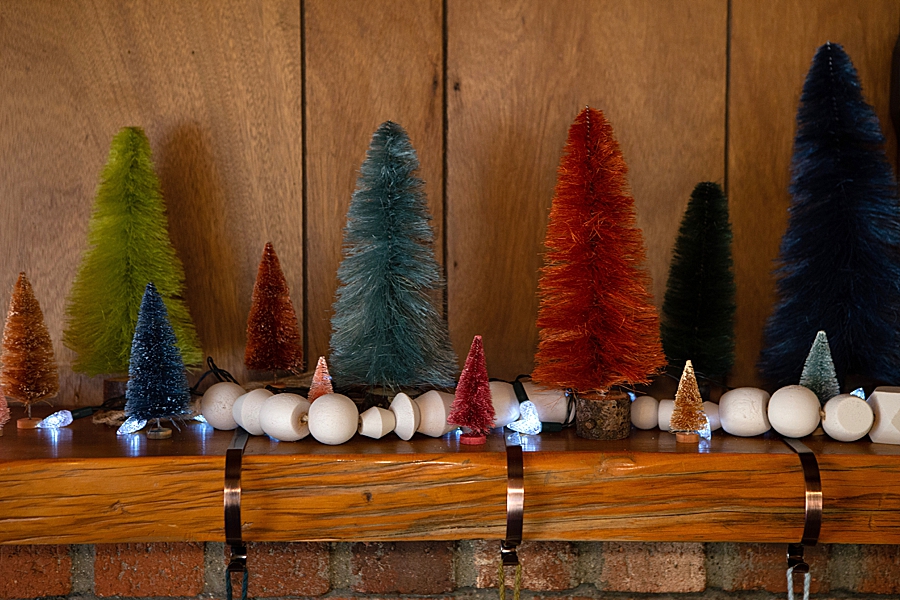
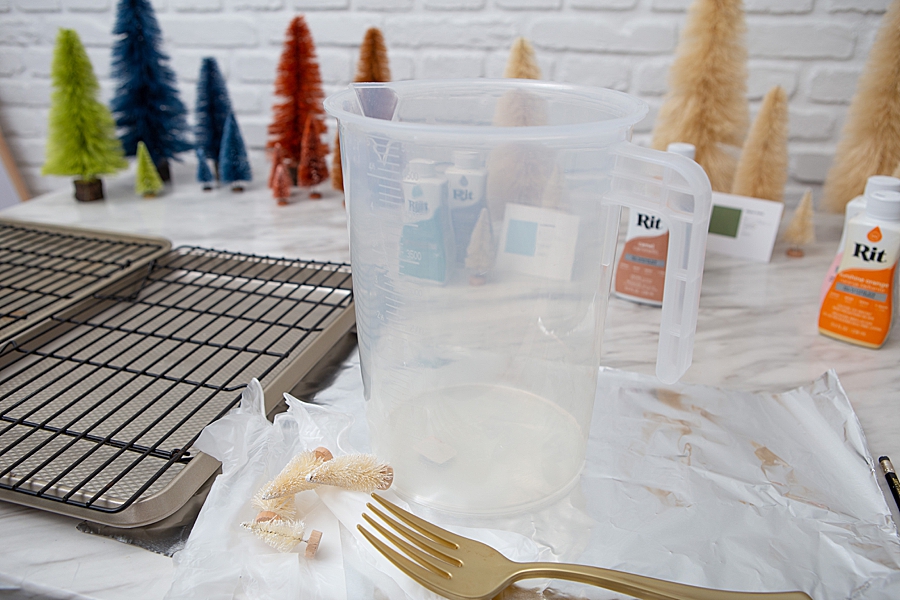
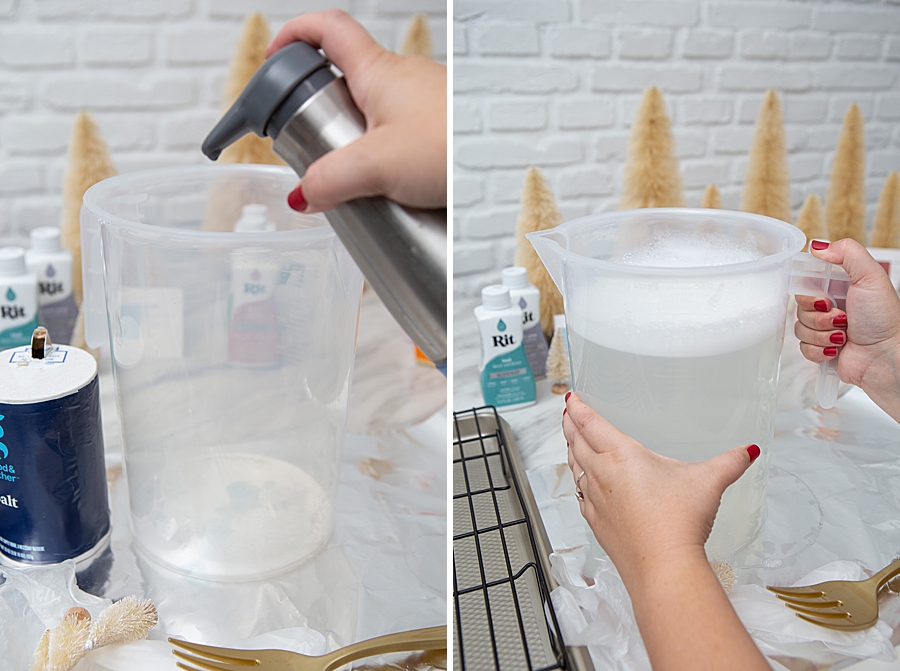
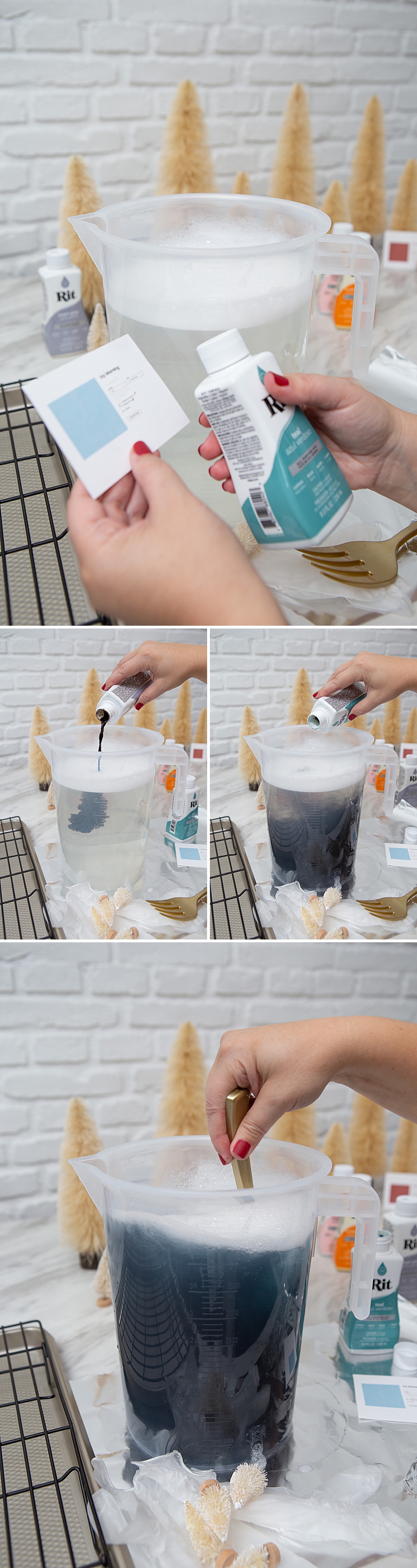
The process begins with the preparation of the dye bath. Using a gallon-sized mixing pitcher, the technician combines the hottest available water with one tablespoon of dish soap and a teaspoon of salt. The inclusion of dish soap acts as a surfactant, breaking the surface tension of the water to ensure the dye penetrates the dense sisal fibers of the tree. The salt serves as a fixative, or mordant, which helps the dye molecules bond more effectively to the fibers, ensuring color vibrancy and preventing future fading.
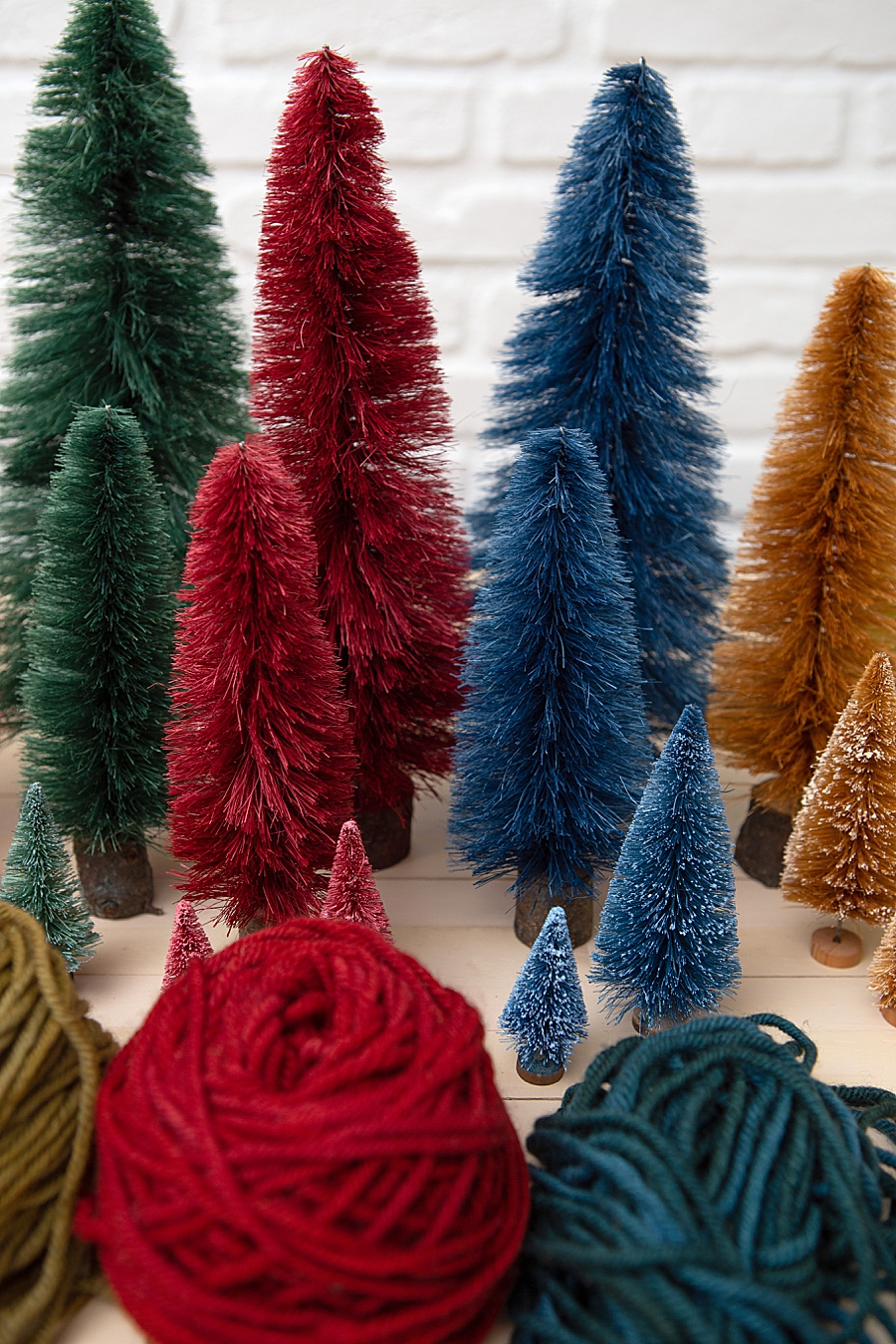
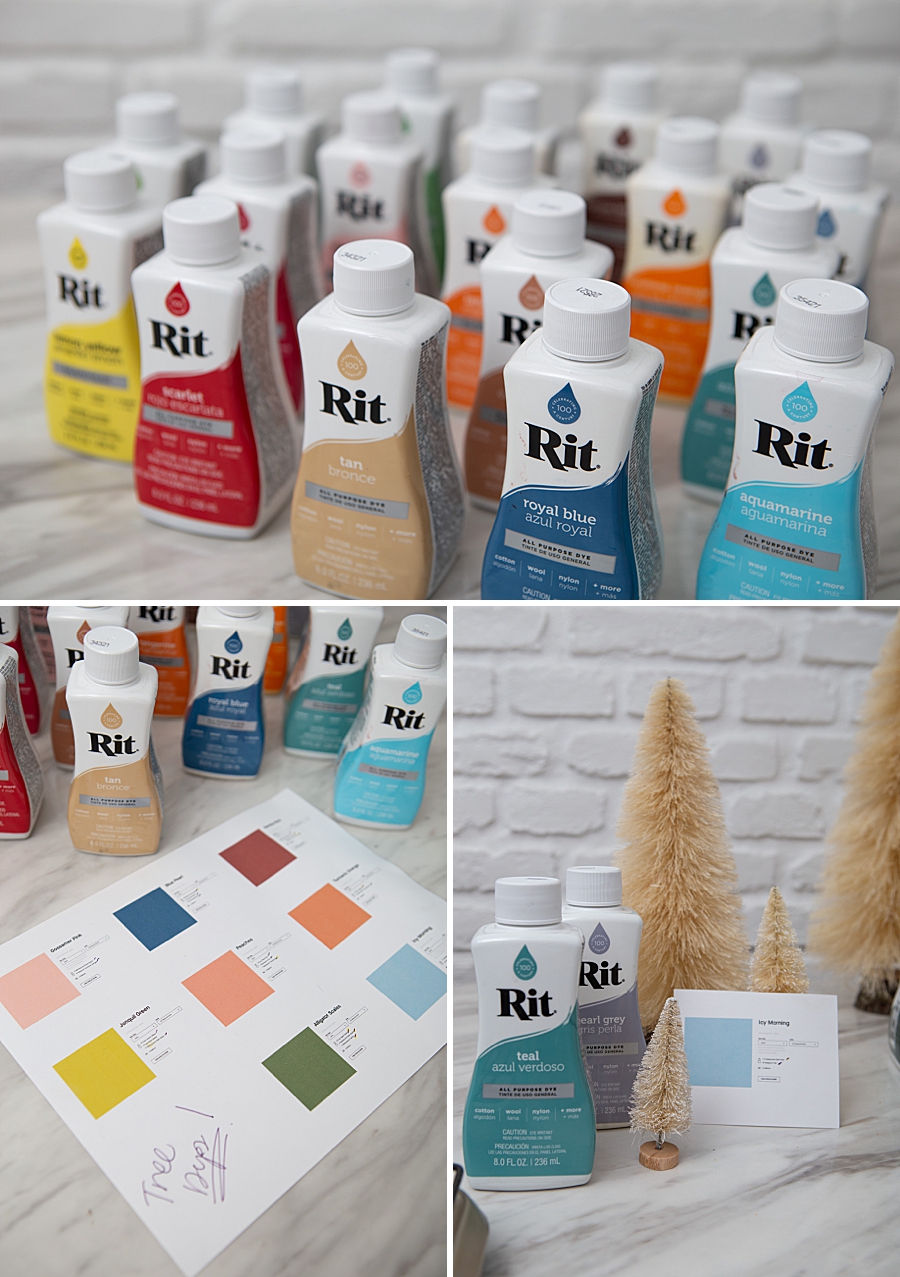
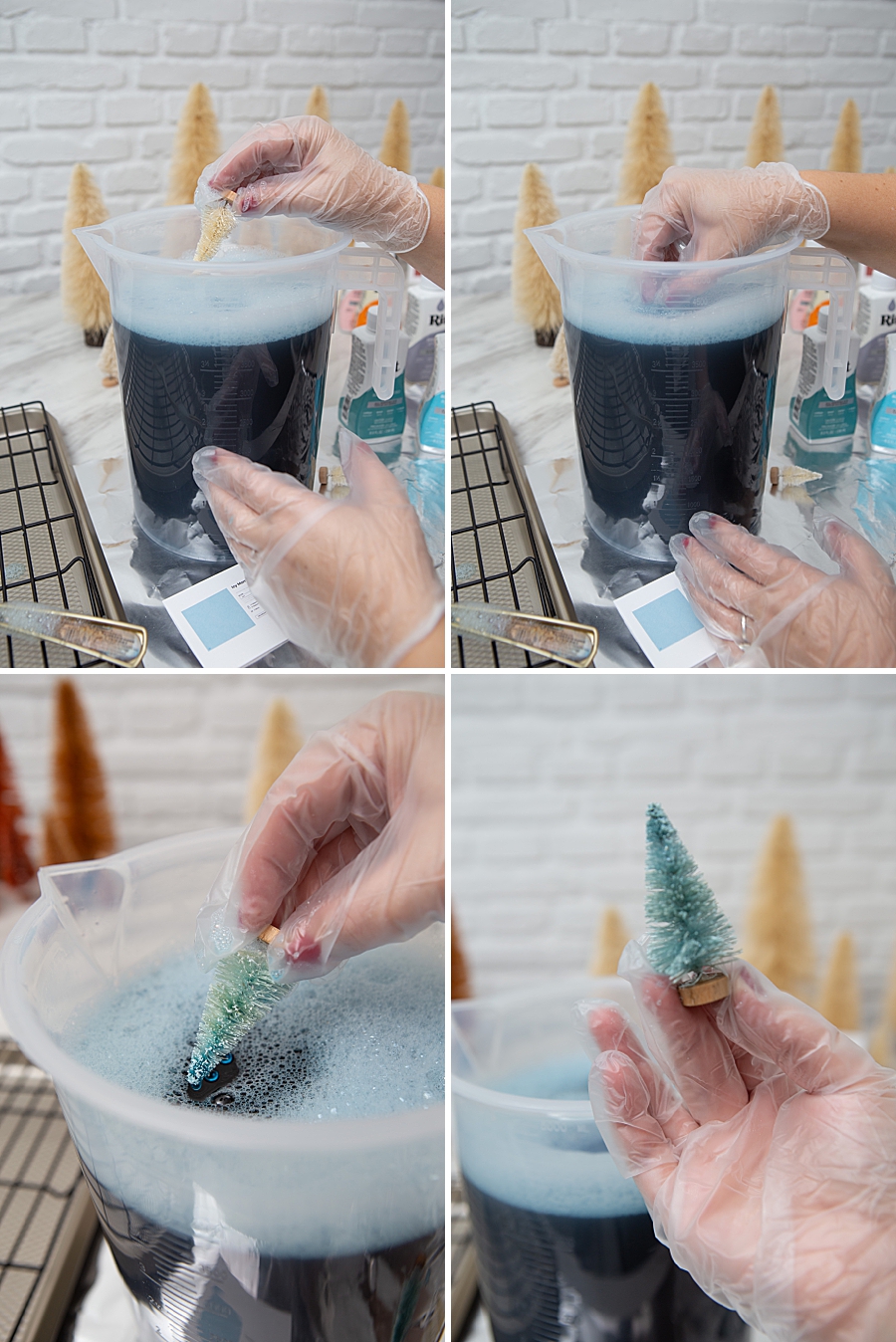
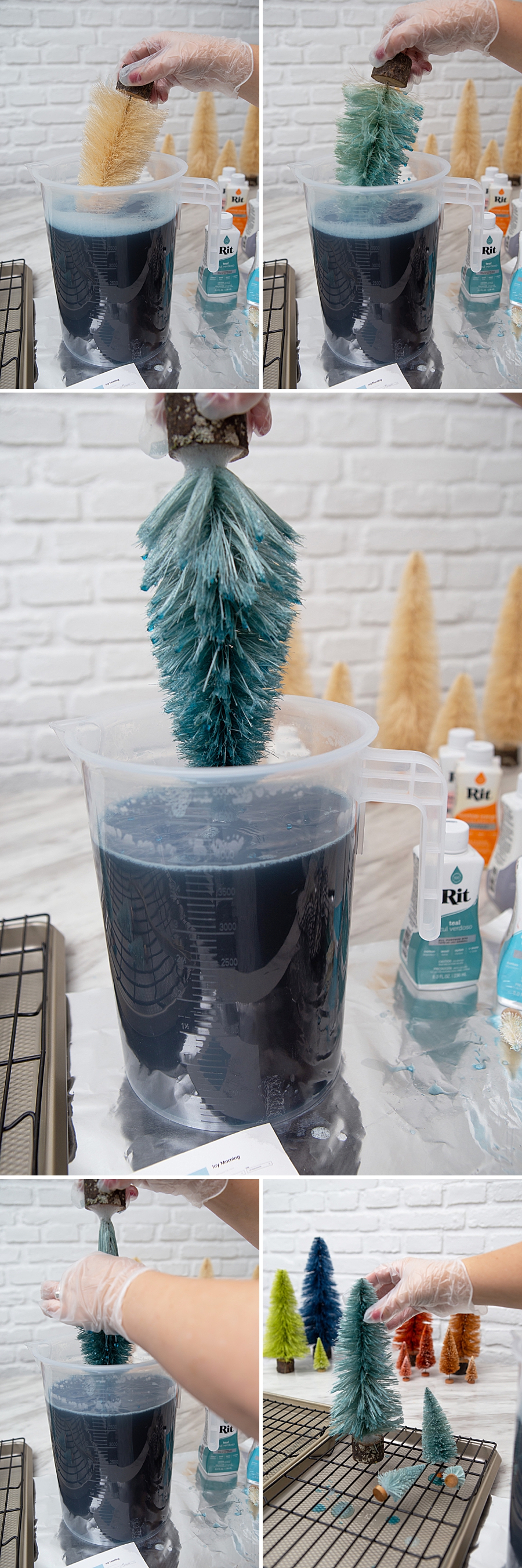
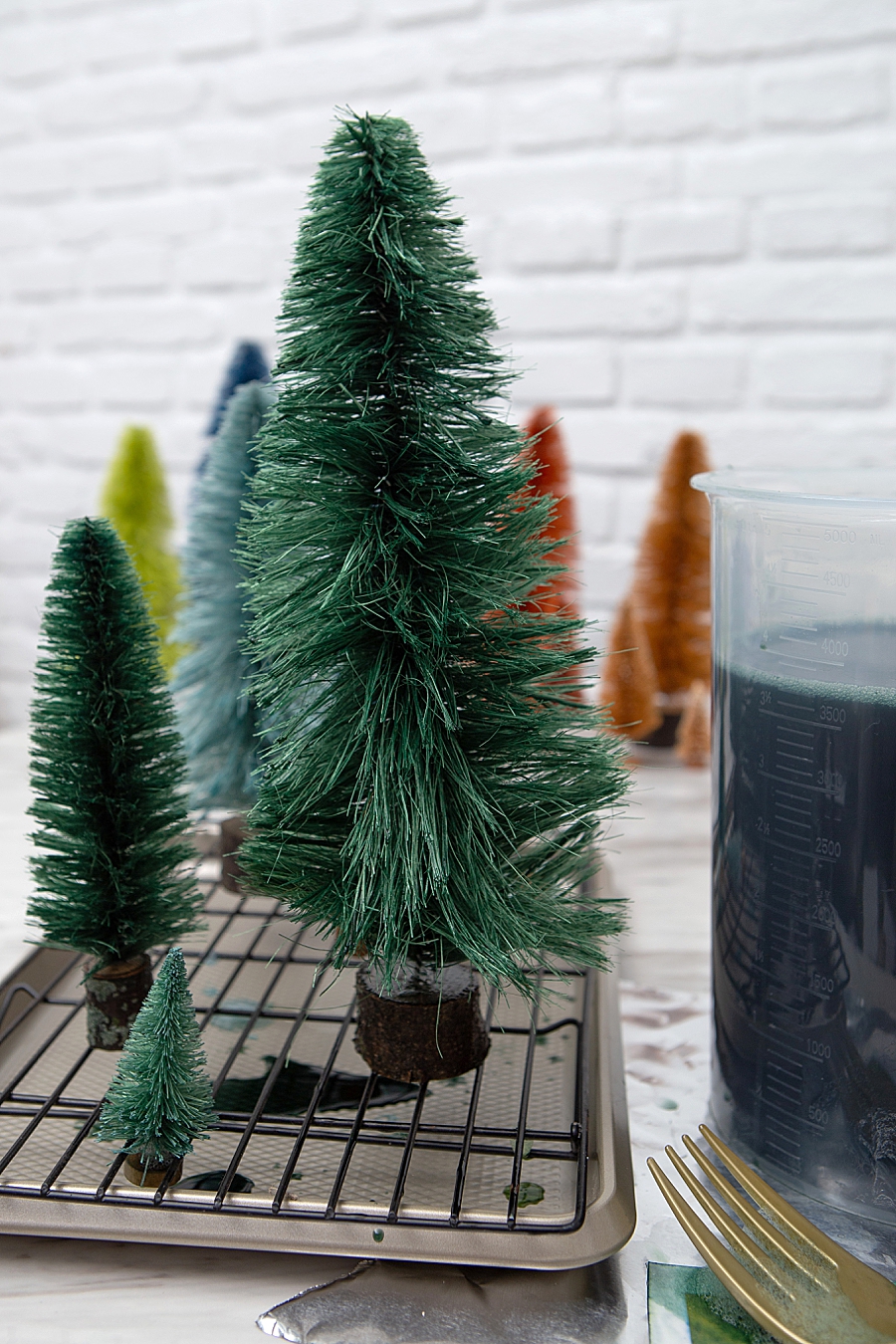
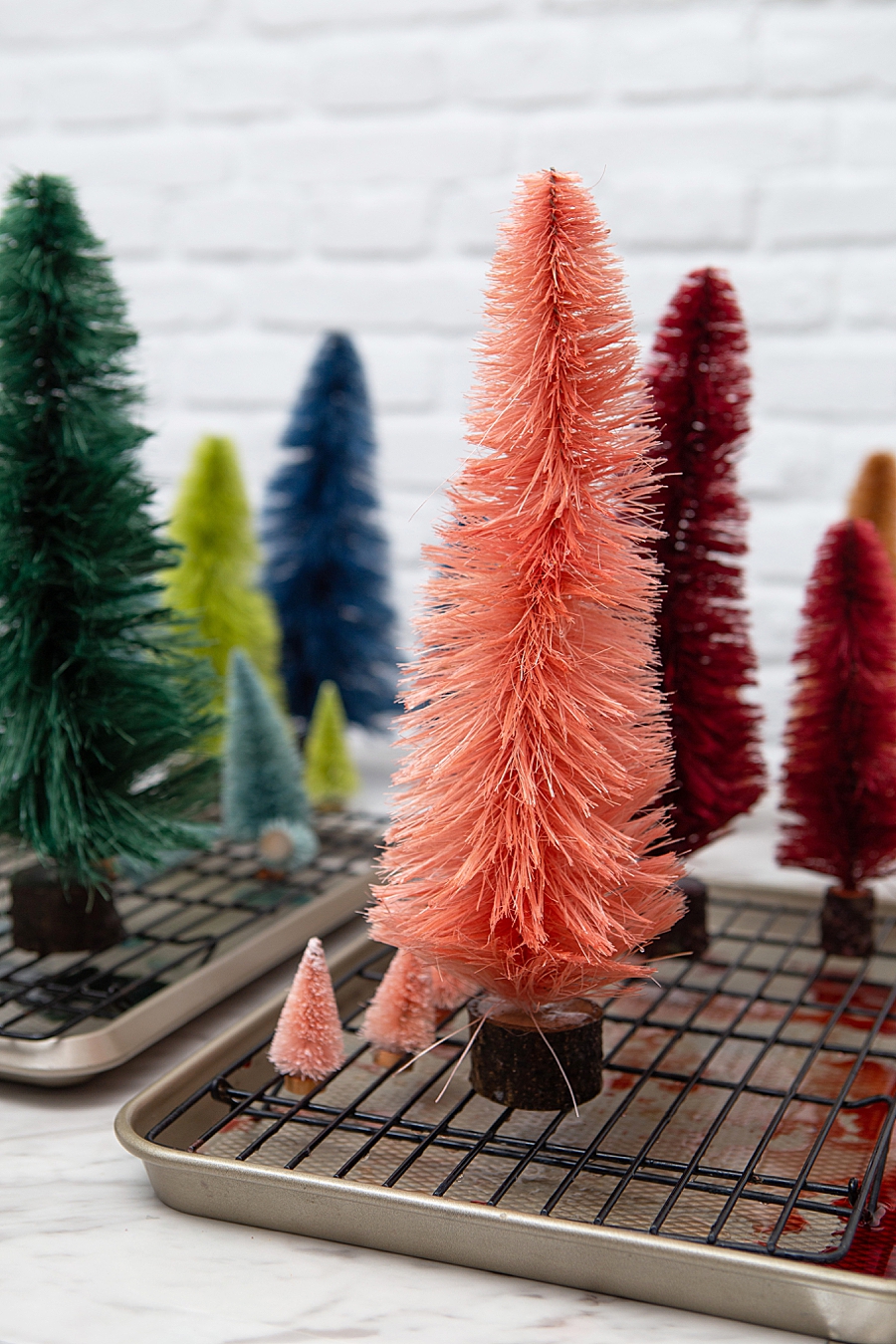
Color accuracy is maintained through the use of established formulas, such as those provided by Rit Dye. By utilizing digital color formulas and adjusting them for a one-gallon volume, crafters can replicate specific hues with high fidelity. A critical step in the professional workflow is the testing phase. Utilizing "test trees"—often smaller, less expensive versions—allows the user to verify the hue before committing the higher-cost, handmade trees to the bath. The trees are submerged for approximately 45 seconds, followed by a manual "stripping" of excess water to prevent pooling or uneven drying. The final stage involves a 24-hour drying period on cookie cooling racks, which allows for 360-degree air circulation, preventing the flattening of the bristles.
Material Analysis: From Fair Trade Yarn to Domestic Woodcraft
The drive for customization is often fueled by the use of premium materials in other parts of the home. The project in question was designed to complement heirloom punch needle stockings made from Cardo yarn by Manos del Uruguay. Manos del Uruguay is a member of the World Fair Trade Organization, and their yarns are known for their variegated colors and high-quality wool. When decorators invest significant time and capital into creating heirloom textiles, the accompanying decor must meet a similar standard of quality.
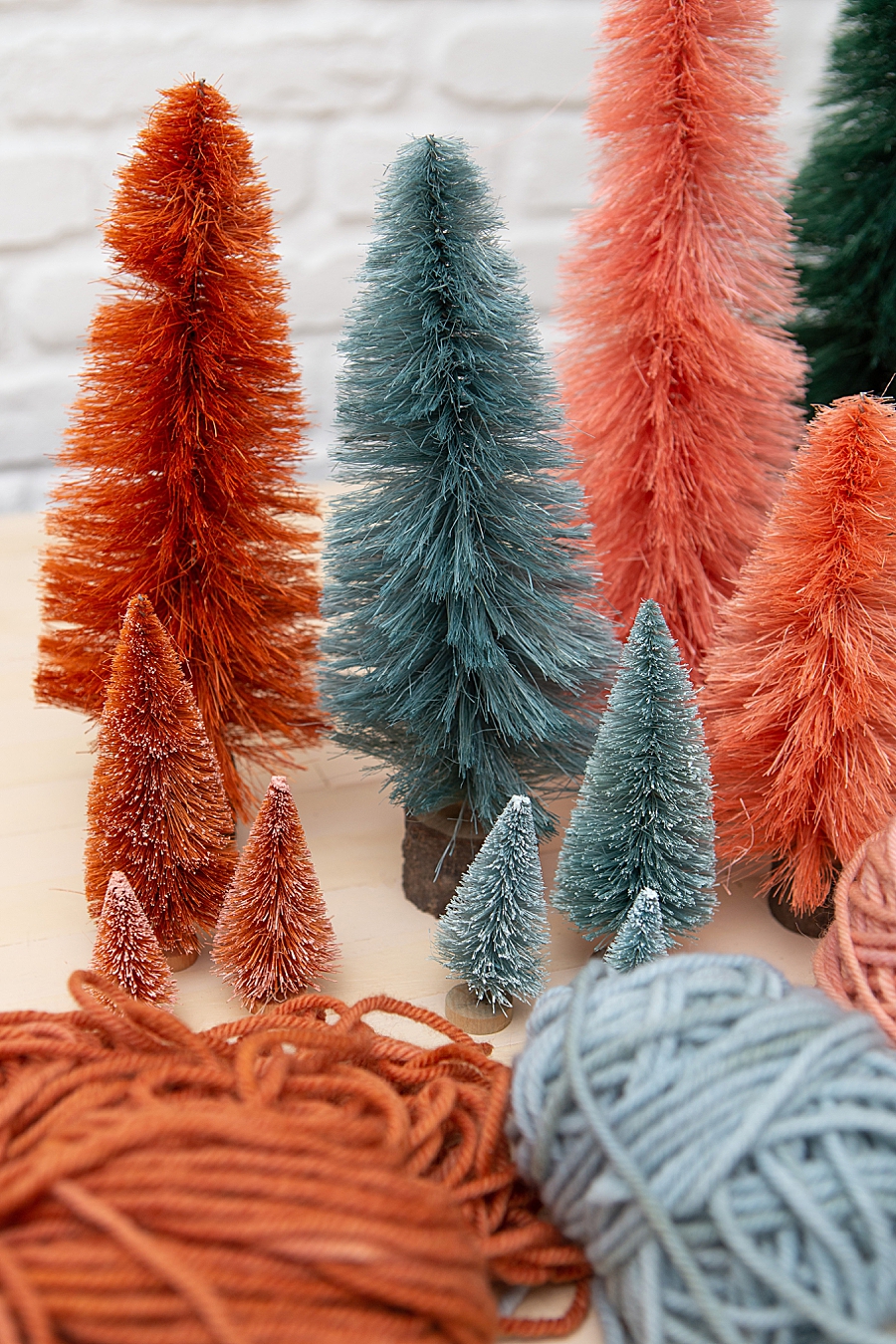
Bottle brush trees, originally inspired by the actual brushes used to clean glass bottles in the late 19th century, have evolved from simple household tools into iconic decorative elements. High-quality versions, like those from Studio59 Handmade, utilize sturdy wire cores and turned wood bases, providing a structural integrity that justifies their higher price point compared to mass-produced versions. The ability to dye these natural fibers allows for a cohesive visual narrative across different media—from the wool of a stocking to the sisal of a miniature forest.
Economic Implications for the Maker Economy and Small-Scale Manufacturers
The economic impact of this shift is substantial. According to industry data, the holiday decor market in the United States is valued at over $30 billion annually. As more consumers move toward "slow decor"—the practice of intentionally curating and creating pieces over time—the revenue is shifting toward platforms that support independent creators. Etsy, for instance, reported a significant increase in searches for "handmade holiday decor" and "DIY kits" over the last several fiscal quarters.
This trend benefits small-scale American manufacturers who can offer the level of customization that large retailers cannot. The "Studio59 model" demonstrates how a niche focus—handmade, high-quality holiday greenery—can capture a dedicated segment of the market that is willing to pay a premium for quality and the ability to customize. Furthermore, the partnership between dye manufacturers like Rit Dye and the DIY community creates a secondary market for customization tools, as consumers seek to modify their high-end purchases.
Official Responses and Community Impact
While official statements from major retail chains often emphasize "value and convenience," the response from the artisan community is one of empowerment. Artisans on platforms like Etsy frequently cite the "personal connection" and "material transparency" as their primary competitive advantages. Rachel of Studio59 Handmade has utilized video demonstrations to showcase the labor-intensive process of creating each tree, which serves to justify the cost and build trust with the consumer.
The DIY community, represented by outlets such as Something Turquoise, acts as a bridge between these artisans and the end consumer. By providing technical tutorials and "proof of concept" projects, these influencers reduce the barrier to entry for complex customization projects. The use of social media platforms like Instagram Reels to demonstrate these processes in real-time provides a level of transparency and instruction that traditional retail advertising lacks.
Broader Impact: Sustainability and the Heirloom Mindset
Beyond the aesthetic and economic factors, there is a significant environmental and psychological component to the rise of custom-dyed, handmade decor. The "junk made in China" sentiment often refers not just to the location of manufacture, but to the "fast decor" cycle—items that are designed to be used for one season and then discarded due to poor quality or shifting trends.
By creating "heirloom" pieces—decorations that are built to last and are personally meaningful—consumers are engaging in a more sustainable form of consumption. A tree that has been hand-dyed to match a family’s specific holiday stockings is far less likely to be thrown away than a generic, store-bought item. This "intentional crafting" fosters a deeper psychological connection to the home environment and the traditions associated with the holiday season.
Conclusion and Future Outlook
The trend of dip-dyeing bottle brush trees to match specific interior design elements is a microcosm of a larger movement toward intentionality in home decor. As the technology for color matching becomes more accessible through digital formulas and high-quality domestic sourcing becomes easier via online marketplaces, the "standard" holiday look is being replaced by highly individualized expressions of style.
Looking forward, the DIY sector is expected to continue its growth, with a focus on high-quality raw materials and professional-grade techniques. The success of artisans like those at Studio59 Handmade and the technical guidance provided by experts like Jen Causey-Kidder suggest that the future of holiday decor lies not in the aisles of mass-market retailers, but in the workshops of domestic makers and the creative hands of the consumers themselves. This shift marks a return to a more traditional form of holiday preparation, where the beauty of the season is found in the time, effort, and quality invested in every decorative detail.