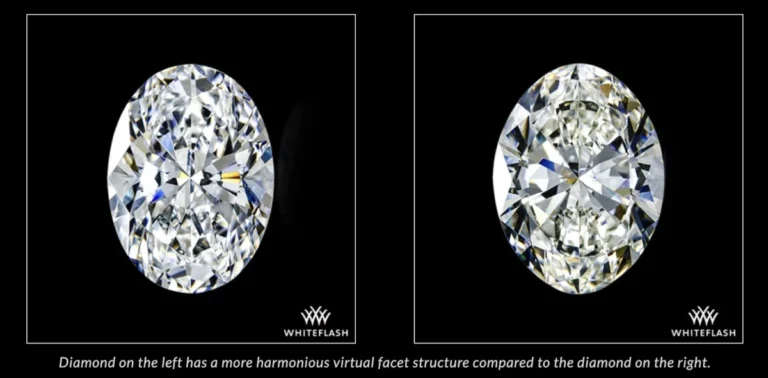




Lab-grown diamonds are a modern marvel of scientific innovation, offering consumers a compelling alternative to traditionally mined gemstones. These diamonds, created in controlled laboratory environments, possess identical chemical, physical, and optical properties to their natural counterparts. This technological advancement is not merely about replicating nature but about offering a new paradigm in the diamond industry, challenging long-held notions of rarity and value. For those seeking to delve deeper into the discussions surrounding these gems, platforms like the PriceScope forum, the largest diamond and jewelry community, offer a wealth of insights from enthusiasts and experts.
The creation of lab-grown diamonds is a testament to human ingenuity, leveraging advanced techniques to accelerate natural geological processes. These methods, while complex, are designed to replicate the conditions under which diamonds form deep within the Earth, resulting in stones that are chemically pure carbon, arranged in a specific crystal lattice. This fundamental composition grants them the same exceptional hardness, refractive index, and visual allure as mined diamonds. The appeal of lab-grown diamonds lies in their ability to provide these coveted diamond material properties without relying on the geological rarity and associated complexities of traditional mining. Further exploration of the benefits and comparative discussions can be found in various community threads, such as those found on PriceScope.

The scientific processes behind lab-grown diamond production are primarily categorized into two main methods: High Pressure High Temperature (HPHT) and Chemical Vapor Deposition (CVD). Both techniques are sophisticated and require specialized equipment and precise environmental control to yield high-quality diamonds.
The HPHT Method: Mimicking Earth’s Core
The HPHT method is designed to replicate the extreme conditions found deep within the Earth’s mantle, where natural diamonds are formed. This process involves placing a small diamond seed crystal into a specialized growth cell. This cell contains a metal catalyst solvent and a source of carbon, typically in the form of graphite. The entire assembly is then subjected to immense pressures, typically ranging from 5 to 6 gigapascals (approximately 50,000 to 60,000 times atmospheric pressure), and temperatures between 1,300 and 1,600 degrees Celsius.
Under these intense conditions, the carbon source dissolves into the molten metal catalyst and then recrystallizes onto the diamond seed, atom by atom, gradually building a larger diamond crystal. This process can take several days to weeks, depending on the desired size and quality of the diamond. HPHT-grown diamonds often exhibit unique crystal shapes, such as cuboctahedra, and may sometimes require post-growth treatments to refine their color, particularly if they develop yellowish or brownish tints due to trace elements or the growth process itself. The metal catalyst used in the HPHT process can sometimes be present as minute inclusions within the diamond, which are generally undetectable to the naked eye but can be identified by gemological laboratories.
The CVD Process: Layering Carbon Atoms
The Chemical Vapor Deposition (CVD) method offers a different approach to diamond synthesis. This technique takes place in a vacuum chamber where a diamond seed crystal is placed on a substrate. A mixture of carbon-rich gases, such as methane (CH4) and hydrogen (H2), is introduced into the chamber. This gas mixture is then subjected to microwave energy, which breaks down the molecules into a plasma.
Within this plasma, carbon atoms are liberated and then deposit onto the diamond seed crystal, growing the diamond layer by layer. The process typically occurs at temperatures around 800 degrees Celsius, significantly lower than HPHT, and at lower pressures. CVD is known for its ability to produce high-clarity diamonds with fewer inclusions, as the growth environment is tightly controlled. This method also offers flexibility in creating larger diamonds or those with specific shapes. While CVD diamonds can achieve excellent clarity, they may also require post-growth treatments, such as annealing or HPHT treatment, to enhance their color to desirable near-colorless grades.
Comparing HPHT and CVD: Key Differences
While both HPHT and CVD methods result in diamonds with the same fundamental properties as natural diamonds, they have distinct characteristics in their growth processes and potential outcomes. HPHT closely mimics the natural formation environment, often leading to diamonds with greater robustness, though potential metallic inclusions from the catalyst can be a distinguishing factor. CVD, on the other hand, provides precise control over crystal growth, making it an efficient method for producing high-clarity diamonds, but often necessitating color enhancement treatments. The choice between HPHT and CVD often depends on the specific desired qualities of the final diamond, with both methods capable of producing gems that are indistinguishable from natural diamonds to the untrained eye and even under standard gemological testing.

Post-Growth Processing and Certification
Once rough lab-grown diamonds are produced, they undergo a series of critical steps to transform them into polished gemstones suitable for jewelry. This begins with expert cutting and polishing, where skilled artisans meticulously shape the rough crystals to maximize their brilliance, fire, and scintillation. This process involves carefully planning the facet arrangement to optimize light performance, while minimizing material loss.
Following cutting, the diamonds are rigorously cleaned and inspected for any remaining inclusions or surface imperfections. The crucial stage of grading then commences, typically performed by independent, reputable gemological laboratories. These institutions evaluate the diamonds based on the universally recognized "4Cs": cut, color, clarity, and carat weight.
The Importance of Certification
Professional certification is paramount in the lab-grown diamond market, providing consumers with clear, reliable information about a diamond’s quality and origin. This process mirrors the grading applied to natural diamonds, ensuring transparency and building confidence in purchases. Reputable laboratories such as the Gemological Institute of America (GIA) and the International Gemological Institute (IGI) are instrumental in this regard. They employ stringent standards and advanced testing methodologies to assess and report on the characteristics of lab-grown diamonds.

The GIA began issuing reports for laboratory-grown diamonds in the mid-2010s, with its reporting standards evolving over time. The IGI, a pioneer in this service since 2005, remains a leading choice for many in the industry due to its expertise and the volume of reports it issues. Both organizations utilize sophisticated equipment to verify the diamond’s origin and confirm its quality attributes.
How Certification Reports Detail Lab-Grown Diamonds
Certification reports for lab-grown diamonds meticulously detail their properties, using the established 4Cs framework. This standardized approach facilitates easy comparison between different diamonds. The reports provide specific grades for cut, color, and clarity, offering insights into the diamond’s brilliance, fire, and overall aesthetic appeal. For instance, IGI often provides detailed 4Cs grading specifically tailored for lab-grown diamonds, which aids consumers in making informed decisions. While GIA’s approach to lab-grown diamond reports has evolved, it consistently focuses on critical quality measures.
A key element of these reports is the explicit identification of the production method – either High Pressure High Temperature (HPHT) or Chemical Vapor Deposition (CVD). Furthermore, any post-growth treatments undertaken to enhance the diamond’s color or other features are clearly disclosed. This transparency is vital for consumers to understand the complete journey of their diamond. The report will also include a definitive statement confirming the diamond’s lab-grown origin, ensuring there is no confusion with natural diamonds. Laser inscriptions on the diamond’s girdle, displaying a unique report number and the designation "Laboratory-Grown," provide an additional layer of verification, often checkable through online databases such as GIA’s Report Check system.

Value Proposition and Market Dynamics
The market for lab-grown diamonds has experienced significant growth, driven by a combination of technological advancements, increasing consumer awareness, and a compelling value proposition. A report by Fortune Business Insights highlights the rapid expansion of the global lab-grown diamond market, projecting continued growth with an annual growth rate of 13.42% over the coming years. This trend indicates a strong and growing consumer preference for these gems.
Assessing Value and Affordability
The worth of lab-grown diamonds is assessed using the same 4Cs – cut, color, clarity, and carat weight – as natural diamonds. This consistent methodology ensures that consumers can confidently compare options based on established quality metrics. While lab-grown diamonds may not appreciate in value as investments in the same way that rare natural diamonds sometimes do, they offer immediate tangible value. Consumers can often acquire a larger or higher-quality lab-grown diamond for 50-70% less than a comparable natural diamond. This cost-effectiveness is particularly attractive for significant purchases like engagement rings, where the visual impact and beauty of the diamond are primary considerations.
The Benefits of Budget Flexibility
A significant advantage of lab-grown diamonds is the enhanced budget flexibility they provide. This allows shoppers to prioritize superior features, such as an exceptional cut that maximizes a diamond’s fire and brilliance, without compromising on size or overall aesthetic. Retailers like Whiteflash, James Allen, and Blue Nile offer extensive selections, enabling customers to view and customize their choices. This increased accessibility has fueled their popularity, making high-end jewelry more attainable for a broader audience.

Resale Value Considerations
It is important for consumers to understand that lab-grown diamonds typically have a lower resale value compared to natural diamonds. This is largely due to their higher production volume and the evolving nature of the market. Consequently, they are best viewed as beautiful personal items rather than traditional investments. However, this does not diminish their emotional or aesthetic value. For items such as wedding bands or cherished family heirlooms, the focus is on enduring beauty and sentiment, where lab-grown diamonds excel.
Market Trends and Consumer Acceptance
The lab-grown diamond sector is experiencing robust expansion. Precedence Research forecasts the market to grow from an estimated $29.73 billion in 2025 to $97.85 billion by 2034, with a Compound Annual Growth Rate (CAGR) of 14.15%. In the United States, lab-grown diamonds constitute an increasing share of diamond jewelry sales, especially for engagement rings. A 2025 survey indicated that 52% of engaged couples chose lab-grown diamonds for their rings, a substantial increase from 2019. Furthermore, Rapaport’s research found that 84% of consumers are aware of lab-grown options, and 74% are open to using them for engagements, signifying strong market acceptance. Jewelers Board of Trade respondents also noted that 65% view them as a better overall deal.
Practical Considerations for Buyers
When evaluating lab-grown diamonds, practical considerations take precedence over broad, often unsubstantiated, claims about their impact. These include the quality of the diamond’s cut, its visual performance, the details provided in its certification, and the consistency of pricing across different retailers. Given the continuous evolution of production methods and costs, buyers are best advised to focus on measurable attributes and documented grading rather than generalized narratives.

The most impactful decisions when purchasing a lab-grown diamond ring are those that directly affect its appearance and longevity. These involve understanding the trade-offs between various features that genuinely influence how the diamond looks and performs, as opposed to those that sound appealing but have minimal visual impact.
The Role of the 4Cs in Lab-Grown Diamonds
The 4Cs – cut, color, clarity, and carat weight – remain the foundational system for evaluating lab-grown diamonds, mirroring the criteria used for natural stones. Understanding these elements is crucial for buyers to appreciate a diamond’s superior traits and inherent beauty, which dictate its light reflection and overall visual appeal.
- Cut: This is arguably the most critical factor influencing a diamond’s brilliance and sparkle. A well-executed cut allows light to enter the diamond and reflect internally before returning to the viewer’s eye, creating dazzling scintillation.
- Color: Diamond color grades range from D (colorless) to Z (light yellow or brown). For lab-grown diamonds, near-colorless grades (D-F) often represent the best value, offering exceptional visual appeal.
- Clarity: Clarity assesses the presence of internal inclusions and external blemishes. Diamonds with fewer and less noticeable flaws, particularly those that are difficult to see without magnification, are considered clearer and often more desirable.
- Carat Weight: This measures the diamond’s size. While size is important, buyers can often achieve a larger carat weight in a lab-grown diamond by carefully considering the other Cs, particularly cut and color, to ensure optimal visual impact.
The Significance of Ring Design and Contour
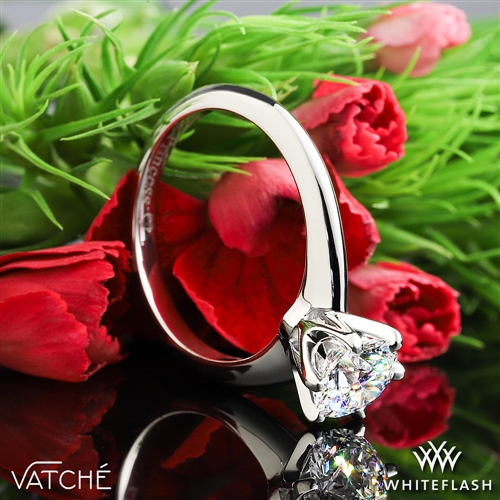
The aesthetic and functional considerations of a ring’s design and contour are as important as the diamond itself. The shape of the diamond – whether round, oval, princess, or pear – significantly influences its proportions and how it interacts with light. For instance, elongated shapes like marquise or pear can create an illusion of greater length on the finger. The setting also plays a crucial role, with options ranging from a classic solitaire, which highlights the diamond’s singular beauty, to intricate pave settings that add extra sparkle. Matching the diamond’s contour and the setting’s style to personal preferences and daily wear is essential for long-term satisfaction.
The Importance of Documentation and Seller Reliability
Clear and comprehensive documentation, particularly certification from reputable gemological laboratories, is vital. It verifies the diamond’s specifications, confirms its lab-grown origin, and ensures that consumers receive precisely what they expect. Beyond certification, selecting a reliable seller is paramount. Trustworthy retailers offer access to high-quality diamonds, provide expert guidance, and foster buyer confidence. Online platforms often present a vast array of options with detailed imagery and customization capabilities. Key indicators of a reliable seller include robust refund policies, lifetime guarantees, and positive customer reviews that attest to excellent service.
Customization and Comparison Tools
The ability to customize a lab-grown diamond ring adds a deeply personal touch, allowing for unique inscriptions, the inclusion of additional accent stones, or bespoke designs that tell a personal story. This elevates the ring from a mere piece of jewelry to a treasured symbol. When comparing diamonds from different retailers, the sheer volume of choices and variations in terminology can be overwhelming. Tools that consolidate certified lab-grown diamonds from trusted vendors, such as those found on PriceScope, allow for direct comparison of verified grades and documented features, moving beyond subjective marketing claims to objective data.
Learning from Collective Experience
Access to the collective wisdom of consumers who have navigated the diamond-buying process is invaluable. Understanding their experiences can illuminate what truly matters in decision-making. Platforms like PriceScope bring together a large community of members who share honest experiences, compare prices, and offer advice without commercial pressure. This resource provides an unbiased perspective that retailers cannot replicate. By exploring forums and utilizing comparison tools, buyers can gain confidence in making informed decisions, focusing on transparency and real-world results.

In conclusion, lab-grown diamonds represent a significant evolution in the gemstone market, offering a blend of scientific innovation, ethical sourcing, and economic value. Their identical properties to natural diamonds, coupled with a more accessible price point and rigorous certification processes, make them a compelling choice for discerning consumers. As the technology and market continue to mature, lab-grown diamonds are poised to play an increasingly prominent role in how we appreciate and acquire these timeless symbols of beauty and commitment.