
Conceptual Origin and Design Inspiration
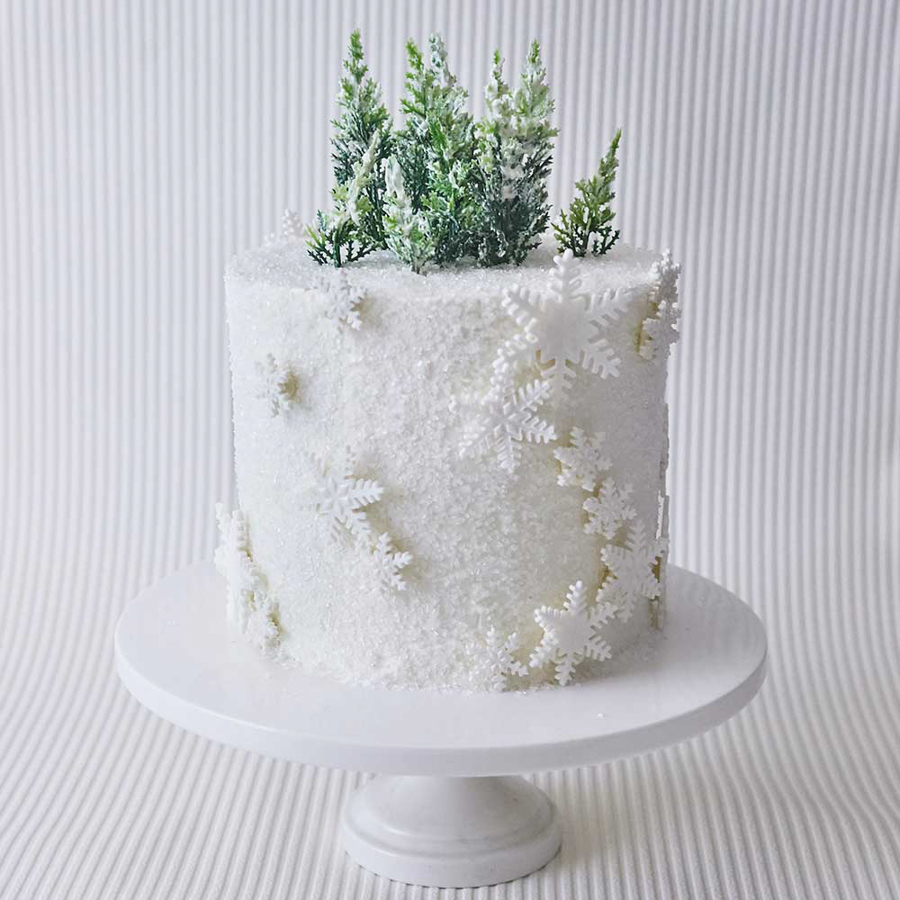
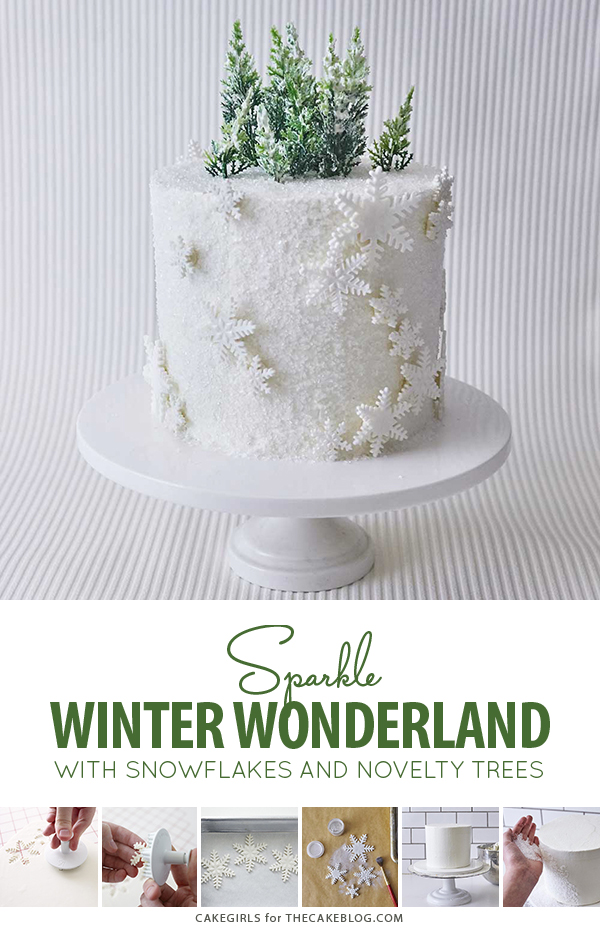
The genesis of the Winter Wonderland Snowflake Cake was rooted in the atmospheric conditions of Chicago during the winter season. According to the designers, the visual objective was to replicate the ethereal quality of a snow globe. This concept focuses on the interplay between light and texture, utilizing white sugar crystals to mimic the reflective properties of fresh snow. The design philosophy emphasizes "stunning simplicity," a departure from the overly colorful or whimsical holiday decorations of previous decades. Instead, this cake leans into a classic, timeless aesthetic that prioritizes clean lines and a unified color scheme, making it suitable for a wide range of formal and semi-formal holiday gatherings.
In the broader context of the baking industry, this shift toward nature-inspired, monochromatic designs reflects a growing consumer preference for "organic luxury." Market data from specialty baking retailers indicates a 15% increase in the sale of white and iridescent decorating supplies over the last three years, suggesting that the "Winter Wonderland" theme remains a dominant force in seasonal consumer behavior.
Culinary Architecture and Ingredient Profiles
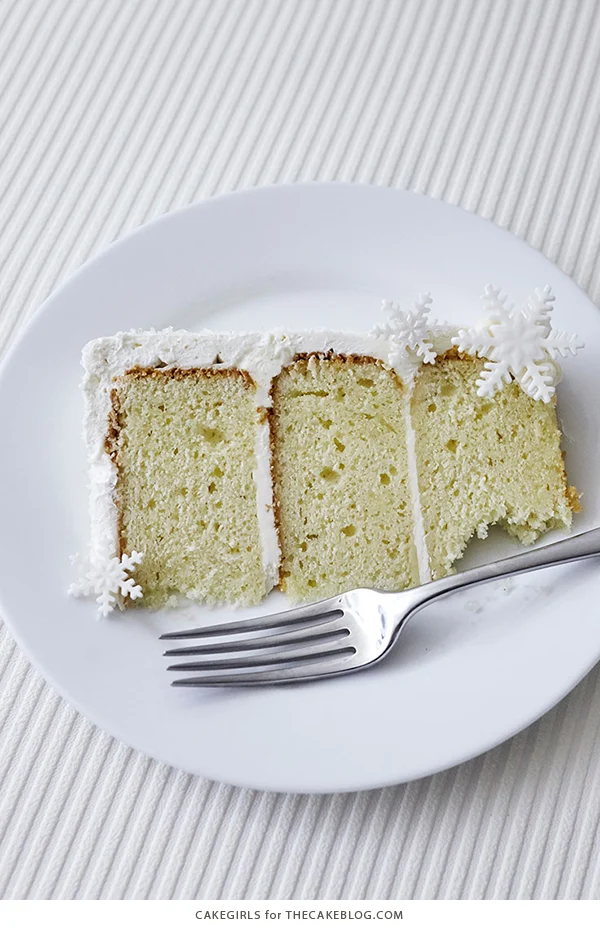
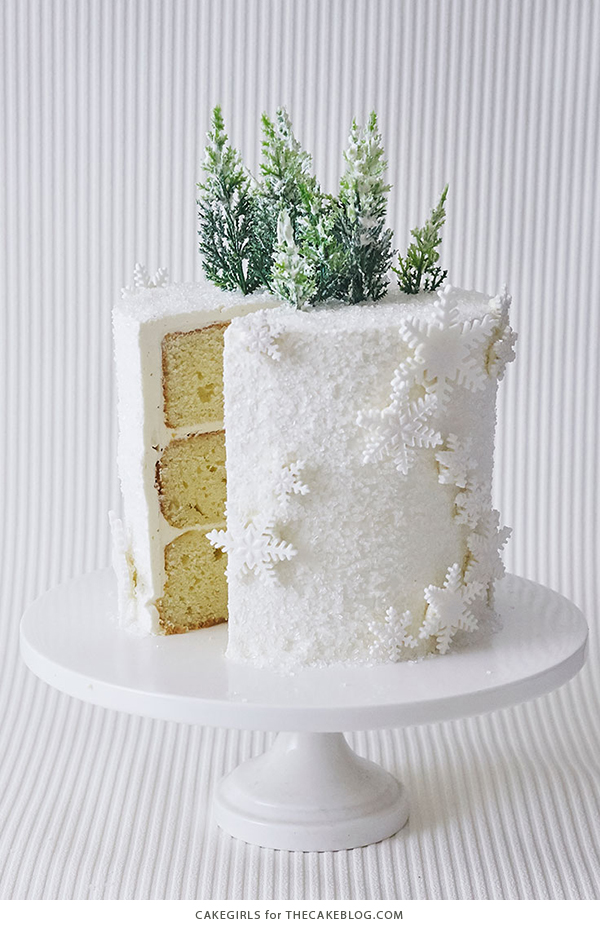
The structural foundation of the cake is as critical as its external decoration. The tutorial recommends a three-layer 6-inch round cake, a size that has gained popularity for its height-to-width ratio, which provides a more modern silhouette than traditional 8-inch or 9-inch cakes.
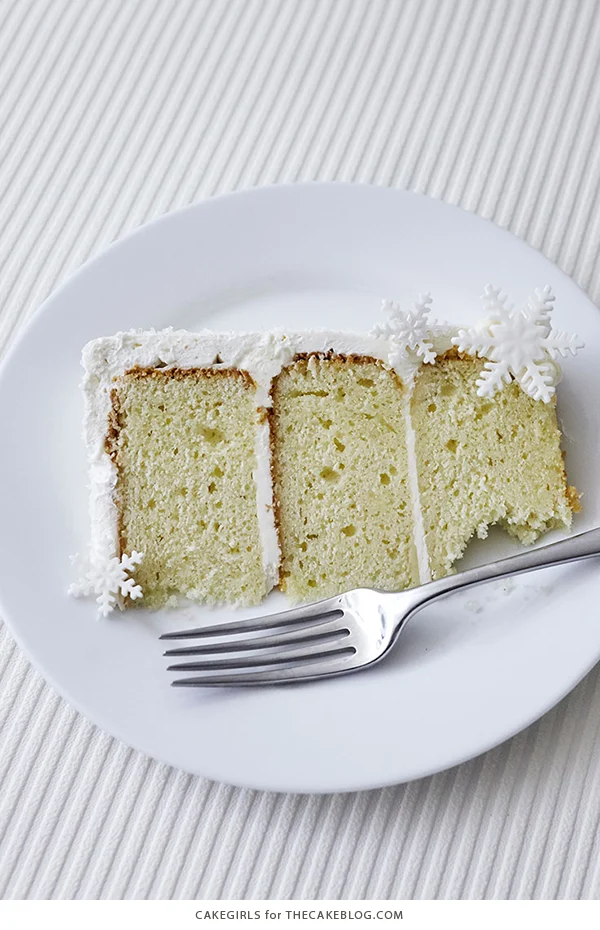
While the primary recommendation is a classic vanilla cake paired with white Swiss meringue buttercream to maintain the "winter white" interior, the Mahers suggest several flavor variations to cater to diverse palates. These include:
- Eggnog Infusion: A seasonal variation that incorporates nutmeg and bourbon notes, aligning the flavor profile with traditional holiday beverages.
- Champagne Mimosa: A more celebratory option that utilizes sparkling wine in the batter or syrup, providing a light, effervescent quality that complements the cake’s sophisticated exterior.
The choice of Swiss meringue buttercream is strategic. Unlike American buttercream, which can be overly sweet and grainier in texture, Swiss meringue offers a silky, stable medium that is essential for achieving the smooth finish required for the crystal application process.
Chronological Methodology: A Two-Day Production Timeline
The production of the Winter Wonderland Snowflake Cake is divided into two distinct phases to ensure the structural integrity of the decorations and the freshness of the final assembly.
Phase One: Fondant Preparation and Ornamentation
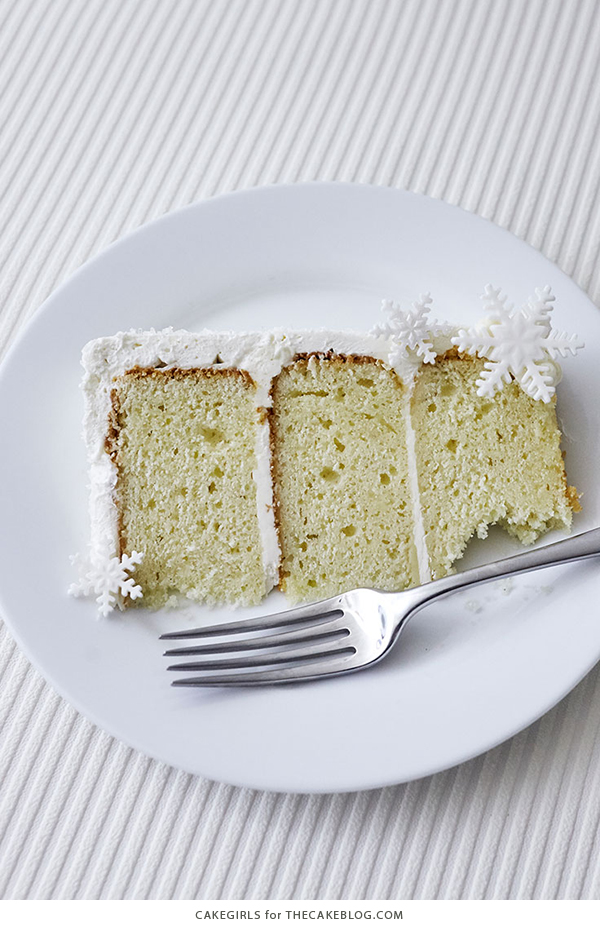
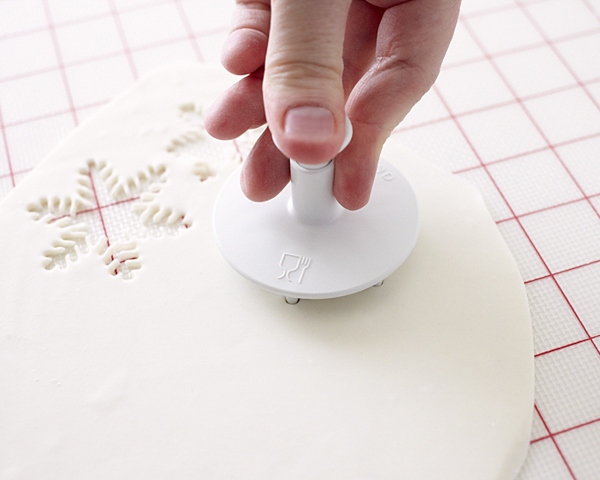
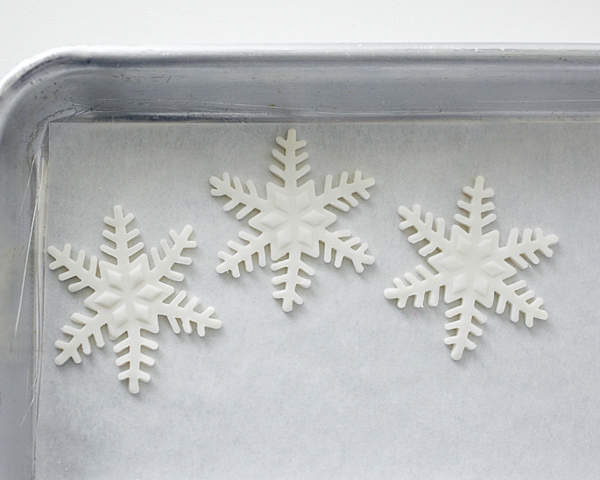
The first day is dedicated to the creation of the fondant snowflakes. Professional bakers emphasize the importance of rolling the white fondant to a specific thickness—between 1/8 and 1/4 inch—to ensure the snowflakes are sturdy enough to handle but light enough to adhere to the cake’s sides. Using snowflake punch cutters, multiple sizes are produced to create visual depth.
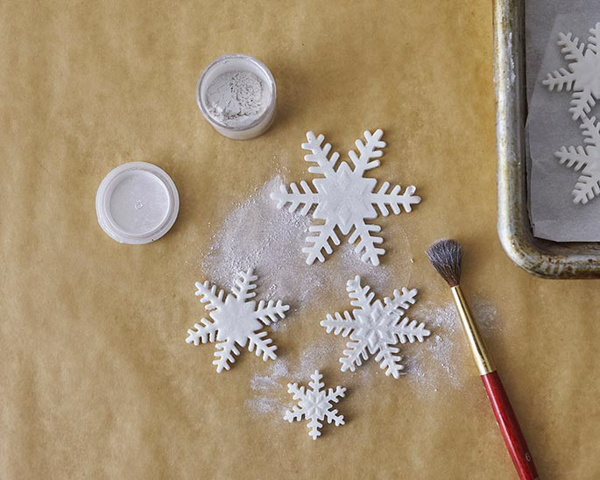
A critical technical step involves the application of Super Pearl luster dust. This gives the snowflakes a shimmery, pearlescent finish. The Mahers provide a necessary safety distinction regarding this step: luster dusts that are not specifically labeled as FDA-approved for consumption should be treated as purely decorative. In such cases, guests must be instructed to remove the snowflakes before eating. Alternatively, bakers may opt for food-grade shimmer to maintain a fully edible product.
Phase Two: Assembly and Finishing
The second day focuses on the "Sparkle Coating" and final arrangement. After the cake is iced and chilled for at least one hour—a step necessary to harden the buttercream for handling—the sugar crystal application begins.
- Crystal Application: White sugar crystals are pressed into the sides of the cake by hand. This technique requires a tray to be placed beneath the cake to reclaim falling sugar, an efficiency measure common in professional kitchens.
- Novelty Tree Integration: Small novelty trees are modified by bending them for straighter posture and trimming them for varied heights. A light application of buttercream on the branches creates a "frosted" effect.
- The Forest Cluster: The trees are arranged in a cluster on the top of the cake, creating a focal point that draws the eye upward.
- Final Snowflake Placement: Buttercream dots are piped onto the sugar-coated surface to act as an adhesive for the pre-made fondant snowflakes.
Technical Analysis of Decorative Materials
The success of the Winter Wonderland Snowflake Cake relies on the specific physical properties of the decorating materials used. The white sugar crystals, for instance, are larger than standard granulated sugar, allowing them to catch and refract light more effectively. This creates the "sparkle" effect that defines the cake’s appearance.
Furthermore, the use of punch cutters instead of manual carving ensures a level of geometric precision that is difficult to achieve by hand. This precision is a hallmark of the Cakegirls’ approach, which focuses on using specialized tools to bridge the gap between amateur results and professional-grade aesthetics. The inclusion of novelty trees—items often found in miniature village displays—demonstrates an innovative use of non-culinary items to enhance the narrative theme of a dessert.

Market Trends and Consumer Impact
The release of high-quality tutorials like the Winter Wonderland Snowflake Cake coincides with a significant surge in the global home baking market. According to industry reports, the global baking ingredients market was valued at approximately $16.6 billion in 2022 and is projected to grow at a CAGR of 5.8% through 2030. This growth is driven by the "DIY" movement and the proliferation of social media platforms like Instagram and Pinterest, where visual appeal is paramount.
The Mahers’ tutorial addresses a specific segment of this market: the "aspirational baker" who seeks to create professional-looking results without the need for years of formal pastry training. By breaking down complex visual effects into manageable steps, such tutorials democratize high-end cake design.
Expert Reactions and Culinary Implications
Culinary experts note that the Winter Wonderland Snowflake Cake is a prime example of "texture-driven design." In contemporary pastry arts, the focus has shifted from complex flavor profiles alone to the inclusion of varied mouthfeels. The crunch of the sugar crystals against the soft sponge and silky buttercream provides a sensory experience that mirrors the visual theme of ice and snow.
Furthermore, the monochromatic approach has been praised by event planners for its versatility. "A white-on-white cake serves as a blank canvas that can fit into a rustic farmhouse setting or a high-modernist gala," says one industry analyst. "It removes the risk of color clashing with holiday decor while maintaining a high level of festive spirit."
Conclusion and Broader Context
The Winter Wonderland Snowflake Cake stands as more than just a seasonal recipe; it is a synthesis of environmental inspiration, technical precision, and market-aware design. By utilizing a two-day timeline and specific toolsets, Mary and Brenda Maher have provided a blueprint for holiday success that aligns with current aesthetic trends.
As the baking industry continues to evolve, the emphasis on "show-stopping centerpieces" that are achievable for the home cook is likely to intensify. The Winter Wonderland Snowflake Cake represents a successful intersection of these professional standards and domestic accessibility, ensuring its place as a recurring theme in holiday celebrations. Whether executed in a classic vanilla or a sophisticated Champagne mimosa flavor, the cake remains a testament to the power of thoughtful, themed design in the culinary arts.