

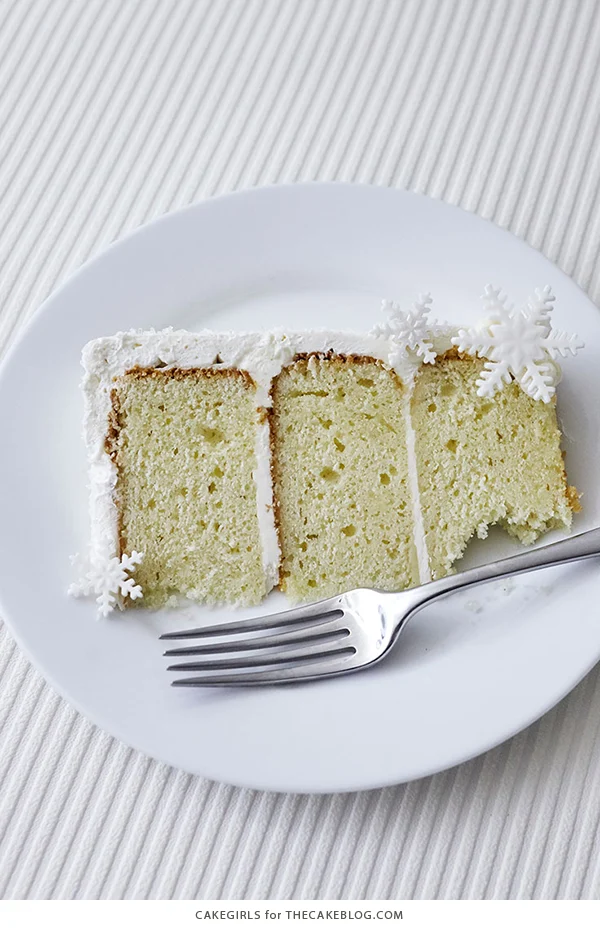
The seasonal culinary landscape has been significantly influenced by the intersection of professional artistry and home-based accessibility, a trend exemplified by the recent release of the Winter Wonderland Snowflake Cake tutorial. Developed by Mary and Brenda Maher, the founders of the Chicago-based Cakegirls and long-time contributors to the digital baking community, this design represents a synthesis of minimalist aesthetics and high-impact visual techniques. The cake features a multi-layered structure coated in iridescent white crystal sugar, topped with a miniature forest of frosted novelty trees and hand-cut fondant snowflakes. This latest project reflects a broader movement within the confectionery industry toward "snow globe" aesthetics—designs that prioritize texture, monochromatic palettes, and a sense of atmospheric immersion.
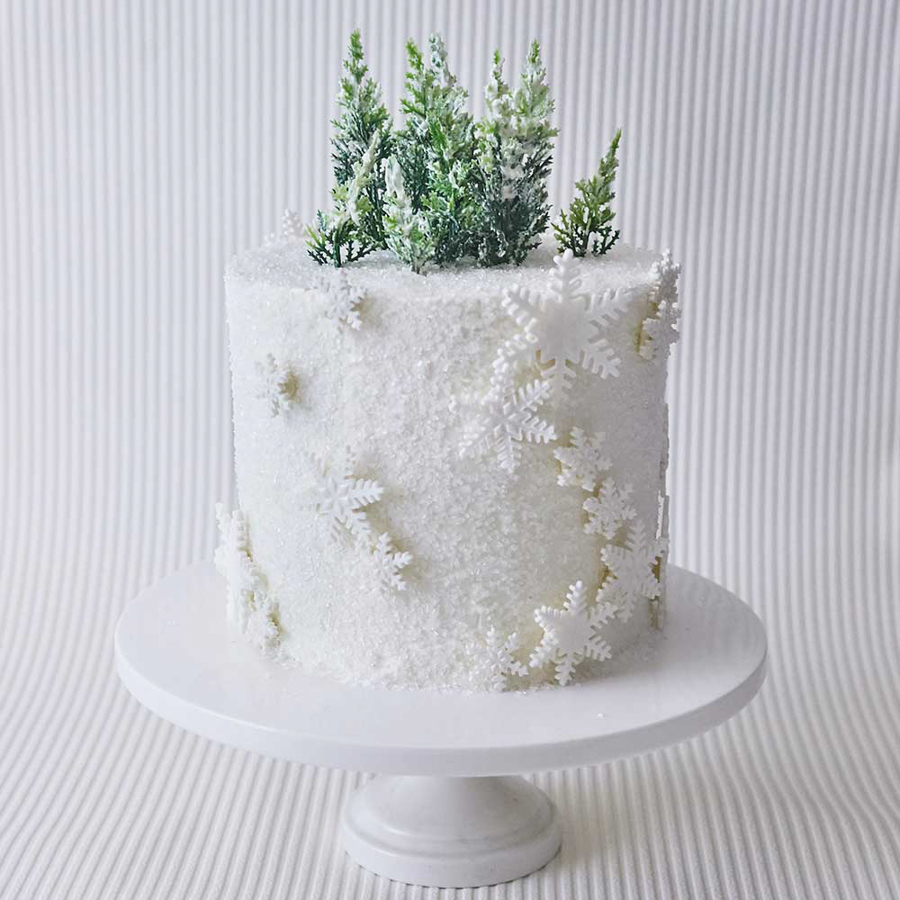
Design Inspiration and Conceptual Development
The genesis of the Winter Wonderland Snowflake Cake is rooted in the urban environment of Chicago during the winter months. According to the creators, the design was finalized following a period of conceptual iteration, eventually finding its focus during a snowfall in the city. The objective was to translate the visual qualities of a snow globe—specifically the interplay of light on fallen snow and the silhouette of frosted trees—into an edible medium. This "Eureka" moment led to a design that utilizes simple tools, such as snowflake punch cutters and novelty decorative elements, to achieve a sophisticated result that caters to the increasing consumer demand for "centerpiece-quality" holiday desserts.
From a design perspective, the cake relies on the principle of light refraction. By utilizing white crystal sugar as a primary exterior coating, the cake mimics the crystalline structure of snow. This choice serves both an aesthetic and a functional purpose, as the sugar provides a structural "crunch" that contrasts with the smooth consistency of the underlying Swiss meringue buttercream. The Maher sisters’ approach emphasizes that elegance in modern cake decorating often stems from the repetition of a single, well-executed motif—in this case, the snowflake—rather than the over-complication of techniques.
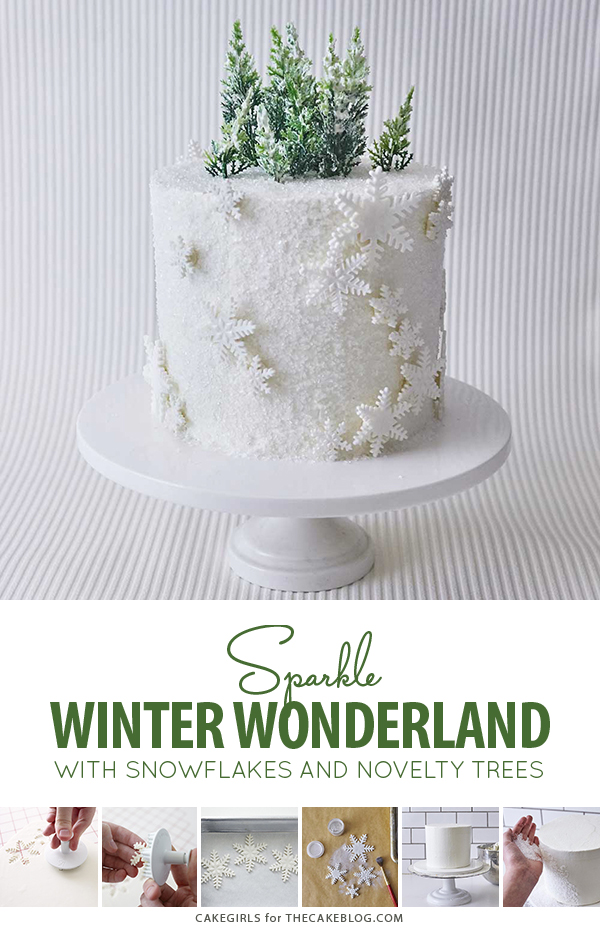
Technical Specifications and Ingredient Profile
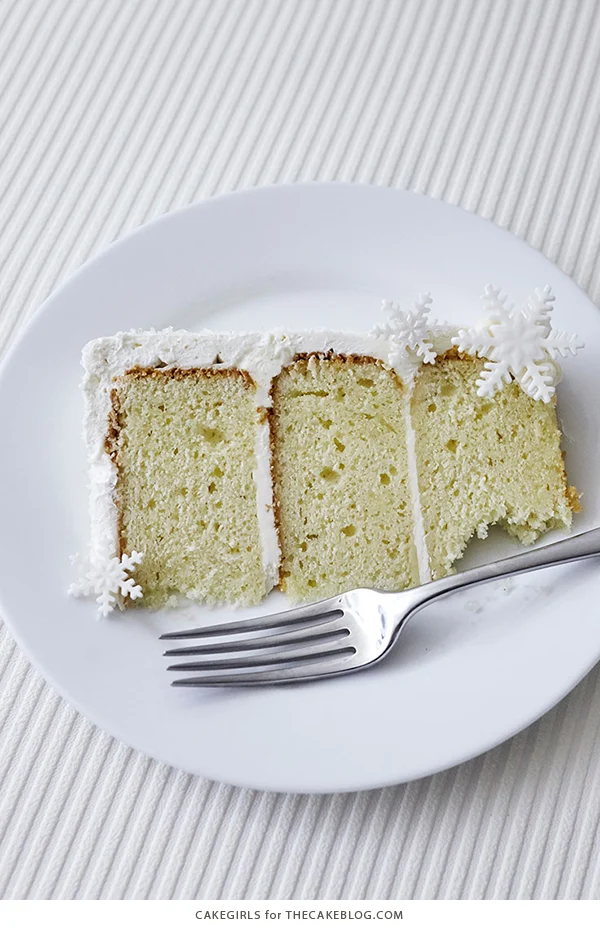
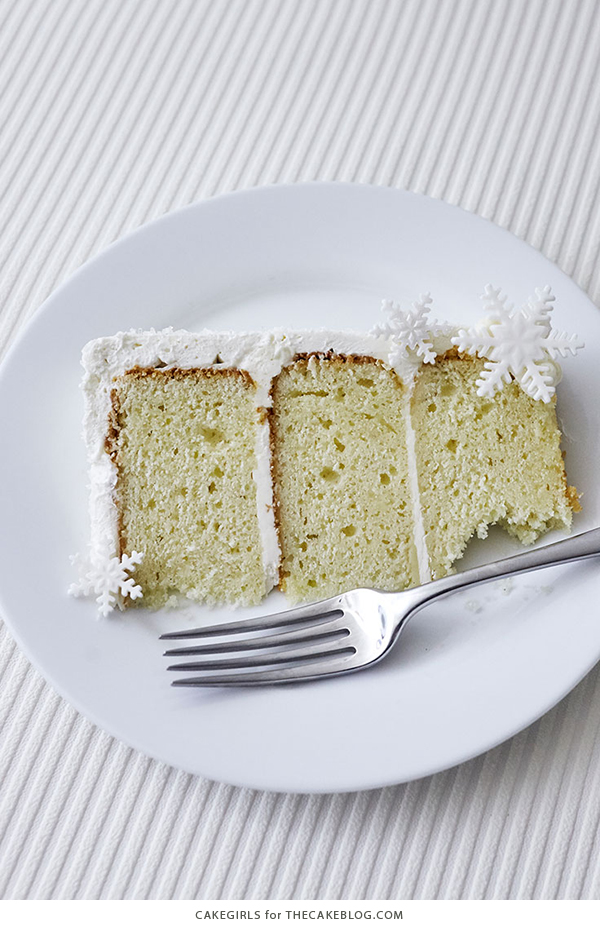
The foundational architecture of the Winter Wonderland Snowflake Cake is a three-layer, 6-inch round cake. While the standard tutorial utilizes a classic vanilla base to maintain a "winter white" internal appearance, the designers have noted that the structural integrity of the design allows for several seasonal flavor variations. Among the recommended alternatives are an eggnog-infused layer cake or a Champagne mimosa variant, both of which align with high-end holiday flavor profiles currently trending in the artisanal baking market.
The choice of frosting is critical to the cake’s success. Swiss meringue buttercream is utilized for its superior stability and its smooth, pale finish, which provides the necessary "tack" for the sugar crystals to adhere to. For larger iterations of the cake, such as those exceeding 8 inches in diameter, the designers specify that the volume of white crystal sugar must be doubled to ensure total coverage. This attention to scale is a hallmark of the Cakegirls’ methodology, ensuring that the tutorial remains scalable for different event sizes, from intimate family gatherings to larger holiday buffets.
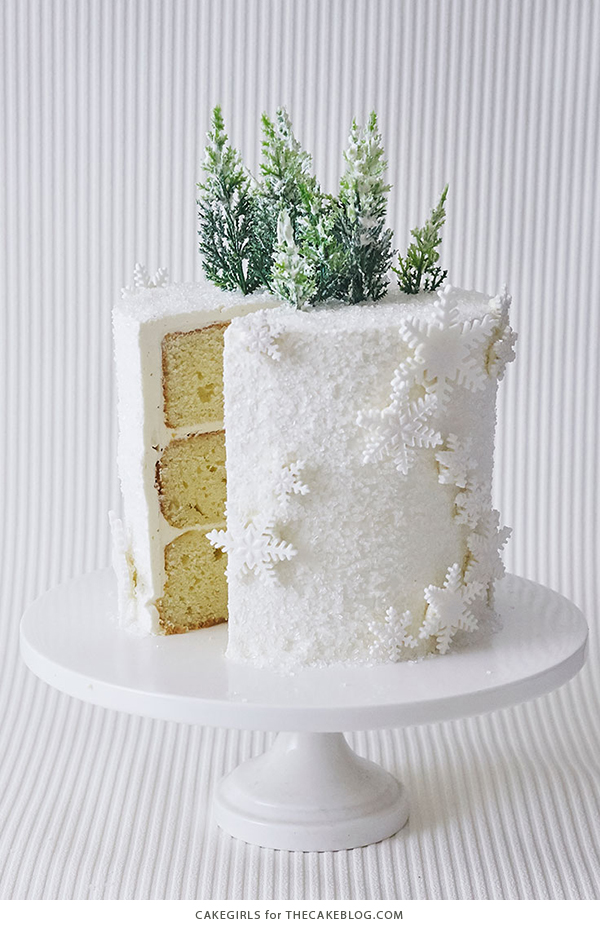
Chronology of Production: A Two-Day Protocol
The production of the Winter Wonderland Snowflake Cake is structured over a 48-hour period to allow for the proper setting of decorative elements and the stabilization of the cake’s structure. This chronological approach is standard in professional pastry kitchens to manage moisture levels and ensure the longevity of the final product.
Phase One: Fondant Preparation and Ornamentation
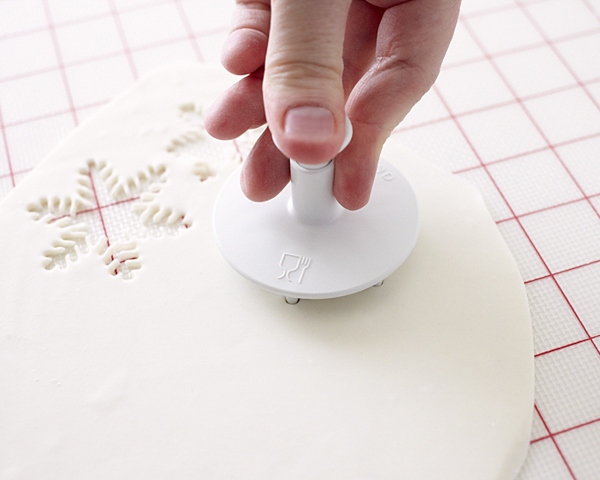
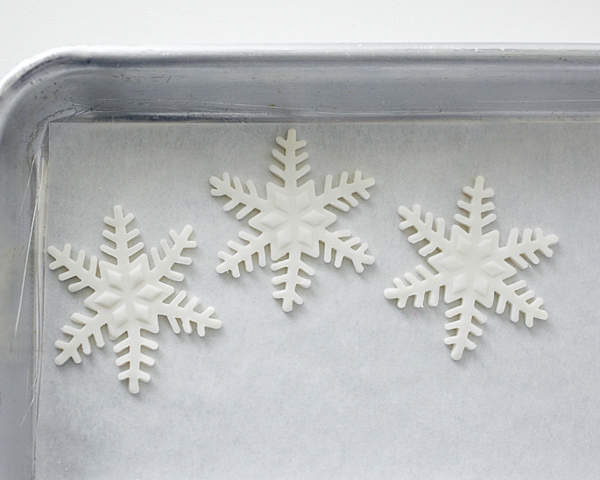
The process begins 24 hours prior to assembly. White fondant is rolled to a precise thickness of approximately 1/8 to 1/4 inch. Using mechanical snowflake punch cutters of varying sizes, the decorator creates a high volume of flakes. This "over-production" strategy is a preventative measure against potential breakage during the assembly phase.
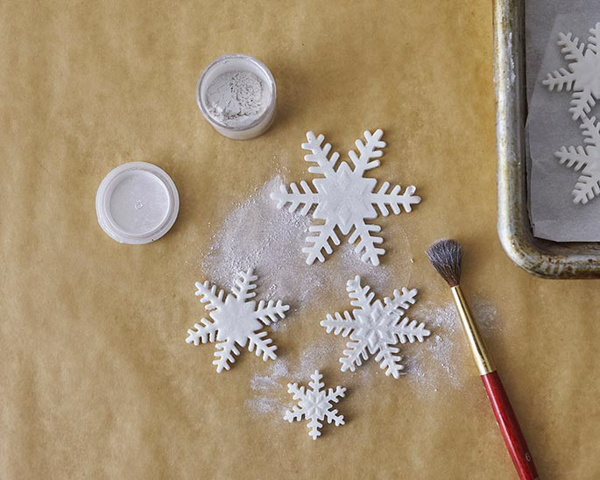
A key technical detail introduced in this phase is the application of Super Pearl luster dust. Applied dry to the fondant shapes, this dust provides a pearlescent finish that simulates the natural shimmer of ice. The designers offer a distinction between purely decorative and fully edible options: while the luster dust provides a superior visual finish, decorators are encouraged to use FDA-approved edible glitters if the snowflakes are intended for consumption.
Phase Two: Assembly, Coating, and Final Staging
On the day of service, the three-layer cake is assembled and frosted with Swiss meringue buttercream. A critical step involves a one-hour refrigeration period, which allows the buttercream to firm up, providing a stable canvas for the application of the sugar "snow."
The application of the crystal sugar requires a specific tactile technique. The sugar is pressed into the sides of the cake using the palm of the hand, with a tray positioned beneath to catch and recycle excess crystals. Following the coating, novelty trees are modified—often bent for realism and trimmed for height variation—and lightly smeared with buttercream to simulate a heavy frost. These are arranged in a "forest cluster" on the cake’s summit. The final step involves piping small dots of buttercream onto the sugar-coated sides to serve as anchors for the pre-prepared fondant snowflakes.
Market Context and the Rise of DIY Confectionery
The release of the Winter Wonderland Snowflake Cake tutorial occurs amidst a significant surge in the home baking sector. Data from market research firms indicates that the global baking ingredients market is projected to reach over $22 billion by 2026, driven in part by the "Great British Bake Off" effect and the proliferation of high-quality digital tutorials. Consumers are increasingly seeking professional-grade results from their home kitchens, leading to a higher demand for specialty tools like luster dust, snowflake plungers, and high-fat European-style butter.

The Maher sisters, through their Cakegirls brand, have been pivotal in this democratization of cake design. By breaking down complex visual concepts into manageable, tool-based steps, they have tapped into a demographic of "prosumers"—amateur bakers who invest in professional tools and techniques. The Winter Wonderland Cake, with its focus on "stunningly simple" execution, is positioned to capitalize on the holiday season’s peak interest in home-based entertaining.
Professional Analysis of Visual and Textural Impact
Culinary analysts note that the success of the Winter Wonderland Snowflake Cake lies in its sensory "white-out" effect. In a marketplace often saturated with the traditional red and green palettes of the holiday season, a monochromatic white cake stands out as a sophisticated alternative. The use of varied textures—the matte finish of the fondant, the sparkle of the sugar, and the soft "snow" on the novelty trees—creates visual depth without the need for additional colors.
Furthermore, the "forest cluster" arrangement on the top of the cake utilizes the design principle of the "Rule of Thirds" and varying heights to create a dynamic silhouette. This approach is often seen in high-end window displays and editorial food photography, suggesting that the cake is designed as much for its photographic "shareability" on social media platforms as it is for its taste.
Broader Implications for Holiday Entertaining
The shift toward centerpiece-focused desserts like the Winter Wonderland Snowflake Cake reflects a change in how holiday buffets are structured. Rather than a variety of smaller, less detailed desserts, many hosts are opting for a single, high-impact "hero" dessert that serves as a conversation piece. This trend toward "edible art" is particularly prevalent in urban centers where aesthetic presentation is prioritized.
The tutorial also highlights the importance of "novelty" in modern baking. The use of non-edible or semi-edible decorative elements (like the novelty trees) marks a move away from the strict "everything must be edible" philosophy of past decades, favoring instead a more theatrical, mixed-media approach to food presentation. As long as the primary vessel—the cake and its frosting—remains of high culinary quality, the addition of decorative props is increasingly accepted in both professional and domestic settings.
Ultimately, the Winter Wonderland Snowflake Cake serves as a benchmark for contemporary holiday baking. It combines the environmental inspiration of a Chicago winter with the technical precision of the Cakegirls’ methodology, providing a blueprint for a dessert that is both a culinary product and a seasonal installation. As the DIY baking movement continues to evolve, tutorials that bridge the gap between professional artistry and home execution will remain a cornerstone of the industry’s growth.