

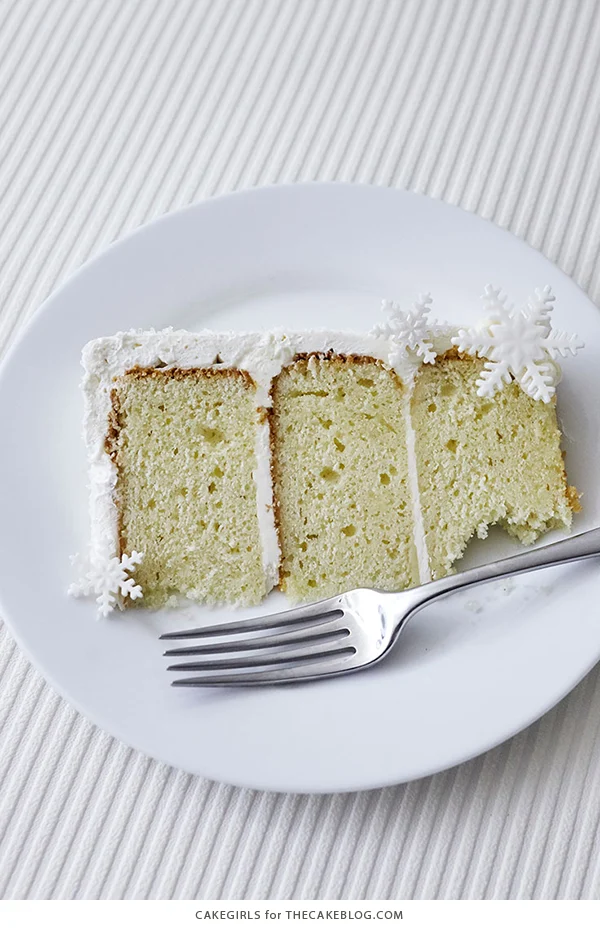
The culinary landscape of the holiday season has been marked by a shift toward minimalist yet high-impact visual designs, a trend epitomized by the recent release of the Winter Wonderland Snowflake Cake tutorial. Developed by Mary and Brenda Maher, the founders of the renowned confectionery brand Cakegirls, and published in collaboration with The Cake Blog, the project provides a comprehensive guide to creating a professional-grade centerpiece intended for holiday buffets and seasonal celebrations. The design focuses on a "sparkle-coated" aesthetic, utilizing a combination of fondant geometry, edible luster, and structural buttercream techniques to replicate the atmospheric qualities of a winter landscape.
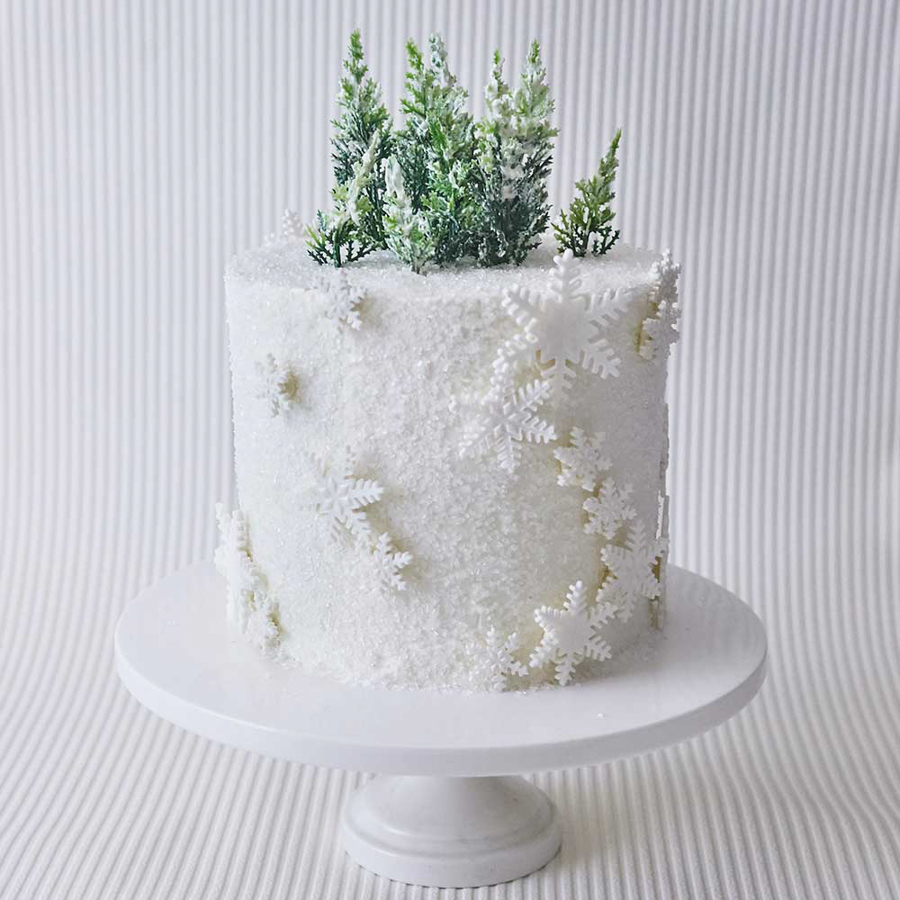
Conceptual Origin and Design Philosophy
The inspiration for the Winter Wonderland Snowflake Cake originated from a specific environmental observation in Chicago, Illinois. According to the designers, the visual concept was born during a winter transit through the city’s parks, where the combination of falling snow and frosted vegetation created a natural "snow globe" effect. This observation led to a design philosophy that prioritizes monochromatic white textures and reflective surfaces to simulate a natural winter environment.
The Mahers sought to bridge the gap between complex professional pastry art and accessible home baking. By utilizing a "Eureka" moment derived from the Chicago landscape, the team focused on two primary decorative elements: precision-cut snowflakes and novelty frosted trees. The result is an architectural dessert that emphasizes height and texture over traditional multi-colored piping, aligning with contemporary trends in high-end cake design that favor clean lines and thematic consistency.
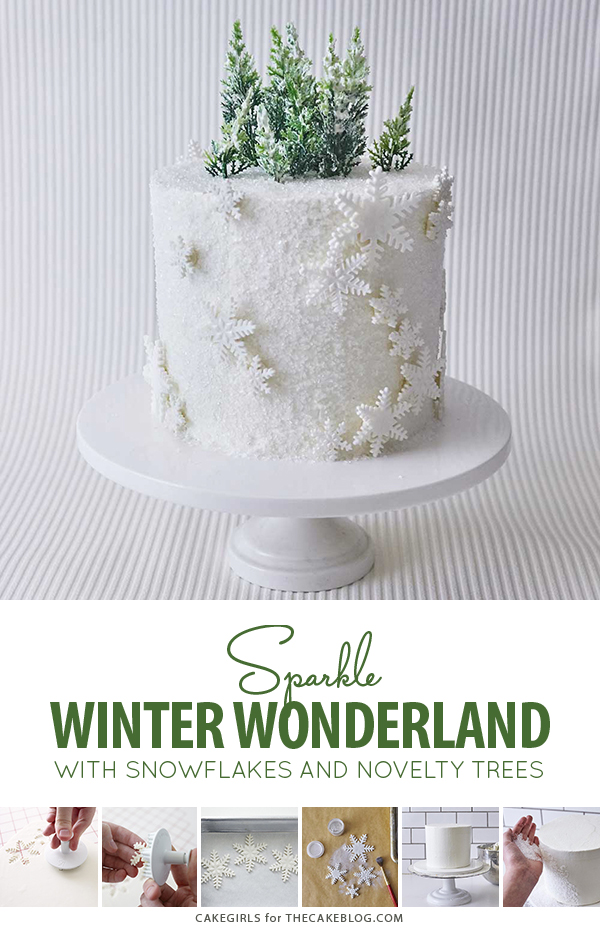
Technical Specifications and Procedural Chronology
The construction of the Winter Wonderland Snowflake Cake is a multi-day process requiring specific environmental conditions for the decorative elements to set correctly. The tutorial outlines a 48-hour timeline to ensure structural integrity and visual crispness.
Phase One: Preparatory Fondant Work
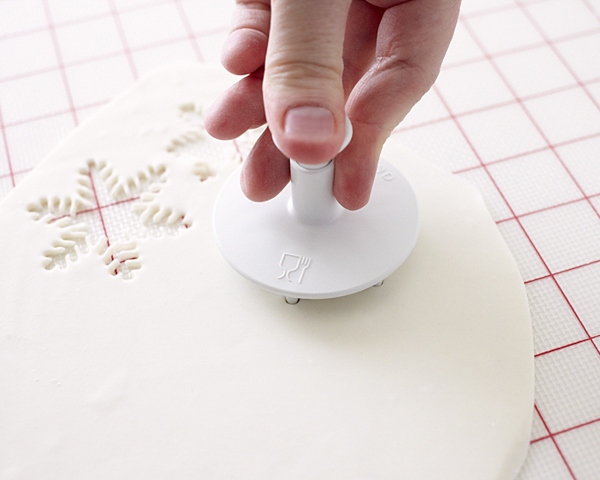
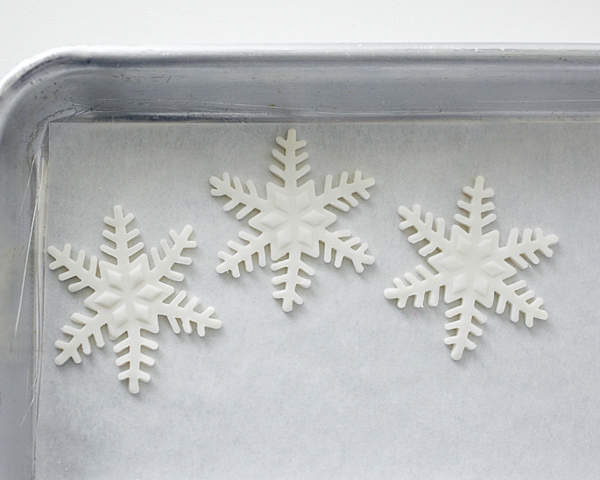
The initial phase begins twenty-four hours prior to the assembly of the cake. Bakers are instructed to roll white fondant to a precise thickness of approximately 1/8 to 1/4 inch. The use of snowflake punch cutters—described as an essential tool in the modern decorator’s kit—allows for the creation of various sizes of snowflakes. These elements are then placed on parchment-lined trays to dehydrate.
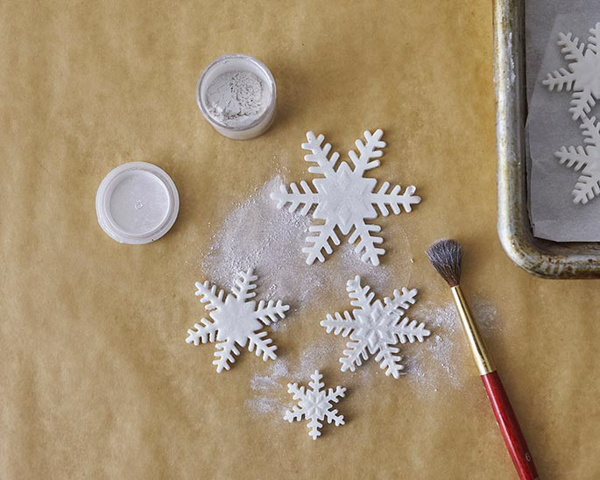
To achieve the "sparkle" required for the theme, the dried fondant snowflakes are treated with Super Pearl luster dust. The Maher sisters note that for a purely decorative finish, the dust can be applied dry; however, for those seeking a fully edible result, the use of FDA-approved consumption-grade luster is required. This phase is critical, as it allows the fondant to harden sufficiently to stand upright when later applied to the buttercream.
Phase Two: Cake Construction and Internal Flavor Profiles
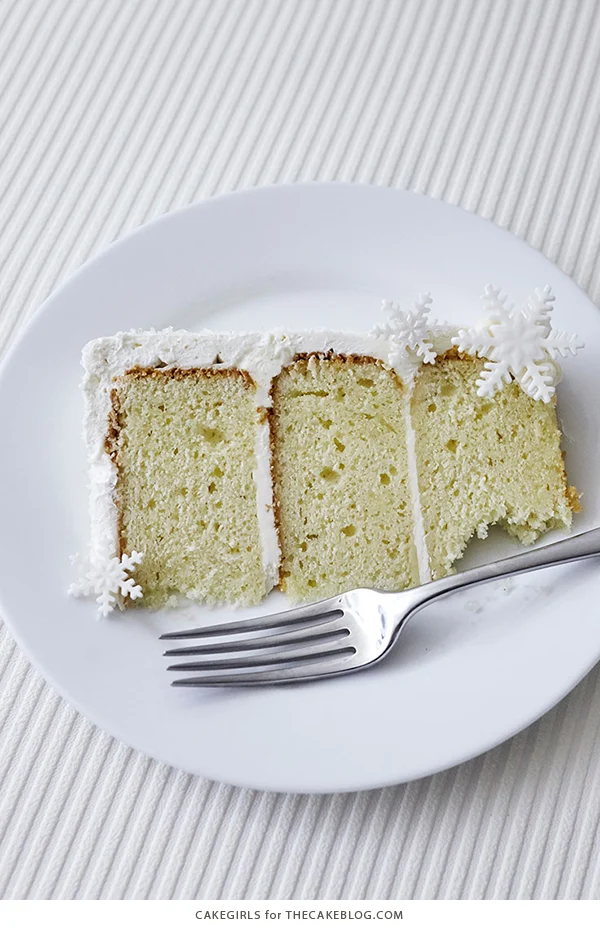
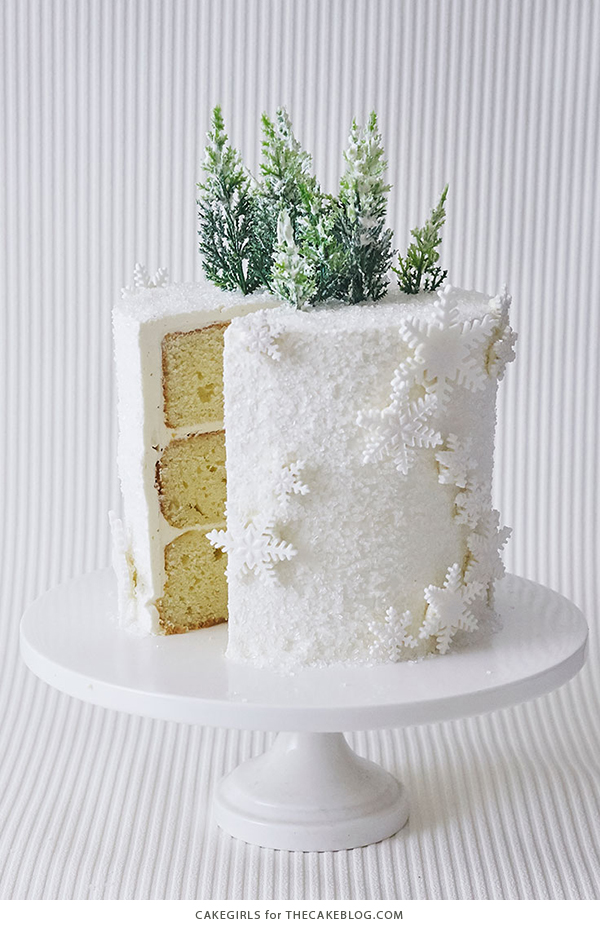
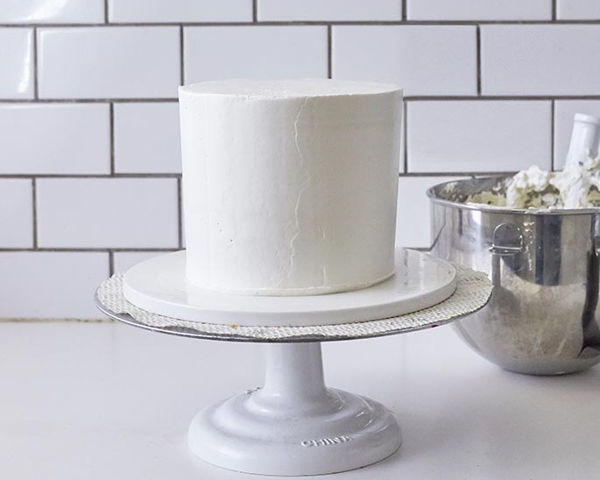
The structural foundation of the project consists of three 6-inch round cake layers. While the tutorial highlights a classic vanilla base with Swiss meringue buttercream—chosen for its bright white finish and stability—the designers provide variations for different flavor palettes. Recommended alternatives include an eggnog-infused layer cake for traditional holiday appeal or a Champagne Mimosa cake for New Year’s Eve celebrations.
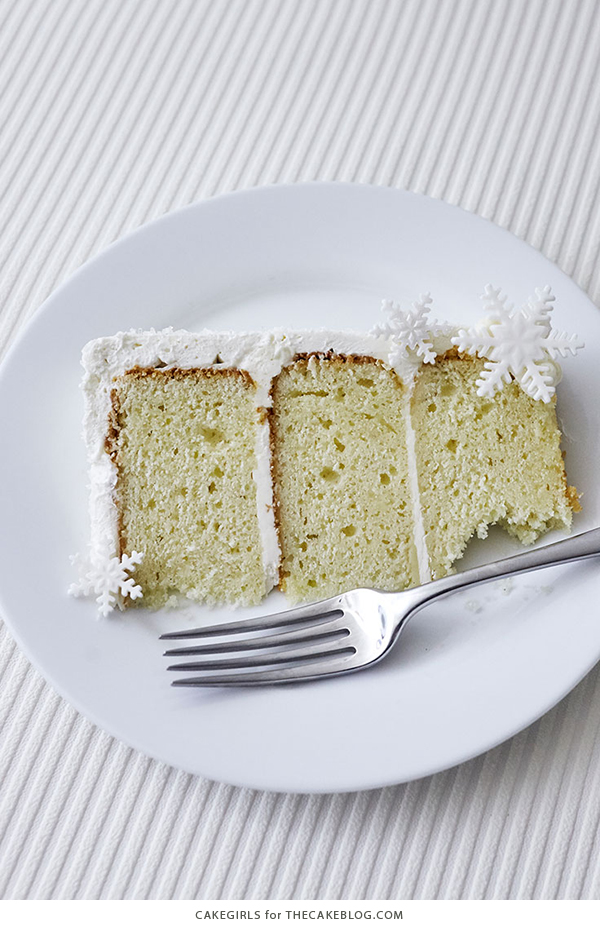
Swiss meringue buttercream is specifically recommended due to its high fat content and smooth consistency, which facilitates the "crumb coating" and final icing stages. Once the three layers are stacked and iced, the cake must be refrigerated for a minimum of one hour. This refrigeration is a technical necessity, as the buttercream must be firm to the touch before the external "sparkle" coating can be applied.
Phase Three: External Texturing and Final Assembly
The defining characteristic of the Winter Wonderland Snowflake Cake is its granular, reflective surface. Upon removing the chilled cake from refrigeration, white sugar crystals are pressed into the sides of the cake by hand. This technique requires a catch-pan to reclaim falling sugar, ensuring an even distribution across the vertical surfaces.
The final assembly involves the placement of novelty trees and the previously prepared snowflakes. The novelty trees are manually straightened and "frosted" with a light application of buttercream to simulate fresh snowfall. These are clustered on the top of the cake to create a focal point. The fondant snowflakes are then adhered to the sides and top of the cake using small "dots" of buttercream as a bonding agent.
Material Analysis and Supply Requirements
The success of the Winter Wonderland Snowflake Cake is dependent on several key supplies that have seen increased demand in the specialty baking market. The primary tools and ingredients identified in the Cakegirls tutorial include:

- White Fondant: Used for the structural snowflakes.
- Snowflake Punch Cutters: Essential for geometric precision.
- Super Pearl Luster Dust: For the pearlescent, light-reflecting finish.
- White Crystal Sugar: Also known as sanding sugar, used for the "sparkle" coat.
- Novelty Trees: Small-scale replicas typically used in dioramas, repurposed for confectionery use.
- Standard Baking Equipment: Including 6-inch round pans and parchment paper.
Industry data suggests that the "micro-cake" trend—specifically 6-inch cakes with significant height—has grown in popularity due to its suitability for smaller social gatherings and its photogenic proportions. The Winter Wonderland Snowflake Cake leverages this trend, providing a compact but vertical canvas for the winter motifs.
Market Trends and Economic Context
The release of this tutorial coincides with a broader expansion in the global baking supplies market. According to recent market research, the home baking sector has seen a steady compound annual growth rate (CAGR), driven by the availability of professional-grade tools to the general public. Tutorials from established figures like the Maher sisters play a significant role in this ecosystem, as they drive the sales of specific tools such as plunger-style cutters and specialized luster dusts.
Furthermore, the holiday season remains the most lucrative period for the baking industry. The "centerpiece cake" has become a staple of the $14 billion holiday food market in the United States. By providing a design that is "stunningly simple but elegant," the Cakegirls collaboration addresses a consumer demand for high-end aesthetics that do not require the years of training associated with traditional sugar-flower artistry.
Broader Impact and Confectionery Implications
The Winter Wonderland Snowflake Cake represents a shift toward "textural storytelling" in pastry arts. Rather than relying on literal representations or heavy color palettes, the design uses the interplay of light and texture—matte buttercream, crystalline sugar, and pearlescent fondant—to evoke a specific seasonal feeling.
From a pedagogical perspective, the tutorial emphasizes the importance of "mise en place" and timing. By separating the fondant work from the cake assembly, the Mahers reinforce professional standards of workflow management. This approach reduces the stress of holiday preparation, allowing the baker to focus on the precision of the final assembly.
In the wider context of social media and digital content, designs like the Winter Wonderland Snowflake Cake are engineered for "virality." The clean white-on-white aesthetic is highly compatible with the visual algorithms of platforms like Instagram and Pinterest, which prioritize high-contrast, bright imagery. This digital compatibility ensures that such tutorials have a reach far beyond the immediate audience of The Cake Blog, influencing holiday baking trends across the globe.
Conclusion and Future Outlook
As the winter season progresses, the influence of minimalist, nature-inspired designs is expected to persist. The Winter Wonderland Snowflake Cake serves as a benchmark for how professional decorators can translate environmental inspiration into a replicable, technical guide. With its emphasis on accessible tools and a structured timeline, the project empowers home bakers to produce results that were previously reserved for high-end boutiques.
The collaboration between Mary and Brenda Maher and The Cake Blog continues to provide a vital link between the professional culinary world and the enthusiast community. As holiday traditions evolve to include more diverse flavor profiles—such as the suggested eggnog and champagne variations—the core principles of structural integrity and aesthetic elegance remains constant. The Winter Wonderland Snowflake Cake is not merely a recipe, but a case study in the successful integration of seasonal inspiration, technical precision, and market-aware design.