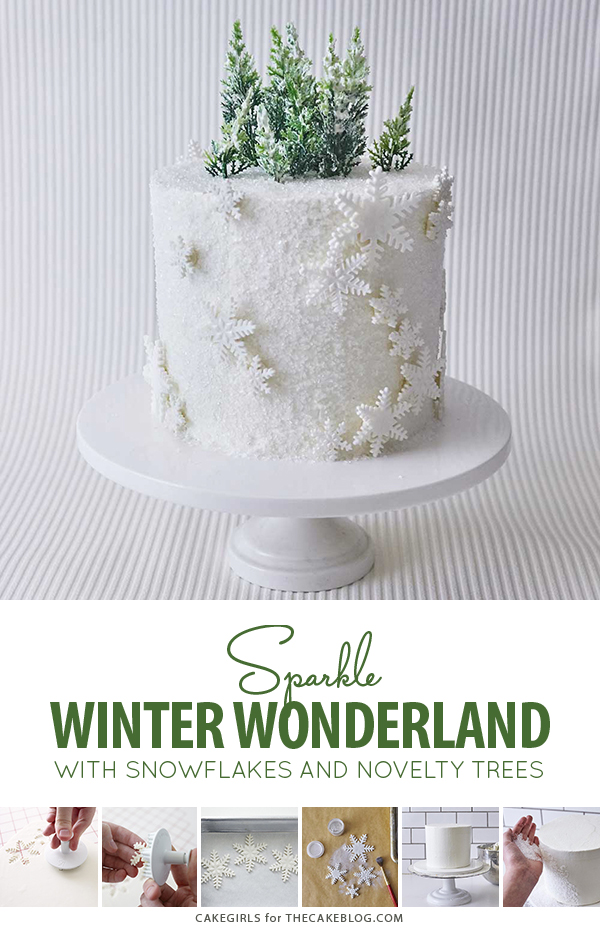
The release of a new culinary tutorial by Mary and Brenda Maher, the founders of the renowned confectionery brand Cakegirls, has introduced a sophisticated yet accessible design for seasonal celebrations titled the Winter Wonderland Snowflake Cake. This design emphasizes a "sparkle-coated" aesthetic, utilizing a combination of geometric fondant accents and textured buttercream to evoke the visual atmosphere of a snow-covered landscape. As a centerpiece designed for holiday buffets, the cake integrates traditional baking techniques with modern decorative tools, reflecting a broader trend in the pastry industry toward "minimalist elegance" that prioritizes texture and monochromatic palettes over complex multi-colored designs.
Conceptual Origin and Design Philosophy
The inspiration for the Winter Wonderland Snowflake Cake originated from the observation of urban winter landscapes, specifically the atmospheric conditions of Chicago during a heavy snowfall. The designers aimed to replicate the visual depth of a snow globe, characterized by high-reflectivity surfaces and a stark, white-on-white color scheme. According to the creators, the objective was to develop a "show-stopping" dessert that remains achievable for intermediate home bakers by utilizing essential tools such as snowflake plunger cutters and novelty craft elements.
In the context of contemporary cake design, the move toward "naturalistic" winter themes has seen a significant uptick. Industry analysts suggest that consumers are increasingly moving away from overly literal holiday figures—such as Santas or reindeer—in favor of abstract, atmospheric designs that can serve multiple winter occasions, from December holidays to January weddings. The Maher sisters’ approach aligns with this shift, focusing on the interplay of light and texture through the use of edible luster dusts and coarse sugar crystals.
Technical Specifications and Culinary Foundations
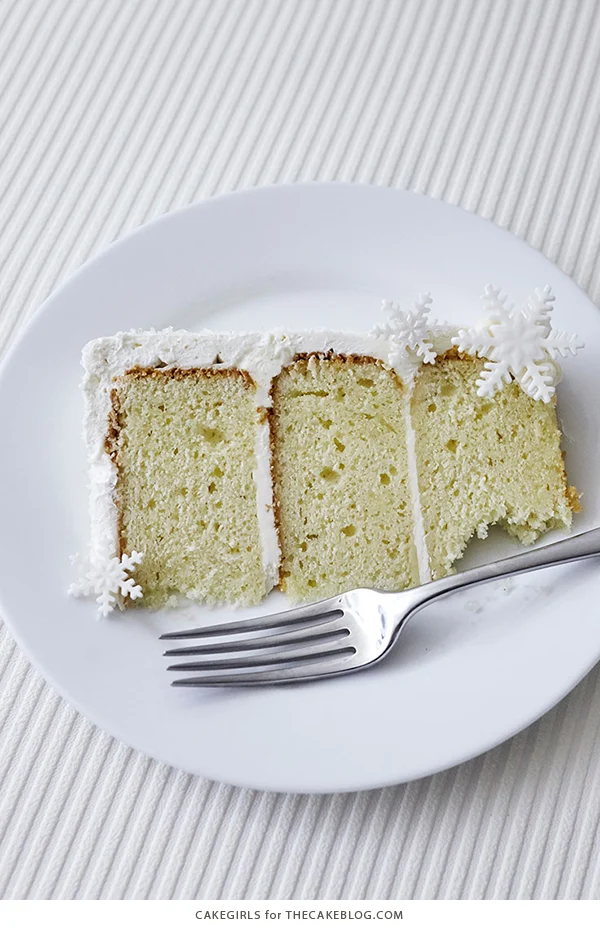
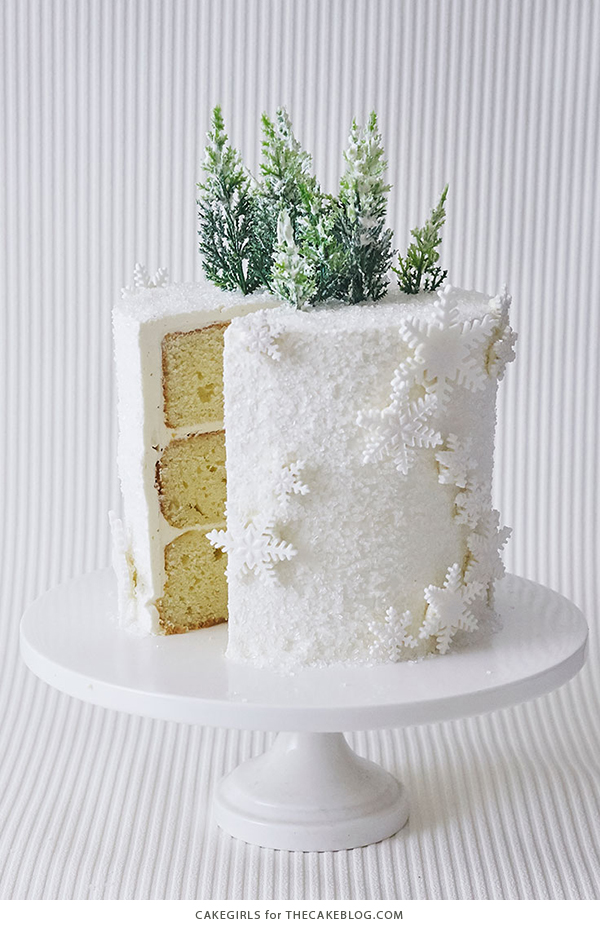
The structural integrity of the Winter Wonderland Snowflake Cake relies on a three-layer 6-inch round format. This specific sizing has become a standard in modern "boutique" baking, as the increased height-to-width ratio provides a more dramatic vertical canvas for side-wall decorations.
Flavor Profiles and Component Analysis
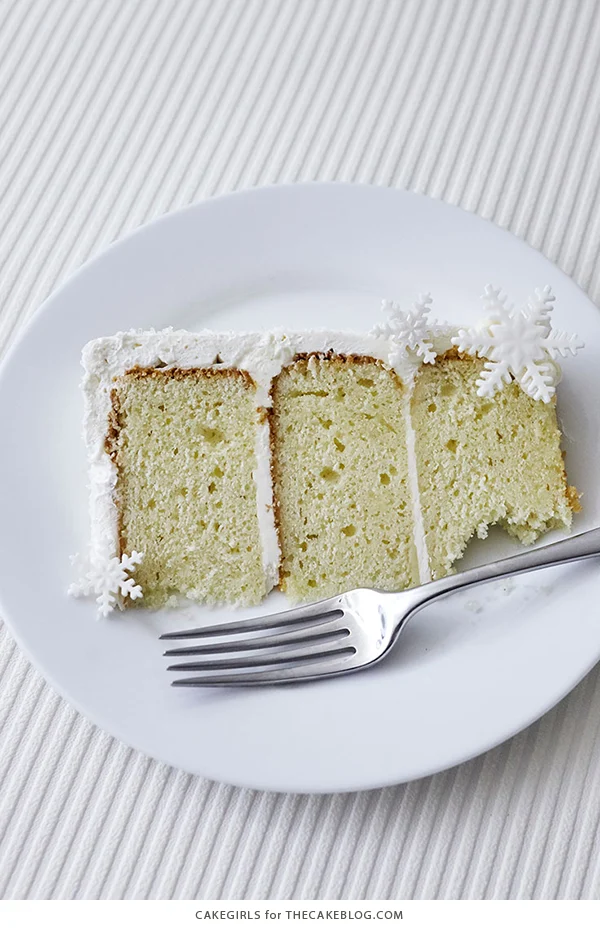
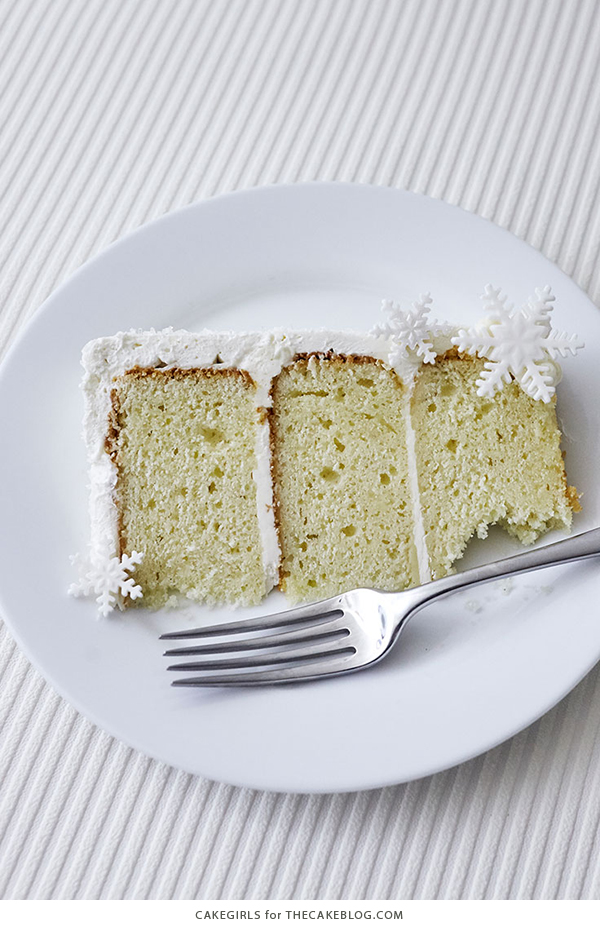
While the base tutorial utilizes a classic vanilla sponge paired with Swiss meringue buttercream, the methodology allows for regional and seasonal variations. The choice of Swiss meringue buttercream is strategic; unlike traditional American buttercream, which relies on powdered sugar for stability, Swiss meringue involves cooking egg whites and sugar over a bain-marie before incorporating butter. This results in a silkier texture and a naturally whiter finish, which is critical for maintaining the "winter white" aesthetic of the project.
For bakers seeking more complex flavor profiles, the tutorial suggests two primary alternatives:
- Eggnog Infusion: A profile that incorporates nutmeg, cinnamon, and bourbon-based notes, catering to traditional holiday palates.
- Champagne Mimosa: A lighter, citrus-forward profile that utilizes sparkling wine reduction, positioning the cake as a viable option for New Year’s Eve celebrations.
Material Requirements
The decorative finish requires specific materials that bridge the gap between professional pastry supplies and household craft items. Key components include:
- White Fondant: Used for the structural snowflakes.
- Super Pearl Luster Dust: A mica-based pigment used to create a pearlescent sheen.
- White Crystal Sugar: A coarse-grain sanding sugar that provides the "sparkle" effect.
- Novelty Bottle Brush Trees: Non-edible accents that are modified with buttercream to simulate frost.
Chronological Methodology: A Two-Phase Execution
The production of the Winter Wonderland Snowflake Cake is divided into a 48-hour timeline to ensure the stability of the decorative elements and the firmness of the buttercream base.
Phase One: Decorative Fabrication (24 Hours Prior)
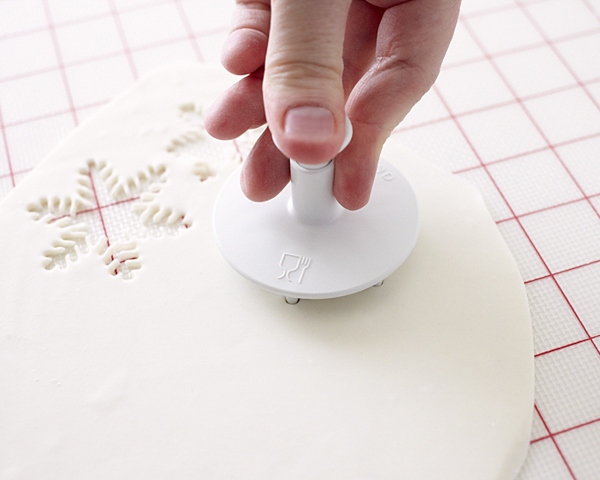
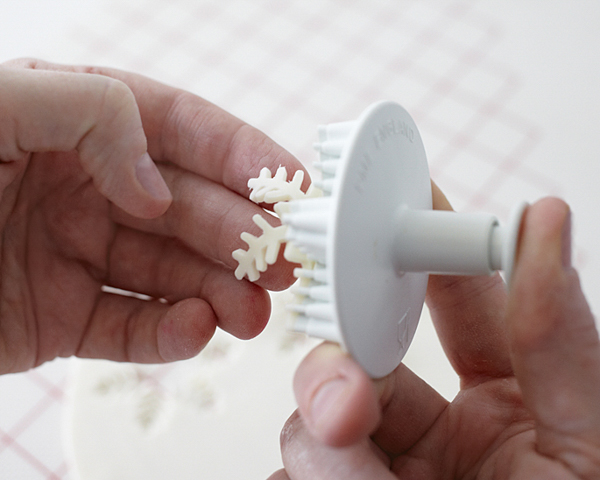
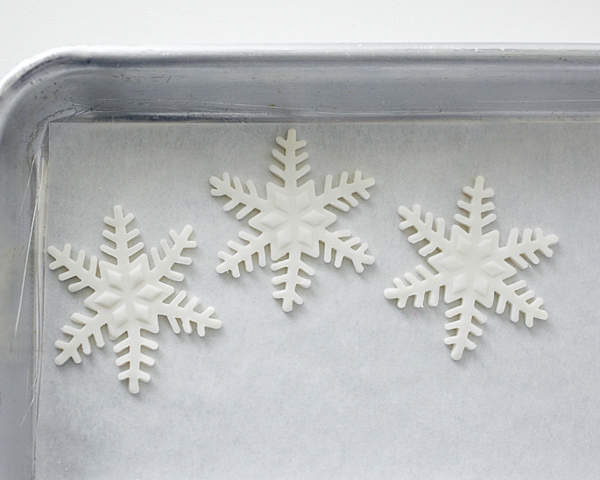
The initial phase focuses on the creation of the fondant snowflakes. The fondant must be rolled to a precise thickness—between 1/8 and 1/4 inch—on a surface lightly dusted with powdered sugar to prevent adhesion. Using plunger-style cutters, the baker produces a variety of sizes to create visual hierarchy.
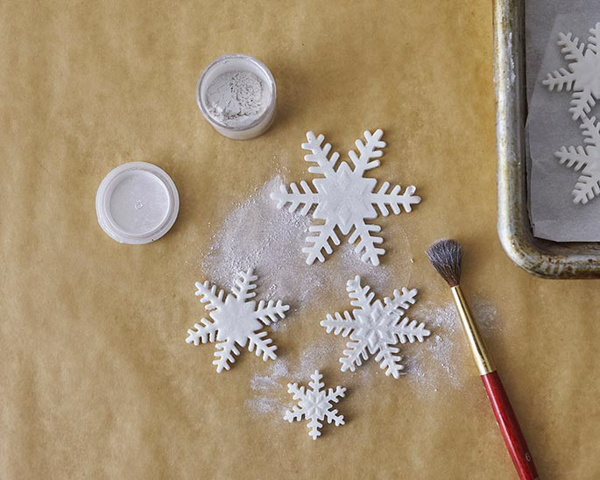
A critical step in this phase is the application of luster dust. The tutorial specifies a "dry brush" technique, which involves applying the Super Pearl dust directly to the fondant without the addition of alcohol or lemon extract. This method ensures a subtle, uniform shimmer rather than a metallic "painted" look. The snowflakes are then left to cure on parchment paper, allowing them to harden so they can stand vertically when applied to the cake.
Phase Two: Assembly and Surface Texturing (Day of Presentation)
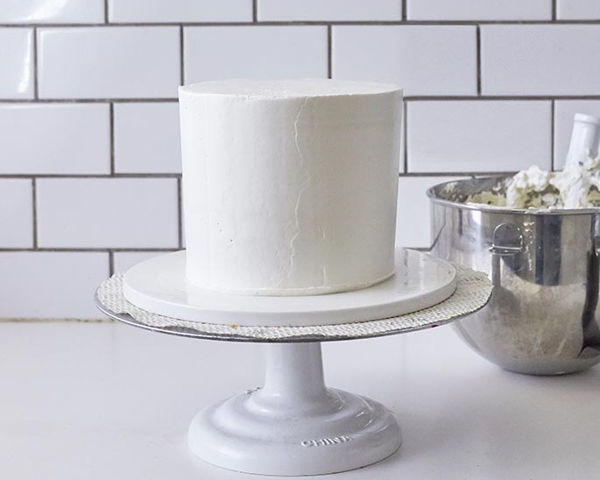
The second phase begins with the "crumb coating" and final icing of the chilled cake layers. The tutorial emphasizes the necessity of a "firm" buttercream surface, achieved through at least one hour of refrigeration. This structural preparation is essential for the subsequent application of the sugar crystals.
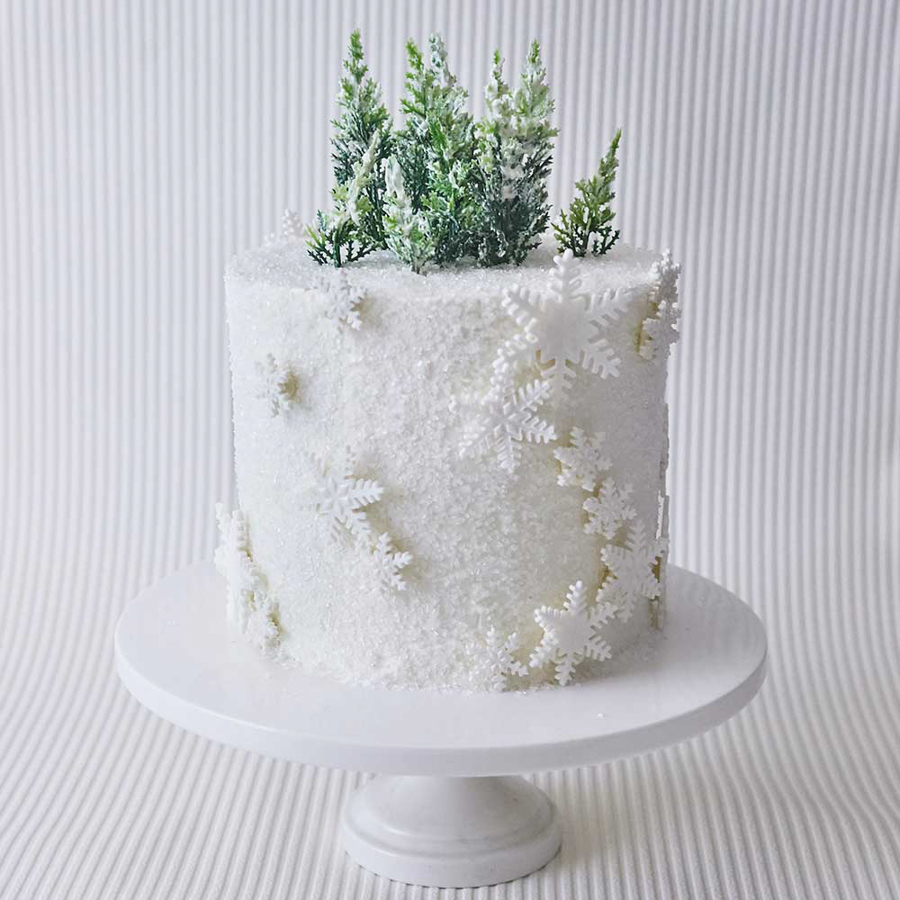
The application of the "sparkle" coating involves a manual technique where sugar crystals are pressed into the sides of the cake using the palm of the hand. This process requires a collection tray to catch excess sugar, which is then recycled for the top surface. This method creates a "crushed ice" texture that serves as the primary visual anchor for the design.
The final assembly involves the placement of the "frosted forest." Novelty trees are manually straightened and trimmed to varying heights to create a naturalistic cluster. Buttercream is applied to the branches of these trees to simulate heavy snowfall, a technique that integrates the non-edible elements into the overall food-safe design. Finally, the pre-made snowflakes are adhered to the sides and top using small "piped dots" of buttercream as a bonding agent.
Market Trends and the DIY Confectionery Sector
The release of this tutorial comes at a time of significant growth in the global home baking market. According to market research data, the "DIY" baking segment has seen a compound annual growth rate (CAGR) of approximately 5.8% over the last five years. This growth is driven by the accessibility of professional-grade tools to the general public via online retailers and the influence of visual social media platforms.
Tutorials from established experts like the Maher sisters play a vital role in this ecosystem. By deconstructing complex professional looks into manageable steps, these contributors drive sales for specialty tools—such as the snowflake punch cutters mentioned in the article. Furthermore, the emphasis on "purely decorative" versus "edible" components reflects a growing consumer sophistication regarding food safety and the use of non-toxic luster dusts, which are often labeled for "decorative use only" in accordance with FDA guidelines.
Industry Implications and Expert Analysis
Professional pastry chefs note that the Winter Wonderland Snowflake Cake represents a successful "hybrid" design. By combining edible fondant and buttercream with non-edible novelty trees, the design achieves a level of detail that would be prohibitively time-consuming if executed entirely in sugar.
"The use of texture—specifically the contrast between the matte buttercream ‘snow’ on the trees and the crystalline sugar on the cake body—is what makes this design effective," says industry analyst and culinary consultant Sarah Jenkins. "It moves the conversation away from ‘how much can I model out of sugar’ to ‘how can I create a cohesive aesthetic experience.’"
The tutorial also addresses the practicalities of scaling. While the 6-inch cake is the standard, the Maher sisters provide guidance for larger iterations, noting that a standard 8-inch or 10-inch cake would require doubling the volume of white crystal sugar. This attention to resource management is a hallmark of professional instruction designed for a broad audience.
Broader Impact on Seasonal Culinary Arts
The Winter Wonderland Snowflake Cake serves as a template for high-end seasonal baking that prioritizes elegance over novelty. As the culinary industry continues to evolve, the integration of architectural principles—such as verticality, texture-mapping, and monochromatic color theory—into home baking remains a dominant trend.
The Maher sisters’ contribution to The Cake Blog highlights the ongoing democratization of the pastry arts. By providing a clear, chronological roadmap for a "classic cake with show-stopping qualities," they enable home bakers to produce results that rival professional bakeries. This shift not only impacts the holiday dessert table but also influences the broader market for baking supplies, instructional content, and the aesthetic standards of the modern celebratory event.