

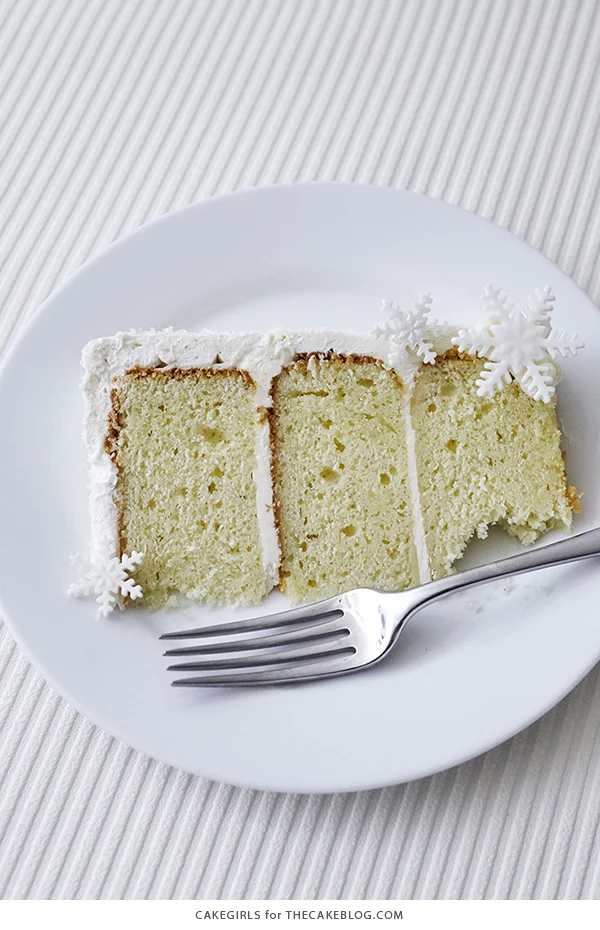
The convergence of seasonal aesthetics and professional confectionery techniques has reached a new milestone with the release of the Winter Wonderland Snowflake Cake tutorial, a collaborative effort between industry veterans Mary and Brenda Maher of Cakegirls and the digital culinary platform, The Cake Blog. This design, characterized by its monochromatic white palette and intricate textures, serves as a high-profile example of the "snow globe" aesthetic currently trending in the global artisanal baking market. Developed as a centerpiece for holiday hospitality, the project emphasizes a minimalist yet technically disciplined approach to cake decoration, utilizing common tools like snowflake punch cutters and edible luster dust to achieve a professional-grade finish.
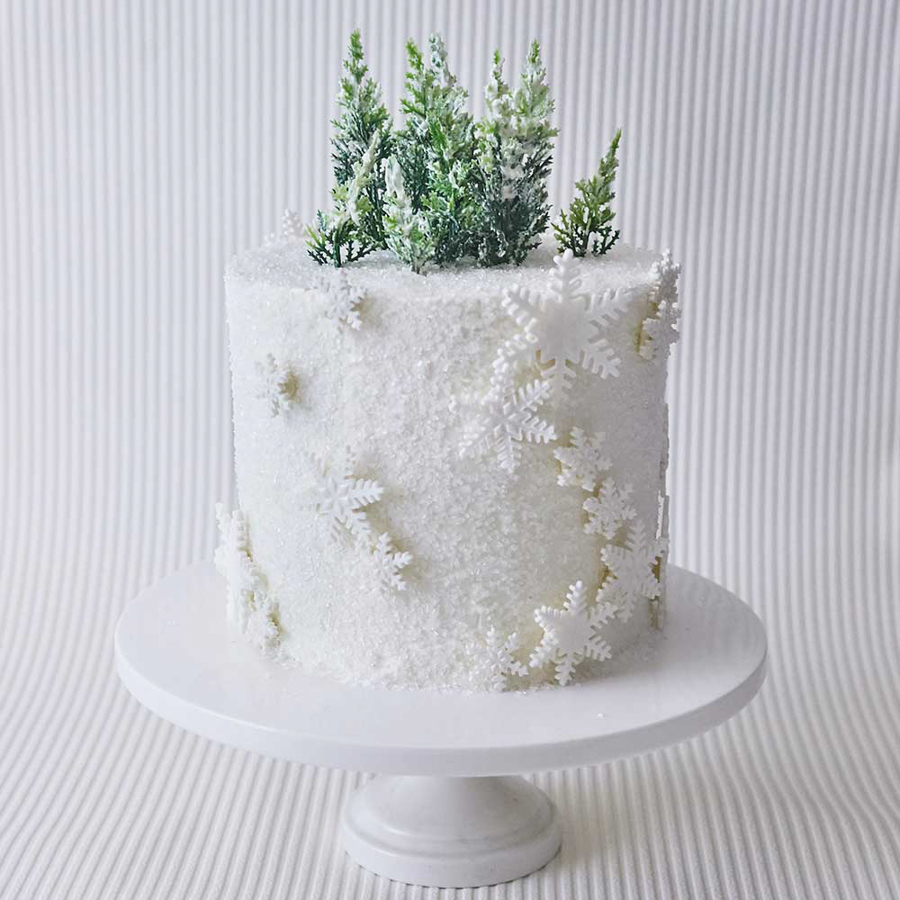
The creative genesis of the Winter Wonderland Snowflake Cake was reportedly inspired by the urban winter landscape of Chicago. According to the designers, the goal was to replicate the visual depth of a snow-covered park within a culinary medium. This led to a design that prioritizes "sparkle-coated" layers, frosted novelty trees, and shimmery fondant snowflakes. From a technical standpoint, the cake utilizes a three-layer six-inch round base, which has become a standard format for "boutique" cakes intended for social media display and intimate gatherings.
Chronology of Production: A Two-Phase Decorative Framework
The execution of the Winter Wonderland Snowflake Cake is structured into a rigorous two-day timeline to ensure structural integrity and aesthetic precision. This chronological approach is a hallmark of professional pastry production, allowing for the stabilization of individual components before final assembly.
Phase One: Fondant Component Fabrication
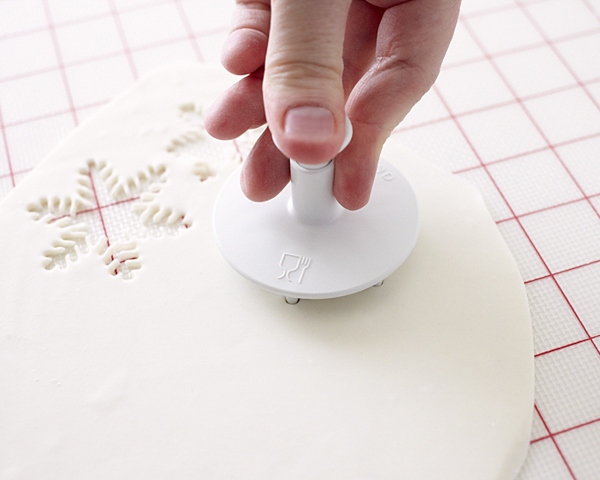
The initial stage of production begins 24 hours prior to the assembly of the cake. This period is dedicated exclusively to the creation of the decorative snowflakes. Technical specifications require the white fondant to be rolled to a thickness of no more than 1/8 to 1/4 inch on a surface lightly treated with powdered sugar to prevent adhesion.
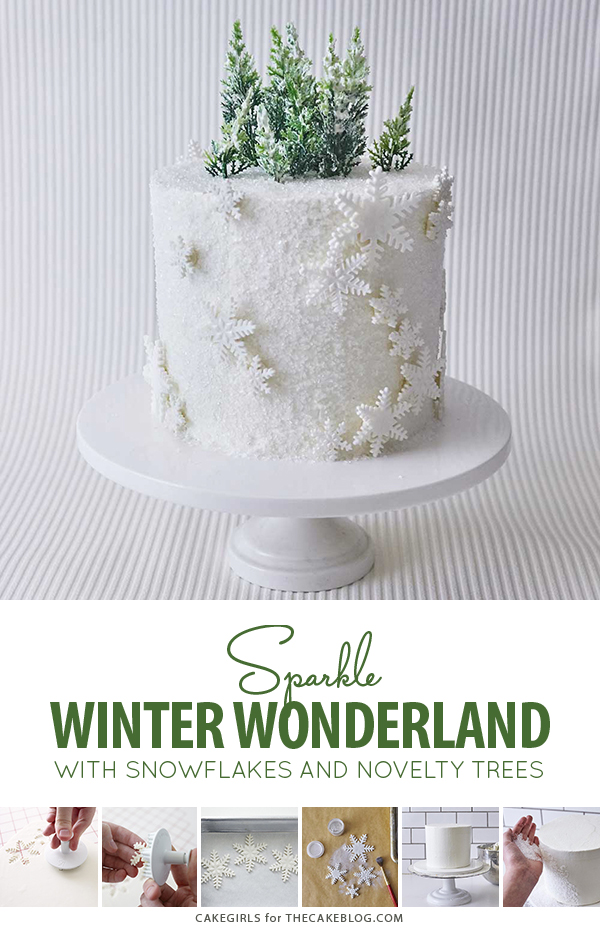
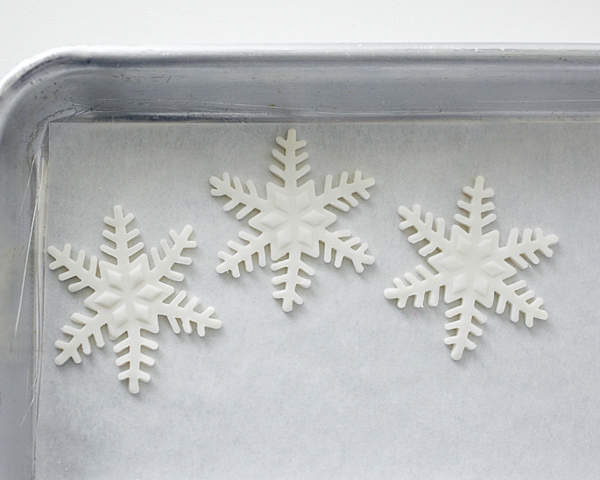
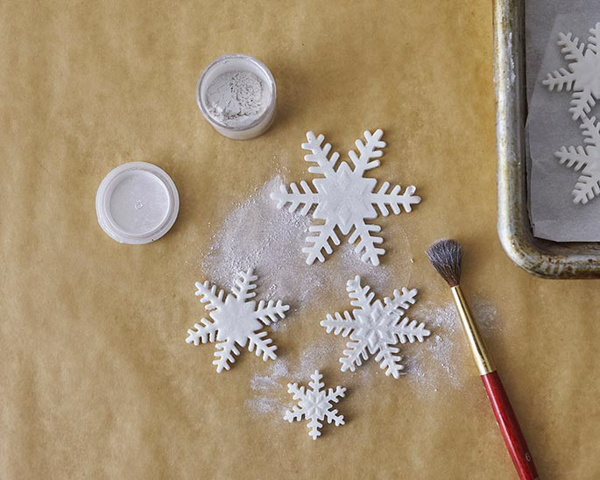
Using graduated snowflake punch cutters, the designers produce a variety of sizes to create visual interest through scale. These components are then placed on parchment-lined trays to undergo a dehydration process. This drying phase is critical; it ensures the snowflakes are rigid enough to be handled and mounted without deforming. Following the drying period, the snowflakes are treated with "Super Pearl" luster dust. The application of this dry pigment provides a metallic shimmer that mimics the crystalline structure of ice. The designers note that while this specific dust is decorative, bakers seeking a fully edible alternative must source FDA-approved pearlescent pigments.
Phase Two: Structural Assembly and Surface Finishing
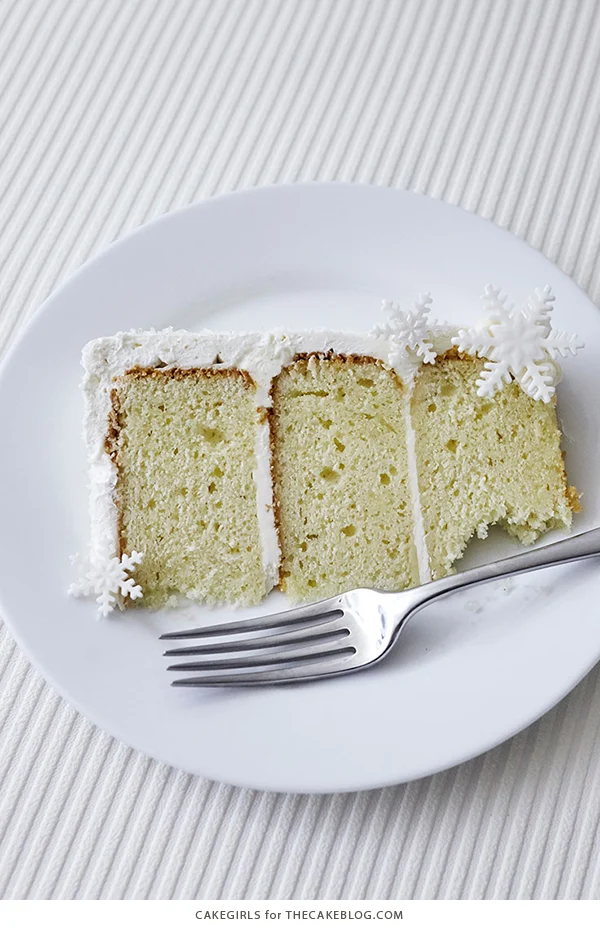
The second day focuses on the "Day Of" assembly, which involves the chilling and coating of the cake body. The protocol dictates that the three-layer cake, frosted with Swiss meringue buttercream, must be refrigerated for a minimum of one hour until the exterior is "very firm." This temperature control is essential for the subsequent application of white sugar crystals.
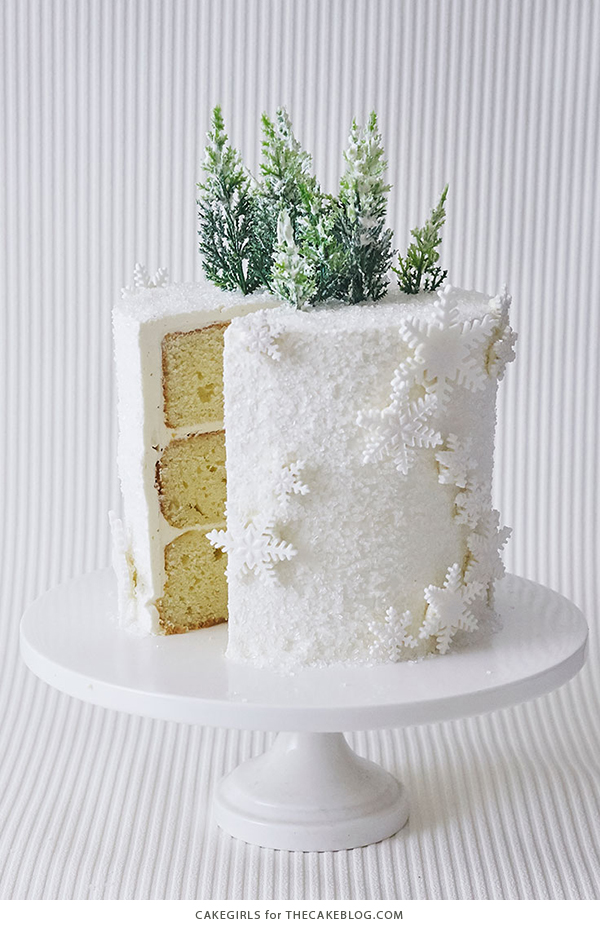
The finishing technique involves a manual application of sugar crystals to the chilled buttercream. By pressing the sugar into the firm surface using the palm of the hand, the baker creates a textured, light-reflective coating. This is followed by the installation of the "forest" element. Novelty trees are manually straightened and trimmed to varying heights to create a naturalistic cluster. A light application of buttercream is smeared onto the tree branches to simulate fresh snowfall, a technique that bridges the gap between synthetic decor and edible media. The final step involves piping precise "anchor points" of buttercream onto the sugar-coated sides to secure the pre-prepared fondant snowflakes.
Technical Specifications and Ingredient Analysis
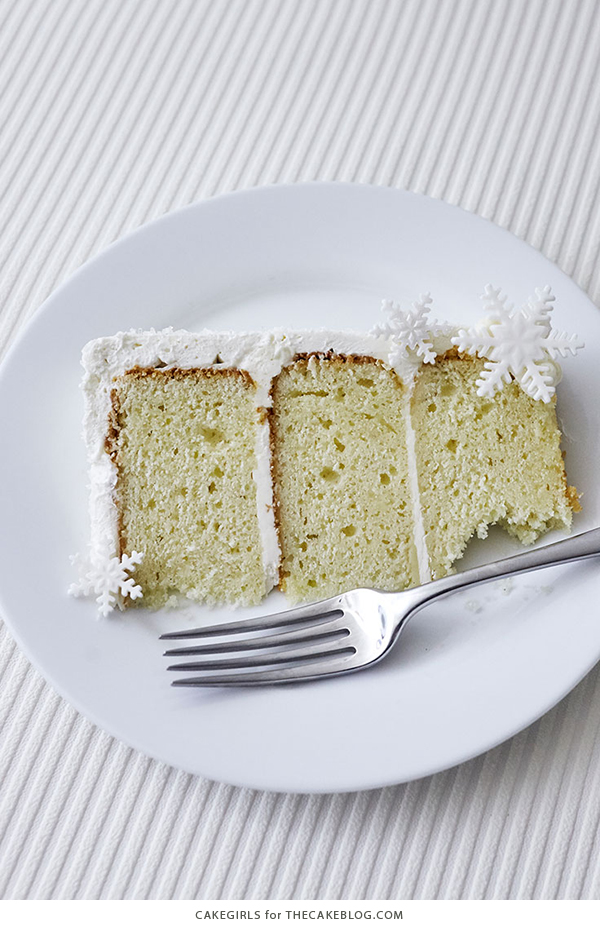
The Winter Wonderland Snowflake Cake is built upon a foundation of Swiss meringue buttercream and vanilla sponge, though the designers have indicated that the aesthetic is adaptable to various flavor profiles. Two notable variations suggested for the holiday season include an eggnog-infused layer cake and a champagne mimosa variant.
Buttercream Dynamics
The choice of Swiss meringue buttercream is significant within the context of professional cake design. Unlike traditional American buttercream, which relies on a high ratio of powdered sugar for stability, Swiss meringue is an emulsion of cooked egg whites, sugar, and butter. This results in a smoother, whiter finish that is less prone to the "crusting" effect, providing a superior canvas for the application of luster dust and sugar crystals. For a standard six-inch cake, one batch of buttercream is sufficient; however, scaling the design to larger diameters requires a proportional increase in coating materials, such as the white crystal sugar.
Tooling and Materiality
The project highlights the importance of the "snowflake punch cutter" as an essential tool in the modern baker’s kit. These tools allow for a level of geometric precision that is difficult to achieve with manual cutting. Furthermore, the use of "novelty trees"—often repurposed from miniature holiday village sets—demonstrates a growing trend in "mixed-media" baking, where non-edible elements are used to enhance the thematic narrative of a dessert, provided they are removed before consumption.
Market Context and the Rise of Aesthetic Baking
The release of the Winter Wonderland Snowflake Cake tutorial occurs amidst a significant surge in the global home-baking market. Data from industry analysts suggest that the "specialty cake" segment has seen a compound annual growth rate (CAGR) of approximately 4.5% over the last five years. This growth is driven largely by the "prosumer" movement—hobbyists who invest in professional-grade tools and techniques to produce results that rival commercial bakeries.
The "Instagrammable" Influence
The design of the Winter Wonderland cake is optimized for digital consumption. The high-contrast white-on-white palette and the use of light-reflective materials (sugar crystals and luster dust) are specifically intended to perform well under the bright, diffused lighting common in social media photography. Platforms like Pinterest and Instagram have fundamentally altered the criteria for "successful" holiday baking; taste remains paramount, but the visual "wow factor" is now a primary driver of consumer engagement.

Economic Impact of DIY Tutorials
Tutorials from established figures like Mary and Brenda Maher represent a democratization of culinary expertise. By providing step-by-step instructions for complex designs, platforms like The Cake Blog have fostered a "cottage industry" of home-based bakers who sell custom cakes for local events. This shift has forced traditional commercial bakeries to innovate further, leading to a higher standard of artistic expression across the entire industry.
Broader Implications for Holiday Culinary Arts
The Winter Wonderland Snowflake Cake is more than a seasonal recipe; it is a case study in how environmental inspiration can be translated into a commercial product. The "Eureka" moment described by the Maher sisters in Chicago illustrates the importance of observational design in the culinary arts.
Sustainability and Material Safety
As the trend of using non-edible decorative elements (like the novelty trees and certain luster dusts) grows, it has prompted a broader discussion within the culinary community regarding food safety and transparency. The Maher sisters’ recommendation to remove decorative elements before serving reflects a responsible approach to "mixed-media" baking. This highlights a need for clearer labeling in the cake-decorating supply market, particularly concerning "non-toxic" vs. "edible" designations.
Future Trends in Winter Confectionery
Looking forward, the success of the Winter Wonderland aesthetic suggests a move away from the traditional red-and-green holiday palettes in favor of more sophisticated, monochromatic, and nature-inspired themes. Analysts predict that "Nordic Noir" and "Arctic Minimalist" styles will continue to dominate the high-end bakery market through the mid-2020s.
In conclusion, the Winter Wonderland Snowflake Cake stands as a definitive guide for the modern baker, blending atmospheric inspiration with disciplined technical execution. Through the strategic use of texture, temperature control, and specialized tooling, the Maher sisters have provided a blueprint for a holiday centerpiece that meets the rigorous standards of both the professional kitchen and the digital marketplace. As the artisanal baking industry continues to evolve, such tutorials remain vital in bridging the gap between amateur enthusiasm and professional mastery.