


The intersection of high-resolution digital imaging and domestic crafting technology has reached a new milestone with the integration of specialized printing hardware and customizable digital templates. As the seasonal demand for personalized correspondence increases, Canon U.S.A., Inc. has positioned its PIXMA TS9521C Crafting Printer as a central tool for consumers seeking to bypass traditional commercial printing services in favor of bespoke, at-home production. This shift toward localized manufacturing of holiday stationery is supported by the release of professional-grade media, such as the 7×10 Double-Sided Greeting Card Paper Pack, which streamlines the transition from digital design to physical artifact. By utilizing specialized software interfaces like Corjl and curated design assets, hobbyists and professional creators alike are now able to produce high-fidelity, double-sided matte holiday cards that rival the quality of industrial print houses.
Technical Specifications of the Canon PIXMA TS9521C Crafting Printer
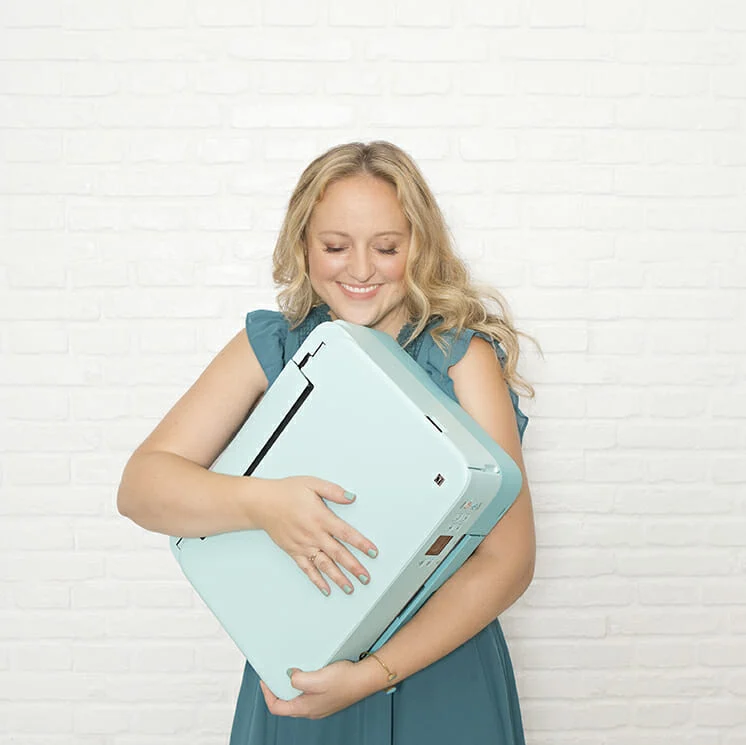
At the core of this DIY movement is the Canon PIXMA TS9521C, a device specifically engineered to meet the versatile needs of the crafting community. Unlike standard office printers, the TS9521C—often referred to in the industry as the "Crafter’s Printer"—features support for a wide array of media types and sizes, including 12×12 inch borderless printing, which is essential for scrapbooking and large-format card construction. The printer utilizes a five-color individual ink system that ensures color accuracy and depth, a critical requirement when reproducing family photography and intricate graphic designs.
The device’s architecture is designed to handle heavier cardstock, a common pain point for traditional home printers. This capability is vital when working with the Canon 7×10 Double-Sided Greeting Card Paper. This specific media is pre-cut and pre-scored, meaning the structural integrity of the fold is maintained without the cracking often associated with manual folding of heavy matte paper. Each pack includes 20 sheets of double-sided matte photo paper and 20 corresponding 5×7 envelopes, providing a complete ecosystem for the production of standard-sized holiday mailers.
Digital Customization and the Corjl Interface
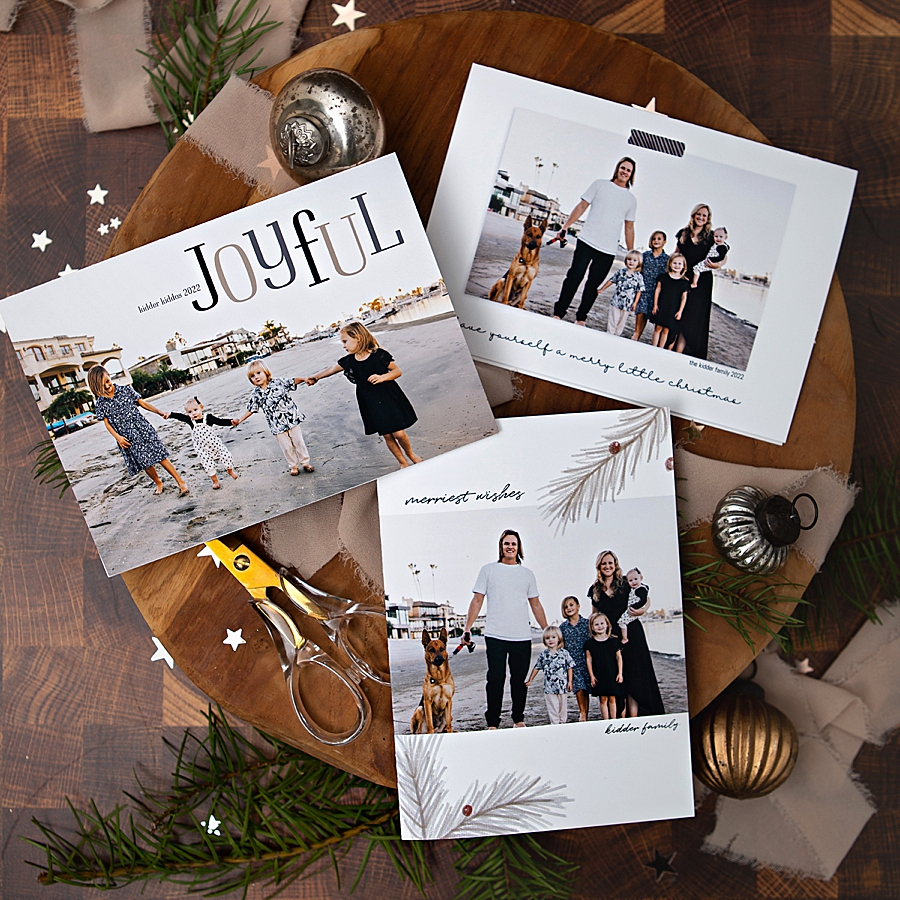
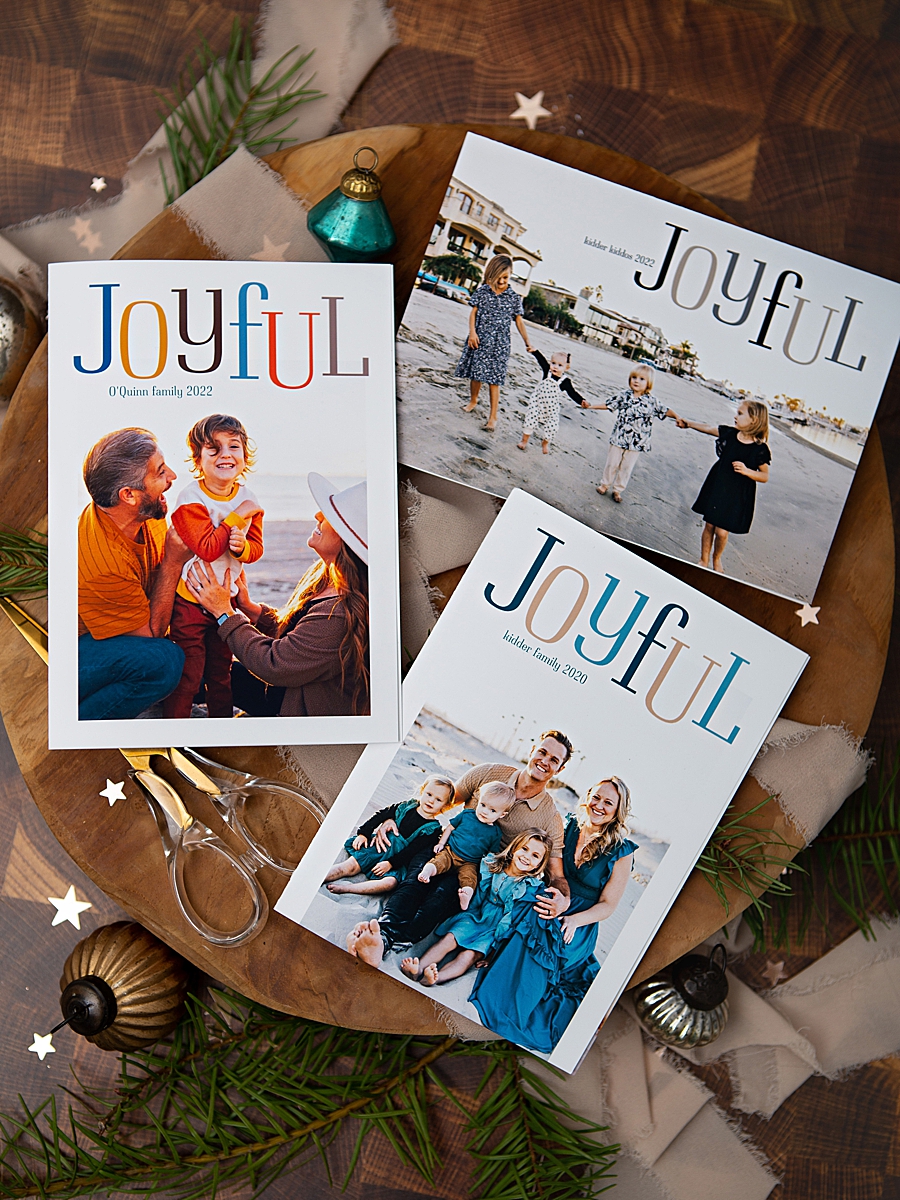
The modern workflow for holiday card creation has been significantly enhanced by the adoption of the Corjl software platform. This web-based application allows users to manipulate complex design templates without the need for high-end graphic design software. In the context of the recent holiday card initiative, three distinct design motifs—labeled "Joyful," "Tape," and "Berries"—have been made available to the public.
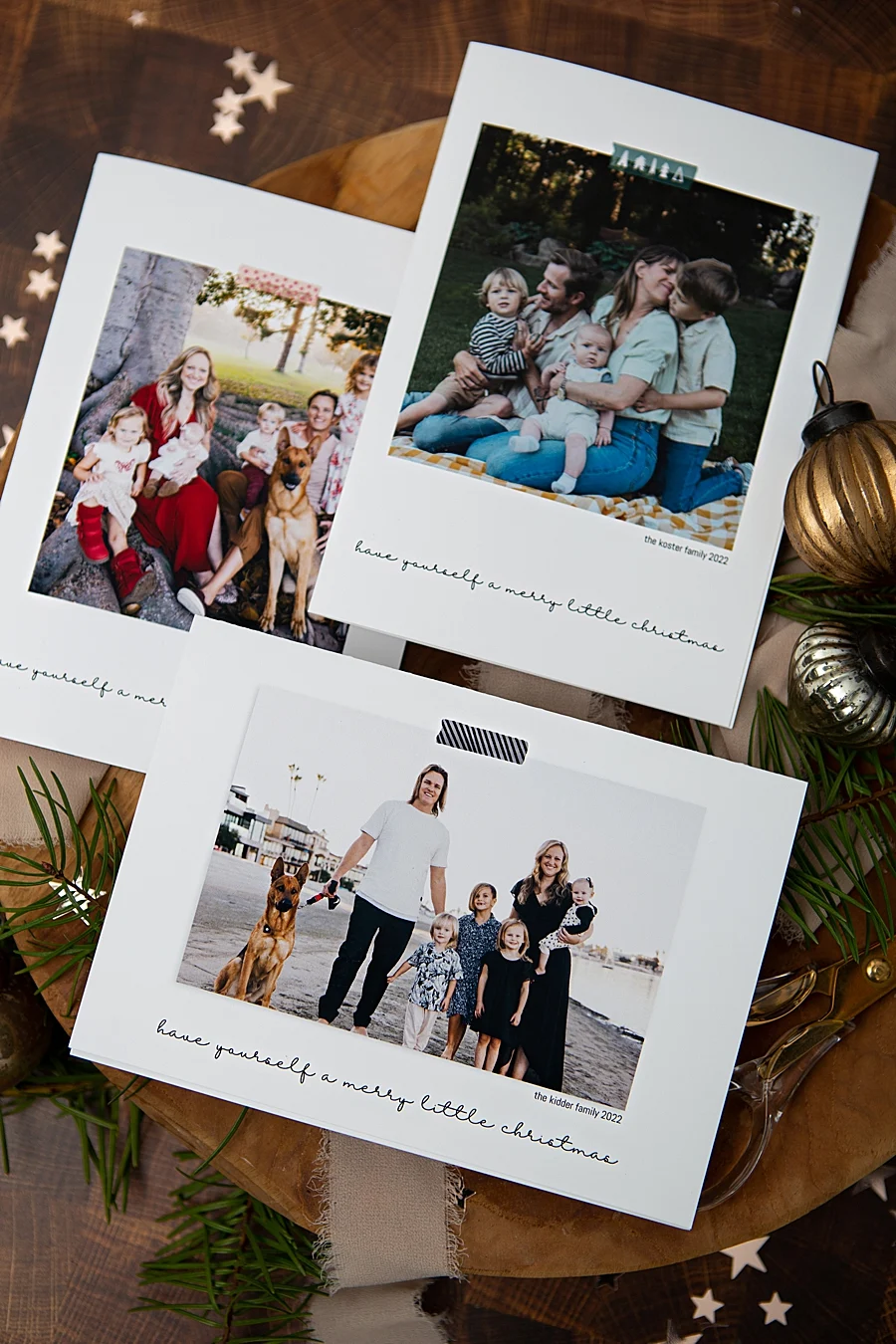
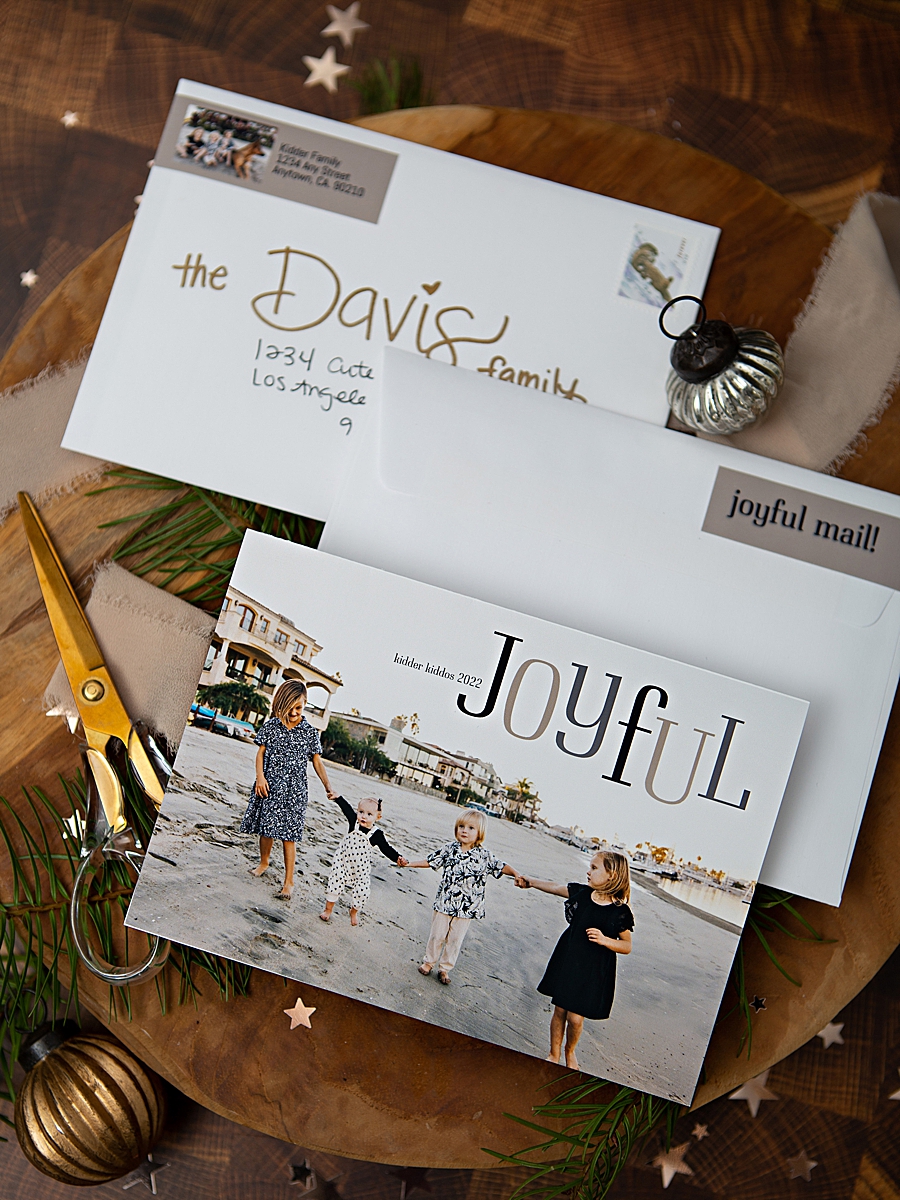
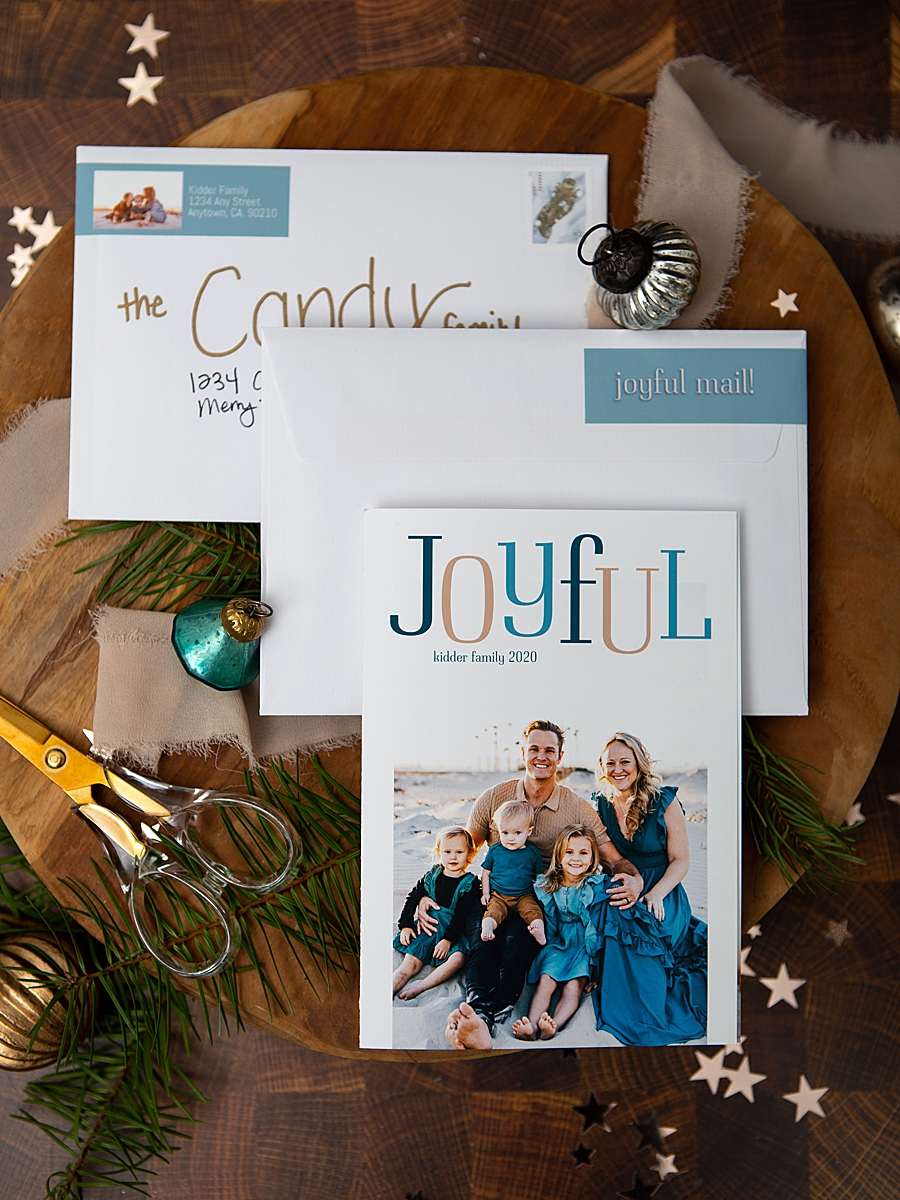
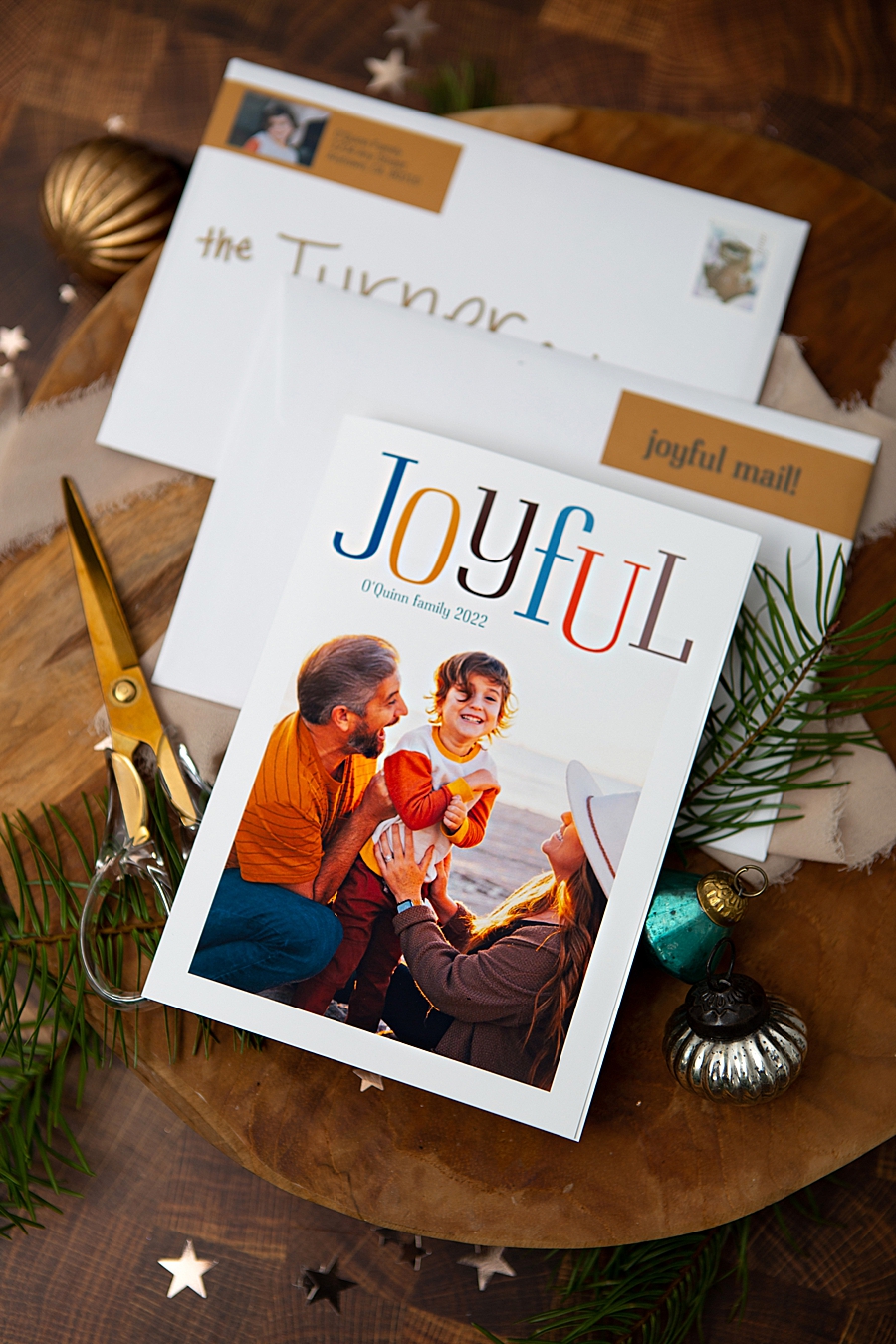
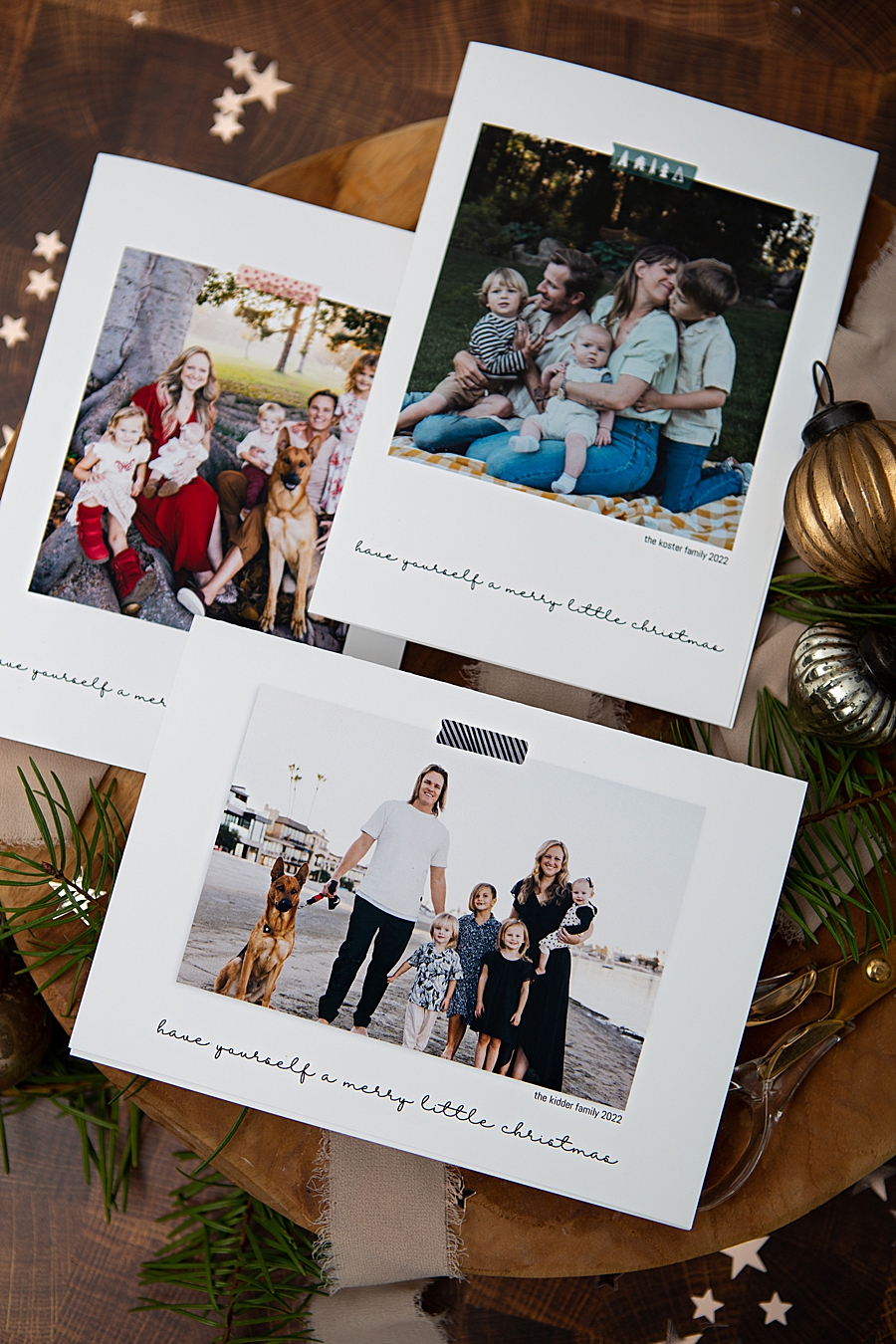
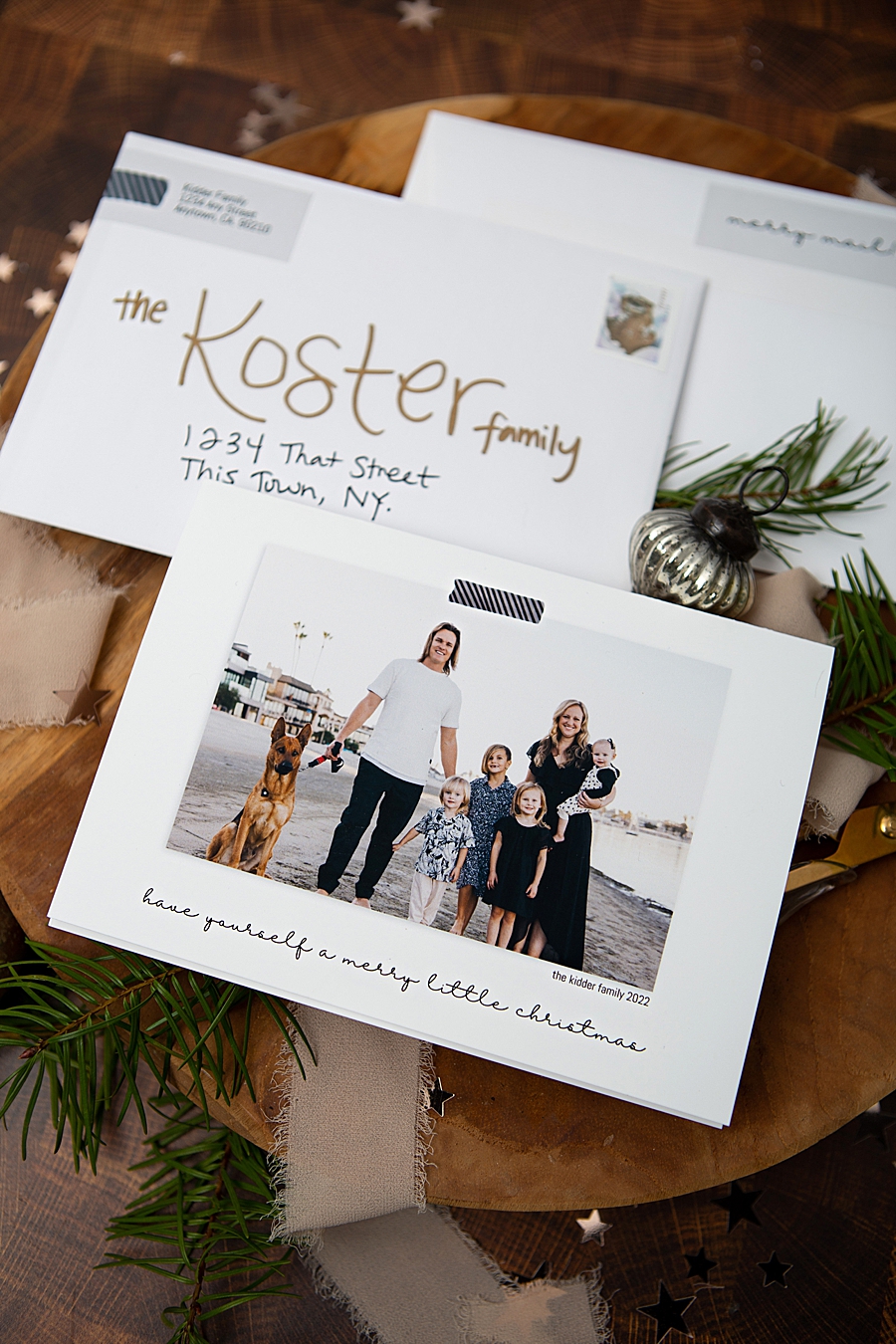
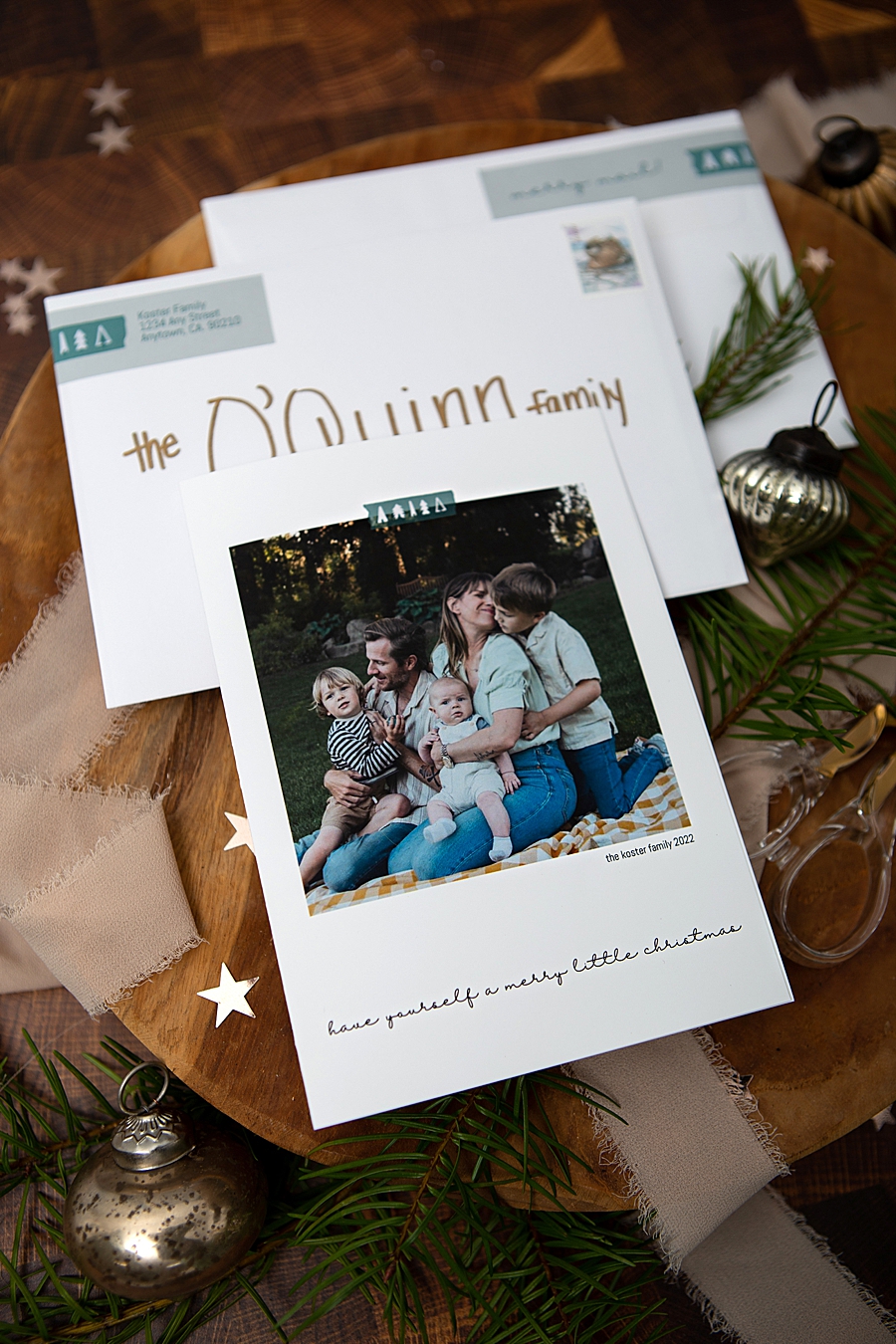
These templates offer a high degree of modularity. Users can upload high-resolution family photographs, adjust typography, and alter color palettes to ensure visual harmony between the image and the surrounding graphics. For instance, the "Joyful" design allows for the adjustment of the primary text color to match specific hues within a user’s photograph, such as the color of a sweater or a background element. The "Tape" design incorporates digital representations of scrapbooking tape in various patterns, including black and white stripes, pink polka dots, and green tree motifs, providing a multi-layered aesthetic that mimics physical collage work. The "Berries" design focuses on botanical illustrations, offering minimalist branches in green, pink, and beige schemes.
Strategic Analysis of Custom Holiday Card Designs
The three designs released for the current holiday season reflect broader trends in the stationery industry, which currently favors a blend of minimalism and tactile-inspired digital art.
- The Joyful Motif: This design emphasizes typography as a central graphic element. By allowing users to modify the color of the word "Joyful," the template serves as a versatile frame for a wide range of photographic styles, from professional studio portraits to candid outdoor shots.
- The Tape Motif: This design taps into the "junk journal" and scrapbooking trend. By utilizing digital "washi tape" elements, the design creates a sense of depth and hand-made charm. This is particularly effective for consumers who want the look of a handcrafted card without the labor-intensive process of physical gluing and taping.
- The Berries Motif: This design adheres to a modern organic aesthetic. The hand-drawn berry branches provide a seasonal frame that is both festive and sophisticated. The ability to toggle between different color versions of the illustration ensures that the card can accommodate various lighting conditions and color temperatures found in consumer photography.
Each design is provided in both vertical and horizontal orientations, acknowledging the diverse aspect ratios of modern smartphone and DSLR photography. Furthermore, the inclusion of matching address labels ensures a cohesive visual identity from the envelope to the interior message.
Market Trends in Personalized Correspondence
The rise of at-home high-quality printing is a response to a significant shift in consumer behavior. According to data from the Greeting Card Association, Americans purchase approximately 6.5 billion greeting cards annually, with holiday cards representing the largest portion of this market. While the digital revolution initially threatened the physical card industry, there has been a resurgence in the value placed on physical mail.
Market analysts suggest that as digital communication becomes more ephemeral and saturated, the "tactile premium" of a physical card has increased. Consumers are increasingly willing to invest in high-quality paper and personalized designs to distinguish their correspondence. The democratization of professional printing technology, led by companies like Canon, allows individuals to participate in this market at a lower price point per unit than many premium online print-on-demand services, especially when producing cards in small to medium batches.
Environmental and Economic Considerations of At-Home Printing
The transition to at-home production also carries implications for sustainability and household economics. Traditional mass-order card services often require consumers to purchase in specific increments (e.g., 25, 50, or 100 cards), which can lead to significant paper waste if the entire batch is not utilized. At-home printing on the PIXMA TS9521C allows for "on-demand" production, where users can print the exact number of cards required.
Economically, the initial investment in a crafting printer and specialized ink is offset by the reduced cost of individual units over time. High-end retail holiday cards can cost upwards of $5.00 to $7.00 per card. In contrast, the use of the Canon 7×10 paper pack, combined with home ink usage, significantly reduces the per-card expenditure while maintaining a professional "matte" finish that is often a paid upgrade on commercial sites.
Chronology of the Holiday Card Tradition and Technological Evolution
The tradition of the Christmas card dates back to 1843, when Sir Henry Cole commissioned the first commercial card in London. For over a century, the industry was dominated by lithographic and offset printing processes that required massive scale to be affordable. The 1990s saw the introduction of the first home inkjet printers, though these early models lacked the color gamut and media handling capabilities required for professional-looking stationery.
The 2010s marked a turning point with the introduction of "crafting-specific" hardware. Printers began to incorporate features like rear-feed trays for thick cardstock and specialized ink formulations for photo-longevity. The current era, exemplified by the Canon PIXMA series, represents the pinnacle of this evolution, where the hardware, software (Corjl), and specialized media (pre-scored matte paper) function as a unified system.
Broader Impact and Industry Implications
The collaboration between hardware manufacturers and digital content creators signifies a new era of "integrated crafting." By providing free access to high-quality designs—facilitated by promotional codes such as "canonholiday"—Canon is not merely selling a printer; they are providing a complete creative solution. This strategy fosters brand loyalty and encourages the ongoing use of proprietary consumables like ink and specialized paper.
Furthermore, the encouragement of social media sharing through hashtags like #somethingturquoisediy creates a feedback loop of inspiration and technical support within the crafting community. This peer-to-peer marketing is highly effective in the DIY sector, where consumers often look to influencers and fellow hobbyists for validation of hardware performance.
As the holiday season progresses, the success of these DIY initiatives will likely influence future product development in the home printing sector. There is an increasing demand for even more diverse media types, including restickable photo paper and metallic-finish cardstock. The ability of manufacturers to keep pace with the creative demands of the "maker" generation will determine the trajectory of the home stationery market in the coming decade.
In conclusion, the combination of the Canon PIXMA TS9521C, specialized double-sided matte paper, and customizable digital templates represents a significant advancement in the accessibility of professional-grade stationery. By empowering the consumer to act as designer, editor, and publisher, this ecosystem redefines the tradition of the holiday card for the digital age, ensuring that personalized, high-quality correspondence remains a cornerstone of seasonal celebration.