The Shift Toward Domestic High-Fidelity Printing
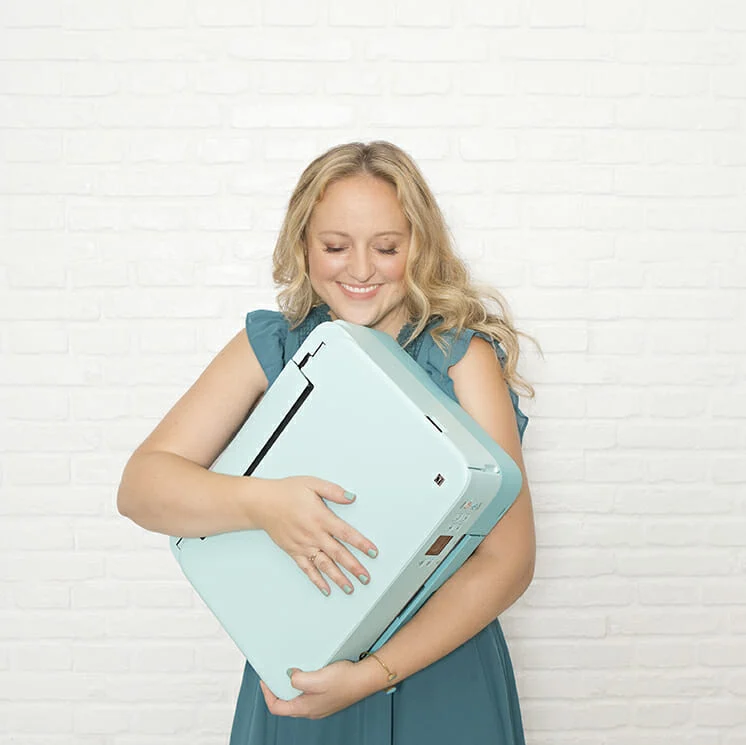
For decades, the production of high-quality photo greeting cards was the exclusive domain of commercial print shops and online fulfillment centers. However, the introduction of the Canon PIXMA TS9521C, colloquially known in the industry as the "Crafter’s Printer," has altered the consumer landscape. Unlike standard office printers, these specialized devices are engineered to handle a diverse array of media, including heavy cardstock and 12×12-inch scrapbooking paper. This technical capability allows for the domestic production of 7×10-inch double-sided greeting cards, which, when folded, result in the industry-standard 5×7-inch format.
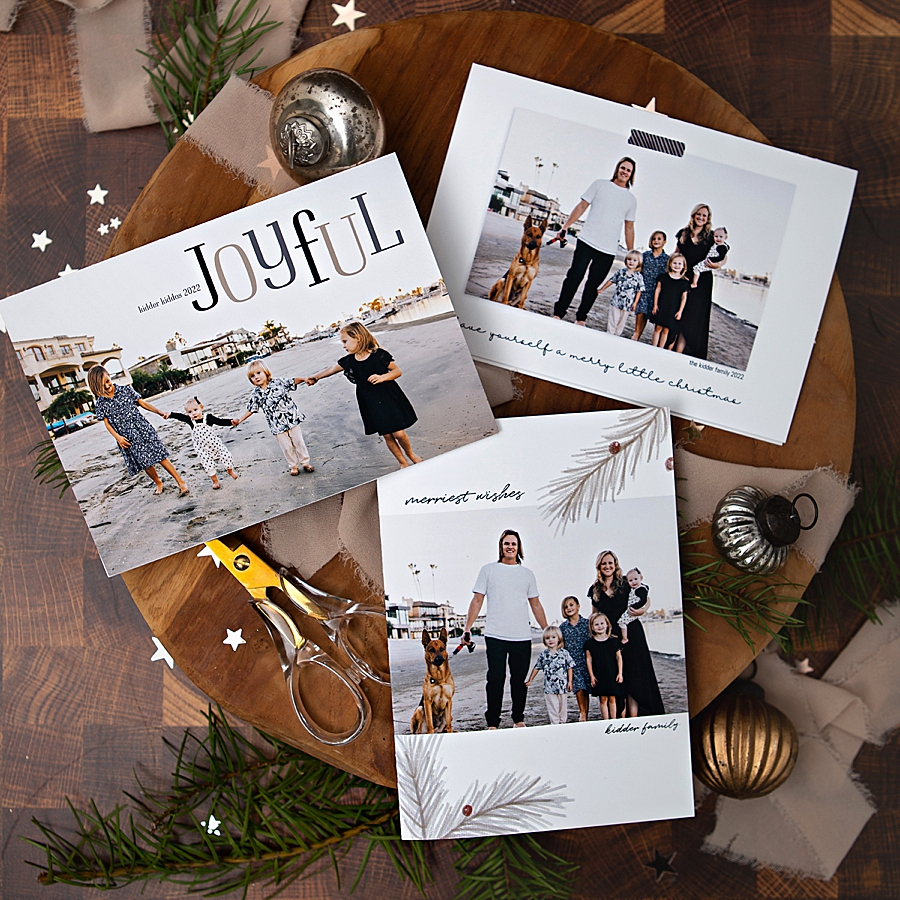
Market analysis suggests that the demand for home-based printing solutions is rising as consumers seek to avoid the logistical delays and rising costs associated with third-party shipping. By utilizing specialized paper packs, such as the Canon 7×10 Double-Sided Greeting Card Paper—which includes pre-scored matte photo paper and matching envelopes—users are able to achieve a level of output quality previously reserved for professional lithography. The matte finish, in particular, has seen a resurgence in popularity due to its fingerprint-resistant properties and its ability to render deep, saturated colors without the glare associated with traditional glossy photo prints.
Strategic Design Integration and Software Accessibility
A critical component of this modern crafting ecosystem is the integration of user-friendly design interfaces. The current holiday initiative utilizes Corjl, a powerful online platform that allows designers to provide editable templates to the public. This software enables users to modify nearly every aspect of a card’s design, from typography and color palettes to the placement of high-resolution family photographs.
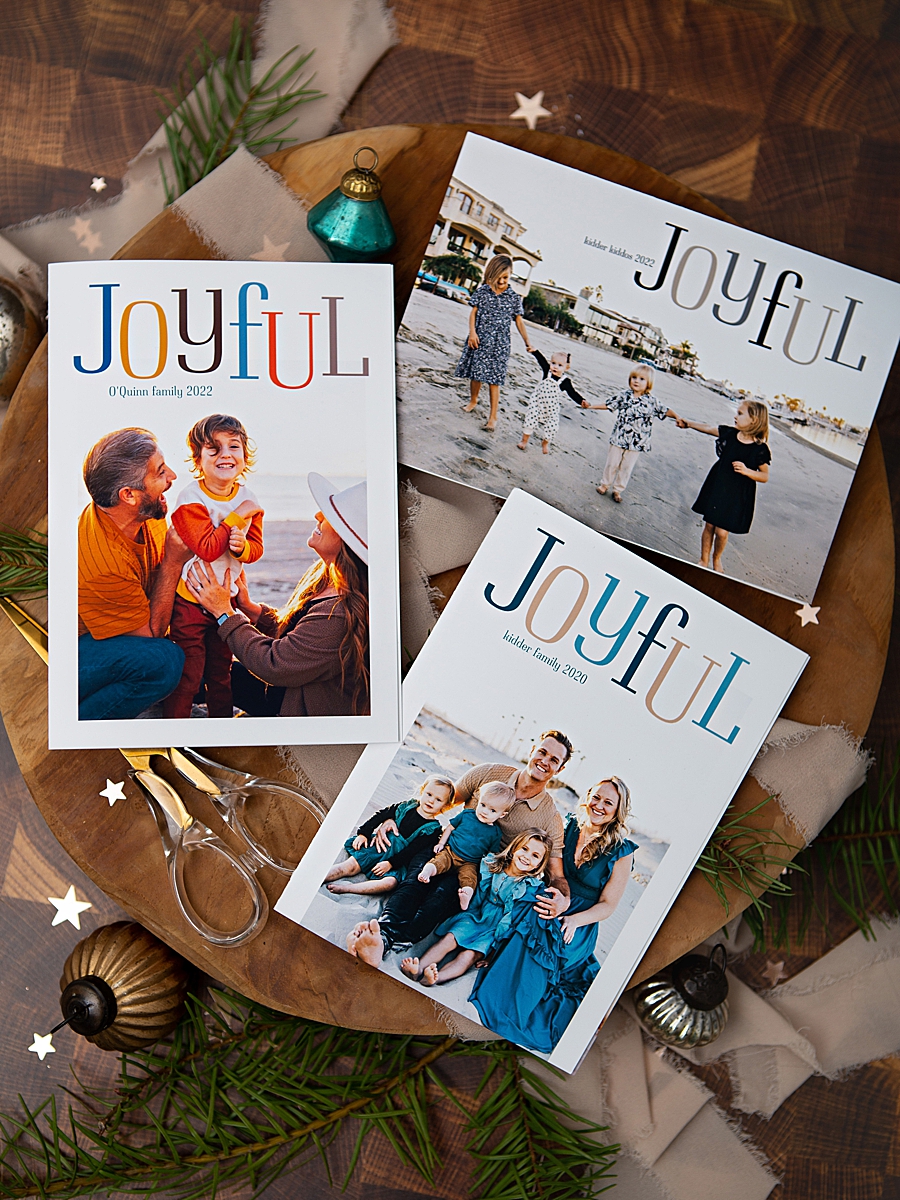
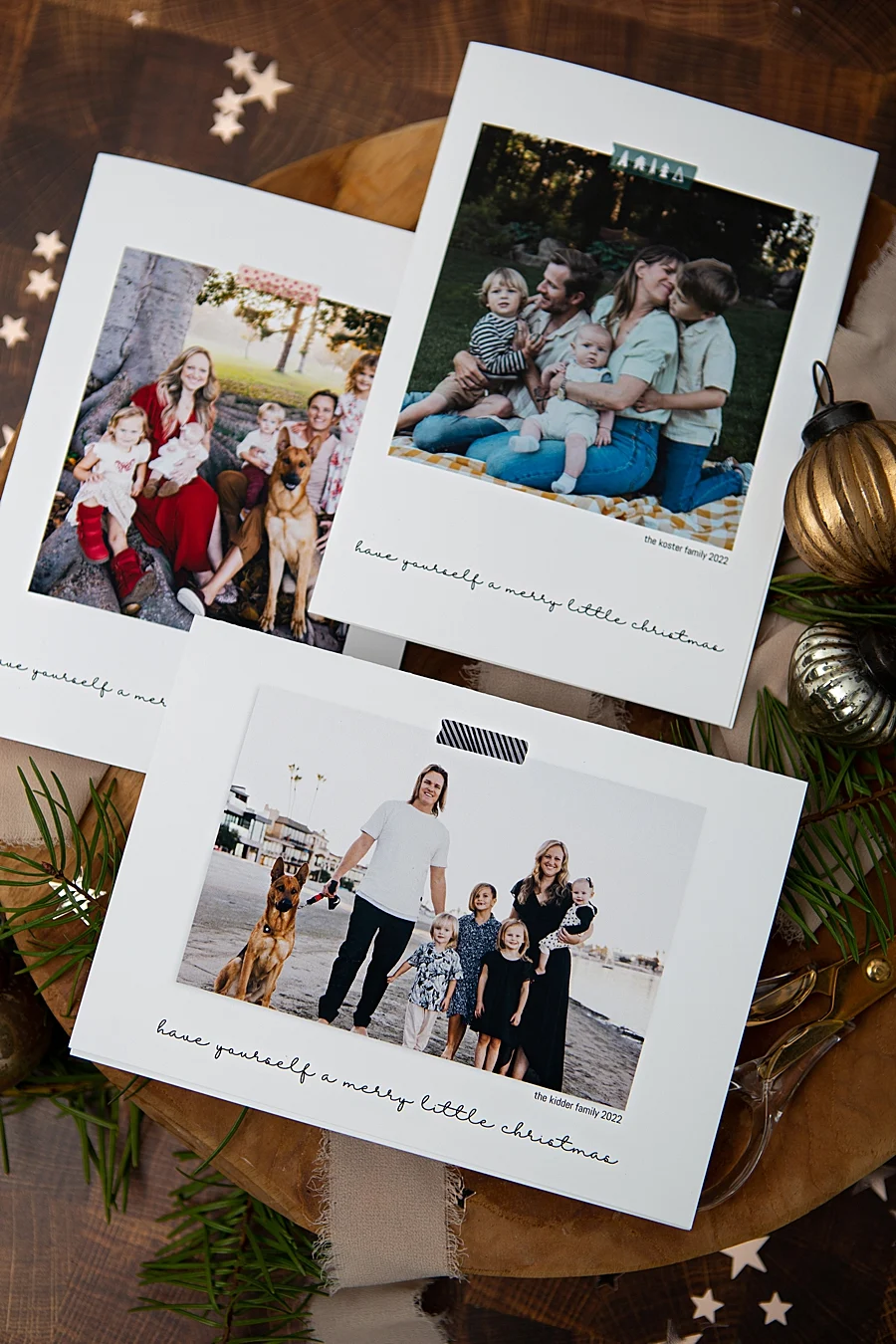
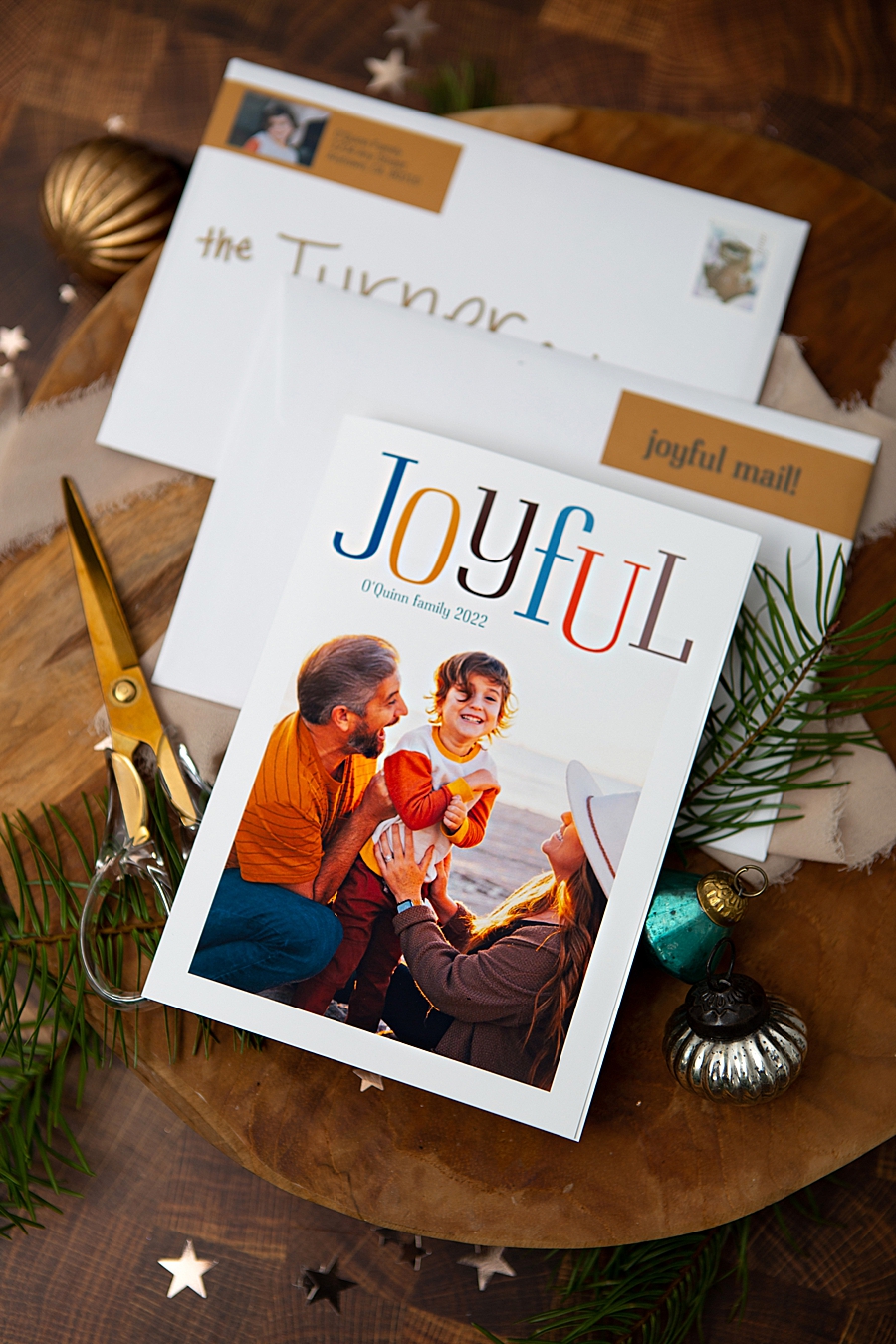
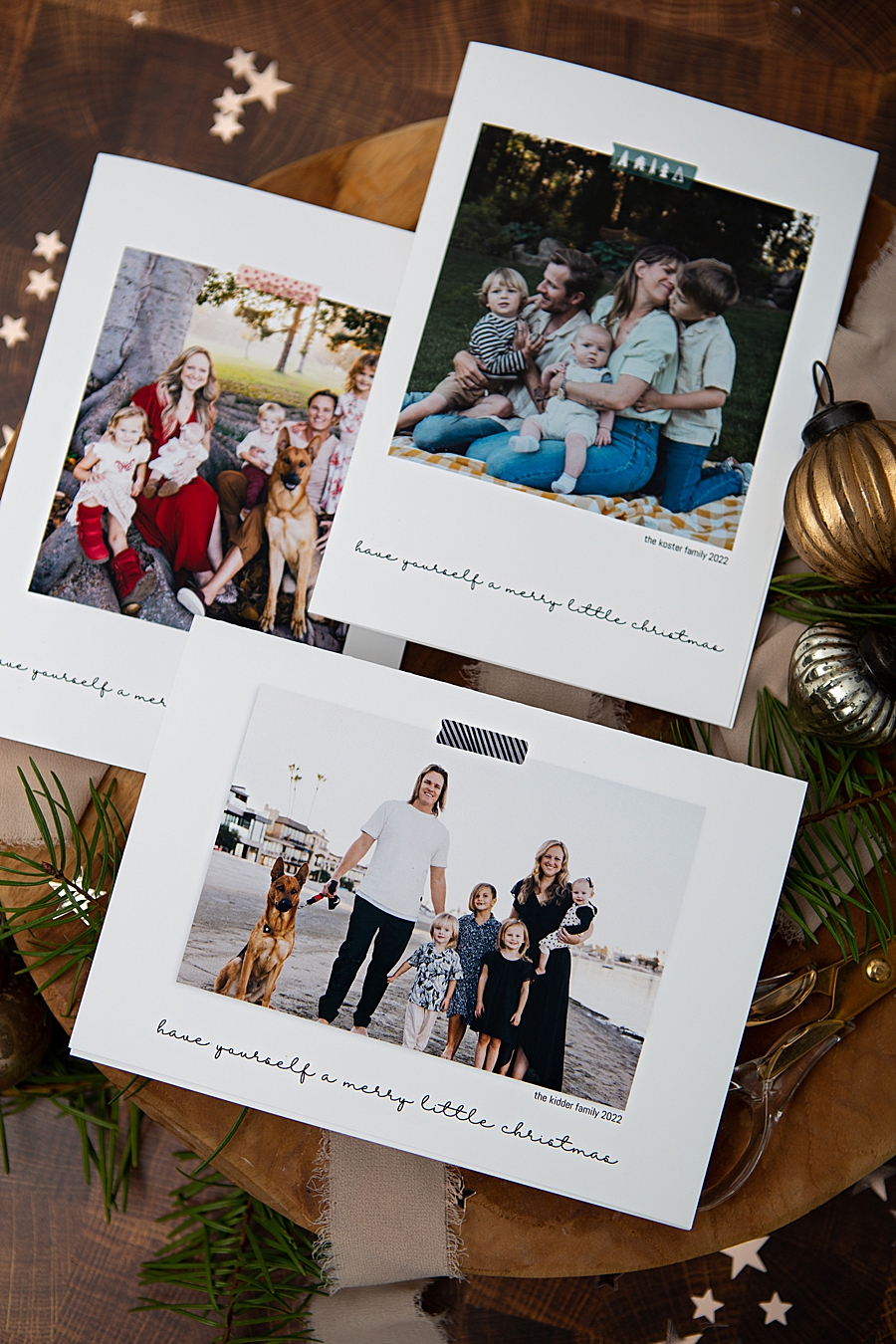
The 2023-2024 holiday collection features three distinct design archetypes: "Joyful," "Tape," and "Berries." Each design reflects current aesthetic trends in the stationery market:
- Joyful: A typography-centric design that emphasizes bold, customizable lettering, allowing users to match the font color to the specific tones found in their uploaded photography.
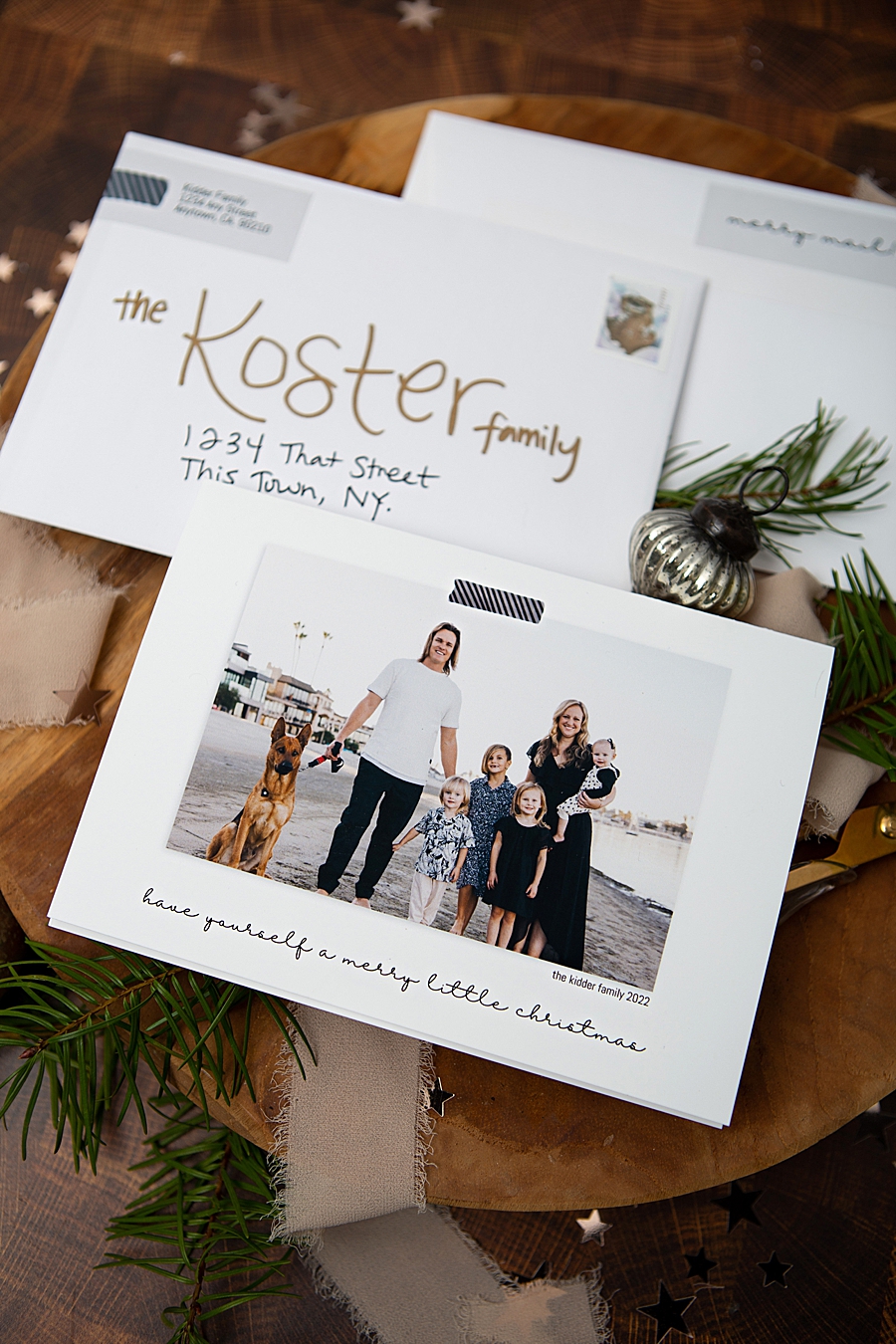
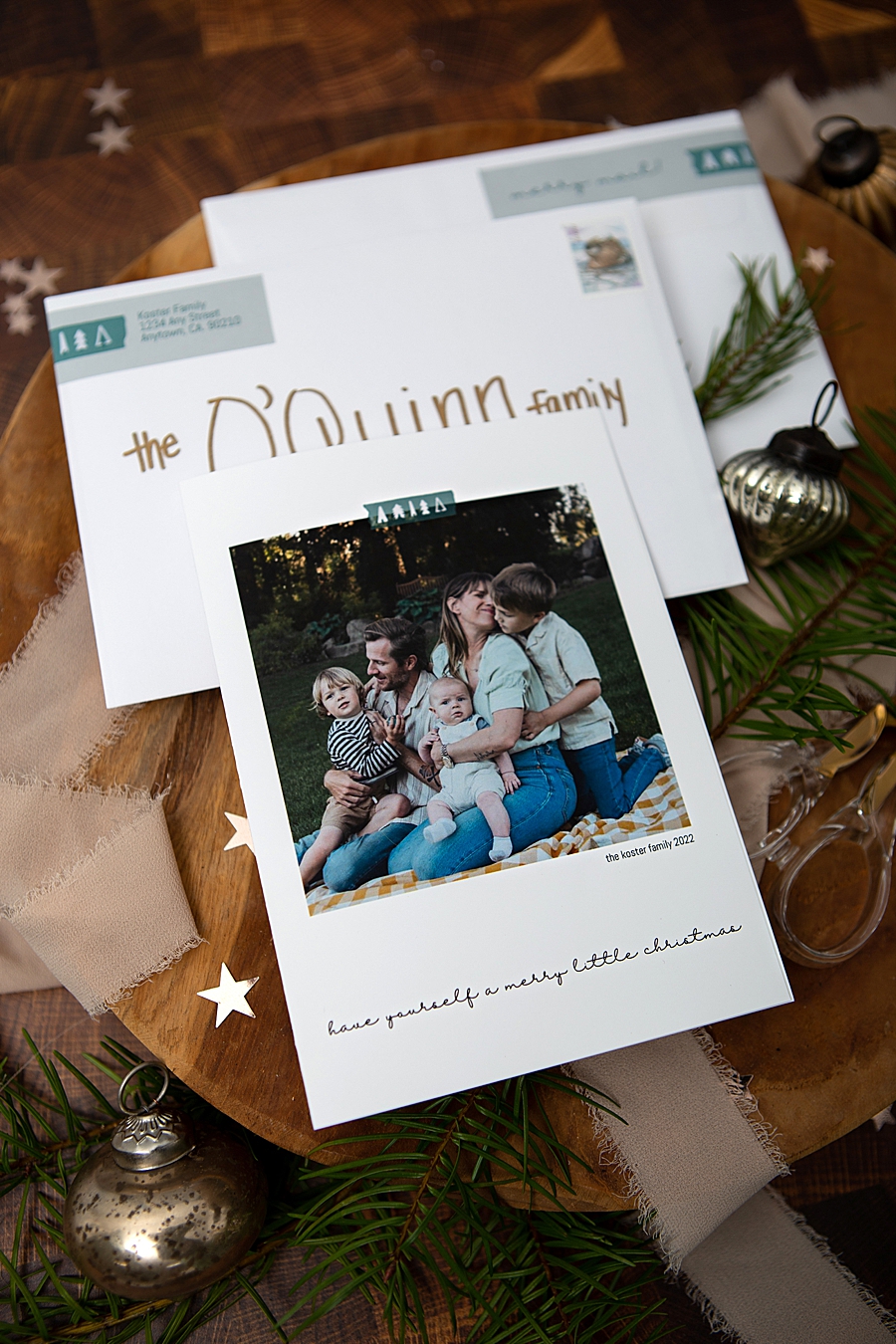
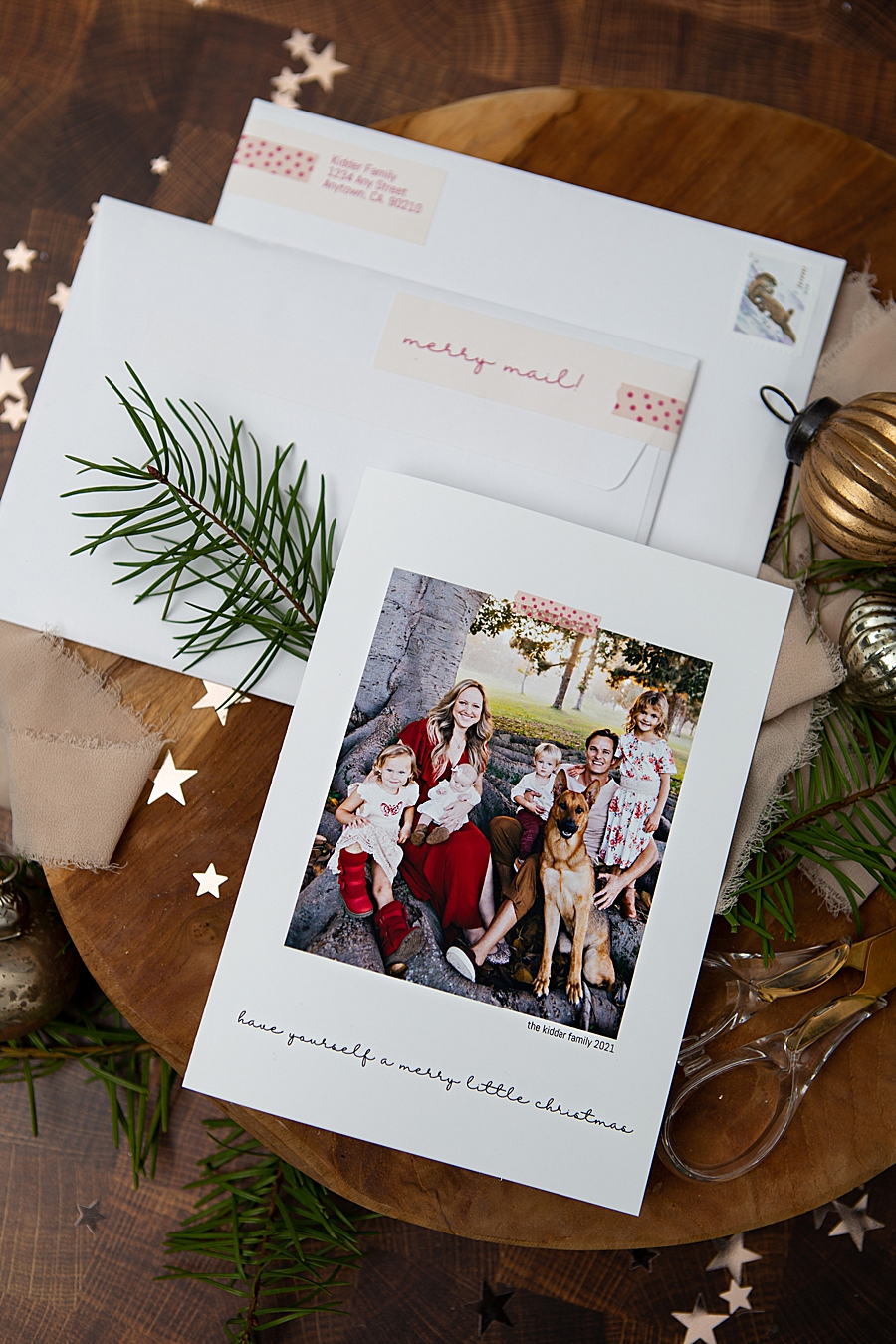
- Tape: A "scrapbook-chic" aesthetic that utilizes digital overlays resembling patterned washi tape, including motifs such as black-and-white stripes, pink polka dots, and green coniferous trees.
- Berries: A botanical-inspired layout featuring hand-drawn berry branches in a modern color scheme of green, pink, and beige.
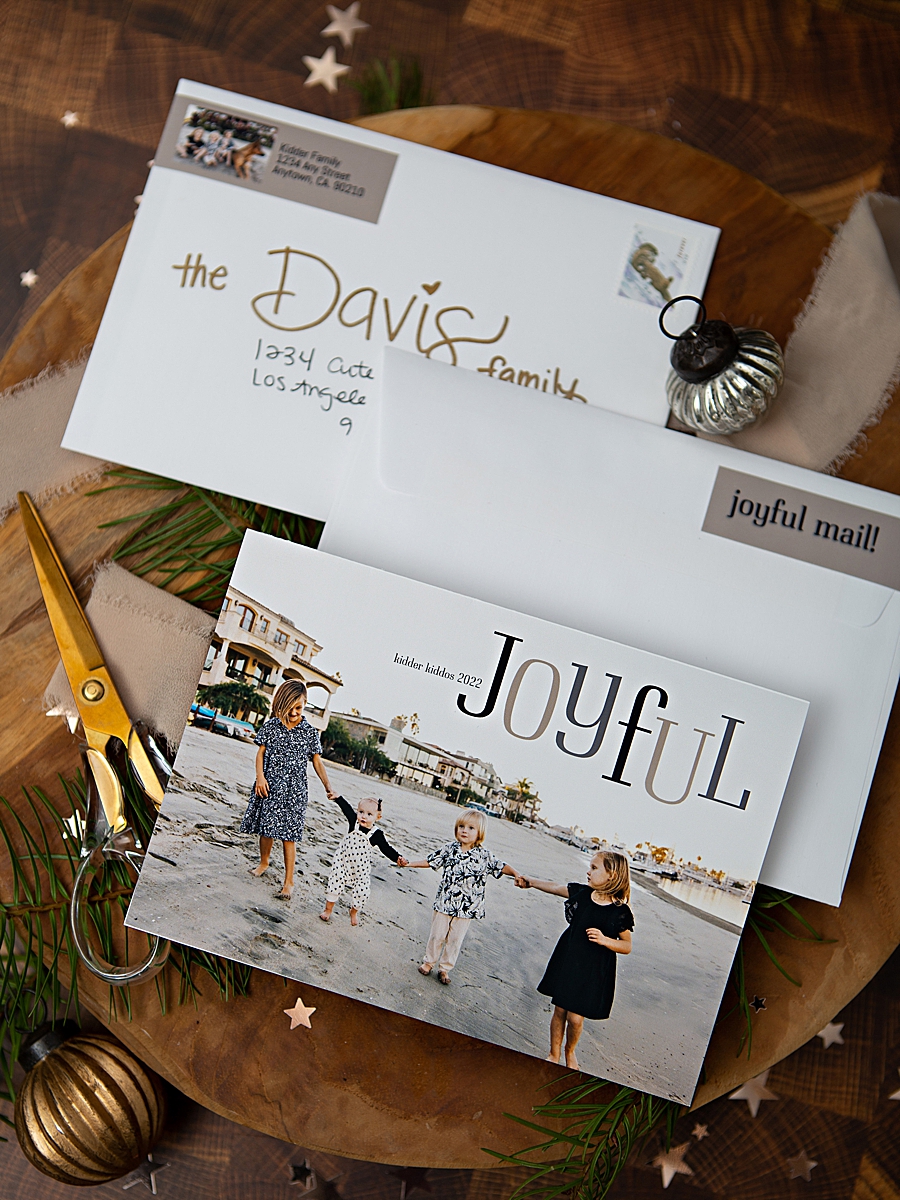
These designs are offered in both vertical and horizontal orientations, ensuring compatibility with a wide range of photographic compositions. Furthermore, the inclusion of matching address labels highlights a move toward cohesive branding for personal correspondence, a trend that has migrated from corporate marketing into the domestic sphere.
Technical Specifications and Workflow Chronology
The process of creating professional-grade holiday cards at home follows a rigorous workflow that mirrors commercial production stages. According to technical guides released alongside the Canon PIXMA series, the chronology of production typically involves five distinct phases:
Phase I: Digital Customization
Users access the templates via a secure portal, often facilitated by promotional codes such as "canonholiday." During this stage, the Corjl software handles the rendering of high-resolution images. This is a vital step, as the printer’s five individual ink tank system requires high-fidelity input to accurately reproduce skin tones and festive textures.
Phase II: Media Preparation
The use of 7×10-inch pre-scored paper is a logistical advantage. Pre-scoring ensures that when the card is folded, the paper fibers do not crack—a common issue with standard cardstock. This preparation stage involves calibrating the printer settings to "Double-Sided Matte Photo Paper" to ensure the ink distribution is optimized for the media’s absorption rate.
Phase III: The Printing Process
The PIXMA TS9521C utilizes a specialized print head technology that allows for borderless printing. For the holiday cards, the printer manages the front, back, and interior text in a multi-pass process. The dual-paper feeding system—utilizing both a front cassette and a rear tray—allows the printer to handle the heavier 7×10 sheets without the risk of paper jams.
Phase IV: Finishing and Refinement
Once printed, the cards require a short drying period to allow the pigment-based inks to set. Secondary tools, such as Fiskars paper trimmers, are often employed for precision edging, while metallic markers or "Sharpies" are used for personalized signatures, adding a final tactile element to the digital print.
Phase V: Distribution
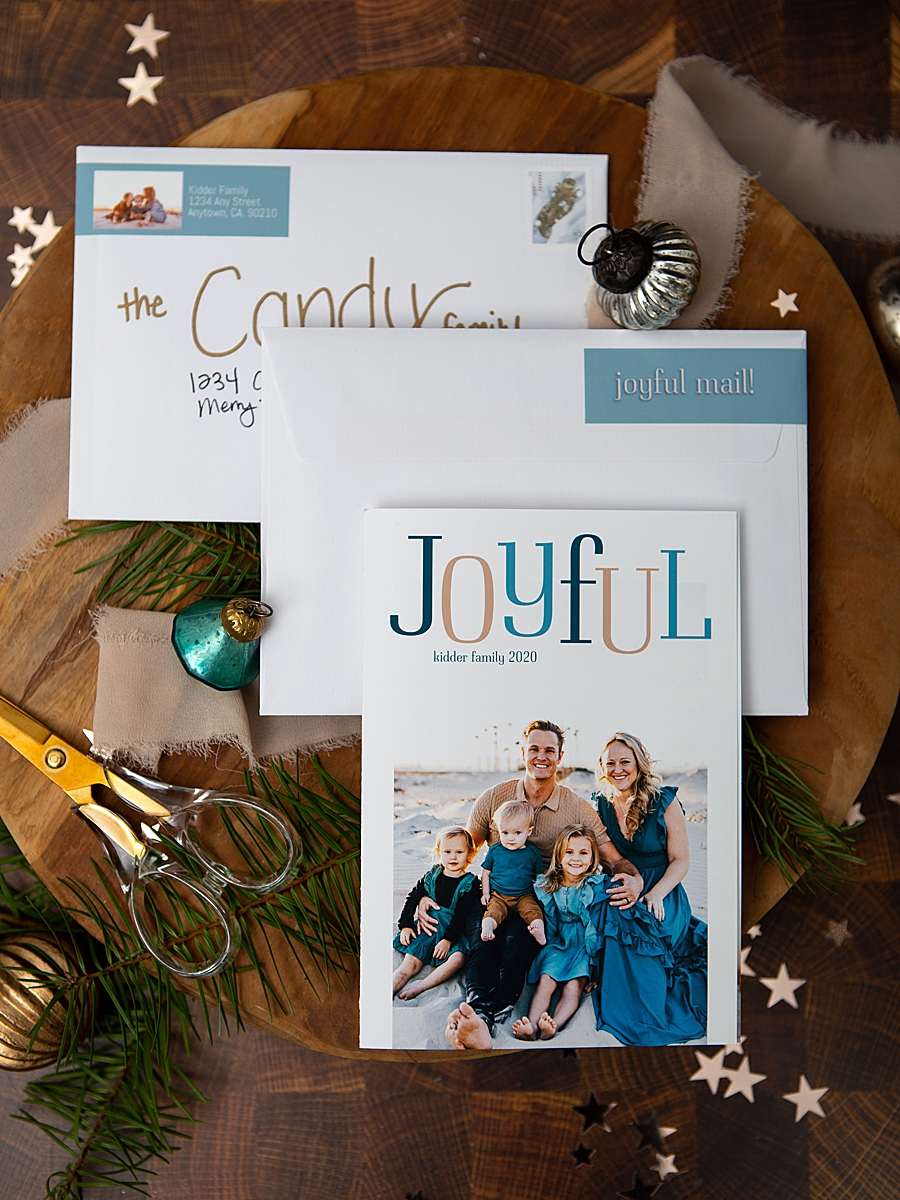
The final stage involves the use of matching 5×7 envelopes. The integration of "Restickable Photo Paper" for address labels has also been noted as a growing trend, allowing for a more polished presentation than traditional handwritten addresses.
Economic and Industry Implications
The move toward home-produced holiday cards is not merely a hobbyist trend but a reflection of broader economic shifts. Industry data indicates that while the total volume of physical mail has seen fluctuations, the "premium" segment of the greeting card market remains robust. Consumers are increasingly willing to invest in high-quality materials and hardware if it results in a unique, personalized product.
From a corporate perspective, Canon U.S.A., Inc.’s strategy involves fostering a "capture-to-print" ecosystem. By providing both the hardware (the PIXMA printer) and the consumables (specialized paper and ink), the company secures a larger share of the consumer’s holiday spending. Furthermore, by partnering with influencers like Jen Causey-Kidder of Something Turquoise, the brand taps into established communities of "makers" who prioritize aesthetic quality and creative autonomy.
Environmental analysts also point out that print-on-demand at the domestic level can be more sustainable than mass production. Large-scale card manufacturers often face significant "deadstock" issues—unsold cards that must be pulped or landfilled. Home printing allows for the exact number of cards needed to be produced, reducing paper waste and the carbon footprint associated with large-scale shipping and retail distribution.
Reaction from the Crafting Community
The response from the DIY community has been overwhelmingly positive, particularly regarding the ease of use provided by the Corjl and Canon integration. Professional crafters have noted that the ability to edit designs in real-time solves one of the primary frustrations of home printing: the "trial and error" phase that often leads to wasted ink and paper.
"The print quality on this paper is outstanding, and the process is both fun and relaxing," noted one tutorial contributor. This sentiment is echoed across social media platforms like Instagram and Twitter, where the hashtag #somethingturquoisediy has become a repository for user-generated content. These platforms serve as a digital gallery, allowing users to showcase their modifications of the "Joyful," "Tape," and "Berries" designs, further driving brand engagement for Canon.
Future Outlook: The Digitization of Tradition
As we look toward the future of holiday traditions, the role of technology seems destined to become more integrated rather than less. While digital e-cards saw a surge in the early 2010s, the "digital fatigue" experienced by many consumers has led to a renewed appreciation for physical mail. The current trend suggests a hybrid future where the design process remains digital and highly flexible, but the final output remains a physical, high-quality artifact.
Innovations in ink chemistry, such as Canon’s ChromaLife100+ system, promise that these home-printed cards will resist fading for up to 100 years when stored in an album, effectively turning a simple holiday greeting into a family heirloom. This longevity, combined with the professional design standards offered by platforms like Adobe Express and Corjl, ensures that the home-printed card is no longer a "budget" alternative to store-bought options, but rather a premium choice for the modern consumer.
In conclusion, the collaboration between hardware manufacturers, software providers, and creative designers is redefining the boundaries of the stationery industry. By providing the tools for professional-grade domestic production, companies like Canon are not just selling printers; they are facilitating a return to personalized, meaningful communication in an increasingly automated world. The success of this year’s holiday card initiatives serves as a blueprint for the future of the crafting economy, where the home studio becomes the center of creative commerce.