
The receipt of an heirloom diamond, whether a cherished family legacy or a poignant memento, often presents a unique confluence of emotion and practicality. While the stone itself carries immeasurable sentimental value, its original setting may no longer align with contemporary aesthetics or personal style. This scenario frequently leads individuals to consider a diamond reset, a process that transforms an inherited piece into a wearable reflection of their own identity. However, the financial implications of such a transformation are often shrouded in ambiguity, with many resources circling around definitive cost figures. This guide aims to demystify the actual expenses involved, detailing the factors that influence pricing, outlining the critical steps in the process, and providing a framework for informed decision-making.
Understanding the Core Value Proposition: A Setting, Not a Ring
The fundamental reframing necessary for navigating the heirloom diamond reset market is to recognize that you already possess the most valuable component: the diamond itself. Unlike purchasing a new engagement ring, where the stone constitutes the lion’s share of the expense, a reset project primarily involves acquiring or commissioning a new setting. This distinction is crucial for accurate budget planning and for understanding the various service tiers offered by jewelers.
The Actual Cost of an Heirloom Diamond Reset: A Detailed Breakdown
Industry data indicates a broad but predictable cost range for professional heirloom diamond resets. Most projects typically fall between $500 and $2,500. This range encompasses a spectrum of services, from straightforward stone swaps to more intricate semi-custom designs. For instance, reputable sources such as The Knot frequently cite this bracket for standard professional work.
At the most economical end, a basic stone transfer into a pre-fabricated, ready-made setting can begin as low as $80 to $250, with an average around $300, as reported by jewelers like Scott’s Custom Jewelers. These options are ideal for those seeking a minimalist change with existing catalog designs. Some designers, such as Melanie Casey, offer a predictable flat fee, typically around $500, for resetting a client’s stone into any of their established designs, simplifying the budgeting process considerably.
However, the upper echelons of pricing emerge with fully custom work. When a jeweler undertakes the design and fabrication of a unique, one-of-a-kind setting from scratch, tailored precisely to your stone and vision, projects can commence at approximately $5,500 and escalate significantly based on complexity and materials. Firms specializing in bespoke heirloom transformations, such as Kinn, structure their "Repurpose" projects starting at $2,500. This initial figure generally covers a more streamlined custom design featuring less elaborate detailing and a relatively simple setting. Kinn’s experience suggests that many clients ultimately invest more, driven by the expanded creative possibilities once they engage with the design process. This often involves incorporating greater gold weight, adding supplementary diamonds or gemstones, refining proportions, or developing an entirely bespoke piece. The ultimate cost ceiling in custom work is largely determined by the client’s design aspirations, with gold weight, additional stones, and the overall level of customization being the primary cost drivers.
Beyond the Metal: What Your Reset Price Encompasses
The quoted price for an heirloom diamond reset covers a multifaceted array of services and components far exceeding just the new metal. It accounts for the skilled labor involved in safely extracting the stone from its often decades-old setting, the cost of the new setting itself (or the intricate design and casting process), the raw metal by weight, and the meticulous work of setting the stone securely. Crucially, a significant, albeit often invisible, component of this cost is the jeweler’s implicit guarantee that your irreplaceable diamond will endure the entire process unscathed. This assurance, born of expertise and liability, holds immense value.
Understanding Price Discrepancies: The Project Defines the Quote
It is common to receive varying quotes when presenting the same heirloom diamond to multiple jewelers. These discrepancies are not necessarily indicative of price gouging but rather reflect different approaches to the project. One jeweler might quote for a basic swap into a ready-made catalog setting, another for a modification of a semi-custom design, and a third for a completely bespoke creation from an initial sketch. Each quote is accurate for the specific scope of work it represents. Recognizing the diverse range of services available is key to becoming a more discerning consumer in this specialized market.
The Four Pillars of Pricing: Deconstructing the Cost Drivers
Once understood, these four levers empower consumers to interpret any quote and pinpoint precisely where their investment is allocated. According to experts at Kinn, the predominant factors influencing the final price are the quantity of gold required, the labor intensity, and the intricate nature of the new design. A substantial portion of the labor occurs even before the new piece begins fabrication. This preparatory phase involves carefully unmounting the existing stones, conducting thorough inspections, cross-referencing them against any provided appraisals, and definitively confirming the characteristics of the working material.
Following this initial assessment, the design process commences, meticulously crafted around the precise dimensions and proportions of your unique stone. For a bespoke creation, Kinn elaborates that this phase can involve comprehensive design development, detailed Computer-Aided Design (CAD) rendering, 3D printing a wax model, rigorous testing of proportions and fit, and making necessary adjustments before the final piece is cast in gold. These steps are inherently bespoke, meaning the labor and complexity involved can vary significantly from one stone and design to another.
- Metal Choice and Weight: The type of metal (e.g., 14k gold, 18k gold, platinum) and its weight are primary cost drivers. Platinum, for instance, is denser and typically more expensive per gram than gold. Higher karats of gold are also more costly. The complexity of the setting and the desired durability will influence the necessary metal weight.
- Setting Style and Complexity: A simple solitaire setting requires less material and labor than an intricate halo, pavé, or filigree design. Designs incorporating multiple small diamonds or gemstones, elaborate engraving, or unique structural elements will inherently command a higher price due to increased material and labor.
- Labor and Craftsmanship: The jeweler’s skill, reputation, and the amount of time dedicated to the project directly impact the cost. Custom designs, hand-fabricated elements, and delicate stone setting require highly specialized expertise and extensive hours.
- Additional Stones: Incorporating accent diamonds or other gemstones into the new setting will add to the overall cost, depending on their size, quality, and quantity.
The Crucial First Step: Stone Inspection Before Design Commits
This critical warning often precedes the exciting design phase. A diamond that has resided in its original setting for many decades may conceal chips along its girdle (the widest part of the stone) or internal fractures that become apparent only once a jeweler carefully removes it, as highlighted by WeddingWire’s resetting guide.
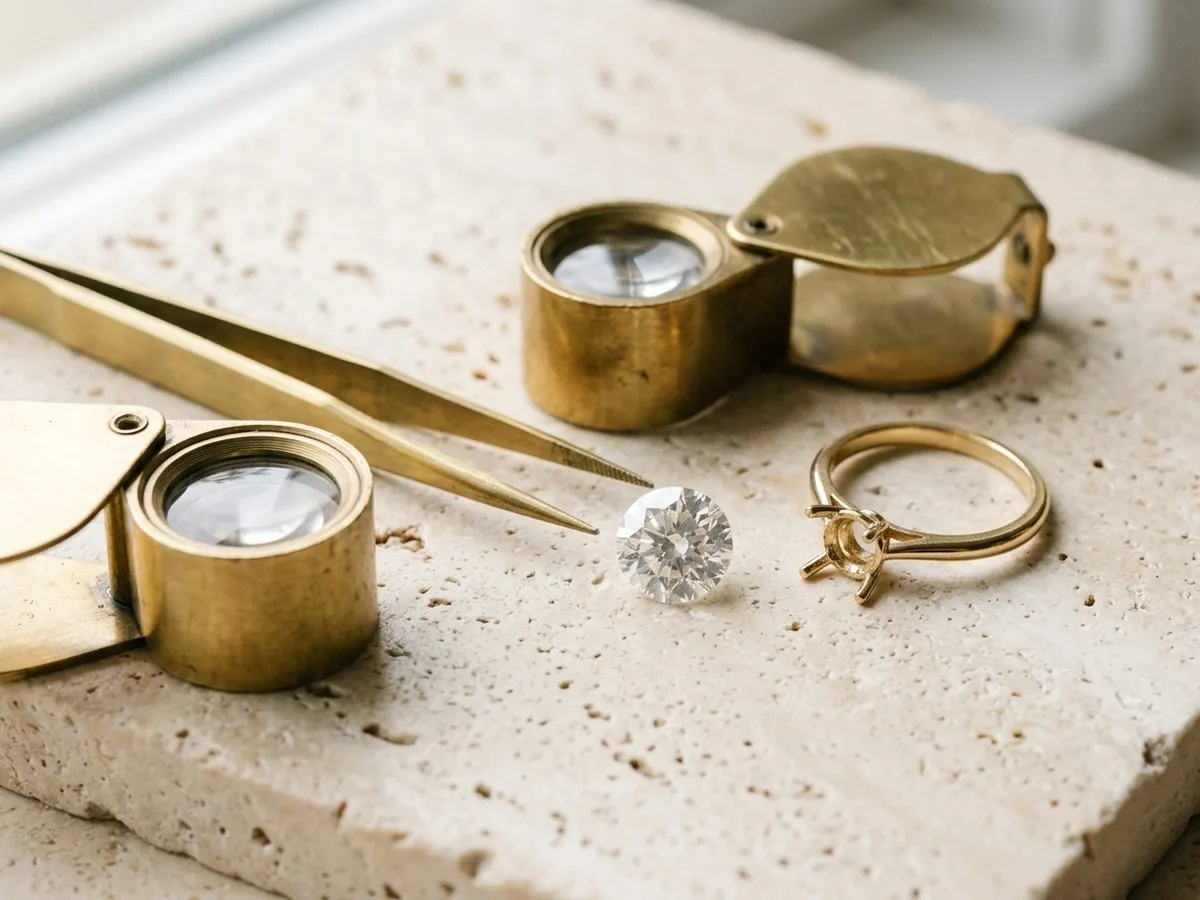
Therefore, commissioning any design work before a comprehensive stone inspection is ill-advised. A qualified jeweler will examine the diamond under magnification, assess its structural integrity, determine if it can safely withstand the removal and resetting procedures, and advise on any necessary repairs or considerations. Discovering a significant issue after a new setting has been ordered can transform a projected $600 project into a $2,000 endeavor. Understanding the metrics jewelers use to evaluate a diamond beyond the conventional "Four Cs" (Cut, Color, Clarity, Carat) can further empower clients in this initial assessment phase. A formal written report of the inspection findings is paramount, safeguarding the stone, the budget, and the timeline.
Reset or Buy New? A Candid Financial and Emotional Analysis
Many articles shy away from directly addressing whether an heirloom reset is always the most economical choice. However, an honest assessment reveals that resetting an heirloom diamond is not inherently the cheaper path, and pretending otherwise would be a disservice.
A practical comparison involves two columns of considerations:
Cost of Heirloom Reset:
- Initial stone inspection
- Jeweler’s labor for unmounting
- Cost of the new setting (material, design, labor)
- Cost of setting the stone
- Potential costs for stone repair (if chips/fractures found)
- New appraisal post-reset
- Insurance for the new piece
Cost of Buying New:
- Cost of a new diamond (natural or lab-grown)
- Cost of a new setting
- Appraisal
- Insurance
While a new lab-grown diamond might offer comparable "Four Cs" to an heirloom stone at a potentially lower price point, it cannot replicate the "fifth C": the intrinsic story and familial connection. The decision to reset an heirloom is often not solely about minimizing expenditure but about maximizing meaning and legacy. It represents a conscious choice to invest in a piece of personal and family history, transforming it into a daily wearable reminder of heritage. This thoughtful allocation of funds, prioritizing sentimental value, aligns with a philosophy of spending wisely rather than merely spending the least. The value lies in wearing that story daily, a choice worth making purposefully.
Companies like Kinn have built their "Custom Repurpose" service precisely on this premise, operating under the ethos of "then, now, always." They specialize in taking family stones and integrating them into contemporary 14k solid gold settings designed for everyday wear. While their engagement settings typically start around $2,000 and include a two-year warranty and complimentary resizing, Kinn does not position itself as the budget option. Instead, it offers a premium service for those who believe their treasured heirloom stone merits a setting crafted specifically to honor its unique history and dimensions.
Beyond the Engagement Ring: Alternative Reimaginations
For individuals who appreciate the heirloom diamond but do not wish for it to adorn their left hand, a wealth of other possibilities exist, allowing the stone’s beauty and significance to be reinterpreted:
- Pendant Necklace: A classic and versatile option, allowing the diamond to be worn close to the heart. This is particularly suitable for more delicate stones that might be vulnerable to impact in a ring.
- Pair of Earrings: For smaller diamonds, or if multiple stones are available, creating a bespoke pair of stud or drop earrings offers elegant wearability.
- Bracelet Charm: Integrating the diamond into a charm bracelet or a more substantial bangle provides a subtle yet constant connection to its origins.
- Men’s Ring or Cufflinks: For male family members, a diamond can be incorporated into a signet ring or a sophisticated pair of cufflinks, offering a unique masculine interpretation.
- Brooch: For larger, more distinctive stones, a brooch can serve as a statement piece, often evoking vintage charm.
- Hairpins or Dress Clips: A truly unique and delicate option, particularly for smaller stones, allowing for elegant adornment on special occasions.
If the decision leans towards a custom, made-to-order piece, exploring guides on unique engagement rings or vintage-inspired settings can provide ample design inspiration, especially given that heirloom stones often complement classic and period-appropriate aesthetics.
Timeline Considerations: Planning for a Bespoke Transformation
An heirloom diamond reset inherently requires a longer timeline than purchasing a ready-made ring, primarily because the new design must be meticulously crafted around an existing, unique stone. Clients should anticipate a project duration of several months, from the initial consultation to the delivery of the finished piece, with more complex designs potentially extending this timeframe.
According to Kinn, their bespoke "Repurpose" projects generally require 6 to 8 weeks for the production phase once the design has been finalized. This production period is preceded by a comprehensive evaluation and design phase, which includes: unmounting and inspecting the stones, verifying their precise specifications, developing a tailored design that accommodates their exact dimensions, creating a detailed CAD model, and then 3D printing and testing a wax model, followed by any necessary adjustments. Unlike designing around a stone sourced by the jeweler, a repurpose project necessitates that the design adapts to the heirloom stone, rather than the reverse. This fundamental difference underscores the specific and meticulous process behind each bespoke piece.
To ensure timely completion, clients should work backward from any significant dates, such as a planned proposal or wedding. For a holiday proposal, the stone ideally should be entrusted to a jeweler by early autumn. For wedding-day wear, a generous buffer should be incorporated into the wedding planning timeline, as heirloom work is a process that benefits immensely from unhurried, careful craftsmanship.
Essential Questions for Your Jeweler: Ensuring Transparency and Trust
Before entrusting an irreplaceable heirloom diamond to any jeweler, a thorough consultation armed with specific questions is paramount. This list serves as a vital checklist:
- "What is your liability policy for my stone while it is in your possession?" This question addresses insurance coverage in case of loss, theft, or damage.
- "Do you have in-house gemologists or do you send stones out for assessment?" Understanding who handles the stone and their credentials is key.
- "Will you provide a written report on the stone’s condition before unmounting?" This creates a documented record of its state.
- "What is the process if a chip or fracture is discovered during unmounting or setting?" Clarifies contingency plans and potential additional costs.
- "What kind of warranty do you offer on the new setting and the setting work?" Covers potential issues with craftsmanship.
- "What is your policy on resizing the new ring, and is it included?" Important for future adjustments.
- "Will you provide a new appraisal for the finished piece?" Essential for insurance and knowing the updated value.
A reputable jeweler will answer all these questions transparently and without hesitation. Any reluctance or evasiveness, particularly regarding liability and stone condition, should be considered a significant red flag prompting further search.
When to Preserve: Recognizing the Value of the Original
A truly trustworthy guide to heirloom resetting must also address scenarios where preservation, rather than transformation, is the wisest course of action.
- Original Setting’s Intrinsic Value: Sometimes, the original setting itself possesses significant historical, artistic, or antique value. Dismantling such a piece could diminish its overall worth. Jewelers like Kinn sometimes recommend restoring the original setting rather than taking it apart, recognizing its unique heritage.
- Stone Fragility: Certain stones, due to their inherent characteristics or existing inclusions, may be too delicate to withstand the stress of unmounting and resetting. Examples include opals, highly included emeralds, or very old diamonds with significant existing chips. A jeweler’s assessment will determine if a stone is robust enough.
- Cost-Effectiveness: In rare cases, the cost of repairing a damaged stone or undertaking a highly complex reset might approach or exceed the cost of acquiring a completely new ring, making a new purchase a more pragmatic financial decision.
- Sentimental Attachment to the Original Setting: If the emotional connection extends beyond the diamond to the entire original piece, preserving it intact might be the more meaningful choice.
Kinn’s team emphasizes that the primary consideration is always the stone’s ability to safely endure the process. They also highlight that sometimes clients initially believe a complete overhaul is necessary, when a smaller intervention—such as changing the chain, rebuilding a worn part of the setting, or adding an engraving—might be sufficient to refresh the piece while preserving its original character. Repurposing, in their view, does not always equate to starting over entirely.
Furthermore, it’s worth noting the environmental benefits of resetting. Utilizing recycled and reclaimed stones, or simply repurposing an existing one, aligns with sustainable practices in fine jewelry, adding another layer of positive impact to the decision.
Your Path Forward: Informed Decisions for Cherished Heirlooms
To summarize, approaching a jeweler’s studio with clarity means recognizing that you are investing in a setting, not a new ring, as the diamond is already yours. Budget approximately $500 to $2,500 for most professional heirloom diamond resets, understand the four key factors that drive pricing, and prioritize a comprehensive stone inspection before committing to any design. If, after careful consideration, the honest assessment suggests leaving the original piece intact, that too is a savvy and respectful decision.
Regardless of the chosen path, the decision to engage with an heirloom piece is inherently thoughtful, personal, and driven by a desire to honor its meaning. A ring passed down through generations has already absorbed the most significant financial burden. Your investment now is in ensuring its continued legacy, beautifully adapted for the next chapter.
Finally, a step often overlooked once the exquisite new piece adorns your hand: secure comprehensive jewelry insurance. An item of such irreplaceable value and sentimental weight deserves the protection and peace of mind that proper documentation and coverage provide.