


The holiday season has traditionally been marked by the daily ritual of advent calendars, a practice that has evolved from simple religious observances to a multi-billion-dollar retail phenomenon. However, as pre-packaged "toy" advent calendars—featuring brands such as Lego, Disney, and Star Wars—reach price points of approximately $40 per unit, large families are increasingly seeking cost-effective and personalized alternatives. For a household with four children, the investment in retail advent calendars can exceed $160, often resulting in "gift fatigue" by the third week of December due to the repetitive nature of the contents. In response to these economic and creative pressures, a new methodology has emerged that utilizes household organization tools, such as over-the-door shoe holders, to create bespoke, high-engagement holiday experiences.
The Economic and Creative Motivation for DIY Customization
The primary driver for the shift toward customized advent calendars is the intersection of rising retail costs and a desire for variety. Market analysis of the advent calendar sector shows a significant uptick in "premium" calendars, which, while offering high-quality toys, often fail to sustain child engagement over a 24-day period. For families with multiple children, the financial burden is compounded by the lack of diversity in the gifts provided.
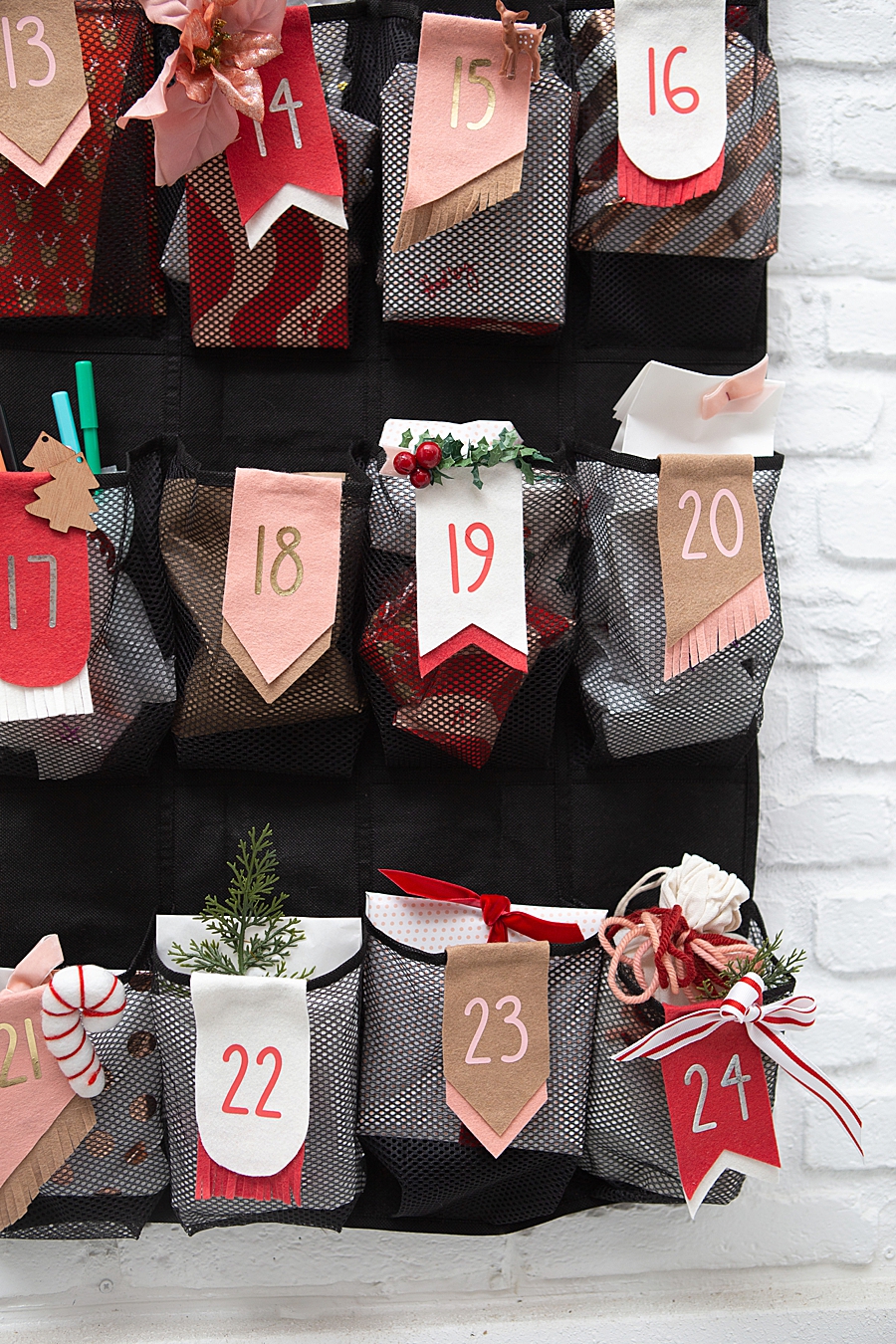
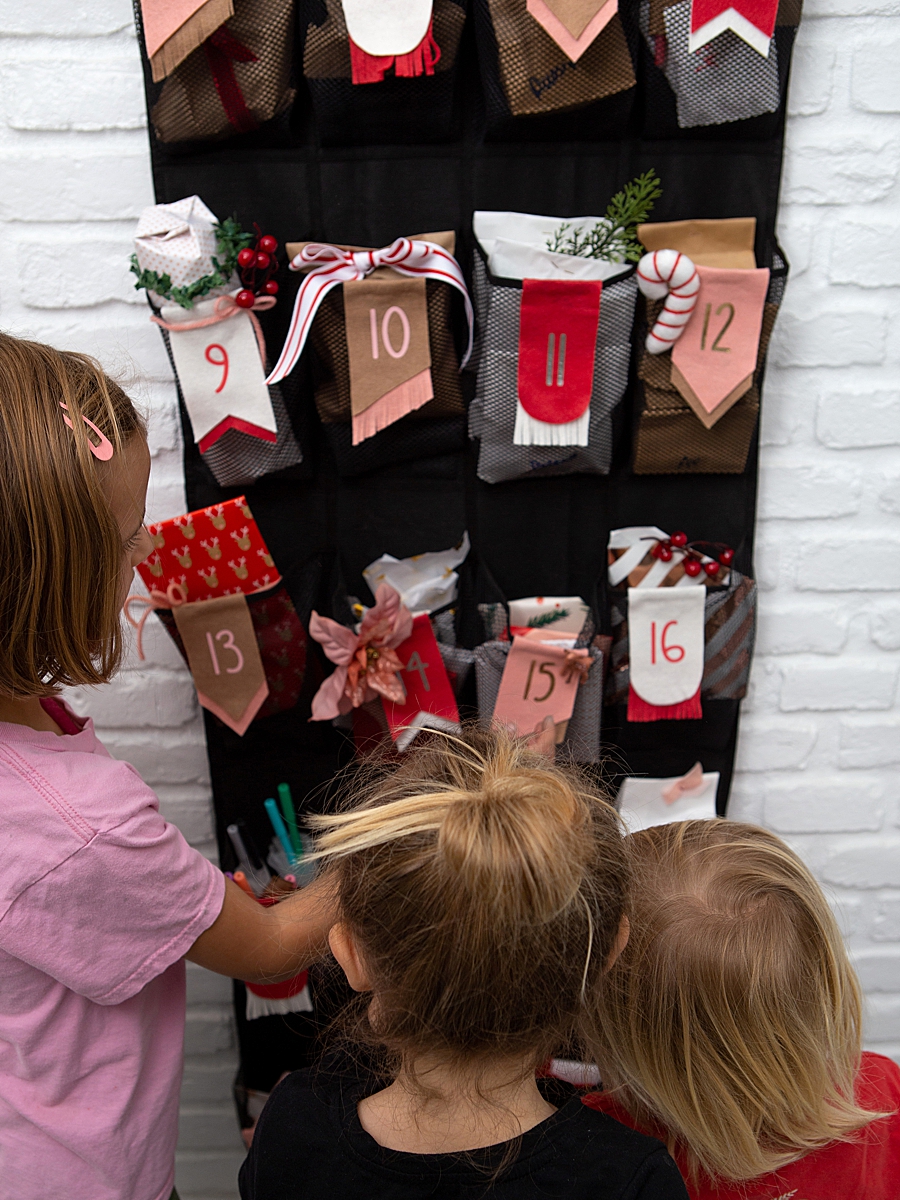
By reallocating a standard budget—such as the $160 typically spent on four retail calendars—parents can curate a diverse inventory of 96 or more individual items. This approach allows for a "blended" gifting strategy that includes high-value items, functional school supplies, and small treats, ensuring that the daily reveal remains unpredictable. Furthermore, the DIY model facilitates the inclusion of the entire family, including parents and infants, which is rarely possible with age-restricted retail sets.
Technical Specifications and Construction Methodology
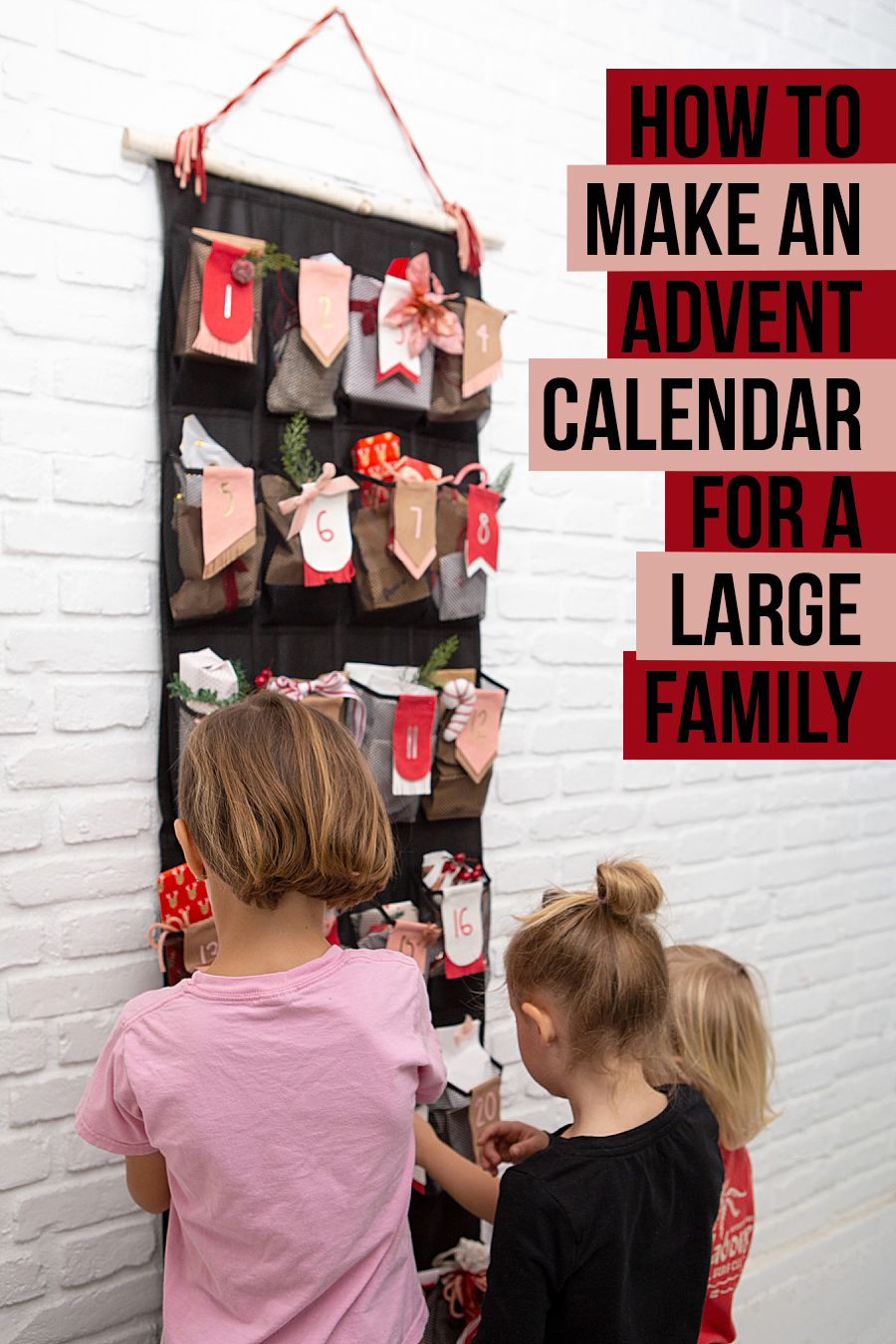
The construction of a large-scale family advent calendar requires a focus on structural integrity, as the weight of 24 days’ worth of gifts for multiple recipients can be substantial. The "Shoe Organizer Method" has gained traction as the most viable solution for space management and visibility.
Structural Engineering and Mounting
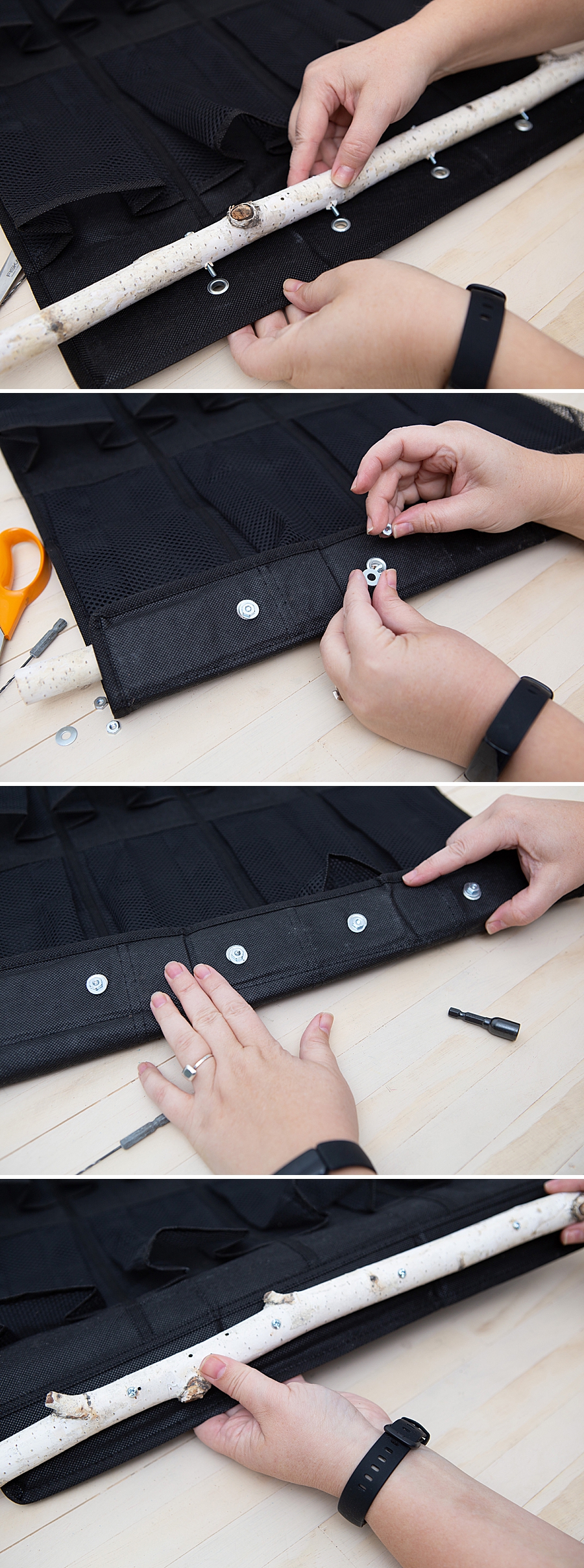
To support the weight of the gifts, the calendar is often suspended from a reinforced mounting system rather than standard door hooks. A popular technique involves the use of a natural or decorative branch, which serves as a horizontal load-bearing beam. In a recent implementation by DIY specialists, a white-finished branch was integrated with a black shoe organizer.
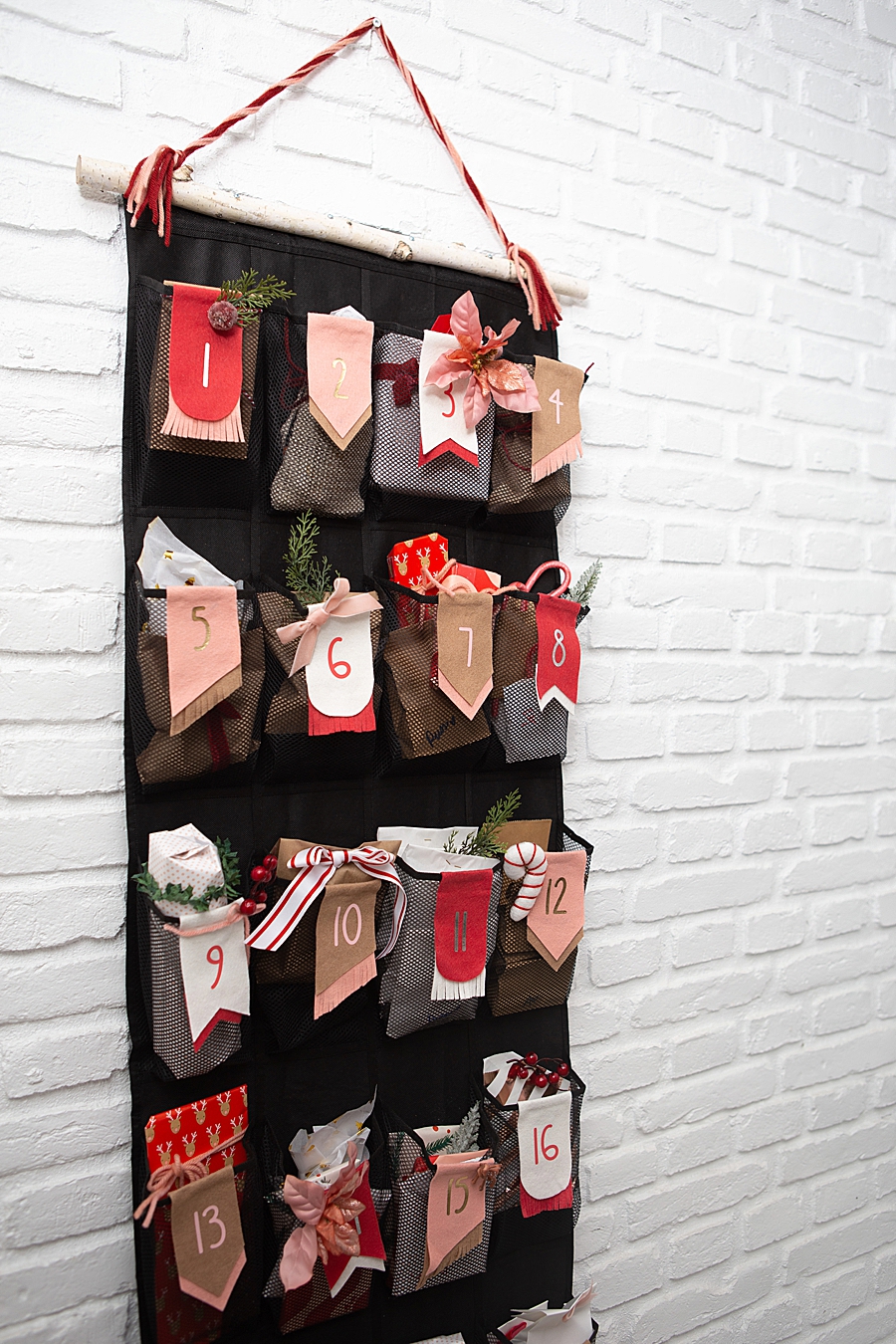
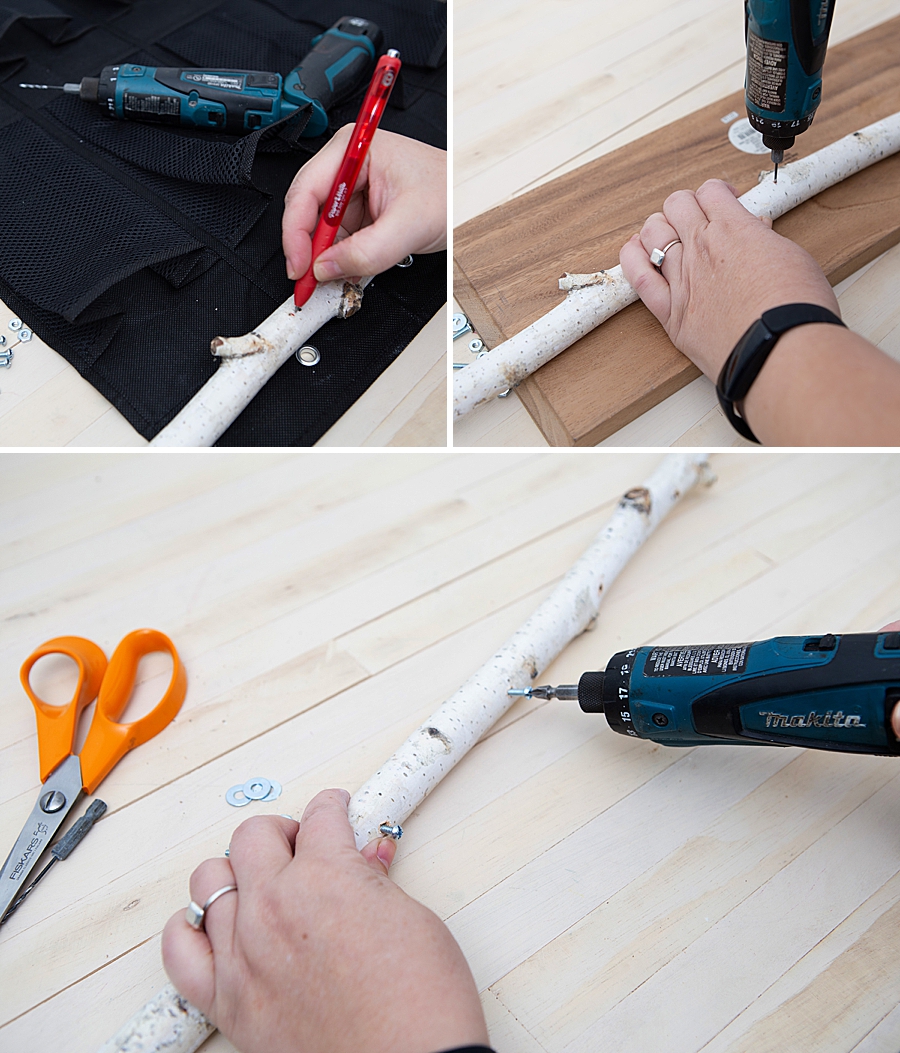
The technical process involves:
- Drilling: Precision holes are drilled through the wooden branch to align with the grommets of the shoe organizer.
- Hardware Integration: The organizer is secured to the branch using 1.25-inch bolts, washers, and nuts. This hardware configuration ensures that the tension is distributed evenly across the fabric of the organizer, preventing tearing.
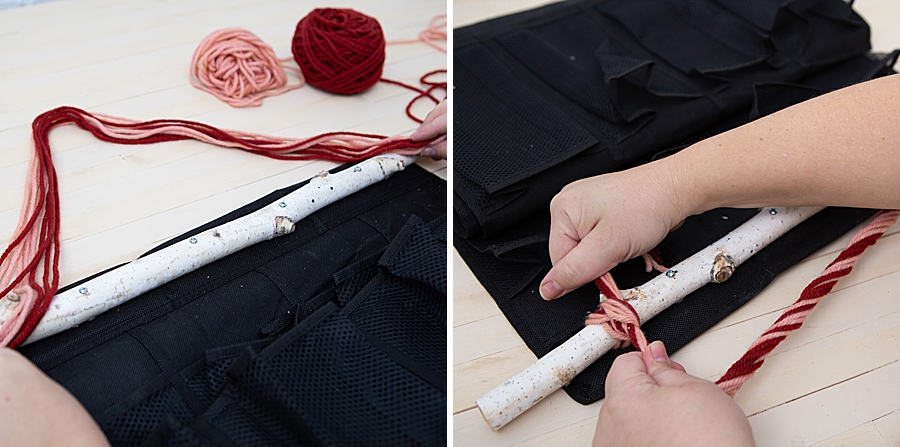
- Suspension: The entire assembly is hung using high-tensile strength yarn or cord, typically utilizing multiple strands (e.g., 12 strands of yarn) to ensure a sturdy display.
Aesthetic Customization and Identification
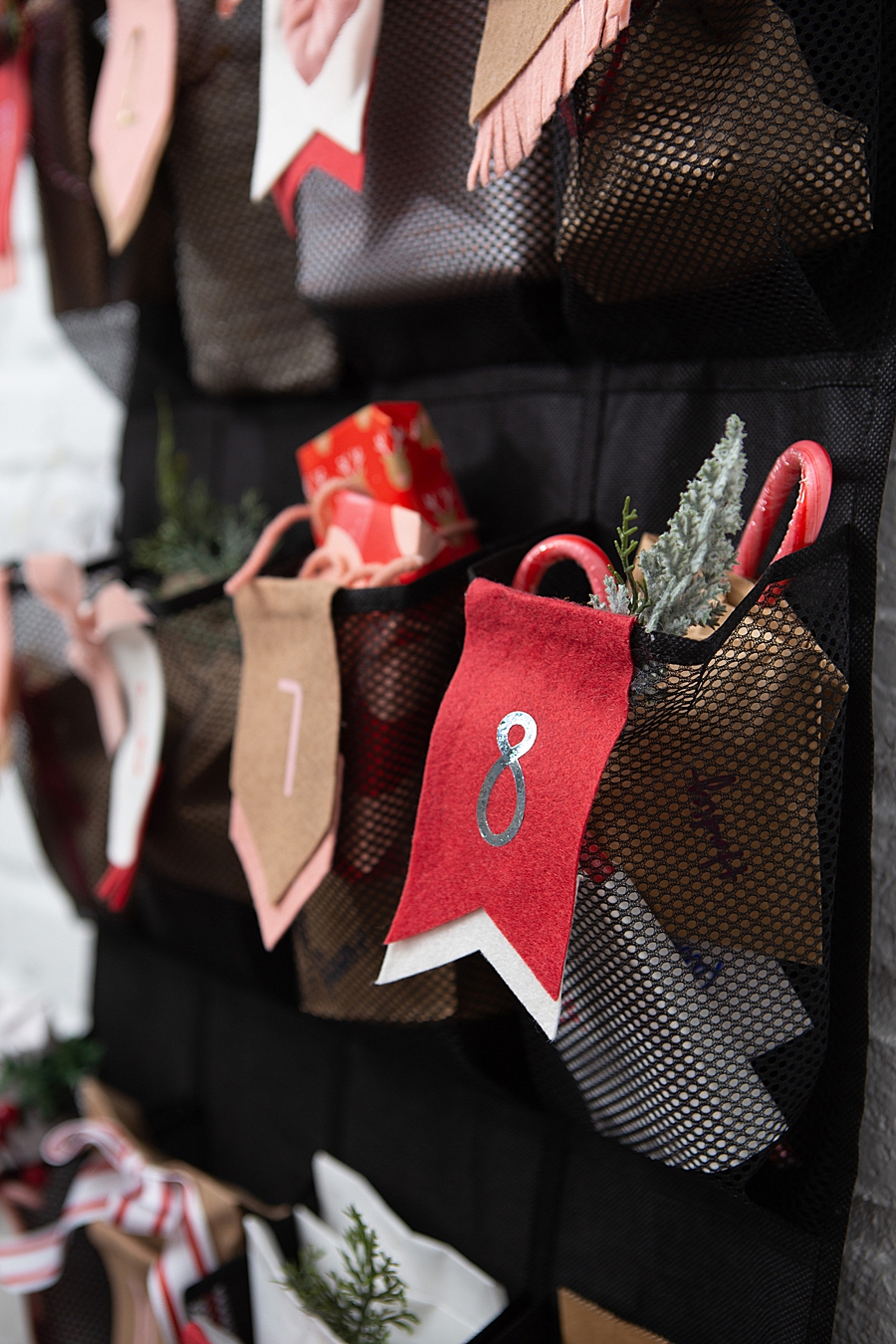
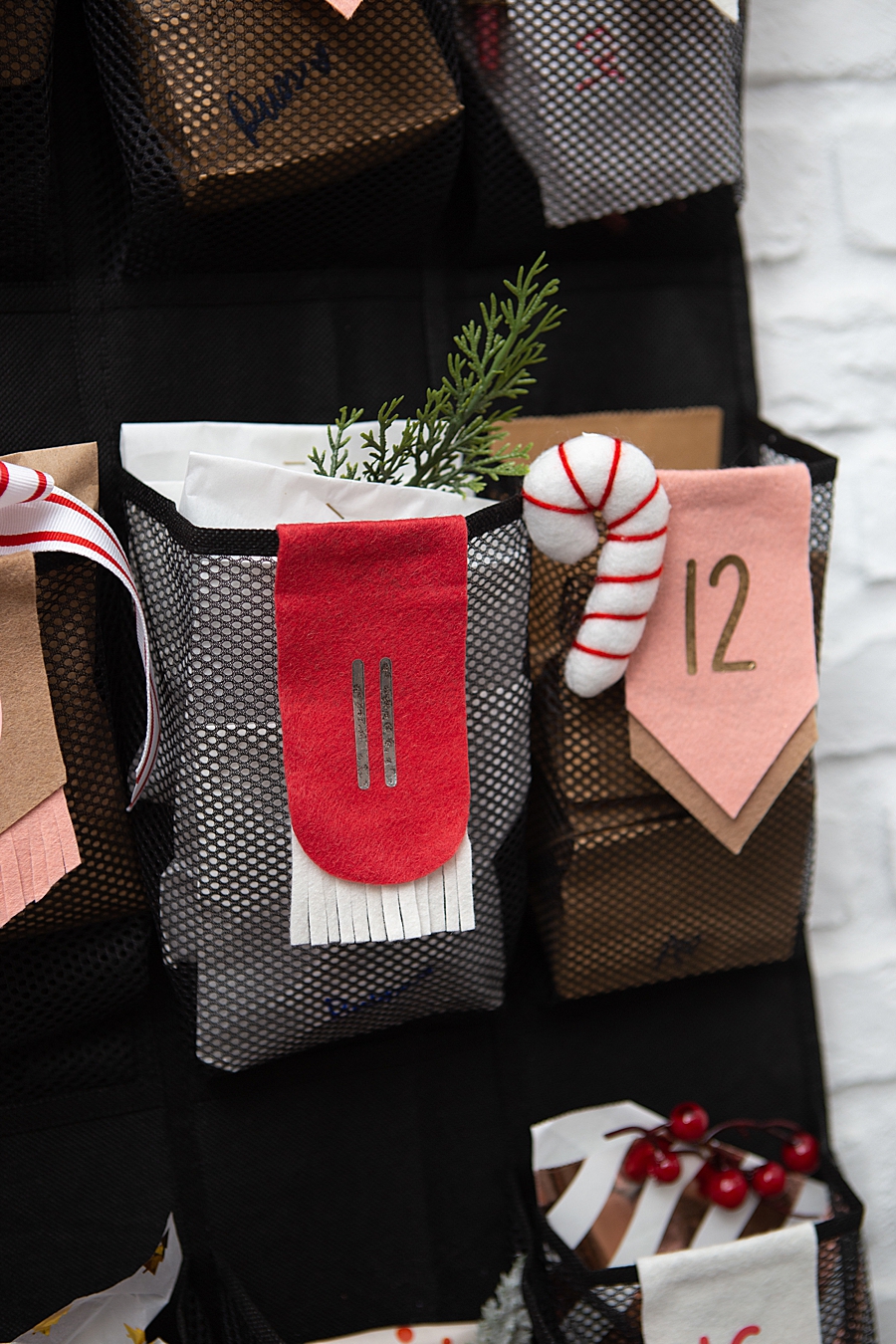
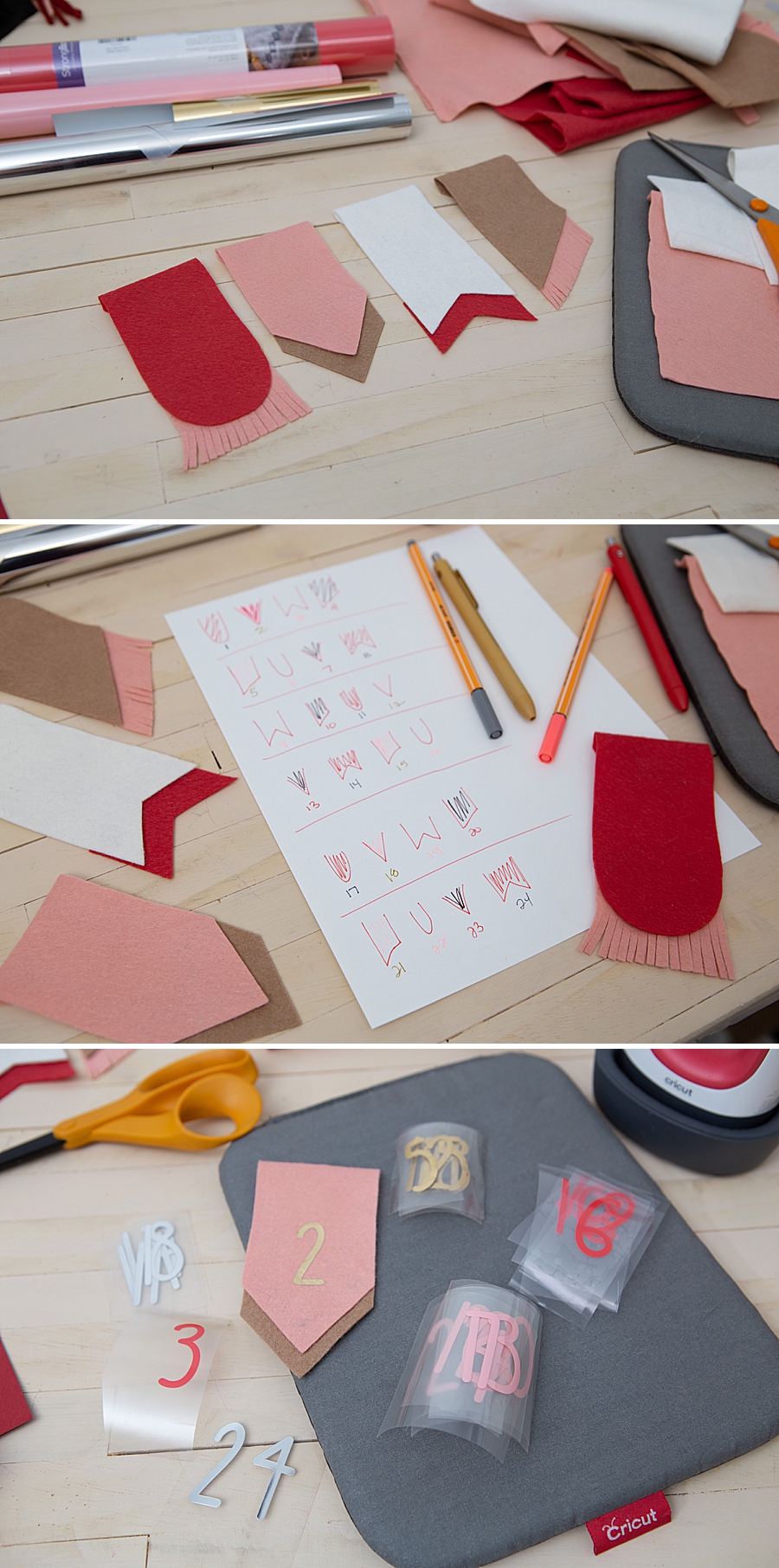
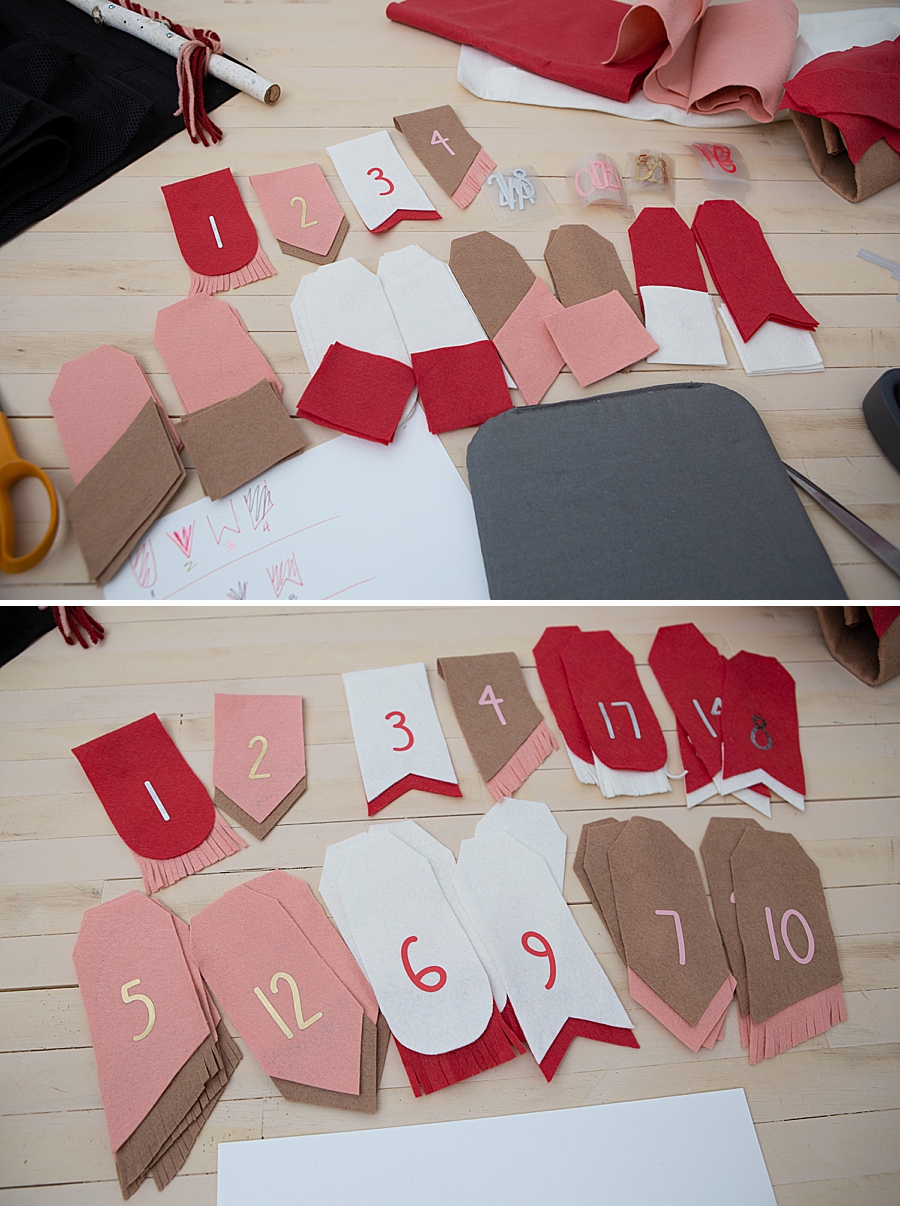
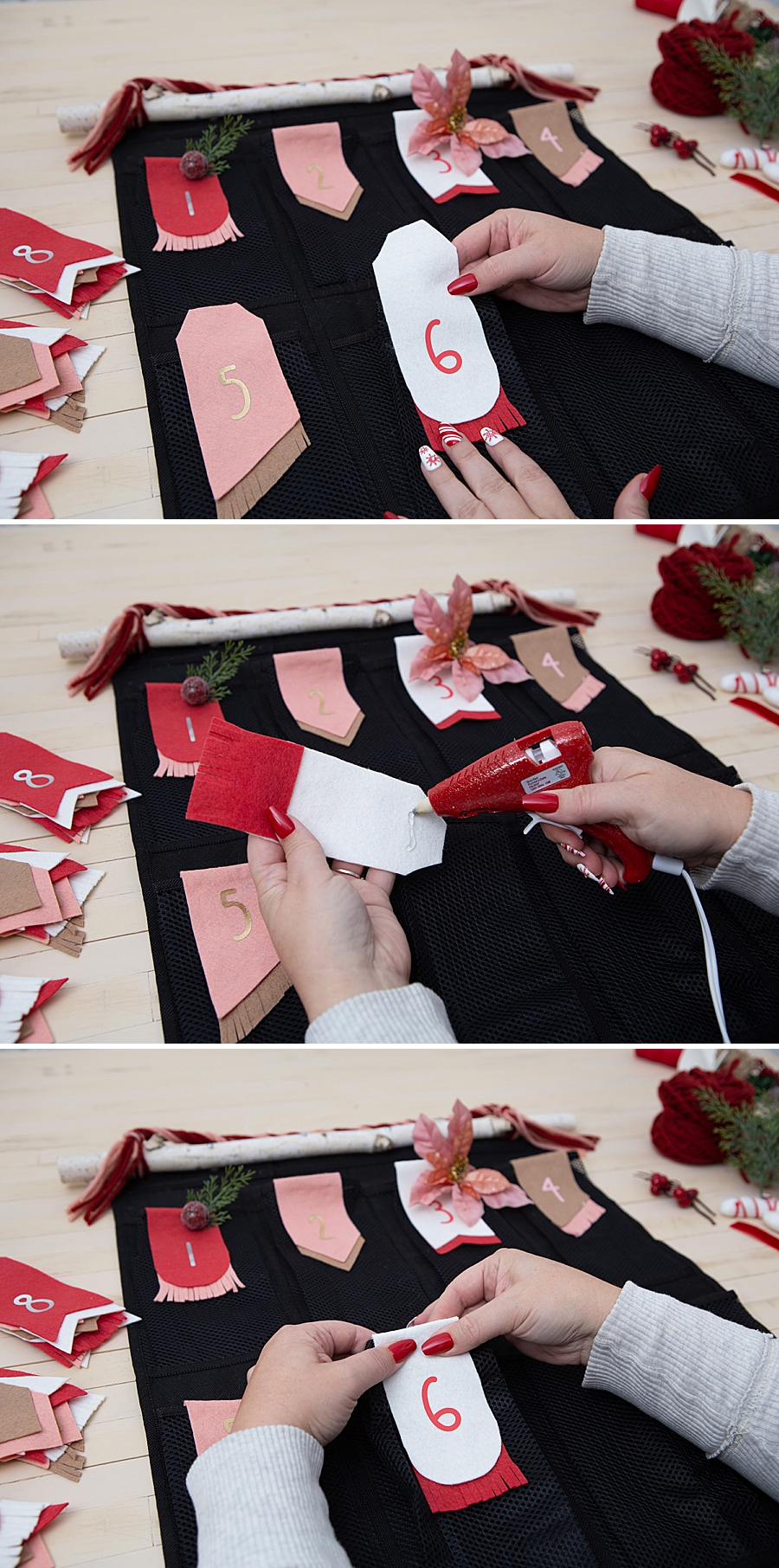
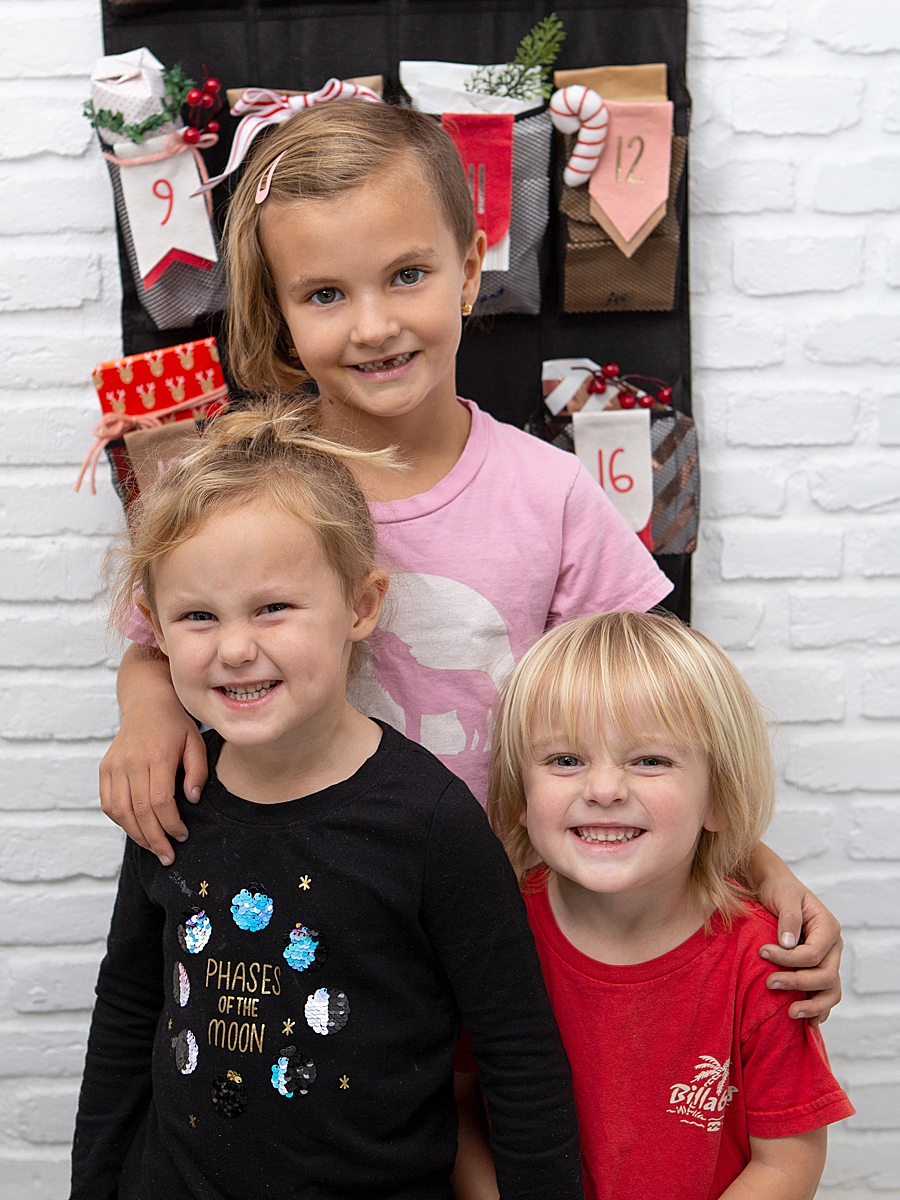
The visual component of the calendar serves both an aesthetic and organizational purpose. Using high-quality materials like Benzie Felt (in palettes such as Red, Blush, White, and Castle) and Cricut Iron-on foils (Gold and Silver), creators can produce numbered tags for each of the 24 days. The use of varied colors and textures helps differentiate the days and adds to the festive decor of the home. Hot glue is the preferred adhesive for attaching these felt tags to the pockets of the shoe organizer, providing a bond strong enough for daily use by children while allowing for minor repairs in subsequent years.

Strategic Inventory Curating: A Two-Month Procurement Timeline
One of the most significant challenges of the DIY advent calendar is the procurement of nearly 100 unique items. Successful implementation typically requires a two-month "collecting phase" to ensure a diverse and cost-effective inventory.
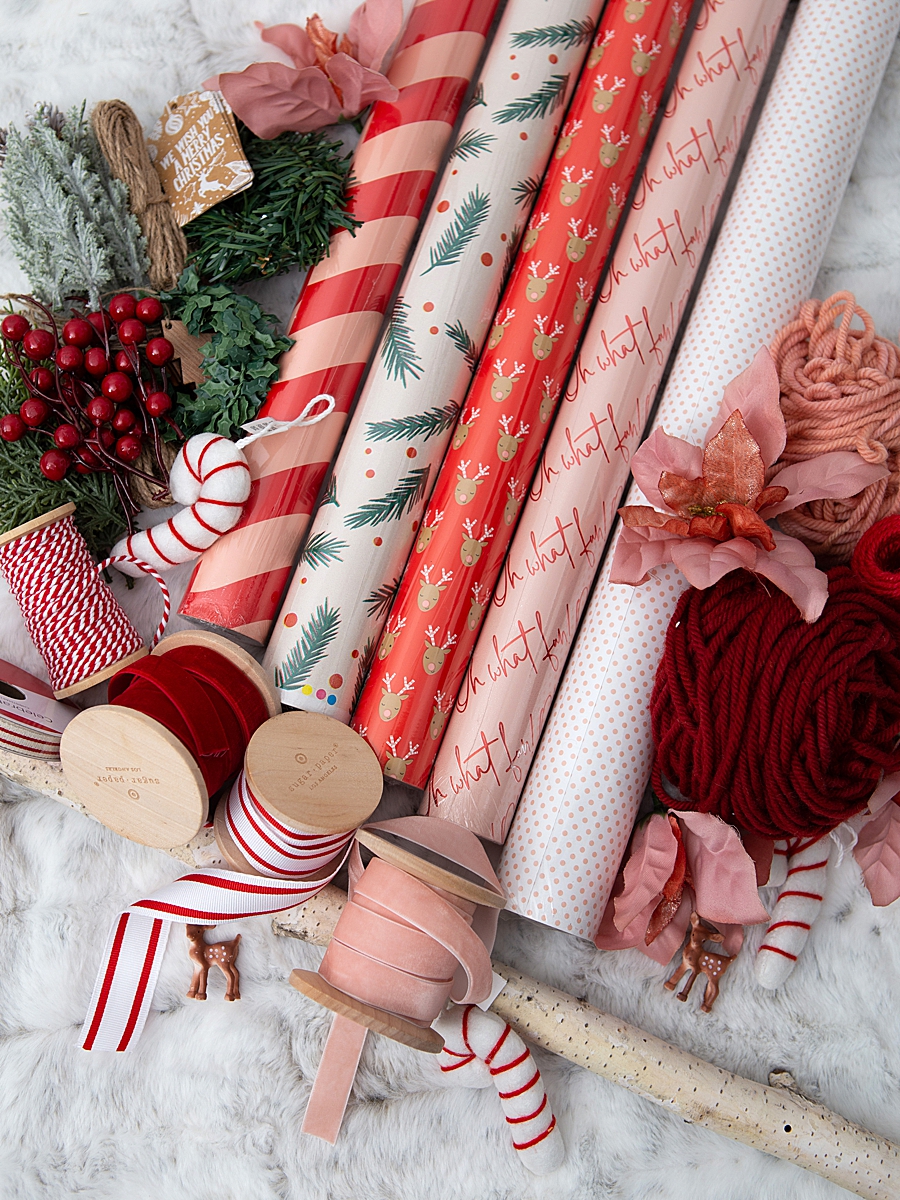
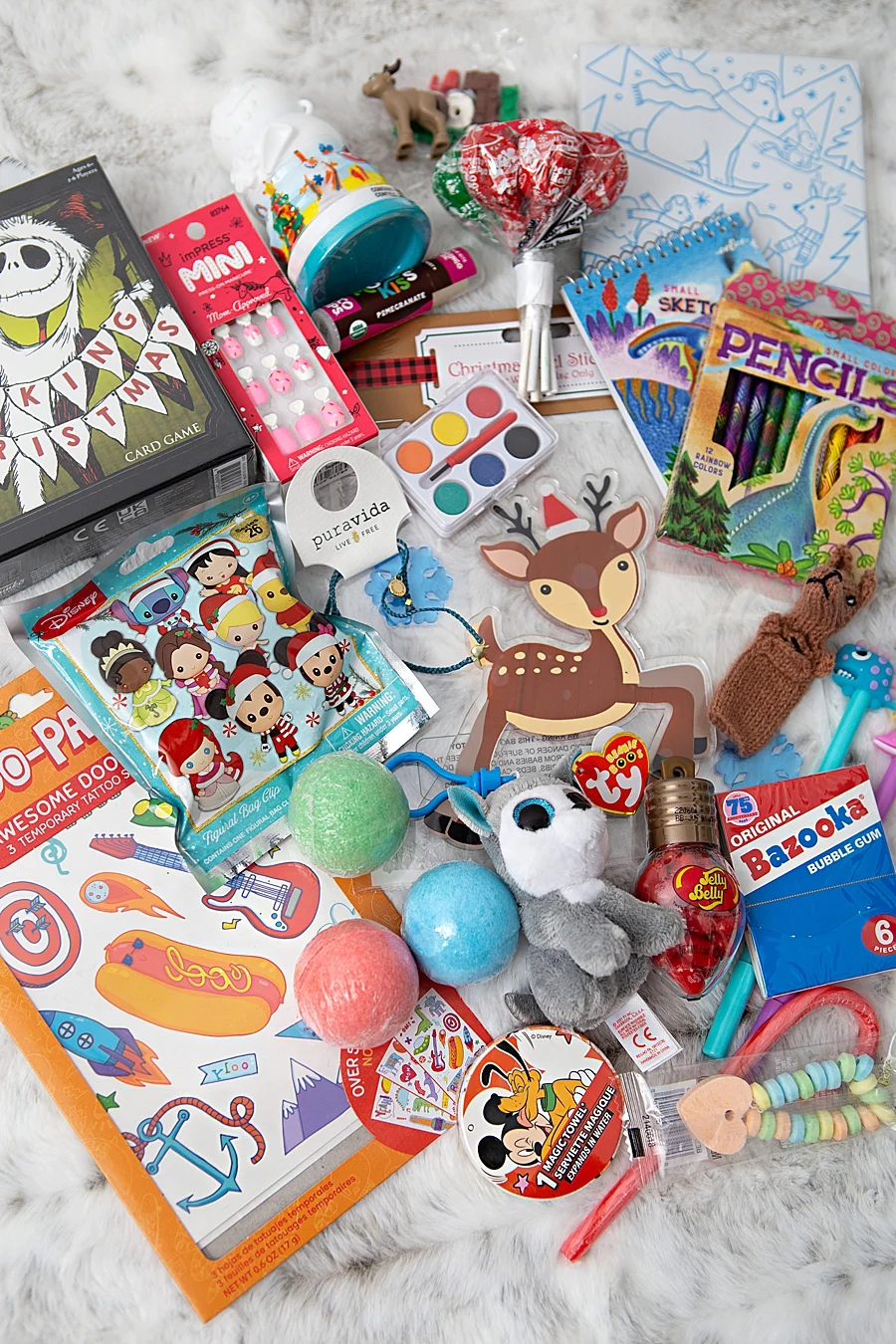
The gift selection for a modern large-family calendar often includes:
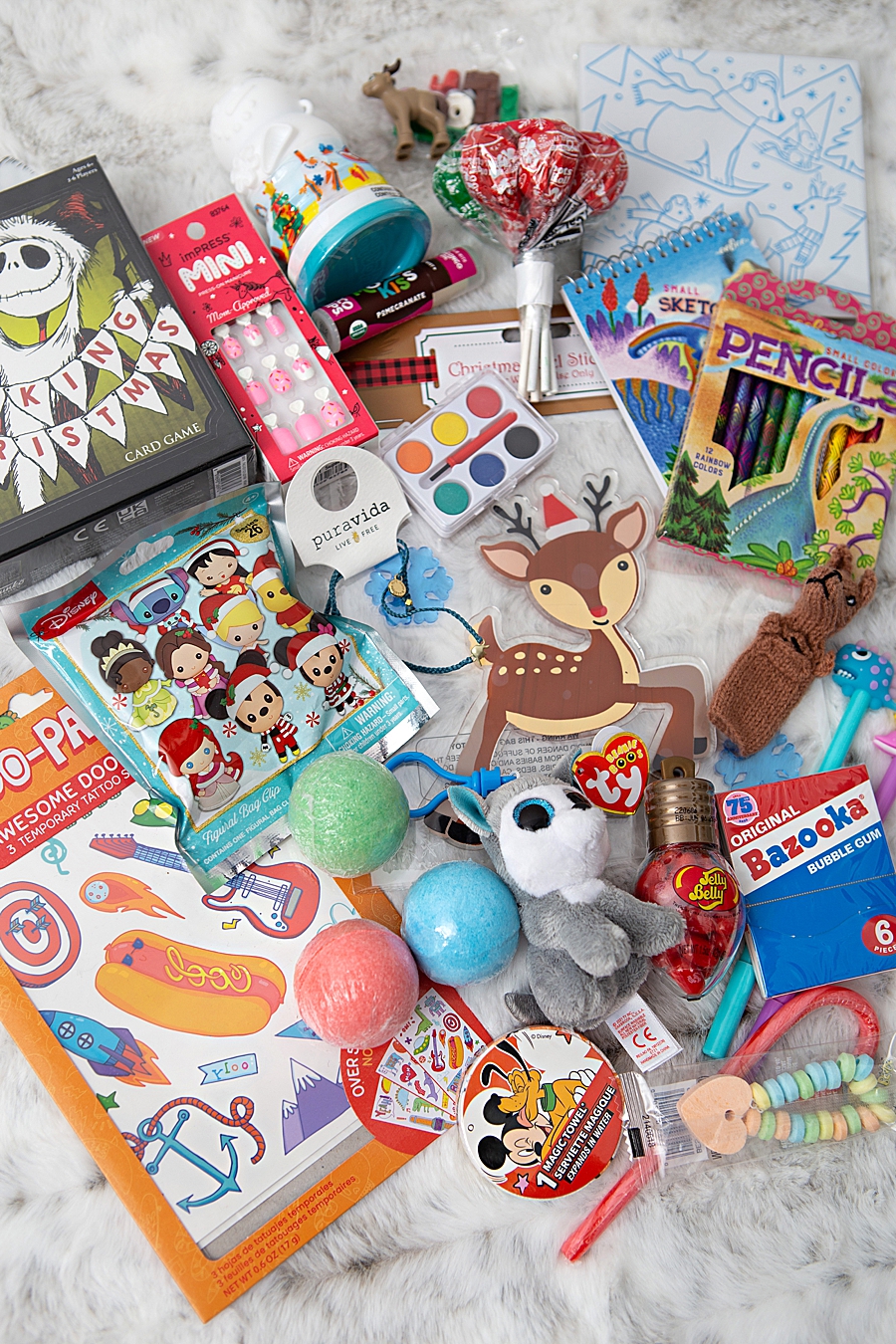
- Personal Accessories: Pura Vida bracelets, chapsticks, and press-on nails (such as KISS imPress).
- Creative Supplies: Mini watercolor sets, colored pencils, notebooks, and "paper scratchers."
- Interactive Toys: Finger puppets, mini stuffies, dinosaurs, and Matchbox cars.
- Sensory Items: Bath bombs, play dough, and "magic towels" that expand in water.
- Confectioneries: High-quality candies, gum, and seasonal treats.
For families with infants (e.g., 14 months and younger), the inventory is modified to exclude small parts, ensuring safety while maintaining the child’s inclusion in the family tradition.
Logistical Management: The "Mom Trick" for Sequential Integrity
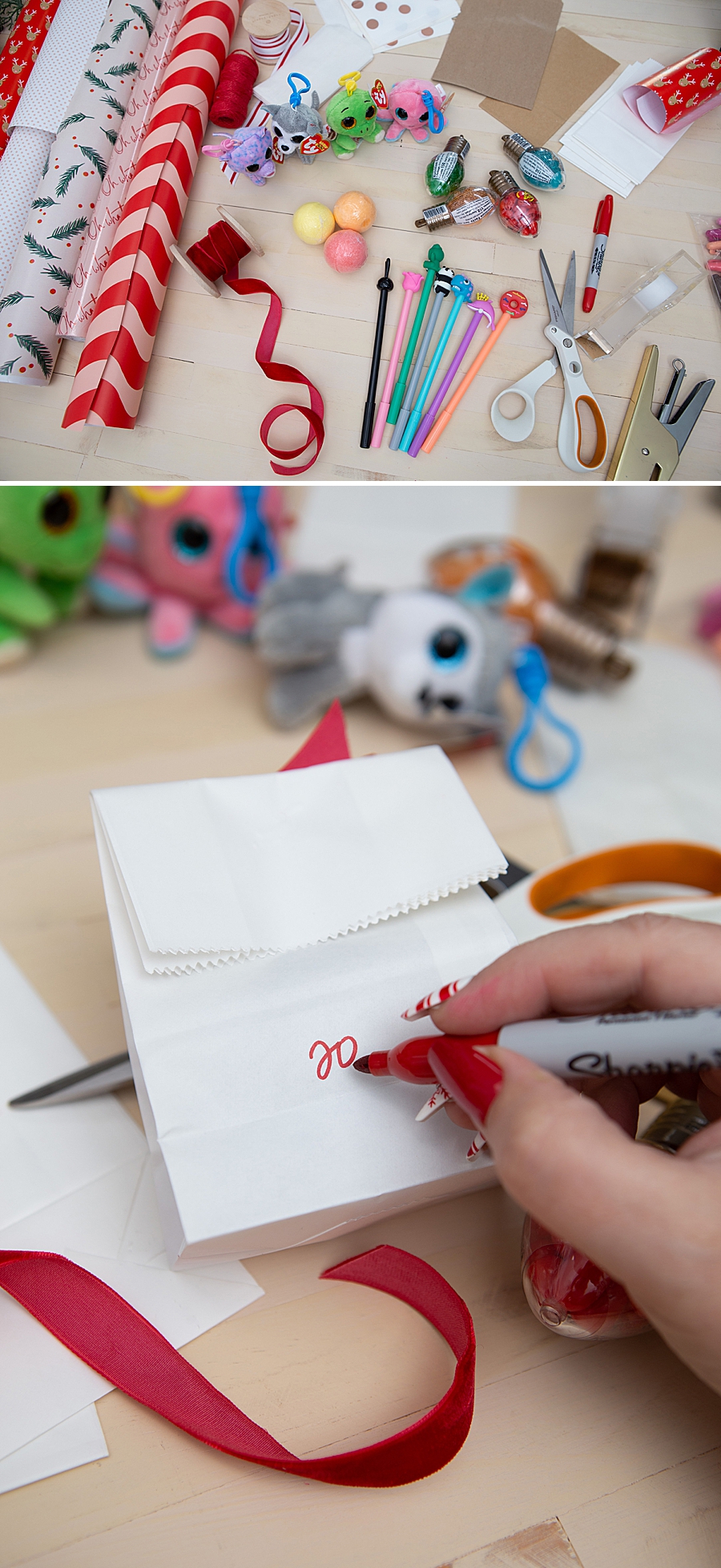
A common issue in multi-child households is the premature opening of gifts or the displacement of items by younger children. To mitigate this, experienced parents utilize a sequential numbering system on the gifts themselves. By writing the specific date of opening on the wrapping of each gift before placing it in the corresponding pocket, parents can ensure that even if a toddler removes an item, it can be returned to its correct chronological position.
The wrapping process itself is a significant labor investment. Utilizing varied wrapping papers (such as those from Target’s Sugar Paper line) and small embellishments from craft retailers like Michaels, each gift is treated as an individual surprise. This high-effort presentation reinforces the "experience" value of the calendar, distinguishing it from the mass-produced feel of retail alternatives.
Market Trends and Comparative Analysis
The DIY advent calendar movement reflects a broader consumer trend toward "intentional gifting." According to retail analysts, there is a growing segment of the population that rejects the "plastic-heavy" nature of traditional toy calendars in favor of items that have longer utility or provide family bonding opportunities.
| Feature | Retail Toy Calendar | DIY Shoe Organizer Calendar |
|---|---|---|
| Cost (per child) | ~$40.00 | ~$37.50 (estimated) |
| Variety | Low (Single Brand) | High (Multi-category) |
| Sustainability | Low (Disposable Packaging) | High (Reusable Organizer) |
| Age Range | Narrow (e.g., 6+) | Wide (Infant to Adult) |
| Time Investment | Zero | High (10-15 Hours) |
While the time investment for a DIY calendar is substantial—estimated at 10 to 15 hours for planning, shopping, crafting, and wrapping—the cost-per-gift remains comparable to retail, while the perceived value and engagement levels are significantly higher.
Expert Perspectives on Family Traditions
Child development experts suggest that the ritualistic nature of advent calendars contributes to a child’s understanding of time and delayed gratification. However, the repetitive nature of some retail calendars can lead to "habituation," where the child loses interest in the reward. A customized calendar breaks this cycle by introducing "variable ratio reinforcement"—the child never knows whether the next day will hold a toy, a treat, or a family activity.
Furthermore, the "Labor of Love" aspect mentioned by DIY practitioners highlights the emotional labor that goes into holiday preparations. For many parents, the act of assembling the calendar is a creative outlet that serves as a counter-narrative to the stress of holiday consumption.
Broader Implications for Holiday Sustainability
The environmental impact of the holiday season is a recurring concern for modern consumers. Traditional advent calendars generate a significant amount of waste, including plastic inserts and non-recyclable coated cardboard. The transition to a reusable shoe organizer and felt-tag system represents a shift toward circular holiday traditions. The shoe organizer can be stored and reused for decades, and the felt tags can be refreshed or repaired as needed. This "heirloom" approach to a temporary holiday fixture aligns with global movements toward reducing seasonal waste.
Conclusion
The evolution of the advent calendar from a simple countdown to a complex, curated family experience reflects changing parental priorities in the 21st century. By leveraging organizational tools like shoe racks and creative technologies like the Cricut, large families are reclaiming the holiday narrative from mass-market retailers. While the DIY path requires a significant investment of time and strategic planning, the result is a personalized, sustainable, and economically sound tradition that caters to the unique dynamics of the modern household. As social media platforms continue to facilitate the sharing of these "labor of love" projects, it is likely that the bespoke advent calendar will become a staple of the holiday landscape for years to come.