
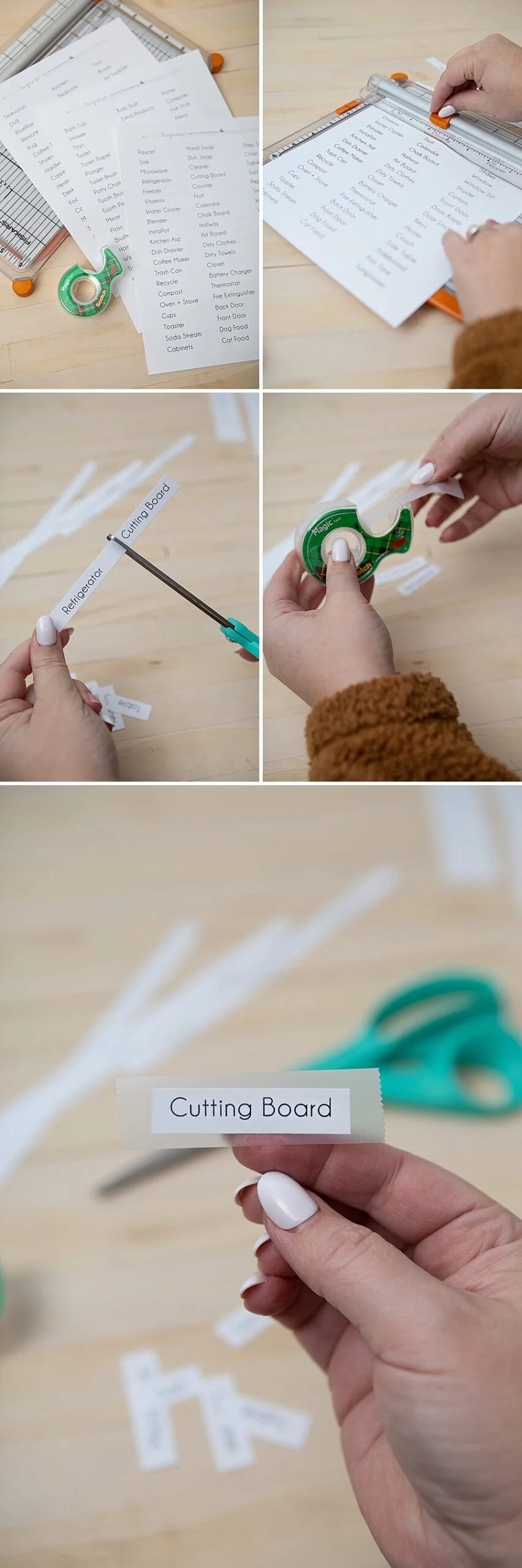
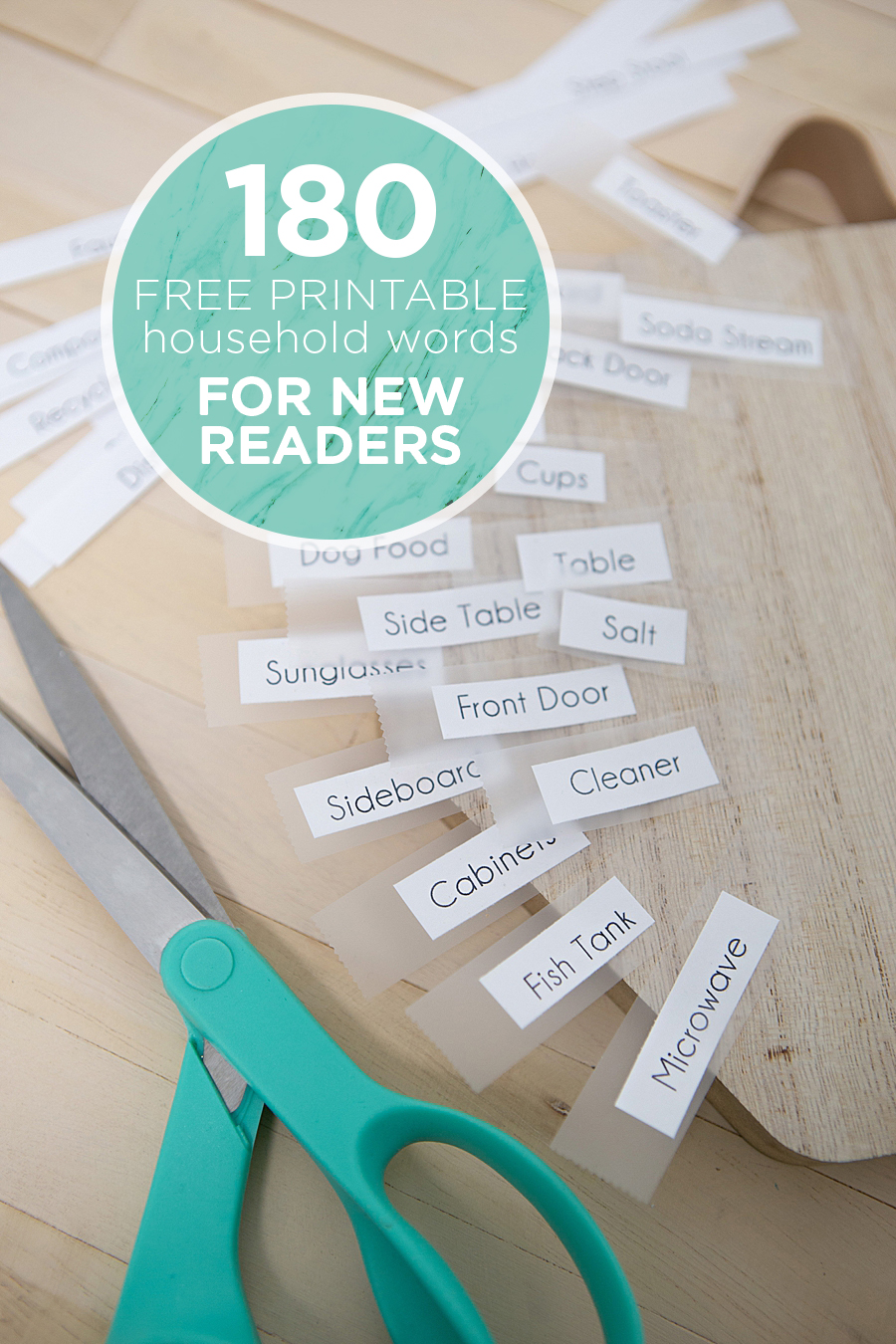
The implementation of a print-rich environment within the domestic sphere has emerged as a significant strategy for augmenting early childhood literacy, as evidenced by a recent instructional initiative developed by educational content creators. By utilizing a systematic approach to labeling common household objects, parents and educators are bridging the gap between spoken vocabulary and written recognition. This method, often recommended by reading specialists, leverages a child’s existing familiarity with their physical surroundings to introduce and reinforce "sight words"—high-frequency words that children are encouraged to recognize as a whole by sight without needing to decode them phonetically. The project involves the deployment of a 180-word comprehensive list designed to be printed, trimmed, and affixed to corresponding items throughout the home, transforming a living space into a functional classroom.
The Pedagogical Foundation of Environmental Print
The concept of "environmental print" is a cornerstone of early childhood education. It refers to the print of everyday life—the symbols, signs, numbers, and colors found on commercial packaging, street signs, and household items. Educational researchers posit that for many children, environmental print is their first exposure to the realization that written marks carry specific meanings. By labeling a "refrigerator," "door," or "lamp," parents are providing a scaffold for the child to transition from recognizing an object to recognizing its linguistic representation.
According to data from the National Center for Education Statistics (NCES), children who are exposed to a variety of reading materials and linguistic stimuli at home frequently demonstrate higher proficiency levels in formal schooling. The labeling project aligns with the "Whole Language" theory of literacy, which suggests that learning to read is a natural process aided by immersion in a language-rich environment. While modern curricula often favor a balanced literacy approach—combining phonics with whole-word recognition—the use of household labels serves as a powerful supplementary tool that reinforces word-object association through constant, passive exposure.
Chronology of Implementation: From Design to Integration
The development of the 180-word labeling system followed a structured timeline, beginning with a consultation phase and ending with a four-day residential integration. The process highlights the necessity of intentionality in educational DIY projects.
Phase One: Specialist Consultation and Conceptualization
The project was initiated following professional advice from a reading teacher, who emphasized that children often possess a robust oral vocabulary but lack the visual anchors necessary for reading. The primary objective was to create a "visual map" of the home. This phase involved identifying nearly 200 common items that exist in a typical household, ranging from furniture and appliances to specific kitchen utensils and architectural features.
Phase Two: Typographical Selection and Design
A critical technical hurdle identified during the development phase was font selection. Standard serif fonts or stylized "handwritten" scripts often include complex letterforms—specifically the double-story lowercase "a" and "g"—which can confuse novice readers. To mitigate this, the project utilized the "Champagne & Limousines" font, a clean, sans-serif typeface. This choice was deliberate, as it mirrors the manuscript printing taught in primary schools, ensuring that the visual input the child receives at home is consistent with their formal education.
Phase Three: Physical Production and Distribution
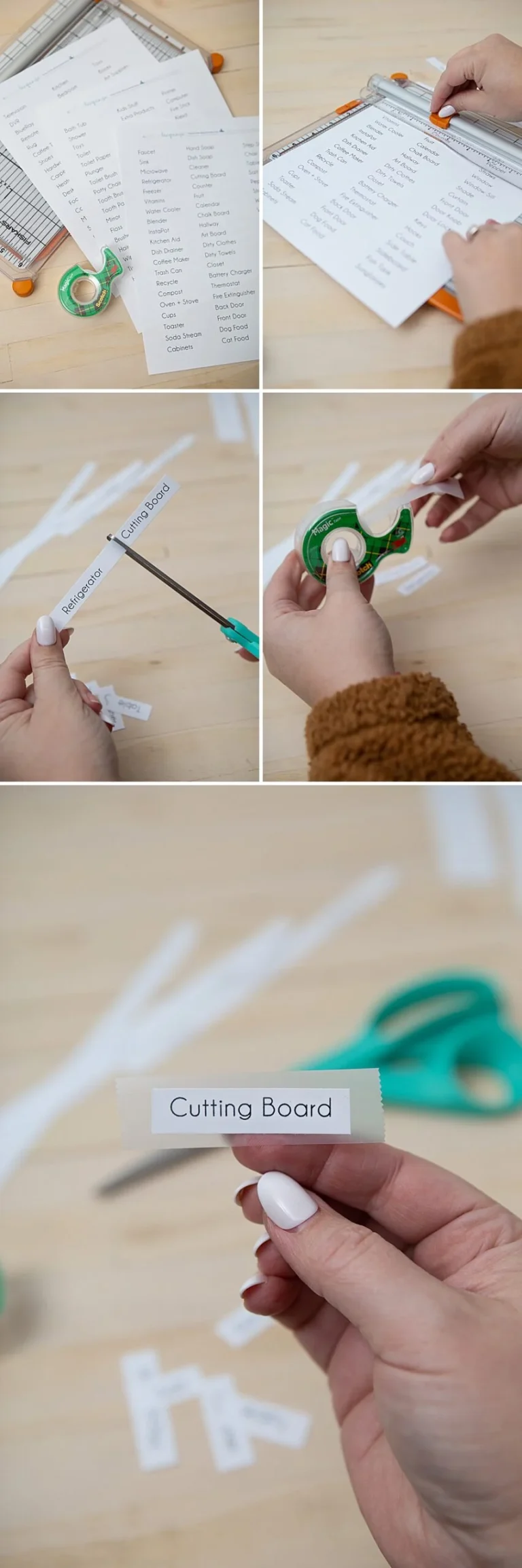
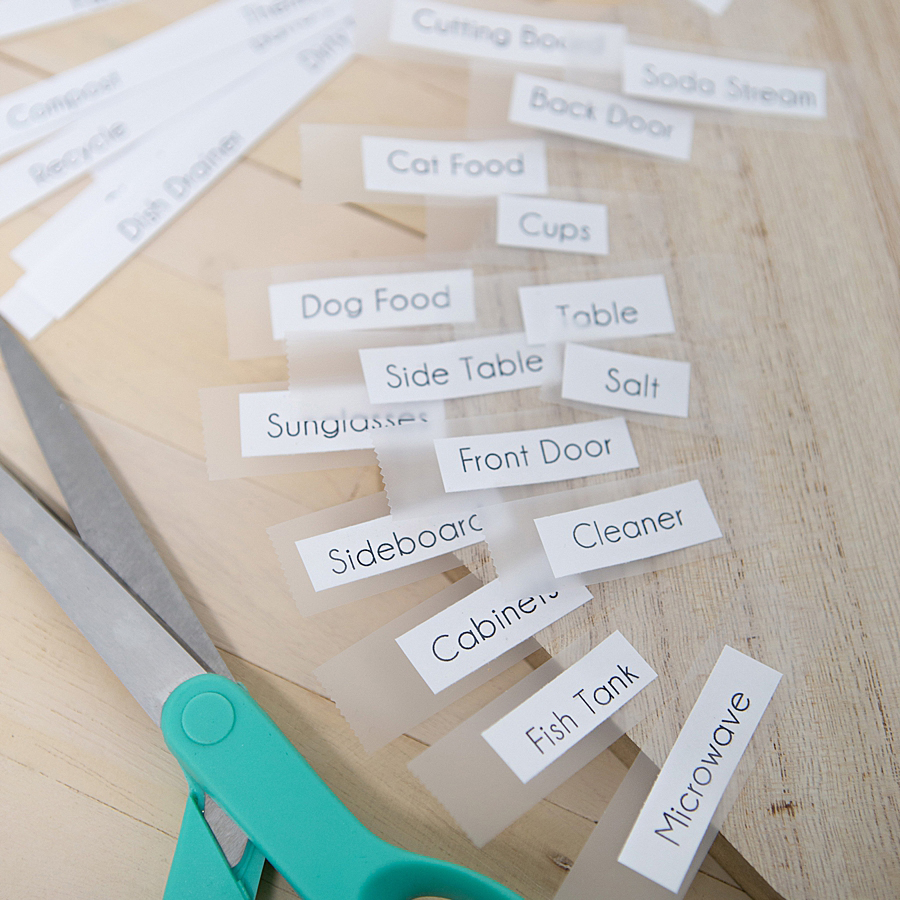
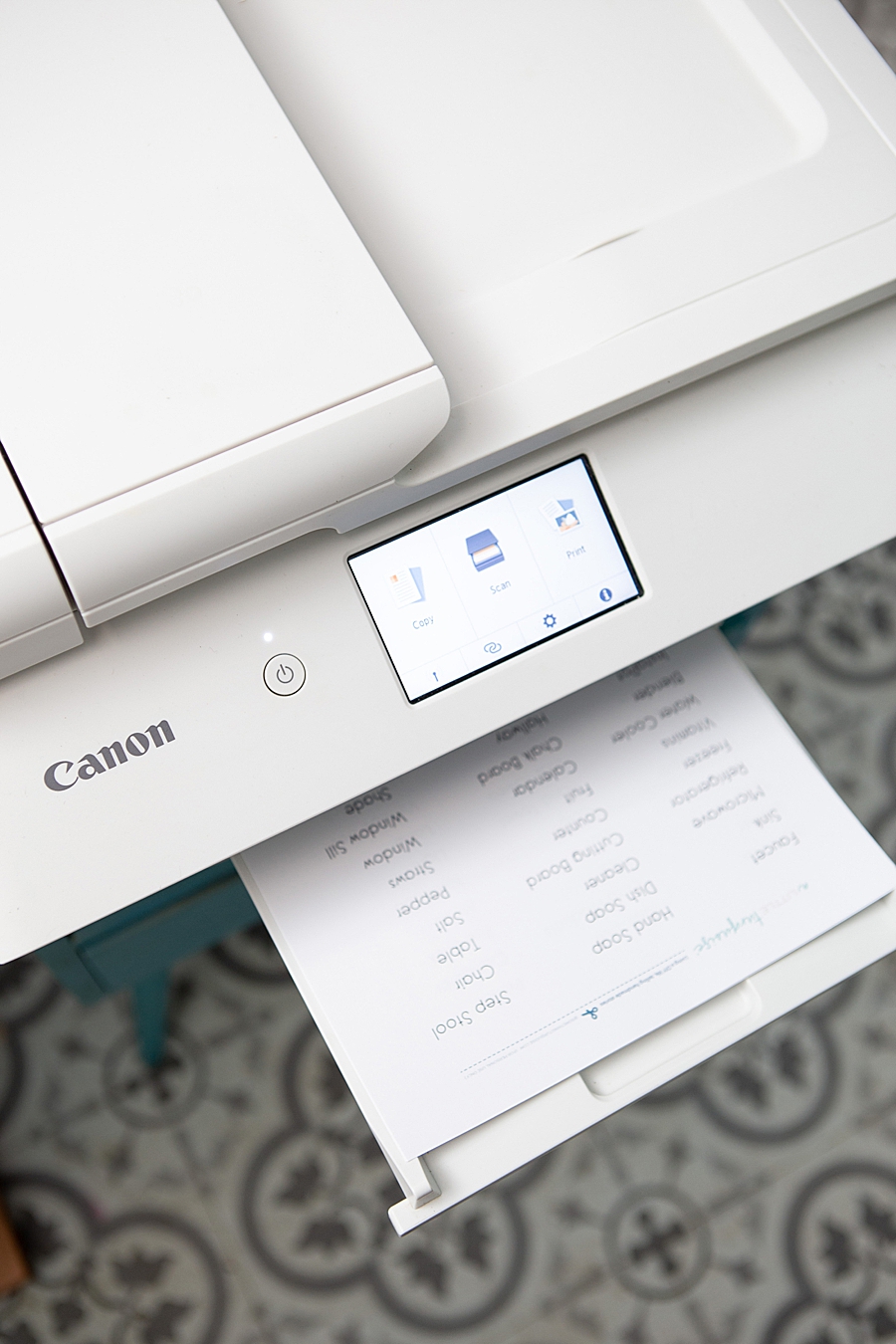
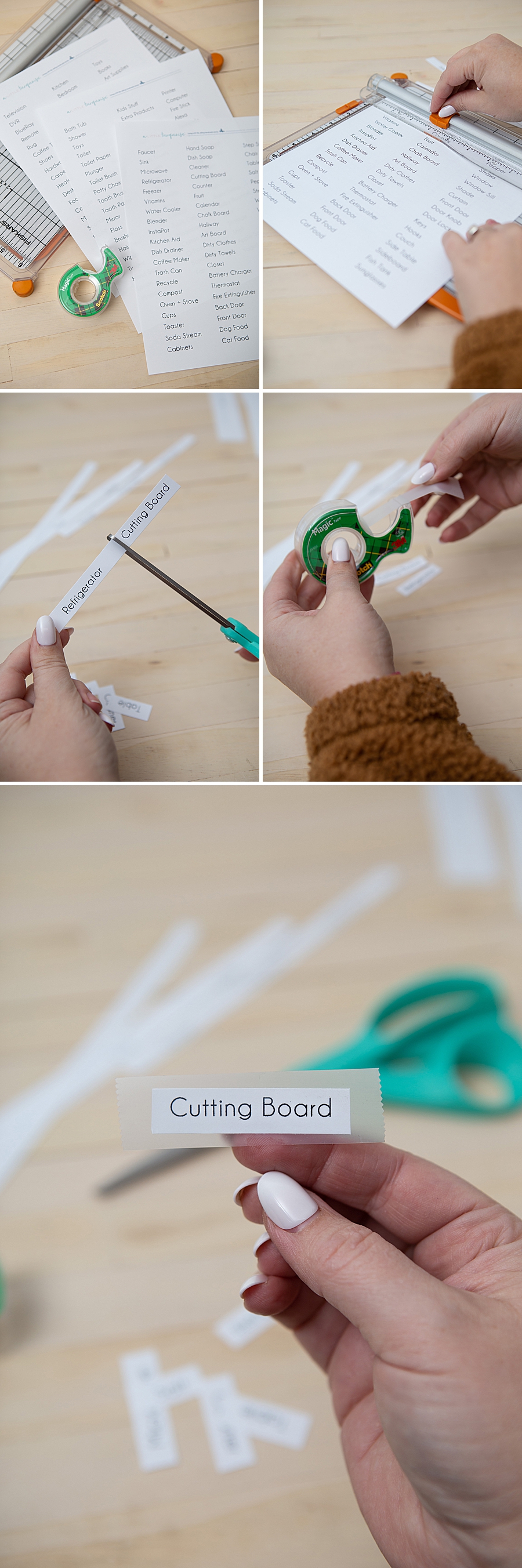
The production phase involved the creation of a three-page printable document containing 180 distinct words. The methodology was kept intentionally accessible: printing on standard paper, manual trimming, and the use of adhesive tape. This "low-tech" approach ensures that the strategy is scalable and accessible to households regardless of their access to specialized labeling equipment.
Phase Four: Residential Integration
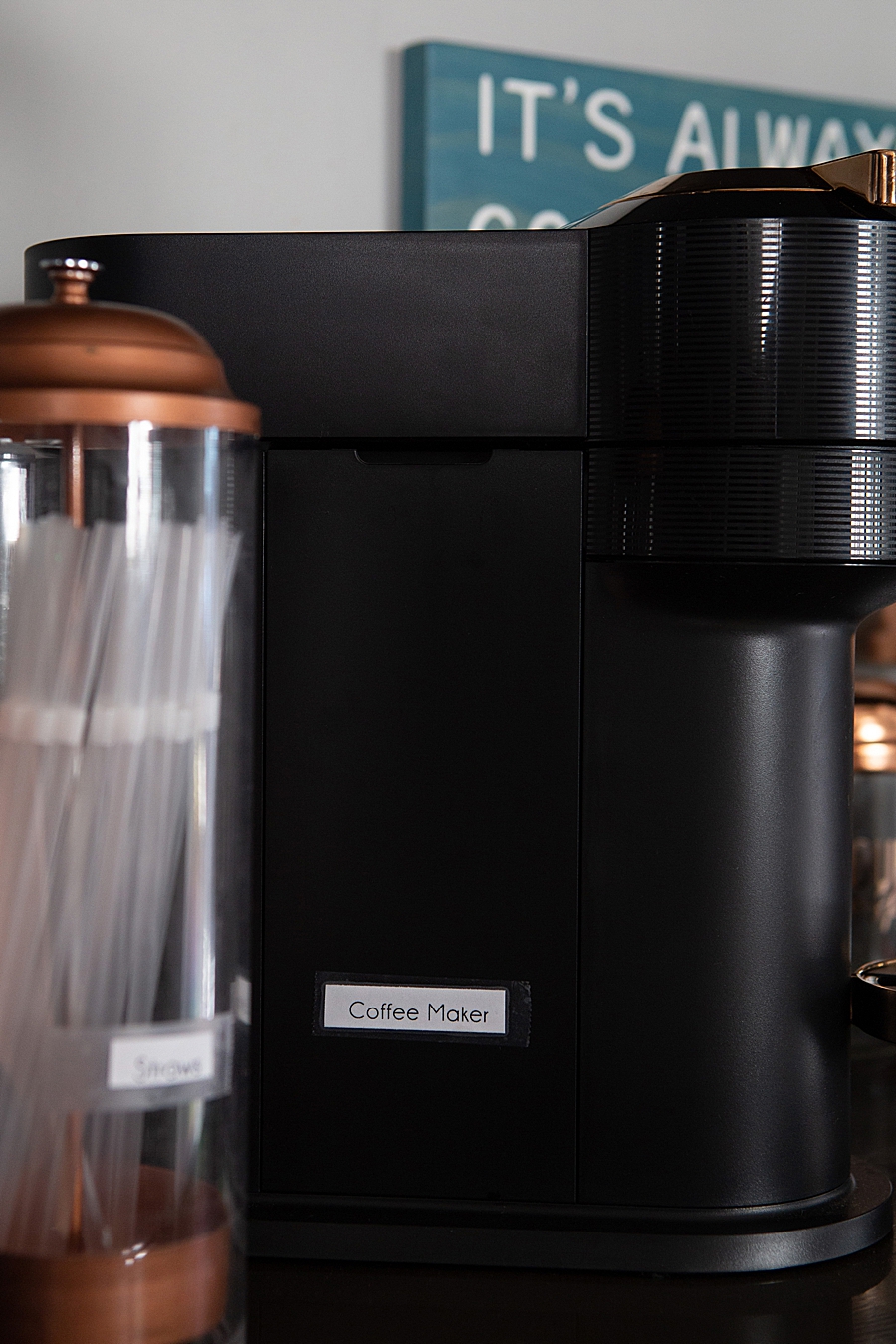
The final phase took place over a period of four days. Rather than a top-down installation by adults, the process was treated as an interactive activity involving the children. This participation is vital for "buy-in," as children are more likely to engage with labels they helped place. The four-day window allowed for a gradual saturation of the environment, preventing sensory overload while maintaining a sense of novelty and discovery.
Technical Specifications and Resource Allocation
The resource kit provided for this literacy initiative is optimized for utility over aesthetics. While many home organization projects prioritize a cohesive "look," this project explicitly rejects decorative elements in favor of high-contrast, legible text.
- Word Count: 180 unique household terms.
- Format: 3-page PDF printable on standard 8.5" x 11" paper.
- Typography: Champagne & Limousines (Sans-serif).
- Required Materials: Printer, paper, scissors, and transparent tape.
- Target Demographic: "New readers" (typically ages 3 to 7).
The inclusion of items that may not be present in every home—such as "fireplace" or "pantry"—allows for customization. Users are encouraged to skip irrelevant terms, ensuring the environment remains accurate to the child’s lived experience.
Analysis of Cognitive Impact and User Feedback
The effectiveness of this system lies in the frequency of "micro-learning" sessions. Every time a child reaches for a "handle" or sits on a "chair," they are presented with a linguistic cue. Over time, this reduces the cognitive load required for word recognition. Instead of struggling to sound out the word "refrigerator," the child develops an instantaneous recognition of the word’s shape and length.
Preliminary reactions from users who have implemented the system indicate a high level of engagement. Anecdotal evidence suggests that guests and visitors often react with curiosity, highlighting the unconventional nature of the project. However, the "functionality over form" philosophy has been cited as a primary reason for the project’s success. By removing the pressure of "cuteness" or home decor standards, parents are able to focus entirely on the educational outcome.
Furthermore, the social media response—specifically via platforms like Instagram—has shown a growing trend toward "functional parenting" DIYs. These are projects that prioritize developmental milestones over social media-friendly aesthetics. The "Something Turquoise" community, where the project originated, has reported that the interactive element of placing the labels serves as a gamified introduction to reading, making the process less intimidating for the child.
Broader Implications for Early Childhood Education
The implications of such a project extend beyond individual households. In an era where digital screen time is a growing concern for developmental psychologists, the household labeling system provides a tactile, analog alternative for learning. It encourages movement, physical interaction with the environment, and face-to-face communication between parent and child.
From a socio-economic perspective, the project addresses the "literacy gap." According to the American Academy of Pediatrics, children from high-resource households are often exposed to millions more words than those from lower-resource backgrounds by age four. Providing free, easily reproducible tools like a 180-word label set empowers parents across various economic strata to enhance their child’s linguistic environment without significant financial investment.
The success of the "Print, Trim, Tape" method also suggests a potential shift in how educational resources are distributed. By moving away from expensive, proprietary "learning systems" toward open-access, DIY solutions, the barrier to entry for early literacy support is significantly lowered.
Conclusion and Future Outlook
As the project continues to gain traction, it serves as a reminder that the most effective educational tools are often the simplest. The 180-word household labeling system is not merely a home improvement project; it is a systematic intervention designed to foster a lifelong relationship with reading. While the labels may eventually be removed once the child achieves fluency, the cognitive foundations laid during their tenure are permanent.

The initiative by Jen Causey-Kidder and the Something Turquoise team demonstrates the power of intentional environmental design. By prioritizing the needs of the learner over the aesthetics of the home, they have provided a blueprint for parents to take an active, informed role in their children’s literacy journey. As educational trends continue to evolve, the integration of the "classroom" and the "home" through environmental print remains a robust, evidence-based strategy for developing the next generation of readers.