
The wedding ring, an enduring emblem of commitment and eternal love, represents far more than a simple piece of jewelry; it is a profound personal statement intended to be worn daily for a lifetime. This comprehensive guide delves into the multifaceted considerations involved in selecting this pivotal symbol, moving beyond mere aesthetics to encompass practicalities, historical context, market trends, and expert recommendations. From understanding the profound significance of the ring in daily life to navigating the intricate details of metals, styles, and fit, this resource aims to equip individuals with the knowledge necessary to make an informed choice that resonates with their lifestyle, budget, and personal narrative.
Historical Roots and Enduring Symbolism
The tradition of exchanging rings as a symbol of commitment dates back millennia, evolving through various cultures and civilizations. Ancient Egyptians are credited with originating the practice, using rings made of braided reeds or leather to symbolize eternity due due to their circular, unending shape. The circle represented a gateway to the unknown, a promise of everlasting love and an unbroken bond. The ring was traditionally worn on the fourth finger of the left hand, a belief rooted in the ancient Roman notion of the "vena amoris" or "vein of love," thought to connect directly to the heart. While scientific accuracy of this anatomical claim has long been disproven, the romantic symbolism has persisted, deeply embedding itself in Western wedding traditions.
Through the Roman Empire, the iron ring became a sign of strength and permanence in marriage, later giving way to gold as a reflection of increasing prosperity and value. During the medieval period, rings often featured intricate engravings or gemstones, each carrying specific meanings. The Renaissance saw the rise of poesy rings, inscribed with short poems or declarations of love, further personalizing the commitment. In modern times, the wedding ring continues to serve as a universal declaration of marital status and a constant reminder of vows exchanged, its design often reflecting contemporary aesthetics while retaining its ancient symbolic weight.
The Global Wedding Ring Market: Trends and Statistics
The wedding jewelry market constitutes a significant segment of the global luxury goods industry, with sustained demand reflecting its cultural importance. According to recent industry analyses, the global wedding jewelry market size was valued at approximately USD 60 billion in 2023 and is projected to grow at a compound annual growth rate (CAGR) of around 5-7% over the next decade. This growth is driven by increasing disposable incomes, evolving consumer preferences towards personalized and ethically sourced products, and the persistent cultural significance of marriage.
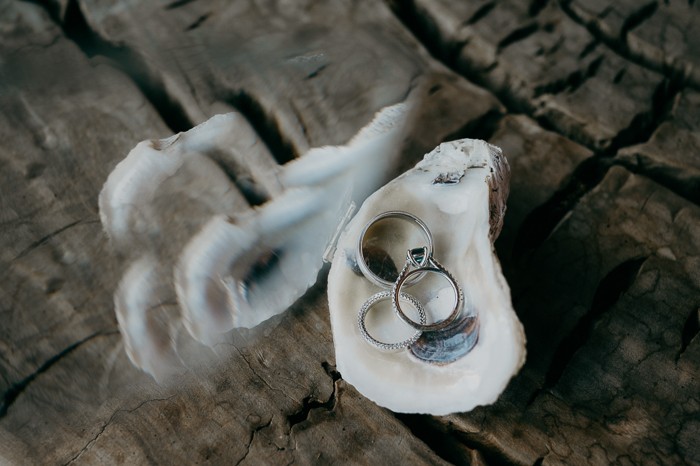
In the United States, the average expenditure on wedding rings for both partners combined typically ranges from $1,000 to $6,000, with considerable variation based on materials, design complexity, and brand. Data indicates that gold remains the most popular metal choice, accounting for over 70% of wedding band sales, followed by platinum, which commands a higher price point due to its rarity and density. The trend towards bespoke and customizable rings is also gaining traction, with a growing number of couples seeking unique designs that reflect their individual stories rather than adhering strictly to traditional templates. The market is also seeing an uptick in demand for ethically sourced diamonds and gemstones, alongside recycled metals, as environmental and social consciousness influences purchasing decisions.
Navigating the Essential Considerations: Lifestyle and Budget
Before delving into the myriad of aesthetic choices, a foundational assessment of lifestyle and budget is paramount. Unlike many wedding-related purchases designed for a single event, the wedding ring is a daily companion. Therefore, its compatibility with one’s everyday activities is crucial. Individuals with physically demanding jobs, hobbies involving manual labor, or frequent engagement in sports may find a smooth, low-profile band more practical and comfortable than designs featuring raised stones or intricate filigree prone to snagging or damage. The decision of whether the wedding band will be worn alongside an engagement ring or as a standalone piece also influences design choices, impacting width, stone placement, and overall visual balance.
Financial planning is another critical step. Wedding rings can range from a few hundred dollars for simpler bands to several thousand for intricate designs, premium metals, or significant diamond embellishments. Establishing a clear budget range, perhaps allocating a portion of the broader wedding fund, enables couples to focus their search on viable options without being swayed by rings outside their financial comfort zone. Industry experts advise setting realistic expectations, recognizing that factors such as metal type (e.g., platinum is typically pricier than gold), band width (more metal equals higher cost), the quantity and quality of stones, and custom craftsmanship all contribute to the final price. A simple gold band will inherently be more economical than a platinum eternity band set with numerous high-carat diamonds.
A Deep Dive into Precious Metals
The choice of metal is fundamental, influencing the ring’s appearance, durability, and maintenance requirements. Each metal offers distinct characteristics:
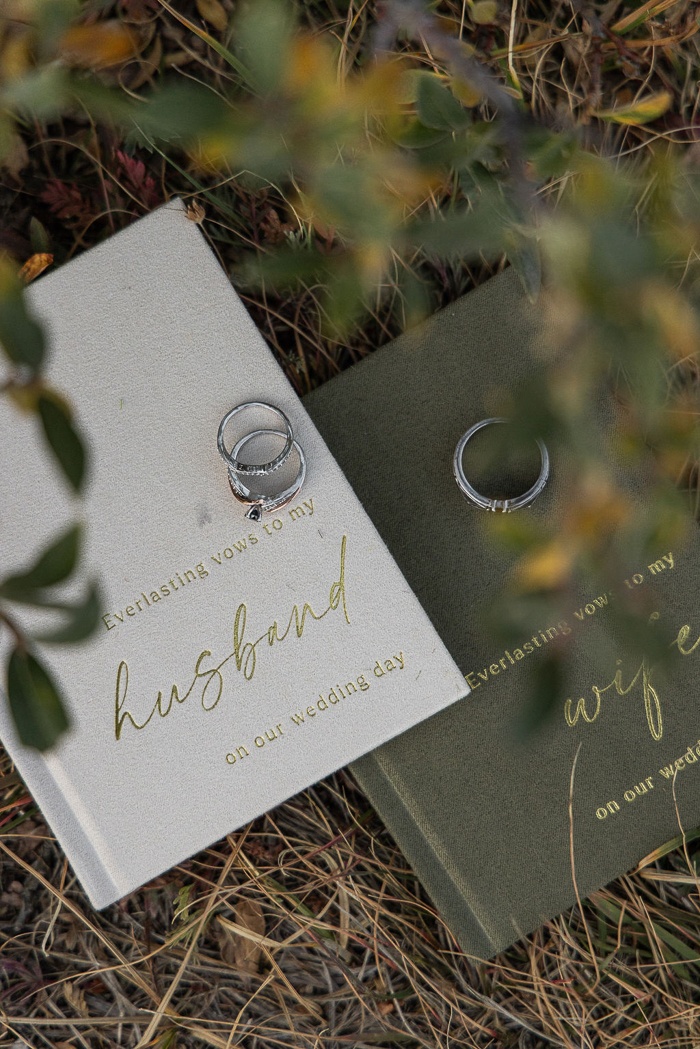
- Yellow Gold: The quintessential choice for traditional jewelry, yellow gold derives its warmth from its pure gold content mixed with alloys like silver and copper. It is commonly available in 14k (58.3% pure gold) and 18k (75% pure gold). 14k gold is generally more durable and resistant to scratching due to its higher alloy content, making it suitable for daily wear, while 18k offers a richer, more vibrant golden hue. Historically, gold has been revered for its natural beauty and resistance to tarnish, symbolizing purity and value across civilizations.
- White Gold: Offering a contemporary aesthetic, white gold achieves its bright, silvery appearance through an alloy of pure gold with white metals such as palladium and silver. Most white gold rings are rhodium-plated to enhance their whiteness and luster. This plating, however, can wear off over time, necessitating periodic re-plating (typically every 1-2 years) to maintain its bright finish. It presents a more affordable alternative to platinum while achieving a similar visual effect.
- Rose Gold: Distinguished by its romantic, blush-pink hue, rose gold gains its color from a higher proportion of copper in its alloy mixture. It offers a unique warmth distinct from traditional yellow gold and has surged in popularity in recent years for its vintage appeal and versatility in complementing various skin tones. Its copper content also contributes to its robust nature, often making it more durable than yellow or white gold.
- Platinum: A naturally white metal, platinum is prized for its exceptional durability, density, and hypoallergenic properties. Unlike white gold, it does not require rhodium plating, and its natural white luster will not fade. Over time, platinum develops a soft, satiny patina rather than wearing away, which some wearers appreciate for its "lived-in" character. While generally more expensive than gold due to its rarity and higher density, its longevity and low maintenance (aside from optional polishing to restore shine) make it a worthwhile investment for many.
- Alternative Metals: For those seeking modern aesthetics or specific performance characteristics, alternative metals such as titanium, tungsten, and tantalum offer diverse options.
- Titanium: Known for its extreme lightness and strength, titanium is highly resistant to corrosion and scratches, making it ideal for active individuals. It is also hypoallergenic.
- Tungsten: Exceptionally hard and scratch-resistant, tungsten carbide rings maintain their polish indefinitely. However, their extreme hardness also makes them brittle and difficult, if not impossible, to resize.
- Tantalum: A rare, lustrous dark gray metal, tantalum is highly durable, hypoallergenic, and uniquely shatter-proof, making it a robust yet workable choice for jewelers. It can often be resized, a distinct advantage over some other alternative metals. When considering these metals, it is crucial to inquire about their resizing capabilities, as conventional methods may not apply.
Styles and Aesthetics: Crafting Personal Expressions
The visual style of a wedding ring is a deeply personal choice, reflecting individual taste and complementing existing jewelry. The market offers a vast array of designs, each with its unique character:
- Classic Bands: These foundational designs feature simple metal rings without stones, their character defined by variations in width, profile (e.g., flat, dome, D-shaped), and finish. Finishes can range from a high polish for maximum shine to brushed, matte, hammered, or satin textures, offering subtle yet distinct aesthetic differences. Their timeless elegance ensures they remain perpetually in vogue.
- Diamond Bands: For those desiring added sparkle, diamond bands incorporate stones across a portion or the entirety of the ring. The impact varies significantly based on the diamond setting: delicate pavé diamonds create a continuous sparkle, channel-set diamonds offer a sleek, protected look, while shared-prong settings maximize light exposure for each stone. The choice often balances aesthetic preference with practical considerations for daily wear.
- Eternity Bands: Symbolizing unending love, eternity bands feature diamonds or gemstones encircling the entire circumference (full eternity) or a significant portion (half-eternity). Full eternity rings are visually stunning but present challenges for future resizing, as there is no plain metal section to work with. Half-eternity bands offer a similar dazzling effect with greater resizing flexibility.
- Gemstone Bands: Introducing vibrant color, gemstone bands incorporate sapphires, rubies, emeralds, or other precious and semi-precious stones, either as standalone features or paired with diamonds. When selecting a gemstone for daily wear, its Mohs hardness scale rating (a measure of scratch resistance) and specific care requirements are important considerations to ensure longevity.
- Vintage-Inspired Bands: These designs draw inspiration from bygone eras, incorporating intricate details such as milgrain edging, elaborate engraving, filigree work, or distinctive antique-cut stone shapes. They appeal to those seeking a romantic, heirloom quality that evokes a sense of history and unique craftsmanship.
- Curved or Contoured Bands: Specifically designed to nest seamlessly against an engagement ring, these bands feature a shaped profile that accommodates the central setting of the engagement ring. They eliminate or minimize any gap between the two rings, creating a cohesive, unified bridal set. This is a popular choice for engagement rings with unique or low-set profiles that a straight band might not complement.
The Nuances of Width, Stones, and Fit
Beyond the broad style categories, granular details significantly impact the ring’s appearance and feel.
- Wedding Ring Width: Measured in millimeters, band width profoundly influences the ring’s visual presence. Slim bands (2-3mm) offer an understated elegance, while mid-range widths (3-4mm) provide a balanced presence. More substantial bands (5-6mm) create a bolder statement, and widths of 7mm or more present a noticeably masculine or dramatic profile. These are merely guidelines; the optimal width is determined by individual finger proportions, existing jewelry, personal style preferences, and comfort. There are no strict "men’s" or "women’s" widths; personal preference reigns supreme.
- Diamonds and Gemstones: If incorporating stones, their setting is as crucial as their quality. A low-profile setting, such as a bezel or channel setting, offers enhanced protection for stones and may be more practical for individuals with active lifestyles, reducing the risk of snagging or damage. For stacked rings, ensuring that settings or exposed prongs do not rub against neighboring rings is vital to prevent premature wear. Furthermore, the number of stones and their distribution on the band can affect future resizing capabilities, with full eternity bands offering the least flexibility.
- Wedding Ring Fit: A properly fitted ring should feel secure at the base of the finger, offering slight resistance when sliding over the knuckle, but without pinching or excessive looseness that could lead to accidental loss. Finger size can fluctuate throughout the day and with temperature changes, making professional measurement by a jeweler indispensable. It is also important to consider the band’s width; wider bands naturally feel tighter than narrower ones of the same nominal size. For wider designs, a "comfort-fit" band, featuring a slightly rounded interior, can significantly enhance wearability by reducing pressure points compared to a flat inner surface.
Harmonizing with Engagement Rings: The Art of the Stack
For individuals planning to wear their wedding ring alongside an engagement ring, evaluating the pair together is critical. While a perfectly matching set is a classic choice, modern trends embrace thoughtful contrasts. Mixed metals, complementary textures, or distinct but harmonizing styles can create a dynamic and personalized stack. The practical consideration lies in how the two rings sit together. Some engagement ring settings provide ample clearance for a straight wedding band to sit flush. Others might naturally create a slight gap, which many wearers find aesthetically pleasing. For those preferring a seamless look, a curved or contoured wedding band is specifically designed to follow the unique silhouette of the engagement ring. Prior to purchase, physically trying on the rings together is the most effective way to assess their compatibility and ensure comfort. It is also prudent to check contact points between the rings, as exposed prongs or sharp edges could cause wear on the adjacent band over time. Bridal sets, where the engagement ring and wedding band are pre-designed to fit together perfectly, offer a convenient solution for a coordinated aesthetic.
Evolving Choices for Men’s Wedding Bands
The selection process for men’s wedding rings mirrors the core considerations for all bands: lifestyle, budget, metal, style, width, and fit. While traditional men’s wedding rings often consisted of plain, wider metal bands, contemporary preferences have broadened considerably. Today’s options include slimmer profiles, subtle diamond accents, mixed metal designs, intricate engraving, and a variety of textured finishes such as brushed, hammered, or satin. This diversification reflects a growing desire for personalization in men’s jewelry. For wider bands, particular attention to fit is essential, as the increased surface area can alter how the ring feels on the finger. Trying on various widths and profiles in person is highly recommended to ascertain optimal comfort. Couples are increasingly opting for rings that do not identically match but rather share a subtle connection, such as a common metal, a complementary finish, or a shared engraving, fostering a sense of unity while allowing for individual expression.
Safeguarding Your Investment: Insurance and Care
A wedding ring is not merely a piece of jewelry; it is a significant financial and sentimental investment. Protecting this asset through insurance is a prudent step. Coverage options typically include an endorsement on an existing homeowners or renters insurance policy, or a specialized standalone jewelry insurance policy. These policies generally cover loss, theft, damage, and sometimes even mysterious disappearance. It is crucial to thoroughly review policy terms, understanding what is covered, any exclusions, and the claims process. Keeping detailed records, including receipts and appraisal documents, is vital for insurance purposes.
Beyond insurance, regular care and professional maintenance are key to preserving the ring’s beauty and integrity. Jewelers recommend professional cleaning and inspection at least once a year. During these visits, experts can deep clean the ring, check for loose stones, worn prongs, or any structural weaknesses that could lead to damage or loss. Between professional cleanings, many wedding rings can be safely cleaned at home using mild soap, warm water, and a soft brush, or with commercially available jewelry cleaning solutions specifically formulated for the ring’s metal and stones. Always confirm product suitability to avoid damaging delicate materials.
Addressing Common Queries: Expert Perspectives on Wedding Rings

Several common questions frequently arise during the wedding ring selection process, reflecting both traditional customs and evolving personal choices.
- Hand and Order of Wear: In the United States, the wedding ring is traditionally worn on the fourth finger of the left hand. However, global traditions vary widely, with some cultures favoring the right hand. When worn with an engagement ring on the same finger, tradition dictates the wedding band is placed first, closest to the heart, followed by the engagement ring. This, however, is a preference, not a rule, and individuals should wear their rings in the order that feels most comfortable and aesthetically pleasing to them.
- Wedding Ring vs. Wedding Band: While often used interchangeably, "wedding band" typically refers to a simpler, unadorned band, whereas "wedding ring" can encompass a broader range of styles, including those with stones or elaborate designs. Functionally, they serve the same purpose: a symbol exchanged during the marriage ceremony.
- Necessity of Both Rings: An engagement ring symbolizes the intent to marry, while a wedding ring is exchanged during the ceremony to formalize the union. Neither is strictly necessary; couples can choose to wear both, only a wedding ring, or even a single ring that serves both purposes. Personal preference and cultural practices guide this decision.
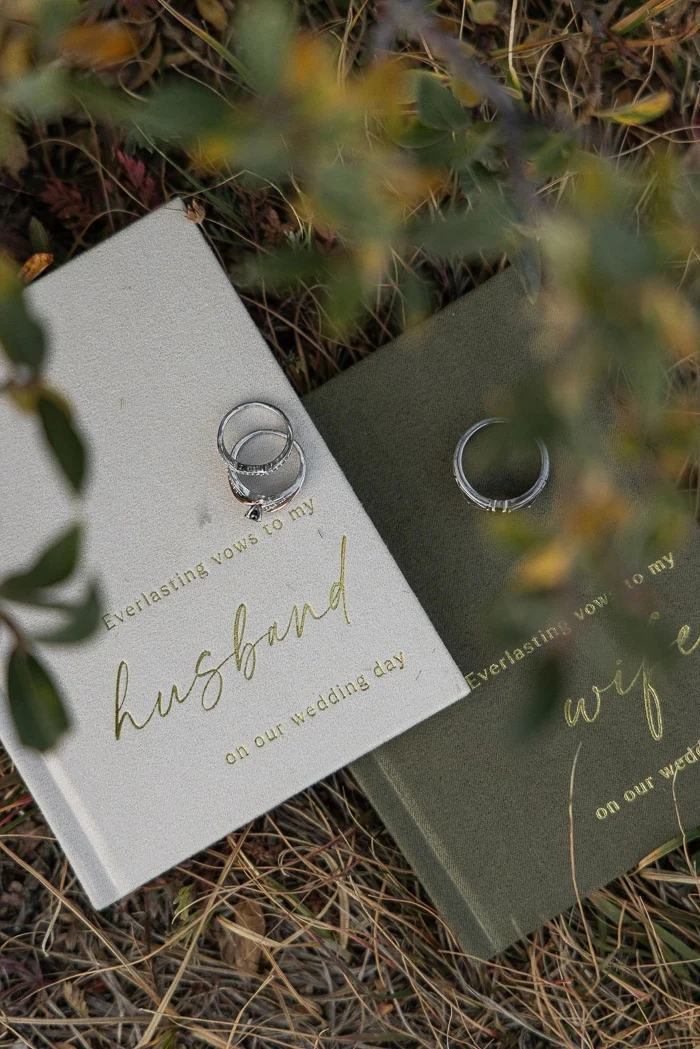
- Matching Rings for Couples: There is no expectation for couples’ wedding rings to match. Many couples opt for completely different designs that reflect their individual styles, while others find connection through shared elements like metal type, finish, or a custom engraving.
- Resizing Capabilities: Most gold and platinum wedding rings can be resized by a skilled jeweler. However, rings made from certain alternative metals (e.g., tungsten) or full eternity bands (where stones encircle the entire band) are often difficult or impossible to resize conventionally. This is a critical factor to inquire about at the time of purchase, especially if future sizing adjustments are anticipated.
- Optimal Purchase Timing: It is advisable to begin shopping for wedding rings at least three to four months before the wedding date. This timeline allows ample opportunity to explore various styles, confirm sizing, place orders, and accommodate any necessary adjustments or custom work. For bespoke designs, unusual sizes, or rings specifically crafted to fit an engagement ring, allowing additional time is always recommended. Always confirm production timelines with the jeweler.
- Professional Cleaning Frequency: For a ring worn daily, a professional cleaning and inspection once a year is a useful benchmark. This frequency allows jewelers to monitor for wear and tear, tighten loose settings, and maintain the ring’s luster. More frequent visits may be recommended depending on the ring’s design and the wearer’s lifestyle.
In conclusion, while rich in history and tradition, the selection of a wedding ring is ultimately a deeply personal journey. There are no rigid rules regarding metal, width, style, or cost. The ideal ring is one that harmonizes with the wearer’s lifestyle, fits comfortably within their budget, and authentically reflects their individual style and the unique bond it represents. By approaching the decision with careful consideration of these factors, couples can choose a timeless symbol they will cherish and wear with joy for decades to come, extending far beyond the wedding day itself.