
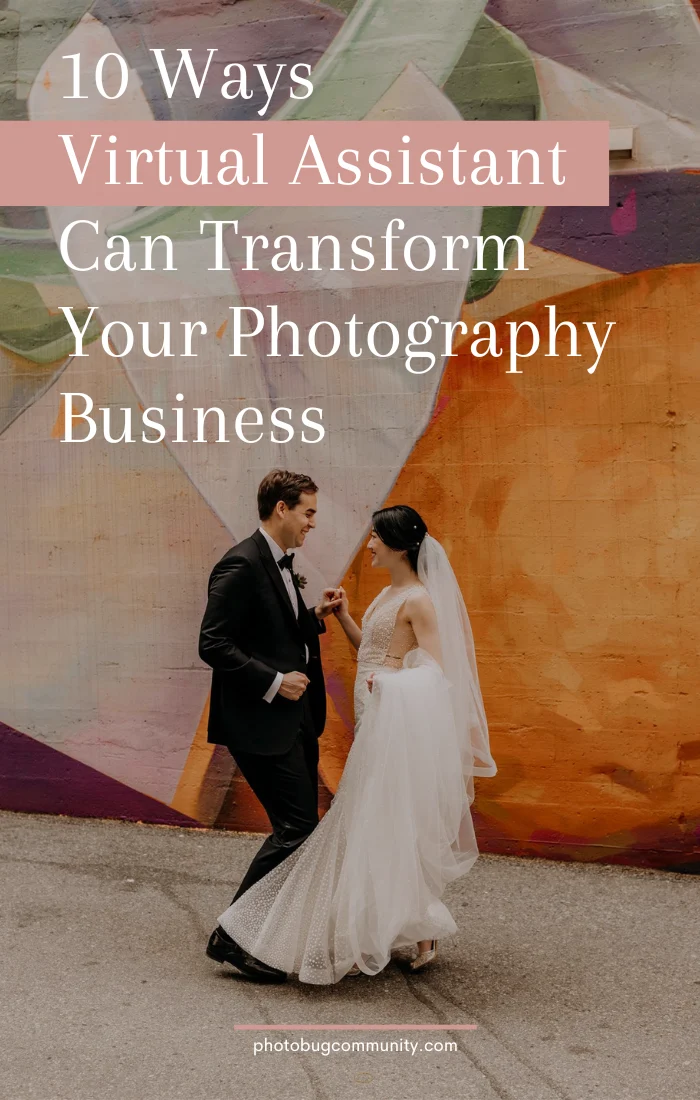
The journey into professional photography often begins with an unbridled passion for capturing moments, weaving visual narratives, and forging genuine connections with subjects. Seldom does it stem from an innate love for the intricate, often monotonous, administrative labyrinth that underpins any successful enterprise. Yet, the reality for most photographers is a relentless juggle between artistic creation and the myriad of behind-the-scenes tasks: an overflowing email inbox, meticulous spreadsheet management, complex scheduling, and the endless pursuit of marketing and operational efficiency. This administrative burden, far from being a peripheral concern, often dictates the growth trajectory and, crucially, the sustainability of a photography business. It is precisely at this intersection of artistic aspiration and operational reality that the virtual assistant (VA) emerges as a transformative force.
For years, photographers, like many creative entrepreneurs, have grappled with the dilemma of scaling their operations without sacrificing their core artistic output or succumbing to burnout. The digital age, while opening unprecedented avenues for showcasing work and reaching clients, has simultaneously amplified the administrative demands. From managing complex digital workflows to navigating ever-evolving social media algorithms and client communication platforms, the modern photographer’s plate is perpetually full. Industry surveys consistently reveal that small business owners, including photographers, spend upwards of 15-20 hours per week on administrative tasks that do not directly generate revenue, highlighting a significant drain on time and resources that could otherwise be dedicated to creative endeavors or strategic growth initiatives.
The advent and rapid expansion of the virtual assistant industry have provided a timely and potent solution. A VA, operating remotely, can seamlessly integrate into a photography business, absorbing a vast array of non-core administrative, technical, and creative tasks. This strategic delegation frees photographers to concentrate on their primary passion – photography itself – and on high-value activities like client interaction, creative direction, and skill development. Beyond mere task offloading, a skilled VA can become an indispensable partner, bringing specialized expertise and systematic approaches that enhance efficiency, professionalism, and ultimately, profitability.
In the bustling photography scene of Vancouver, two seasoned photographers, Sara Rogers and Aileen Choi, recognized this pressing need within their community. Leveraging their firsthand understanding of the industry’s unique challenges, they co-founded Together We Co, a venture dedicated to offering tailored business management and virtual assistant services specifically for photographers. Their model underscores a fundamental truth: a VA’s capabilities extend far beyond basic email management. Rogers and Choi, through Together We Co, champion a comprehensive suite of services, illustrating ten pivotal ways a virtual assistant can profoundly reshape a photography business, ensuring smoother operations and accelerated growth.
Streamlining Client Relationship Management (CRM): The Foundation of Growth
Client Relationship Management (CRM) is the bedrock of any service-based business, and photography is no exception. It encompasses every interaction a business has with its past, present, and potential clients, from initial inquiry to post-delivery follow-up. For photographers, this translates into managing leads, sending timely emails, scheduling appointments, tracking availability, and maintaining a meticulous record of client preferences and project details. However, the sheer thought of setting up and consistently maintaining a robust CRM system, with its intricate automations and data entry requirements, often induces apprehension. Many photographers, driven by creative impulses, find the systematic nature of CRM daunting.
This is precisely where a VA becomes invaluable. A virtual assistant can take ownership of the entire CRM lifecycle, from initial setup to ongoing optimization. This includes organizing leads efficiently, designing and implementing automated email sequences for various stages of the client journey (inquiry, booking, pre-event, post-event), and ensuring consistent follow-ups. They can manage appointment scheduling, update client profiles with critical information, and even troubleshoot system glitches. The strategic implication is profound: a well-managed CRM, orchestrated by a VA, transforms a scattered lead pipeline into an organized, nurturing ecosystem. This not only enhances the client experience through prompt and personalized communication but also significantly reduces the risk of missed opportunities and strengthens client loyalty, ultimately contributing to a more predictable revenue stream and allowing the photographer to focus on creative tasks rather than administrative ones.
Amplifying Reach Through SEO-Optimized Blogging
In the highly visual and competitive world of photography, an online presence is non-negotiable, and a regularly updated blog is a powerful, yet often neglected, tool for organic reach and authority building. Photographers universally understand the importance of blogging for showcasing their work, sharing expertise, and improving search engine rankings. Yet, between capturing events, editing thousands of images, and managing day-to-day operations, consistently creating fresh, SEO-friendly blog content often falls by the wayside. The consequence is a missed opportunity to attract new clients passively through search engines like Google.
A virtual assistant can effectively rescue a photographer from this "blogging hole." Their role extends from researching relevant keywords that potential clients are searching for (e.g., "best wedding venues in [city]", "engagement photo tips") to drafting engaging content. This content can range from compelling wedding stories and detailed lifestyle shoot showcases to practical advice for engaged couples or insightful posts about local vendors and venues. Crucially, a VA can ensure these posts are optimized for search engines, incorporating keywords naturally, structuring content with headings, and including relevant internal and external links. The long-term impact of consistent, SEO-friendly blogging, managed by a VA, is a steady increase in organic traffic, enhanced brand visibility, and the establishment of the photographer as a thought leader in their niche. Furthermore, a savvy VA can spearhead content repurposing efforts, transforming a single blog post into multiple pieces of content for email newsletters, social media updates, or even short video scripts, maximizing its reach and impact across various digital channels.
Elevating Brand Profile via Publication Submissions
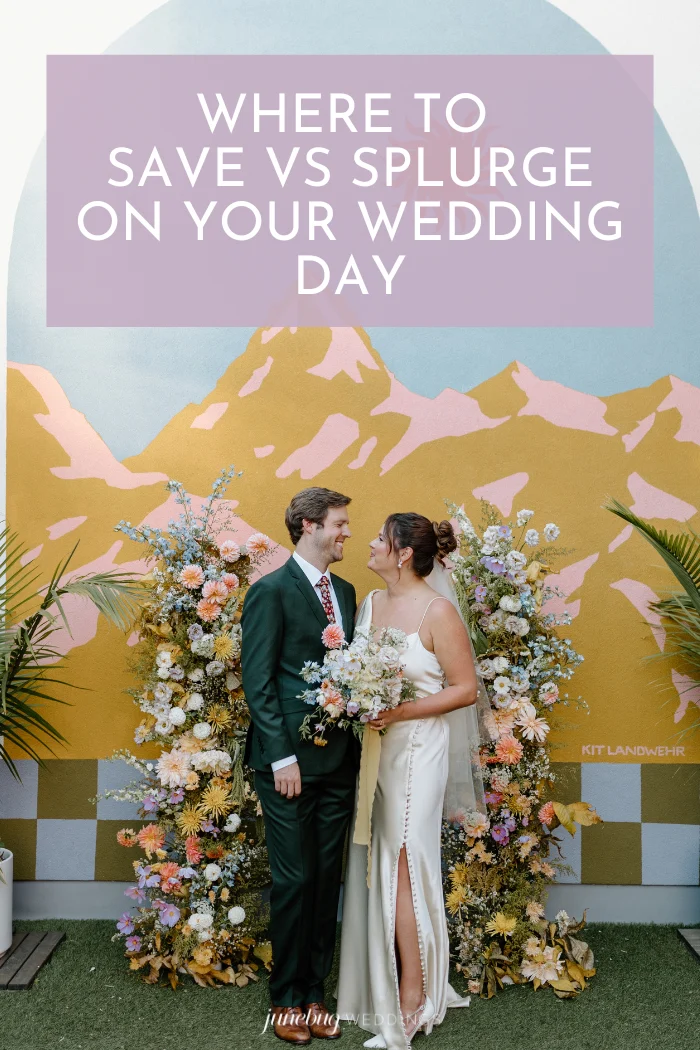
Beyond delivering stunning images to clients, a strategic avenue for photographers to amplify their brand and attract new business is through submitting their work to prominent wedding blogs, industry magazines, and online publications, such as the widely recognized Junebug Weddings. This not only offers an exceptional platform to feature their artistry to a broader, targeted audience but also serves as a potent networking tool, fostering connections with other vendors and potentially attracting higher-tier clients. However, the process of curating images and navigating the often-complex submission guidelines of various publications is notoriously time-consuming and meticulous.
This administrative burden is perfectly suited for a virtual assistant. A VA can take charge of the entire submission pipeline: researching suitable publications that align with the photographer’s aesthetic and target market, meticulously selecting the most impactful images from a given event, optimizing them to meet specific web or print requirements (e.g., resizing, watermarking, metadata), and drafting compelling narratives or descriptions to accompany the submissions. Moreover, they can diligently manage the submission process itself, tracking deadlines, handling communication with editors, and maintaining a comprehensive record of all submissions and features. The strategic benefit of this delegation is clear: the photographer gains valuable exposure and credibility, attracting new clientele and collaborative opportunities, all while being liberated from the laborious administrative tasks associated with seeking publication.
Monetizing Images: Online Gallery Store Setup and Management
In an increasingly digital world, providing clients with beautiful online galleries for image viewing is standard practice. However, transforming these galleries into a robust passive income stream by enabling clients to easily order prints, albums, and other photographic products is a strategic step many photographers overlook or postpone due to time constraints. An efficiently managed online gallery store not only enriches the client experience by offering tangible memories but also creates a significant revenue stream that operates independently of the photographer’s direct time investment.
A virtual assistant is ideally positioned to establish and manage this crucial aspect of a photography business. Their responsibilities can include designing and structuring the online store within platforms like Pixieset or ShootProof, integrating it seamlessly with chosen professional printing labs, curating product catalogs (ranging from fine art prints and canvases to bespoke albums and digital files), and setting up pricing structures and promotional campaigns. Furthermore, the VA can oversee order management, track inventory (for physical products if applicable), handle customer inquiries related to orders, and even coordinate shipping and handling. This comprehensive management ensures a seamless purchasing experience for clients and a truly passive income stream for the photographer, significantly boosting overall profitability without demanding constant oversight from the primary artist.
Preserving Memories: Expert Album Design and Proofing
While digital images offer instant gratification, a handcrafted wedding album or a beautifully designed family heirloom book provides an unparalleled way for clients to relive their most cherished moments, offering a tactile and enduring legacy that surpasses viewing images on a phone screen. Despite the immense value and emotional resonance of physical albums, the process of designing them is a notorious "time suck" for photographers, often involving hours of image selection, layout creation, and iterative rounds of client feedback.
This labor-intensive task is perfectly suited for a virtual assistant. A VA can expertly manage the entire album design and proofing workflow. This begins with the initial selection of images, guided by the photographer’s style and client preferences. The VA can then utilize specialized album design software to create elegant layouts, adhering to design principles that tell a cohesive story. Crucially, they can facilitate the client proofing process, collecting feedback, making revisions, and ensuring client satisfaction through clear communication. By entrusting this to a VA, photographers can deliver exquisite, high-quality albums without dedicating precious hours from their already packed schedules, transforming a potential bottleneck into a streamlined, value-added service that enhances client satisfaction and contributes to the business’s upscale offerings.
Mastering Communication: Email Management and Template Creation
For the busy photography business owner, an overflowing email inbox is a perpetual challenge. The pursuit of "Inbox Zero" often feels like a Sisyphean task, consuming hours only for new emails to cascade in by the next morning. This constant deluge of inquiries, confirmations, logistical questions, and follow-ups not only drains mental energy but also risks delayed responses, which can translate into lost clients and a perception of unprofessionalism. Effective and timely communication is paramount in a client-facing industry like photography.
Delegating business email management to a virtual assistant can offer immediate and significant relief. A VA can diligently monitor the inbox, prioritizing urgent communications, responding to routine inquiries promptly using pre-approved scripts, and flagging critical messages for the photographer’s direct attention. Beyond merely responding, a VA can proactively design and implement a comprehensive library of email templates for common scenarios – initial inquiries, booking confirmations, session preparation guides, post-event thank-yous, and testimonial requests. This standardization not only ensures consistency and professionalism across all client touchpoints but also drastically improves efficiency. The outcome is a perpetually organized inbox, prompt client communication that enhances satisfaction and trust, and a photographer freed from the constant distraction of email notifications, allowing for deeper focus on creative and strategic tasks.
Flawless Execution: Event Day Document Preparation
The success of any photography event, be it a high-stakes commercial shoot or a once-in-a-lifetime wedding, hinges significantly on meticulous preparation. While a photographer’s primary focus on the day is artistic execution and client interaction, the pre-event logistics can be tedious and time-consuming. From coordinating complex schedules to ensuring all legal and logistical prerequisites are met, these administrative details, if overlooked, can lead to significant stress and potential issues on the event day.
Entrusting event day document preparation to a virtual assistant ensures that every logistical detail is meticulously managed. A VA can be responsible for creating detailed timelines for the event, crafting comprehensive shot lists based on client preferences and contractual obligations, and liaising directly with other vendors (e.g., wedding planners, venue managers, florists) to synchronize schedules and confirm logistical arrangements. Furthermore, they can research and secure necessary permits and licenses for specific locations or types of shoots, ensuring legal compliance. By offloading these preparatory tasks, the photographer is empowered to arrive at the event fully focused on their creative vision and client experience, confident that all administrative and logistical groundwork has been expertly laid. This strategic support minimizes stress, prevents last-minute complications, and ultimately contributes to a smoother, more successful event.
Engaging Audiences: Social Media Management and Content Creation
In the contemporary marketing landscape, maintaining a vibrant and active presence on social media platforms is no longer optional for photographers; it is a vital component for marketing their brand, connecting with potential clients, and staying relevant in a visually driven market. However, the ever-shifting algorithms, the constant demand for fresh content, and the sheer time investment required for consistent engagement can be overwhelming, often leading to inconsistency or outright abandonment. Many photographers find themselves endlessly scrolling, losing focus, or feeling unmotivated by the platform’s complexities.
This is a prime area for virtual assistant intervention. A VA can effectively manage a photographer’s social media presence, transforming it from a chore into a strategic marketing asset. This involves developing a coherent content calendar aligned with marketing objectives, creating visually appealing posts (including compelling captions, engaging stories, and trending Reels), and scheduling content across various platforms (Instagram, Facebook, TikTok, Pinterest). Beyond content creation, a VA can actively engage with followers, respond to comments and direct messages, monitor relevant hashtags, and stay abreast of new features and algorithm updates to maximize reach and engagement. By entrusting social media management to a VA, photographers gain a consistent, professional, and engaging online presence without the daily time drain, allowing them to concentrate on photography while their brand continues to grow and connect with their audience.
Efficient Workflow: Post-Production Coordination
The popular perception of photography often overlooks the immense time and energy invested in post-production. While capturing the image is an art, the subsequent culling, editing, and refining process – often involving late-night sessions fueled by caffeine – constitutes a significant portion of a photographer’s workload. Non-photographers rarely grasp the sheer volume of images to be processed and the meticulous attention to detail required to bring them to their final, polished state. This bottleneck can severely impact turnaround times and overall business efficiency.
A virtual assistant can dramatically streamline the post-production workflow, acting as a crucial coordinator between the photographer, external editing teams, or advanced AI-powered editing software. Their responsibilities can include the initial cull of images, organizing files systematically, managing file transfers to and from editors, tracking progress, and ensuring that images meet specific stylistic and technical requirements. The VA can also coordinate the integration of AI tools for initial culling or basic edits, allowing the photographer to focus their expertise on the final, artistic touches. By leveraging a VA’s organizational skills and coordination capabilities, photographers can significantly accelerate their post-production process, reduce turnaround times, alleviate the burden of countless late nights, and allocate their creative energy more effectively, leading to improved client satisfaction and a more sustainable work-life balance.
Boosting Credibility: Administrative Support for Photography Contests and Awards
Entering prestigious photography contests and awards is a powerful strategy for professional development, brand elevation, and expanding one’s professional network. Beyond the potential for public recognition, winning an award provides a significant boost to a photographer’s credibility, enhances their search engine optimization (SEO) through external links and mentions, and offers a valuable affirmation of their artistic skill. However, the process of identifying relevant contests, understanding their often-complex submission requirements, and meticulously preparing entries can be daunting and incredibly time-consuming.
A virtual assistant can demystify and manage this entire process, transforming it into a seamless part of a photographer’s marketing strategy. A VA can research and identify reputable contests and awards that align with the photographer’s niche and style, meticulously track submission deadlines and entry requirements, prepare and format images according to specific guidelines, and even assist in drafting compelling artist statements or descriptions. They handle the submission process itself, ensuring all criteria are met and entries are submitted punctually. Furthermore, should a photographer achieve a win or honorable mention, the VA can proactively update the photographer’s website, create social media announcements, and draft press releases to widely publicize the achievement, effectively leveraging the award for maximum marketing impact and further solidifying the photographer’s reputation within the industry and among potential clients.
Beyond Delegation: The Strategic Imperatives of Hiring a VA
The benefits of engaging a virtual assistant for a photography business extend far beyond mere task delegation. It represents a strategic shift in how photographers can approach scalability, cost-effectiveness, and the acquisition of specialized skills.
Scalability without Overhead: A VA allows a photography business to scale its operations without incurring the significant fixed costs associated with hiring a full-time employee, such as salaries, benefits, office space, and equipment. This flexible model enables photographers to expand their capacity during peak seasons and adjust support levels as business needs evolve, offering agility and financial prudence.
Cost-Effectiveness: Virtual assistants typically operate on an hourly or project-based fee, meaning photographers only pay for the work performed. This contrasts sharply with the overhead of an in-house employee, making VAs a highly cost-efficient solution for accessing professional support and expertise.
Access to Specialized Skills: Many VAs are highly specialized in areas like social media marketing, SEO, graphic design, or specific CRM platforms. By hiring a VA, photographers gain access to these niche skills without needing to develop them in-house or hire multiple part-time specialists, enriching their business’s capabilities.
Improved Work-Life Balance: Perhaps the most profound implication is the impact on the photographer’s personal life. By offloading administrative burdens, photographers reclaim valuable time, not just for creative pursuits, but for family, hobbies, and personal well-being, mitigating the risk of burnout common in demanding entrepreneurial roles.
Navigating the Partnership: Best Practices for Engaging a Virtual Assistant
To maximize the benefits of a VA partnership, photographers should adopt best practices for engagement:
- Clear Communication: Provide detailed instructions, expectations, and consistent feedback. Utilize project management tools for task tracking.
- Thorough Onboarding: Equip the VA with all necessary access, brand guidelines, and an understanding of the business’s ethos and processes.
- Trust and Autonomy: While initial oversight is necessary, empowering the VA with autonomy over their delegated tasks fosters efficiency and a sense of ownership.
- Regular Check-ins: Schedule consistent meetings to review progress, address challenges, and plan future tasks, ensuring alignment with business objectives.
The growing number of inquiries, coupled with a rapidly filling schedule, is an unmistakable indicator of a booming photography business. While this growth is a testament to a photographer’s talent and hard work, it simultaneously signals the urgent need for strategic support to sustain momentum without compromising quality or personal well-being. The comprehensive range of services highlighted by Sara Rogers and Aileen Choi of Together We Co powerfully illustrates that hiring a virtual assistant is no longer a luxury but a strategic imperative for modern photographers.
By embracing the virtual assistant model, photographers can reclaim their time, professionalize their operations, and significantly elevate their business without sacrificing their income or, more importantly, their passion. For those ready to transition from being overwhelmed entrepreneurs to empowered artists and business leaders, exploring dedicated virtual assistant services like those offered by Together We Co, designed specifically for the unique demands of the photography industry, represents a pivotal step towards a more sustainable, profitable, and creatively fulfilling future.