

The landscape of modern parenting has seen a significant shift toward the personalization of childhood milestones, moving away from mass-produced items in favor of bespoke, handcrafted keepsakes. A prominent example of this trend is the evolution of the "Tooth Fairy" tradition, where traditional fabric pillows are increasingly being replaced by permanent ceramic installations. This shift is driven by the accessibility of high-quality crafting materials and digital design platforms that allow consumers to bridge the gap between professional manufacturing and home-based hobbyism. The recent development of personalized tooth fairy dishes—utilizing inkjet waterslide paper, digital editing software, and multi-component assembly—illustrates a broader movement in the "maker economy" where parents utilize industrial-grade techniques to enhance domestic rituals.
Historical Context of the Tooth Fairy Tradition
To understand the significance of these modern artifacts, one must examine the historical trajectory of the Tooth Fairy. Unlike the ancient origins of Santa Claus or the Easter Bunny, the Tooth Fairy is a relatively modern creation, gaining widespread popularity in the United States during the early 20th century. The ritual evolved from various global traditions, including the "tooth-fee" mentioned in 13th-century Norse writings and the European "dentition mouse" (La Petite Souris), which would take a child’s lost tooth in exchange for a gift or money.
By the mid-20th century, the American iteration of the Tooth Fairy became standardized, usually involving a tooth placed under a pillow. However, the "under-the-pillow" method has long presented logistical challenges for parents, leading to the creation of tooth pillows—small pouches designed to hang on bedposts. The current transition toward ceramic dishes represents the third generation of this ritual, prioritizing durability, aesthetic integration with home decor, and the ease of "the swap" for parents acting as the mythical figure.
The Economic Impact of the Tooth Fairy and the Crafting Market
The Tooth Fairy tradition is not merely a social ritual but a measurable economic indicator. According to the 2023 Delta Dental Tooth Fairy Index, the average value of a single lost tooth in the United States reached a record high of $6.23, a significant increase from previous years. This "Tooth Fairy inflation" mirrors broader economic trends and highlights the increasing financial investment parents are making in these milestones.
Parallel to this is the growth of the global handicrafts market, which was valued at approximately $752.2 billion in 2022 and is projected to reach $1,296.6 billion by 2028. The democratization of design through platforms like Corjl and the availability of specialized materials on marketplaces such as Amazon have empowered individuals to create products that were once the exclusive domain of professional printers and ceramicists.
Technical Analysis of the Production Process
The creation of personalized tooth fairy dishes involves a sophisticated integration of digital design and chemical application. The process, as outlined by industry experts and DIY proponents like Jen Causey-Kidder of Something Turquoise, follows a strict chronological workflow to ensure the longevity of the final product.

Digital Customization and Software Integration
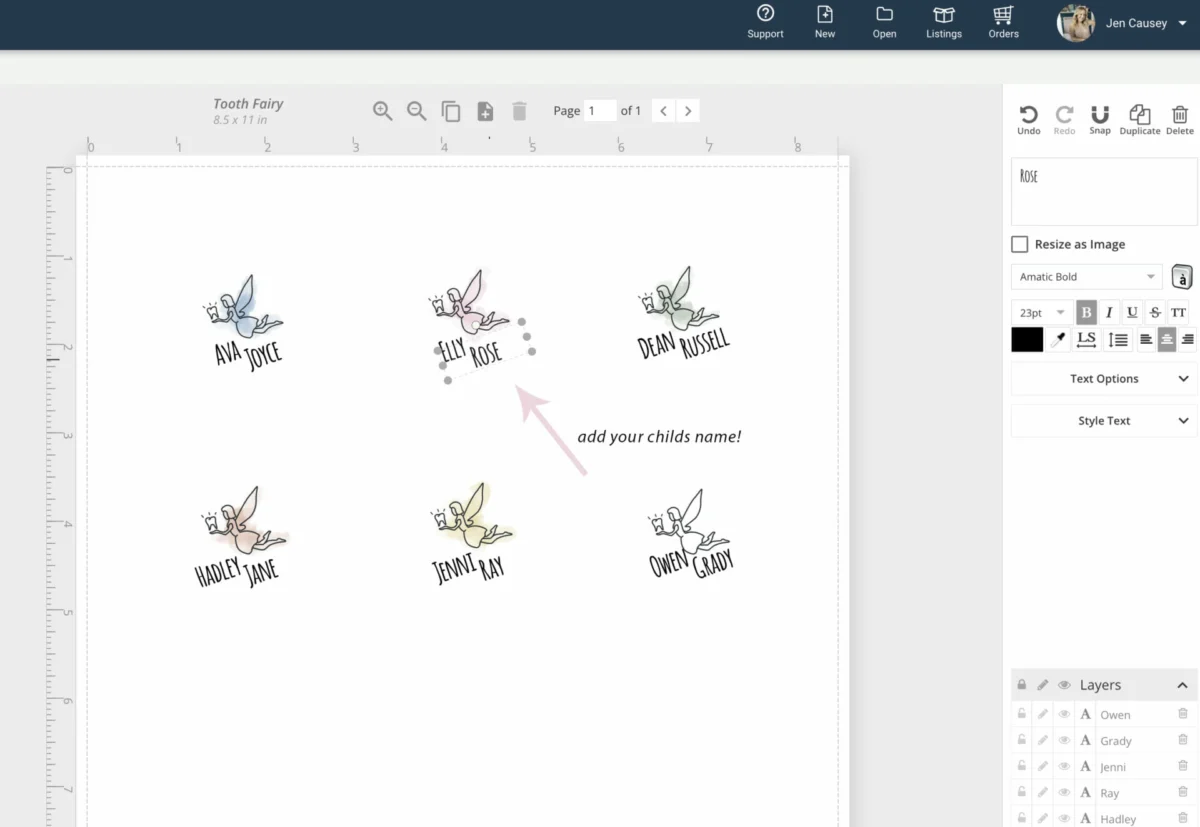
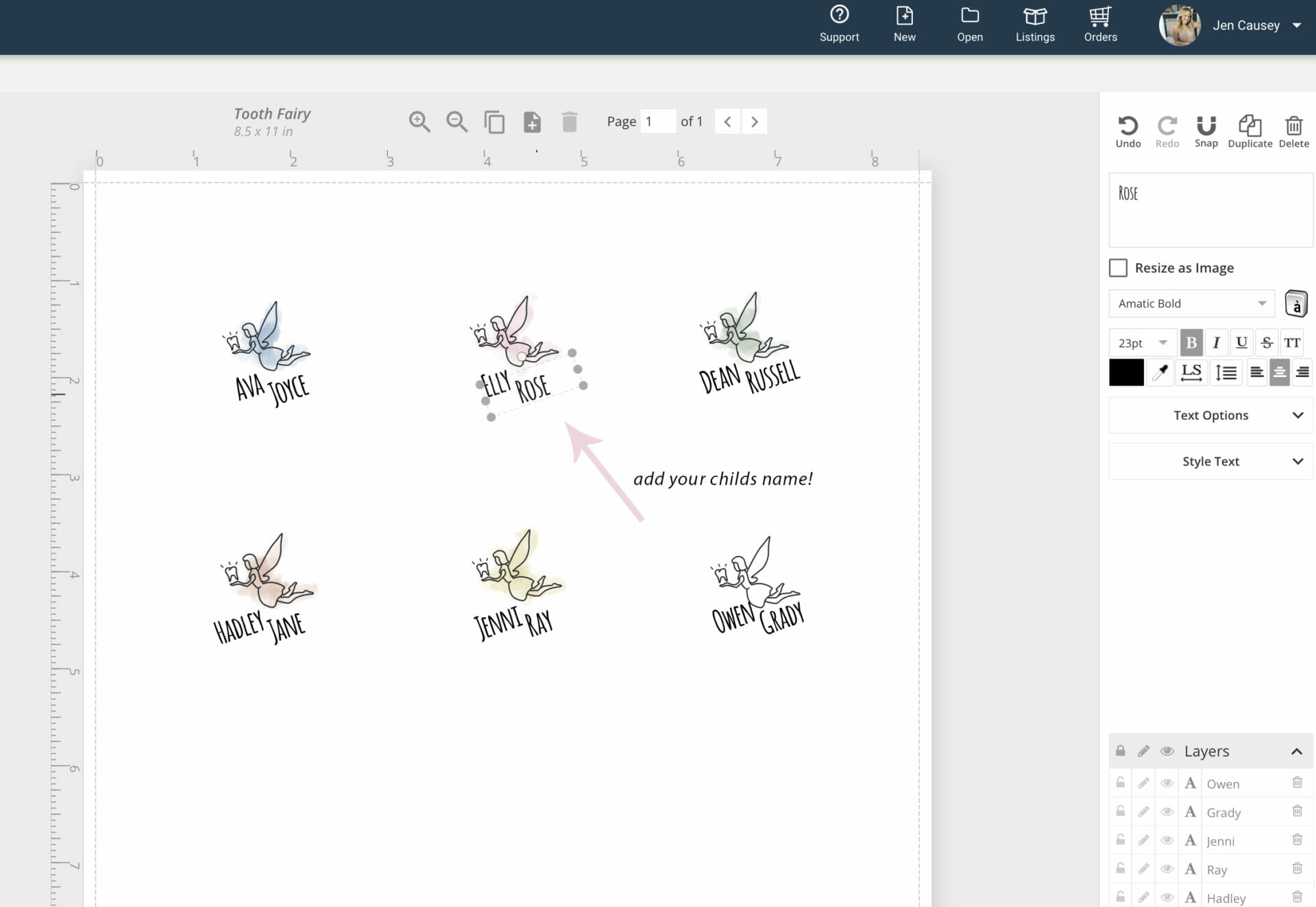
The process begins with digital asset management. Modern crafters utilize Software as a Service (SaaS) platforms such as Corjl, which allow for the distribution of editable templates. This technology enables the end-user to personalize fonts—such as the widely used Amatic Bold—and color schemes without requiring advanced knowledge of graphic design suites. This "template economy" allows designers to sell digital rights while the consumer handles the physical production.
Material Science: Waterslide Decals and Adhesives
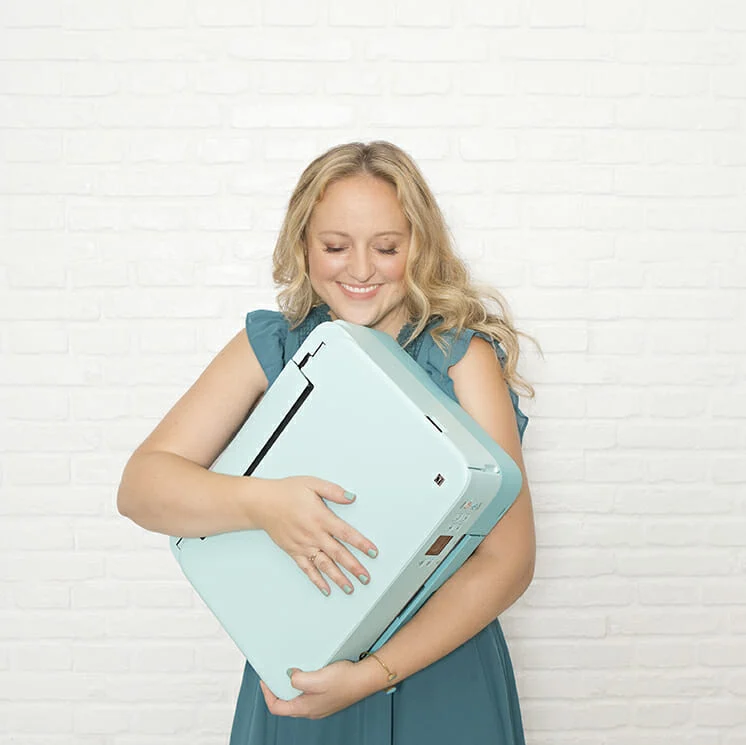
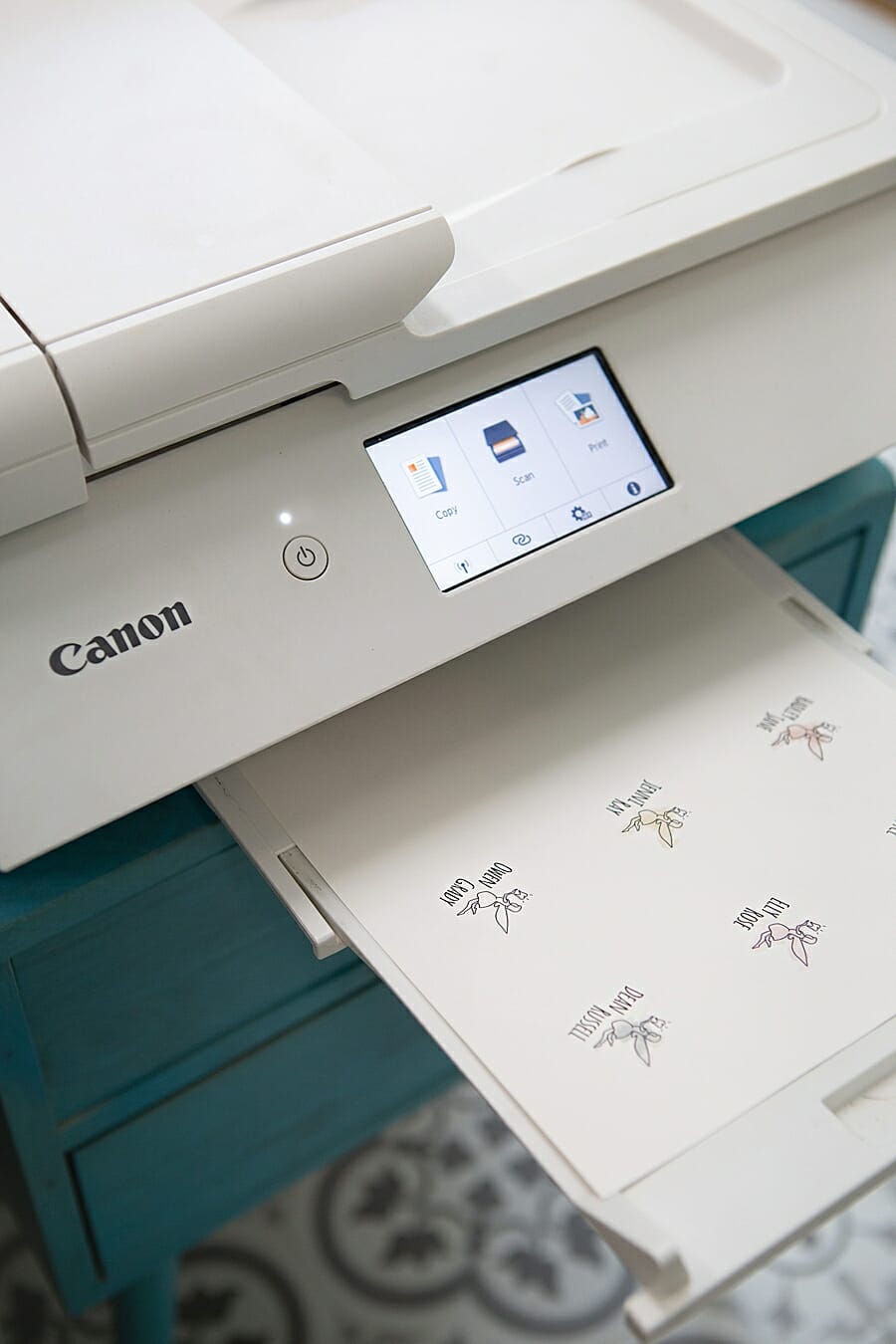
The core of the personalization lies in the use of inkjet waterslide paper. This material consists of a paper backing coated with a water-soluble adhesive (typically dextrin) and a thin layer of lacquer or plastic. When printed with a standard inkjet printer, such as the Canon PIXMA TS9521C, the ink sits on the plastic layer.
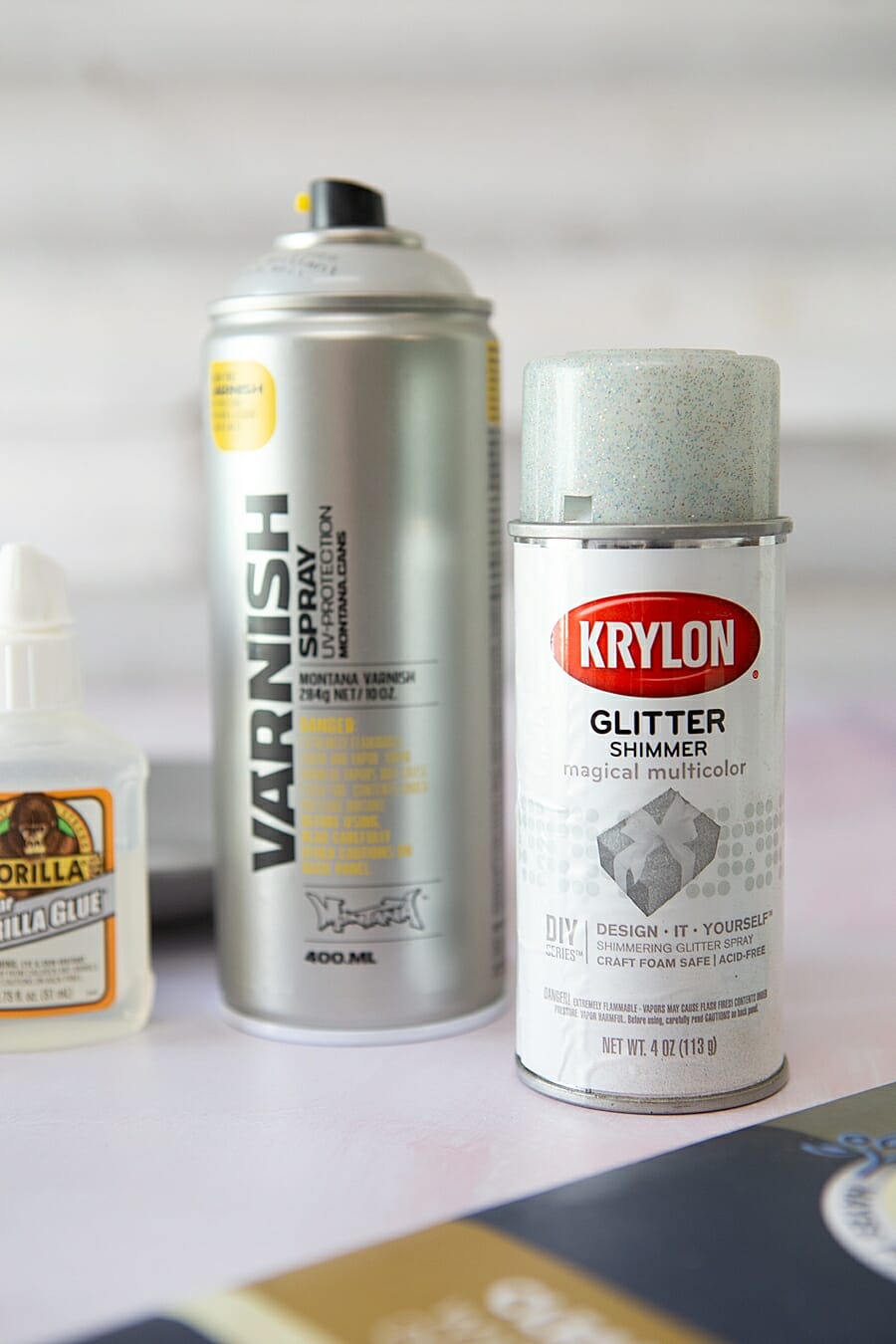
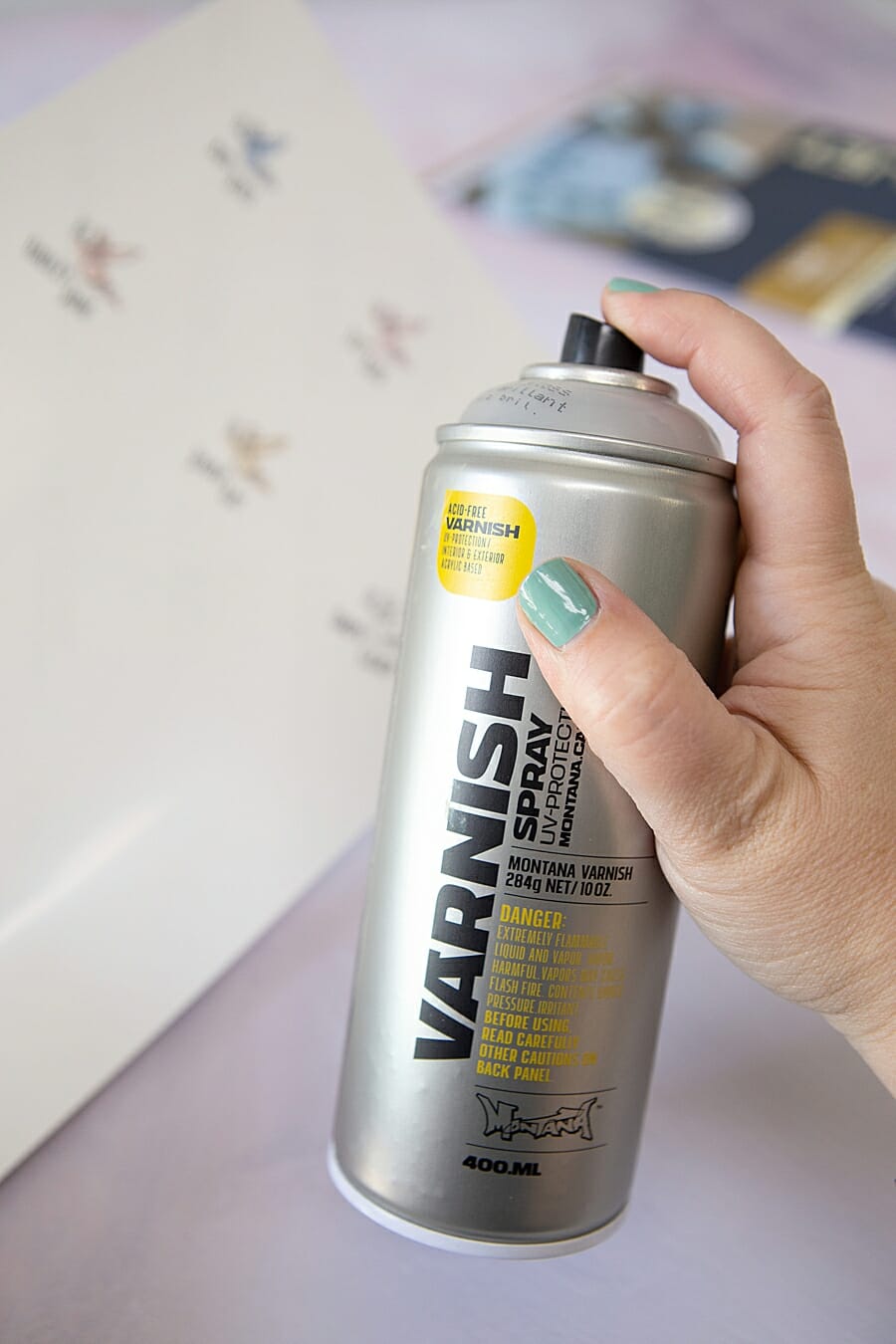
Because inkjet ink is water-based and prone to smearing, a critical stabilization step is required. The application of a clear varnish, such as Montana Gold or similar acrylic-based sprays, seals the ink. Standard procedure requires a minimum of three thin coats with drying intervals to ensure the decal remains intact during the water-soak phase.
Assembly and Structural Integrity
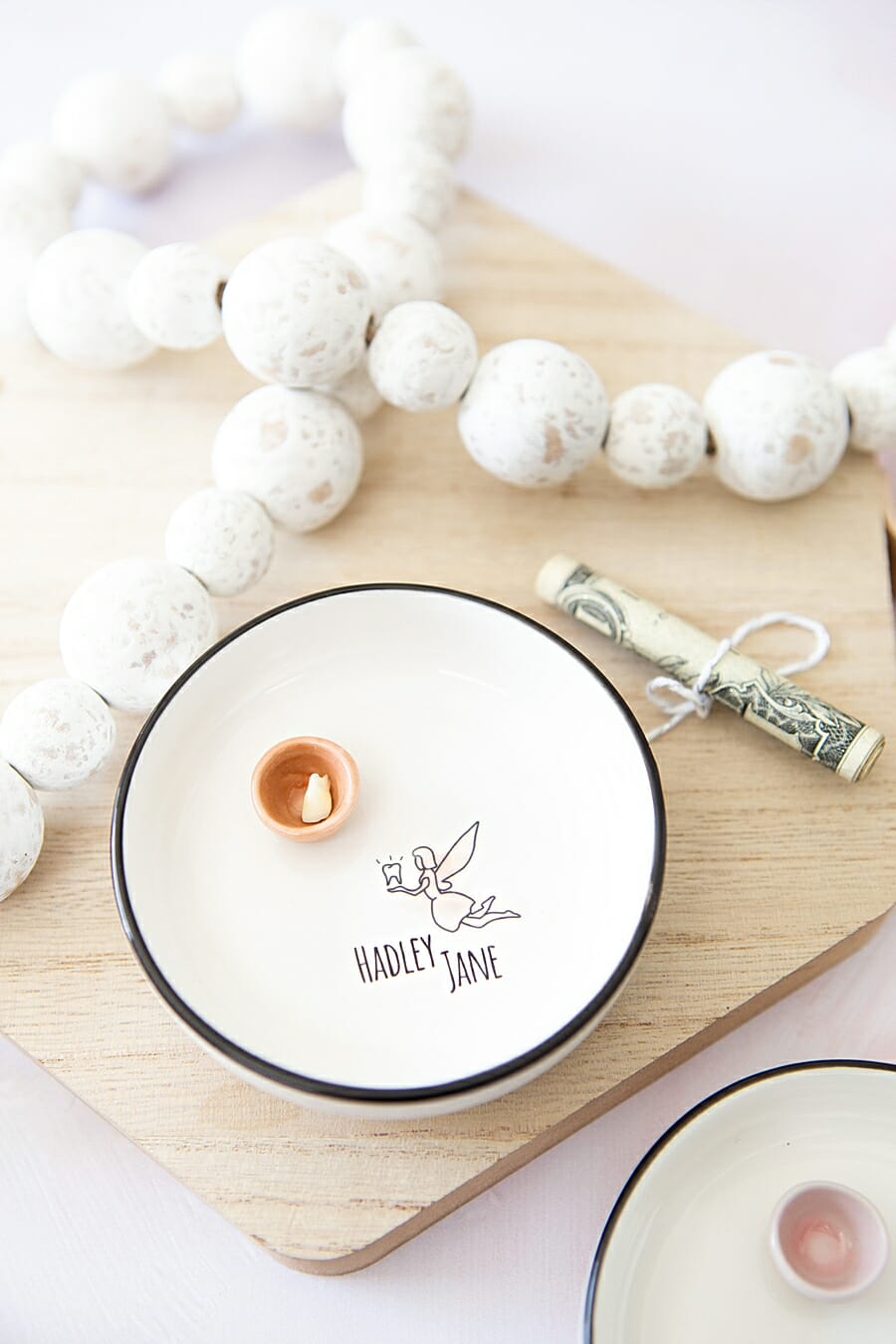
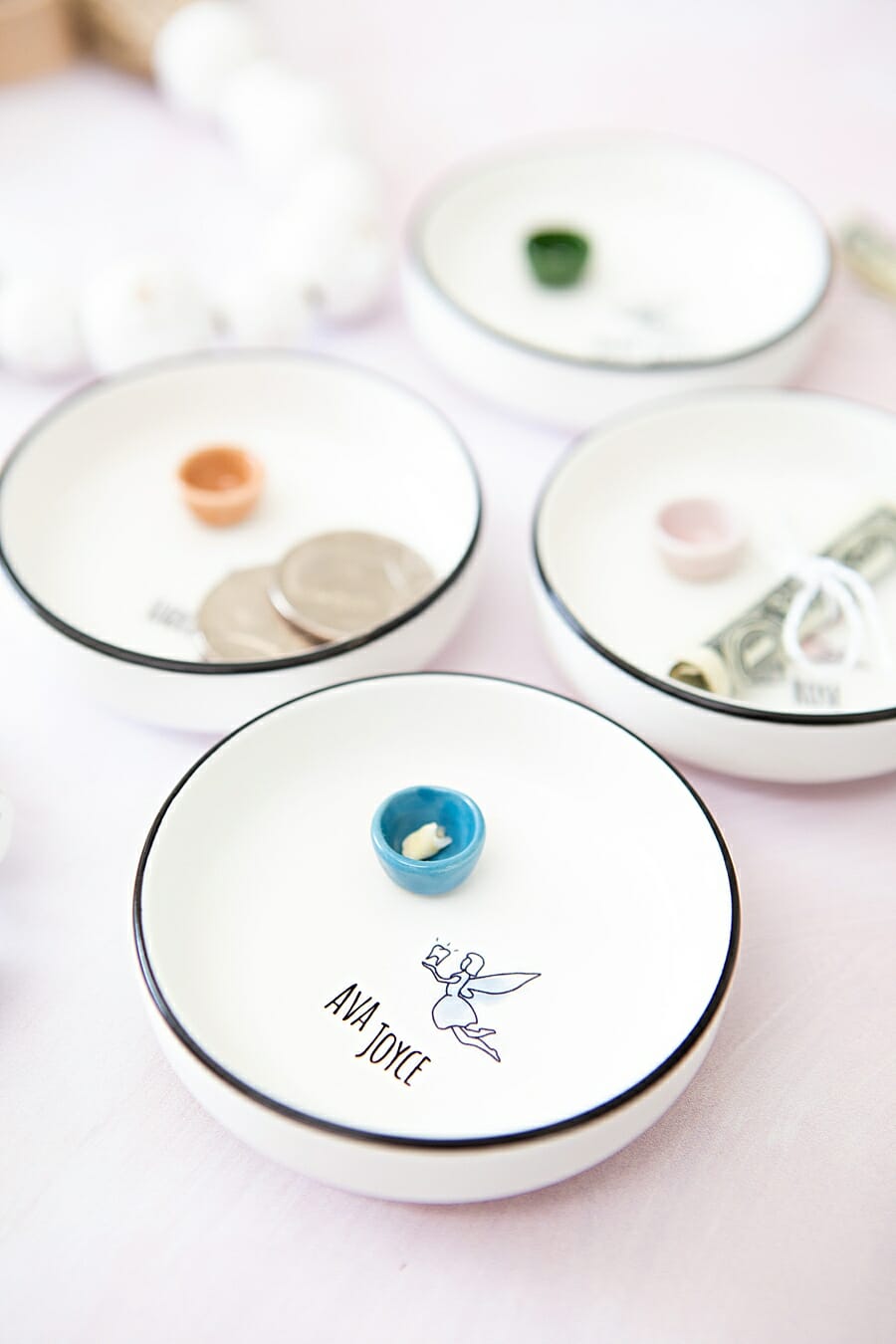
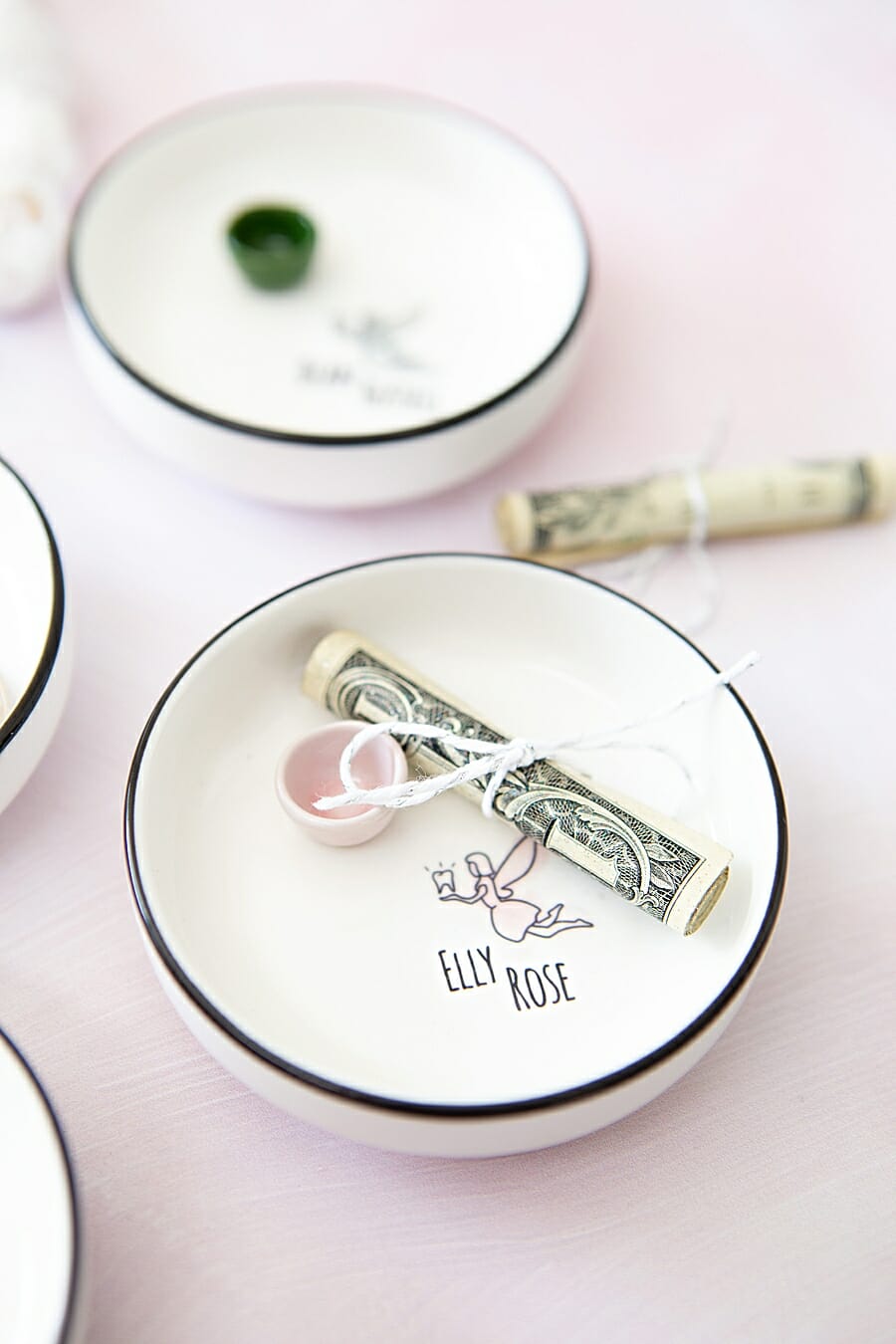
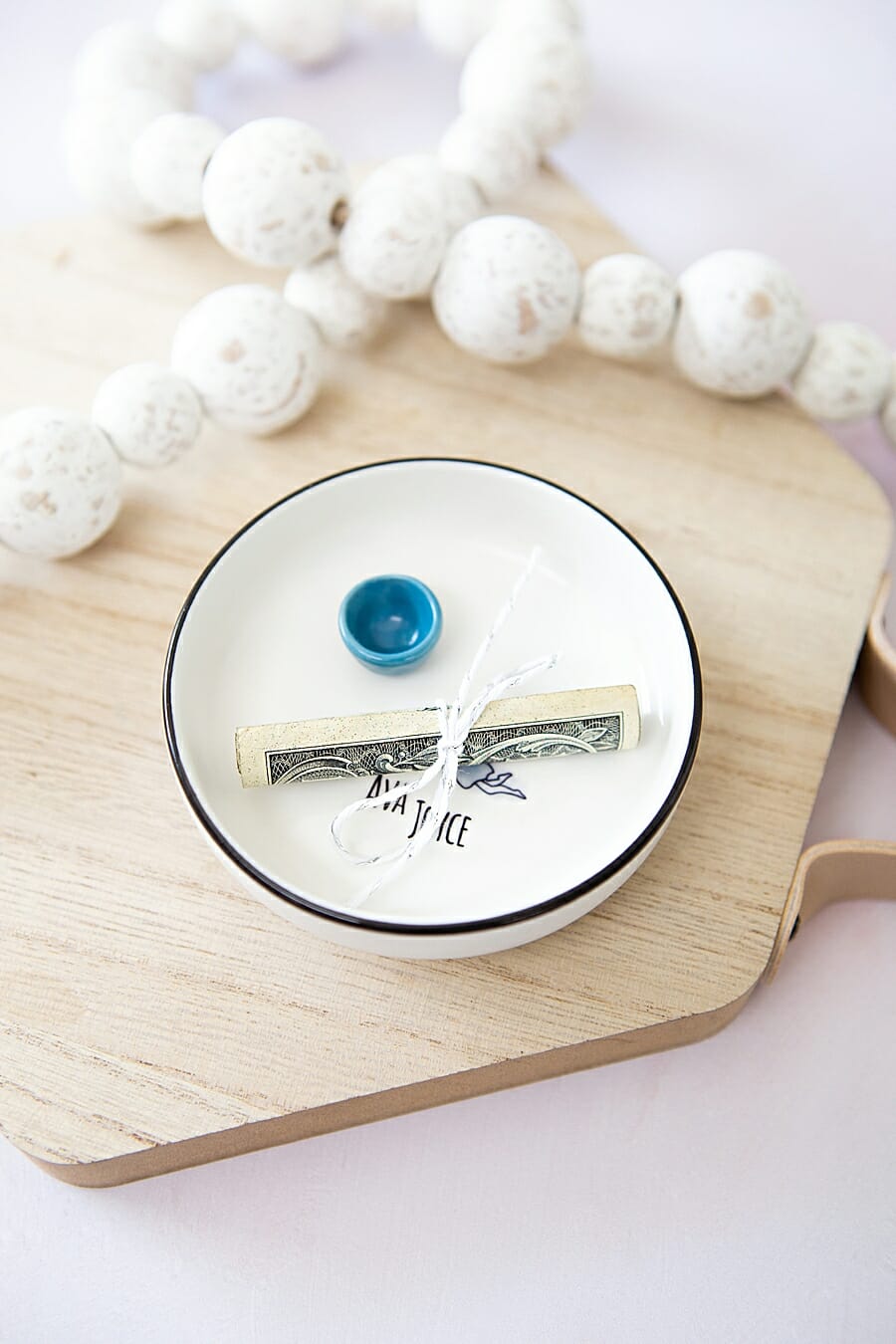
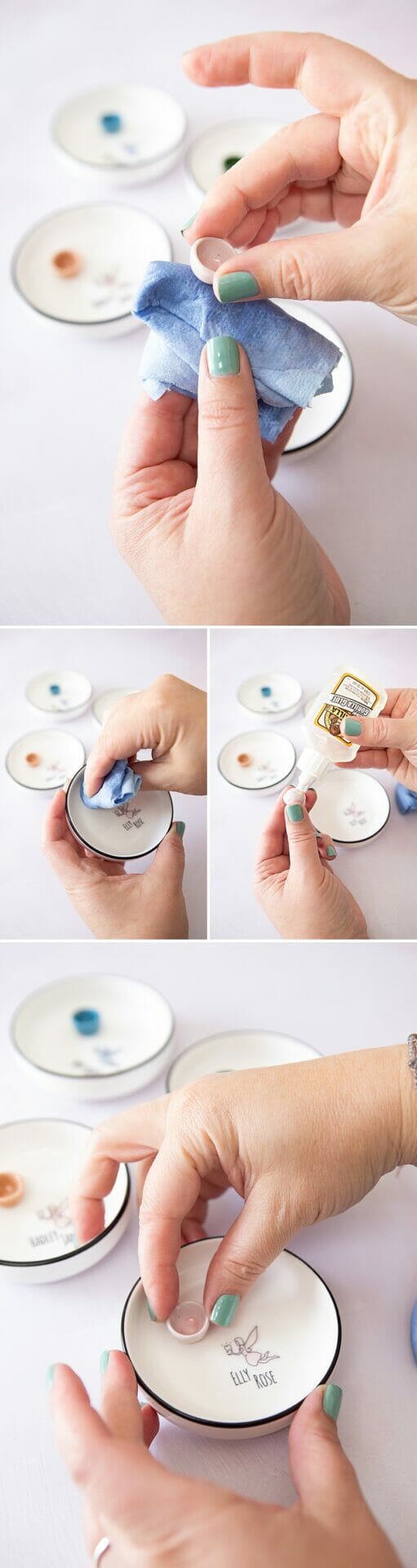
The physical structure of the dish is a hybrid of two distinct ceramic elements: a standard sauce dish and a miniature "dollhouse" bowl. These components are bonded using polyurethane adhesives, such as Gorilla Glue. This specific adhesive is chosen for its "foaming" property, which creates a high-strength bond between non-porous ceramic surfaces when moisture is present.
Chronology of Fabrication
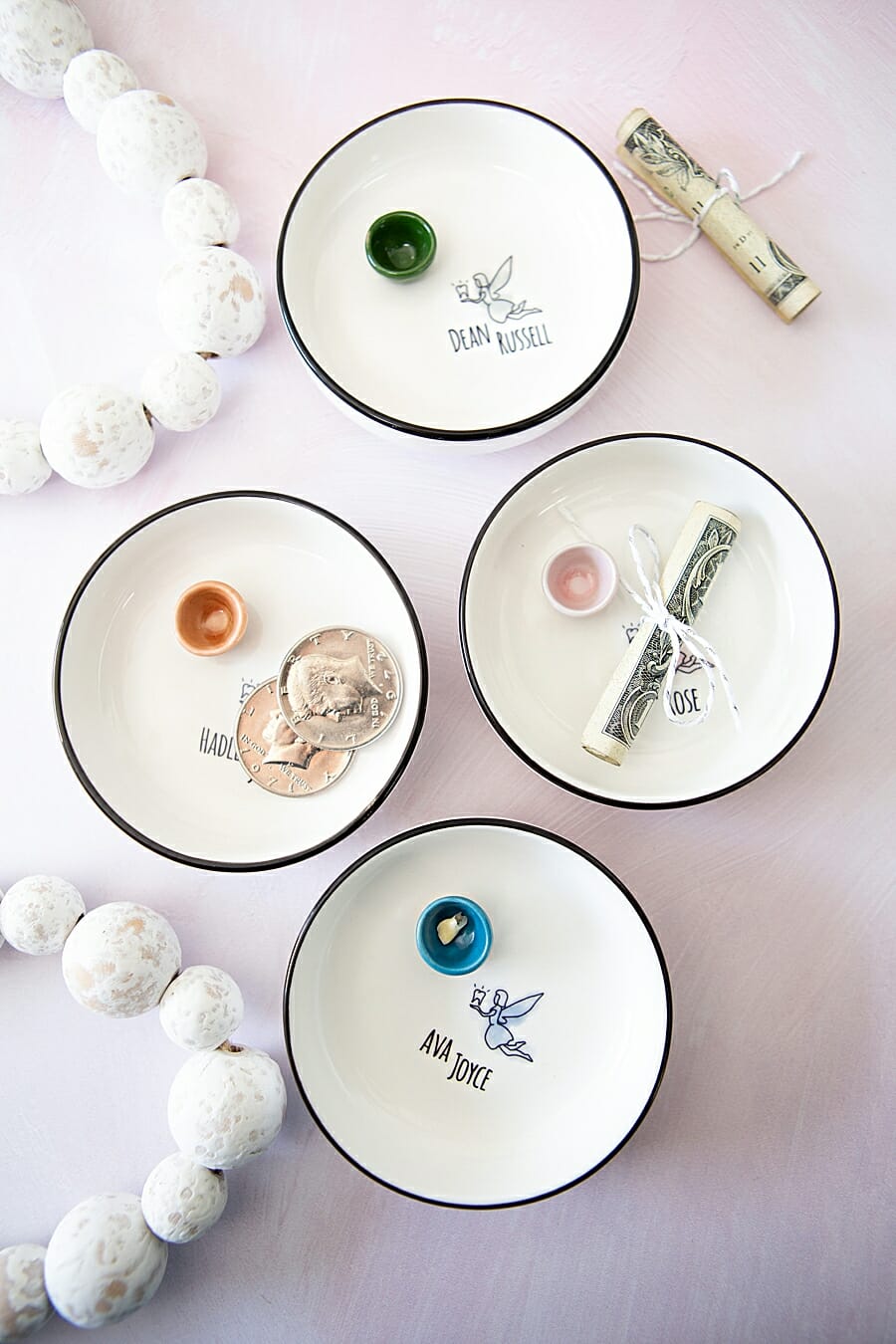
- Digital Preparation: The user accesses a web-based editor to input names or select color-coordinated fairy icons (typically available in palettes such as peach, pink, blue, and green).
- Printing and Stabilization: The design is printed onto the glossy side of the waterslide paper. A mandatory drying period of five minutes is followed by the application of three layers of clear varnish.
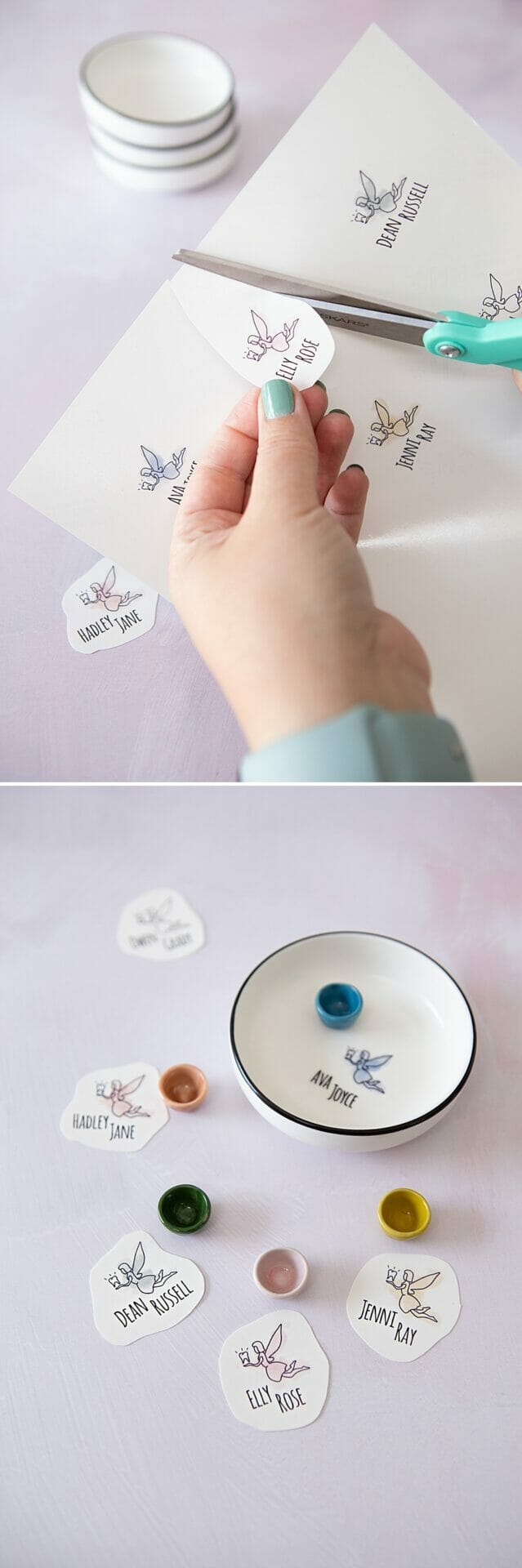
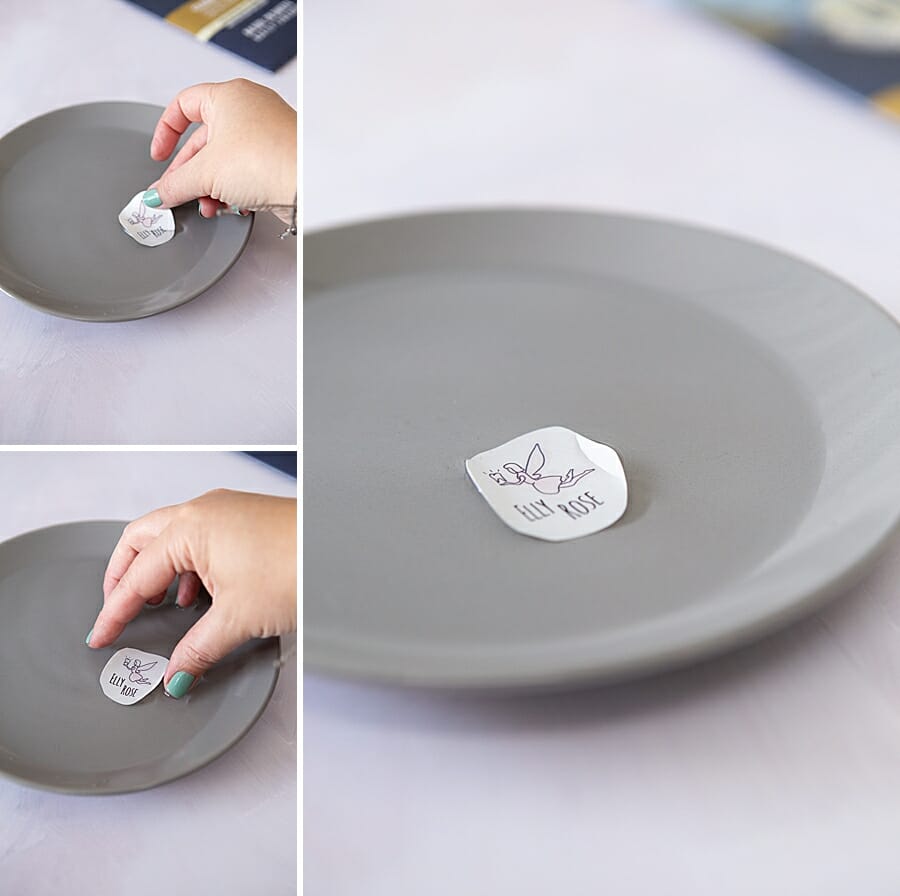
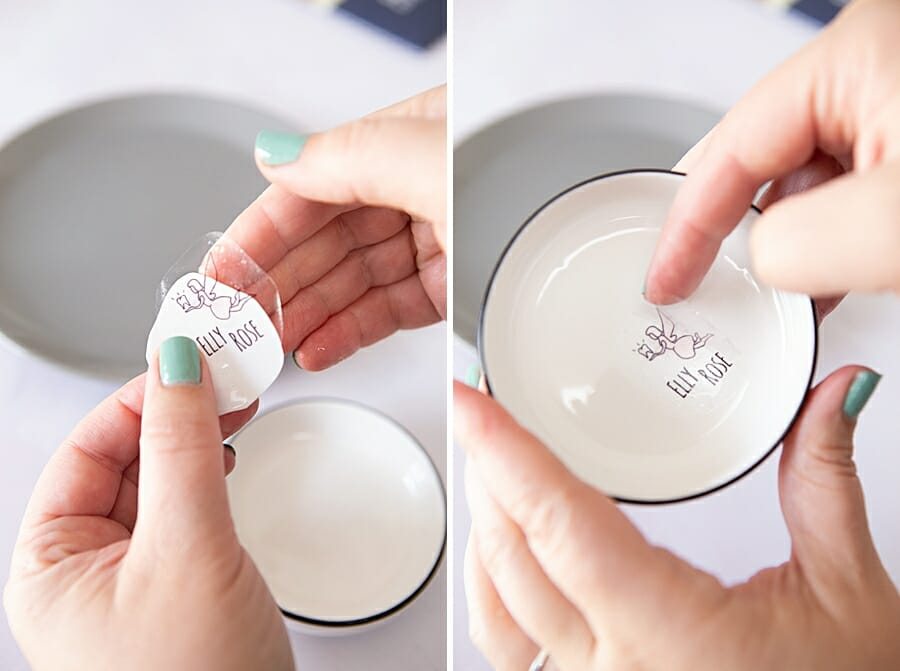
- The Hydration Phase: The dried decal is submerged in room-temperature water for approximately 30 seconds. This dissolves the dextrin layer, allowing the thin film to slide off the paper backing.
- Application and Curing: The decal is positioned onto the ceramic surface. Once placed, the item requires a 72-hour curing period to ensure the adhesive film has fully bonded to the glaze. While oven-curing is an option for some ceramic-grade decals, air-drying remains the standard for decorative items.
- Structural Bonding: The secondary bowl is attached to the primary dish using a moisture-activated adhesive, completing the "pedestal" look of the artifact.
Safety Standards and Maintenance Limitations
A critical distinction in the production of these dishes is the difference between "decorative" and "functional" ceramics. Journalistic inquiry into the materials used reveals that while the finished product is aesthetically professional, it is not classified as food-safe. The clear varnishes used to seal the ink contain chemicals that are not approved for ingestion. Furthermore, the waterslide film is sensitive to high heat and abrasive detergents, rendering the dishes unsuitable for dishwashers.
These items are classified as "keepsake hardware," intended solely for the storage of biological teeth and currency. This limitation is a common characteristic of the DIY movement, where the focus is on visual customization rather than industrial-grade utility.
Sociological Implications of the "Tooth Fairy Money" Ritual
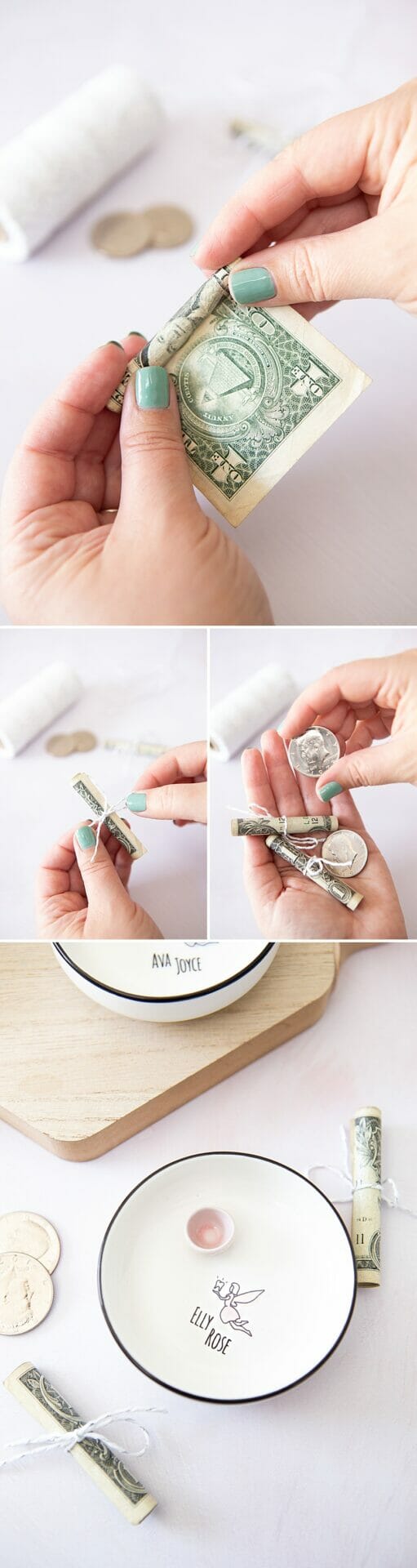
The physical dish serves as a stage for the final act of the ritual: the exchange of currency. Observations of modern parenting groups indicate that the presentation of the money has become as important as the gift itself. Two prevalent trends have emerged:
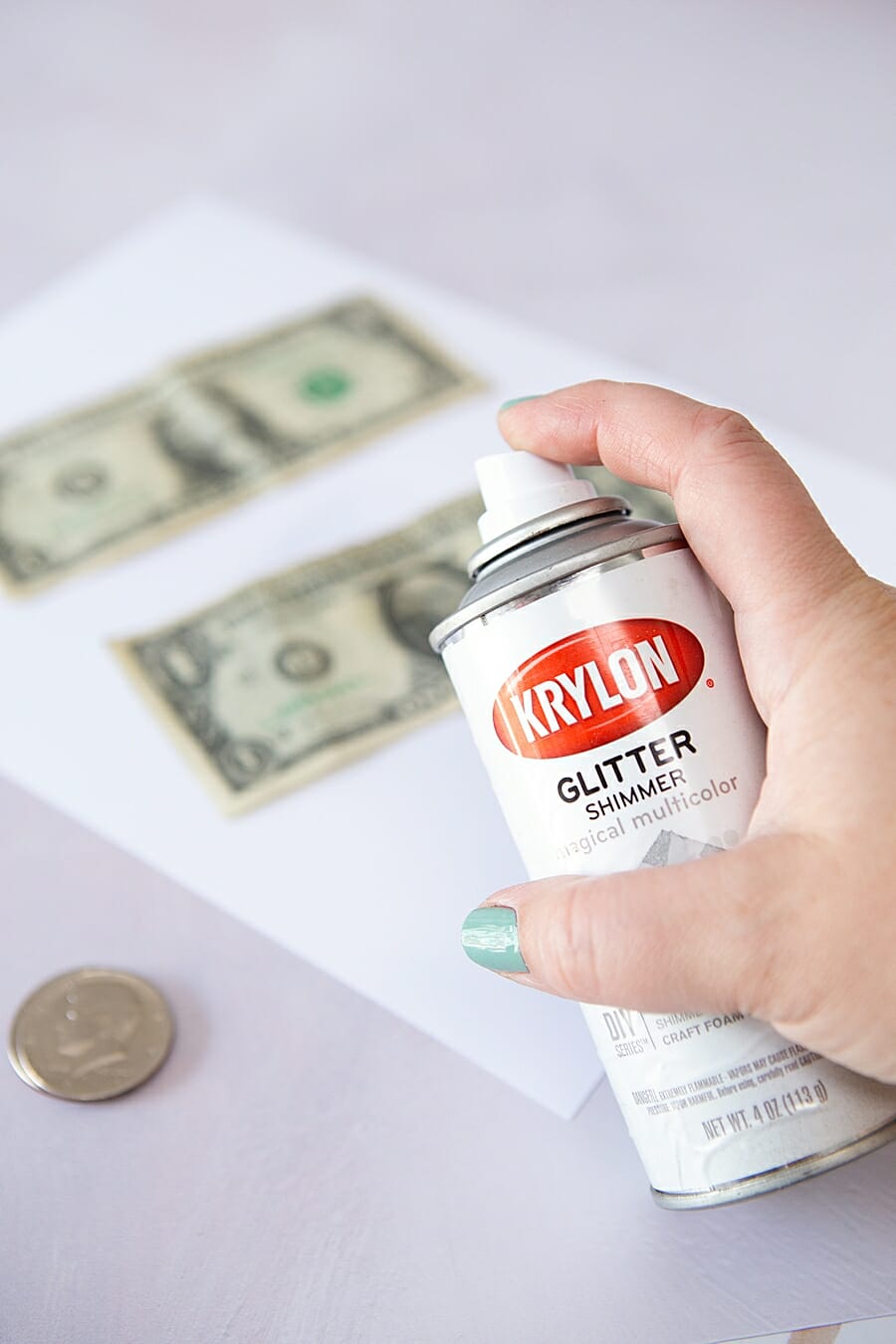
- The "Glitter Dollar": Utilizing aerosolized glitter sprays to coat banknotes, creating a "magical" texture.
- The Polished Coin: The use of half-dollar or silver dollar coins, often polished to a high mirror finish to emphasize their rarity and value.
Psychologists suggest that these heightened sensory experiences—the weight of the ceramic dish, the sparkle of the money—serve to anchor the child’s memory of the event, reinforcing the parental bond through the "magic" of the household.
Market Response and Future Outlook
The success of projects like the personalized tooth fairy dish indicates a robust future for the "hybrid" DIY market. This market is defined by the sale of a digital file that necessitates the purchase of multiple physical supplies from third-party vendors. It creates a symbiotic ecosystem between digital artists (like those at Something Turquoise), software platforms (Corjl), and global retailers (Amazon).
Industry analysts predict that as 3D printing and home-based CNC milling become more affordable, the next stage of childhood ritual personalization will move from surface-level decals to fully custom-molded objects. However, for the current consumer, the combination of ceramic assembly and waterslide transfer technology represents the current "gold standard" for home manufacturing.
The transition from the tooth pillow to the tooth dish is more than a change in material; it is a reflection of a society that values the intersection of digital precision and handmade charm. As these dishes find permanent places on nightstands across the country, they stand as a testament to the evolving ways in which families document and celebrate the fleeting moments of childhood.