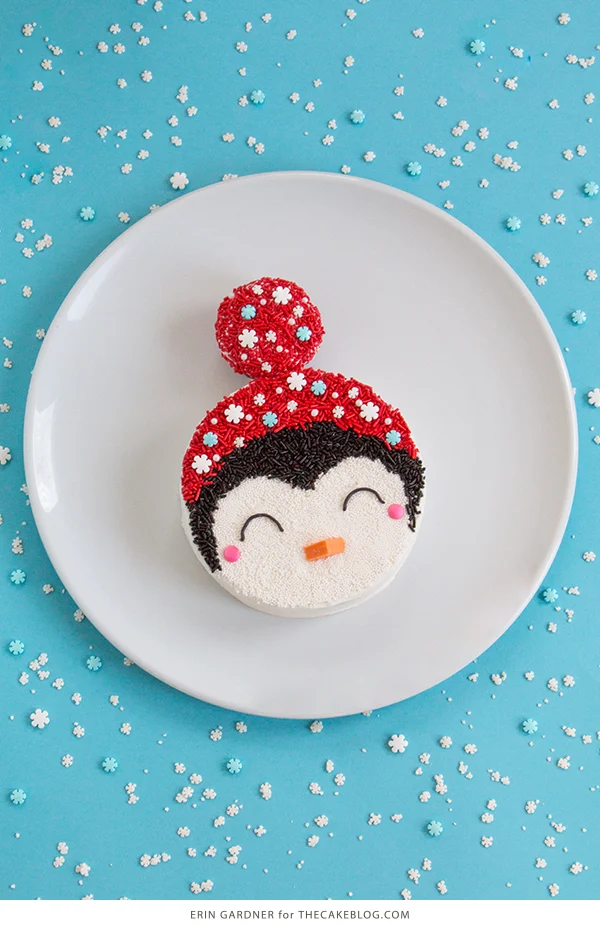
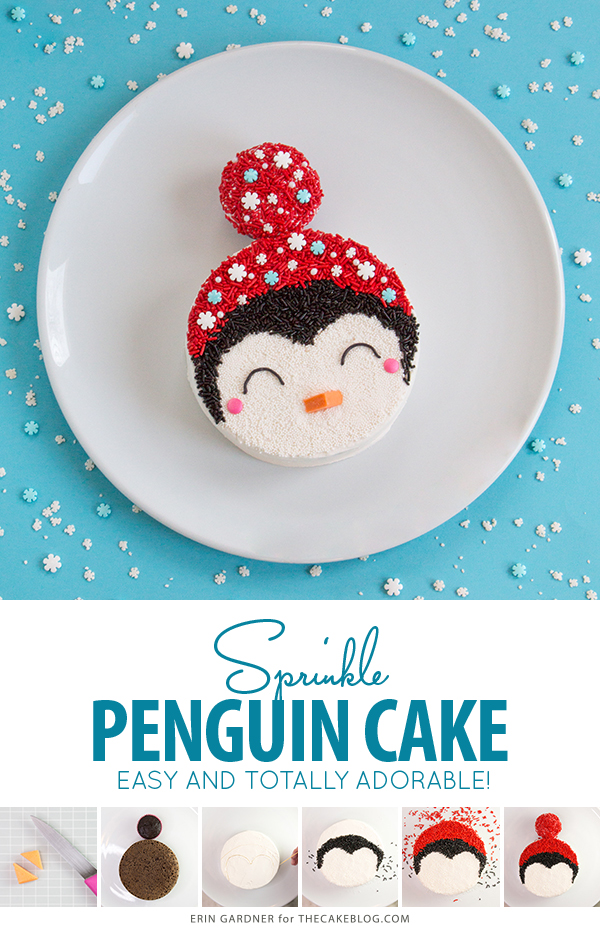
The Rise of Artisanal Home Baking Techniques as Demonstrated by Erin Gardners Innovative Sprinkle Coated Penguin Cake Tutorial. This comprehensive guide, released by prominent culinary contributor Erin Gardner via the digital publication The Cake Blog, represents a significant intersection of seasonal marketing and accessible pastry arts. The tutorial introduces a highly textured, aesthetically driven design that caters to the burgeoning market for boutique-style home celebrations. As the global baking ingredients market continues its upward trajectory—projected to reach approximately $22.3 billion by 2026—the demand for professional-grade instructional content has transformed the landscape of domestic confectionery.
The penguin cake project is positioned as a strategic extension of Gardner’s previous "sprinkle girl" series, a thematic collection of designs that utilize high-density sprinkle application to create depth and character. This methodology reflects a broader shift in the baking industry toward "textural maximalism," where the visual appeal is derived not just from color, but from the physical relief and light-reflective properties of the decorating medium.
Technical Methodology and Chronological Development
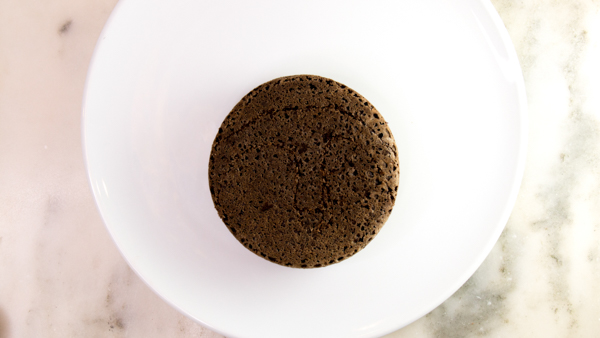
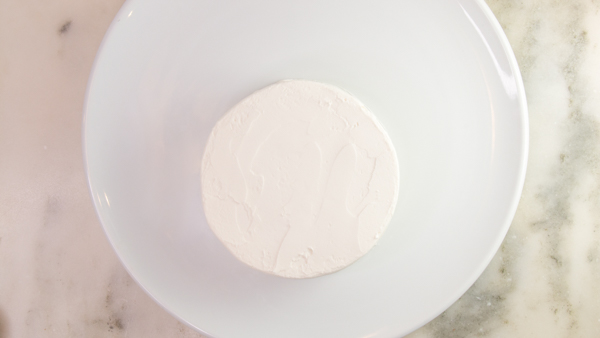
The execution of the sprinkle-coated penguin cake follows a precise technical sequence designed to ensure structural integrity and visual clarity. The process begins with the "Prep the Cake" phase, which requires the application of a significant layer of plain buttercream. According to culinary standards, the thickness of this base layer is critical; it serves as the adhesive substrate for the subsequent thousands of nonpareils.
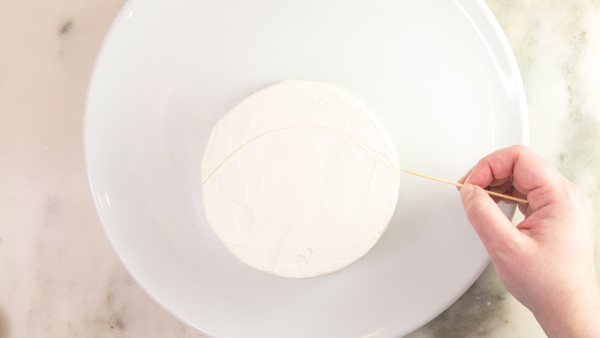
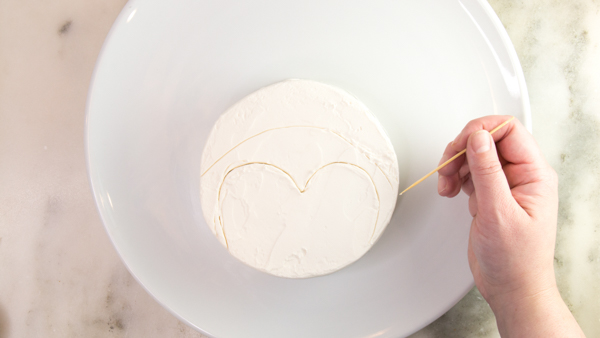
Following the initial icing, the decorator employs a mapping technique. Using a toothpick or skewer, the baker must draft a schematic directly onto the soft frosting. This includes a curvilinear "half moon" shape at the apex of the cake to delineate the winter hat and an open-bottom heart shape on the vertical face to define the penguin’s facial features. This phase is notable for its forgiving nature; industry experts observe that the high-density sprinkle coverage effectively masks minor inconsistencies in the base icing, making the technique particularly viable for intermediate-level hobbyists.
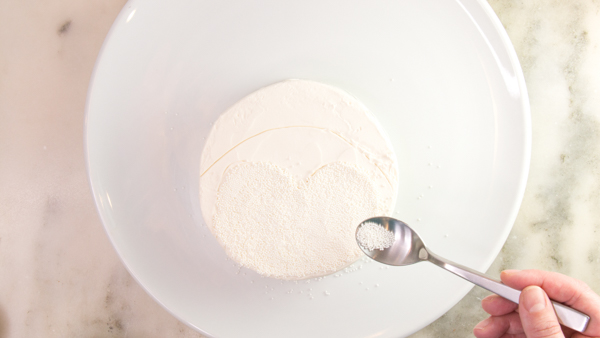
The "Add the Sprinkles" phase introduces a gravity-conscious workflow. Gardner recommends placing the cake platter within a larger baking sheet to facilitate the recovery of excess materials—a practice that aligns with waste-reduction trends in professional kitchens. The application order is strategic: the central facial area is filled first with white nonpareils using a spoon, followed by the black "skin" of the penguin, and finally the red hat. This "inside-out" approach prevents color contamination between the different sprinkle zones.
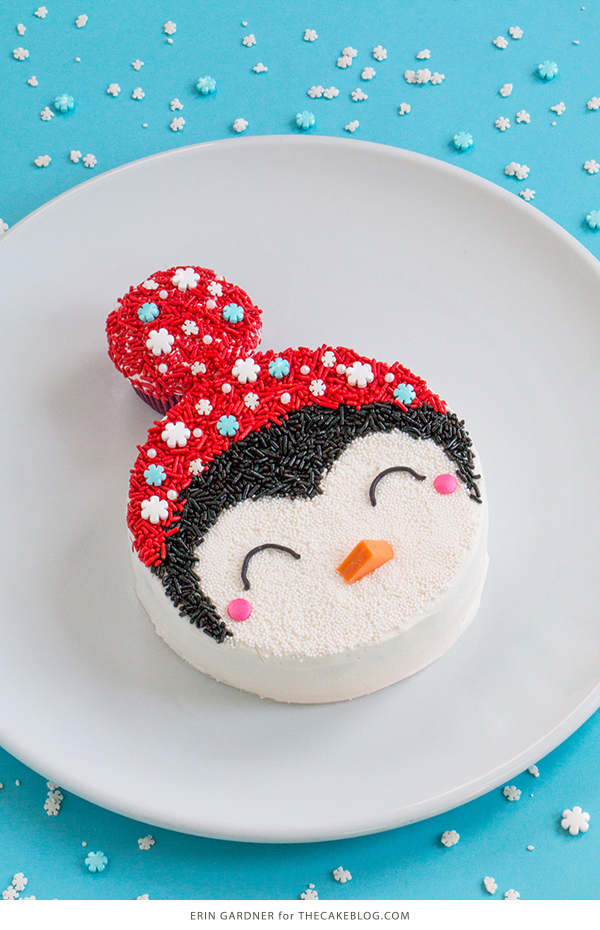
The final stage, "Decorate Your Penguin Cake," involves multi-medium integration. A singular cupcake is repurposed as the pom-pom for the hat, adhered with a buttercream "anchor." Facial features are constructed using a combination of repurposed commercial candies—specifically Starburst fruit chews cut into triangles for the beak—and piped black buttercream for the eyes. The inclusion of snowflake-shaped sprinkles serves as the final thematic accent, reinforcing the winter-centric branding of the dessert.
Market Context and Economic Drivers
The release of the penguin cake tutorial coincides with the peak of the Q4 baking season, a period that historically accounts for a disproportionate share of annual retail sales in the flour, sugar, and decorative sectors. Data from market research firms indicate that seasonal baking remains a primary driver for the $160 billion global bakery products market. Tutorials like Gardner’s serve as a catalyst for consumer spending, encouraging the purchase of specialty items such as nonpareils, piping bags, and specific candy brands.
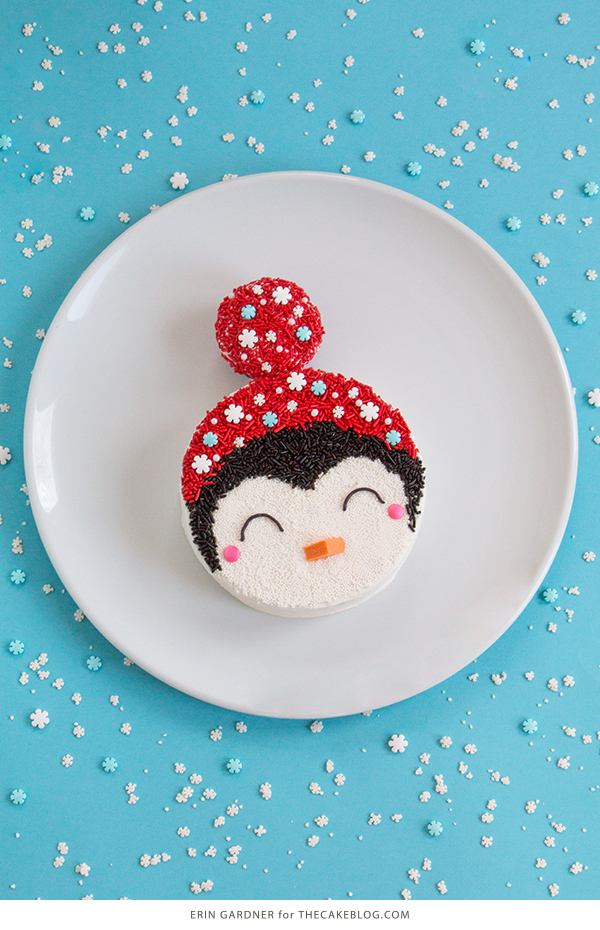
Furthermore, the "DIY" (Do-It-Yourself) movement in the culinary sector has seen a 15% increase in engagement over the last three years, largely fueled by social media platforms that prioritize visual storytelling. The "adorable" aesthetic of the penguin cake is not merely a stylistic choice but a calculated response to the "kawaii" influence in global food trends, which emphasizes cuteness as a driver for social sharing and digital engagement.
Industry Analysis: The Evolution of Decorative Mediums
The heavy reliance on sprinkles in this tutorial highlights a significant evolution in decorative mediums. Traditionally, complex animal-themed cakes required advanced fondant sculpting or intricate royal icing work—skills that often presented a barrier to entry for the average consumer. The shift toward "sprinkle coating" democratizes high-end cake design.
Nonpareils, the primary medium used in Gardner’s design, have a historical lineage dating back to the 18th century, originally used as a pharmaceutical coating. In the modern context, their uniform shape and vibrant colors allow for a "pixelated" approach to design, where the baker treats the cake surface like a mosaic. This technique is highly effective for creating "character cakes" that maintain a professional finish while requiring less manual dexterity than traditional piping.
Consumer Logistics and Preservation Standards
From a food safety and quality control perspective, the tutorial addresses the chemical interactions between decorative elements and moisture. Gardner notes that sprinkles are prone to softening when exposed to the high-humidity environment of a refrigerator for extended periods. This is a result of the sugar-based dyes reacting with the water content in the buttercream and the ambient air.
Professional recommendations suggest that the final assembly occurs on the day of service to maintain the "snap" of the sprinkle coating. Storage solutions vary based on the buttercream’s fat content; high-butterfat icings require refrigeration to prevent rancidity, whereas shortening-based crusting buttercreams offer more stability at room temperature. These logistical considerations are vital for home bakers planning events, as they dictate the timeline of the "prep-to-table" process.
Implications for the Digital Culinary Pedagogy
The success of The Cake Blog and contributors like Erin Gardner reflects a broader transformation in how culinary knowledge is disseminated. We are seeing the decline of the traditional "master-apprentice" model in favor of a decentralized, digital-first pedagogical approach.
Professional pastry chefs, once the sole gatekeepers of these techniques, now operate in a "creator economy" where the value of a recipe is measured by its "recreatability." The penguin cake tutorial is a prime example of this; it breaks down a complex visual outcome into a series of repeatable, low-risk steps. This transparency builds brand loyalty and encourages a cycle of "social proof," where users post their versions of the cake, further amplifying the original content’s reach.
Broader Impact and Seasonal Implications
As the winter season approaches, the penguin cake serves as a representative of the "micro-celebration" trend. Following the global pandemic, there has been a documented shift toward smaller, high-quality gatherings rather than large-scale events. A single, intricately decorated cake like the sprinkle penguin fits this niche perfectly—it acts as a centerpiece for a small group while providing the "wow factor" usually reserved for larger tiered cakes.
The customization options mentioned in the tutorial—such as adding chocolate sunglasses or alternating sprinkle colors for a striped hat—further empower the consumer. This "modular design" philosophy allows for a single instructional template to be adapted for various regional and personal preferences, increasing the tutorial’s longevity and relevance across different demographics.
Conclusion and Future Outlook
The sprinkle-coated penguin cake is more than a seasonal recipe; it is a case study in modern culinary marketing and instructional design. By leveraging the universal appeal of "cute" iconography and the accessible medium of sprinkles, Erin Gardner and The Cake Blog have tapped into a robust market of home bakers seeking professional results without the requirement of a professional kitchen’s infrastructure.
As we look toward the future of the home baking industry, it is clear that the integration of commercial candies, simplified mapping techniques, and high-texture finishes will continue to dominate. The democratization of pastry arts through digital tutorials ensures that the "fabulous sprinkle universe" envisioned by Gardner will only continue to expand, driving both retail consumption and creative expression in the domestic sphere. The penguin cake stands as a testament to the fact that in the modern baking landscape, complexity is being replaced by cleverness, and the result is a more inclusive, vibrant, and "adorable" culinary culture.