


The burgeoning market for lab-grown diamonds presents consumers with an exceptional opportunity to acquire beautiful, ethically sourced gemstones at more accessible price points. However, understanding the nuances of diamond clarity, particularly the GIA grading scale, is paramount to making an informed purchase. This comprehensive guide delves into the intricacies of lab diamond clarity, from Flawless (FL) to Included (I3), empowering buyers to differentiate between visually insignificant imperfections and those that truly impact a diamond’s brilliance and value. Mastering clarity grading can mean the difference between overpaying for imperceptible perfection and securing a stunning diamond at a significantly lower cost.

Lab-grown diamonds, while sharing the same physical, chemical, and optical properties as their natural counterparts, are produced through controlled processes like High Pressure High Temperature (HPHT) or Chemical Vapor Deposition (CVD). These methods, while efficient, can still result in internal inclusions and external blemishes. The Gemological Institute of America (GIA) employs an identical grading system for both natural and lab-grown diamonds, ensuring a consistent standard of evaluation. This means a VVS1 lab-grown diamond possesses the same clarity characteristics as a VVS1 natural diamond, allowing for direct comparison of quality and visual appeal.
The clarity of a diamond is assessed based on the presence, size, number, position, and visibility of these internal and external imperfections. These characteristics are evaluated under 10x magnification by trained gemologists. While the controlled environment of a laboratory can often lead to fewer and less significant inclusions compared to natural diamonds, understanding the types of inclusions commonly found is crucial.
Common Inclusions in Lab-Grown Diamonds
Several types of inclusions are frequently encountered in lab-grown diamonds, each with a varying degree of impact on the stone’s appearance:
- Needle Inclusions: These appear as fine, thread-like lines, often elongated and sometimes visible to the naked eye if clustered or large. They form along crystal growth directions. In higher clarity grades, smaller needles are typically invisible without magnification.
- Cloud Inclusions: A collection of numerous tiny pinpoint inclusions that create a hazy or milky appearance. While minor clouds may not significantly affect sparkle, extensive ones can reduce transparency and impact the overall clarity grade.
- Crystal Inclusions: These are essentially smaller crystals of diamond or other minerals trapped within the main diamond during its growth. Depending on their size, color, and contrast, they can range from inconsequential to noticeable under magnification.
- Feather Inclusions: These are internal fractures or breaks within the diamond. Their visibility and impact depend heavily on their depth and orientation. Shallow feathers are often undetectable, but deeper ones could potentially affect durability if they reach the surface.
- Pinpoint Inclusions: The most common type, these are tiny dots or specks, often white or black, visible only under magnification. While they can cluster to form clouds, isolated pinpoints generally have a minimal impact on a diamond’s overall appearance.
The presence and nature of these inclusions directly influence a diamond’s clarity grade and, consequently, its price. Understanding which inclusions are likely to be visible to the unaided eye is key to maximizing value.

The GIA Clarity Grading Scale Explained
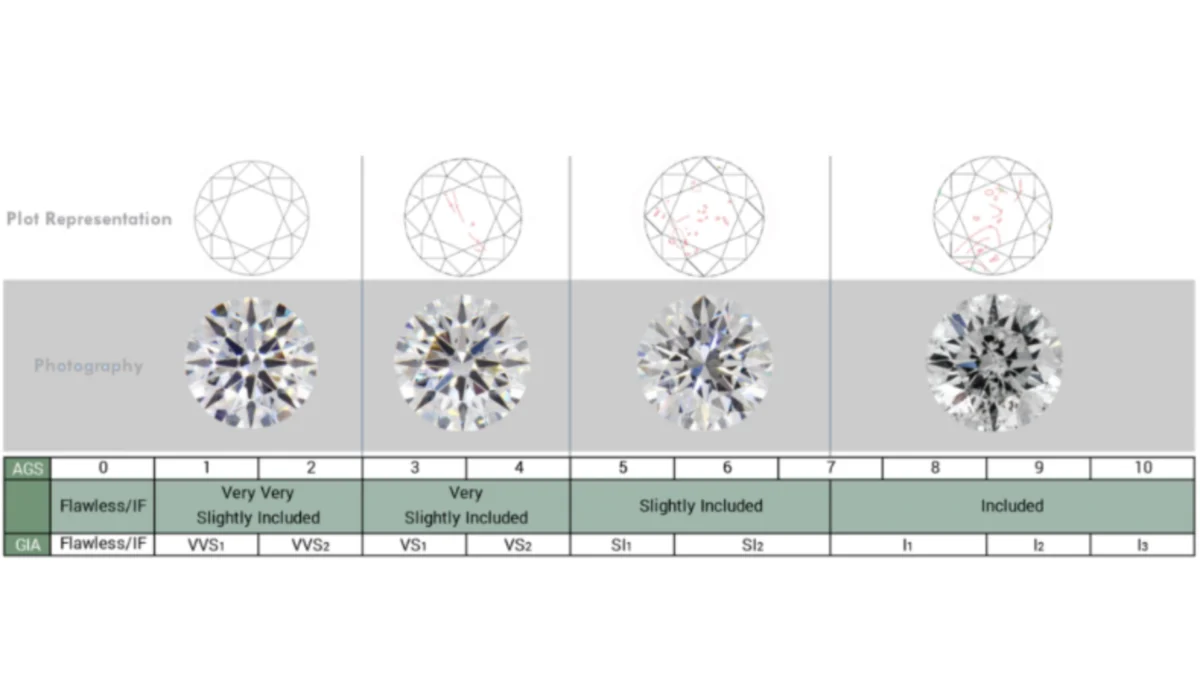
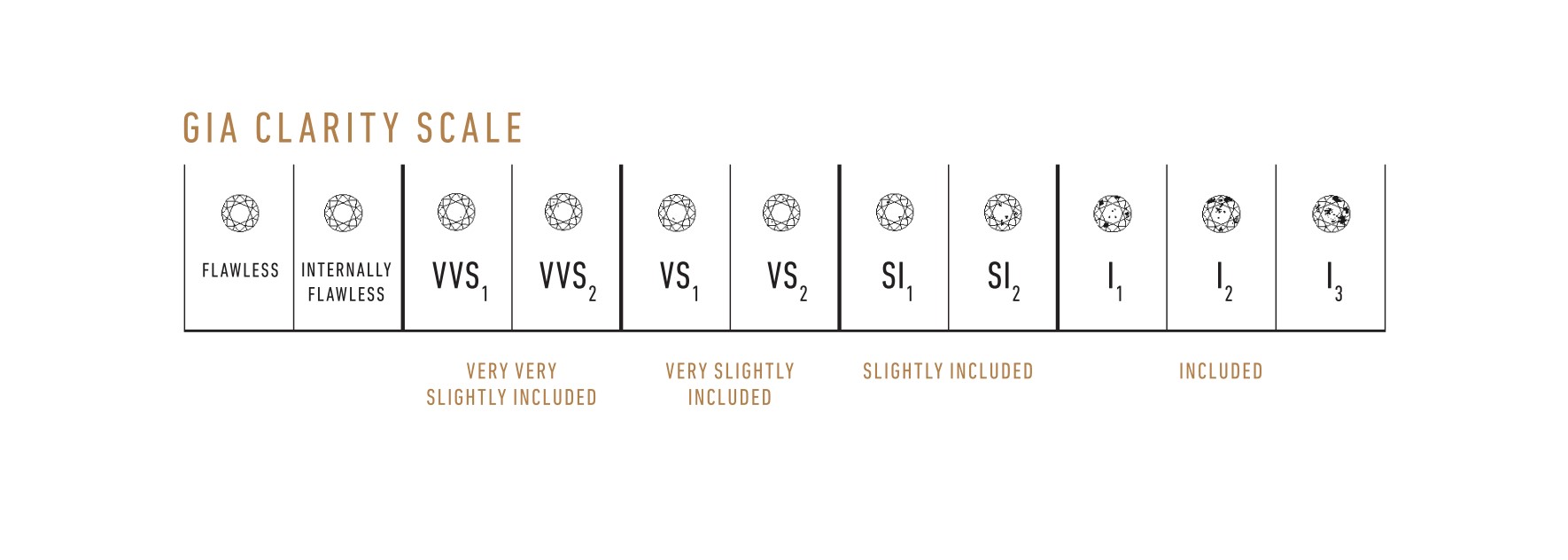
The GIA clarity scale is a universally recognized benchmark for assessing diamond quality. It comprises 11 distinct grades, categorized as follows:
- Flawless (FL): No inclusions or blemishes are visible to a skilled grader under 10x magnification. These are exceedingly rare and command premium prices.
- Internally Flawless (IF): No inclusions are visible under 10x magnification, but minor blemishes may be present on the surface. These diamonds offer exceptional internal purity.
- Very, Very Slightly Included (VVS1 and VVS2): Inclusions are extremely difficult to see under 10x magnification, even for expert graders. VVS diamonds are considered top-tier and offer virtually uncompromised brilliance.
- Very Slightly Included (VS1 and VS2): Inclusions are difficult to observe under 10x magnification. These grades represent a sweet spot for many consumers, offering excellent clarity and sparkle without the prohibitive cost of VVS grades.
- Slightly Included (SI1 and SI2): Inclusions are noticeable under 10x magnification but are often invisible to the naked eye. Many SI1 diamonds, and even some SI2, can be "eye-clean," providing significant value.
- Included (I1, I2, and I3): Inclusions are obvious under 10x magnification and may be visible to the naked eye. These grades can impact transparency and brilliance, often chosen when maximizing carat weight is the primary objective.
The Price of Perfection: Clarity’s Impact on Lab Diamond Costs
Clarity is a significant factor in determining the price of lab-grown diamonds. As the scale moves towards Flawless, the rarity and difficulty in achieving such perfection drive up costs. However, the premium for top clarity grades in lab-grown diamonds is generally less pronounced than in natural diamonds, where scarcity plays a more dominant role in pricing.

For instance, the price difference between a VS2 and a VVS1 diamond can be substantial, yet visually, both may appear identical to the naked eye. This is where the concept of "eye-clean" becomes crucial. An eye-clean diamond is one where no inclusions are visible without magnification. Many diamonds graded VS2 and even SI1 achieve this status, offering consumers the opportunity to save considerably by allocating their budget towards other desirable attributes like cut or carat weight, without sacrificing visual appeal.
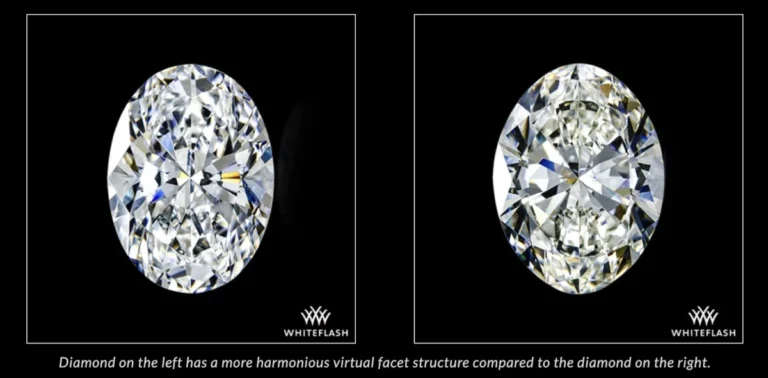
The interaction between clarity and other "4Cs" – carat, color, and cut – is also important. For example, a diamond with a higher color grade (e.g., D-F) might make even minor inclusions in lower clarity grades (like SI) more noticeable due to the diamond’s inherent transparency. Conversely, an excellent cut can enhance brilliance and scintillation, potentially masking minor inclusions more effectively than higher clarity alone.

The Durability and Longevity of Lab-Grown Diamonds
A common misconception is that lab-grown diamonds might degrade or lose their clarity over time. This concern is unfounded. Lab-grown diamonds are chemically and physically identical to natural diamonds and possess the same exceptional hardness (10 on the Mohs scale). This means their internal structure, including inclusions, remains stable under normal wear and environmental conditions. Any perceived dullness over time is typically due to surface grime, oils, or residues, which can be easily removed with simple cleaning, restoring the diamond’s original brilliance. Unlike some simulants, lab-grown diamonds do not cloud, haze, or otherwise deteriorate internally with age.
Making an Informed Choice: The "Eye-Clean" Sweet Spot
Navigating the clarity chart effectively requires focusing on what truly matters for visual appeal. For most consumers, the goal is an eye-clean diamond. This often falls within the VS2 to SI1 clarity grades. These diamonds offer a remarkable balance of beauty and value, providing the brilliance and sparkle expected of a fine diamond without the premium associated with imperceptible perfection.

When evaluating diamonds, especially those in the SI grades, leveraging detailed imagery and videos provided by reputable retailers is essential. Tools like 360-degree magnified views allow potential buyers to inspect inclusions firsthand, confirming whether they are indeed invisible to the unaided eye.
Leveraging Expert Resources and Communities
For consumers seeking to make the most informed decisions, independent resources and communities are invaluable. Platforms like PriceScope offer extensive educational content on diamond grading, including clarity. Their forums connect buyers with experienced gemologists and fellow shoppers, providing a space to discuss specific diamonds, compare clarity grades, and share real-world experiences. This collective knowledge can demystify the grading process and empower individuals to identify diamonds that offer the best combination of visual appeal and value.

Trusted retailers play a crucial role in this process. Companies such as Whiteflash, James Allen, and Blue Nile are known for their stringent quality control, detailed diamond imaging, and transparent grading reports. By partnering with such vendors, buyers can confidently select lab-grown diamonds that meet their aesthetic preferences and budgetary requirements, ensuring a beautiful and enduring addition to their jewelry collection.
In conclusion, understanding lab-grown diamond clarity is not about chasing the highest possible grade, but about identifying the "eye-clean" sweet spot where beauty, value, and durability converge. By familiarizing yourself with the GIA scale, common inclusion types, and leveraging the wealth of resources available, you can confidently navigate the lab-grown diamond market and select a stone that truly sparkles with brilliance and meaning.