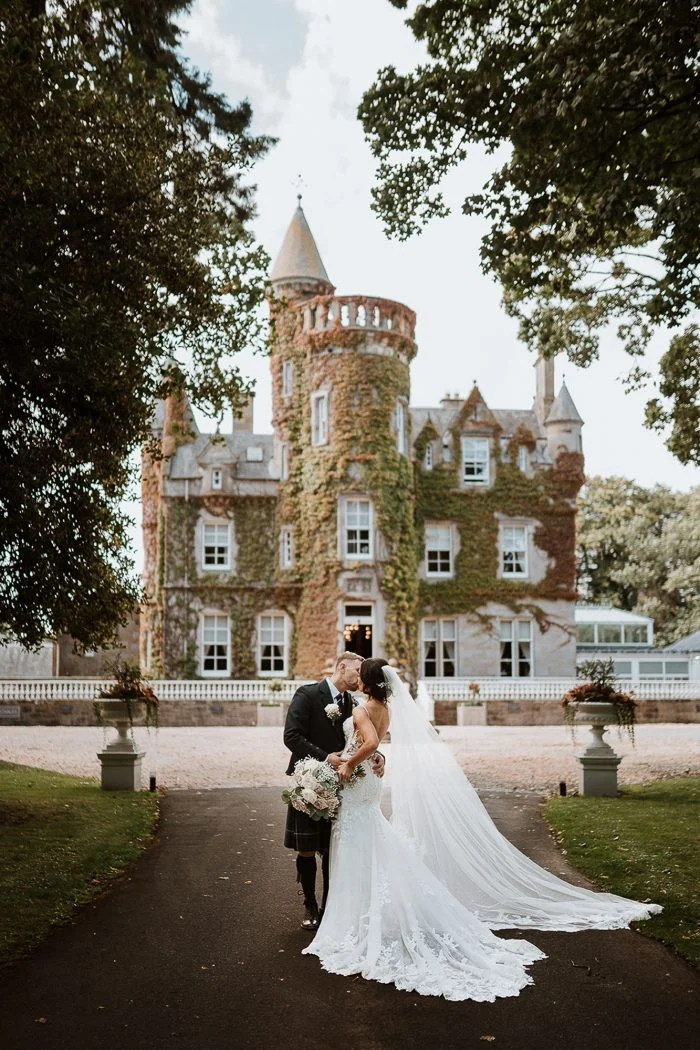


The contemporary understanding of a "small wedding" is undergoing a significant redefinition, moving beyond the conventional assumption that such celebrations are solely a consequence of budgetary constraints. While a reduced guest list invariably correlates with a lower overall expenditure, a growing trend indicates that couples are intentionally opting for smaller-scale nuptials not merely to cut costs, but to cultivate a profoundly more meaningful and intimate experience. This shift represents a conscious decision to allocate resources—both financial and emotional—towards elements that resonate most deeply with the couple’s personal values and vision for their special day. Insights from platforms like The Budget Savvy Bride underscore this paradigm, emphasizing that "savvy" in wedding planning denotes intentionality in resource deployment, prioritizing what truly matters.
The Evolving Landscape of Matrimony: A Chronological Shift
For decades, the societal expectation surrounding weddings often leaned towards grand, elaborate affairs, with guest lists frequently extending into the hundreds. The traditional narrative dictated that a wedding’s significance was often measured by its scale and the sheer number of attendees. This cultural norm was deeply entrenched, influenced by historical precedents, familial obligations, and the perceived need to celebrate a union publicly with a wide social circle. However, the turn of the 21st century began to witness a subtle yet persistent erosion of these rigid expectations. Economic shifts, evolving social priorities, and a burgeoning desire for personalization initiated a gradual movement away from one-size-fits-all celebrations.
The acceleration of this trend was notably catalyzed by the global events of 2020 and 2021. The COVID-19 pandemic, with its restrictions on gatherings and emphasis on health and safety, forced countless couples to drastically reconsider their wedding plans. Large celebrations became logistically impossible or socially irresponsible, leading to the rapid popularization of "micro-weddings," "minimonies," and elopements. While initially a necessity, many couples discovered unexpected benefits in these smaller formats, appreciating the intimacy, reduced stress, and heightened personal connection they offered. What began as a forced adaptation has now solidified into a preferred choice for a significant segment of the marrying population, fundamentally altering the wedding industry’s landscape and consumer expectations. This period acted as a critical inflection point, demonstrating the viability and desirability of more intimate celebrations.
Prioritizing Presence: The Quest for Meaningful Connections
One of the most compelling arguments for a smaller wedding centers on its capacity to foster deeper, more authentic connections. By curating a guest list comprised exclusively of immediate family and closest friends, couples are able to eliminate the pressure of superficial interactions often prevalent at larger events. This allows for genuine engagement with each attendee, transforming fleeting greetings into heartfelt conversations and shared moments. According to a 2023 survey by WeddingWire, 68% of couples who opted for smaller weddings (under 50 guests) reported feeling more connected to their guests throughout the event compared to 45% of those with larger weddings (over 150 guests). The ability to be fully present, to absorb the atmosphere of love and support from those who matter most, becomes a priceless commodity, frequently cited as one of the most underrated advantages of scaling back. This intimacy allows the couple to truly experience their wedding day rather than merely performing for a large audience.
Strategic Resource Allocation: Beyond Budget Cuts
While a smaller guest count can indeed reduce the overall cost of a wedding, the modern paradigm often sees couples reallocating, rather than simply trimming, their budget. This strategic financial planning allows for an upgrade in quality and personalization across various elements of the celebration. For instance, instead of stretching a budget across 200 generic meals, a couple might invest in a bespoke farm-to-table culinary experience for 30 guests, complete with sommelier-selected wine pairings. Data from The Knot’s 2023 Real Weddings Study indicates that while the average overall wedding cost hovers around $30,000, couples with smaller guest lists (under 75) often report a higher per-guest spend, reflecting an investment in premium services and experiences.
This reallocation extends beyond catering to areas such as photography, videography, decor, and entertainment. A dream photographer who might be unaffordable for a 150-person event becomes attainable for a 40-person gathering. Couples might splurge on custom-designed invitations, live musicians for an extended period, or luxurious floral arrangements that create an immersive ambiance. The objective shifts from merely managing expenses to maximizing the impact and quality of every chosen detail, ensuring that each dollar spent directly reflects the couple’s priorities and enhances the overall guest experience. This approach transforms the wedding budget from a restrictive limit into a flexible tool for personalization.
Unlocking Niche Venues and Creative Possibilities
The logistical demands of accommodating a large number of guests often confine couples to traditional banquet halls or expansive event spaces. However, with fewer people to seat, feed, and entertain, the spectrum of potential venues broadens dramatically, opening doors to highly creative and unique settings. Imagine exchanging vows in a historic library, a charming backyard garden, a chic boutique hotel rooftop, an art gallery, or even a remote destination with only your closest confidantes present. These non-traditional venues not only offer unparalleled aesthetic appeal but also often come with inherent character that minimizes the need for extensive decoration.
The flexibility afforded by a smaller guest list also simplifies numerous logistical challenges, from parking and transportation to sound systems and restroom facilities. This reduced complexity encourages couples to think "outside the ballroom," fostering a sense of adventure and personal expression in their venue choice. Wedding industry reports indicate a growing preference for unconventional venues, with a 15% increase in bookings for private estates, botanical gardens, and unique cultural spaces for events under 75 guests in the past two years. This trend highlights a desire for venues that offer an intimate, distinctive backdrop reflective of the couple’s personality, rather than a generic event space.
Mitigating Planning Stress: A Streamlined Journey to the Altar
The conventional wedding planning process is notoriously stressful, often likened to managing a complex corporate project. Juggling extensive guest lists, coordinating dozens of vendors, meticulously crafting seating charts, and managing intricate timelines for hundreds of attendees can easily overwhelm even the most organized couples. The emotional and mental toll can detract significantly from the joy of the engagement period.
A smaller wedding inherently reduces much of this complexity. Fewer moving parts translate directly into fewer logistical headaches. The invitation process is simpler, dietary restrictions are easier to manage, and vendor coordination becomes more streamlined. This reduction in administrative burden frees up valuable time and mental energy for the couple, allowing them to truly savor their engagement, focus on the deeper meaning of their commitment, and engage more thoughtfully with the planning elements they genuinely enjoy. Leading wedding planner, Eleanor Vance, notes, "We’ve observed that couples planning micro-weddings report significantly lower stress levels throughout the process. They have more capacity to enjoy the creative aspects of planning and arrive at their wedding day feeling refreshed, not exhausted." This emphasis on reduced stress and increased enjoyment positions the small wedding as a pathway to a more harmonious and memorable journey to matrimony.
Societal Perceptions and Validating Personal Choices
Despite the rising popularity and numerous advantages of small weddings, a lingering societal perception sometimes suggests that choosing a smaller celebration is "just to save money." This assumption can lead to unwarranted judgment or pressure on couples to justify their choices. However, industry experts and cultural commentators increasingly advocate for the validation of diverse wedding motivations. The decision to host an intimate gathering can stem from a multitude of personal reasons that extend far beyond financial considerations.
These motivations might include a deep-seated desire for intimacy, a commitment to sustainability and minimizing environmental impact, an aversion to large crowds, a preference for experience over spectacle, or simply a wish to craft a day that feels authentically "them" without external expectations. Sarah Miller, a sociologist specializing in modern family structures, states, "The contemporary couple is increasingly autonomous in their life choices, and this extends profoundly to their wedding day. The drive for authenticity and personalized experiences often outweighs traditional expectations, making the ‘why’ behind a small wedding deeply personal and entirely valid, irrespective of budget." Couples are encouraged to shed any apprehension about external judgment and embrace their chosen path, understanding that their reasons, whether rooted in simplicity, sustainability, or profound intimacy, are entirely their own and require no external validation.
Expert Insights and Broader Implications
The shift towards smaller, more intentional weddings has significant implications across the wedding industry. Vendors, from caterers to photographers, are adapting their offerings to cater to this growing market, developing specialized packages for micro-weddings and elopements. This adaptation signifies not a contraction of the market, but a diversification, with an emphasis on high-quality, bespoke services for a discerning clientele.
Furthermore, this trend aligns with broader societal movements towards conscious consumption and personalized experiences. It reflects a cultural maturation where personal values are increasingly prioritized over external display. The long-term impact suggests a more resilient and adaptable wedding industry, one that can cater to a wider spectrum of couple preferences and budgetary approaches, moving away from a monolithic ideal. The "small wedding" is no longer an alternative; it is a mainstream, legitimate, and often preferred choice that underscores a deeper understanding of what makes a truly memorable and meaningful celebration.
In conclusion, a small wedding is unequivocally not a consolation prize or a compromise dictated solely by financial constraints. It represents a deliberate, conscious choice – a powerful declaration of priorities that places meaning, intimacy, and authenticity at the forefront of the celebration. By embracing a smaller scale, couples are empowered to craft a day that truly reflects their unique love story, fostering deeper connections, allowing for strategic allocation of resources, unlocking creative possibilities for venues, and significantly reducing the inherent stress of wedding planning. This savvy approach to matrimony allows couples to plan their day, their way, ensuring that their celebration of love is as profound and personal as their bond itself.