The landscape of childhood milestones is undergoing a significant transformation as modern parents increasingly pivot from mass-produced accessories toward bespoke, handcrafted keepsakes. A recent tutorial published by Jen Causey-Kidder of the lifestyle and crafting platform Something Turquoise has highlighted a growing trend: the replacement of the traditional "tooth fairy pillow" with personalized ceramic dishes. This shift reflects a broader movement within the global handicraft market, which is projected to reach a valuation of over $1 trillion by 2028, driven by the accessibility of high-end crafting technology and the desire for individualized parenting experiences.
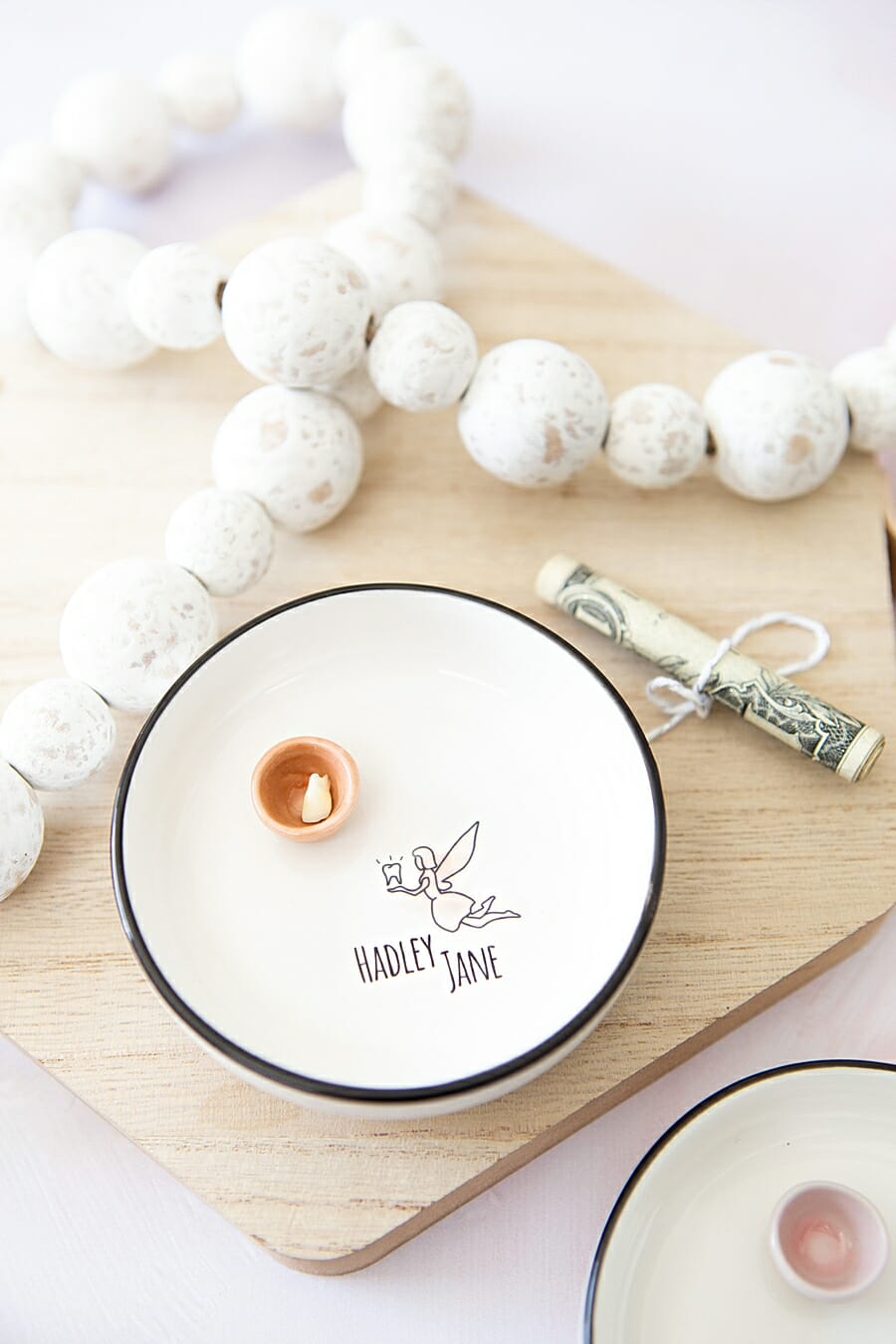
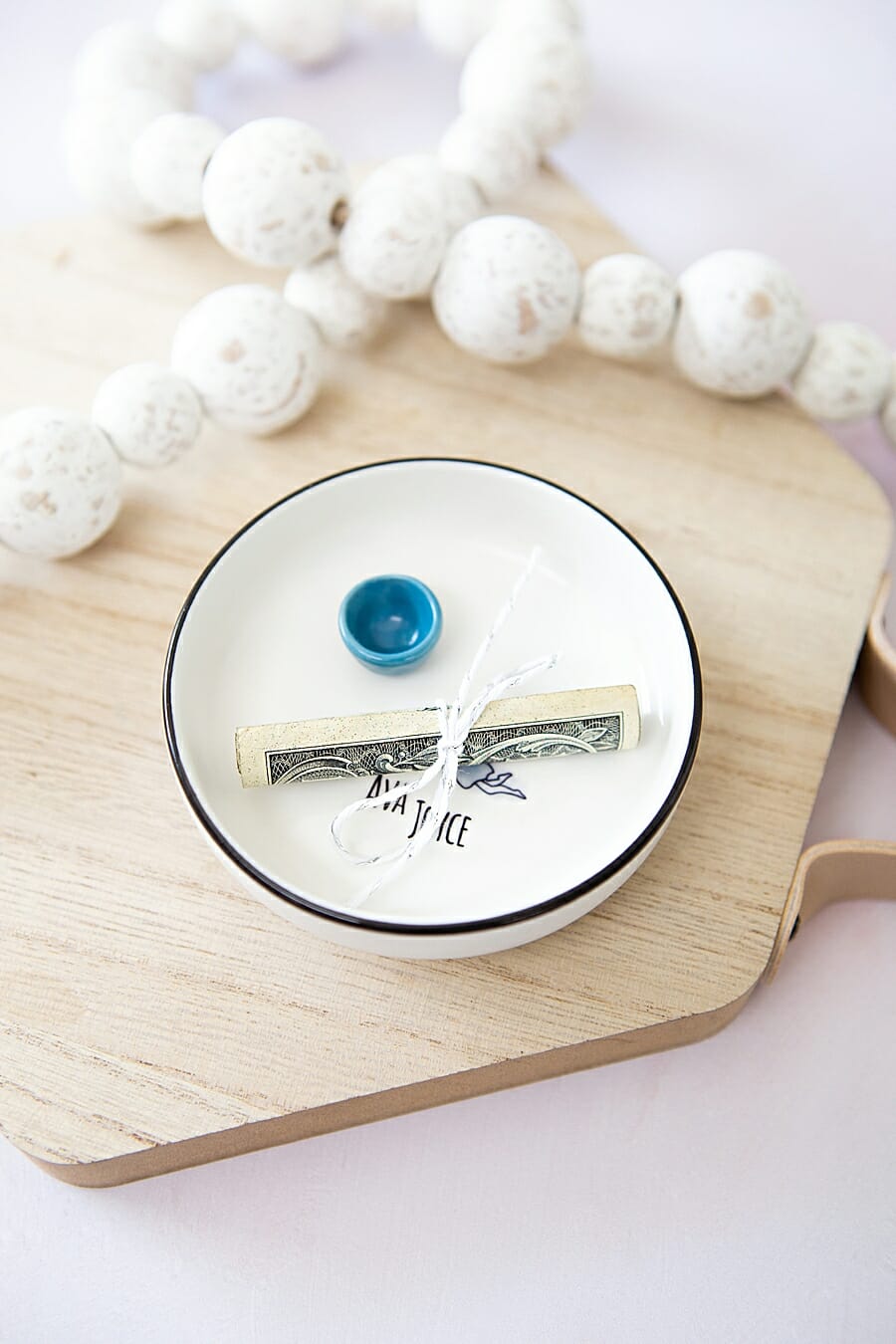
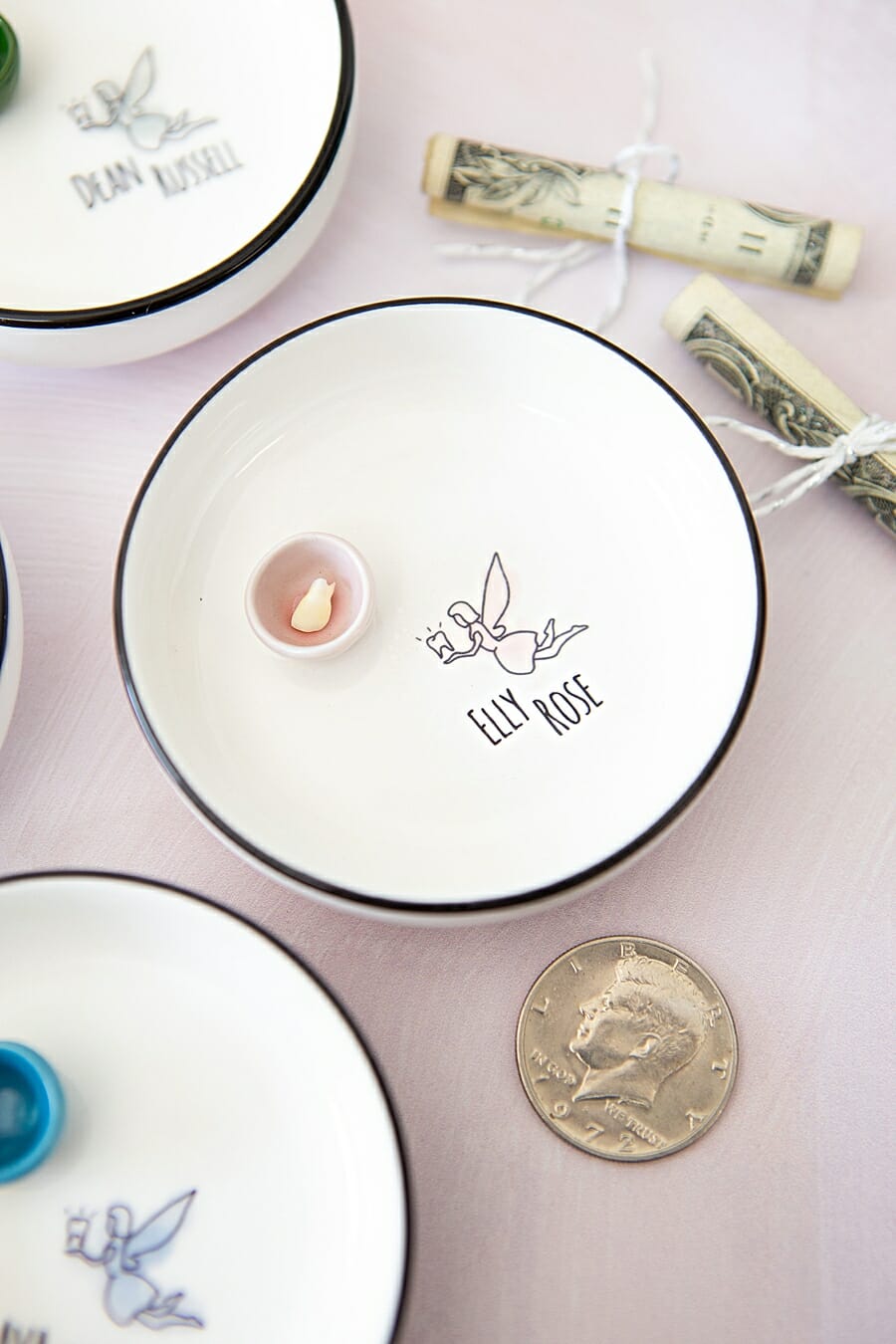
The specific project involves the integration of miniature dollhouse components and standard ceramic sauce dishes, bonded together and customized using advanced inkjet waterslide decal technology. This method allows for the application of intricate, multi-colored designs that mimic professional kiln-fired results, providing a durable and aesthetically pleasing vessel for the exchange of primary teeth for currency.
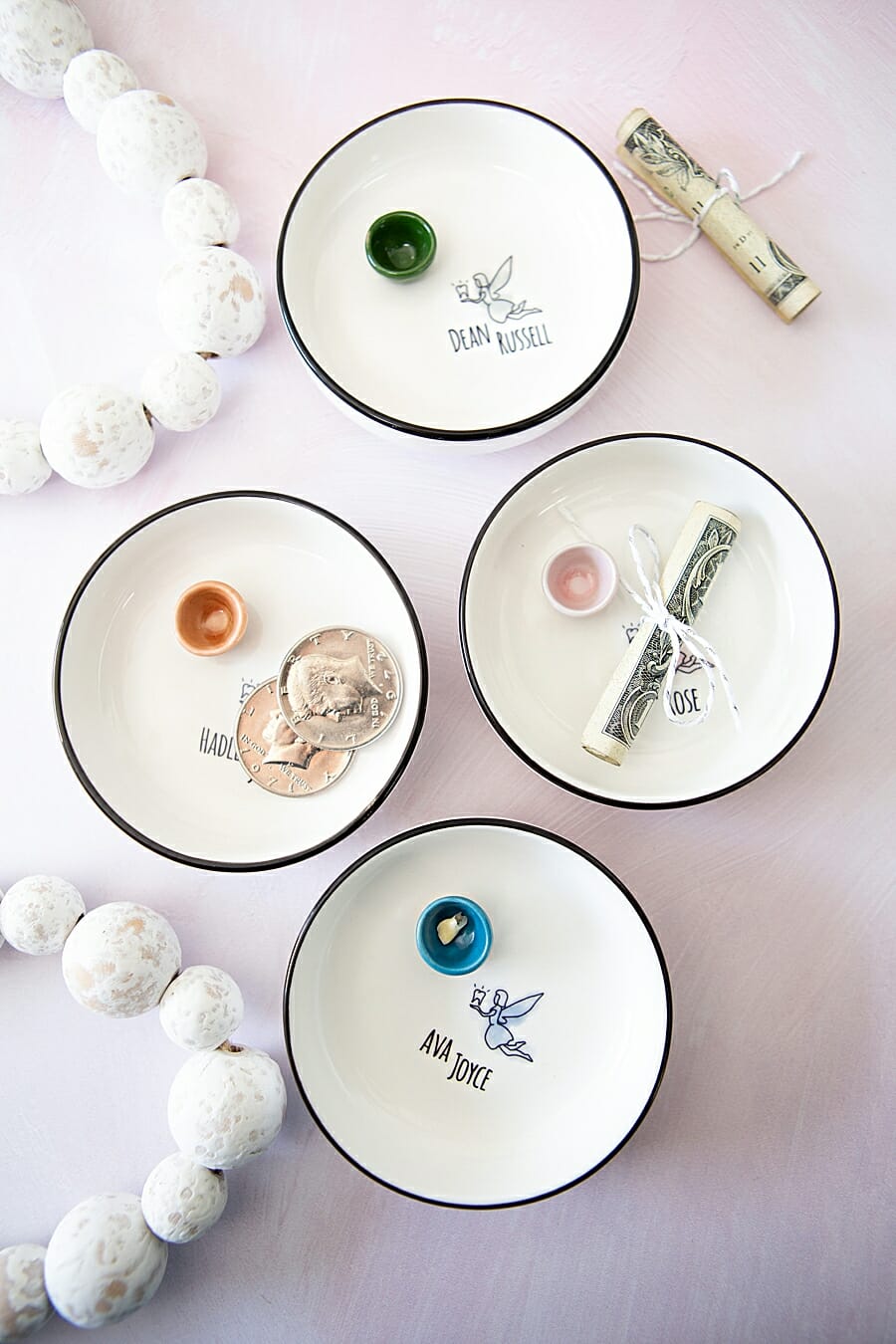
The Shift in Commemorative Aesthetics
For decades, the standard vessel for tooth fairy transactions was a small, plush pillow, often featuring a pocket for the tooth. However, market observations suggest that modern consumers are seeking alternatives that offer greater longevity and customization. The "tooth fairy dish" serves as a permanent memento that can be displayed on a shelf or dresser, bridging the gap between a functional tool and a piece of home decor.
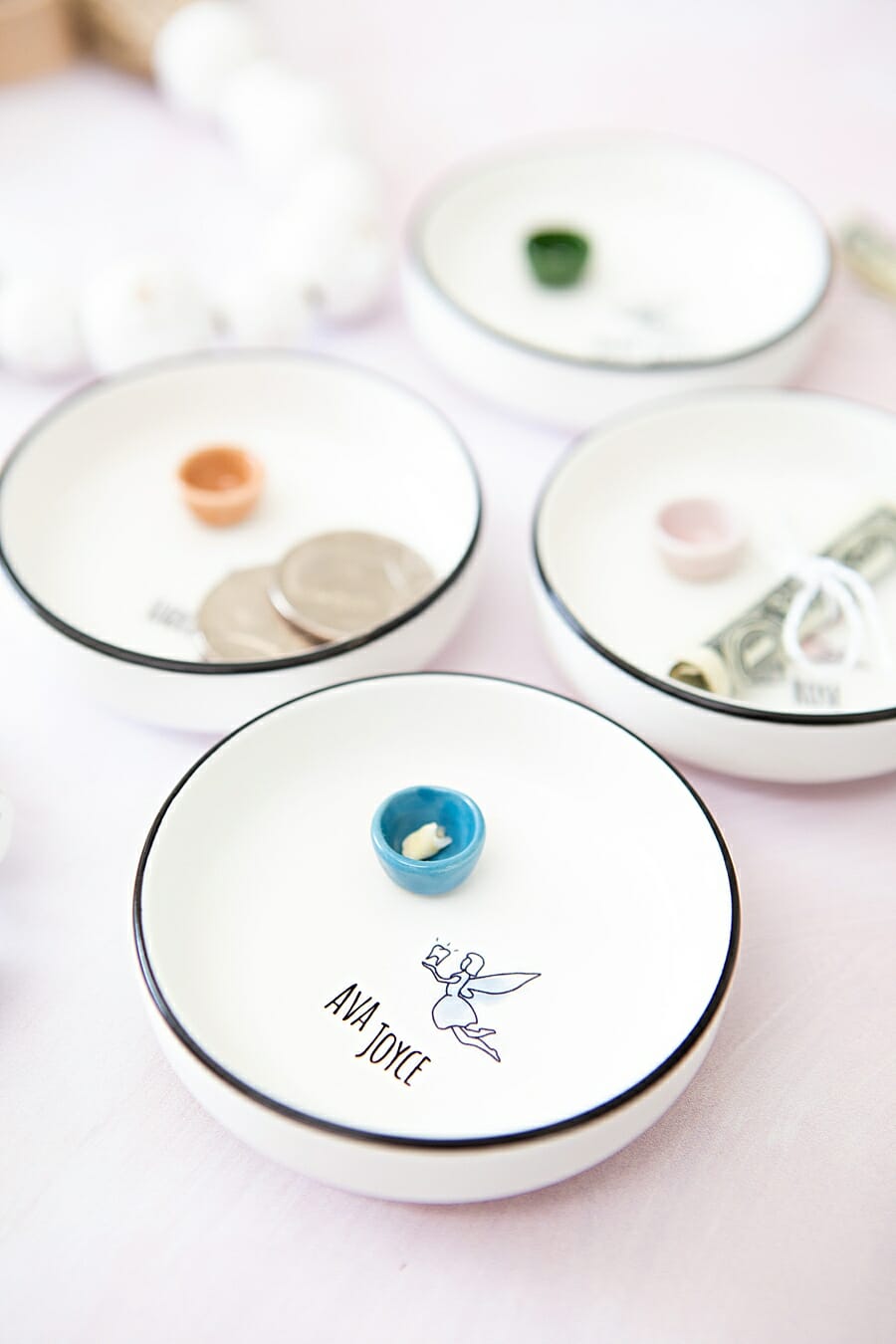
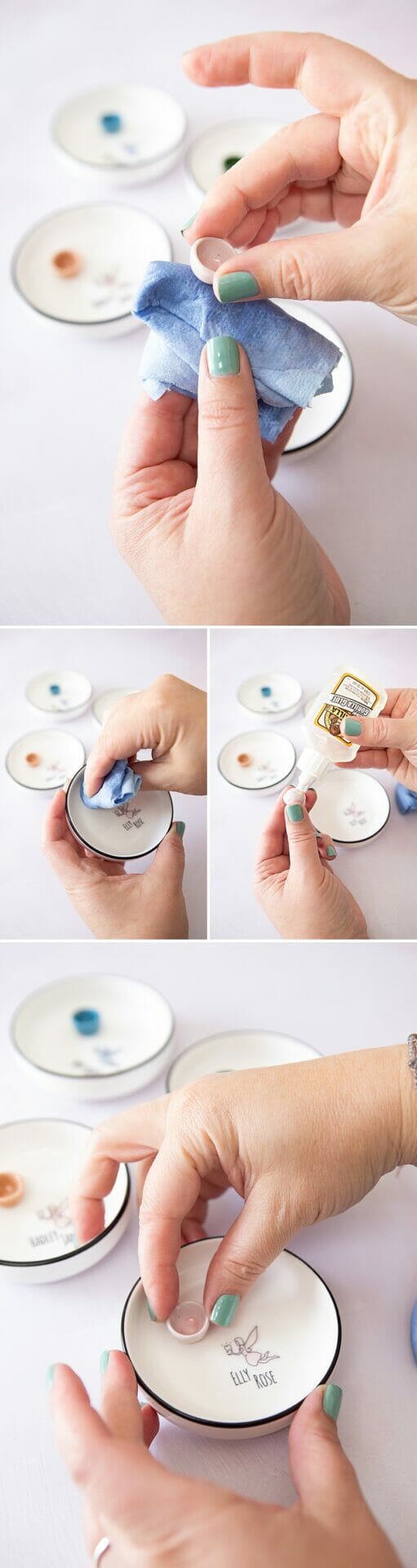
The Something Turquoise project utilizes two primary components: a standard white or black ceramic sauce dish and a colorful dollhouse-scale bowl. By inverting the smaller bowl and bonding it to the base of the sauce dish, crafters create a pedestal-style vessel. This architectural choice elevates the item, making it a focal point of the child’s bedside table during the transition of primary teeth to permanent dentition.
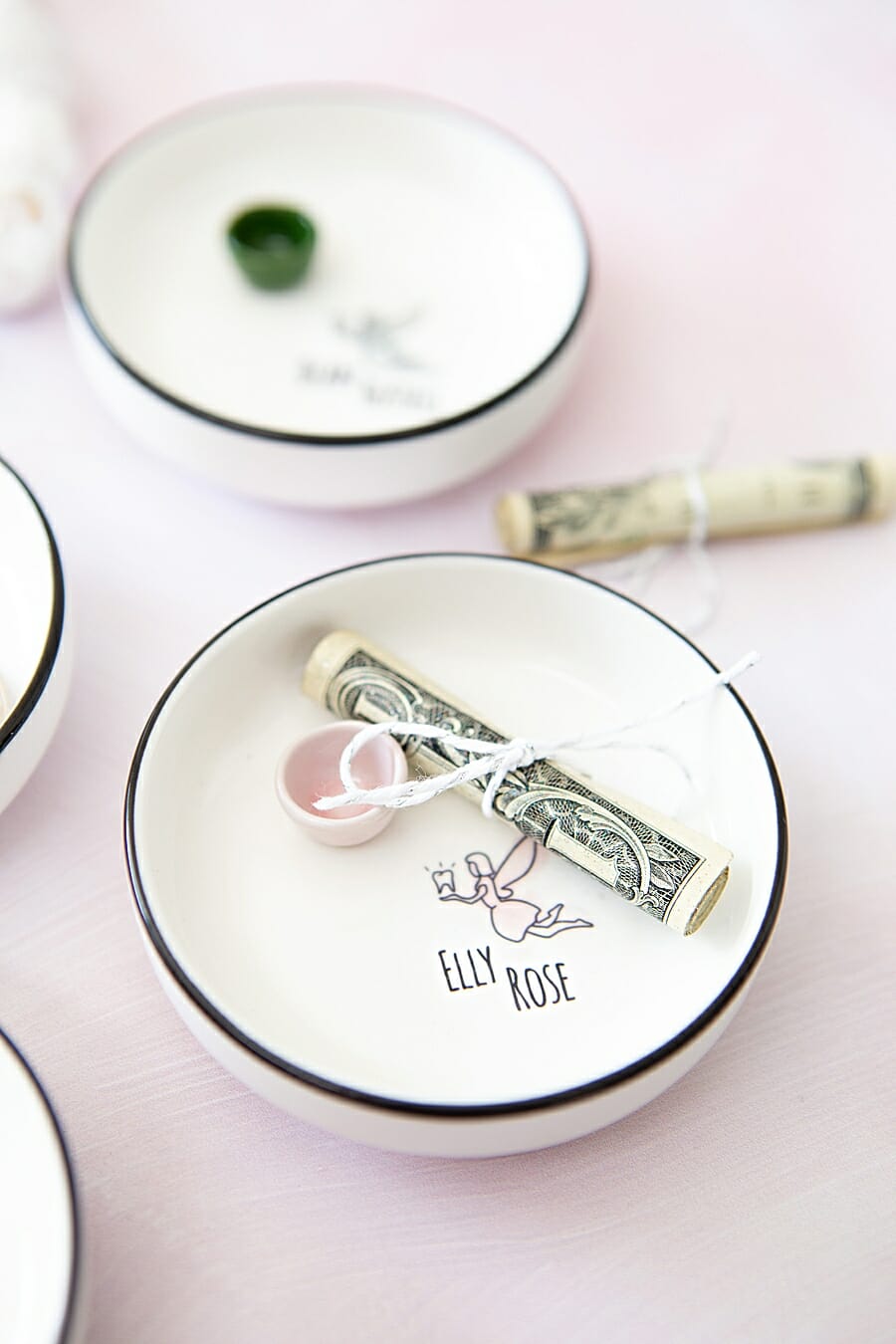
Technical Methodology: The Role of Waterslide Decal Technology
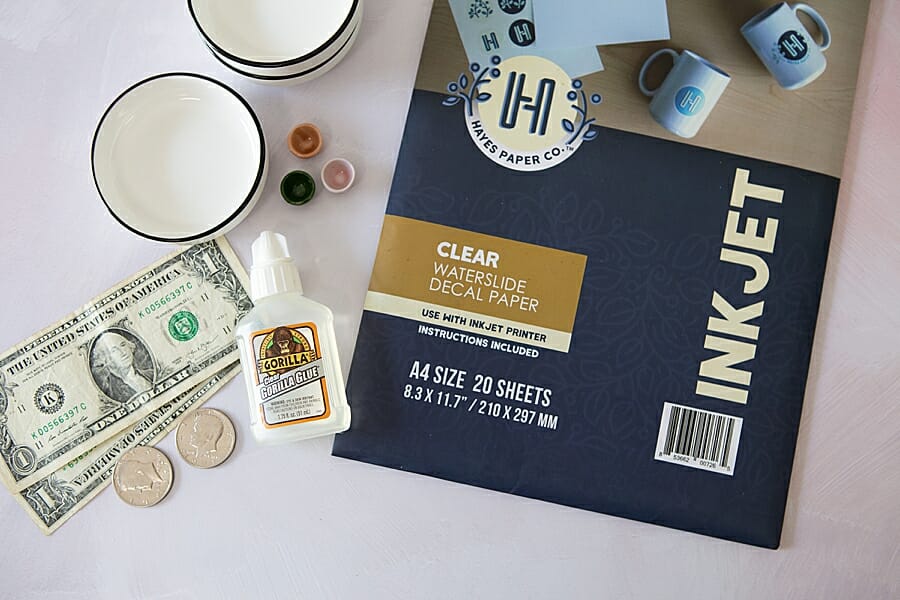
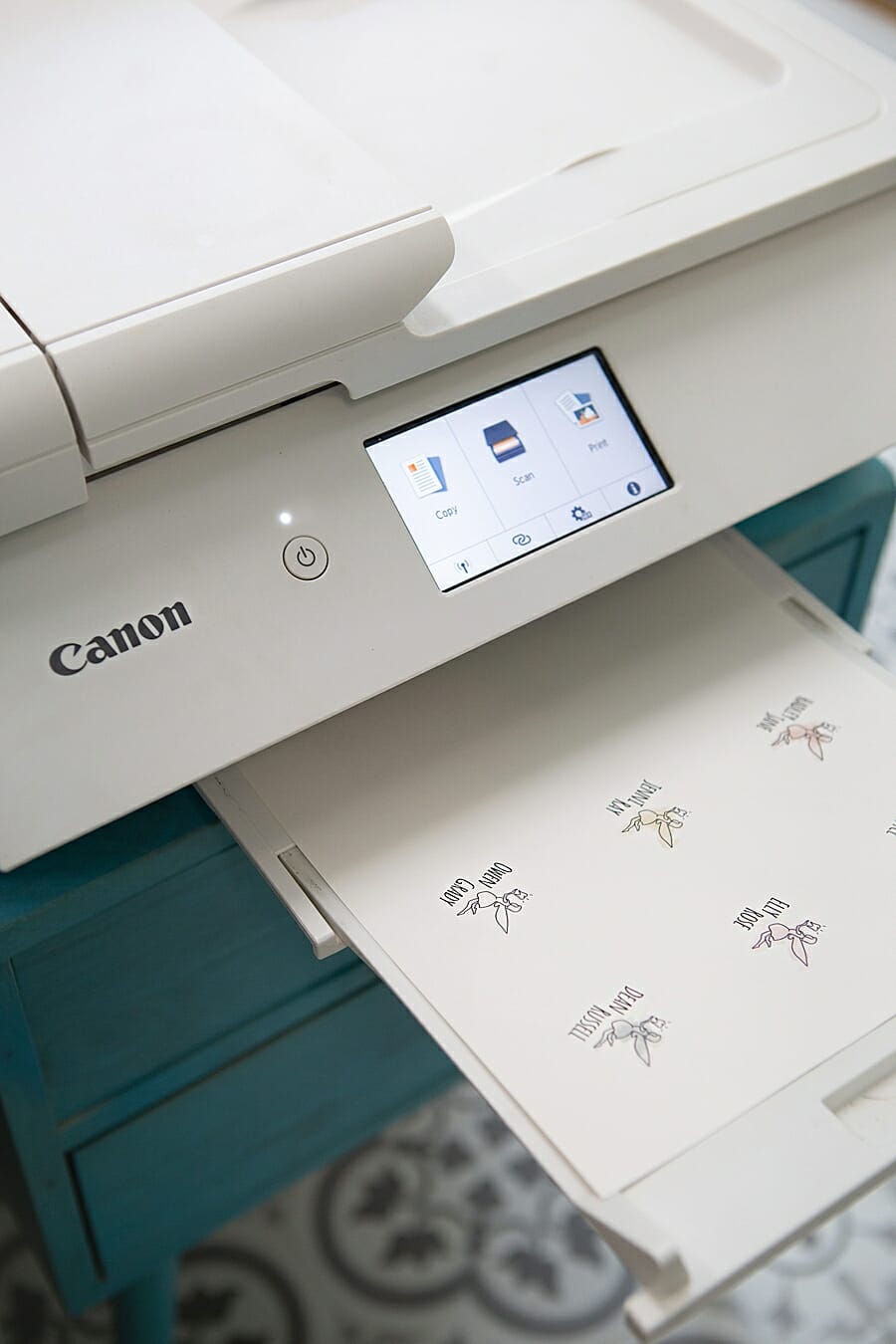
The centerpiece of this DIY innovation is the use of inkjet waterslide paper, a medium that has gained popularity among hobbyists for its ability to transfer high-resolution digital designs onto non-porous surfaces such as ceramic, glass, and metal.
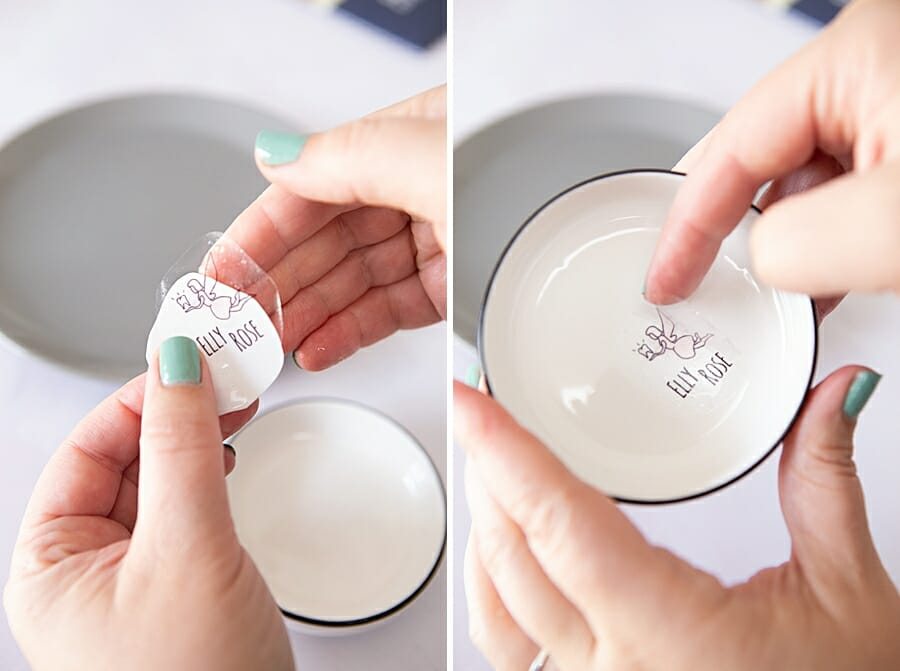
Waterslide paper consists of a paper or cardstock backing coated with a layer of water-soluble adhesive, typically dextrin. When a design is printed onto this layer and subsequently soaked in water, the adhesive softens, allowing the thin film containing the ink to slide off the backing and onto the target substrate. In the context of the tooth fairy dish, this allows for the application of personalized names, dates, or specific fairy illustrations that would be difficult to achieve through traditional hand-painting.
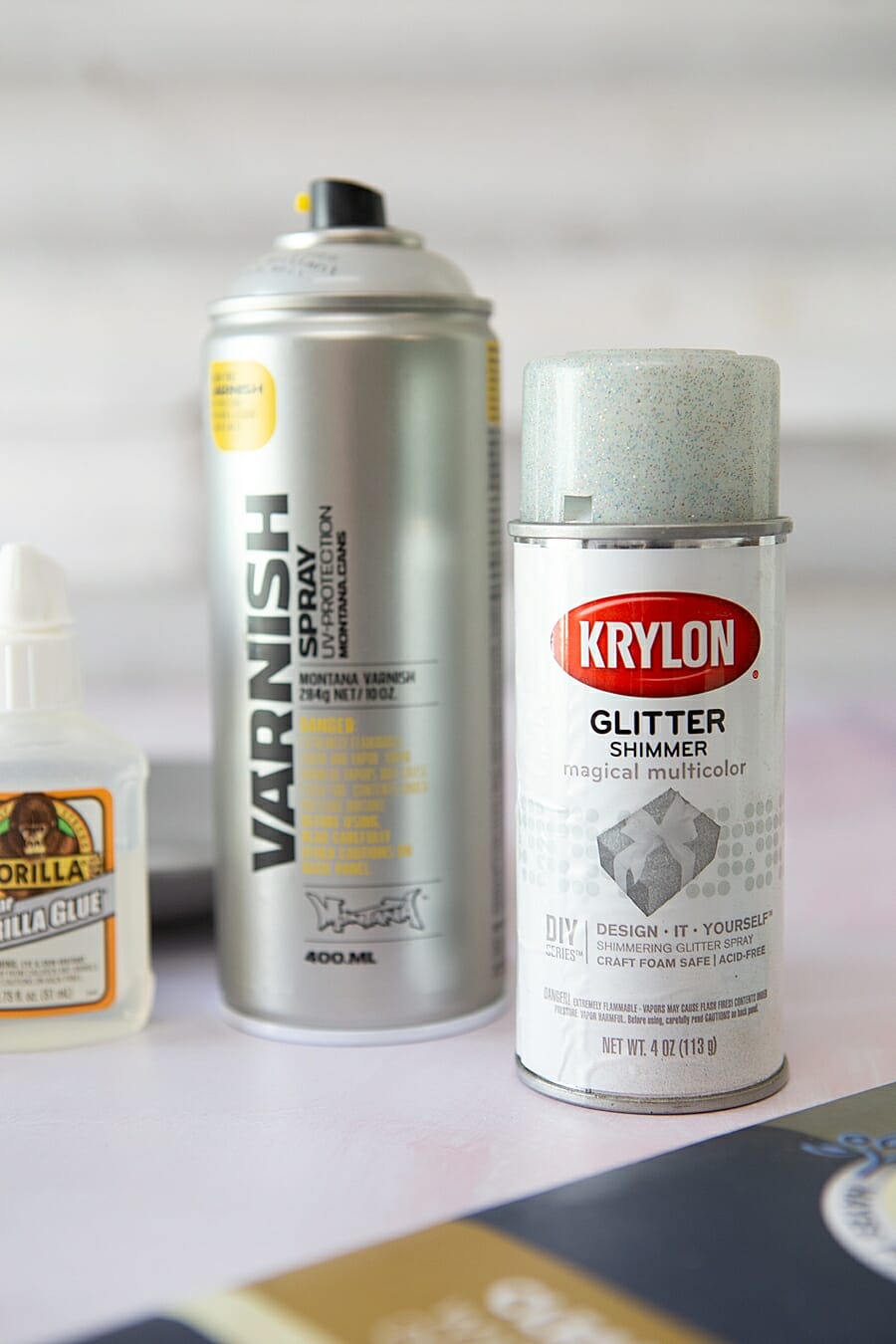
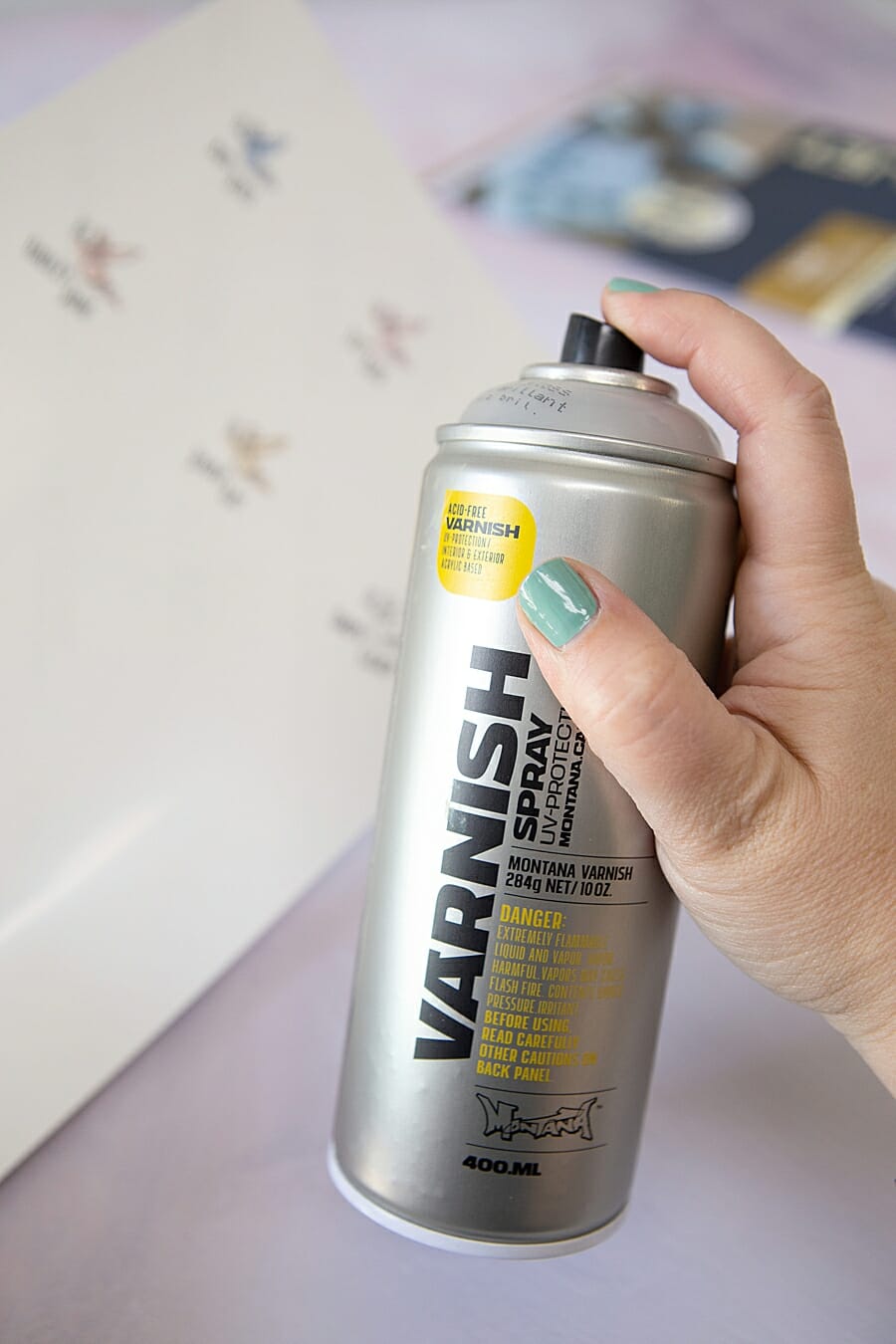
To ensure the longevity of the design, the process requires a rigorous sealing phase. Because inkjet ink is water-soluble, the printed decal must be treated with a clear varnish or acrylic spray before it comes into contact with water. Industry standards suggest a minimum of three coats of sealant to create a waterproof barrier. Once applied to the ceramic dish, the decal requires a curing period—typically 72 hours—to ensure maximum adhesion, although some variations of the technology allow for oven-curing to expedite the process.
Economic and Market Context
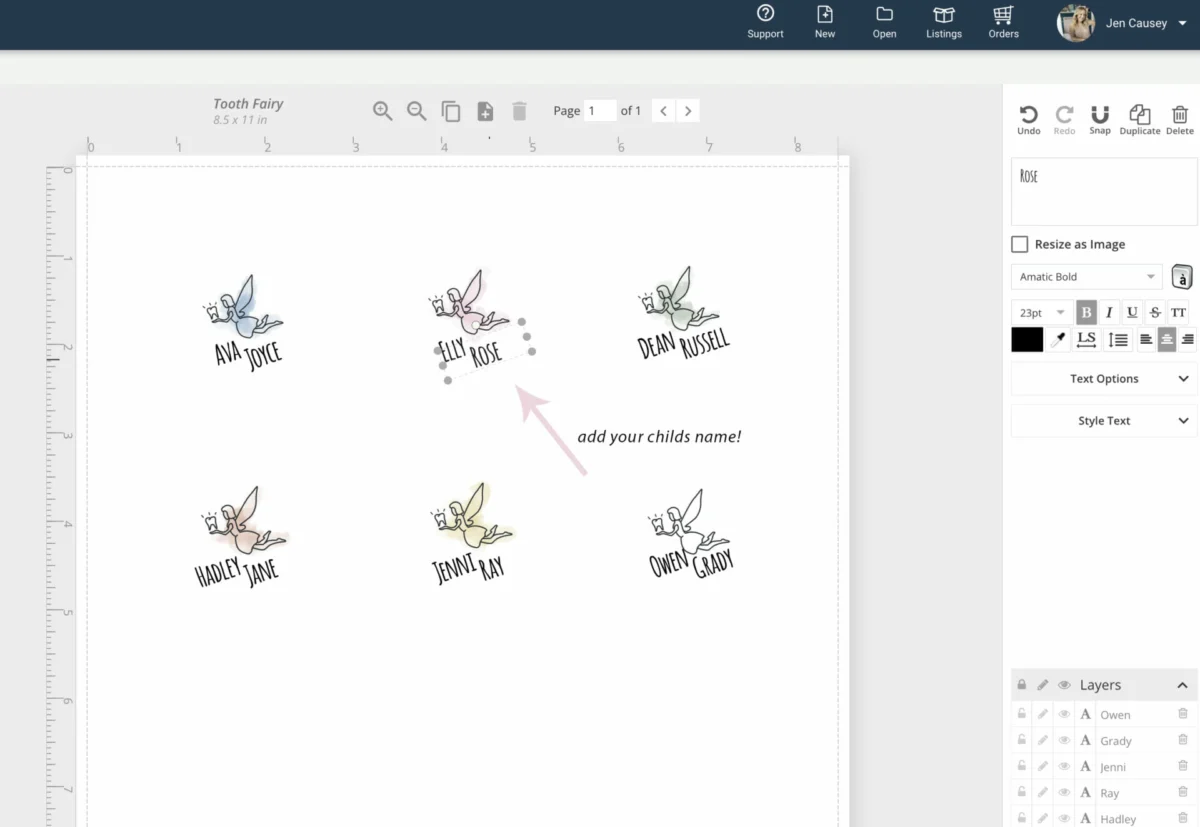
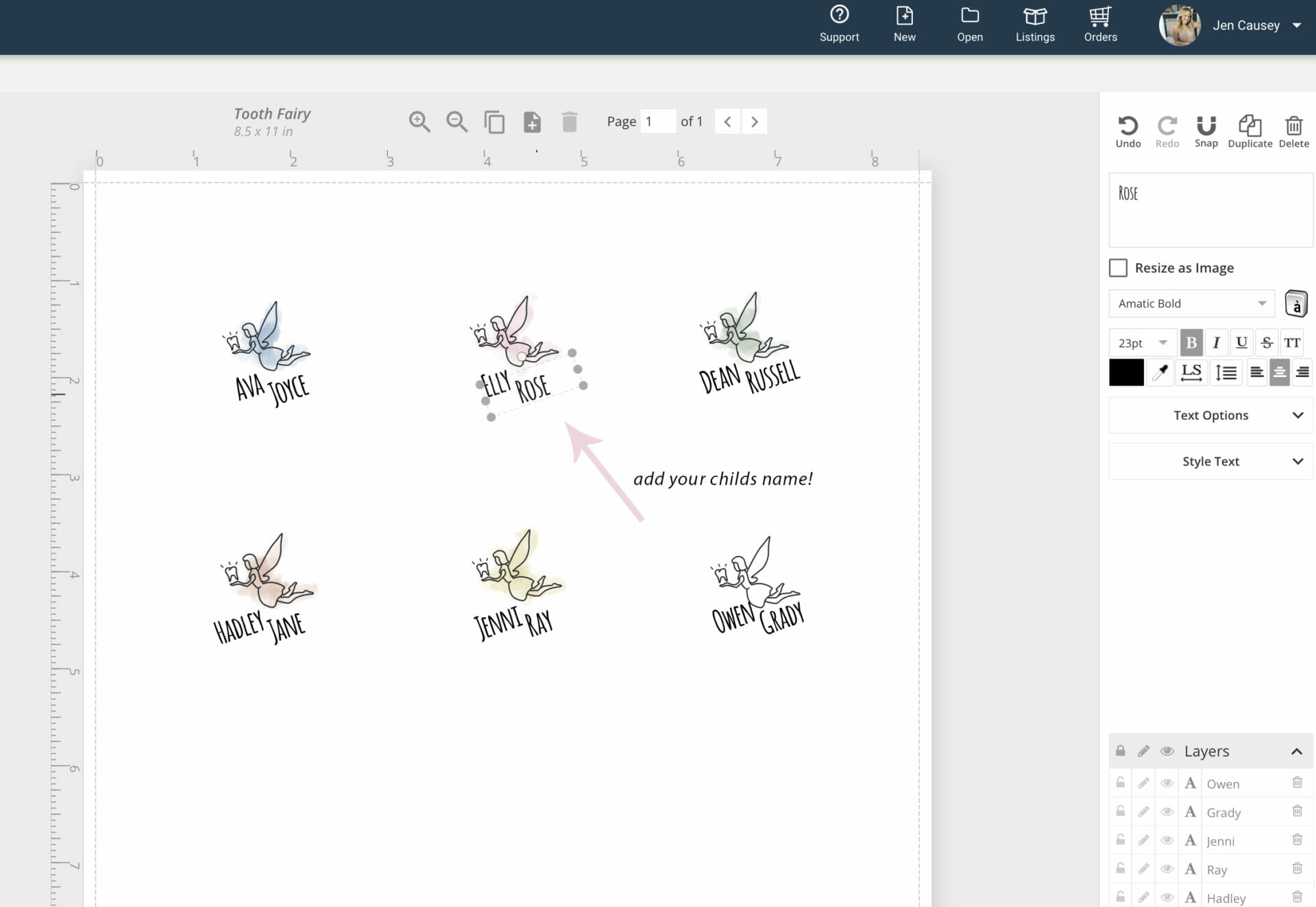
The rise of such projects is intrinsically linked to the "Etsy Economy," where the sale of digital assets for physical crafting has become a multi-million dollar sub-sector. In this instance, the use of Corjl, a digital editing platform, allows creators to sell editable templates. Consumers purchase the design, customize the text or colors in a web browser, and print the final product at home. This "Print-on-Demand" (POD) hybrid model reduces shipping costs and environmental impact while providing the consumer with an immediate, high-quality result.
Supporting data from the craft industry indicates that the "Personalized Gift" market is growing at a compound annual growth rate (CAGR) of approximately 9%. Parents, specifically millennials and Gen Z, are the primary drivers of this growth. According to a 2023 consumer behavior report, 62% of parents prefer purchasing or making personalized items for their children’s milestones rather than buying "off-the-shelf" products.
Chronology of the Customization Process
The production of a personalized tooth fairy dish follows a specific technical sequence designed to ensure both aesthetic quality and structural integrity:
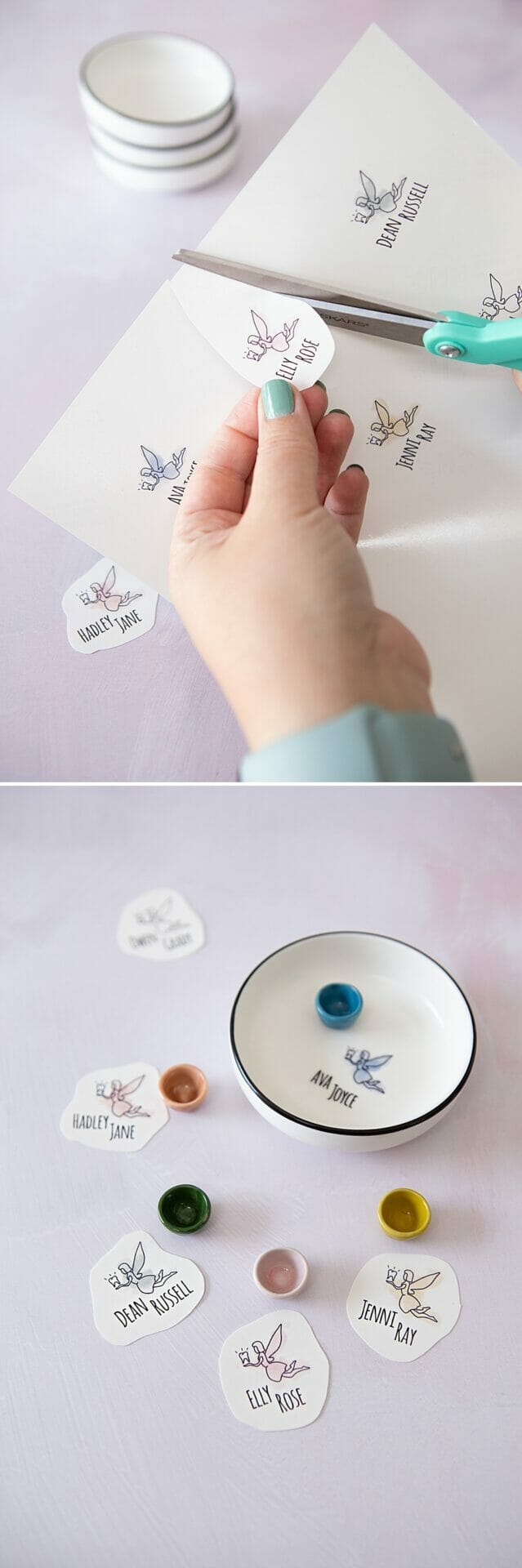
- Digital Acquisition and Customization: The user accesses a digital template via an editing suite. This allows for the selection of specific color palettes (typically green, peach, pink, blue, or yellow) and the input of the child’s name using specific typography, such as Amatic Bold.
- Substrate Preparation: Ceramic sauce dishes and dollhouse bowls are cleaned and dried. The surfaces must be free of oils and dust to ensure the adhesive properties of both the decal and the bonding agent.
- Printing and Sealing: The design is printed onto inkjet waterslide paper. Following the print, a clear varnish (such as Montana Gold or similar acrylic sealants) is applied in multiple stages to protect the ink.
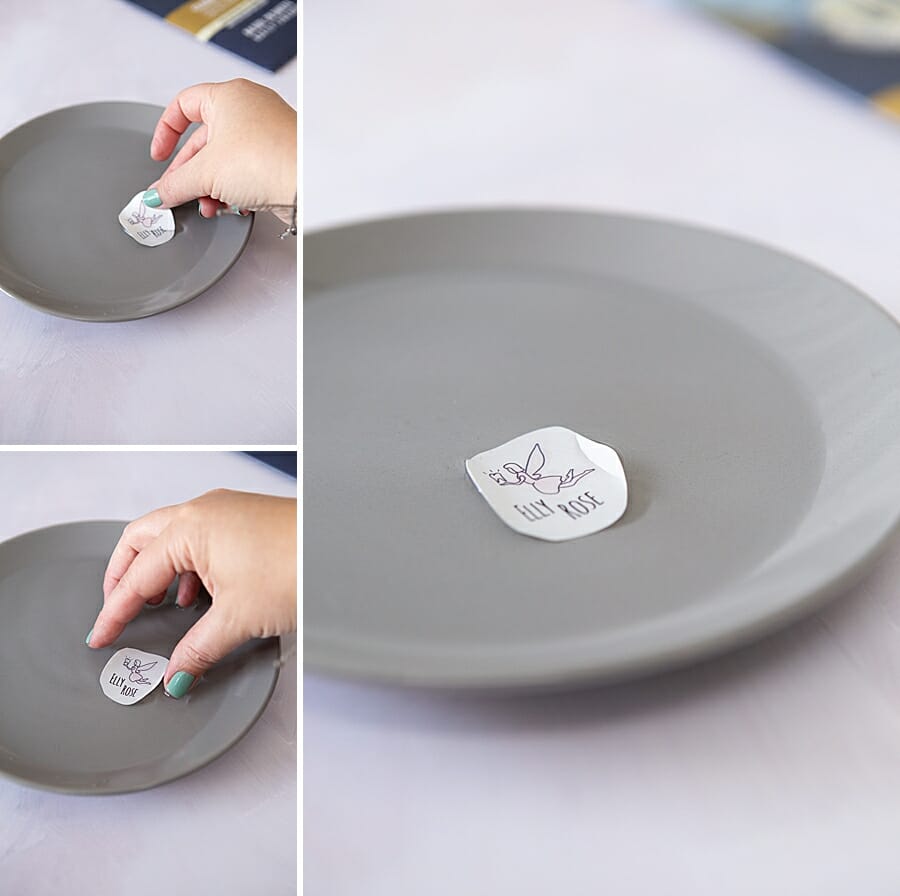
- Decal Application: After the sealant has dried, the decal is trimmed to size and submerged in water for approximately 30 seconds. The film is then transferred to the interior of the sauce dish, where air bubbles are smoothed out using a soft cloth or squeegee.
- Structural Assembly: Using a high-strength cyanoacrylate or polyurethane adhesive (such as Gorilla Glue), the dollhouse bowl is attached to the base of the sauce dish. The instructions emphasize wetting the surfaces to activate the adhesive properties of certain glues.
- Curing Phase: The completed assembly must remain undisturbed for three days to allow the decal to bond and the structural adhesive to reach maximum strength.
Safety and Practical Considerations
While the finished product offers a professional appearance, the tutorial includes critical safety disclosures. The waterslide decals and the varnishes used to seal them are not classified as food-safe. Furthermore, the items are not dishwasher-safe due to the risk of the decal peeling or the adhesive failing under high temperatures.
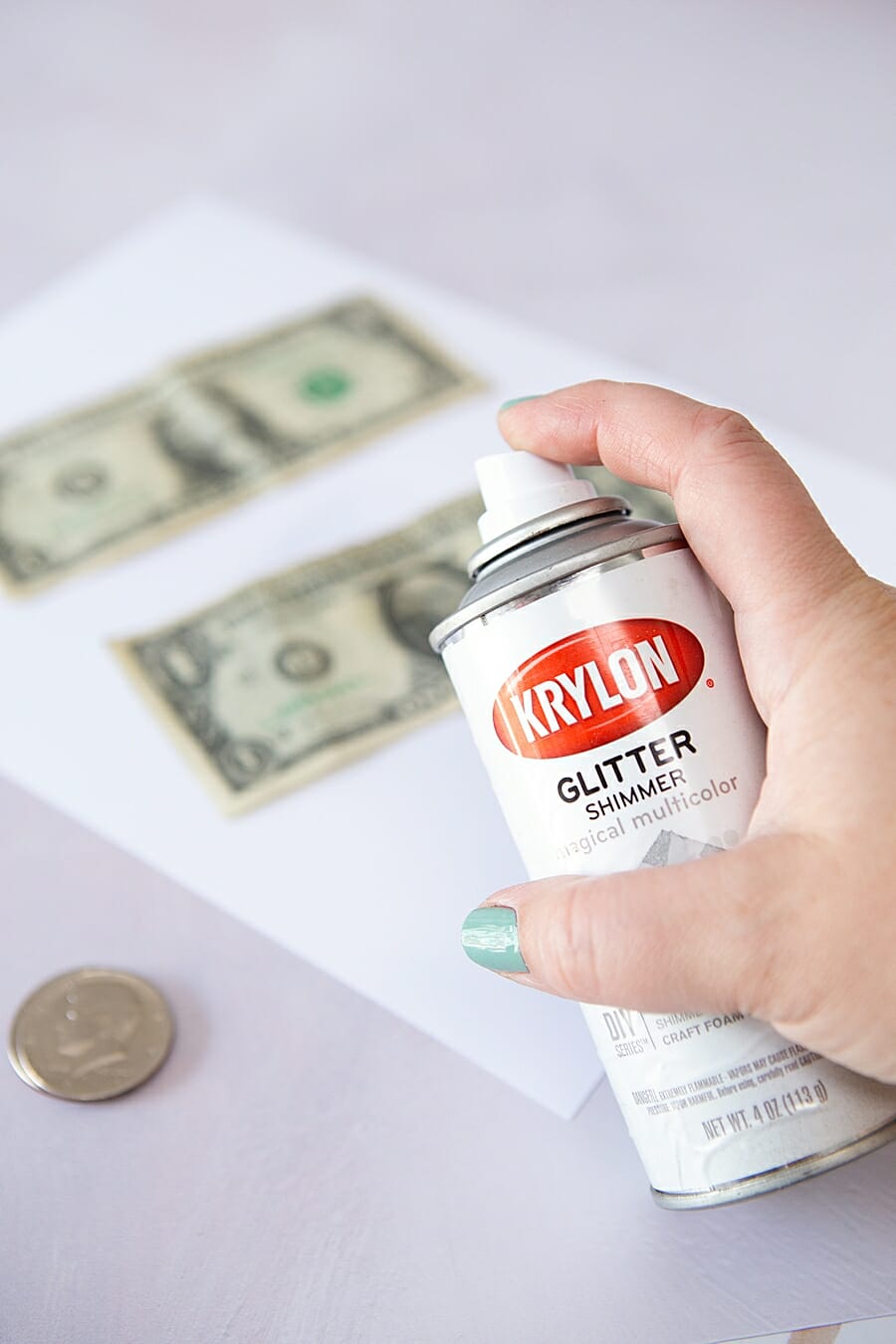
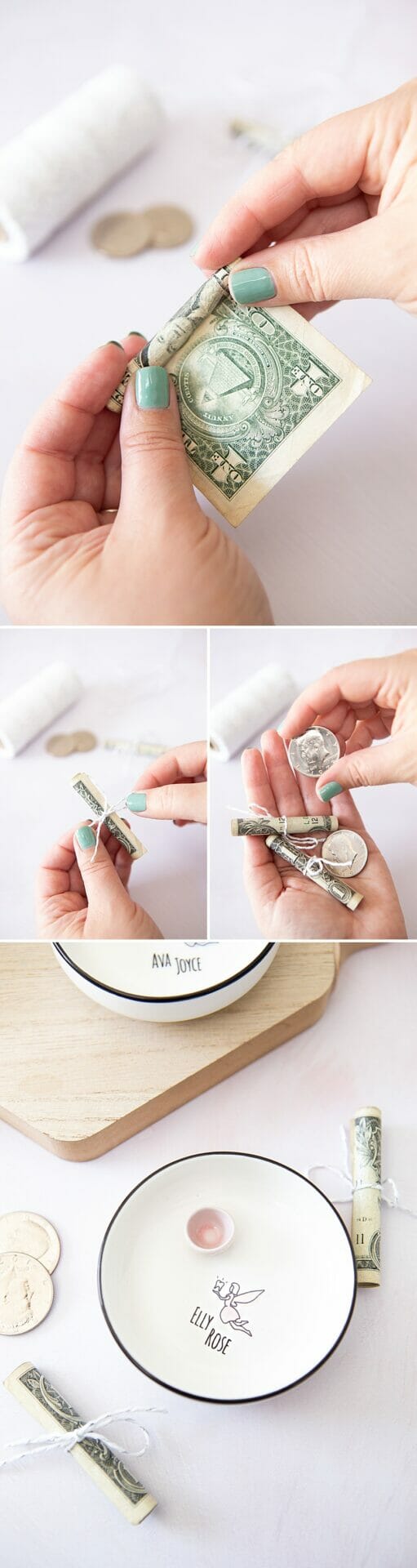
However, from a functional standpoint, these limitations are negligible. The dish is intended solely for the storage of a tooth and its subsequent replacement with "tooth fairy money." The tutorial even touches upon the "monetary" side of the tradition, noting that many parents are now opting for "glittered" dollar bills or polished half-dollar coins to enhance the magic of the exchange.
Sociological and Expert Analysis
Child development experts suggest that these rituals play a vital role in helping children navigate the physical changes of growing up. The loss of a tooth can be a source of anxiety; by creating a physical, personalized vessel for the transition, parents provide a sense of agency and celebration.
"The personalization of these items reflects a broader shift in parenting where the focus is on creating ‘curated childhoods,’" says a lifestyle trend analyst. "The tooth fairy dish isn’t just a container; it’s a social media-ready artifact that documents a specific moment in time. It satisfies the parental desire for both creative expression and the preservation of memory."
Furthermore, the integration of social media platforms like Instagram Reels into the crafting process has changed how these traditions spread. The visual nature of the "Something Turquoise" tutorial allows for rapid dissemination, where followers can watch the assembly in real-time, lowering the barrier to entry for novice crafters.
Broader Implications for the DIY Industry
The success of such niche projects underscores the importance of the "micro-supply chain." By utilizing Amazon for hardware (dishes, bowls, glue) and independent digital shops for the software (decals), the DIY industry is becoming increasingly decentralized. This allows creators like Jen Causey-Kidder to influence global trends from a home studio.
As the technology for home-based manufacturing—such as high-quality inkjet printers and specialized papers—continues to improve, the distinction between professional-grade products and DIY projects will continue to blur. The personalized tooth fairy dish stands as a testament to this evolution, proving that with a few clicks and a soak in water, traditional milestones can be reimagined for the modern age.
In conclusion, the transition from pillows to personalized ceramic dishes represents more than just a change in material. It is a convergence of digital technology, market shifts toward personalization, and a new era of commemorative parenting. As families continue to seek unique ways to celebrate the "magic" of childhood, the DIY sector is poised to provide the tools and templates necessary to make those moments permanent.