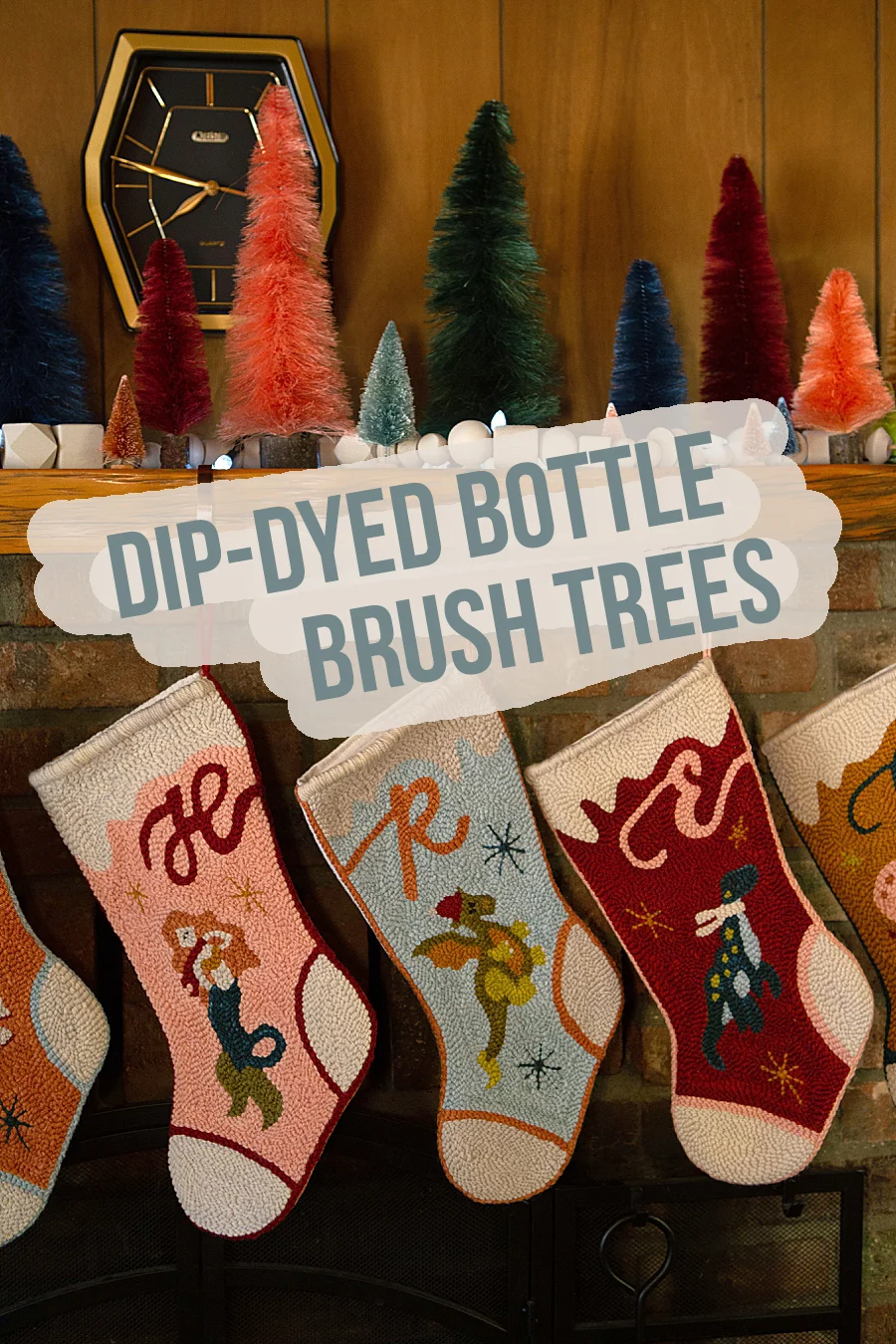
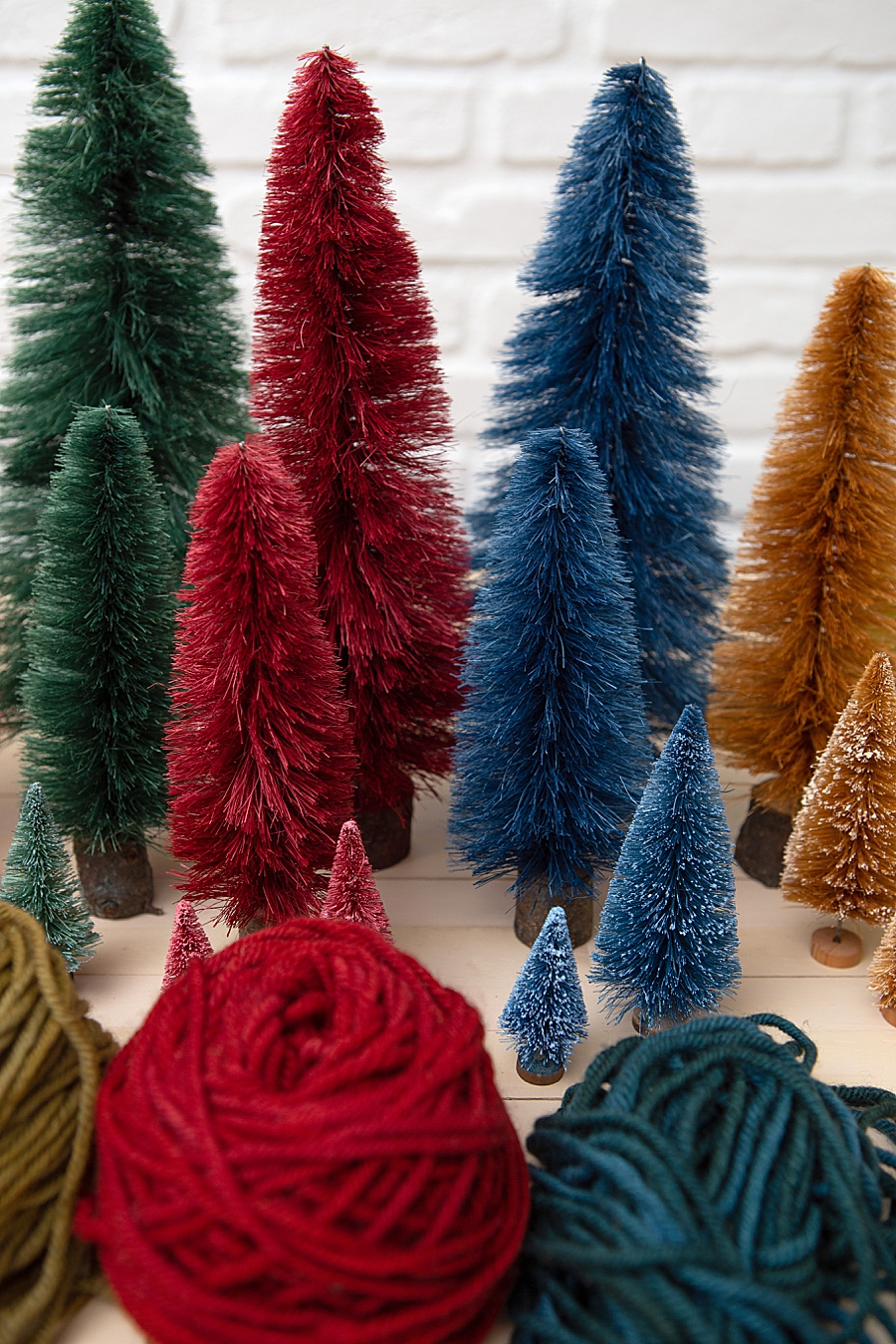
The contemporary holiday decor market is witnessing a significant shift as consumers increasingly pivot away from mass-produced, imported goods in favor of domestically sourced, artisanal products. This movement, often categorized under the broader "Slow Decor" or "Handmade Movement," emphasizes quality, sustainability, and the ability to customize aesthetic elements to fit specific interior design palettes. A recent project spearheaded by Jen Causey-Kidder of the design platform Something Turquoise highlights this trend, demonstrating how technical precision in dyeing processes can bridge the gap between commercial availability and bespoke design requirements. By utilizing professional-grade dyeing formulas and supporting small-scale American manufacturers, enthusiasts are redefining the standards for seasonal home ornamentation.
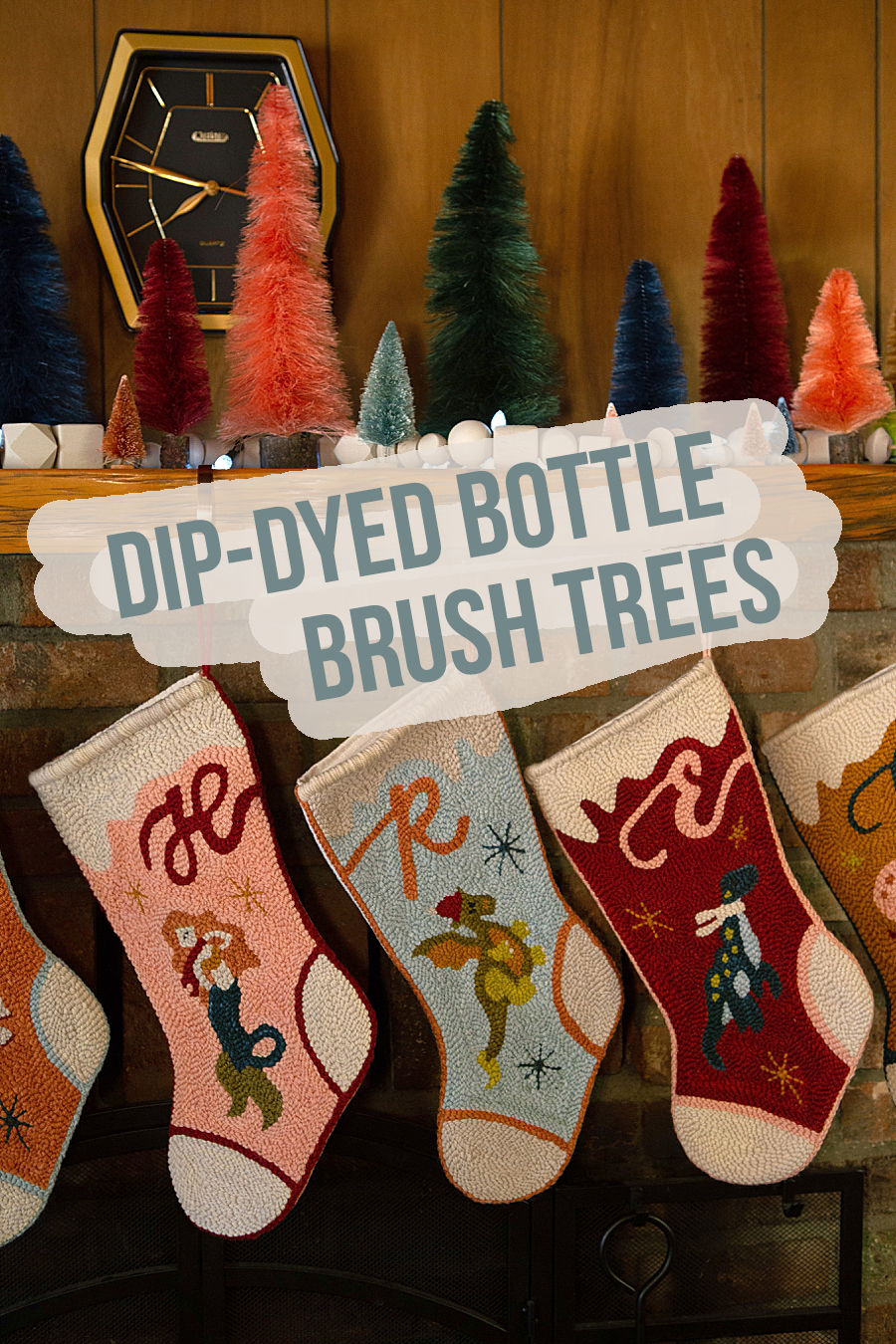
The Shift Toward Domestic Craftsmanship and Small-Batch Production
For decades, the holiday decor industry has been dominated by large-scale manufacturing hubs, primarily located in East Asia. However, market analysis suggests a growing fatigue among North American consumers regarding the perceived "disposable" nature of these products. This dissatisfaction is rooted in both quality concerns and a desire for ethical consumption. The search for high-quality, American-made components often leads designers and hobbyists to platforms like Etsy, which serves as a vital incubator for small businesses.
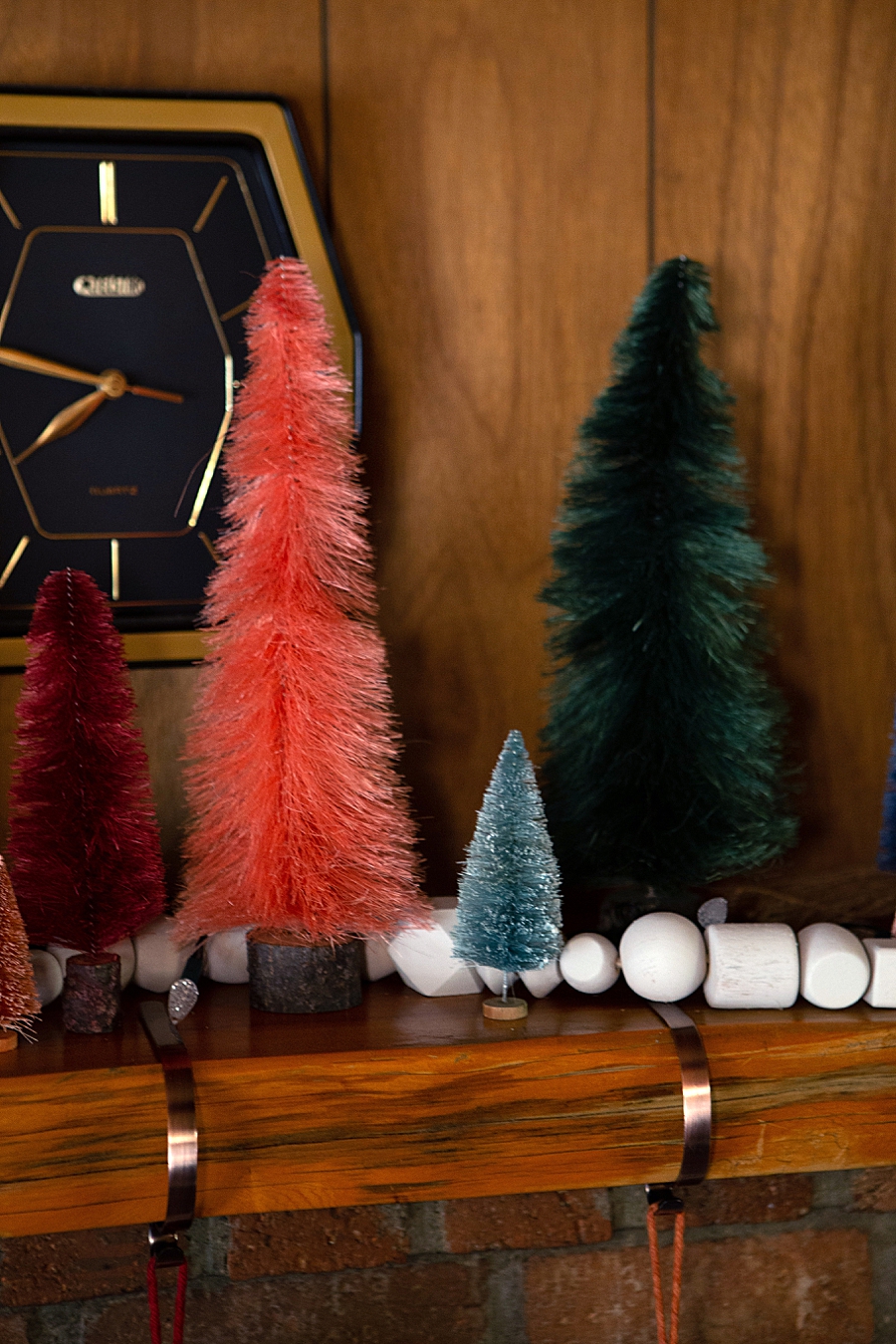
One such entity, Studio59 Handmade, operated by an artisan named Rachel, has emerged as a premier source for bottle brush trees—a staple of mid-century modern and contemporary holiday displays. Unlike their mass-produced counterparts, these trees are crafted with attention to structural integrity and variety, offering classic, thin, and wide profiles ranging from 4 to 12 inches in height. The availability of "natural" or undyed versions of these trees is particularly significant for designers, as it provides a blank canvas for color customization that is impossible to achieve with pre-saturated retail products.
Technical Methodology: The Precision of Dip-Dyeing
The process of transforming a natural fiber bottle brush tree into a color-matched design element requires a disciplined approach to chemical application and timing. The methodology employed in the Something Turquoise project utilizes Rit Dye, a mainstay in the textile industry since 1918, known for its versatility across various substrates.
Preparation and Chemical Activation
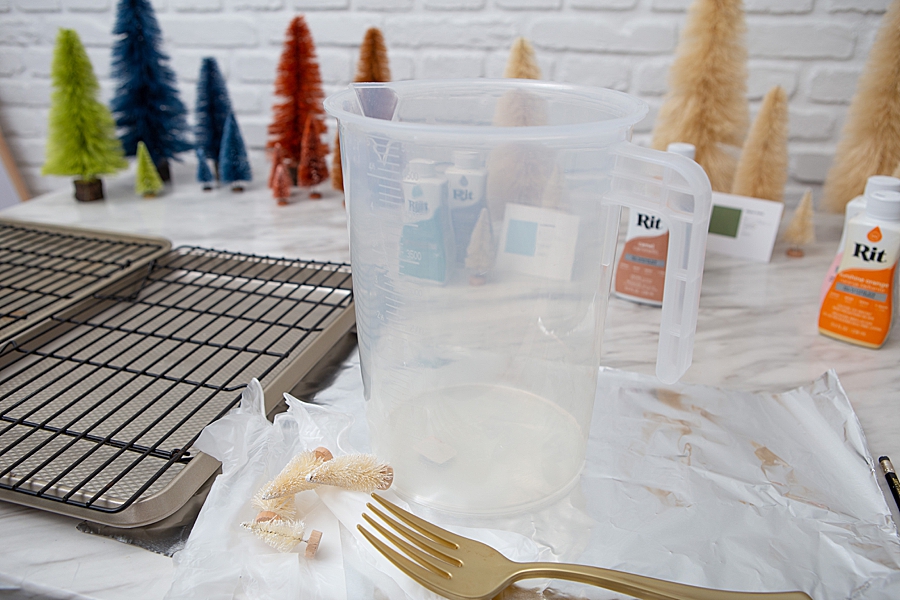
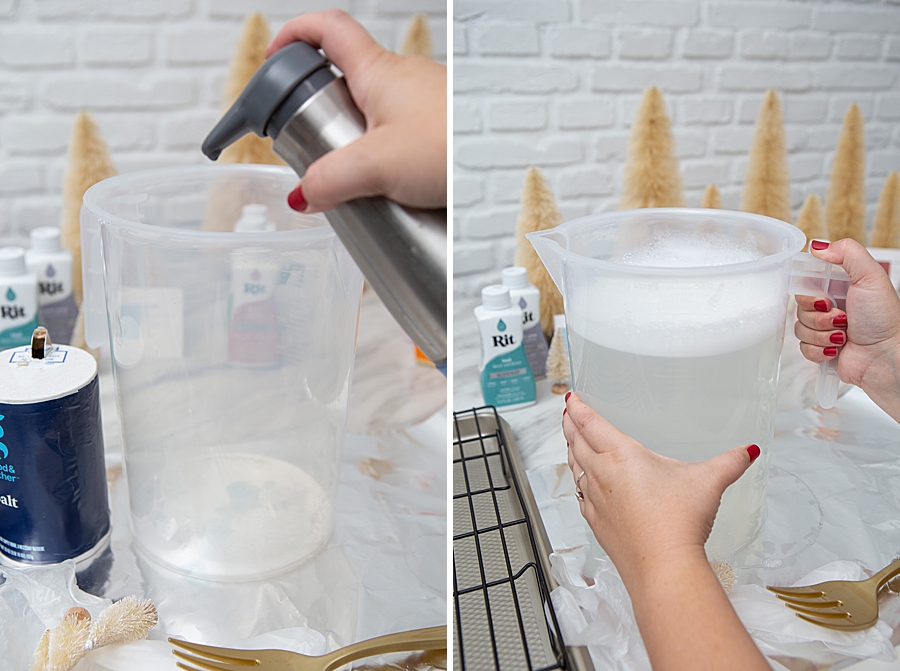
The success of the dyeing process is predicated on the preparation of the dye bath. To ensure even penetration of the pigment into the bristles—which are typically made of sisal or a similar natural fiber—the water must be treated with specific catalysts.
- Surfactants: The addition of a small amount of dish soap (approximately one tablespoon per gallon) acts as a surfactant, breaking the surface tension of the water and allowing the dye to saturate the fibers more effectively.
- Electrolytes: The inclusion of salt (one teaspoon) serves as an electrolyte, which helps the dye molecules bond to the fibers, ensuring a more vibrant and permanent color.
- Thermal Energy: Using the hottest water available is critical, as heat opens the fibers of the material, facilitating a deeper and more uniform intake of the pigment.
Color Formulation and Testing
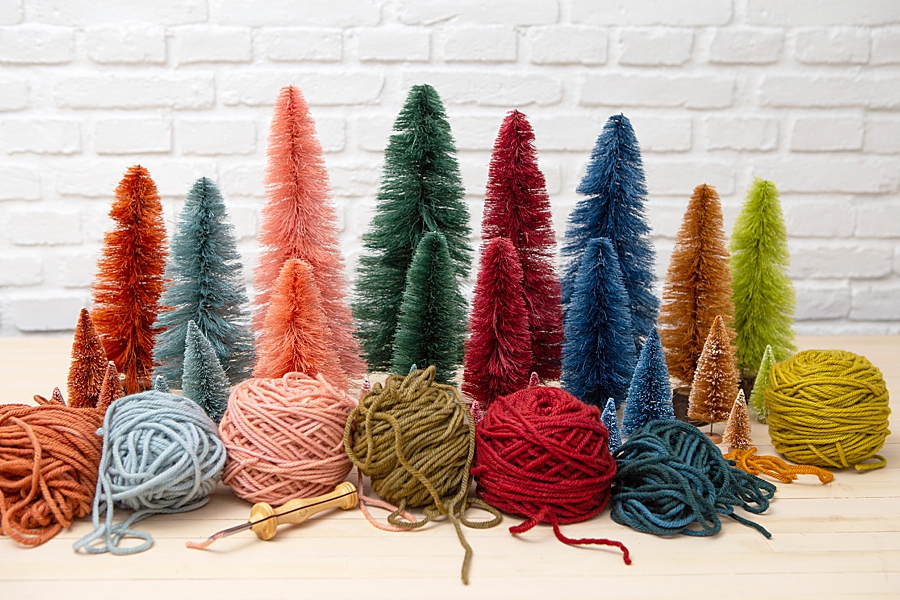
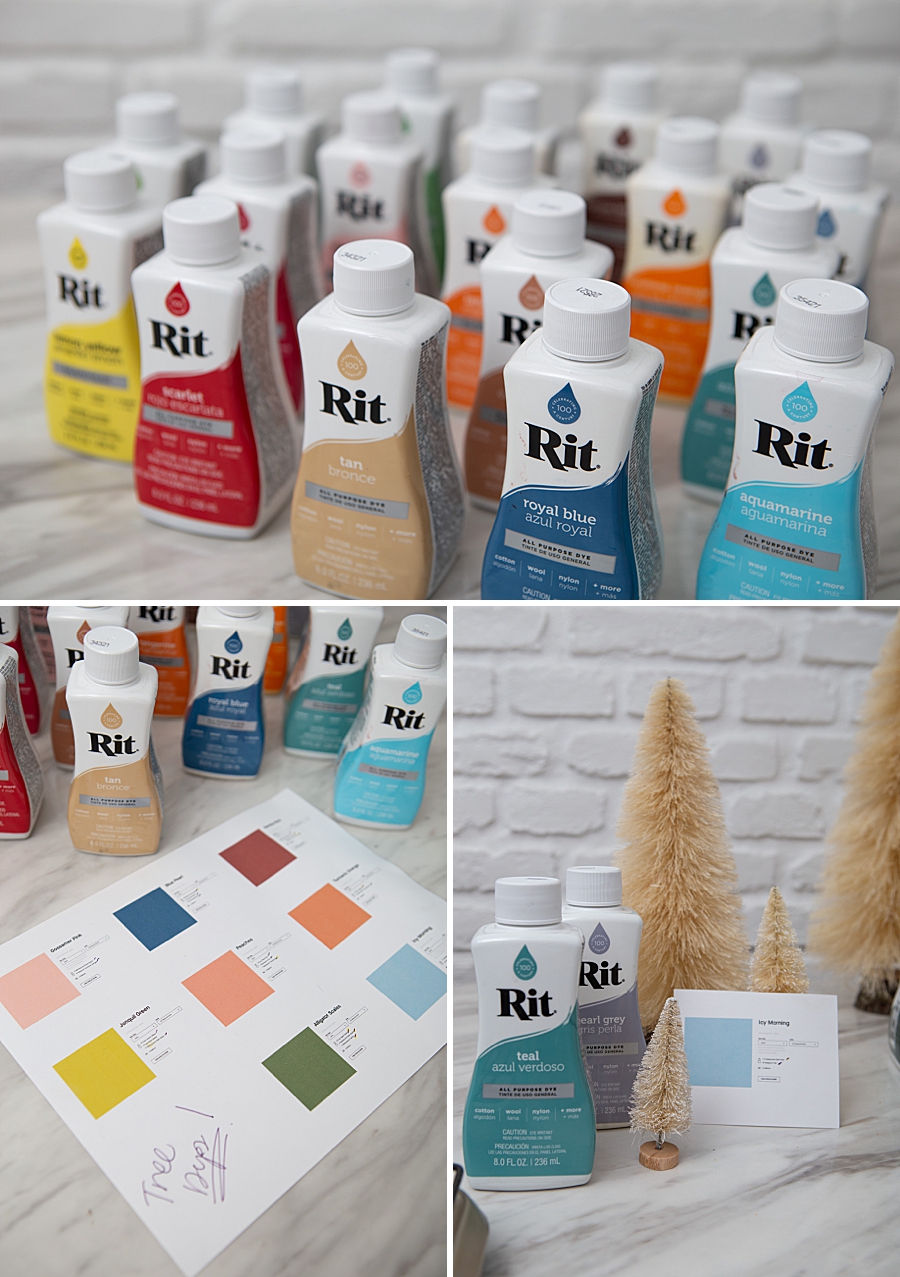
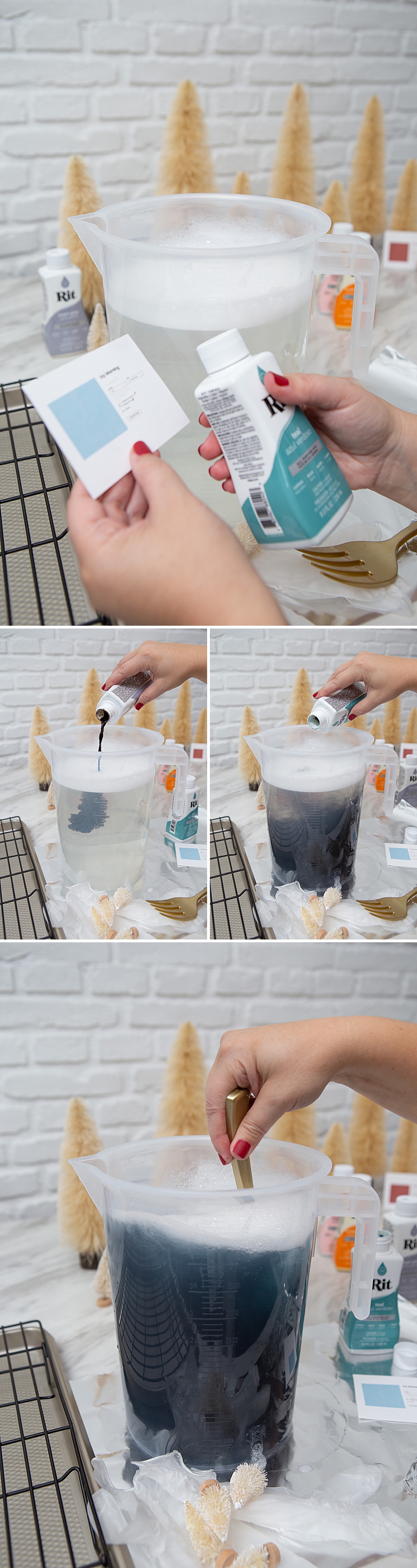
To achieve an exact match with specific textiles—in this case, "Cardo" yarn by Manos del Uruguay used for punch needle stockings—designers rely on digital color formulas. Rit Dye provides an extensive library of formulas that allow users to mix primary and secondary liquid dyes to reach specific hexadecimal or pantone-adjacent shades.
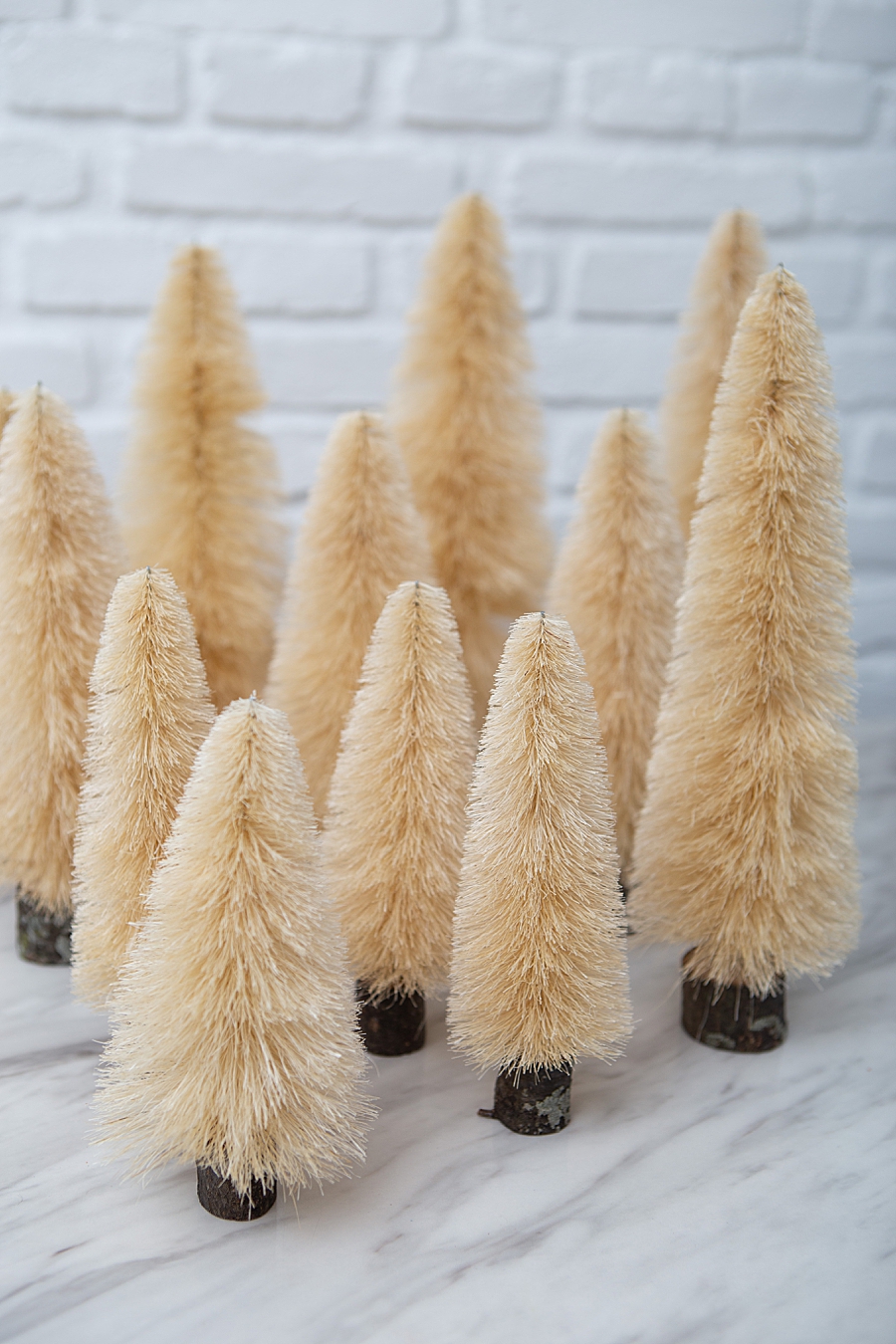
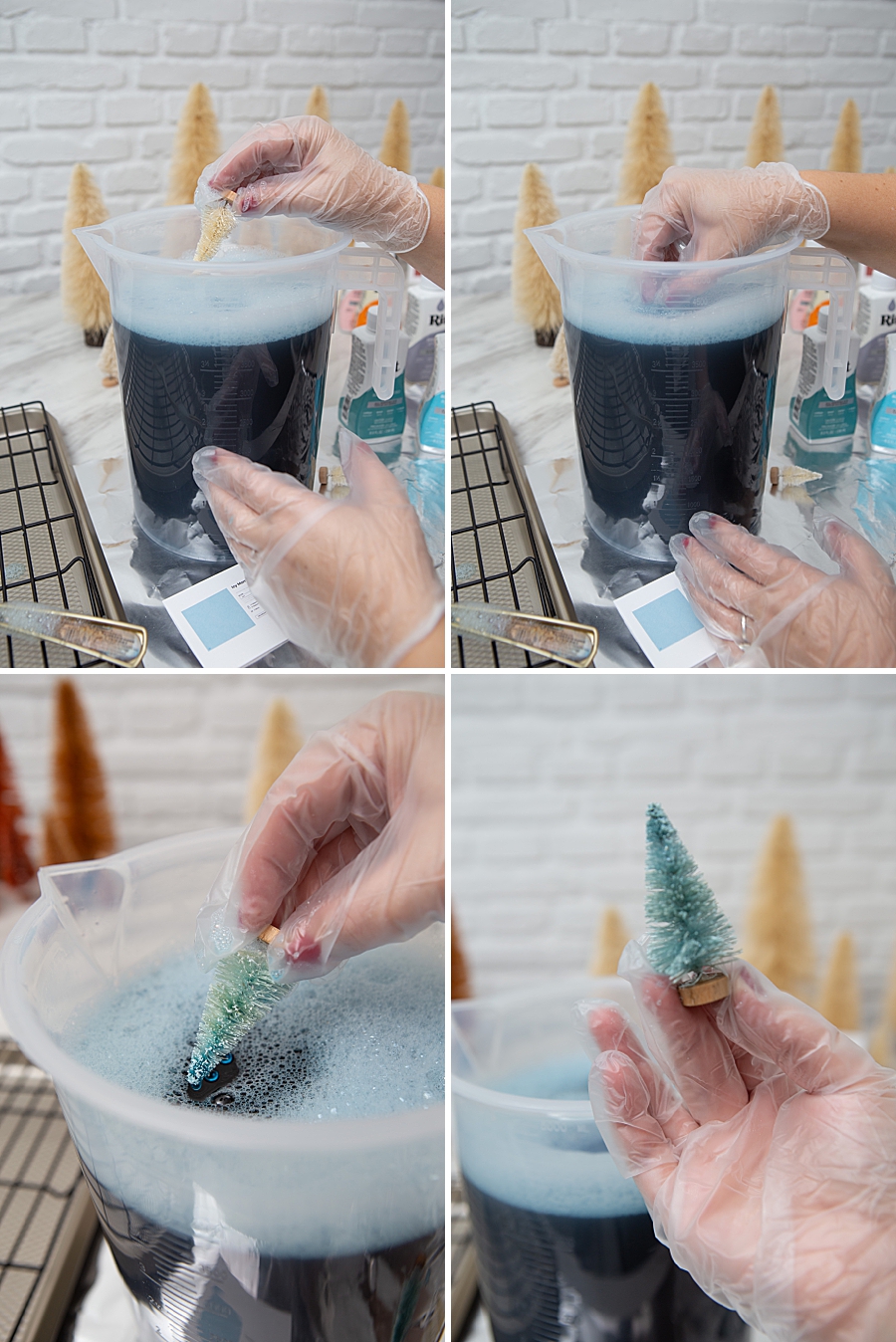
A critical step in the professional workflow is the "test dip." Because the Studio59 trees represent a higher price point due to their handmade nature, industry experts recommend testing the dye bath on smaller, less expensive "sacrificial" trees. This allows the designer to adjust the pigment concentration before committing the primary assets to the bath.
The Dipping and Curing Sequence
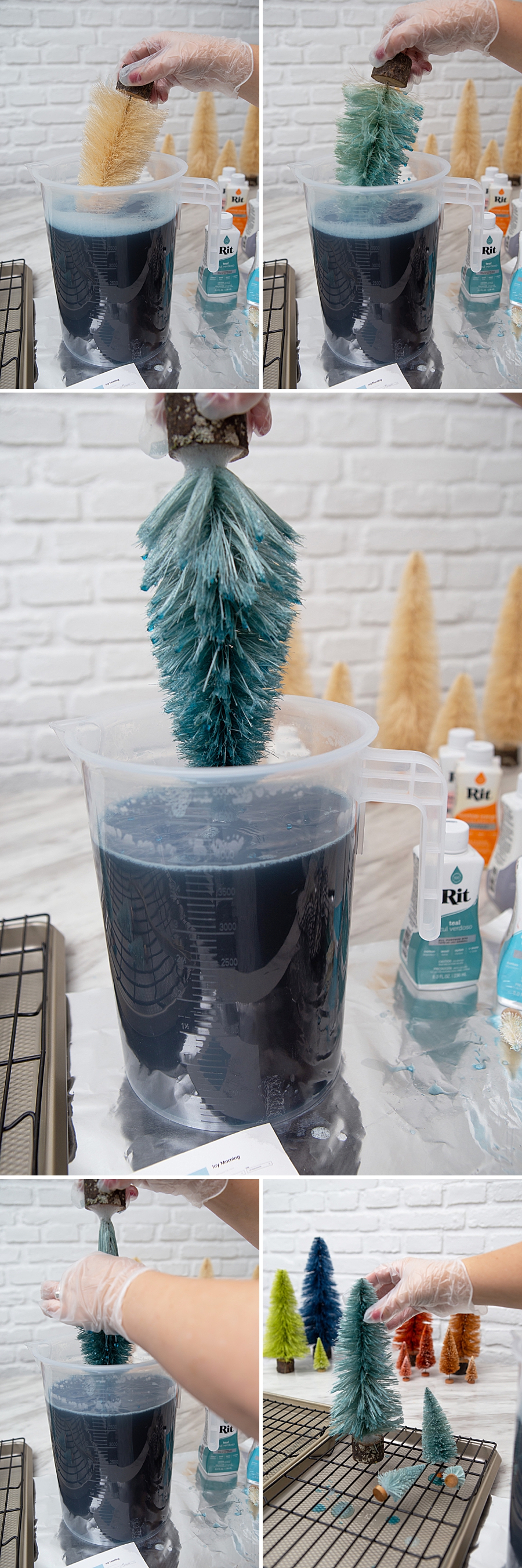
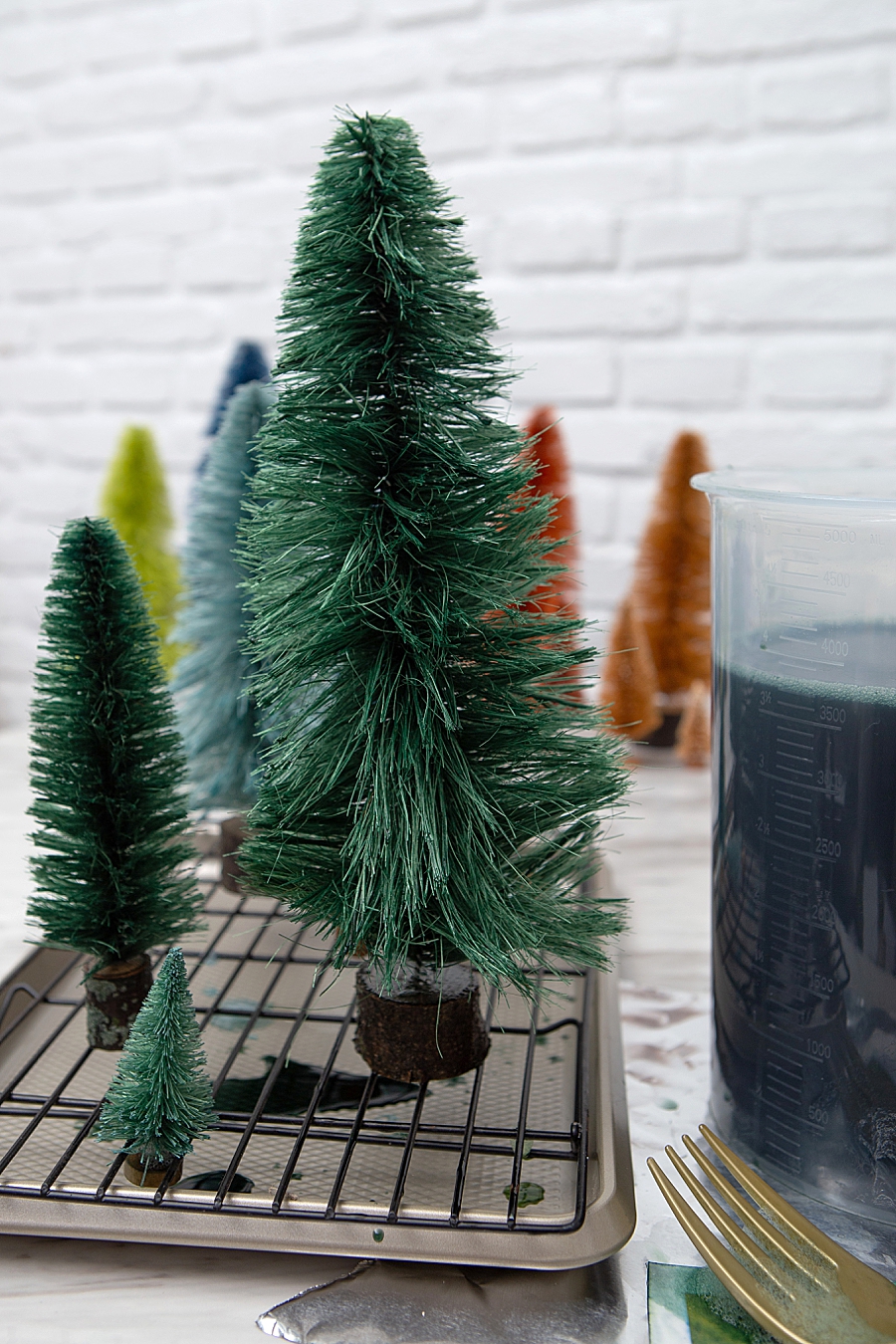
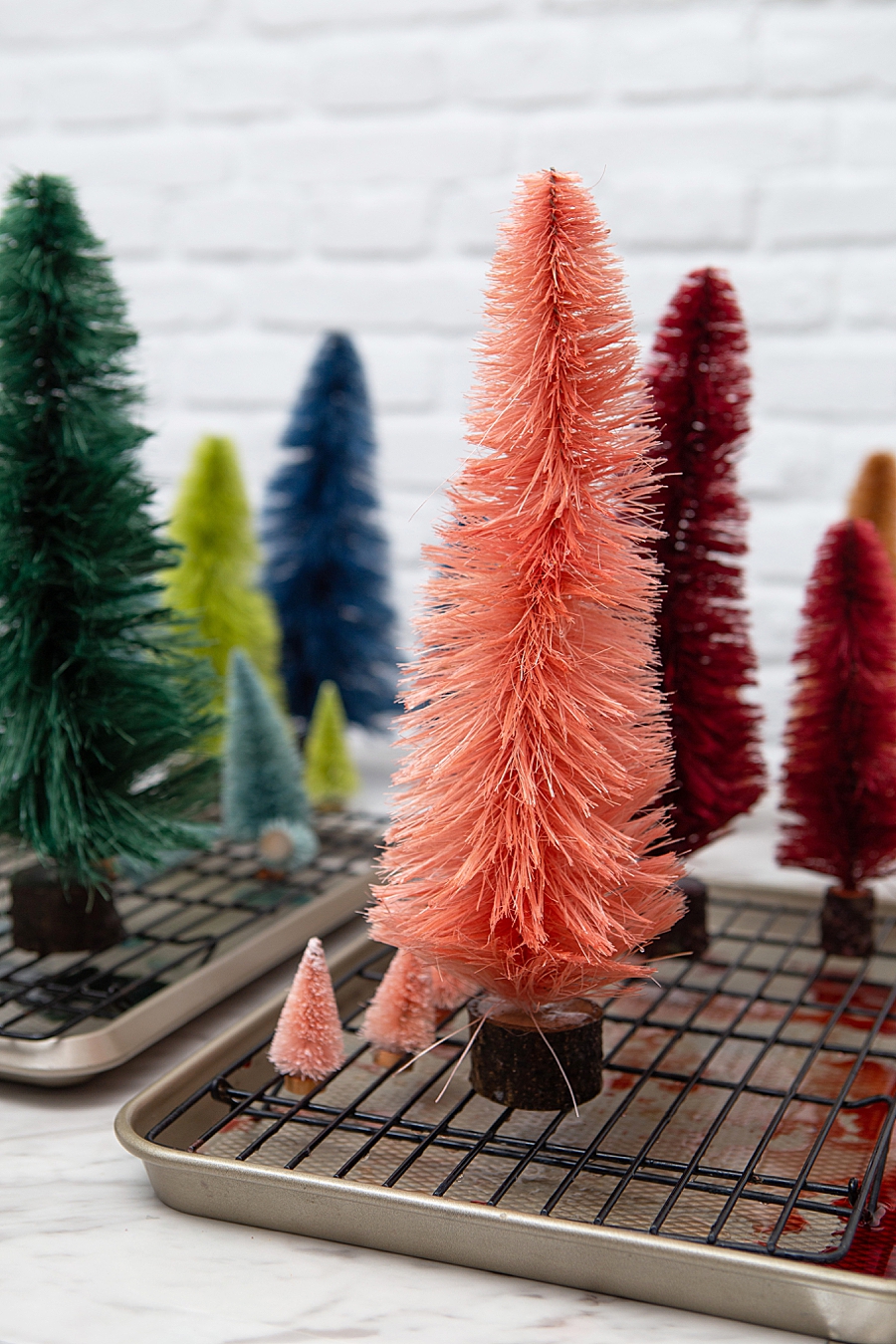
The actual immersion process is brief but requires consistency. A 45-second dip is generally sufficient for natural fibers to absorb the necessary pigment. Following immersion, the removal of excess water is essential to prevent pooling or "bleeding" of the color at the base of the tree. The drying phase is equally vital; placing the trees on elevated cooling racks over cookie sheets allows for 360-degree airflow, preventing the flattening of the bristles and ensuring the color sets evenly overnight.
Market Context: The DIY Economy and the Rise of "Heirloom" Projects
The resurgence of interest in projects like dip-dyed trees and punch needle stockings is reflective of a larger economic trend. The global handicraft market was valued at approximately $752.2 billion in 2022 and is projected to continue growing as consumers seek "heirloom-quality" items. Unlike seasonal decor purchased from "big box" retailers, handmade and customized items are viewed as long-term investments that can be passed down through generations.
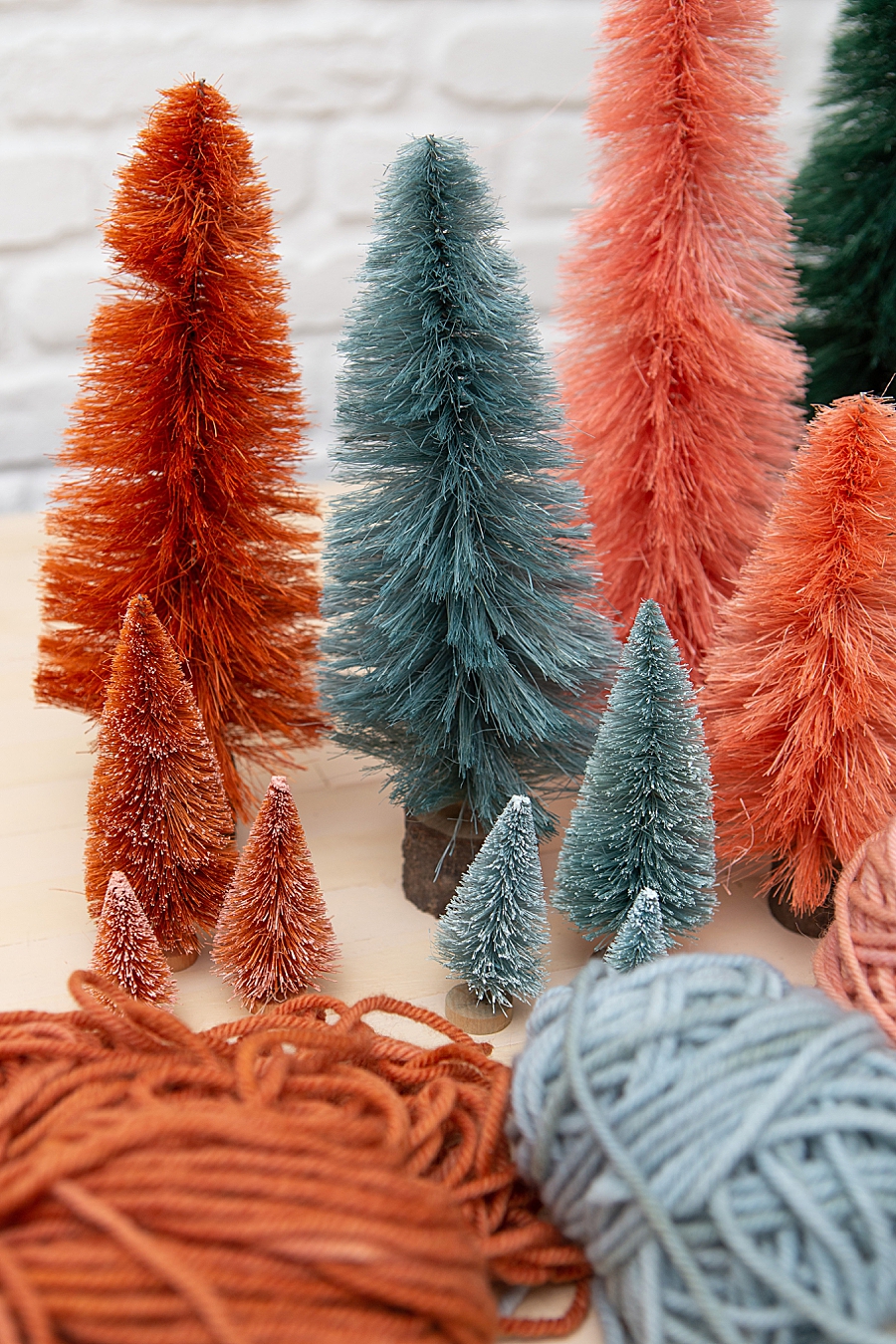
The integration of different craft disciplines—such as textile arts (punch needle) and home decor (bottle brush trees)—demonstrates a move toward "holistic design." By matching the color of the trees to the yarn used in handmade stockings, creators are able to produce a cohesive visual narrative within the home. This level of detail is rarely achievable through standard retail channels, which typically cater to broad, generalized color trends.
Chronology of the Modern Craft Project
The timeline for executing a high-level customization project typically spans several days, reflecting the "Slow Decor" philosophy:
- Phase 1: Sourcing (1-2 Weeks): Identifying and ordering high-quality base materials from domestic artisans (e.g., Studio59 Handmade).
- Phase 2: Color Matching (1-2 Hours): Researching dye formulas and procuring necessary chemical agents and pigments.
- Phase 3: Execution (3-4 Hours): Preparing the dye baths, conducting test dips, and performing the final immersion.
- Phase 4: Curing (12-24 Hours): Allowing for complete dehydration of the fibers to ensure color fastness.
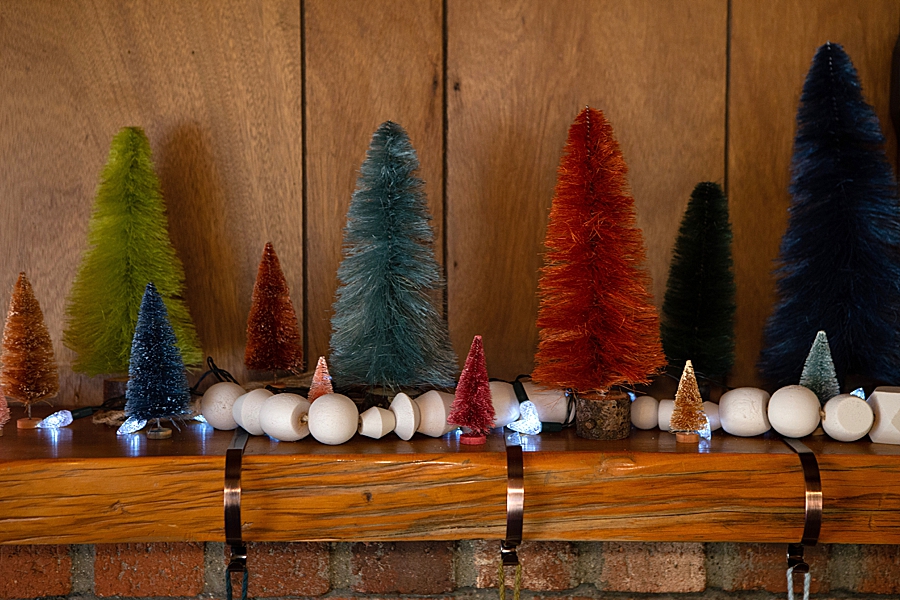
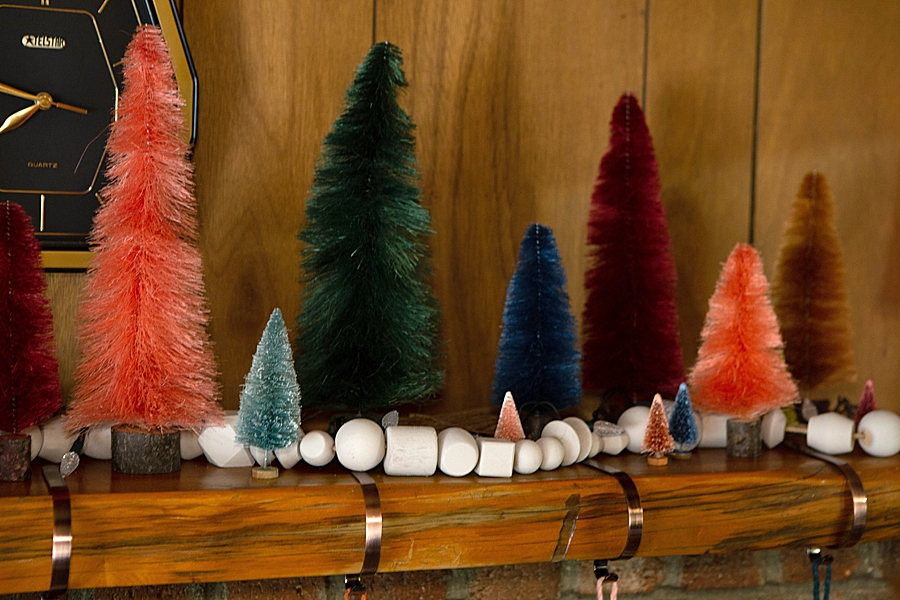
- Phase 5: Integration: Incorporating the finished pieces into the broader holiday display alongside other handmade elements.
Implications for the Retail Industry
The move toward bespoke, DIY holiday decor carries significant implications for traditional retailers. As consumers become more adept at customizing their own products, the demand for "unfinished" or "natural" high-quality components is likely to rise. Retailers that fail to offer customization options or that rely solely on low-cost, low-quality imports may find themselves losing market share to the "prosumer" segment—hobbyists who approach their crafts with professional-grade tools and expectations.
Furthermore, the role of social media platforms like Instagram and TikTok cannot be overstated. By sharing "real-time" process videos and tutorials, creators like Jen Causey-Kidder provide the educational infrastructure necessary for others to bypass traditional retail. The "Something Turquoise" model demonstrates that when consumers are empowered with technical knowledge, they prioritize quality and domestic sourcing over the convenience of mass-produced goods.
Analysis of the "Made in USA" Sentiment
The explicit preference for American-made products mentioned in the original source material is a sentiment echoed across various consumer demographics. This is often driven by a combination of factors:
- Quality Assurance: Domestically produced items are often perceived to have higher manufacturing standards.
- Supply Chain Resilience: Following the disruptions of the early 2020s, many consumers prefer sourcing from local or regional artisans to avoid shipping delays.
- Support for the Local Economy: There is a growing ethical imperative to support small business owners and individual creators over multinational corporations.
In the context of Studio59 Handmade, the "handmade with love" aspect is not merely a marketing slogan but a differentiator that justifies a higher price point. For the dedicated crafter, the cost of the base material is secondary to the longevity and aesthetic superiority of the final product.
Conclusion: The Future of Seasonal Decor
As the 2024 holiday season approaches, the trend toward personalized, technically proficient DIY projects shows no signs of waning. The ability to dip-dye bottle brush trees to match specific interior palettes is a microcosm of a larger movement toward intentionality in home design. By combining the accessibility of digital color formulas with the craftsmanship of domestic artisans, modern consumers are crafting a new holiday tradition—one that values the process of creation as much as the finished product.
This shift suggests that the future of the holiday industry lies not in the volume of goods produced, but in the versatility and quality of the components offered to an increasingly sophisticated and discerning public. The marriage of "old world" handmade techniques with modern color technology ensures that the holiday home remains a reflection of personal identity and artistic expression.