

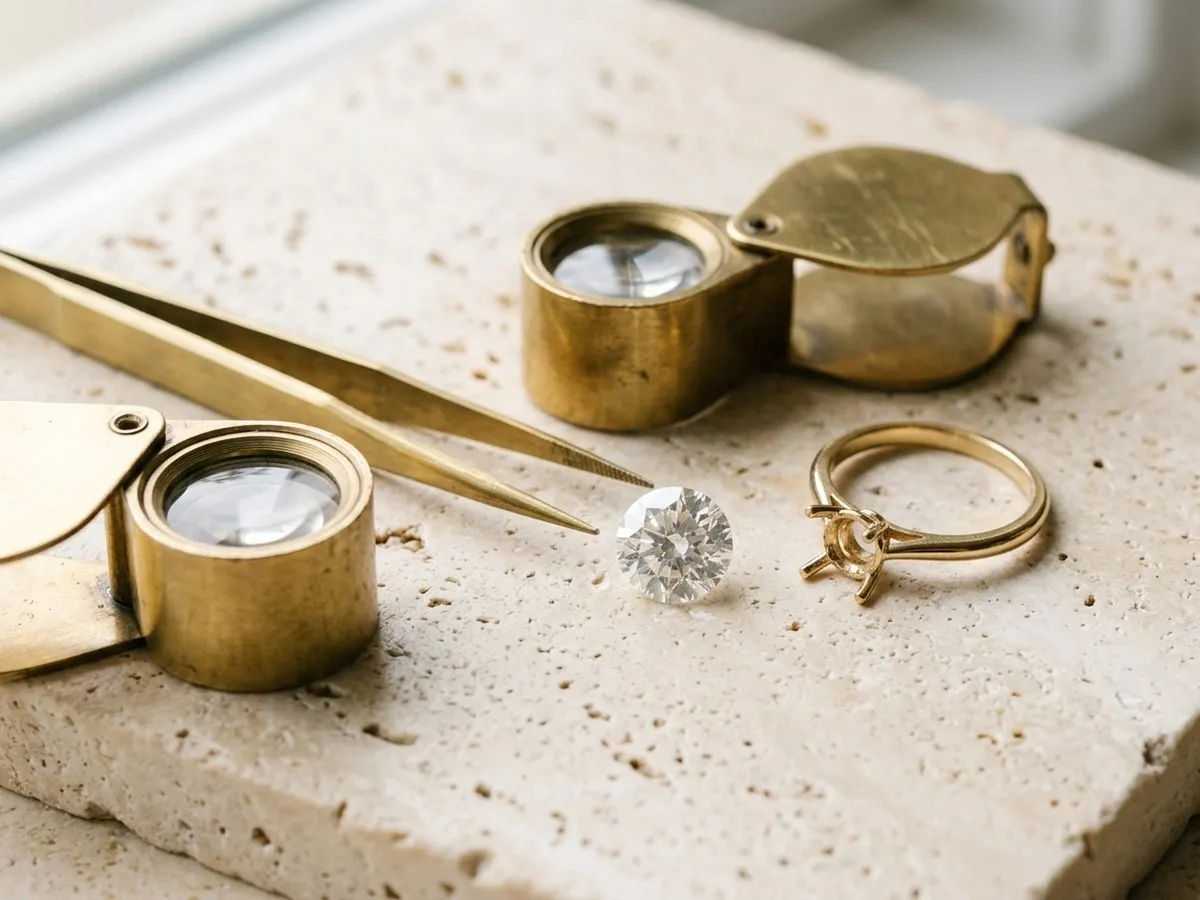
Inheriting a diamond, whether passed down through generations over a grandmother’s coffee table or presented in a somber velvet box after a funeral, often brings a mix of profound sentiment and practical uncertainty. You find yourself holding a stone rich with history and meaning, yet perhaps nestled in a setting that doesn’t align with your personal aesthetic or contemporary style. The immediate question that often arises, yet is frequently skirted by general advice, is: what does an heirloom diamond reset actually cost? This comprehensive guide aims to demystify the financial implications, procedural steps, and critical considerations involved in transforming a cherished family jewel into a piece that resonates with your present.
The fundamental reframe that empowers this entire discussion is recognizing that the most significant financial component of an engagement ring – the diamond itself – is already in your possession. You are not embarking on the journey of purchasing a complete ring; rather, you are selecting or designing a new setting. This distinction is paramount, shifting the focus from the formidable cost of a new diamond to the more manageable expenditure of craftsmanship and materials for its new home. This guide will provide a clear range of real costs, illuminate the key factors that influence pricing, detail essential checks before any work commences, and honestly address scenarios where resetting might not be the most advisable path.
Deconstructing the Costs: What an Heirloom Diamond Reset Entails
Moving directly to the figures, most professional heirloom diamond resets fall within a typical range of $500 to $2,500. This widely cited estimate, echoed by industry resources like The Knot, accounts for a significant portion of standard resetting projects. At the more accessible end of the spectrum, a straightforward stone swap into a pre-manufactured, ready-made setting can begin as low as $80 to $250, with an average hovering around $300, as noted by jewelers such as Scott’s Custom Jewelers. Some designers, like Melanie Casey, simplify the process further by offering a standard flat fee of $500 for resetting a client’s stone into any of their existing designs, providing a predictable cost structure.
However, the world of heirloom resets expands considerably with fully custom work. When a skilled jeweler undertakes the task of designing a unique, one-of-a-kind setting from its inception, precisely tailored around your specific stone, projects typically commence at $5,500 and can ascend significantly from there, limited only by design complexity and material choices.
For a mid-tier bespoke experience, studios like Kinn outline their "Repurpose" projects starting at $2,500. This initial figure usually covers a more streamlined design, incorporating fewer layers of customization and a relatively simpler setting. It is important to note, however, that most clients engaging in such processes often find themselves investing more. As the design journey unfolds, they realize the vast potential for personalization, opting for additional gold weight, integrating complementary accent stones, adjusting proportions, or developing an entirely bespoke creation. Kinn emphasizes that there isn’t a definitive ceiling to these costs, as the ultimate price is dictated by the extent of design ambition, with the primary cost drivers typically being the weight of precious metal, the inclusion of additional gemstones, and the intricate level of customization required.
Understanding the Value: What Your Reset Price Covers
A reset quotation encompasses far more than just the raw cost of metal. It represents an investment in a specialized skillset and meticulous process. You are compensating for the intricate labor involved in safely extracting a stone from its often decades-old, potentially fragile original setting. This delicate operation requires precision to prevent damage to the stone. Subsequently, the cost includes the new setting itself, whether it’s a pre-selected design, or the comprehensive process of designing and casting a custom piece. The weight of the chosen metal (gold, platinum, palladium) is a direct contributor to the price. Crucially, the quote also covers the expert stone-setting work, ensuring the diamond is securely and aesthetically mounted. Perhaps the most invaluable, yet often invisible, component of the quote is the jeweler’s implicit guarantee: the assurance that your irreplaceable diamond will endure the entire process unscathed. This peace of mind, protecting a stone of immense sentimental and monetary value, is arguably the most significant aspect of a professional reset.
Variations in Quotes: The Spectrum of Jeweler Approaches
It is common to present the same heirloom diamond to three different jewelers and receive three distinct price estimates. This discrepancy is rarely indicative of an error or overcharging; rather, each quote typically reflects a different proposed plan of action. One jeweler might quote for simply swapping your diamond into a readily available catalog setting. Another might propose modifying a semi-custom design, allowing for some personalization within a pre-established framework. A third could be pricing a completely bespoke project, starting from a preliminary sketch and culminating in a unique, handcrafted piece. None of these approaches are inherently "wrong"; they are simply pricing fundamentally different projects. A deeper understanding of what genuinely drives the price of an engagement ring empowers you to be a more discerning and informed client in this crucial conversation, enabling you to align the quoted price with the specific service and design you desire.
The Four Pillars of Pricing: Factors Driving Reset Costs
To effectively interpret any quote and understand the allocation of your investment, it’s essential to grasp the four primary factors that dictate the price of an heirloom diamond reset. While the original article omits a numbered list here, these elements are universally acknowledged by industry professionals.
- Metal Type and Weight: The choice of precious metal is a significant cost driver. Gold (in various karats like 14k or 18k) and platinum are the most common. Platinum, being denser and purer, is typically more expensive per gram than gold. The sheer weight of the metal required for the new setting, which is directly proportional to the design’s complexity and robustness, will also substantially impact the final price. A more intricate or substantial design will naturally require more metal.
- Design Complexity and Customization Level: This is perhaps the broadest category. A simple, off-the-shelf setting will be the least expensive. A semi-custom design, where a pre-existing template is modified to fit your stone and preferences, represents a moderate cost. A fully bespoke design, crafted from scratch, involves extensive design work, CAD modeling, wax prototyping, and potentially multiple iterations, leading to a significantly higher price point. The level of detail, intricate filigree, or unique structural elements all contribute to complexity.
- Additional Stones: Incorporating smaller diamonds (melee) or other gemstones as accent stones around your heirloom diamond will increase the cost. This includes the price of these additional stones themselves, as well as the labor required to meticulously set each one. Pave settings, for example, which feature numerous tiny diamonds, are labor-intensive and therefore more costly.
- Labor and Expertise: This encompasses the jeweler’s time, skill, and specialized tools. From the initial delicate unmounting of the stone to the precise setting in the new design, polishing, and quality control, every step requires expert craftsmanship. Jewelers with extensive experience, a strong reputation, and specialized equipment will command higher labor rates, reflecting the invaluable guarantee of their expertise in handling irreplaceable family heirlooms.
The team at Kinn underscores these points, highlighting that the amount of gold (or other metal), the labor involved, and the complexity of the new design are paramount. A substantial portion of the work, they explain, occurs even before the new piece begins fabrication. This initial phase involves the careful unmounting of the stones, their meticulous inspection, and retesting against any existing appraisals provided by the client, ensuring a precise understanding of the material they are working with. Following this, the design is meticulously constructed around the exact dimensions and proportions of your specific stone. For a bespoke creation, Kinn details a comprehensive process: developing the initial design concept, creating a detailed Computer-Aided Design (CAD) model, printing a wax prototype for client approval, rigorously testing its proportions and fit, and making any necessary adjustments before the final piece is cast in precious metal. These highly bespoke steps are labor-intensive, and the precise amount of work can fluctuate considerably from one unique stone and design to another.
Prioritizing Inspection: Before Design Dreams Take Hold
This particular warning cannot be overstated and rightfully precedes the exciting design phase. A diamond that has resided securely in the same setting for half a century or more may conceal latent imperfections. Chips along the girdle (the diamond’s widest edge) or internal fractures might only become apparent once a skilled jeweler carefully extracts the stone, as cautioned by resources like WeddingWire in their comprehensive resetting guide.
Therefore, the absolute first step must be a thorough professional inspection before commissioning any design work. A qualified jeweler will meticulously examine the stone under magnification, assessing its structural integrity and determining its ability to safely withstand the removal and resetting procedures. They will identify any existing damage or vulnerabilities that might require attention or influence the choice of a new setting. Discovering a significant issue after the new setting has been designed and ordered can quietly transform a projected $600 project into a $2,000 unforeseen expense. Understanding what jewelers scrutinize during this evaluation, beyond the conventional "Four Cs" (carat, cut, color, clarity), can further empower you in these discussions.
Critical Callout: Inspection First, Always. Before any design discussion or commitment, ensure your heirloom stone undergoes a thorough examination under magnification. Request a written report of the findings. This proactive measure safeguards the stone, protects your budget from unexpected costs, and maintains the project timeline.
Resetting vs. Buying New: A Candid Financial Assessment
Many articles sidestep this crucial comparative analysis, but an honest evaluation reveals that an heirloom diamond reset is not inherently the most economical option. Pretending otherwise would be a disservice to informed decision-making.
Consider the two columns with an objective perspective:
Resetting an Heirloom Diamond:
- Costs:
- Jeweler’s labor for unmounting, inspection, design, casting, and setting.
- Cost of new metal (gold, platinum) by weight.
- Potential cost of additional accent stones.
- Any necessary repairs to the original stone (e.g., re-polishing minor chips).
- Appraisal post-reset.
- Benefits:
- Preservation of sentimental and family history.
- Environmentally sustainable (repurposing existing materials).
- Unique, custom design potential.
- Often yields a higher perceived value due to the story.
Purchasing a New Ring (Diamond + Setting):
- Costs:
- Full cost of a new diamond (natural or lab-grown).
- Cost of a new setting.
- Sales tax.
- Appraisal.
- Benefits:
- Complete control over diamond specifications (Four Cs).
- Immediate availability of many designs.
- Brand new, pristine condition.
- No risk of damage to an existing heirloom stone.
The question, however, extends beyond mere cost-effectiveness. "Cheapest" and "wisest" are often distinct concepts. The Budget Savvy Bride philosophy has consistently advocated for wise spending rather than simply minimal expenditure. Investing in a new setting for a stone you already own – a stone imbued with your family’s history and narrative – represents a profoundly wise allocation of a wedding budget. While a newly acquired lab-grown diamond can perfectly match your grandmother’s diamond in terms of the Four Cs, it can never replicate the "fifth C": the irreplaceable story. You aren’t merely acquiring a ring; you are investing in the privilege of wearing that cherished family narrative daily throughout your marriage, a deliberate choice that holds immeasurable value.
This is precisely where the choice of a jeweler becomes critical. Kinn, a distinguished fine jewelry studio renowned for handcrafting 14k solid gold pieces in Los Angeles and New York, has built its entire Custom Repurpose service on this very premise. Their foundational philosophy, "then, now, always," encapsulates the essence of transforming family stones into contemporary settings designed for everyday wear. Their engagement settings, starting around $2,000, come with a two-year warranty and complimentary resizing. Kinn openly acknowledges that they are not the "bargain" option, nor do they claim to be. Instead, they represent a choice worth making when a stone of such significance merits a setting meticulously crafted around its unique character – which is, fundamentally, the very purpose of an heirloom reset.
Beyond the Engagement Ring: Alternative Transformations for Heirloom Stones
Perhaps you deeply value the heirloom diamond but prefer not to wear it as an engagement ring. This is an entirely valid preference, and it opens up a beautiful array of alternative possibilities for repurposing the stone:
- Pendant Necklace: A timeless and elegant choice, allowing the diamond to rest close to the heart. This often protects the stone from daily impacts compared to a ring.
- Pair of Earrings: If you have two similar heirloom stones, or if one larger stone can be paired with smaller complementary ones, earrings offer a sophisticated way to wear the diamond.
- Statement Cocktail Ring: For those who desire a dramatic piece for special occasions, a larger heirloom diamond can be reset into an elaborate cocktail ring.
- Bracelet Charm or Centerpiece: Integrate the diamond into a charm bracelet or use it as the focal point of a delicate bangle.
- Men’s Jewelry: Consider cufflinks, a tie pin, or even a subtle inset into a signet ring for a masculine touch.
- Brooch: For a truly vintage aesthetic, a diamond can be incorporated into a brooch, offering versatility in how it’s worn.
- Stacking Ring: If the diamond is smaller, it can be set into a delicate band designed to be stacked with other rings, adding a touch of sparkle to an existing collection.
If the concept of an heirloom reset leads you towards a custom, made-to-order piece, exploring guides on unique engagement rings and the bespoke design process will be invaluable. Given that heirloom stones often possess a timeless charm, delving into vintage-inspired settings is frequently a natural and aesthetically pleasing design direction to explore first.
Timeline Expectations: Integrating Your Reset into Your Schedule
An heirloom reset is inherently a more protracted process than simply purchasing a new ring directly from a jeweler’s display case. This extended timeline is a direct consequence of the design needing to be meticulously built around a pre-existing, unique stone. Clients should realistically anticipate the entire project, from initial consultation to the unveiling of the finished piece, to span a minimum of two to three months, with more intricate or highly customized designs potentially requiring even longer.
The team at Kinn specifies that their bespoke Repurpose projects generally demand 6 to 8 weeks for the production phase alone, once the final design has been approved. Crucially, this production period is preceded by a significant evaluation and design phase. This initial stage involves the careful unmounting and thorough inspection of the stones, precise verification of their specifications, the detailed development of the design around their exact dimensions, the creation of the Computer-Aided Design (CAD) model, the printing and rigorous testing of a wax model, and the implementation of any necessary adjustments.
As Kinn elucidates, the process of repurposing an existing stone differs fundamentally from designing around a stone they source themselves. In a repurpose project, the design must adapt to the inherent characteristics of the heirloom stone, rather than the stone being selected to fit a pre-conceived design. This crucial distinction necessitates a highly specific and methodical process for each individual piece, ensuring the new setting perfectly complements and secures the unique heirloom.
To avoid undue pressure or disappointment, it is advisable to work backward from your critical deadlines. If, for instance, a proposal is planned for the holiday season, the heirloom stone should ideally be in the jeweler’s hands by early fall. If the reset is intended for the wedding ceremony itself, meticulously plan backward from your wedding date, incorporating a generous buffer. Heirloom work, by its very nature, is an undertaking that should never be rushed, as precision and care are paramount to preserving its integrity and sentimental value.
Due Diligence: Essential Questions for Your Jeweler
Before entrusting your irreplaceable heirloom diamond to any jeweler, a thorough consultation is imperative. Arm yourself with this list of critical questions to ensure transparency, establish clear expectations, and safeguard your valuable possession:
- What is your process for unmounting the stone? (Understand their method and safety protocols.)
- What are your insurance and liability policies regarding client-supplied stones? (Crucial for peace of mind; look for explicit coverage.)
- Will I receive a written condition report of my stone before it’s unmounted? (Documents its state to prevent disputes.)
- Can I see examples of your previous heirloom reset work? (Assess their craftsmanship and style.)
- What is the estimated timeline for this project, including design and production? (Set clear expectations for completion.)
- Do you offer a warranty or guarantee on your workmanship and the new setting? (Ensures long-term quality and support.)
- What is your policy for future cleaning, maintenance, and potential repairs? (Understand ongoing care and service.)
A reputable and competent jeweler will answer all seven of these questions directly and without hesitation. Any perceived reluctance or ambiguity, particularly concerning liability and insurance, should serve as a significant red flag and a clear indication to continue your search for a more trustworthy professional.
Prudent Judgment: When to Preserve the Original
A truly honest and trustworthy guide to heirloom resetting must include scenarios where the most advisable course of action is to leave the original setting untouched. Not every heirloom is a candidate for transformation, and recognizing these instances is a mark of savvy decision-making.
- Fragile Stone Condition: If the diamond has significant inclusions, chips, or internal fractures that render it too delicate to withstand the stress of unmounting and resetting, attempting a reset could risk irreversible damage.
- Historical or Intrinsic Value of the Original Setting: Some vintage or antique settings possess considerable historical significance, intricate craftsmanship, or are rare examples of a particular era’s design. In such cases, disassembling the original setting might diminish its overall value, both monetary and historical.
- Sentimental Attachment to the Original Setting: The sentimental value may extend beyond just the diamond to encompass the entire original ring, perhaps symbolizing a specific person or memory in its original form.
- Cost-Benefit Analysis for Simpler Settings: If the desired new setting is extremely simple and inexpensive, and the original diamond is relatively modest, the combined cost of the reset might approach or even exceed the cost of purchasing an entirely new, mass-produced ring with a comparable diamond. In such rare cases, the emotional value must heavily outweigh the financial logic.
- Impracticality for Daily Wear: Certain delicate stones (not typically diamonds, but sometimes other heirloom gems) or very elaborate designs might be ill-suited for the rigors of daily wear as a ring.
The team at Kinn always prioritizes the stone’s integrity, with the first consideration being whether it can safely endure removal and resetting. They meticulously assess its current condition, shape, any existing chips or inclusions, and whether a new setting might impose additional stress. They also astutely point out that an original setting can sometimes be exceptional, possessing intrinsic value, in which case they may recommend restoration over deconstruction. Furthermore, some stones are simply not ideal for rings; a more delicate gem might find a much safer and longer life as a pendant, where it is exposed to significantly less daily impact.
Kinn also observes that clients occasionally approach them believing a complete overhaul is necessary, when a more subtle intervention might be the superior solution. Preserving the original design while simply changing the chain, rebuilding a worn setting, or adding a personal engraving can often achieve the desired revitalization. As they aptly phrase it, repurposing doesn’t always necessitate starting anew.
There is also a significant "middle path" worth acknowledging: the use of recycled and reclaimed stones. This practice, inherent in heirloom resetting, positions it as one of the most sustainable choices within fine jewelry. Opting for a reset allows you to feel good about making an environmentally conscious decision.
Your Next Steps: A Strategic Approach to Heirloom Transformation
To recap and equip you for your consultation with a jeweler: remember that you are already the proud owner of the diamond, meaning your focus is on acquiring a setting, not an entire ring. Budget approximately $500 to $2,500 for the majority of professional heirloom diamond resets, although custom work will be significantly higher. Familiarize yourself with the four key factors that influence this price: metal type and weight, design complexity, additional stones, and the jeweler’s labor and expertise. Crucially, prioritize getting your heirloom stone thoroughly inspected before committing to any design. If, after careful consideration, the honest assessment suggests that preserving the original ring is the wisest course of action, recognize that this, too, is a savvy and respectful decision.
Whatever path you ultimately choose, you are approaching this process with thoughtful deliberation, on your own terms, and directing your investment towards where the true meaning lies. A ring that has been lovingly passed down through your family has already taken care of the most substantial financial component.
Finally, a step often overlooked but critically important: once your beautifully reset ring graces your hand, ensure it is properly insured. A piece of such irreplaceable value, steeped in family history and personal significance, deserves the comprehensive protection that appropriate paperwork provides.