

In an era of escalating expenses, couples embarking on the journey of wedding planning increasingly seek astute strategies to manage costs without compromising the significance or joy of their special day. With the national average cost of a wedding frequently exceeding $30,000, and often pushing past $35,000 in major metropolitan areas, financial prudence has become a cornerstone of contemporary nuptial preparations. This comprehensive guide outlines over 60 actionable tips, drawing on industry insights and practical experience, to empower couples to craft a memorable celebration that aligns with their financial goals, ensuring a beautiful union free from the burden of excessive debt.
The current economic climate, marked by persistent inflation and supply chain challenges, has significantly impacted the wedding industry. From venue rentals and catering to floral arrangements and photography, nearly every aspect of a wedding has seen price increases. This economic pressure has led to a paradigm shift, where couples are not merely looking to save money, but are actively rethinking traditional wedding structures to prioritize meaning and authenticity over ostentatious displays. The objective is to demonstrate that an unforgettable wedding is defined by the love and intention invested, rather than the monetary sum expended.
Establishing a Robust Financial Framework: The Foundation of Budget Planning
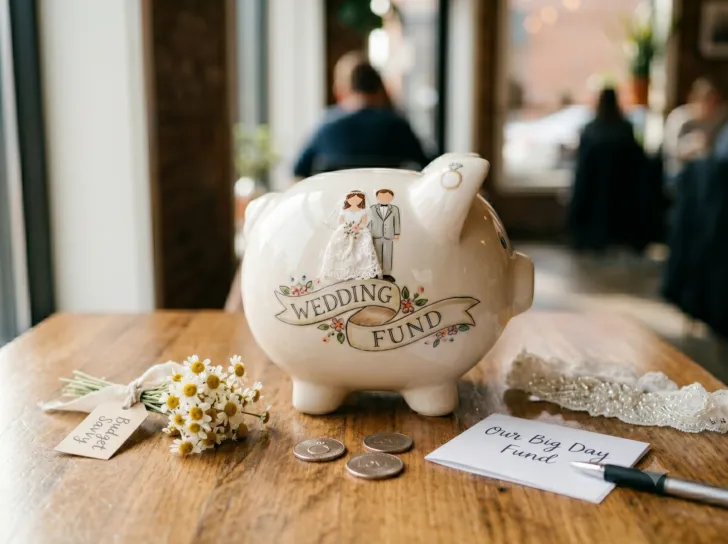
The inaugural and arguably most critical step in planning an economical wedding is the creation of a detailed budget, followed by an unwavering commitment to adhere to it. This initial phase demands open communication between partners to align on financial expectations and priorities. Industry experts, such as financial planners, consistently advise couples to allocate funds systematically, tracking every expense from major vendor deposits to minor decorative purchases. Utilizing dedicated wedding budgeting tools, whether digital applications like Monarch Money or comprehensive physical planners, can significantly enhance organizational efficiency and prevent unforeseen expenditures. This meticulous approach ensures financial clarity throughout the planning process, allowing couples to make informed decisions that respect their predetermined spending limits.
Strategic Guest List Management: A Primary Cost-Reduction Lever
One of the most impactful ways to reduce overall wedding costs is by meticulously curating the guest list. Every guest added directly correlates to increased expenses across multiple categories, including catering, beverages, favors, stationery, and even venue size. For instance, catering costs typically range from $70 to $200 per person, making a smaller guest count an immediate and substantial saving. A deliberate reduction in guest numbers facilitates a more intimate celebration, often allowing couples to invest more deeply in the quality of experience for those present, rather than spreading resources thinly across a larger crowd. Learning the art of polite guest list reduction is a skill that can yield significant financial benefits.
Optimizing Timing and Location: Unlocking Venue and Vendor Savings
The chosen date and location of a wedding can profoundly influence its cost. Saturdays during peak wedding season (typically late spring through early autumn) command the highest prices due to demand. Opting for an off-peak month, a weekday, or even a Sunday can result in substantial discounts, sometimes up to 20-30% on venue and vendor fees. For example, a Tuesday wedding might reduce venue rental by 15-25% compared to a Saturday in the same month.
Beyond timing, the choice of venue offers considerable scope for savings. Non-traditional venues, such as public parks (with necessary permits), college libraries, local museums, or even beloved restaurants, often present more affordable alternatives to dedicated wedding halls. Furthermore, selecting a naturally beautiful location, like a botanical garden or a scenic outdoor space, can drastically cut down on decoration costs, as nature provides the primary aesthetic. A dual-purpose venue, capable of hosting both the ceremony and reception, eliminates the need for separate decor and transportation between locations. For couples with access to ample space, hosting the wedding at home – be it a large backyard or family property – can also be a cost-effective solution, though careful consideration of rental necessities (tents, tables, chairs, restrooms) is paramount to ensure accurate cost comparisons with traditional venues.
In a modern twist, the concept of a "vacation rental wedding venue" has gained traction. Booking a large Airbnb or similar property can offer an intimate setting that serves as both accommodation and event space, potentially saving on venue fees. However, explicit communication with property owners about event intentions and adherence to local regulations are crucial. Conversely, some couples find cost efficiency in destination weddings, as the travel requirement naturally limits guest attendance, leading to smaller, more intimate celebrations that can double as an extended honeymoon.
Smart Vendor and Resource Utilization: Maximizing Value Across Categories
Catering Alternatives: Traditional wedding caterers often come with bundled services and premium pricing. Exploring local restaurants for catering, especially those specializing in more casual, crowd-pleasing fare like barbecue or taco bars, can provide delicious and memorable meals at a fraction of the cost. Food trucks are another increasingly popular option, offering unique culinary experiences and often more flexible pricing models. Brunch weddings, typically held earlier in the day, tend to be less expensive than evening receptions, both in terms of venue rental and food costs.
Beverage Control: Alcohol can be one of the largest single expenses at a wedding. Venues that permit couples to "BYOB" (Bring Your Own Bottle) offer significant control over beverage costs, allowing for bulk purchases from liquor stores. Alternatively, foregoing a full open bar in favor of offering a limited selection of beer and wine, or two signature cocktails, can dramatically reduce expenses while still providing guests with refreshment options. Closing the bar an hour before the reception ends and transitioning to coffee and tea service is another effective strategy for capping alcohol expenditure.
Floral Frugality: Fresh flowers, while beautiful, are a substantial line item. Couples can minimize this cost by using fresh flowers sparingly, focusing on key arrangements, or opting for non-floral decor entirely. Alternatives include candles, books, fruit displays, or rented decorative items. For those set on fresh blooms, choosing in-season flowers and ordering them wholesale to DIY arrangements can yield considerable savings. Inexpensive filler flowers like baby’s breath or various types of greenery can create stunning effects for less. A growing trend involves swapping fresh flowers for high-quality faux silk arrangements, which can be rented for a fraction of the cost of real ones, offering a sustainable and budget-friendly option. Smart decor planning also involves using items that "pull double duty," such as repurposing bridesmaids’ bouquets as reception centerpieces.
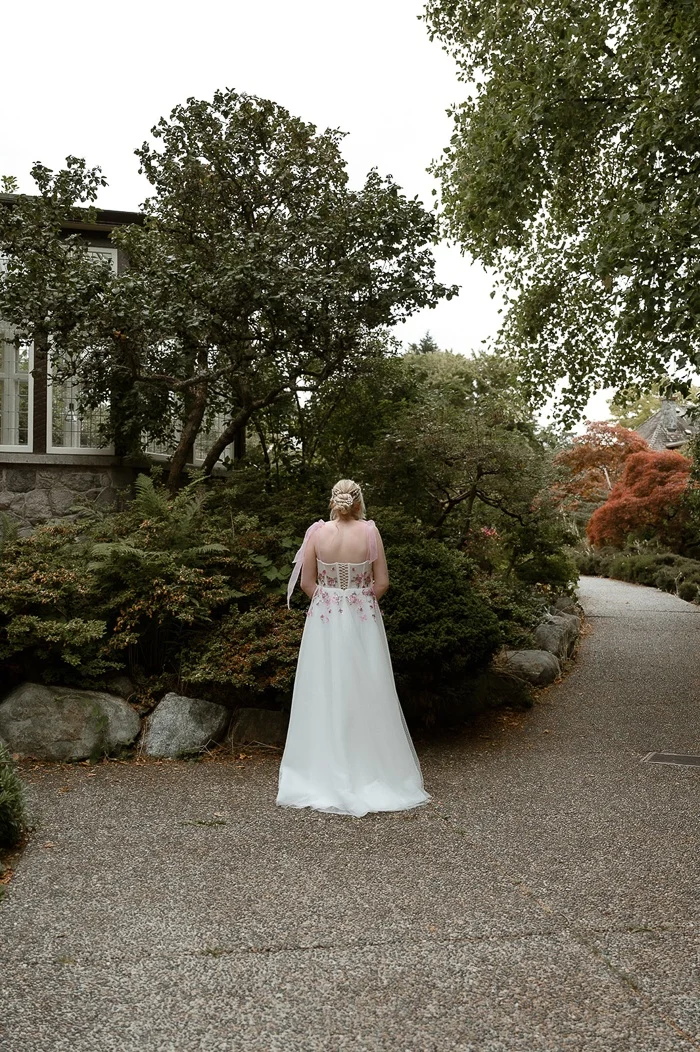
Attire and Accessories: The wedding dress is often a significant expense. Savvy brides explore options like purchasing pre-owned designer gowns from reputable resellers, attending bridal sample sales, or even renting their wedding attire. These avenues can reduce dress costs by 50% or more. For grooms and groomsmen, buying an affordable suit can often be more cost-effective than renting a tuxedo, providing them with a versatile garment they can wear for years to come.

Photography and Entertainment: Professional photography and videography are essential for preserving wedding memories, but their costs can be high. Couples can save by seeking photographers who offer a la carte services, allowing them to book coverage for fewer hours, focusing on key moments rather than the entire event. Trusting a family member or friend to drive instead of renting a limousine, or using ride-sharing services, eliminates an unnecessary transportation expense. For entertainment, assembling a curated reception playlist and enlisting an outgoing friend or family member to serve as a de facto DJ can save hundreds, if not thousands, compared to hiring a professional. Similarly, DIY videography, using strategically placed cameras or encouraging guests to contribute short video messages, can capture precious moments without the professional price tag. A "staged wedding exit" allows couples to capture iconic departure photos with their photographer earlier in the evening, sending the photographer home before the full reception concludes, thus reducing billable hours.
DIY and Personal Touches: Injecting Creativity and Savings
The "do-it-yourself" approach offers extensive opportunities for cost savings and personalization. From crafting unique decor items by upcycling glass jars with spray paint or hunting for treasures at thrift stores (vases, linens, old books), couples can infuse their personality into the wedding while keeping expenses low. Borrowing decorative items or even jewelry from family and friends also adds sentimental value without cost.
For wedding invitations, DIY designs printed at home or through affordable online services significantly cut down on stationery costs. Utilizing a comprehensive wedding website to manage RSVPs and share essential details can further reduce the need for expensive printed inserts.
Wedding cakes, often a focal point, can be simplified. Choosing a simple cake design, opting for less expensive buttercream frosting over elaborate fondant, or purchasing a multi-tiered cake from a grocery store bakery can save hundreds. Many couples also choose the "cake switcheroo," displaying a smaller, beautifully decorated cake for ceremonial cutting, while serving guests slices from more economical sheet cakes. Alternatively, a dessert buffet featuring an array of store-bought pastries, pies, and cupcakes offers variety and charm at a lower cost than a grand traditional cake.
Leveraging personal networks is another powerful tool. Friends or family members with talents in graphic design, baking, or music can contribute their skills as wedding favors, reducing the need for external vendors and adding a deeply personal touch to the celebration.
Financial Acumen and Strategic Purchasing: Smart Money Management
Beyond direct cost cutting, intelligent financial planning can indirectly enhance a wedding budget. Responsibly signing up for a rewards credit card and channeling major wedding expenses (like venue or catering deposits) through it can accumulate points redeemable for honeymoon travel, effectively offering a "free" honeymoon. This strategy requires diligent monthly payment of the balance to avoid interest charges.
Thorough research and comparison shopping are crucial for every wedding purchase. Seeking out "wedding deals and discounts" across all categories ensures the best value. Furthermore, adopting a mindset of reusability and resalability for wedding items, from decor to shoes, allows for recouping some costs post-event.
Discounted gift card websites (like Raise or Gift Card Mall) offer an often-overlooked avenue for instant savings on various wedding-related purchases. Strategically shopping seasonal sales, particularly major events like Black Friday and Cyber Monday, can yield significant discounts on everything from attire to decor. Finally, being acutely aware of potential hidden fees—such as corkage fees, cake-cutting fees, transportation surcharges, and gratuities—and factoring them into the initial budget prevents unpleasant financial surprises. A longer engagement period (18-24 months) provides more time to save funds, research options thoroughly, and secure preferred vendors at potentially better rates.
Challenging Traditions and Prioritizing Meaning: A Modern Approach
Ultimately, the most profound budget-savvy tip is to critically evaluate and selectively adopt wedding traditions. Many customs carry significant financial implications but may not resonate with the couple’s values. Skipping unnecessary favors, forgoing expensive limousines, or choosing affordable champagne alternatives for toasts are examples of pragmatic decisions that prioritize personal meaning over societal expectations. The growing trend of having a friend or family member officiate the ceremony not only saves money but also imbues the vows with a deeper, more personal connection.
Modern couples are increasingly defining "fabulous" not by extravagance, but by authenticity and personal significance. This cultural shift allows for a focus on what truly matters: the union of two individuals, surrounded by their closest loved ones. The core elements of a wedding are simple: the couple, a marriage license, and an officiant. Everything else is an enhancement that should be chosen intentionally and within financial comfort.
The Broader Impact: A Shift in Wedding Culture
The collective embrace of budget-savvy wedding planning signifies a broader cultural evolution within the wedding industry. It reflects a growing desire among couples to start their married lives on solid financial footing, avoiding the burden of wedding debt. This trend has spurred innovation within the industry, leading to a rise in affordable vendor options, rental services, and DIY-focused resources. The emphasis has shifted from grand, performative events to more personalized, meaningful celebrations that authentically reflect the couple’s journey and values. As financial advisors consistently remind us, the investment in a marriage’s future stability far outweighs the fleeting opulence of a single day. By carefully managing wedding expenses, couples are not just saving money; they are investing in their shared future.
This comprehensive approach to wedding planning empowers couples to tie the knot without tying themselves up in debt, proving that a truly beautiful and meaningful wedding is born from intention and love, not just a hefty price tag.