


The traditional wedding industry, often characterized by its high-octane pace, spontaneous demands, and a prevailing culture built around neurotypical, extroverted communication styles, has long presented significant challenges for many professionals. For autistic and ADHD individuals, who frequently possess unique strengths but also face distinct sensory and social processing differences, this conventional operational model can be a direct route to severe burnout. In recognition of World Autism Month, a critical conversation is emerging within the alternative wedding sector, challenging established norms and championing business practices that not only accommodate but leverage neurodivergent cognitive styles. This paradigm shift aims to cultivate a more inclusive and sustainable professional landscape for all.
Background: The Traditional Landscape and Neurodivergent Challenges
The wedding industry, at its core, is a service-oriented field demanding intense social interaction, rapid decision-making, and prolonged exposure to dynamic, often chaotic environments. From the initial client consultations to the frenetic energy of a wedding day and the subsequent meticulous post-production, professionals are expected to navigate a complex web of logistical and interpersonal demands. For neurotypical individuals, these challenges are typically managed within established frameworks, but for those on the autism spectrum or with ADHD, the inherent structure of the industry can be profoundly taxing.
Autism Spectrum Disorder (ASD) and Attention-Deficit/Hyperactivity Disorder (ADHD) are neurodevelopmental conditions characterized by differences in brain function. Individuals with autism may experience heightened sensory sensitivities, preferring structured environments, predictable routines, and direct, literal communication. Unplanned changes, loud noises, bright lights, and intense social demands can lead to sensory overload, anxiety, and eventual shutdown or burnout. Similarly, individuals with ADHD often grapple with executive function challenges, including difficulties with organization, time management, and task initiation, alongside tendencies towards hyper-focus on engaging tasks and potential for impulsivity. While these traits can manifest as unique strengths—such as exceptional attention to detail, creative problem-solving, or a deep capacity for empathy—they often clash with an industry that frequently prioritizes spontaneous adaptability and constant social performance.
Burnout, a state of emotional, physical, and mental exhaustion caused by prolonged or excessive stress, is a pervasive issue across many demanding professions. For neurodivergent individuals, this risk is amplified due to the constant effort required to "mask" or camouflage their natural behaviors to fit neurotypical expectations. This masking is not only exhausting but can also lead to a disconnect from one’s authentic self, further contributing to stress and depletion. The "offbeat wedding" movement, which caters to couples seeking unique, personalized celebrations outside of traditional conventions, has inadvertently become a haven for neurodivergent professionals who, in turn, are crafting business models that prioritize their well-being while still delivering exceptional service.
A New Blueprint: Insights from Neurospicy Wedding Vendors
This burgeoning movement is exemplified by three pioneering alternative wedding photographers—Emily Blatter of Seattle’s Emily Paris Photography, Sam Waldron of Wisconsin’s Dutcher Photography, and Katrina Gurr of Washington state’s A+K Photography. These professionals, who openly identify as autistic and/or ADHD, have consciously rejected the conventional "neurotypical rulebook." Instead, they have meticulously designed their business operations to align with their neurological profiles, transforming potential vulnerabilities into distinct competitive advantages. Their collective wisdom offers a compelling blueprint for how the wedding industry, and indeed other service sectors, can evolve towards greater inclusivity and sustainability. Their strategies span the entire client journey, from initial inquiry to post-event recovery, demonstrating a holistic approach to neuro-inclusive business management.
Phase One: Streamlining Client Acquisition – The Inquiry & Booking Process
The initial interaction with potential clients often sets the tone for the entire professional relationship. In the traditional model, this frequently involves impromptu phone calls, rapid-fire email exchanges, and dynamic in-person meetings. For many neurodivergent individuals, these modes of communication can be particularly draining. The pressure to respond instantly, interpret subtle social cues, and maintain an "on" persona can quickly deplete cognitive resources, even before a contract is signed.
Emily Blatter of Emily Paris Photography has proactively automated much of her initial client interaction, strategically minimizing the need for synchronous communication. "I gather most of the important logistics for a wedding day in one big questionnaire," Blatter explains. "It lets the couple answer everything on their own time, and gives me all the info I need in a clear and structured way." This approach not only respects the client’s schedule but crucially provides Blatter with the necessary processing time to assimilate information without immediate pressure, effectively preventing "executive function fail"—a common challenge for individuals with ADHD where initiating and completing tasks can be difficult.
Similarly, Sam Waldron of Dutcher Photography employs a robust Client Relationship Management (CRM) system, specifically Honeybook, as a fundamental tool for organization and boundary setting. "A CRM system (in my case, Honeybook) is critical to staying organized and reducing stress," Waldron asserts. This technology acts as a digital shield, standardizing communication and ensuring that all necessary information is collected systematically. Waldron emphasizes the importance of transparent communication: "I make sure to set clear expectations with clients every step of the way so that they always know what next steps are, what is expected of them (and when), and what they can expect from me (and when)." This proactive clarity is invaluable, as it reduces ambiguity and the need for frequent, ad-hoc clarifications, which can be particularly taxing for neurodivergent minds.
Katrina Gurr of A+K Photography echoes the sentiment regarding written communication. "I do best with written communication when possible, since it gives me time to process and think through how I want to respond," Gurr states. She elaborates, "Verbal communication can feel a little overwhelming at times, especially if I am expected to respond right away, so having space to reflect helps me communicate more clearly." This preference highlights a fundamental difference in processing speed and style; written formats allow for careful consideration, reducing the cognitive load associated with real-time verbal exchanges and leading to more precise and less stressful interactions. Research indicates that structured, asynchronous communication methods can significantly enhance clarity and reduce cognitive overload, particularly beneficial for individuals who process information differently, leading to higher client satisfaction and reduced vendor stress.
Phase Two: Mastering Preparation – The Planning & Pre-Wedding Phase
Once a client is booked, the planning phase commences, often involving numerous details, timelines, and logistical arrangements. This period, while crucial, can be another source of overwhelm if not managed strategically. For neurodivergent professionals, meticulous preparation is not merely a best practice; it is an essential survival mechanism that ensures smooth operations and mitigates potential stressors on the actual wedding day.
Katrina Gurr’s approach to preparation revolves around an unwavering commitment to checklists. "Lists, lists, more lists," she emphasizes. "Checklists help me make sure we are prepared early instead of running around at the last minute packing camera bags or trying to remember important details." This reliance on structured lists is a highly effective strategy for managing executive dysfunction, ensuring that all tasks are broken down, tracked, and completed systematically. Gurr also leverages automation to maintain consistency and efficiency: "Email templates help keep communication cohesive, and automated reminders for sessions and tasks help me stay organized and make sure nothing gets missed." These automated systems reduce the mental energy required for repetitive tasks, freeing up cognitive resources for more complex creative work.
Emily Blatter takes her organizational strategies a step further by embracing offline tools to combat digital fatigue. "I have a Google Doc template that I put all of my notes (timeline, shot list, arrival information) into for the day," Blatter explains. Crucially, she then prints these documents. "I make sure to have it printed out so I don’t have to mess with my phone in the middle of the wedding, and I can also physically check items off the shot list as I go." This tangible, analog approach minimizes screen time and the distractions inherent in digital devices, allowing for focused attention on the task at hand. Blatter also advocates for widespread automation in administrative tasks: "Automate what you can! There’s a lot of admin work involved in running a business, and executive function can make that hard to manage."
Sam Waldron frames extreme organization not as a burden but as a distinct competitive advantage. "Holy organization skills, Batman! Seriously, organization and a deep and abiding love of spreadsheets makes running the administrative side of the business much more doable than it seems to be for a lot of creatively-focused business owners." Waldron’s embrace of detailed systems, including templated contracts, emails, and client questionnaires within Honeybook, ensures a consistently high-quality client experience without the mental strain of reinventing processes for each new booking. This meticulous pre-planning not only ensures operational efficiency but also provides a sense of predictability that is deeply comforting and enabling for many neurodivergent individuals.
Phase Three: Navigating the Event – Sensory Survival on the Wedding Day
The wedding day itself is a sensory maelstrom. From the bustling preparations and emotional ceremonies to the loud music, flashing lights, and dense crowds of a reception, it presents a concentrated assault on the senses. For neurodivergent individuals, this environment can quickly lead to sensory overload, social exhaustion, and ultimately, a complete shutdown. Strategic interventions are therefore paramount for maintaining performance and well-being.
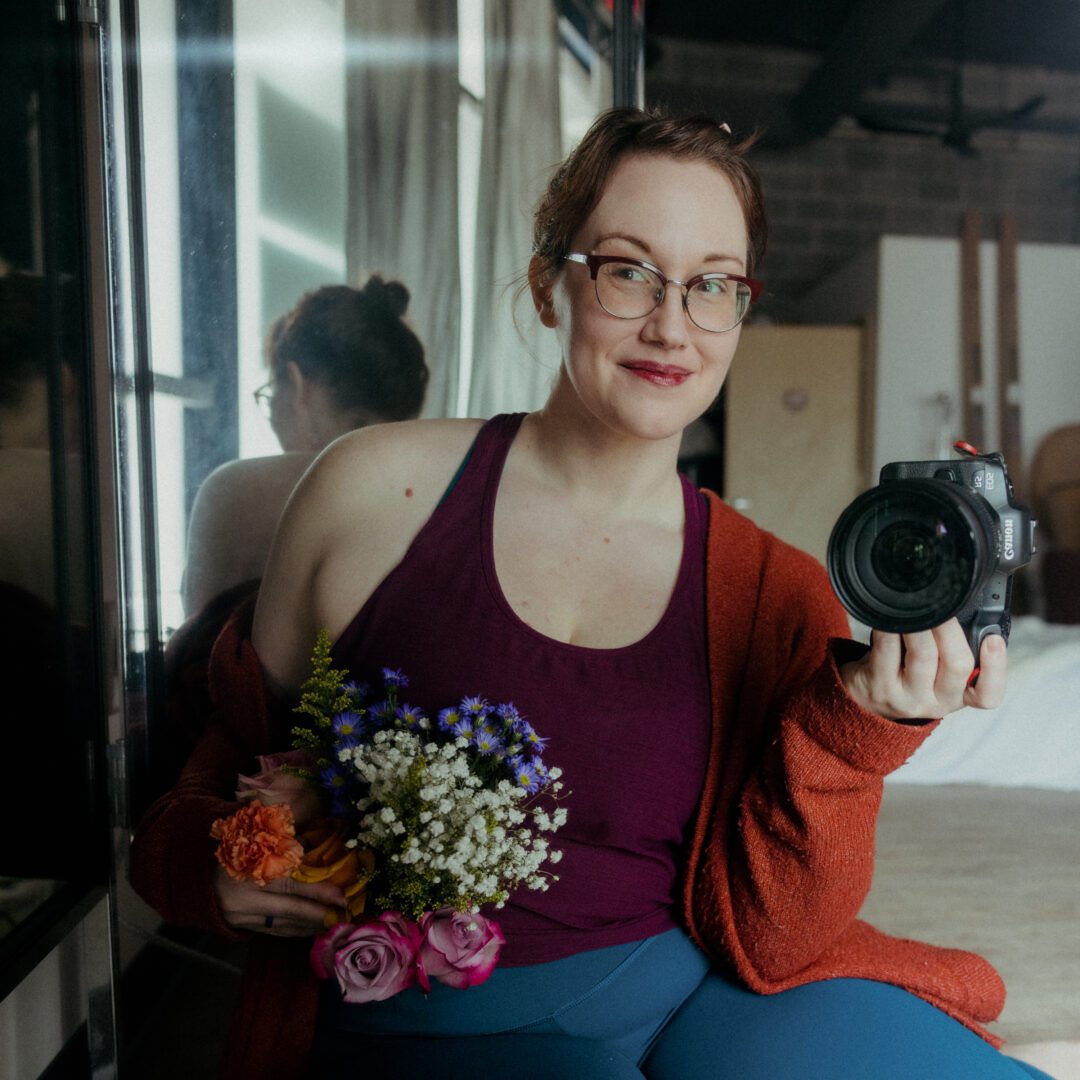
Emily Blatter’s essential toolkit for wedding days includes a pair of reliable earplugs. "I keep a set of good earplugs in a sturdy little case on my keys so I always have them with me, which really helps me maintain my hearing and keep me from getting overwhelmed by noise on the dance floor," she shares. High-fidelity earplugs, which reduce overall decibel levels without muffling sound quality entirely, are crucial for mitigating auditory overstimulation. Beyond protective gear, Blatter also emphasizes the importance of designated quiet breaks: "I make sure I can sit down in a quiet space away from the guests so I can regain some social energy for the rest of the reception." These brief periods of solitude are vital for introverted and neurodivergent individuals to recharge their social batteries and prevent burnout during extended social engagements.
Sam Waldron takes a proactive approach to managing physical and social demands by setting clear limits on their working hours. "As a photographer, I don’t offer any wedding packages over 7 hours, because it is too hard on my body," Waldron states. This firm boundary directly addresses the physical and mental stamina required for prolonged event coverage, a common trigger for burnout. Furthermore, for packages exceeding four hours, Waldron includes a second photographer. "I have structured my packages such that any wedding packages that include more than 4 hours of photography include a second photographer… so that I have the ability to take short breaks for stretching or quiet if needed." This strategy not only provides backup and additional coverage but, more importantly, creates flexibility for the primary photographer to manage their energy levels and sensory input throughout the demanding day.
Phase Four: Post-Event Recovery – After the Wedding & Beyond
The intensity of a wedding day doesn’t simply dissipate with the final dance. For many, a "wedding hangover" is a reality, but for autistic and other neurodivergent vendors, this can escalate into a profound sensory shutdown or an extended period of exhaustion that requires significant recovery. Recognizing and planning for this recovery period is as crucial as the planning that precedes the event.
Emily Blatter has institutionalized recovery time into her business model, treating it as a non-negotiable component of her schedule. "I generally try to avoid booking back-to-back weddings," she explains. "After photographing a wedding, I usually need to spend a day resting and not really talking to ANYONE, so I make sure I have that time to myself the next day." This deliberate scheduling of downtime is essential for processing the intense sensory and social input of a wedding, allowing the nervous system to recalibrate and prevent cumulative stress from leading to burnout. This practice acknowledges the physiological reality of neurodivergent fatigue, which often requires more extensive and intentional recovery than what is typically allocated in fast-paced industries.
Beyond immediate recovery, these photographers advocate for a deeper, more fundamental shift in professional identity and strategy. Katrina Gurr’s advice for building a sustainable business resonates with a call for authenticity: "Be yourself, stand up for what you believe in, and do great work… You do not have to build your business by trying to sound like everyone else or fit into what you think you are supposed to be." This statement directly challenges the pervasive pressure to "mask" neurodivergent traits to conform to neurotypical expectations. By embracing one’s authentic self, professionals can attract clients who genuinely appreciate their unique style and approach, fostering more compatible and less draining relationships.
Sam Waldron encapsulates this philosophy perfectly: "Lean into your strengths, and remember, you don’t have to be the photographer (or other wedding vendor) for everyone, you have to be the best vendor for YOUR soul mate clients." This perspective emphasizes niche marketing and client alignment, a powerful strategy for neurodivergent professionals. By attracting clients who value their specific communication styles, meticulous organization, and artistic vision, they reduce the need for constant adaptation and performance, thereby creating a more sustainable and fulfilling career path. This approach also subtly educates the broader industry and client base about diverse working styles.
Broader Impact and Implications: A Blueprint for an Inclusive Industry
The strategies adopted by Emily Blatter, Sam Waldron, and Katrina Gurr are not merely individual coping mechanisms; they represent a collective blueprint for a more inclusive, accessible, and ultimately, more resilient wedding industry. By openly discussing their neurodivergent experiences and proactively designing their businesses around their needs, these photographers are demonstrating that success does not necessitate conforming to a single, narrow definition of professionalism.
This paradigm shift has several profound implications. Firstly, it champions the idea that individual well-being is not separate from business success but is, in fact, foundational to it. When vendors prioritize their mental and physical health, they are better equipped to deliver consistent, high-quality service, foster stronger client relationships, and maintain long-term career viability. Secondly, it highlights the immense value of neurodivergent traits. Hyper-focus, meticulous attention to detail, systematic thinking, and deep empathy—often characteristic of autistic and ADHD individuals—are invaluable assets in a field that demands precision, creativity, and thoughtful execution. When these strengths are allowed to flourish, rather than being suppressed, they contribute to truly unique and exceptional work.

Furthermore, these practices serve to educate clients and other industry professionals about the spectrum of human neurology. As more vendors embrace neuro-inclusive practices, it fosters a broader understanding and acceptance of diverse working styles, potentially influencing how the entire industry operates. This move towards transparency and self-advocacy can lead to a more compassionate and understanding marketplace, where clients actively seek out vendors who operate in ways that align with their own values of inclusivity.
Ultimately, building an inclusive, accessible wedding industry starts with vendors who are brave enough to work in ways that honor their own needs. When professionals stop trying to fit into a neurotypical mold, they create space for their unique strengths to shine. By setting these intentional boundaries and leveraging their cognitive assets, they are not just surviving the wedding season; they are proving that there is a seat at the table for every kind of mind, and their businesses are undeniably more powerful and impactful because of it. This movement offers hope that the future of the wedding industry will be one defined by diversity, respect, and sustainable success for all. The sharing of these insights is a powerful step towards fostering a vendor network that is truly supportive and understanding.