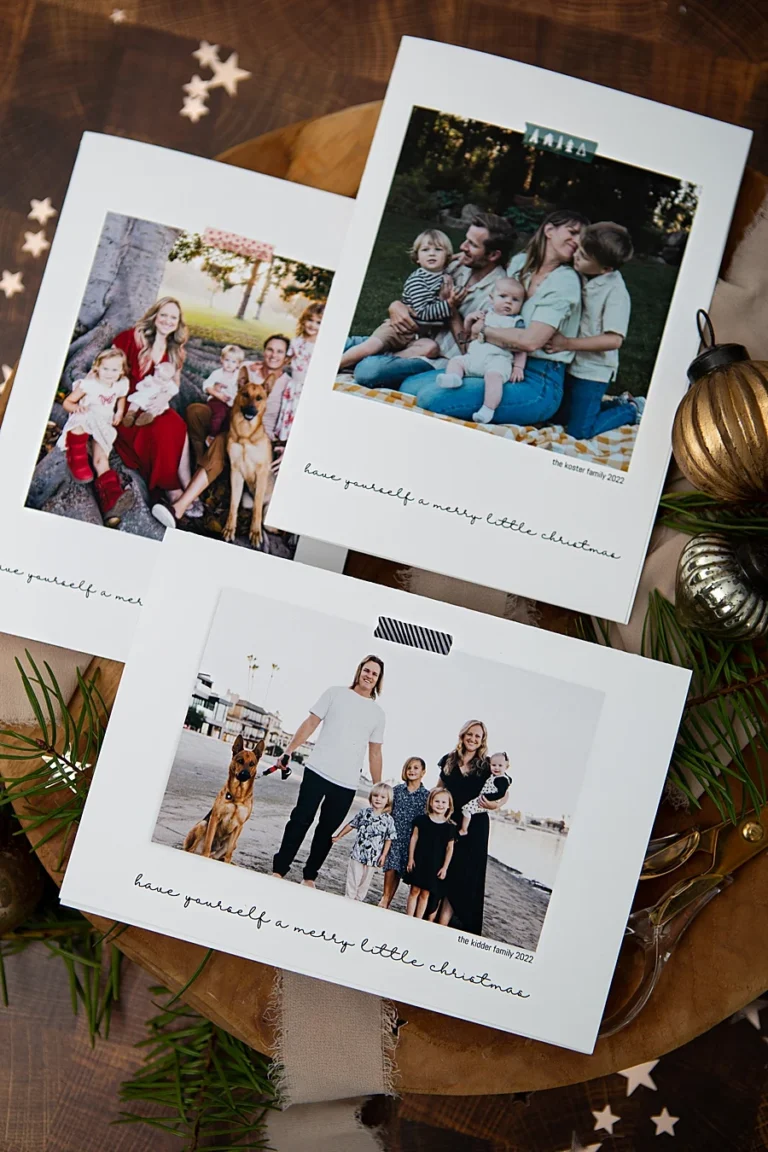



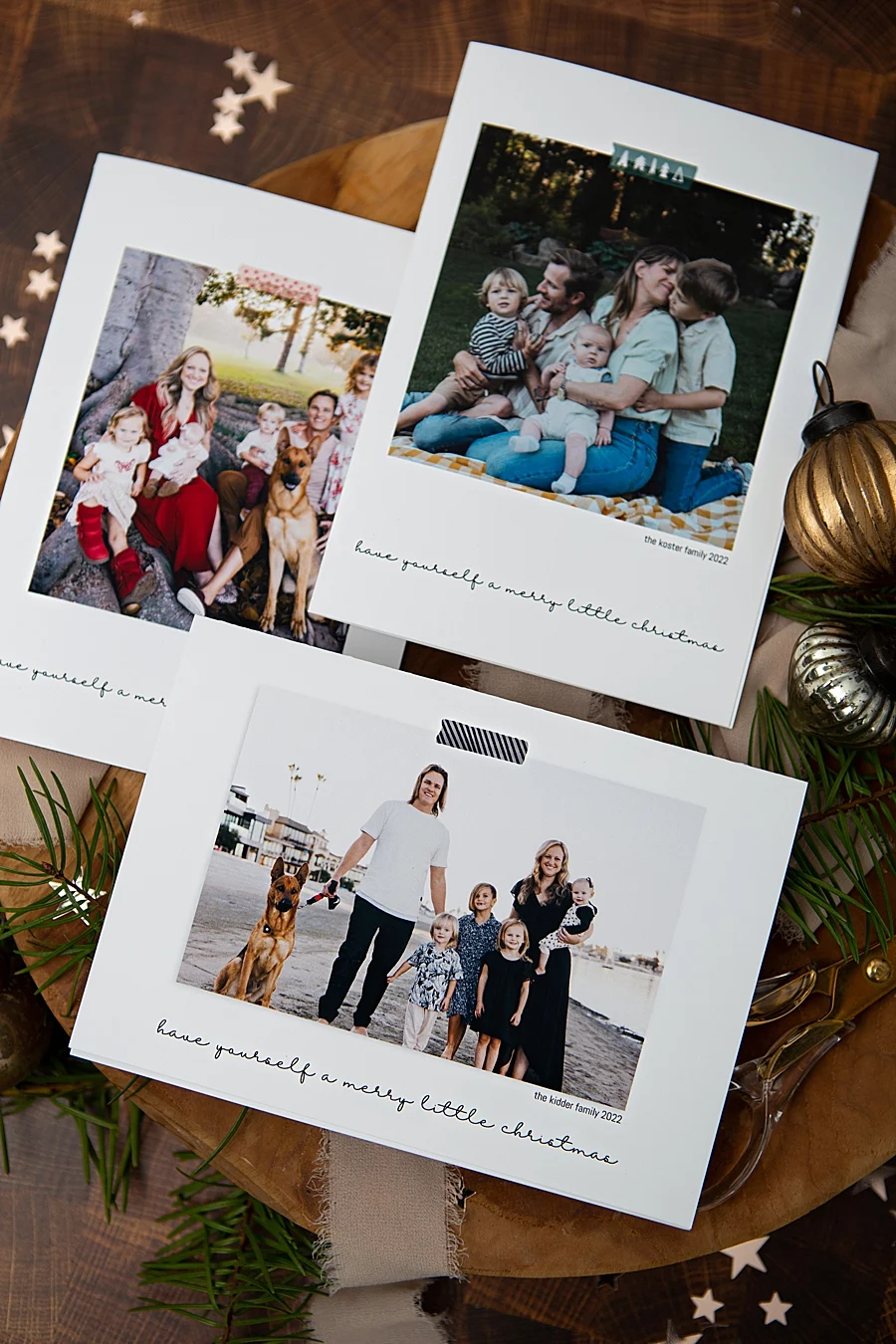
The intersection of high-end consumer technology and the burgeoning "Do-It-Yourself" (DIY) economy has reached a new milestone this holiday season as major hardware manufacturers like Canon U.S.A., Inc. pivot their marketing strategies toward the personalized crafting market. Central to this movement is the Canon PIXMA TS9521C, a device specifically engineered to bridge the gap between professional-grade photo printing and home-based creative projects. As digital fatigue continues to influence consumer behavior, the resurgence of physical, personalized greeting cards represents a significant shift in how individuals manage their social connections during the festive period. This trend is underscored by the recent collaboration between Canon and prominent DIY influencers, such as Jen Causey-Kidder of Something Turquoise, who has released a suite of customizable holiday card templates designed to leverage the specific technical capabilities of the PIXMA crafting series.
The Evolution of the Greeting Card Market and the Personalization Trend
The global greeting card market, valued at approximately $7 billion annually, has undergone a radical transformation over the last decade. While digital "e-cards" and social media greetings initially threatened the industry, recent data from the Greeting Card Association suggests a counter-trend driven by younger demographics, including Millennials and Gen Z, who place a premium on tactile, personalized experiences. Statistics indicate that approximately 6.5 billion greeting cards are purchased each year in the United States alone, with holiday cards accounting for the largest share of this volume.
The current market environment favors "bespoke" solutions over mass-produced, off-the-shelf products. Consumers are increasingly seeking ways to integrate family photography with professional-grade design without the long lead times and high costs associated with third-party printing services. The Canon PIXMA TS9521C, marketed as "The Crafter’s Printer," addresses this demand by offering specialized features such as 12×12 inch borderless printing, versatile media handling, and a five-color individual ink system that ensures color accuracy for skin tones and complex holiday graphics.
Technical Analysis of the Canon PIXMA TS9521C and Proprietary Media
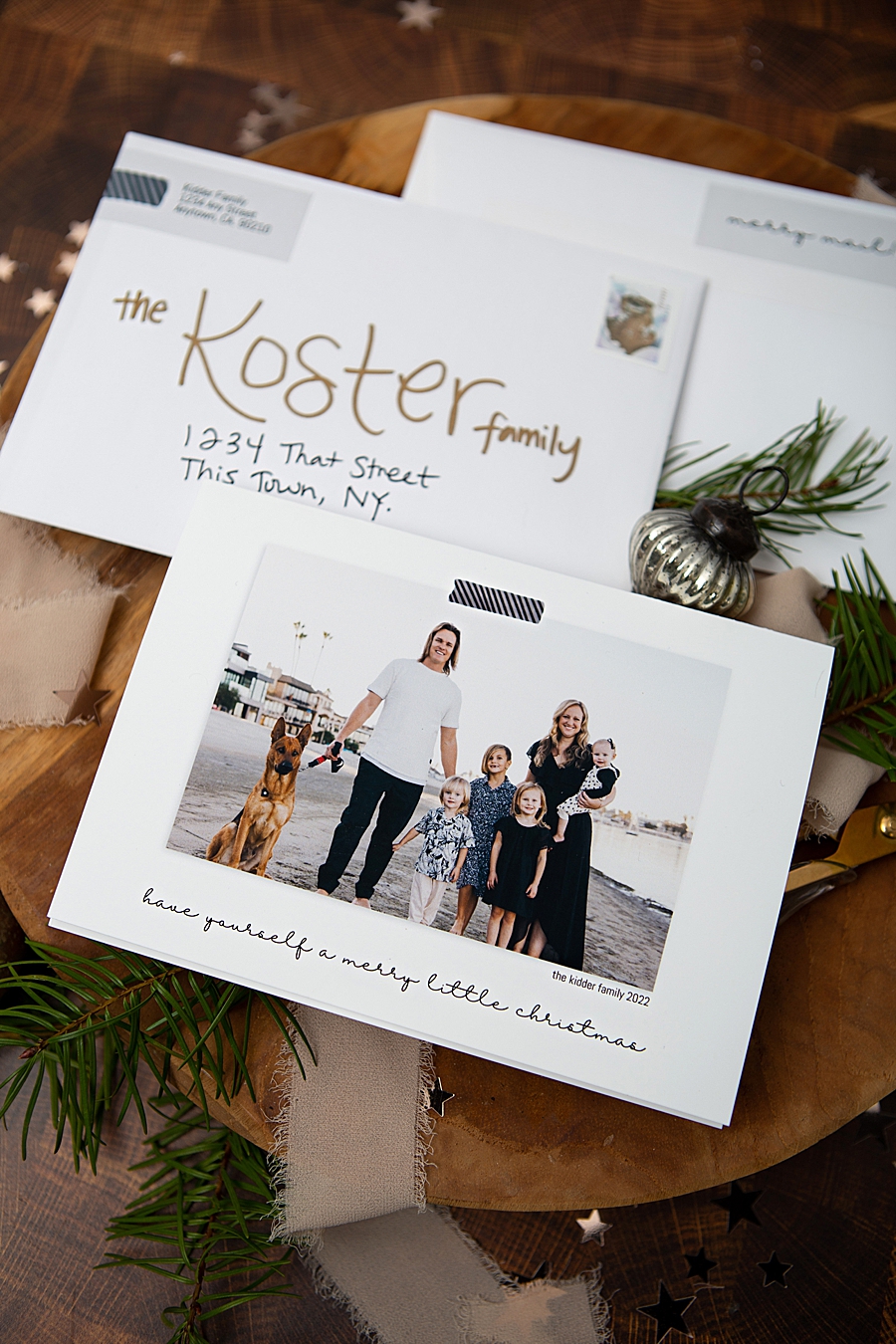
To understand the impact of home-printed holiday cards, one must analyze the hardware and software ecosystem that makes such projects viable for the average consumer. The PIXMA TS9521C distinguishes itself from standard office inkjet printers through its support for heavy cardstock and specialized photo papers. A critical component of the holiday card workflow is the use of Canon’s 7×10 Double-Sided Greeting Card Paper Pack. This media is pre-scored, allowing for a clean fold into a 5×7 inch format, and features a matte finish on both sides to prevent ink smudging and fingerprinting.
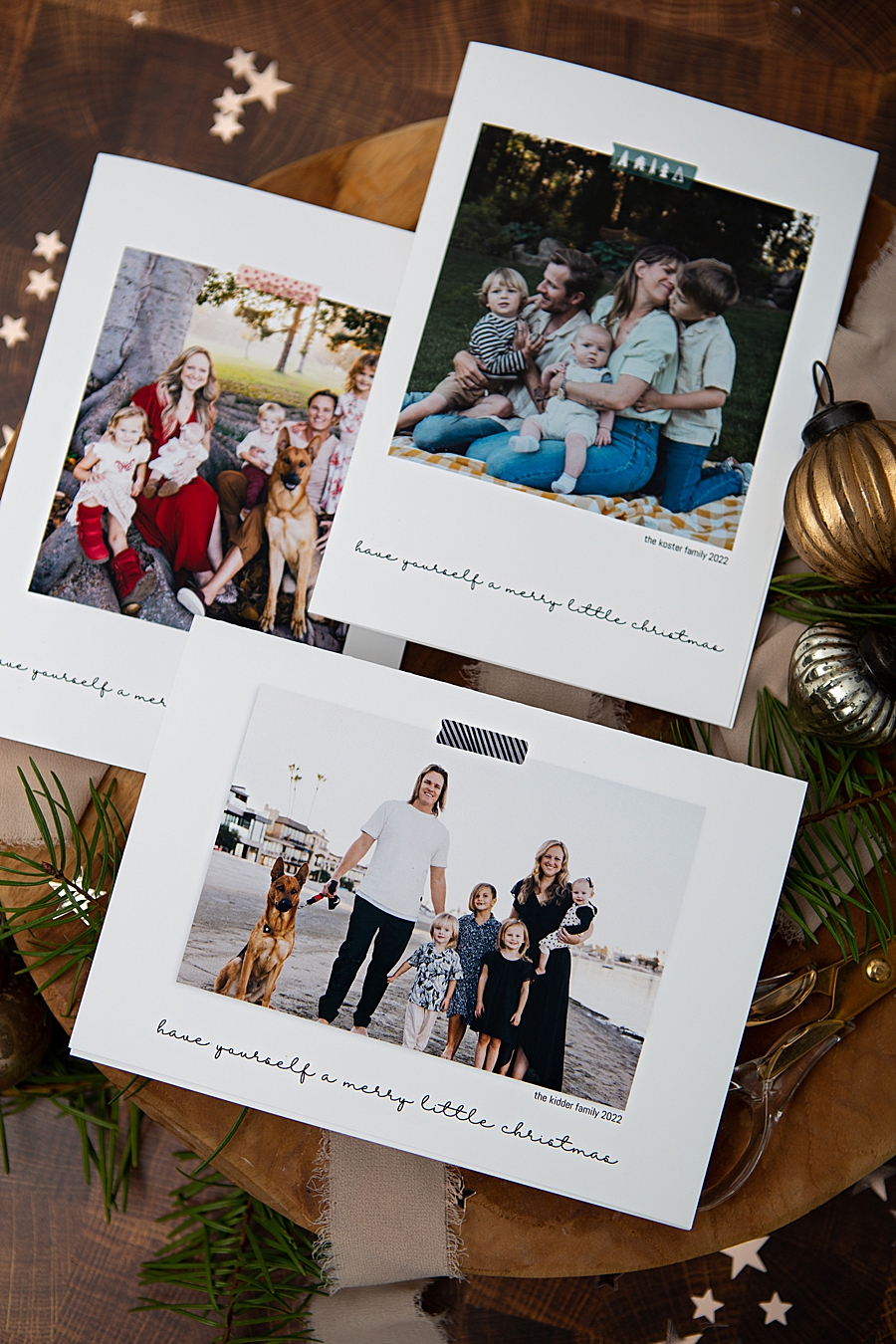
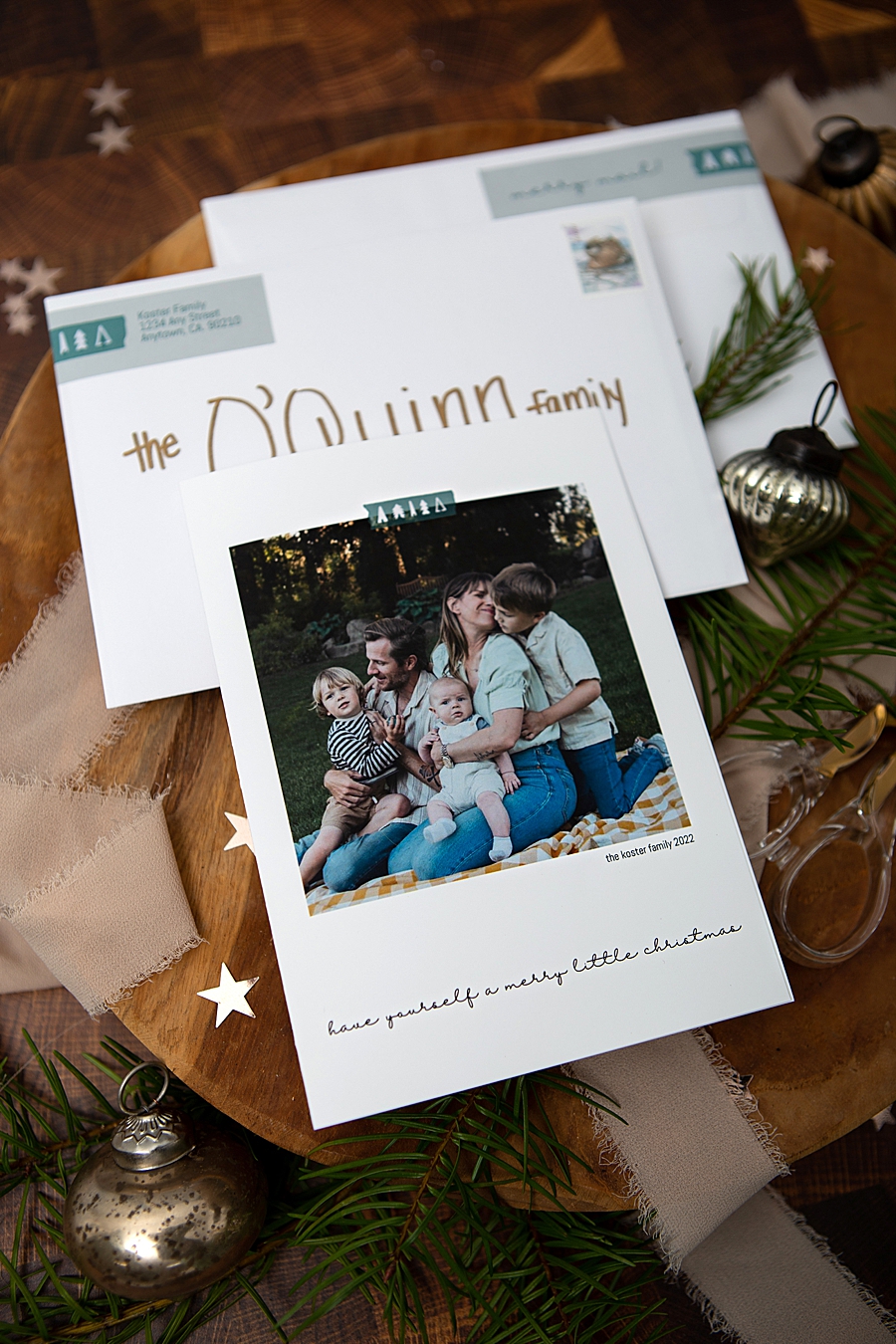
The printer’s technical specifications include a 4800 x 1200 dots per inch (dpi) resolution, which is essential for rendering the fine details found in modern digital photography. By utilizing a hybrid ink system—which combines dye-based inks for vivid colors and a pigment-based black ink for sharp text—the device ensures that holiday greetings maintain a professional aesthetic. This technical versatility allows users to print not only the cards themselves but also matching address labels and decorative elements like "printable tape" designs, which have become popular in the scrapbooking and "junk journaling" communities.
Chronology of the DIY Holiday Campaign and Influencer Integration
The rollout of the current holiday card initiative follows a strategic timeline designed to capture consumer interest during the peak "making" season, which typically begins in late October and concludes in mid-December.
- Product Positioning (Q3): Canon identified the PIXMA TS9521C as a flagship device for the crafting segment, focusing on its wireless connectivity and compatibility with mobile design apps.
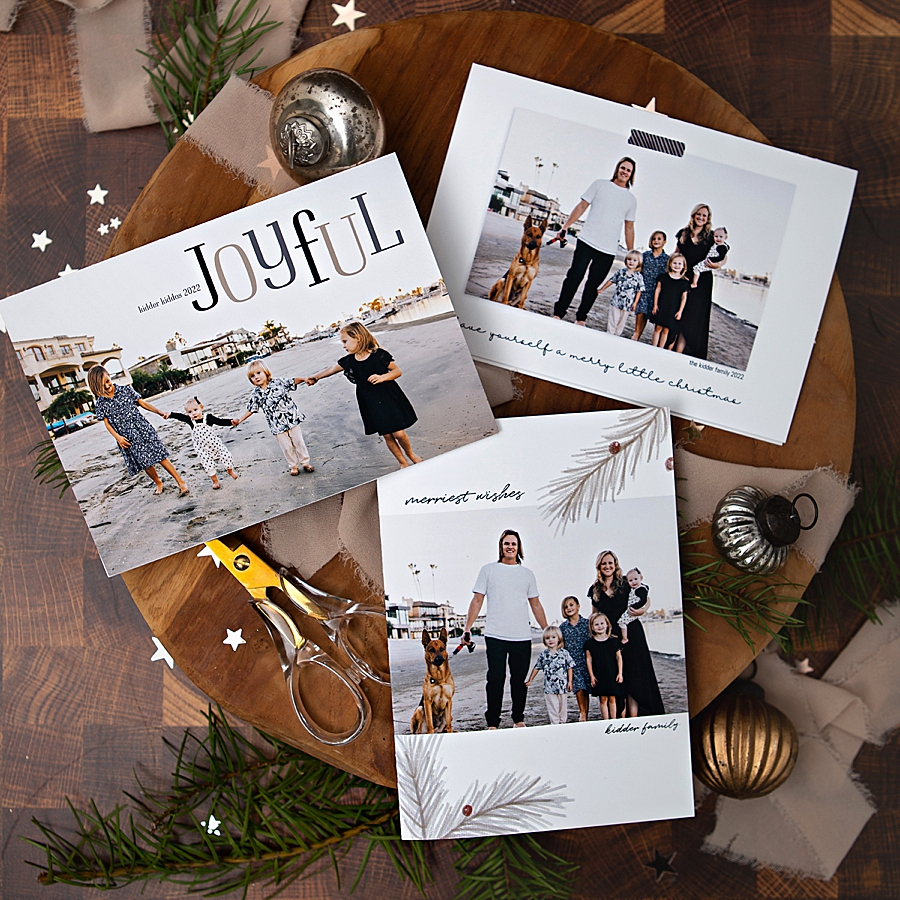
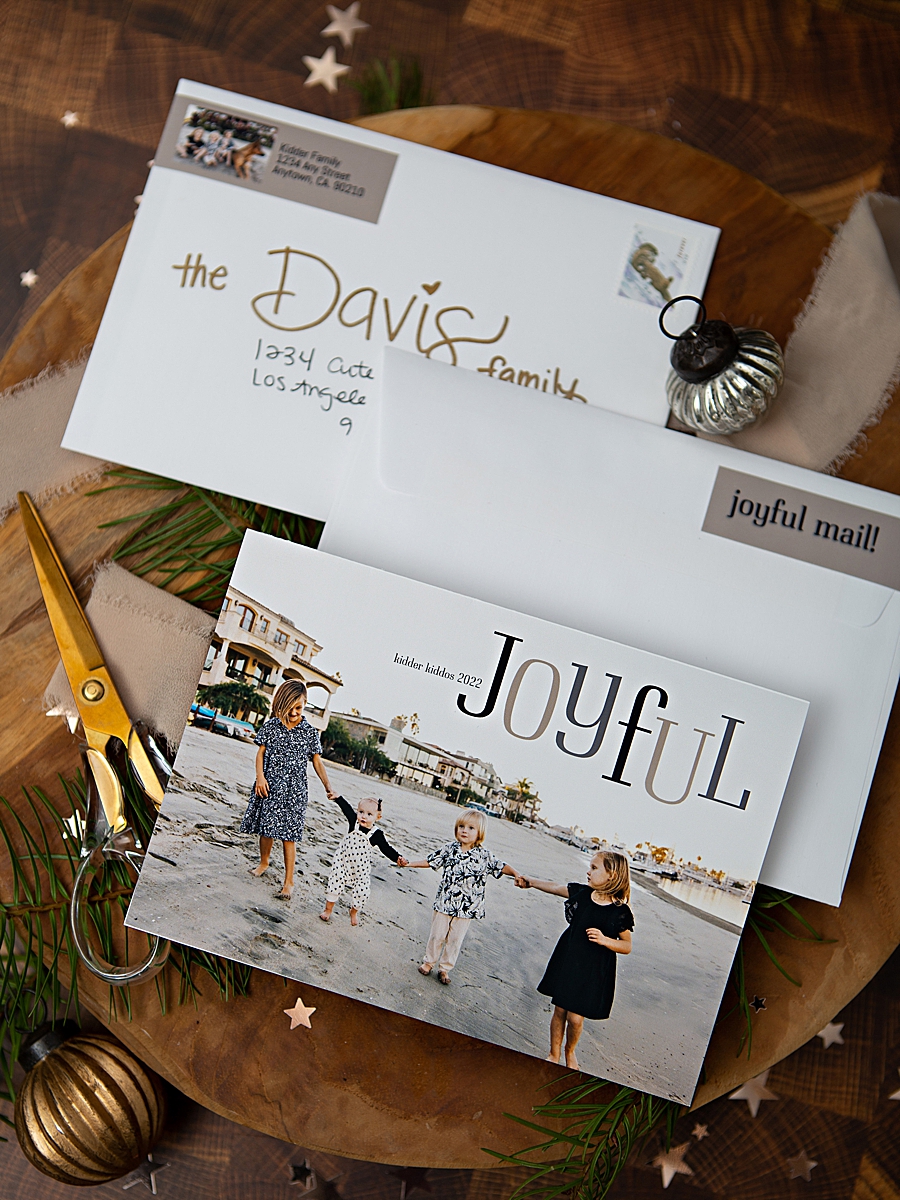
- Content Development (November): Strategic partnerships were finalized with DIY experts to create "free-to-access" value propositions. This included the development of the "Joyful," "Tape," and "Berries" design suites.
- Software Integration (Late November): The templates were hosted on Corjl, a powerful web-based editing platform. This allowed users to bypass expensive professional design software (like Adobe Illustrator) and edit templates directly in their browsers.
- Public Launch (December): The campaign moved into the execution phase, providing consumers with promotional codes—such as "canonholiday"—to lower the barrier to entry for high-quality digital assets.
This chronology reflects a broader trend in the tech industry where hardware sales are increasingly driven by the availability of "turnkey" creative solutions. By providing the designs for free, Canon effectively incentivizes the purchase of their proprietary ink and paper supplies.
The Role of Digital-to-Physical Software Bridges
A significant hurdle in home printing has historically been the difficulty of aligning digital designs with physical paper dimensions. The integration of Corjl software into the Canon ecosystem represents a solution to this technical friction. Corjl allows for "What You See Is What You Get" (WYSIWYG) editing, where users can upload high-resolution family photos, adjust typography, and change color palettes to match their specific aesthetic.
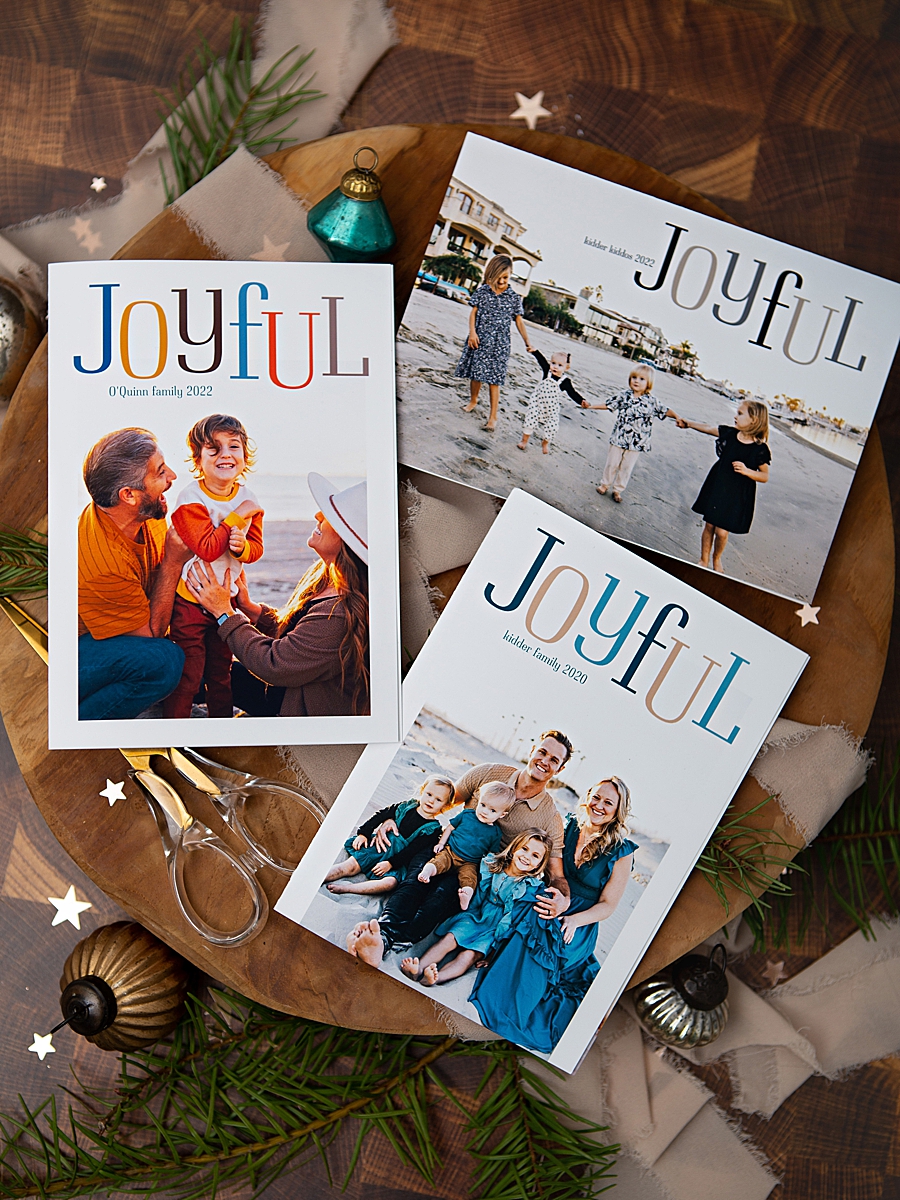
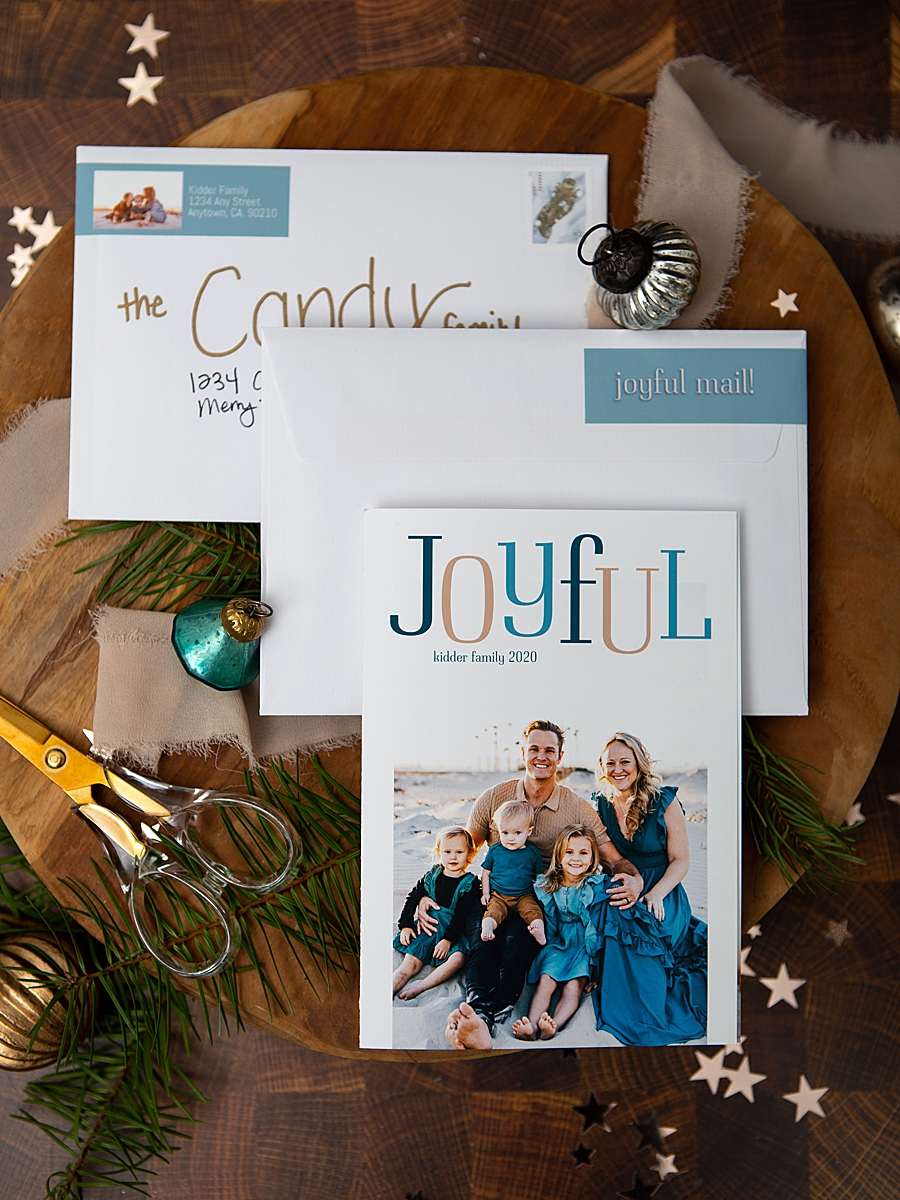
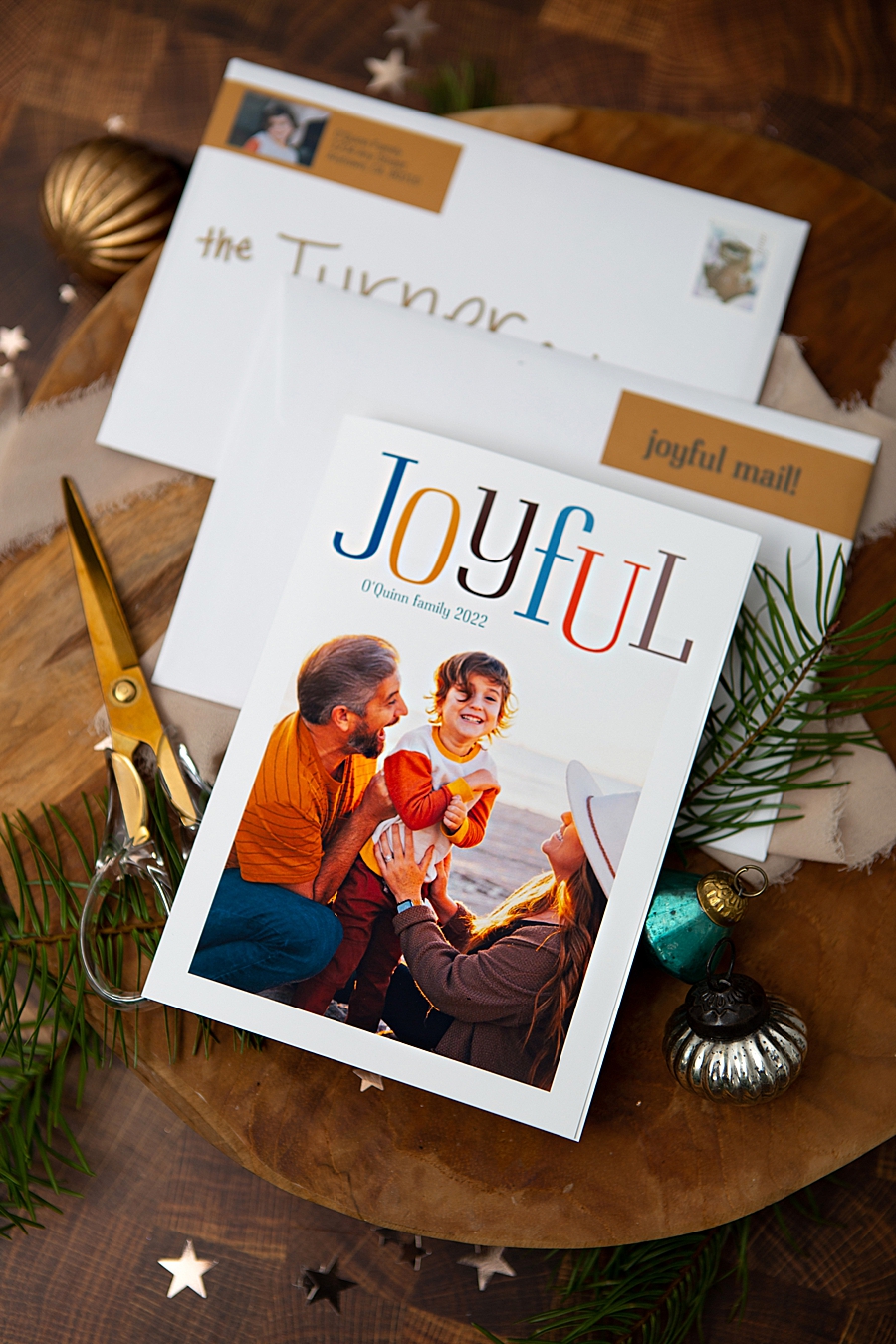
The three primary designs released this season—Joyful, Tape, and Berries—showcase different aspects of this digital flexibility. The "Joyful" design emphasizes typographic customization, allowing users to alter the color of the text to complement the tones in their photography. The "Tape" design mimics the aesthetic of "Washi" tape, a staple in the crafting world, while the "Berries" design offers a botanical illustration style. This level of customization was previously only available through high-end design boutiques, but is now accessible via home-based inkjet technology.
Economic and Consumer Implications
The shift toward DIY holiday cards carries notable economic implications for both the consumer and the broader retail sector. On average, a custom-printed card from a major online vendor can cost between $2.50 and $4.00 per unit, plus shipping. In contrast, the cost of home printing—when factoring in the price of the paper pack and ink consumption—is estimated to be significantly lower per unit, especially for households sending more than 50 cards.
Furthermore, the "Crafting Economy" is estimated to be a $36 billion industry in the United States. Canon’s focus on this segment is a calculated move to diversify its revenue streams as traditional office printing declines. By branding a printer specifically for "crafters," Canon has successfully carved out a niche that is less susceptible to the "paperless office" trend.
Industry analysts suggest that this strategy also fosters brand loyalty. When a consumer uses a specific printer to create meaningful family artifacts, such as holiday cards or wedding invitations, the emotional value of the hardware increases. This "endowment effect" makes consumers more likely to continue purchasing brand-name consumables (ink and paper) rather than seeking third-party alternatives which may compromise the quality of their sentimental projects.
Broader Impact on Communication and Social Connectivity
Beyond the technical and economic data, the rise of DIY photo cards reflects a deeper sociological desire for "authentic" communication. In an era dominated by ephemeral digital interactions, the physical card serves as a durable record of a family’s history. The ability to print double-sided cards—allowing for a photo on the front and a personalized letter or "year-in-review" on the inside—transforms a simple greeting into a piece of personal media.
The use of hashtags like #somethingturquoisediy on platforms such as Instagram and Twitter (now X) further integrates the physical product back into the digital sphere. This "feedback loop" allows crafters to showcase their work to a global community, providing social validation for their creative efforts and further promoting the hardware used to create them.
Conclusion: The Future of the Creative Home Office
The collaboration between Canon and the DIY community serves as a case study for the future of consumer electronics. As hardware specs become increasingly homogenized across the industry, software integration and "lifestyle branding" become the primary differentiators. The PIXMA TS9521C is not merely a printer; it is positioned as a tool for "preserving beautiful imagery from capture to print."
As we look toward the future, it is likely that more manufacturers will follow this lead, creating specialized ecosystems that cater to specific hobbies and creative pursuits. For the holiday season, the message from the industry is clear: the most valued greetings are no longer those found on a store shelf, but those designed, edited, and printed within the home. This movement toward democratization of design ensures that the tradition of the holiday card will remain a vital, albeit technologically evolved, part of the cultural fabric for years to come.