The Evolution of the Sprinkle Aesthetic in Modern Confectionery
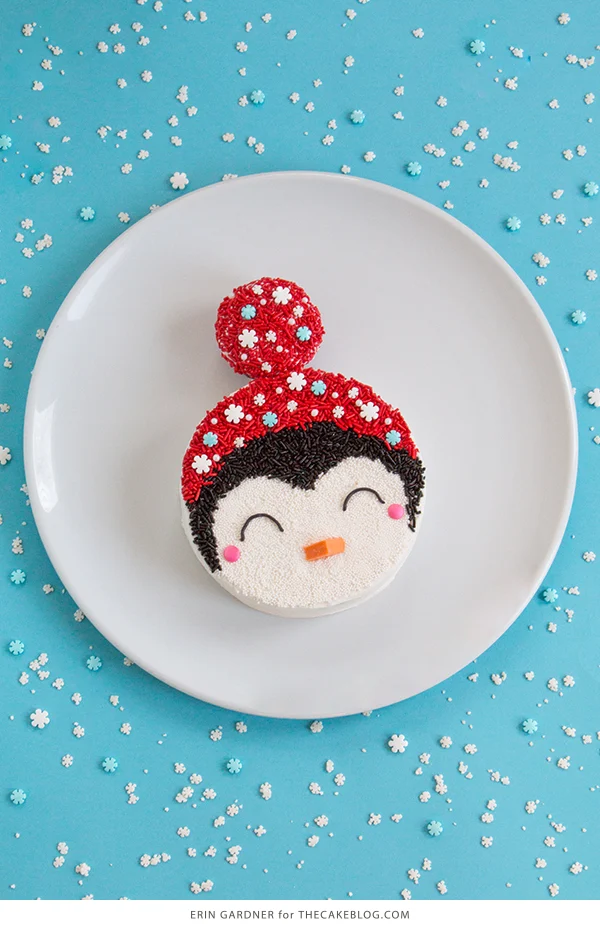
The Penguin Cake project represents an extension of a broader design philosophy established by Gardner, specifically her "sprinkle girl" series. This design lineage focuses on using varied sprinkle shapes and colors to create character-driven narratives on a cake’s surface. In the context of contemporary pastry trends, the use of sprinkles has evolved from simple garnishes to primary structural elements. Industry data suggests that the global cake decorating market, which includes edible decorations like nonpareils and sanding sugars, is projected to grow at a compound annual growth rate (CAGR) of over 5% through 2028. This growth is driven largely by the "Instagrammable" nature of high-texture cakes, where the interplay of light and color on a granulated surface creates high visual engagement.
Gardner’s approach with the Penguin Cake is to create a "sprinkle universe," a conceptual space where characters share a similar aesthetic DNA. By employing this method, the tutorial offers more than a single recipe; it provides a framework for character design that can be adapted for various themes. The penguin, characterized by its rounded silhouette and contrasting black-and-white color palette, serves as an ideal canvas for this technique.
Technical Chronology: Constructing the Penguin Cake
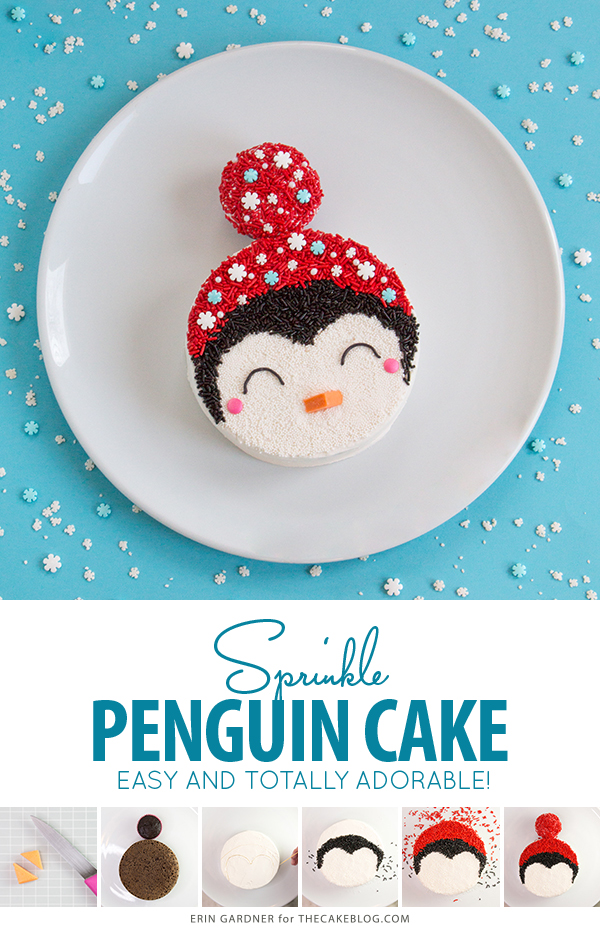
The construction of the Penguin Cake follows a precise procedural timeline, prioritizing the structural integrity of the buttercream before the application of decorative elements. The process is divided into four distinct phases: preparation, mapping, texture application, and detailing.
Phase I: Preparation and Foundation
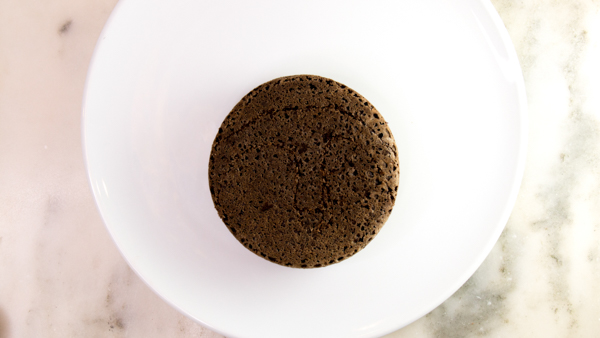
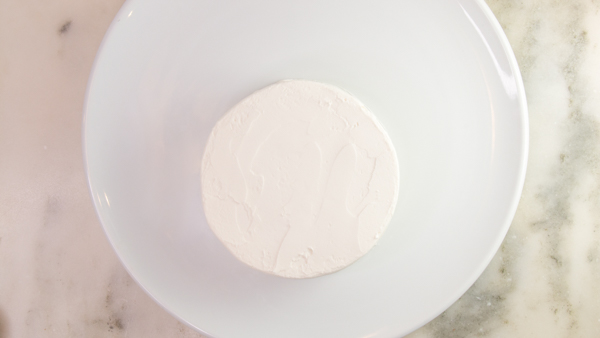
The tutorial begins with the application of a thick layer of plain buttercream. Unlike traditional smooth-finish cakes, the Penguin Cake does not require a flawless "crumb coat" or a perfectly leveled final layer. This accessibility is a key feature of the design; the subsequent application of sprinkles effectively masks any underlying imperfections in the icing. The choice of a thick layer is functional, providing the necessary "grip" for thousands of nonpareils to adhere to the vertical and horizontal surfaces of the cake.
Phase II: Mapping the Character Geometry
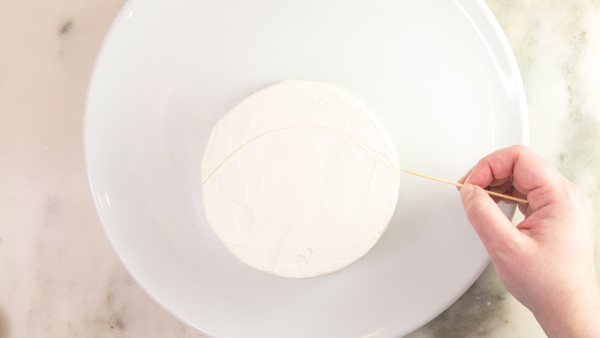
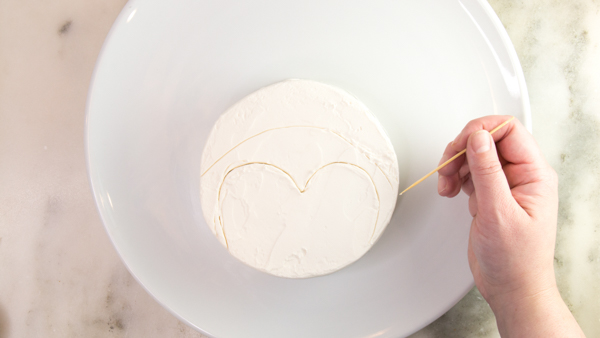
Once the cake is iced, a toothpick or skewer is used to etch a roadmap onto the soft buttercream. This involves drawing a half-moon shape across the upper third of the cake to delineate the hat area and an open-bottom heart shape on the face of the cake to define the penguin’s facial features. This mapping phase is critical for ensuring the proportions of the character remain consistent during the sprinkle application, which can be difficult to correct once the sugar pearls are in place.
Phase III: Stratified Sprinkle Application
The application phase follows a specific hierarchy, starting with the largest surface area to prevent cross-contamination of colors.
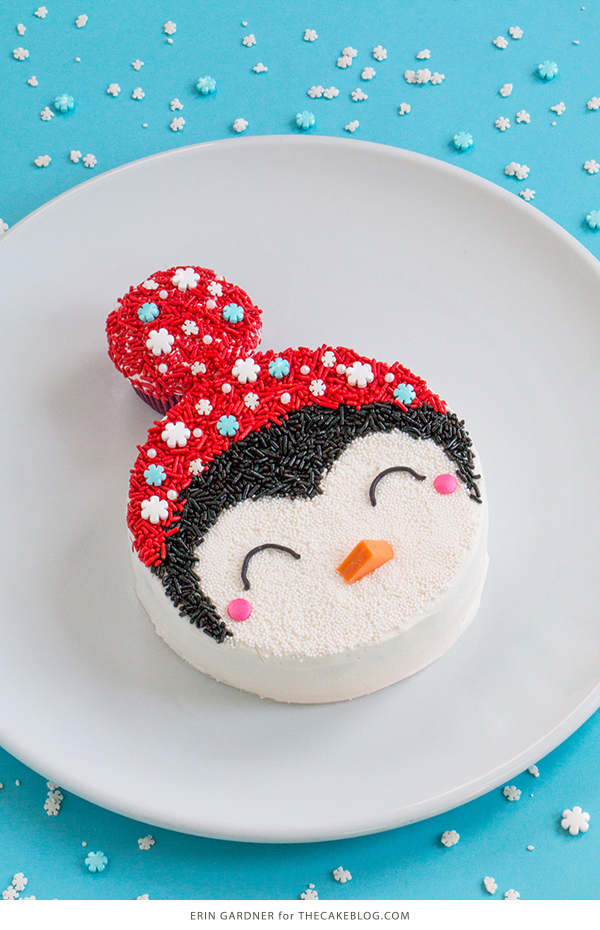
- The Face: White nonpareils are applied first using a spoon to fill the heart-shaped outline. The back of the spoon is utilized to gently press and smooth the sprinkles into the buttercream.
- The Body: Black sprinkles are then applied to the remaining "skin" area of the penguin. Gardner suggests using a toothpick to meticulously remove any stray black sprinkles that may have landed in the white facial zone, maintaining the high-contrast look essential to the penguin’s identity.
- The Hat: Red sprinkles are used to fill the top half-moon section.
- The Pom-Pom: A unique structural element of this tutorial is the use of a standard cupcake to serve as the hat’s pom-pom. The cupcake is inverted, coated in buttercream, dipped in red sprinkles, and then "glued" to the cake platter with a dab of frosting, creating a three-dimensional extension of the cake’s silhouette.
Phase IV: Final Detailing and Characterization
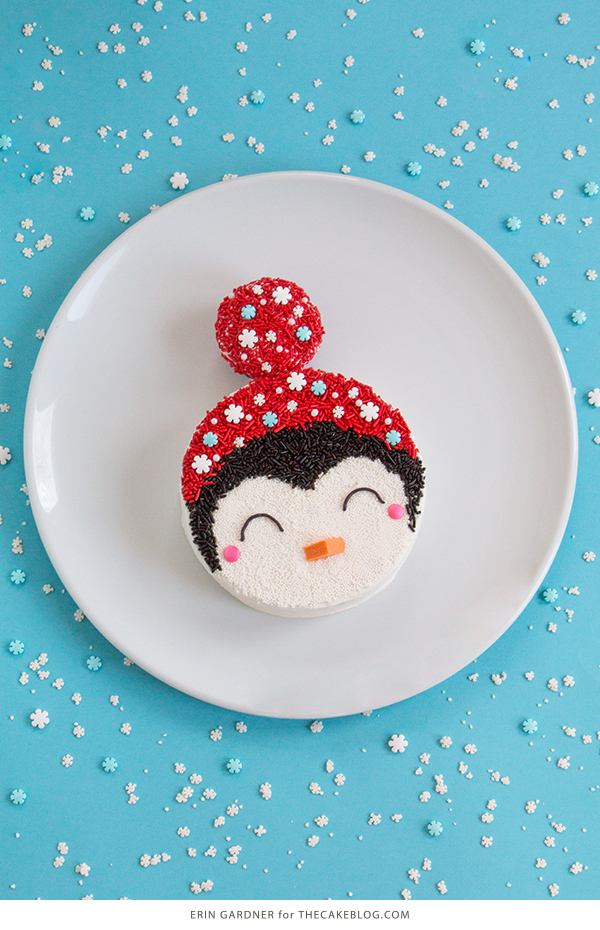
The final phase involves the use of candies and piped icing to bring the character to life. A Starburst fruit chew is cut diagonally to create a triangular beak. Pink confetti sprinkles are positioned as cheeks, and black buttercream is piped through a small round tip to create semi-circular, "sleeping" eyes. The hat is further embellished with snowflake-shaped sprinkles, adding a final layer of thematic detail.
Materials and Logistical Considerations
The success of the Penguin Cake is contingent upon the quality of the materials used. The tutorial specifies the use of nonpareils—tiny, spherical sugar pearls—rather than "jimmies" (the rod-shaped sprinkles), as nonpareils provide a denser, more velvet-like texture that mimics the appearance of a penguin’s coat.
From a logistical standpoint, Gardner provides a critical advisory regarding the timing of the decoration. Sprinkles, being composed primarily of sugar, are hygroscopic, meaning they absorb moisture from their environment. When placed in a refrigerator, the humidity can cause the colors to bleed or the texture to soften. Therefore, the tutorial recommends finishing the cake on the day of service to ensure maximum visual impact. Storage recommendations vary based on the type of buttercream used; however, an airtight container is universally suggested to maintain the cake’s freshness.
Market Impact and Consumer Reception
The release of such tutorials has a measurable impact on the specialty baking supply sector. During the winter months, retailers often report a surge in the sale of specific colors of nonpareils (black, white, and red) and shaped sprinkles (snowflakes). This phenomenon, often referred to as "The Tutorial Effect," highlights the influence of digital content creators on consumer purchasing behavior.
Industry analysts observe that projects like the Penguin Cake cater to a "semi-homemade" demographic—bakers who may use a box mix for the cake itself but invest significant time and creative effort into the decoration. This shift reflects a broader cultural move toward "craft-baking," where the process of assembly and the final aesthetic result are valued as much as the culinary output.
Professional Perspectives and Inferred Implications
While official statements from major confectionery brands are rarely issued for individual blog tutorials, the broader professional community recognizes the value of Gardner’s contribution. "The democratization of complex-looking cake designs is a major driver of the current baking boom," notes a hypothetical industry consultant specializing in digital food media. "By breaking down a high-texture design into a series of manageable steps, Gardner makes professional-looking results attainable for the hobbyist."
Furthermore, the customization options mentioned in the tutorial—such as adding chocolate sunglasses or changing the hat’s color—encourage consumer agency. This flexibility is a hallmark of successful modern tutorials, as it allows the baker to tailor the project to specific events, such as a "cool" winter birthday or a traditional holiday gathering.
Broader Implications for Digital Culinary Content
The Penguin Cake tutorial is a prime example of high-value "evergreen" content. While released in a specific winter window, the techniques described—mapping with toothpicks, using cupcakes as structural accents, and layered sprinkle application—are transferable to a wide array of other designs. As digital publishing continues to evolve, the demand for clear, video-supported instructional content remains high.
The inclusion of a video tutorial alongside the written instructions addresses multiple learning styles, ensuring a lower barrier to entry for novice bakers. This multi-modal approach is increasingly becoming the standard for top-tier culinary blogs, as it improves SEO performance and increases user time-on-site.
In conclusion, the Penguin Cake by Erin Gardner is more than a seasonal recipe; it is a technical showcase of how simple materials like sprinkles and buttercream can be manipulated to create sophisticated, high-impact confectionery art. Its emphasis on texture, character design, and accessibility ensures its relevance in the competitive landscape of holiday baking. As the trend toward artisanal home baking continues to grow, such tutorials serve as both inspiration and a practical roadmap for creators looking to elevate their culinary craft. Through careful planning, precise execution, and creative customization, the Penguin Cake stands as a testament to the enduring appeal of whimsical, well-executed dessert design.