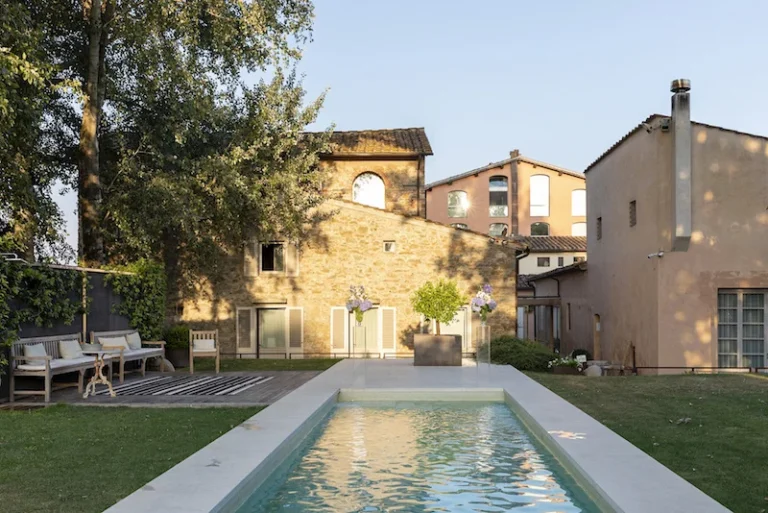




The allure of a destination wedding—exchanging vows against a backdrop of breathtaking scenery, from sun-drenched beaches to majestic mountains—is a powerful draw for many couples. This increasingly popular choice, however, transcends the typical wedding planning process, demanding meticulous consideration of logistics and a thorough understanding of the chosen venue. Before couples commit to a specific resort, a comprehensive vetting process is essential to ensure their dream day unfolds seamlessly. Industry experts and seasoned wedding planners consistently advise couples to arm themselves with specific, incisive questions. This article outlines ten pivotal inquiries that can illuminate the path to securing the perfect destination wedding resort, mitigating potential pitfalls, and maximizing value.
The journey to a destination wedding often begins with a romanticized vision, but the reality necessitates a pragmatic approach. A recent survey by The Knot revealed that destination weddings account for approximately 13% of all weddings in the United States, with costs averaging around $30,000, a figure comparable to traditional weddings but with the added complexities of travel and accommodation. This significant investment underscores the importance of due diligence. Couples must move beyond the aesthetic appeal of a resort and delve into the operational and contractual details that underpin a successful event. Understanding what a resort offers, what it expects, and what potential hidden costs might arise is paramount.
Unveiling Exclusive Offers: Honeymoon Packages and Room Block Discounts
A fundamental aspect of destination wedding planning is the extended stay, often encompassing both the wedding festivities and a honeymoon. Many resorts, recognizing the substantial commitment couples make, proactively offer bundled packages.
1. Do They Offer Honeymoon Packages?
Inquiring about honeymoon packages can lead to significant cost savings and convenience. These packages are typically designed to allow couples to extend their stay at the resort following the departure of their guests. By remaining at the same location, couples avoid the added expense and logistical hassle of arranging separate honeymoon travel. These bundled offerings often include amenities like spa treatments, romantic dinners, or excursion discounts, enhancing the honeymoon experience at a reduced rate compared to booking these services independently. For instance, a resort might offer a three-night honeymoon extension at 20% off their standard room rates, coupled with a complimentary couples massage. This provides a seamless transition from wedding celebration to romantic getaway, directly benefiting the couple’s budget and reducing pre- or post-wedding travel stress.
2. Is There a Room Block Discount?
For weddings involving a significant number of guests, securing accommodation for them is a crucial consideration. Destination weddings inherently involve guests traveling from afar, and the affordability of their stay directly impacts attendance. Couples should proactively inquire about the possibility of a room block discount. Many resorts offer preferential rates when a certain number of rooms are reserved. Negotiating these rates requires research into local hotel pricing. According to data from STR, a global leader in hotel data benchmarking, average daily rates (ADR) can vary significantly by region and season. Armed with knowledge of the local market’s average nightly rates, couples can more effectively negotiate a better deal. For example, if the average rate for a comparable hotel in the area is $250 per night, a couple might aim for a discounted rate of $200-$220 per night for their guests. This not only makes the wedding more accessible for attendees but can also serve as a significant talking point when solidifying the resort contract, potentially influencing overall guest satisfaction and attendance.
Operational Support and Venue Management
Beyond accommodation and post-wedding relaxation, the operational capabilities of a resort are critical for the smooth execution of the wedding itself.
3. Is a Planner Provided?
A key differentiator for resorts known for hosting weddings is the provision of an on-site wedding planner. These professionals possess intimate knowledge of the venue’s spaces, its vendors, and its operational nuances. Their expertise can be invaluable in maximizing the venue’s potential, ensuring that décor is optimally placed, timelines are adhered to, and any unforeseen issues are handled efficiently. Working with an in-house planner eliminates the steep learning curve that an external planner might face when navigating an unfamiliar environment. This can translate into a more personalized and flawlessly executed event, as the planner can leverage their established relationships with resort staff and local vendors. For instance, a resort planner might know the exact sunset times for the most picturesque outdoor ceremony spots or have a preferred vendor list that guarantees reliability and quality.
4. Do They Rent Supplies?
The logistical challenges of transporting wedding essentials, from decorative items to serving ware, are substantial for destination weddings. Couples cannot realistically pack chargers, extensive candle collections, or specialized linens for an entire wedding party. Resorts that offer rental services for such items significantly alleviate this burden. This not only simplifies packing but also reduces the risk of items being lost or damaged during transit. If a resort does not offer these rentals, couples must research and contract with local event rental companies. This adds another layer of vendor management and potential coordination challenges. A resort that provides a comprehensive list of rentable items, such as Chiavari chairs, specialty glassware, or even sound equipment, demonstrates a commitment to client convenience and a thorough understanding of wedding needs. This can save couples considerable time and stress in the planning stages.
5. Do They Provide Catering?
Food and beverage are central components of any wedding reception. Resorts with in-house restaurants or dedicated catering services can offer a streamlined solution. Inquiring about their catering capabilities is essential to understand the scope of their offerings, which can range from plated dinners and buffet-style meals to in-suite breakfasts for guests and full bar services. It is crucial to clarify whether catering is included in the initial event fees or if it is an additional cost. For example, a resort might offer a tiered catering package, with a standard plated dinner included, and premium options like a seafood station or a custom dessert bar available at an extra charge. Understanding these inclusions and exclusions early on is vital for accurate budgeting. The quality and variety of the catering can significantly impact guest experience, making it a point of serious consideration.
Understanding the Venue’s Environment and Capacity
Beyond tangible services, understanding the resort’s operational environment and its capacity for hosting events is crucial for setting realistic expectations.
6. Are Other Events Scheduled?
The presence of other large-scale events at the resort during the wedding dates can impact the overall atmosphere and resource availability. Couples should inquire about any other significant bookings to gauge potential crowd levels and ensure their event space is not compromised. For instance, if the resort is simultaneously hosting a major conference or another large wedding, it could lead to increased competition for staff attention, busier common areas, and potentially noise disturbances. Conversely, a resort that is exclusively dedicating its resources to your wedding can offer a more personalized and attentive service. Knowing this information allows couples to anticipate potential challenges and discuss mitigation strategies with the resort management, such as designating separate entrances or ensuring adequate staffing for all events.
7. What Is the Weather Like?
Destination weddings are often chosen for their unique climate and environmental appeal. However, understanding the typical weather patterns is fundamental for planning both the ceremony and reception. A resort situated in a region with a consistently high chance of rain during a particular season, for example, necessitates robust indoor contingency plans. Similarly, a consistently hot climate might require ample shade and cooling solutions for outdoor events. This knowledge directly influences decisions about indoor versus outdoor venues, the need for heating or air conditioning, and the types of activities that can be comfortably offered. For a tropical destination, understanding hurricane season is critical, as it could necessitate travel insurance or alternative booking dates. Conversely, a mountain resort might experience heavy snowfall in winter, impacting accessibility and requiring specific transportation arrangements.
Capturing Memories and Setting the Ambiance
The lasting memories of a wedding are often tied to the visual documentation and the auditory experience. Resorts can play a role in facilitating these aspects.
8. Do They Have a Photographer?
Some popular wedding resorts offer in-house photography services, providing couples with a convenient option for capturing their special moments. These photographers are often familiar with the resort’s best vantage points and lighting conditions. While this can simplify the vendor selection process, it is important to assess the photographer’s style and portfolio to ensure it aligns with the couple’s vision. Smaller resorts or those that host fewer weddings may not have this amenity, requiring couples to source their own photographer. In such cases, thorough research and vetting of external photographers are essential. The quality of photography is a crucial element of wedding keepsakes, making this a significant consideration for couples.
9. Should You Hire a DJ?
Music sets the tone for a wedding reception, from the processional to the last dance. While some resorts might offer basic sound systems, they often do not provide dedicated DJ services. A professional DJ does more than just play music; they manage the flow of the reception, make introductions, cue important moments like toasts and cake cuttings, and engage the guests. If a resort only offers a sound system, couples will need to hire a DJ independently. This involves coordinating with the DJ and the resort’s A/V capabilities. A resort that has a preferred DJ vendor list or has established relationships with reliable local DJs can streamline this process. The absence of a DJ can lead to a less dynamic reception, with missed cues and a disjointed flow, impacting the overall guest experience.
Financial Considerations and Contractual Agreements
The financial aspect of a destination wedding is often substantial, and understanding payment structures is crucial.
10. Are There Payment Plans?
Destination wedding resort costs can range from tens of thousands to hundreds of thousands of dollars. Overwhelmed by the potential expenditure, couples should inquire about payment plans. Many resorts are willing to work with couples by offering installment plans, allowing payments to be spread out over time leading up to the wedding date. This can significantly ease the financial burden and make a dream wedding more attainable. A typical payment structure might involve an initial deposit to secure the date, followed by interim payments, with the final balance due 30-60 days before the event. Understanding the terms of any payment plan, including any interest or fees, is essential before signing any contract. This financial flexibility can be a deciding factor for couples managing a large budget.
Strategic Comparison for an Unforgettable Celebration
The process of selecting a destination wedding resort demands a strategic approach, involving the careful comparison of offerings from multiple venues. By posing these ten critical questions, couples can move beyond superficial impressions and gain a comprehensive understanding of what each resort offers. This detailed inquiry empowers them to make informed decisions, ensuring their chosen venue not only meets their aesthetic desires but also provides the logistical support, financial flexibility, and operational capacity necessary for a truly unforgettable wedding celebration. The time invested in thorough research and questioning upfront can prevent costly oversights and pave the way for a stress-free, magical experience.