
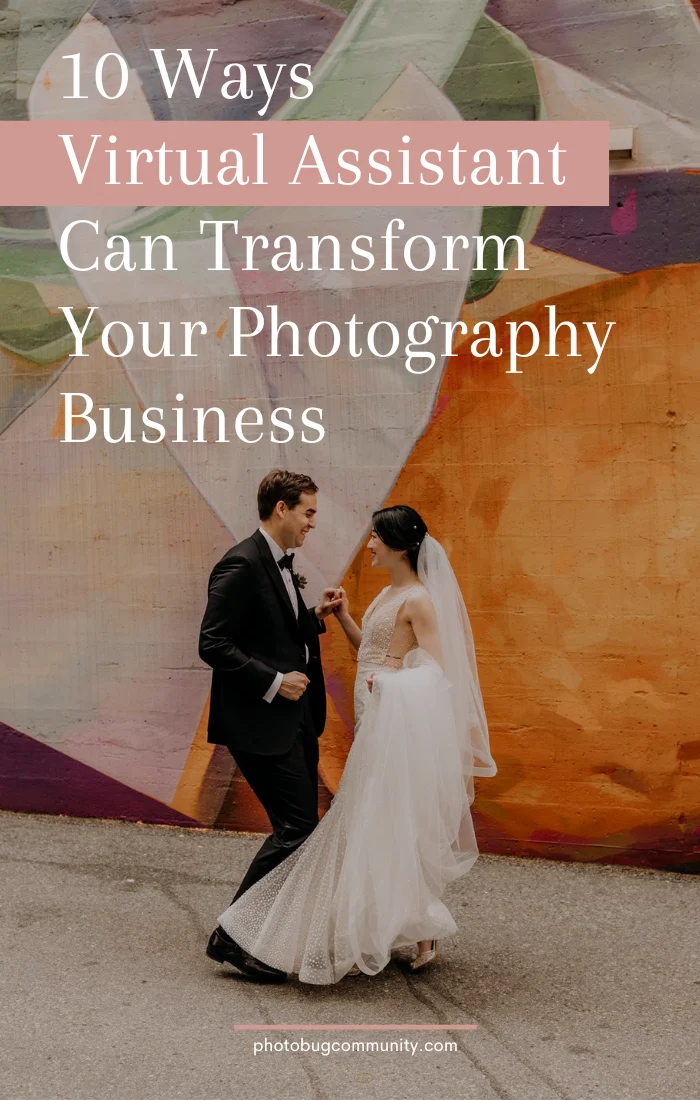
The modern photography business, while born from a passion for visual storytelling and human connection, frequently finds itself entangled in a web of administrative complexities. From navigating an incessant stream of emails to meticulously drafting spreadsheets and managing intricate back-end systems, these essential, yet often unloved, tasks can divert valuable time and energy away from the core creative work that photographers cherish. This burgeoning administrative load, a mandatory component of successful entrepreneurial ventures in the creative sector, has underscored the critical need for efficient support solutions. Enter the virtual assistant (VA), a dynamic professional capable of revolutionizing operational workflows and empowering photographers to reclaim their focus on artistry and client engagement.
The utility of a virtual assistant extends far beyond basic email management, offering a comprehensive suite of services designed to streamline operations and foster accelerated business growth. Industry experts Sara Rogers and Aileen Choi, co-owners of Vancouver-based Together We Co – a firm specializing in business management and virtual assistant services tailored for photographers – have identified ten pivotal areas where VAs can profoundly impact a photography business. Their insights illuminate a path for photographers to navigate the demands of entrepreneurship with greater ease and efficiency.
The Evolving Landscape of Photography Business: A Chronological Shift
The trajectory of the photography industry has undergone a dramatic transformation over the past few decades, profoundly impacting how photographers operate their businesses. Historically, photography was a craft heavily reliant on technical skill, darkroom mastery, and direct client interaction. The advent of digital photography in the late 20th century, followed by the explosion of the internet and social media platforms in the 21st century, democratized the art form while simultaneously elevating the commercial demands placed upon practitioners.
Initially, digital cameras simplified the capture and post-processing aspects, but soon, photographers were expected to be not just artists, but also marketers, web designers, social media managers, accountants, and client relationship specialists. The "solopreneur" model became prevalent, driven by accessible technology and platforms, yet it burdened individual photographers with an unprecedented administrative overhead. Research consistently shows that small business owners, including photographers, spend upwards of 15-20 hours per week on administrative tasks alone, significantly detracting from revenue-generating activities and creative pursuits. This phenomenon coincided with the global rise of the virtual assistant industry, which emerged as a direct response to the increasing need for flexible, remote administrative and specialized support across various sectors, including creative industries like photography.
Strategic Imperatives: Why Photographers Need Dedicated Administrative Support
The decision to integrate a virtual assistant into a photography business is not merely about offloading undesirable tasks; it represents a strategic imperative for sustainable growth and operational excellence.
- Reclaiming Creative Focus: At its heart, photography is an art form. Photographers are driven by a passion for capturing moments and telling stories. When bogged down by administrative minutiae, their creative energy wanes, potentially leading to burnout and a decline in the quality of their artistic output. A VA enables photographers to dedicate their mental and physical resources to shooting, editing, and conceptualizing new projects.
- Scalability and Growth: Without effective delegation, a photography business often hits a ceiling defined by the owner’s individual capacity. By outsourcing administrative and operational tasks, photographers can take on more clients, expand their service offerings, and explore new markets without increasing their personal workload to unsustainable levels. This directly translates to increased revenue potential and business expansion.
- Operational Efficiency: VAs bring specialized skills and experience in organization, scheduling, and process management. They can identify bottlenecks, implement streamlined workflows, and leverage technological tools to ensure that the business runs smoothly and efficiently, minimizing wasted time and resources.
- Enhanced Client Experience: Prompt communication, organized client files, and seamless service delivery are hallmarks of a professional business. A VA ensures that clients receive timely responses, their needs are anticipated, and their overall experience is positive, fostering loyalty and positive word-of-mouth referrals.
Key Areas of VA Impact: Detailed Exploration of Services
The diverse capabilities of virtual assistants mean they can provide invaluable support across almost every facet of a photography business.
1. Optimizing Client Relationship Management (CRM): The Backbone of Business Success
Client Relationship Management is the cornerstone of any service-based business, encompassing every interaction a business has with its customers. For photographers, this translates into managing initial inquiries, scheduling consultations, tracking booking statuses, sending contracts, processing payments, and nurturing ongoing relationships. The setup and continuous maintenance of a robust CRM system, while crucial for efficiency and professionalism, can be daunting. Many photographers find themselves overwhelmed by the initial configuration of platforms like HoneyBook, Dubsado, or Tave, let alone the ongoing data entry and automation setup.
A virtual assistant can be instrumental in this domain. Their responsibilities can include the initial configuration of the chosen CRM software, migrating existing client data, setting up automated email sequences for inquiries and follow-ups, designing lead capture forms, and integrating payment gateways. Beyond setup, a VA can handle daily maintenance, such as updating client profiles, tracking project statuses, managing appointment calendars, and ensuring all communication logs are current. They can also troubleshoot minor technical issues and generate reports on lead conversion rates and client satisfaction. This systematic approach, managed by a VA, transforms a chaotic client pipeline into an organized, efficient system, directly impacting booking rates and client retention. Data suggests that businesses utilizing CRM systems effectively can see sales increases of up to 29% and improved customer retention by 27%.
2. Elevating Digital Presence Through SEO-Optimized Content and Blogging
In today’s digital age, a strong online presence is non-negotiable for photographers. Blogging, in particular, is a powerful tool for demonstrating expertise, showcasing work, and driving organic traffic through search engine optimization (SEO). However, many photographers, consumed by shoots and editing, consistently fall behind on content creation. The competitive landscape demands fresh, relevant, and keyword-rich content to rank highly in search results.
A virtual assistant can significantly alleviate this burden. They can conduct keyword research relevant to the photographer’s niche (e.g., "best wedding venues in [city]", "engagement photo tips," "family photographer [location]"). Based on this research and the photographer’s portfolio, the VA can develop a comprehensive content calendar, draft SEO-friendly blog posts, embed optimized images, and ensure proper meta descriptions and tags are in place. This can include writing detailed wedding stories, showcasing lifestyle shoots, offering advice to prospective clients, or highlighting local vendor collaborations. Furthermore, a savvy VA can spearhead content repurposing efforts, transforming a single blog post into multiple pieces of content suitable for email newsletters, social media captions, or even short video scripts, maximizing the reach and longevity of each piece of content. Businesses that blog consistently generate 67% more leads than those who don’t, underscoring the critical role a VA can play here.
3. Strategic Image Curation and Publication Submissions: Expanding Reach and Credibility
Beyond delivering images to clients, gaining publication features in reputable wedding blogs, magazines, and industry platforms (such as Junebug Weddings, Style Me Pretty, or Martha Stewart Weddings) is a highly effective strategy for expanding brand visibility, attracting new clientele, and establishing industry credibility. These features also offer invaluable networking opportunities with other vendors and industry professionals. However, the process of curating images specifically for submission, adhering to stringent guidelines, and managing multiple submission platforms is incredibly time-consuming and often overlooked.
A virtual assistant can transform this complex task into a streamlined process. They can research target publications, understand their aesthetic preferences and submission requirements, and meticulously select a portfolio of images that align with each publication’s style. The VA will then optimize these images for web display, craft compelling narratives or artist statements, complete online submission forms, and meticulously track the status of each submission. Upon acceptance, they can coordinate with the publication for credit lines and promotional efforts. This systematic approach ensures that valuable work consistently reaches a wider, relevant audience, boosting the photographer’s profile and opening doors to new opportunities.
4. Monetizing Visual Assets: Online Gallery Store Design and Management
Establishing an online gallery store where clients can conveniently order prints, albums, and other photographic products is not only a value-added service for clients but also a robust passive income stream for photographers. Many photographers miss out on this potential revenue due to the perceived complexity of setting up and managing such a platform. When executed correctly, these stores can significantly boost average client value.
A VA can take full ownership of this crucial revenue channel. Their responsibilities would include researching and recommending suitable online gallery platforms (e.g., Pixieset, ShootProof, Pic-Time), designing and branding the storefront to match the photographer’s aesthetic, integrating it with preferred printing labs, and uploading product catalogs with accurate pricing and descriptions. They can also manage promotions, discounts, and seasonal sales, process client orders, oversee the shipping and handling logistics, and provide basic customer support for print inquiries. This seamless management by a VA transforms a potential headache into a consistent, effortless income source, enhancing both client satisfaction and business profitability.
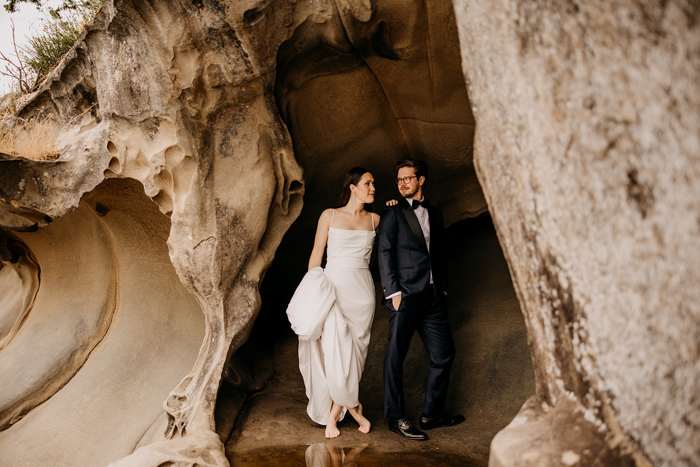
5. Crafting Tangible Memories: Professional Album Design and Proofing
In an increasingly digital world, a beautifully handcrafted wedding album offers clients a timeless, tangible heirloom—a stark contrast to ephemeral digital files viewed on screens. Yet, the creation of these albums, from initial image selection to layout design and multiple rounds of client feedback, can be an enormous time commitment.
A virtual assistant is ideally positioned to manage the entire album design workflow. They can begin by assisting clients in selecting their favorite images or making initial selections based on a narrative flow. The VA can then utilize specialized album design software (e.g., Fundy Designer, SmartAlbums) to create compelling layouts that tell the story of the event. They will manage the client proofing process, incorporate feedback, and communicate revisions to ensure client satisfaction. Finally, the VA will prepare the final files for the chosen album printing lab, ensuring all specifications are met, and oversee the order placement. This delegation allows photographers to offer a premium product without sacrificing precious hours of their own time.
6. Streamlining Communication: Advanced Email Management and Template Development
For a busy photography business owner, an overflowing email inbox is a daily reality. The sheer volume of inquiries, client communications, vendor liaisons, and marketing emails can make reaching "Inbox Zero" an elusive dream. The constant need for prompt and professional responses, especially for new inquiries, directly impacts booking rates. Studies show that responding to leads within an hour can increase conversion rates by up to 7 times.
Entrusting email management to a virtual assistant can be a game-changer. The VA can regularly monitor the business inbox, triage emails based on urgency and importance, respond to routine inquiries using pre-approved templates, and flag critical messages for the photographer’s direct attention. Crucially, they can design and implement a comprehensive suite of email templates for common scenarios: initial inquiries, booking confirmations, payment reminders, pre-shoot guides, post-delivery follow-ups, and more. This not only ensures consistent brand voice and professionalism but also dramatically improves response times and reduces the mental load on the photographer, allowing them to focus on creative work.
7. Flawless Execution: Event Day Document Preparation and Vendor Coordination
Whether it’s a multi-day commercial shoot, a sprawling wedding, or an intimate family portrait session, meticulous preparation is key to a successful event day. The administrative details—timelines, shot lists, permits, and vendor coordination—can be incredibly time-consuming, pulling the photographer away from creative planning and client connection.
A virtual assistant can ensure every detail is meticulously handled. Their tasks can include creating detailed event timelines, compiling comprehensive shot lists based on client preferences and logistical requirements, researching and securing necessary photography permits and licenses (especially for public or private venues), and acting as the primary liaison with other vendors (planners, florists, caterers, venues). They can confirm schedules, share contact information, and ensure everyone is aligned for the event day. By handling these logistical complexities, the VA allows the photographer to arrive on set fully focused on their artistic vision and client interaction, confident that all background details are in order.
8. Engaging Audiences: Comprehensive Social Media Management and Content Strategy
Maintaining an active and engaging presence across various social media platforms (Instagram, Facebook, Pinterest, TikTok) is paramount for marketing a photography business and connecting with potential clients. However, the ever-changing algorithms, the need for consistent content, and the time sink of endless scrolling can leave photographers feeling overwhelmed and unmotivated.
A virtual assistant can expertly manage the entirety of a photographer’s social media strategy. This includes developing a robust content calendar, designing visually appealing graphics and stories using brand templates, crafting engaging captions with relevant hashtags, and scheduling posts across platforms for optimal reach. More proactively, a VA can monitor industry trends, identify viral audio or visual styles, engage with followers through comments and direct messages, and track performance analytics to refine the strategy. This ensures a consistent, professional, and engaging social media presence that drives brand awareness and client inquiries, freeing the photographer from the constant demands of digital marketing.
9. Accelerating Workflow: Post-Production Coordination and AI Integration
The post-production phase—culling, editing, retouching, and final delivery—is arguably the most time-intensive aspect of a photographer’s work, often leading to late-night sessions fueled by caffeine. Non-photographers rarely grasp the sheer volume of work involved after the shutter clicks. The recent advancements in artificial intelligence (AI) tools for culling and basic editing offer new avenues for efficiency, but integrating and managing these tools still requires oversight.
A virtual assistant can significantly streamline the post-production workflow. They can perform the initial image culling, sorting through hundreds or thousands of raw files to select the best images based on criteria provided by the photographer. The VA can organize files, manage metadata, and prepare batches for external editors or specialized AI software (e.g., Narrative Select, Imagen AI). They can coordinate with editing teams, manage revision rounds, and ensure images are consistently processed to the photographer’s style guide. Finally, the VA can prepare the final images for client delivery, ensuring proper file formats and resolutions. This coordination, especially when combined with AI tools, can drastically reduce turnaround times and alleviate the heavy post-production burden.
10. Boosting Recognition: Administrative Support for Photography Contests and Awards
Participating in photography contests and awards programs is an excellent strategy for gaining broader exposure, networking within the industry, and significantly boosting a photographer’s credibility and SEO. Winning or even placing in prestigious competitions provides valuable marketing collateral and a significant boost to professional reputation. However, the process of researching contests, understanding their specific rules, preparing images to exact specifications, and managing deadlines can be complex and time-consuming.
A virtual assistant can demystify and manage the entire awards submission process. They can research relevant contests and award programs, identifying opportunities that align with the photographer’s style and niche. The VA will keep meticulous track of deadlines, submission requirements, and entry fees. They can assist in preparing images to the required specifications, write compelling artist statements or descriptions, and handle the online submission process. Should the photographer win or receive an honorable mention, the VA can also coordinate the public announcement, updating the photographer’s website, social media, and press kit with the exciting news, effectively leveraging the achievement for marketing purposes and reinforcing professional standing.
The Expert Perspective: Insights from Together We Co
The comprehensive range of services outlined above underscores the transformative potential a virtual assistant holds for photography businesses. Sara Rogers and Aileen Choi, through their venture Together We Co, embody this philosophy. Their services are specifically designed to empower photographers to delegate these non-creative yet crucial tasks, thereby allowing them to channel their energy into their artistic passion and direct client engagement. Their model is built on the understanding that a thriving photography business requires more than just exceptional images; it demands meticulous organization, proactive communication, and strategic business management. Together We Co’s tailored approach demonstrates how specialized VA support can be the catalyst for photographers to not only survive but truly thrive in a competitive market.
Conclusion: The Future of Photography Business Management
The rising tide of email inquiries and rapidly filling schedules, while indicative of a booming business, often signals a critical juncture for photographers: the need for strategic support. The insights provided by industry leaders like Sara Rogers and Aileen Choi unequivocally point towards virtual assistants as the vital solution for navigating the complexities of modern photography entrepreneurship.
In an era where photographers are increasingly expected to wear multiple hats, the virtual assistant emerges not as a luxury, but as a strategic necessity for sustainable growth. By intelligently outsourcing administrative, marketing, and operational tasks, photographers can reclaim invaluable time, reduce burnout, enhance client satisfaction, and significantly scale their businesses without compromising their artistic integrity or personal well-being. The integration of a virtual assistant represents a fundamental shift in business management, empowering photographers to focus on their core passion, cultivate deeper client relationships, and ultimately, achieve unprecedented levels of success and fulfillment. The future of photography business management is one where creative genius is supported by efficient, professional administrative partnership, ensuring that the art of photography continues to flourish.