


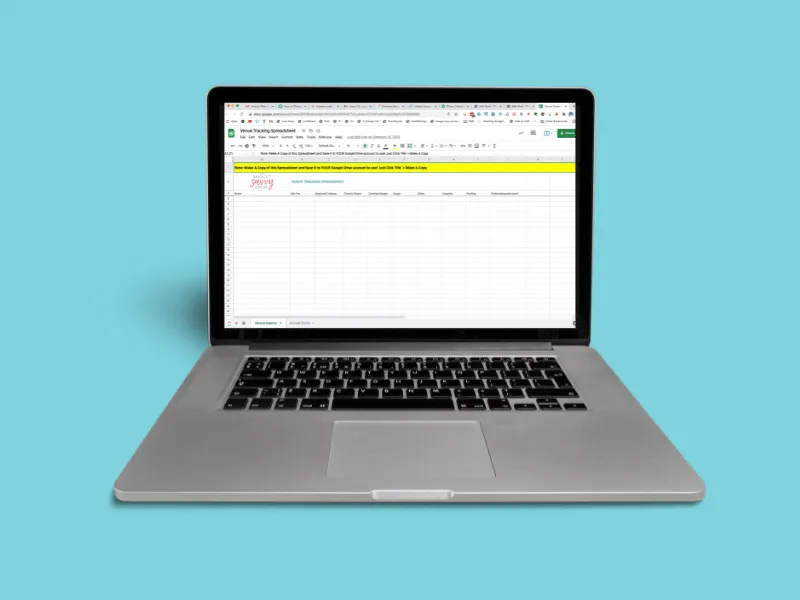
The journey to an ideal wedding often begins with a single, pivotal decision: the selection of a suitable venue. This choice, far from being merely aesthetic, frequently dictates the wedding date, the maximum guest count, the overall thematic atmosphere, and, critically, the financial framework for nearly every subsequent expenditure. For many prospective newlyweds, the initial excitement of touring potential locations can quickly devolve into a confusing blur of details, forgotten specifics, and a struggle to differentiate between various offerings. Was it the elegant ballroom or the rustic barn that included corkage, or was the seemingly charming garden venue the one with the unexpectedly high service fees? This common challenge underscores the indispensable utility of a structured wedding venue spreadsheet, transforming a subjective, often overwhelming process into an objective, data-driven decision.
The Foundational Role of the Wedding Venue in Budget Allocation
Financial planning experts consistently advise couples to view their venue selection not merely as a booking but as the foundational financial anchor of their wedding budget. Industry reports frequently indicate that the combined cost of the venue and catering typically accounts for a significant portion—often ranging from 40 to 50 percent—of the total wedding expenditure. This substantial allocation means that missteps or oversights in venue selection can have cascading financial implications, potentially jeopardizing other desired elements of the celebration, from floral arrangements and photography to the honeymoon budget.
In an era where the average cost of a wedding continues to rise, thorough due diligence in venue comparison is paramount. A 2023 survey by The Knot, for instance, reported the average cost of a wedding in the United States to be approximately $30,000, with regional variations often pushing this figure considerably higher. Given these substantial investments, a mental tally or a collection of disparate brochures proves woefully inadequate. A dedicated, systematic approach, facilitated by a comprehensive spreadsheet, allows for a side-by-side comparison of options, bringing clarity to what might otherwise remain a series of "fuzzy gut feelings."
The Evolution of Wedding Planning and the Need for Structured Tools
Historically, wedding planning might have involved simpler choices, often limited to local community halls, churches, or family homes. The modern wedding landscape, however, is characterized by a vast array of specialized venues, each offering unique packages, amenities, and pricing structures. From grand estates and luxury hotels to renovated industrial spaces, vineyards, and botanical gardens, the options are diverse, yet their complexity demands a more sophisticated approach to evaluation.
The proliferation of online platforms and social media has further amplified the visual appeal of venues, often presenting curated images that may not fully reflect the underlying costs or logistical challenges. Couples are increasingly exposed to aspirational aesthetics, which, while inspiring, can inadvertently lead to overspending if not grounded in a pragmatic financial assessment. This context makes the adoption of a structured planning tool, such as a comparative spreadsheet, not merely a convenience but a strategic necessity. It serves as a safeguard against emotional decisions driven by visual allure, ensuring that financial realities remain central to the selection process.
Chronology of a Venue Search: From Inspiration to Decision
The typical venue search often commences several months, sometimes even a year or more, before the desired wedding date.
- Initial Research (Phase 1): Couples begin by browsing online directories, social media, and wedding magazines, gathering inspiration and identifying venues that align with their initial vision. During this phase, basic information like location, aesthetic, and preliminary capacity estimates are collected.
- Shortlisting and Initial Contact (Phase 2): Based on the initial research, a shortlist of 5-10 venues is typically formed. Couples then reach out to these venues to inquire about availability for their desired timeframe and to request initial pricing guides or brochures.
- Venue Tours (Phase 3): This is often the most engaging, yet potentially confusing, phase. Couples visit each shortlisted venue, often accompanied by family or close friends. During these tours, representatives highlight the venue’s features, discuss package options, and answer preliminary questions. The sensory experience of a tour—the ambiance, the decor, the envisioning of the event—can be powerful, sometimes overshadowing critical logistical and financial details.
- Information Overload and Decision Fatigue (Phase 4): Post-tour, couples are often left with a deluge of information: glossy brochures, handwritten notes, emailed quotes, and fragmented memories. Without a centralized system, comparing these diverse data points becomes arduous. The risk of conflating details—mistaking one venue’s catering policy for another’s, or forgetting specific hidden fees—is high, leading to decision fatigue and potential regret.
It is precisely at this critical juncture that a systematic comparison tool becomes invaluable. Instead of relying on a "half-remembered phone call from Thursday" against a "glossy tour from Monday," a spreadsheet provides an objective repository for all pertinent information, enabling a rational and informed final selection.

Deconstructing the Comparative Spreadsheet: Essential Tracking Elements
The efficacy of a wedding venue comparison spreadsheet hinges on its ability to capture consistent, relevant details for every option, thereby ensuring an "apples-to-apples" comparison. Each venue should occupy a dedicated row, with distinct columns for various attributes.
I. Foundational Details for Initial Assessment:
These elements help in the preliminary filtering process, identifying venues that meet core requirements before deeper financial analysis.
- Venue Name: Clear identification.
- Location/Address: Essential for logistics, guest travel, and local vendor considerations.
- Contact Information: Primary contact person, email, and phone number.
- Website Link: Quick reference for visual and general information.
- Overall Vibe/Style: A brief descriptive note (e.g., "historic mansion," "modern industrial," "rustic chic") to align with the couple’s vision.
- Guest Capacity (Minimum/Maximum): Crucial for ensuring the venue can accommodate the anticipated guest count. Note if there are different capacities for ceremony vs. reception.
- Available Dates/Flexibility: Specific dates quoted, and notes on seasonal variations or weekday/weekend pricing differentials.
- Key Inclusions: A summary of what’s typically included in the base package (e.g., tables, chairs, basic linens, sound system).
- Exclusive Vendor Policy: Whether the venue mandates specific caterers, florists, or other vendors, or if outside vendors are permitted.
- Parking/Accessibility: Availability of on-site parking, valet services, or proximity to public transportation, and accessibility for guests with disabilities.
II. Comprehensive Cost Analysis: Beyond the Sticker Price
This section is where the spreadsheet truly earns its value, revealing the true financial commitment of each venue. The "sticker price" is almost universally a partial figure.
- Venue Rental Fee: The base cost for securing the space. Note if it’s hourly, for a specific block of time, or a full day.
- Catering Cost (Per Person): If in-house, or an estimate if external. Crucially, track what’s included (e.g., appetizers, main course, dessert, coffee).
- Beverage Package/Corkage Fee: Details on open bar options, consumption-based billing, or fees for bringing in external alcohol (corkage).
- Service Charge/Gratuity: A percentage (often 18-25%) added to food and beverage. Clarify if this is a mandatory fee or a suggested gratuity, and how it is distributed. This is distinct from taxes.
- Sales Tax: The applicable state and local taxes on all services and goods.
- Cake Cutting Fee: A common, often overlooked charge for serving the wedding cake.
- Setup/Breakdown Fees: Costs associated with setting up and dismantling decor, tables, chairs, etc.
- Cleaning Fee: A charge for post-event cleaning.
- Security Deposit: A refundable deposit to cover potential damages.
- Required Insurance: Some venues require couples to purchase event liability insurance.
- Audiovisual Equipment Rental: Costs for projectors, screens, microphones, or sound systems not included in the base rental.
- Overtime Fees: Hourly charges if the event extends beyond the contracted time.
- Minimum Spend Requirements: Many venues, especially those offering in-house catering, will have a minimum expenditure for food and beverage, particularly on peak dates.
- Total Estimated Cost: A calculated column that sums all known expenses, offering a true "all-in" figure for comparison. This is the most critical number for decision-making.
Strategic Inquiry: Questions to Ask on Every Venue Tour
To populate the spreadsheet accurately and comprehensively, couples must approach venue tours with a pre-prepared list of questions. This proactive approach ensures that all necessary information is gathered, preventing the need for follow-up calls or reliance on assumptions.
A. Financial & Contractual Inquiries:
- What is included in the base rental fee? Are there different rates for weekdays/weekends/off-peak seasons?
- What is the payment schedule for deposits and final balances?
- What is the cancellation policy, and are deposits refundable?
- Are there any "hidden" fees not explicitly listed in initial brochures (e.g., linen upgrades, chair rentals, specific decor items)?
- What is the policy regarding outside catering, and are there associated fees (e.g., kitchen access fee, service charges for external staff)?
- Can you provide a sample contract for review?
B. Logistical & Operational Questions:
- What are the exact setup and breakdown times permitted for vendors?
- Are there any restrictions on decor (e.g., no open flames, specific hanging policies)?
- What is the plan for inclement weather if an outdoor ceremony/reception is planned?
- Are there designated areas for the bridal party to get ready?
- What is the parking situation for guests and vendors? Is valet service available?
- What is the venue’s policy on sound ordinances and music cut-off times?
- How many events are typically hosted per day? Will our event be the only one?
C. Vendor & Service-Related Questions:
- Do you have a preferred vendor list, and are we required to use vendors from this list?
- What is the staff-to-guest ratio for the event?
- Who will be our primary contact person on the day of the wedding?
- Are there any restrictions on when vendors can deliver or pick up items?
Analyzing Implications: Beyond the Numbers
Once the spreadsheet is populated, the data becomes a powerful tool for objective analysis. However, the decision process extends beyond mere numerical comparison.

1. Prioritizing Values: Couples must first weight what matters most to them. Is an exquisite culinary experience the top priority, or is a breathtaking aesthetic setting paramount? The spreadsheet allows for a clear view of trade-offs. A venue with a higher rental fee might be justified if it perfectly embodies the couple’s vision, provided the overall budget can accommodate it.
2. The True Cost Per Guest: A critical metric often overlooked is the "all-in" cost per guest. Dividing the total estimated cost of each venue by the anticipated guest count reveals the true value proposition. It’s not uncommon for a venue initially perceived as "expensive" to become the more economical choice once all catering, fees, and services are factored in, especially if it offers comprehensive packages that absorb many potential hidden costs.
3. Exploring Non-Traditional Venues: The spreadsheet can also highlight the financial advantages of unconventional venues. Restaurants, public parks, community centers, art galleries, or even private estates rented through platforms like Airbnb can offer significant cost savings. While these options may require more hands-on coordination (e.g., bringing in all vendors, securing permits), they often present unique atmospheres and can bypass many of the "wedding-specific" fees common in traditional venues (e.g., corkage, cake-cutting fees). For instance, a full restaurant buyout on a Friday or Saturday night can be mutually beneficial: the restaurant guarantees a profitable evening, and the couple often enjoys a more streamlined pricing structure with excellent in-house catering and service.
Broader Impact and Long-Term Benefits
Implementing a structured venue comparison spreadsheet offers benefits that extend beyond simply choosing a location. It instills financial discipline and promotes clear communication between partners. By establishing a robust system for tracking and comparing the most significant wedding expenditure, couples develop a foundational skill set applicable to managing their entire wedding budget and, indeed, their future shared finances.
This methodical approach reduces stress, minimizes the likelihood of unexpected costs, and fosters a sense of control over the planning process. In essence, it transforms what could be a source of significant anxiety into a manageable, empowering phase of wedding preparation.
Conclusion: Empowering Informed Decisions
The decision of where to host a wedding is monumental, both emotionally and financially. A meticulously maintained wedding venue spreadsheet demystifies this process, providing a calm, data-driven framework for comparison. By systematically tracking essential details, proactively asking pertinent questions, and diligently logging all potential fees, couples can transition from overwhelming uncertainty to confident decision-making.
This strategic tool ensures that the final choice aligns not only with aesthetic desires but also with realistic budgetary constraints. It embodies a savvy approach to wedding planning, prioritizing transparency and informed judgment. For those embarking on this significant journey, embracing such a tool is not merely an organizational tip; it is a fundamental step towards a beautifully planned and financially responsible celebration. Resources and templates for such comparative spreadsheets are widely available from wedding planning platforms and financial advice portals, designed to streamline this critical selection process and ensure that couples embark on their marital journey with clarity and peace of mind.