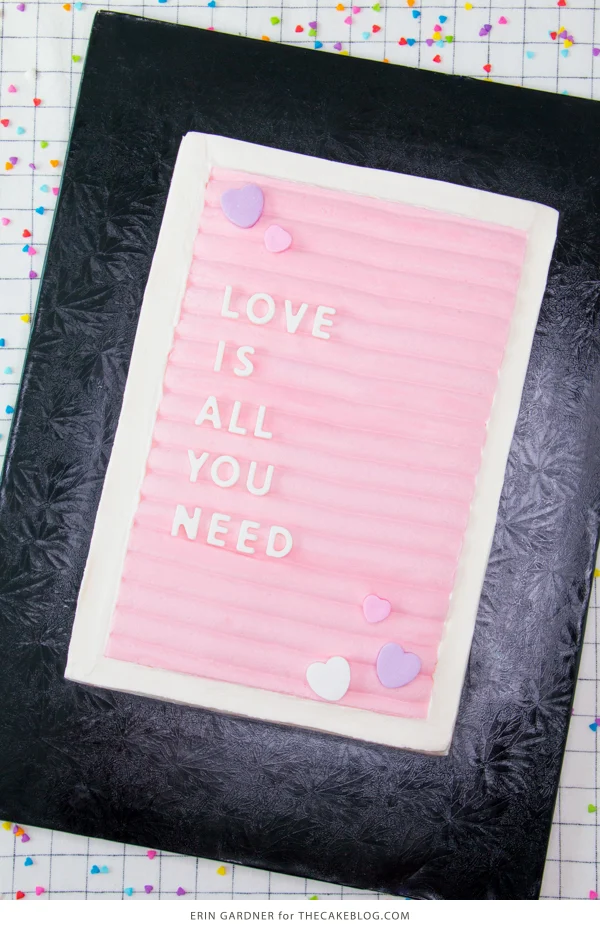
The intersection of home decor aesthetics and professional confectionery has reached a new milestone with the release of a specialized design tutorial by Erin Gardner, a prominent contributor to the culinary platform The Cake Blog. The "Message Board Sheet Cake" represents a strategic shift in the DIY baking sector, moving away from traditional floral piping toward a minimalist, text-based aesthetic inspired by mid-century felt letter boards. This design methodology addresses a growing consumer demand for personalized, "Instagrammable" food products that serve as both a centerpiece and a medium for communication. By utilizing accessible tools such as scalloped cake combs and silicone molds, the tutorial democratizes high-end cake styling for the domestic baker.
The Evolution of the Sheet Cake Canvas
Historically, the sheet cake has been regarded as a utilitarian staple of American celebrations, prized for its ability to yield high serving counts with minimal structural complexity. However, market trends over the last five years indicate a significant pivot in how these cakes are perceived. According to industry data from the American Bakers Association, the demand for "customized decorative cakes" has seen an annual growth rate of approximately 4.5%, driven largely by social media platforms that prioritize visual storytelling.
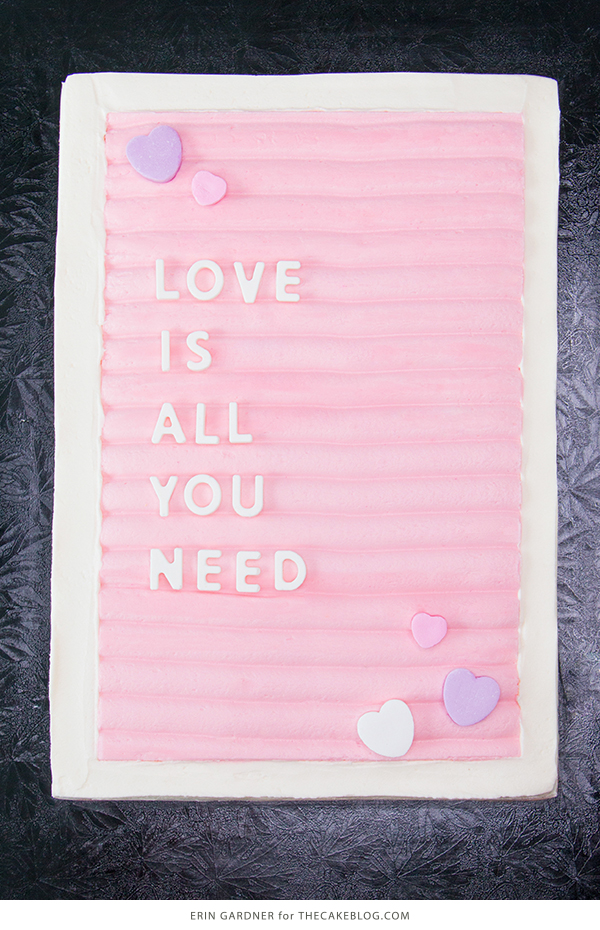
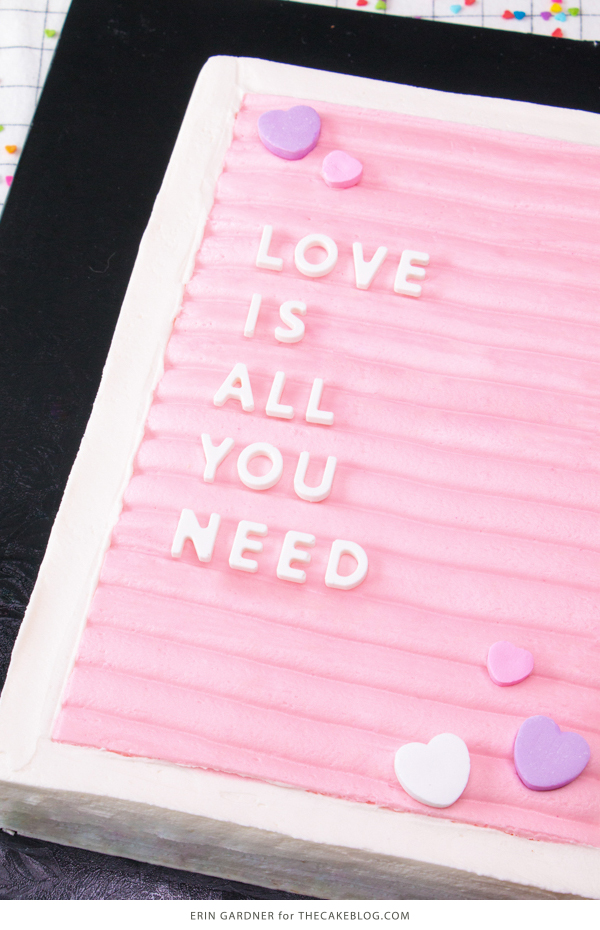
The "Message Board" concept capitalizes on the "letter board" trend that dominated interior design throughout the 2010s. By translating this tactile, analog medium into an edible format, Gardner provides a template that is adaptable for Valentine’s Day, gender reveals, and corporate milestones. The design relies on a specific "ridged" texture that mimics the slots in a felt board, allowing for the placement of molded chocolate letters in a structured, linear fashion.
Chronology of Construction: The Ridged Interface
The execution of the Message Board Sheet Cake follows a rigorous technical sequence designed to ensure structural integrity and visual clarity. The process begins with the preparation of a standard sheet cake, which serves as the structural foundation. Unlike tiered cakes that require internal doweling, the sheet cake provides a broad, flat horizontal plane, making it the ideal surface for typographic layouts.
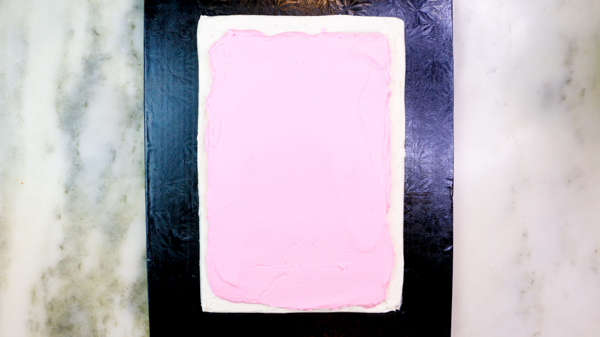
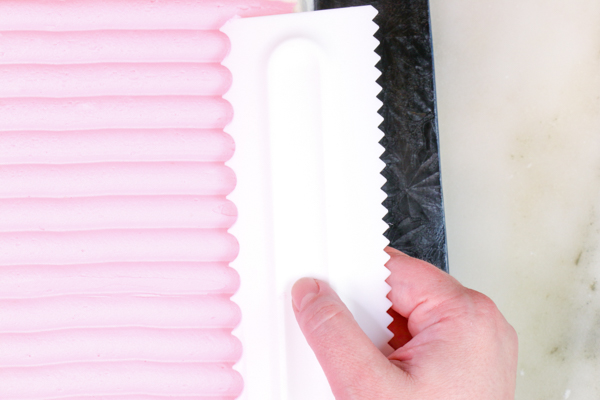
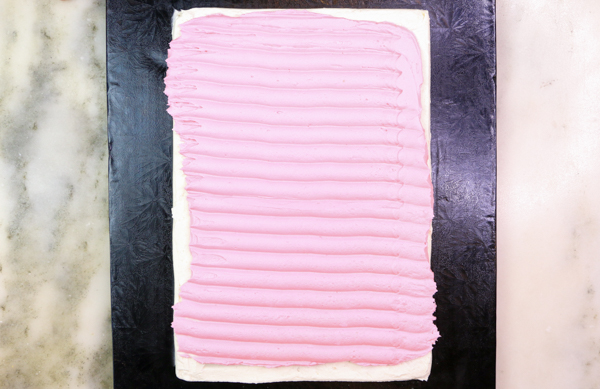
The first technical phase involves the application of the "message board" surface. A thick, uniform layer of tinted buttercream—often in pastel hues like pink for Valentine’s Day—is applied to the center of the cake. Professional-grade leveling is critical at this stage; an uneven base would result in distorted ridges. Once the buttercream is applied, a scalloped cake comb is dragged across the surface. This tool creates the horizontal grooves necessary to simulate the letter board texture.
For bakers lacking specialized combs, the tutorial outlines an alternative piping method. Using a large round tip, bakers can pipe parallel lines across the cake. While this method requires approximately 50% more buttercream by volume, it offers a similar visual effect. Following the texturing, the cake must be chilled until the buttercream is "firm to the touch," a state typically achieved after 30 to 60 minutes in a commercial or domestic refrigerator. This cooling phase is essential for the subsequent "bordering" process, as it prevents the ridges from collapsing during the trimming phase.
Architectural Framing and Bordering Techniques
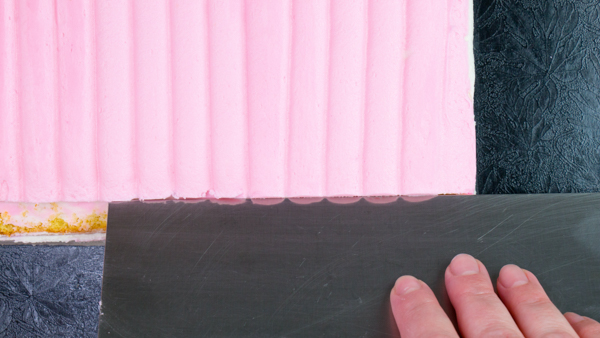
The second phase of construction focuses on the "frame" of the message board. Using a bench scraper dipped in warm water—a technique used by pastry chefs to ensure clean, sharp cuts—a one-inch border is carved out of the chilled frosting. This creates a recessed area where the "board" sits within a frame.
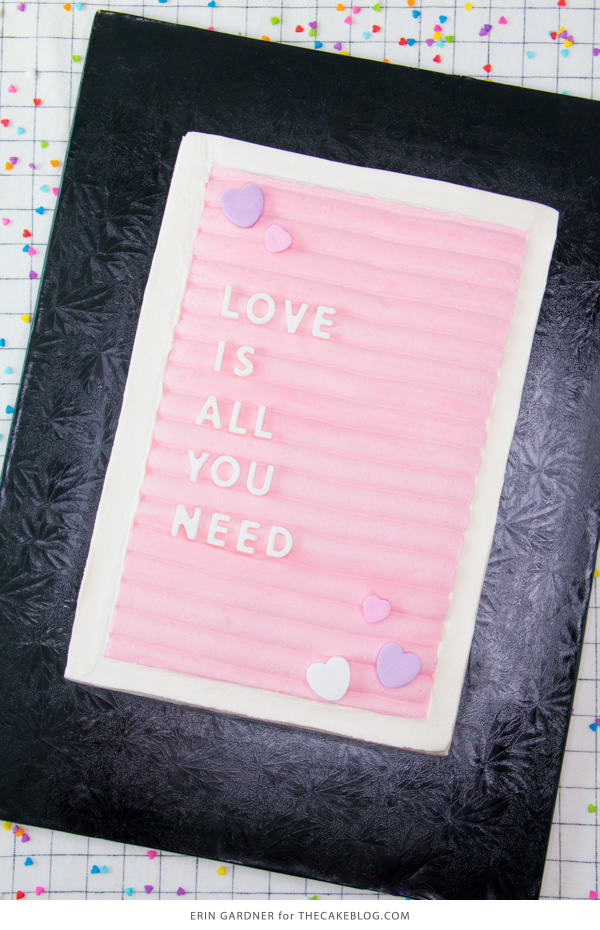
The frame is then filled using a basketweave piping tip (such as the Wilton No. 47). This specific tip features one smooth side and one serrated side; when held with the smooth side facing upward, it produces a flat, ribbon-like strip of frosting that mimics the wooden or plastic frame of a physical letter board. The tutorial emphasizes the use of a small icing spatula to flatten any piped overlaps, ensuring a seamless transition between the frame and the board’s interior. This attention to "finish" is what distinguishes the professional-grade result from standard domestic attempts.
Typography and Edible Graphics
The most critical component of the design is the typography. The shift toward "edible messaging" has led to a surge in the availability of silicone letter molds. In the Gardner method, white chocolate or candy melts are tempered and piped into these molds. The tutorial highlights the importance of "tapping" the molds against a hard surface to release trapped air bubbles—a common pitfall that can lead to "pitting" in the final chocolate letters.
For bakers without access to molds, the tutorial suggests a manual tracing technique. By printing a message in a desired font and placing parchment paper over the template, bakers can "pipe" letters directly with melted chocolate. This method allows for greater font variety, including scripts and serif styles that may not be available in standard mold sets. Once the letters are set, they are arranged on the cake. Gardner recommends starting from the center of the word and working outward to ensure the message is perfectly centered within the board’s ridges—a technique borrowed from traditional typesetting.
Market Data and Consumer Impact
The release of this tutorial coincides with a significant uptick in holiday-related baking expenditures. According to the National Retail Federation (NRF), consumers spent an estimated $2.4 billion on candy and $2.3 billion on "celebration meals" during the most recent Valentine’s Day cycle. Within this market, the "DIY" segment has seen a resurgence as consumers seek ways to add personal value to their gifts.
Industry analysts suggest that the popularity of the Message Board Sheet Cake is a reaction to the over-saturation of "over-the-top" or "maximalist" cake designs. "There is a clear movement toward clean lines and legible design," says Marcus Thorne, a retail food analyst. "The message board cake is successful because it is interactive. It allows the baker to communicate a specific, often humorous or sentimental, thought in a way that feels curated rather than cluttered."
Professional Reactions and Sector Implications
Professional pastry chefs have noted that the Message Board Sheet Cake tutorial represents a broader trend of "professionalizing" the home kitchen. By introducing tools like the bench scraper and the scalloped comb to a general audience, content creators are elevating the standard of domestic baking.
"We are seeing a democratization of professional techniques," says Elena Rodriguez, a pastry instructor. "Ten years ago, you wouldn’t see a home baker using a scalloped comb to create a textured board effect. Today, these tools are available at any craft store, and tutorials like Gardner’s provide the technical roadmap to use them effectively."
Furthermore, the versatility of the design has implications for the commercial bakery sector. Small-scale bakeries can adopt this template to offer "on-the-spot" customization for customers. Because the letters can be pre-made and the boards pre-ridged, a bakery can assemble a custom-messaged cake in under ten minutes, providing a high-margin service for last-minute shoppers.
Conclusion: The Future of Edible Communication
The Message Board Sheet Cake is more than a seasonal trend; it is a reflection of the modern consumer’s desire for functional, communicative art. As the "Maker Movement" continues to influence the culinary arts, the focus is shifting from what the cake is to what the cake says.
By providing a design that is both technically sound and aesthetically modern, Erin Gardner and The Cake Blog have contributed to the ongoing evolution of the American dessert table. The design’s reliance on clean lines, typographic precision, and structural simplicity ensures its longevity in a market that is increasingly weary of transient, overly-complex fads. As bakers continue to explore the boundaries of buttercream and chocolate, the "message board" format remains a versatile and sophisticated option for expressing everything from "Happy Birthday" to "Marry Me," one chocolate letter at a time.