

The landscape of the global DIY craft market, currently valued at over $40 billion, has undergone a significant technological shift with the introduction of professional-grade sublimation tools for home use. Central to this evolution is Cricut Infusible Ink, a specialized heat-transfer system that utilizes chemical sublimation to create permanent, factory-quality designs on fabric and rigid substrates. Unlike traditional Heat Transfer Vinyl (HTV) or iron-on materials, which adhere to the surface of a base material using a heat-activated adhesive, Infusible Ink undergoes a molecular transformation. This process ensures that the pigment becomes an integral part of the material’s structure, resulting in a finish that is completely flush, breathable, and immune to the common issues of peeling, cracking, or fading over time.
The Science of Sublimation and the Infusible Ink Process
To understand the impact of Cricut Infusible Ink, one must analyze the underlying science of sublimation. In a standard heat-transfer application, the medium—usually a plastic-based film—sits on top of the substrate. In contrast, Infusible Ink utilizes a high-temperature chemical reaction where solid ink is converted directly into a gas without passing through a liquid state. This gaseous ink permeates the pores of compatible polymers. As the heat source is removed and the temperature drops, the ink reverts to a solid state, effectively becoming trapped within the fibers or the coating of the base material.
The implications of this technology are significant for the "prosumer" market—hobbyists who demand professional-grade results. Market analysis indicates a growing consumer preference for longevity and "retail-ready" aesthetics in personalized goods. By simplifying the complex industrial sublimation process, which previously required expensive wide-format printers and high-pressure industrial heat presses, Infusible Ink has democratized the production of high-end bespoke items.
Chronology of a Professional Heat Transfer Project
The successful application of Infusible Ink follows a precise chronological workflow. Deviation from these steps often results in "ghosting," "marbling," or incomplete transfers.
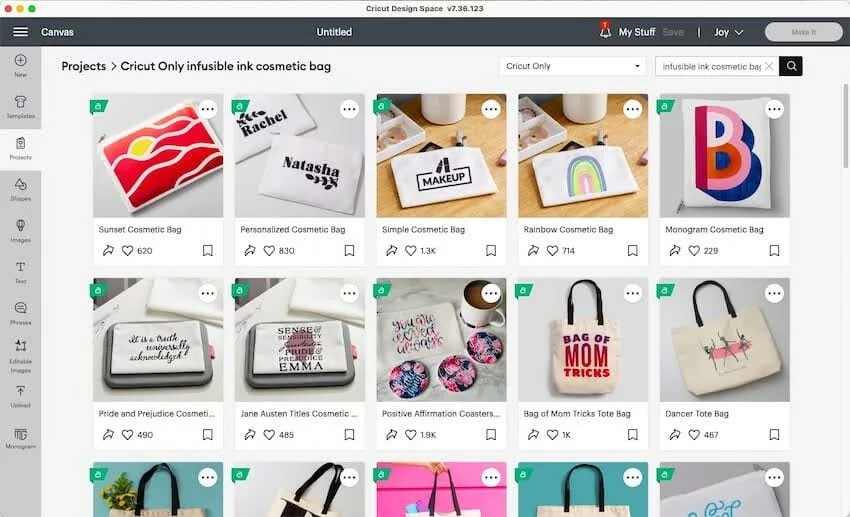
- Design and Mirroring: The process begins in a digital design environment, such as Cricut Design Space. Because the design is transferred face-down, the software must "mirror" the image to ensure text and asymmetrical graphics appear correctly upon completion.
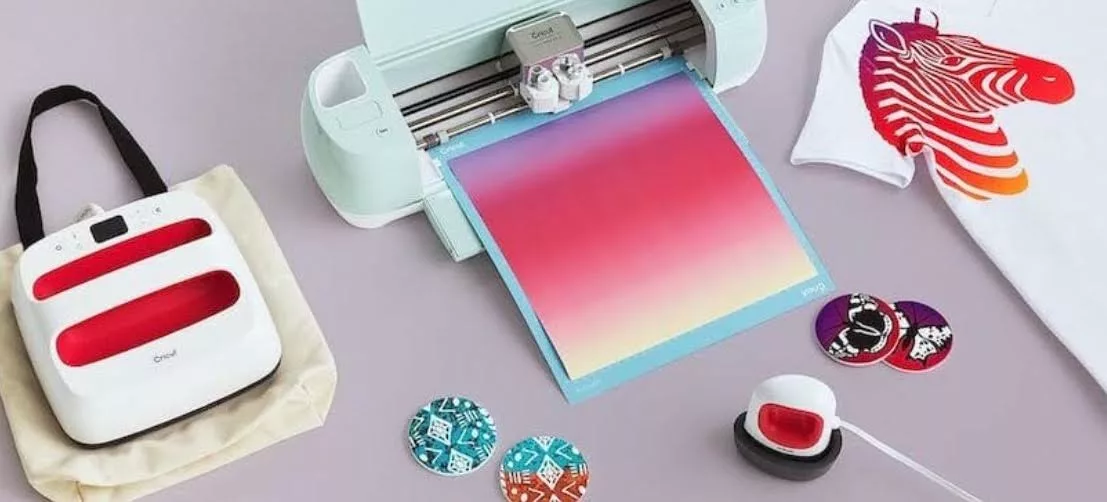
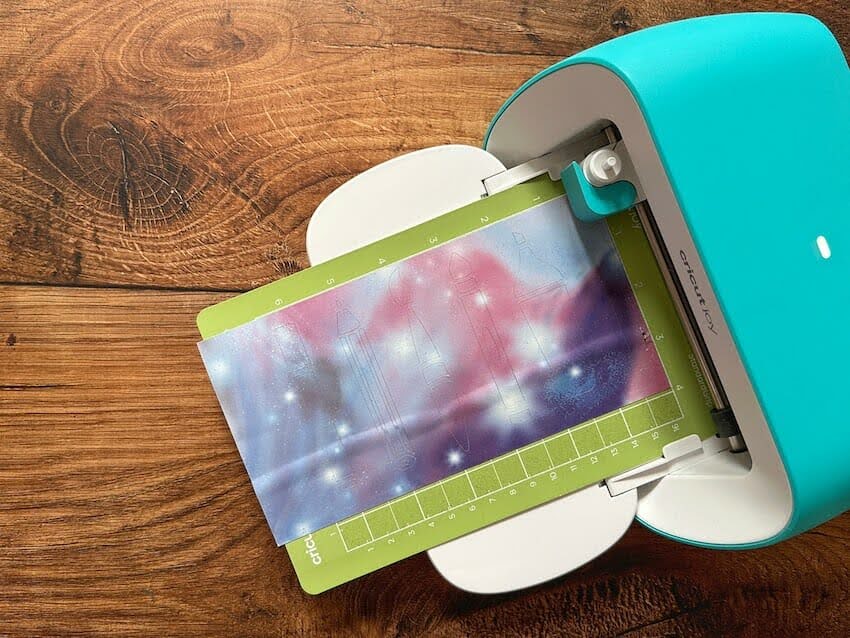
- Precision Cutting: The Infusible Ink Transfer Sheet—a carrier sheet infused with dry pigment—is loaded into a cutting machine. The machine executes a "kiss cut," penetrating the ink layer while leaving the clear liner intact.
- Weeding and Preparation: Excess material is removed, leaving only the intended design. Simultaneously, the substrate (the "blank") must be prepared. For fabrics, this involves using a lint roller to remove microscopic fibers that could react with the ink and cause blue speckling.
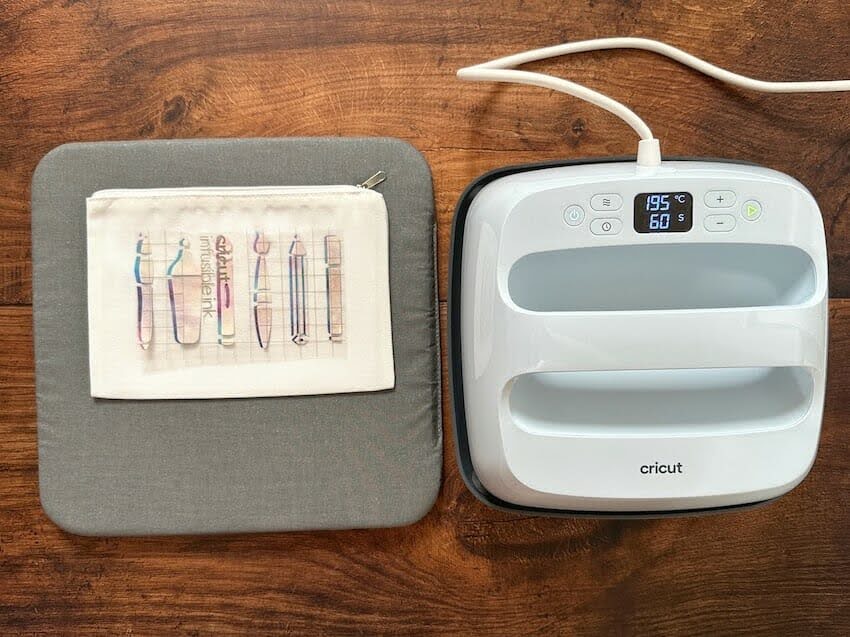
- Thermal Application: The substrate is preheated to remove moisture and wrinkles. The design is then placed in direct contact with the blank. A heat press, such as the Cricut EasyPress, is applied at temperatures typically ranging from 385°F to 400°F (195°C to 205°C) for a duration of 40 to 60 seconds.
- Sublimation Phase: During the timed press, the ink transitions to gas and bonds with the polymers.
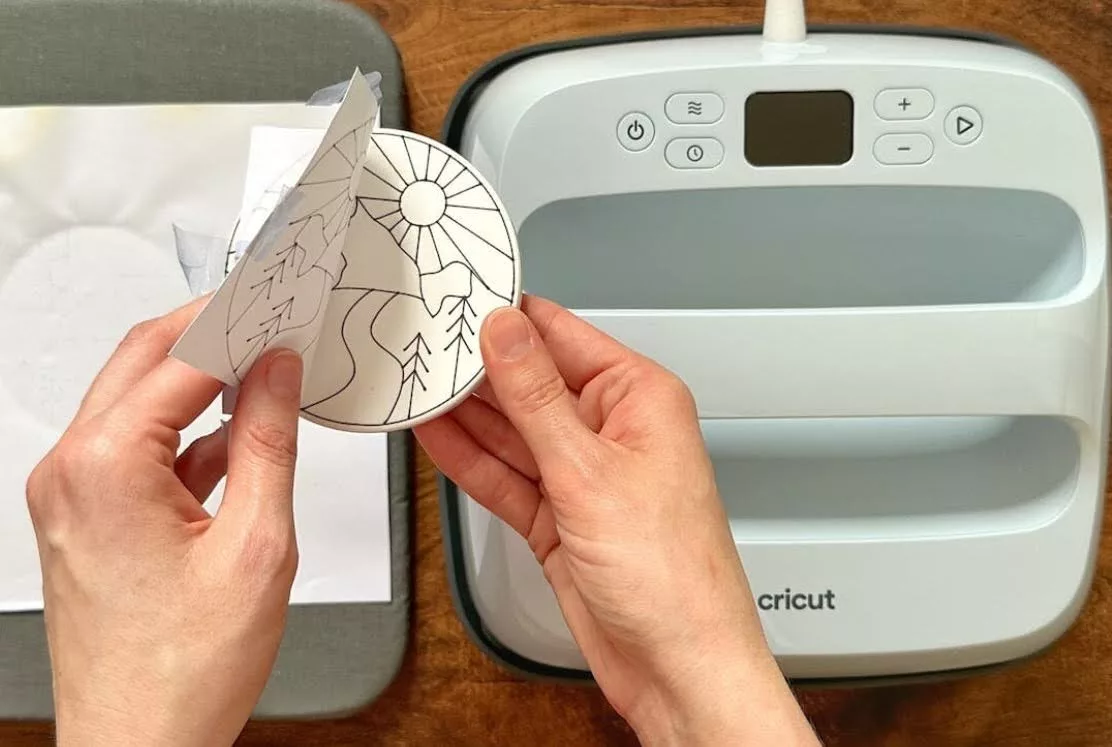
- Cooling and Reveal: After the press cycle, the material must cool before the carrier sheet is removed. This prevent "ghosting," where the gas continues to move and blurs the edges of the design.
Materials Science: Compatibility and Substrate Requirements
A critical factor in the success of Infusible Ink is the chemical composition of the base material. The sublimation process requires a "polymer-coated" or "polyester-based" substrate. Industry data suggests that for fabric transfers, a minimum of 65% polyester content is required for a visible transfer, though 100% polyester yields the most vibrant results. On natural fibers like 100% cotton, the ink has no polymer chains to bond with and will wash out immediately.
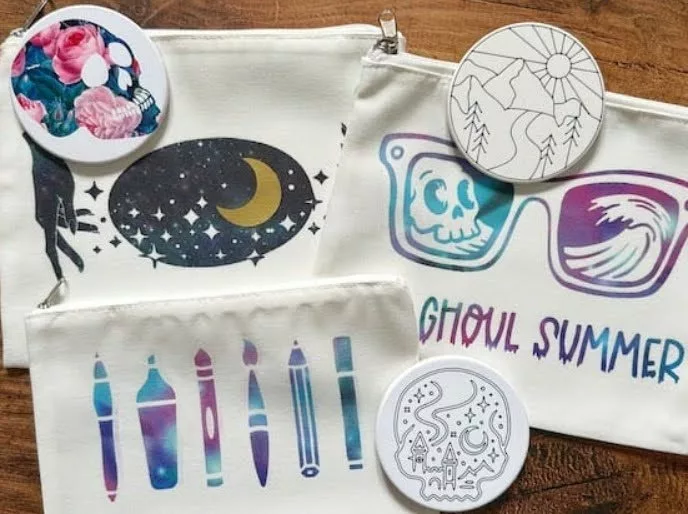
For rigid items such as ceramic coasters, mugs, or aluminum sheets, a specialized polyester clear-coat must be applied during manufacturing. This coating acts as the host for the ink gas. The rise of "Cricut Blanks" represents a standardized ecosystem where the manufacturer guarantees the polymer density required for optimal saturation, though third-party sublimation blanks are increasingly used as the market expands.
Comparative Analysis: Infusible Ink vs. Heat Transfer Vinyl (HTV)
When evaluating personalization methods, craft professionals distinguish between HTV and Infusible Ink based on the intended use of the final product.
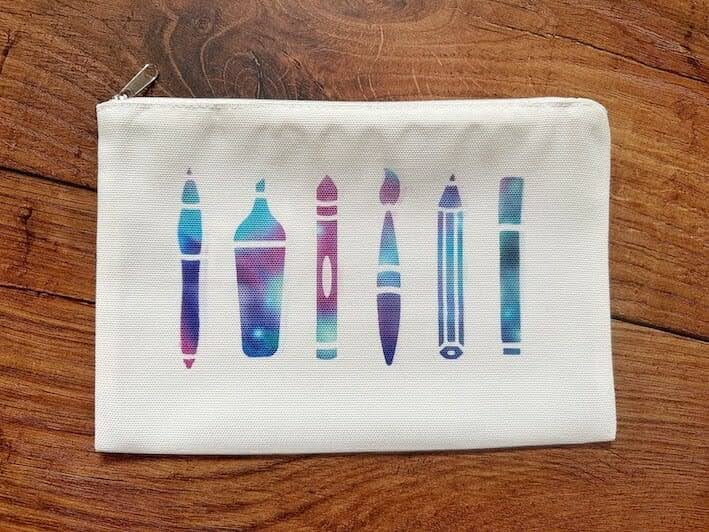
- Tactile Feel: HTV has a distinct "hand" or texture that can be felt on the fabric. Infusible Ink has zero tactile presence; the fabric feels identical before and after the transfer.
- Durability: HTV is subject to the lifespan of the adhesive, which can degrade after multiple laundry cycles. Infusible Ink is permanent and lasts for the life of the garment.
- Complexity of Substrate: HTV can be applied to almost any surface that can withstand moderate heat, including cotton, wood, and leather. Infusible Ink is strictly limited to high-polyester or polymer-coated items.
- Color Vibrancy: While HTV offers specialized finishes like glitter and holographic foils, Infusible Ink provides a "factory-printed" look with high-saturation colors that do not sit on top of the weave.
Implementation Case Study: Soft Goods and Rigid Substrates
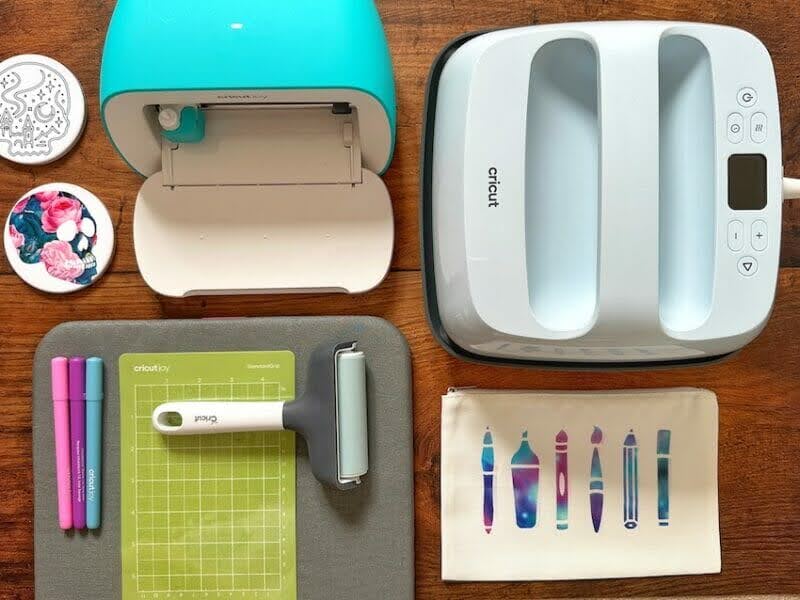
To demonstrate the versatility of the technology, we can examine two distinct application methodologies: the cosmetic bag (soft good) and the ceramic coaster (rigid substrate).
The Cosmetic Bag Methodology
In the production of personalized soft goods, the primary challenge is moisture management. Even a trace amount of humidity in the fabric can turn to steam under a 400-degree press, causing the ink to shift. Professionals utilize "butcher paper" (uncoated sulfur-free paper) both inside the bag to prevent bleed-through and on top of the design to protect the heat press plate. The resulting product is machine washable and maintains its color integrity without the "heavy" feeling of a vinyl decal.
The Ceramic Coaster Methodology
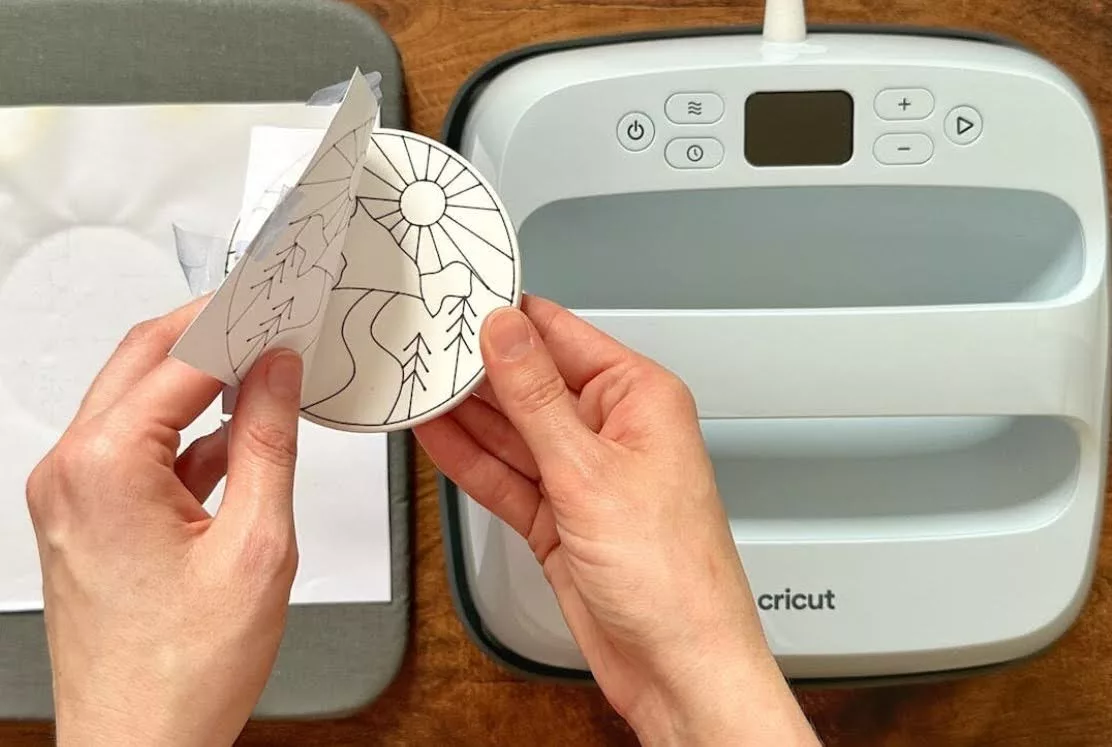
Rigid applications require a different thermal strategy. Ceramic acts as a heat sink, absorbing energy. When applying Infusible Ink Pens or Transfer Sheets to coasters, the heat is often applied to the back of the coaster or for an extended duration (up to 240 seconds) to ensure the heat penetrates the entire ceramic body, reaching the polyester coating on the front. This ensures the ink fully sublimates into the surface, creating a scratch-resistant, heat-resistant finish suitable for functional home decor.
Industry Implications and Market Growth
The accessibility of Infusible Ink technology has broader implications for the "Side Hustle" economy. E-commerce platforms like Etsy have seen a surge in "micro-manufacturers" who use these tools to produce high-quality merchandise without the overhead of industrial machinery. This shift has forced traditional printing companies to pivot toward more complex, large-scale orders as the "one-off" personalized gift market is increasingly dominated by home-based creators.
Furthermore, there is an environmental consideration in the shift toward sublimation. While polyester itself is a synthetic material, the longevity of Infusible Ink designs reduces the "disposable" nature of DIY fashion. Unlike vinyl-pressed shirts that may be discarded when the design begins to peel, ink-infused garments remain wearable for significantly longer periods, potentially slowing the cycle of textile waste in the hobbyist sector.
Safety Protocols and Operational Standards
Operating at temperatures of 400°F necessitates strict safety protocols. The sublimation process can release trace amounts of fumes as the ink gasifies. Industry experts recommend working in well-ventilated areas. Additionally, the use of "Heat Resistant Tape" is a standard requirement for rigid substrates to prevent the design from shifting, which could cause a blurred "shadow" effect known as ghosting.
For maintenance, the chemical bond of the ink allows for standard laundering, though the use of fabric softeners is often discouraged as they can leave a film over the design, slightly dulling the visual output.
Future Outlook for Home Sublimation
As the technology matures, we can expect further integration between digital design and chemical application. The development of Infusible Ink markers and pens already allows for a "hybrid" approach, combining machine-cut precision with hand-drawn artistry. The ongoing refinement of polymer-based coatings will likely expand the range of compatible materials, potentially bringing untreated wood and natural fibers into the sublimation ecosystem through the use of specialized primers.
In conclusion, Cricut Infusible Ink represents more than a simple crafting supply; it is a sophisticated application of chemical engineering that has redefined the boundaries of home manufacturing. By prioritizing permanence and professional aesthetics, it has bridged the gap between the amateur hobbyist and the commercial printer, fostering a new era of high-durability, personalized consumer goods.