

The landscape of home-based manufacturing and personalized crafting has undergone a significant transformation with the introduction of sublimation-based technologies, most notably Cricut Infusible Ink. This specialized ink system represents a departure from traditional heat-transfer methods, offering a permanent, professional-grade bond that integrates directly into the fibers or coatings of a substrate. Unlike Heat Transfer Vinyl (HTV), which sits on top of a material’s surface, Infusible Ink becomes a structural part of the item itself. This technological shift allows hobbyists and small-scale entrepreneurs to produce custom apparel, home decor, and giftware that mirror the quality of factory-produced merchandise. The following report examines the mechanics, application procedures, and market implications of this advanced transfer technology.
The Technical Mechanics of Sublimation Technology
Cricut Infusible Ink operates on the scientific principle of sublimation. In this chemical process, a solid substance—in this case, specialized ink—is converted directly into a gaseous state through the application of intense heat and pressure, bypassing the liquid phase entirely. When the gas permeates the pores of a compatible polymer-coated or polyester-based material, it becomes trapped as the temperature drops, reverting to a solid state within the material’s molecular structure.
The primary benefit of this "infusion" is durability. Traditional iron-on materials utilize an adhesive layer that can eventually succumb to the stresses of mechanical washing, leading to cracking, peeling, or fading. Because Infusible Ink is embedded within the substrate, it remains resistant to these common points of failure. The result is a vibrant, high-resolution design that maintains its integrity for the lifespan of the base material.
The Maker Economy: Context and Market Growth
The rise of tools like Cricut Infusible Ink coincides with the rapid expansion of the global personalized gift market, which was valued at approximately $26.3 billion in 2022 and is projected to reach nearly $40 billion by 2030. Industry analysts attribute this growth to the "Maker Economy," a movement characterized by the democratization of production tools.
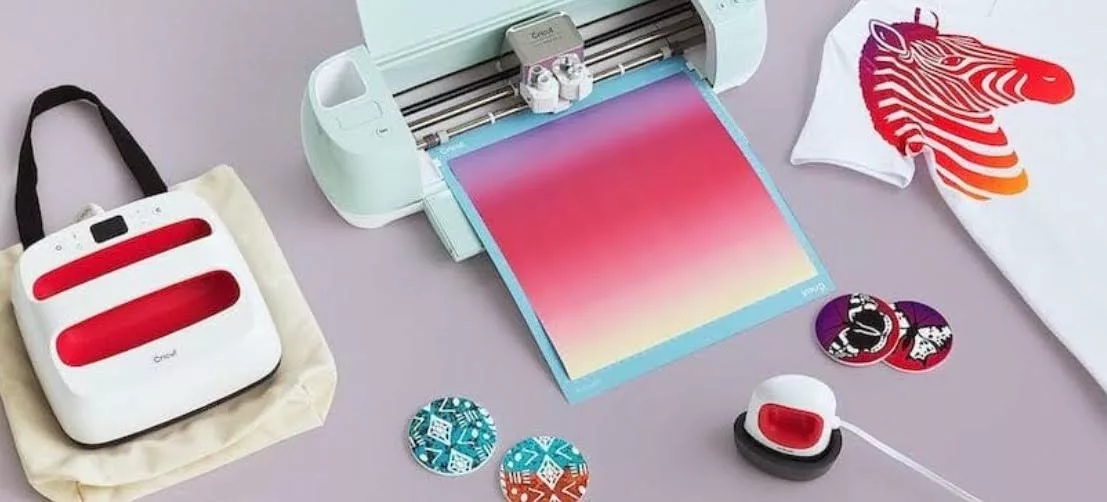
Previously, sublimation printing required expensive industrial printers, specialized inks, and complex software. Cricut’s entry into this space simplified the process by providing pre-inked transfer sheets and markers that are compatible with standard home cutting machines. This accessibility has empowered a new generation of "prosumers"—consumers who produce professional-quality goods—to compete in marketplaces like Etsy and Shopify with minimal overhead costs.
Material Science and Compatibility Requirements
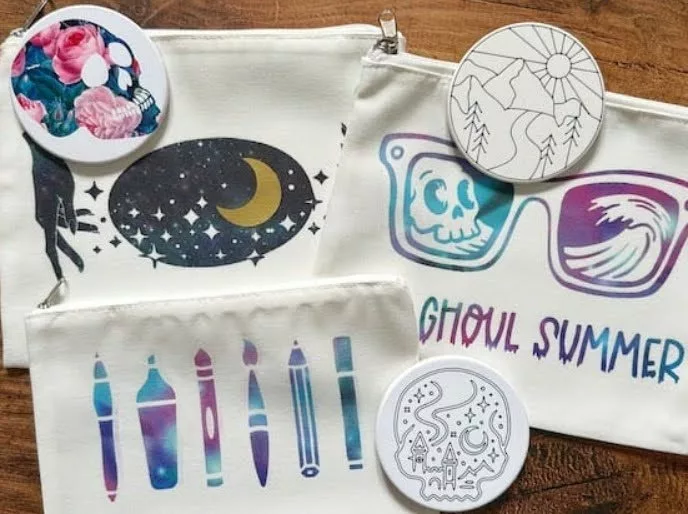
A critical factor in the success of an Infusible Ink project is the chemical composition of the "blank" or base material. The sublimation process requires a synthetic receptor, typically polyester or a polymer coating.
- Polyester Fabric: For apparel and soft goods, a high polyester count (at least 65%) is necessary. Materials with 100% polyester yield the most vibrant results, whereas cotton-polyester blends produce a "vintage" or faded look because the ink cannot bond with natural cotton fibers.
- Polymer-Coated Hard Goods: Items such as ceramic mugs, aluminum sheets, or wooden coasters must be treated with a specific polymer coating to accept the gas-form ink.
- Color Constraints: Because the ink is translucent, it is most effective on white or very light-colored substrates. Darker materials do not allow the pigment to show through, as the ink does not possess the opacity of traditional paint or vinyl.
Procedural Chronology: Applying Infusible Ink Transfer Sheets
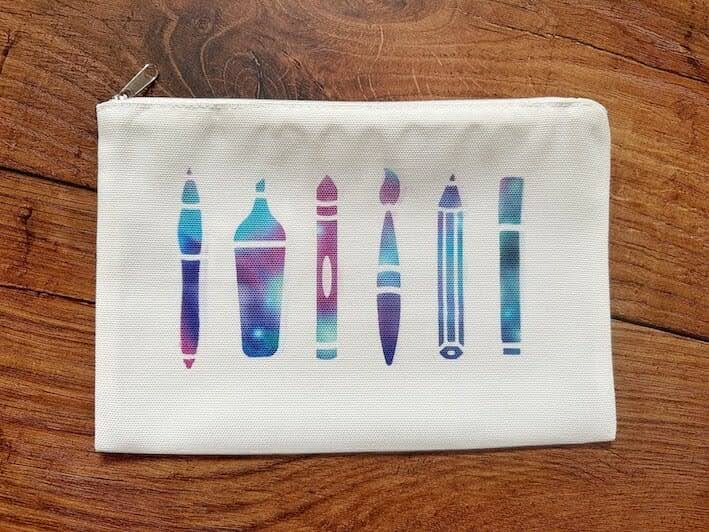
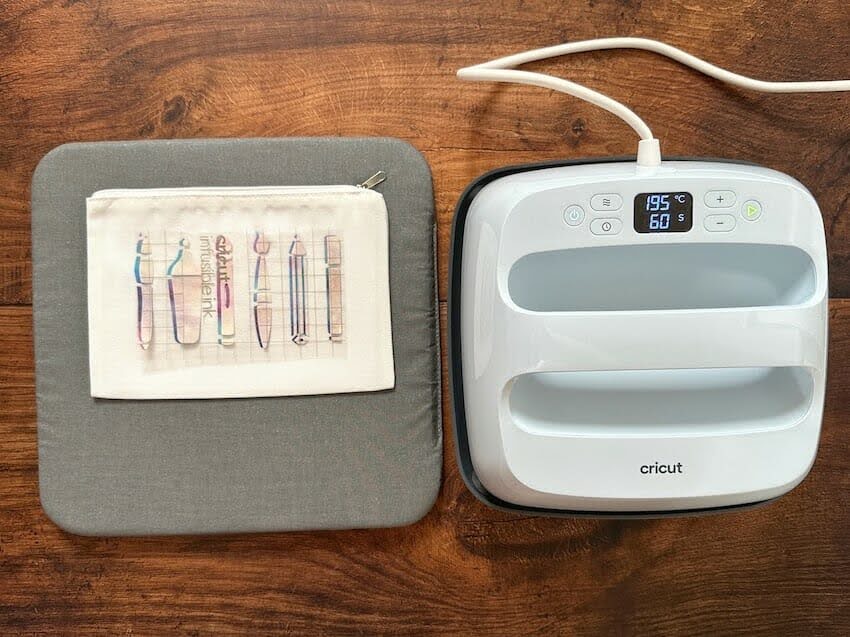
The application of Infusible Ink follows a rigorous technical workflow to ensure a permanent bond. The following chronology details the steps required for a standard textile project, such as a polyester cosmetic bag.
Phase 1: Digital Design and Preparation
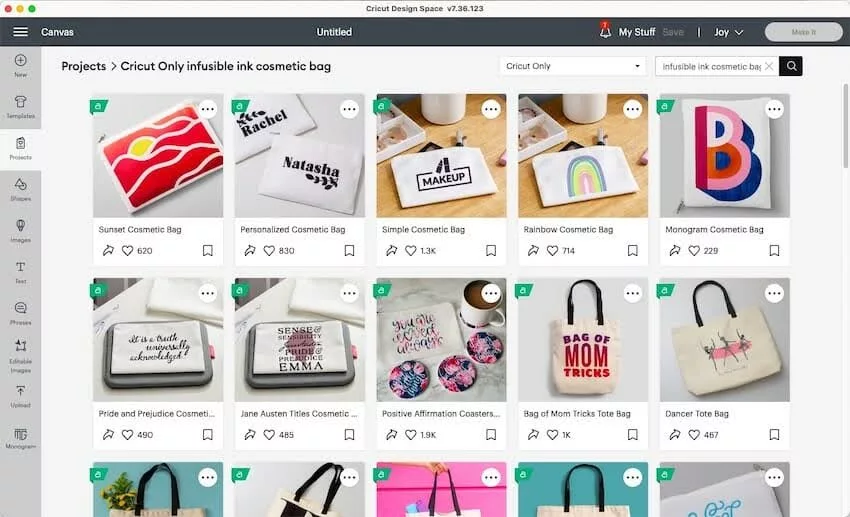
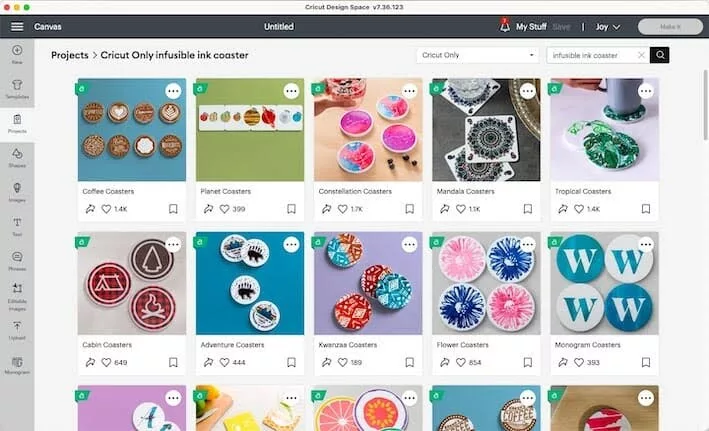
The process begins in a digital design environment, such as Cricut Design Space. Users select or create a vector design suited for the dimensions of the substrate. A pivotal step in this phase is the "Mirror" function. Since the design is cut from the back of the transfer sheet and flipped onto the material, failing to mirror the design will result in reversed text or asymmetrical imagery.
Phase 2: Precision Cutting and Weeding
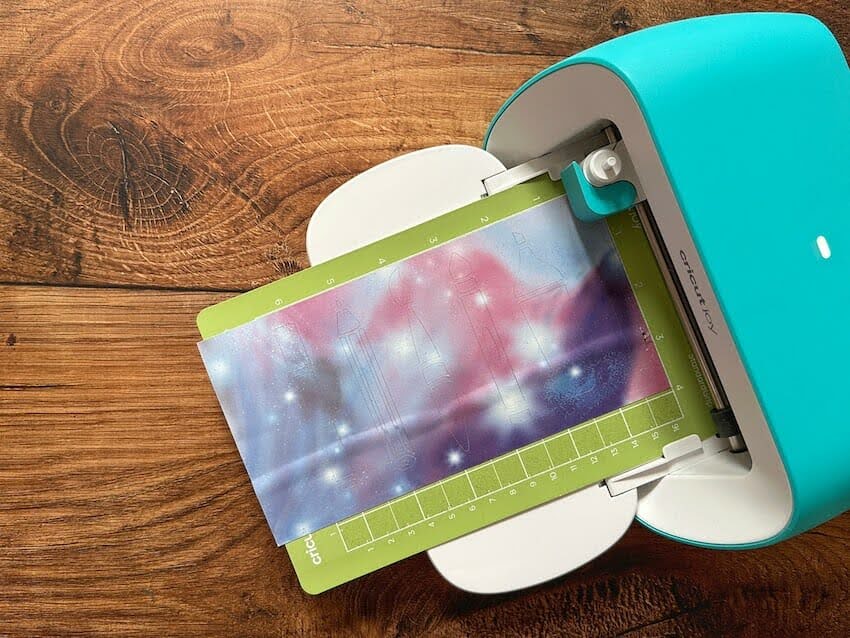
Once the design is finalized, the Infusible Ink Transfer Sheet is placed on a cutting mat with the ink side facing upward. The cutting machine—such as a Cricut Maker or Explore—uses a fine-point blade to cut the design. Unlike HTV, Infusible Ink sheets have a paper-like consistency. "Weeding," or removing the excess material, is typically done by hand rather than with a sharp tool to prevent piercing the clear carrier sheet.
Phase 3: Thermal Application
The final phase requires a high-heat press, such as the Cricut EasyPress, capable of reaching temperatures between 385°F and 400°F (195°C–205°C). The substrate is pre-heated to remove moisture and wrinkles. A piece of cardstock is placed inside the bag to prevent "ghosting" (the ink bleeding through to the other side). The design is placed face-down, covered with protective butcher paper, and pressed with firm, even pressure for 40 to 60 seconds.
Procedural Chronology: The Pen and Marker Method
For hand-drawn or intricate line-art designs, Infusible Ink Pens and Markers offer a different workflow. This method is frequently used for hard goods like ceramic coasters.
Phase 1: Drawing via Automation
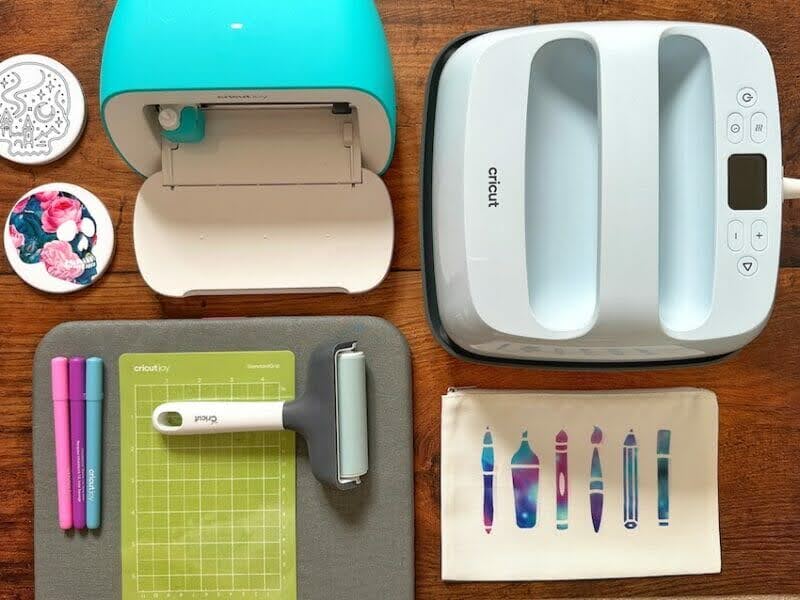
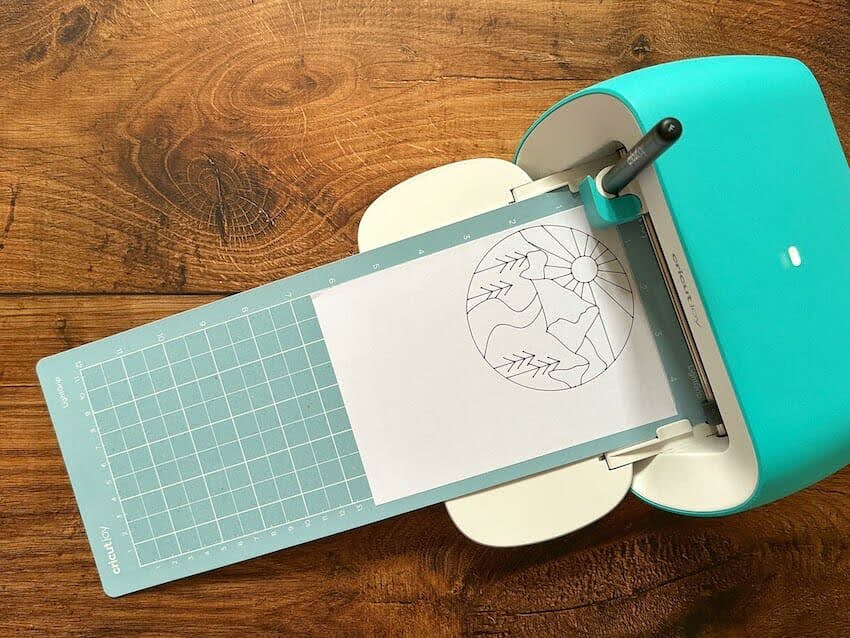
Instead of cutting a sheet, the cutting machine holds an Infusible Ink pen in its accessory clamp. The machine draws the design onto standard laser copy paper. This allows for multi-color designs that mimic hand-drawn illustrations or technical blueprints.
Phase 2: Manual Enhancement
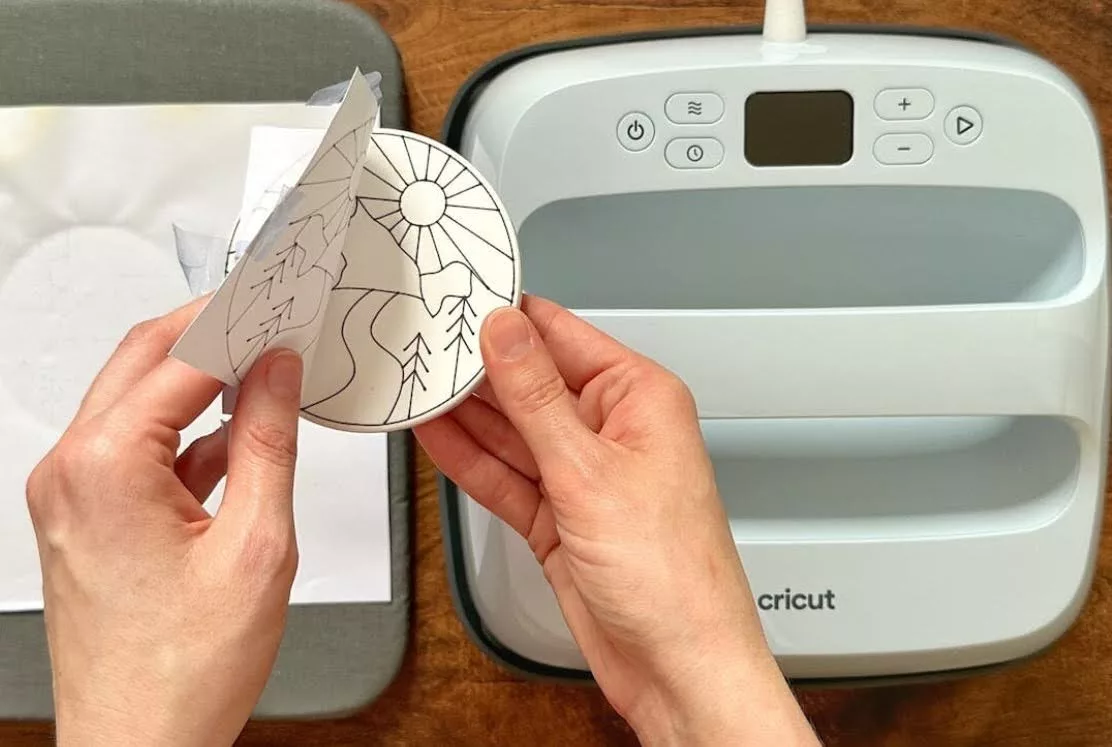
Users can manually color in the machine-drawn outlines using markers. It is essential to use laser copy paper rather than standard inkjet paper, as the former is designed to withstand high heat without scorching or absorbing the ink too deeply.
Phase 3: Transfer to Ceramic
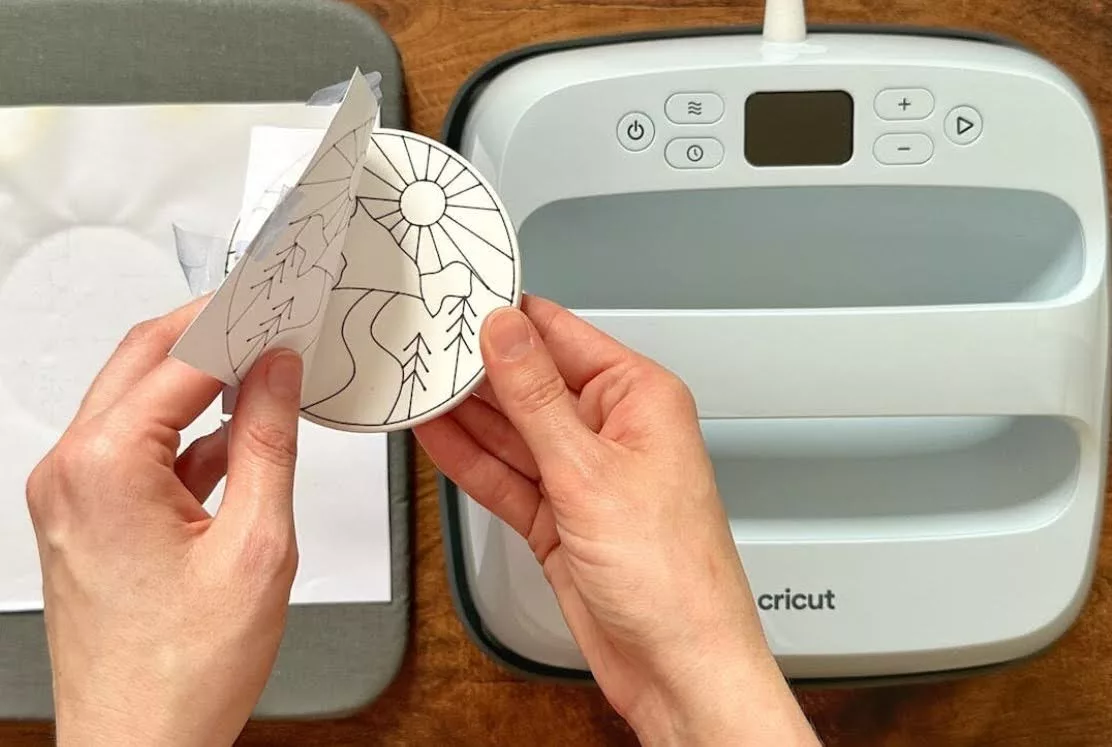
When applying the design to a ceramic coaster, the paper is taped to the substrate using heat-resistant tape. The coaster is then placed face-down on the heat press. The heat must permeate through the ceramic to activate the ink, often requiring a longer press time of up to 240 seconds at 400°F.
Industry Implications and Professional Standards
The shift toward sublimation in the home-crafting sector has forced a re-evaluation of industry standards for "handmade" goods. Retailers and consumers now expect a level of finish that was previously only available through screen printing or professional dye-sublimation labs.
Sustainability and Waste Reduction:
Infusible Ink presents a more sustainable alternative to some traditional methods. Because the ink is absorbed, there is no plastic film (as with vinyl) that can eventually flake off into the environment as microplastics. Furthermore, the precision of digital cutting reduces material waste compared to traditional manufacturing.
Corporate Positioning:
Cricut’s strategy in developing the Infusible Ink line appears to be centered on ecosystem "lock-in." While third-party sublimation papers and inks exist, Cricut emphasizes the use of their branded "blanks" to guarantee chemical compatibility. This ensures that the average user achieves a successful result without needing a background in chemistry or industrial engineering.
Analysis of Longevity and Maintenance
The value proposition of Infusible Ink lies in its permanence. However, maintaining that quality requires adherence to specific care protocols. For textile-based projects, manufacturers recommend:
- Washing in cold water with mild detergent.
- Avoiding bleach and fabric softeners, which can break down the polymer bonds over time.
- Tumble drying on low heat or air drying.
For hard goods like coasters and mugs, the primary threat is abrasion. While the ink is permanent, the polymer coating on the substrate can be scratched. Therefore, hand-washing or using non-abrasive cleaners is recommended to preserve the glossy finish of the item.
Conclusion: The Future of Personalized Production
Cricut Infusible Ink has effectively bridged the gap between amateur crafting and professional manufacturing. By simplifying the complex sublimation process, it has allowed for the creation of durable, high-fidelity products that defy the "homemade" aesthetic. As the technology continues to evolve and the variety of compatible substrates expands, the boundary between small-batch artisan goods and mass-produced retail items will likely continue to blur. For the modern craftsperson, mastering these tools is no longer just a hobby; it is an entry point into the sophisticated world of digital fabrication and personalized commerce.