


The introduction of the Infusible Ink system by Cricut Inc. marked a significant milestone in the democratization of professional-grade textile and ceramic decoration, allowing hobbyists to achieve results previously reserved for commercial manufacturing facilities. This technology, based on the scientific process of dye-sublimation, enables a permanent bond between the ink and the substrate, ensuring that designs do not peel, crack, or fade over time. As the global personalized gift market continues to expand—projected to reach billions in valuation by the late 2020s—tools like Infusible Ink have become essential for small business owners and high-end crafters seeking to produce retail-quality merchandise from a home-based environment.
The Evolution of Sublimation Technology in the Consumer Market
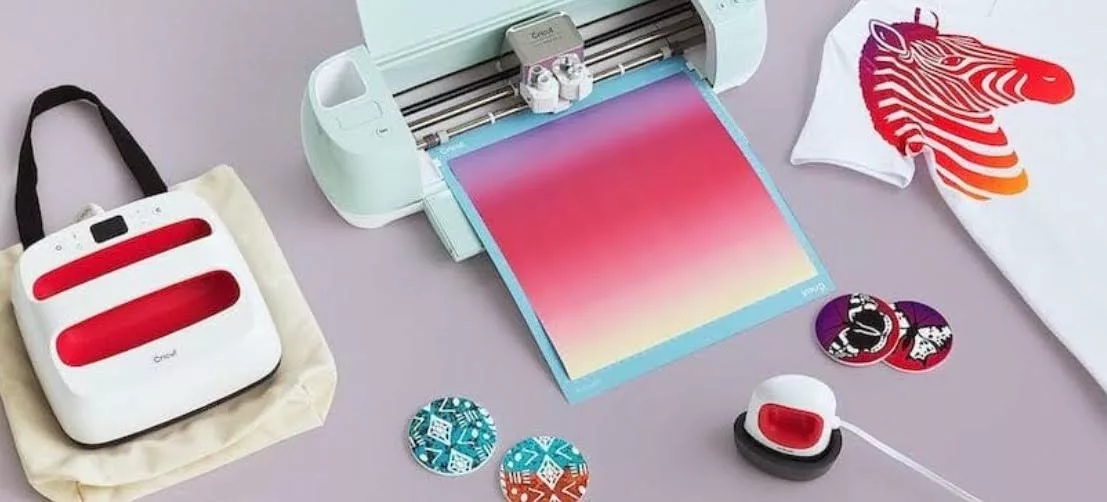
Historically, dye-sublimation was a complex industrial process requiring expensive wide-format printers, specialized inks, and high-pressure heat presses. The barrier to entry was high, effectively limiting the technology to professional print shops. In June 2019, Cricut disrupted this landscape by launching the Infusible Ink system. This system translated the industrial sublimation process into a user-friendly format consisting of pre-inked transfer sheets and specialized pens.
By providing a curated ecosystem of "blanks"—products specifically engineered with high polyester counts or polymer coatings—Cricut addressed the primary failure point of DIY sublimation: material incompatibility. The chronological development of this product line has since expanded to include a vast array of colors, patterns, and delivery methods, catering to an increasingly sophisticated "maker economy."
The Chemical Mechanics: How Infusible Ink Differs from Traditional Heat Transfer
To understand the efficacy of Infusible Ink, one must distinguish it from traditional Heat Transfer Vinyl (HTV) or "iron-on" materials. HTV is a film-based material that uses a heat-activated adhesive to bond to the surface of a fabric. While effective, HTV sits on top of the material, creating a physical layer that can be felt and is subject to mechanical stress, eventually leading to cracking or peeling after repeated wash cycles.
In contrast, Infusible Ink utilizes a sublimation process. When heat is applied at specific temperatures—typically between 385°F and 400°F (195°C to 205°C)—the solid ink on the transfer sheet or pen drawing undergoes a phase change, converting directly into a gas without passing through a liquid state. Simultaneously, the fibers of the polyester-based substrate open up. The gaseous ink permeates these fibers and, as the heat source is removed and the material cools, the ink reverts to a solid state, becoming an integral part of the material’s molecular structure. This results in a "zero-hand" finish, meaning the design cannot be felt by touch and is as durable as the fabric itself.
Technical Specifications for Compatibility: The Role of Polymers
A critical factor in the success of an Infusible Ink project is the chemical composition of the base material. The sublimation process requires polymers to "trap" the ink gas. Therefore, the technology is highly effective on synthetic fibers like polyester but ineffective on 100% natural fibers like cotton. On cotton, there are no plastic-based pores for the gas to bond with, resulting in a design that looks faded and will wash away entirely.
Industry standards recommend a minimum of 65% polyester content for apparel, though 100% polyester yields the most vibrant results. For non-fabric items, such as ceramic mugs, coasters, or aluminum sheets, a specialized polymer coating must be applied during the manufacturing process. This is why "blanks" designed specifically for sublimation or Infusible Ink are necessary for achieving professional results.
Implementation Protocol: The Transfer Sheet Method
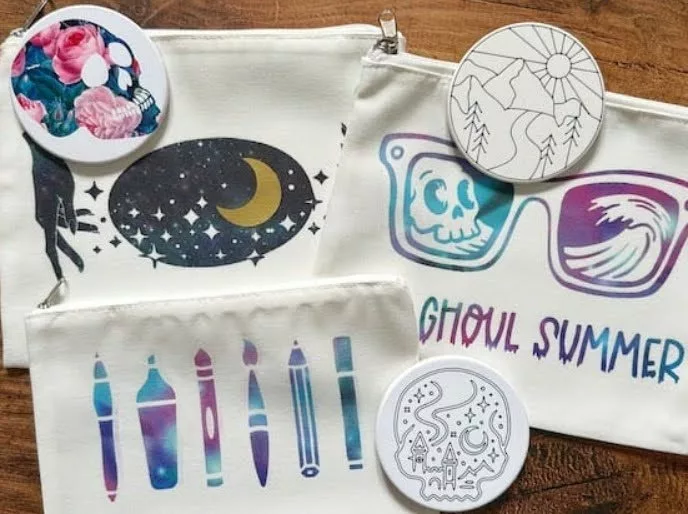
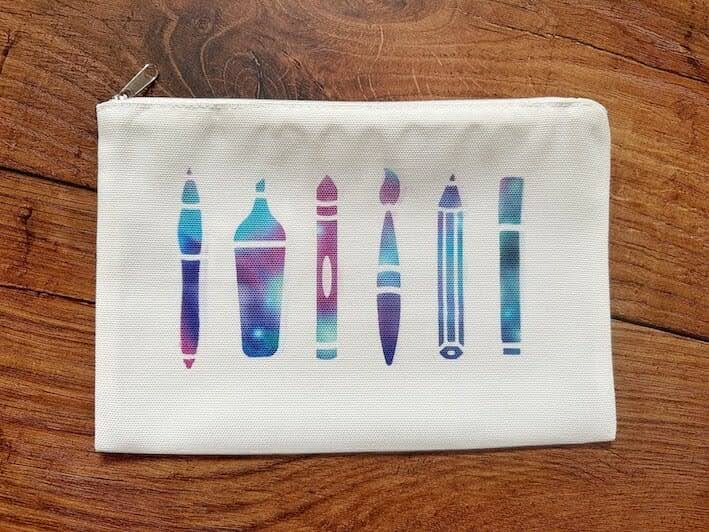
The application of Infusible Ink Transfer Sheets involves a precise three-stage workflow: preparation, mechanical cutting, and thermal application. This method is the preferred choice for bold, solid-color designs or intricate patterns on items like cosmetic bags, tote bags, and t-shirts.
Phase 1: Digital Design and Preparation
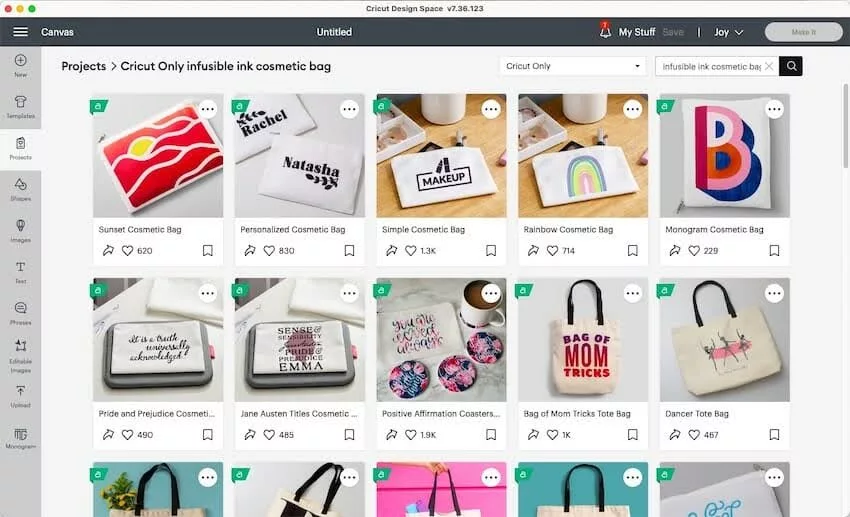
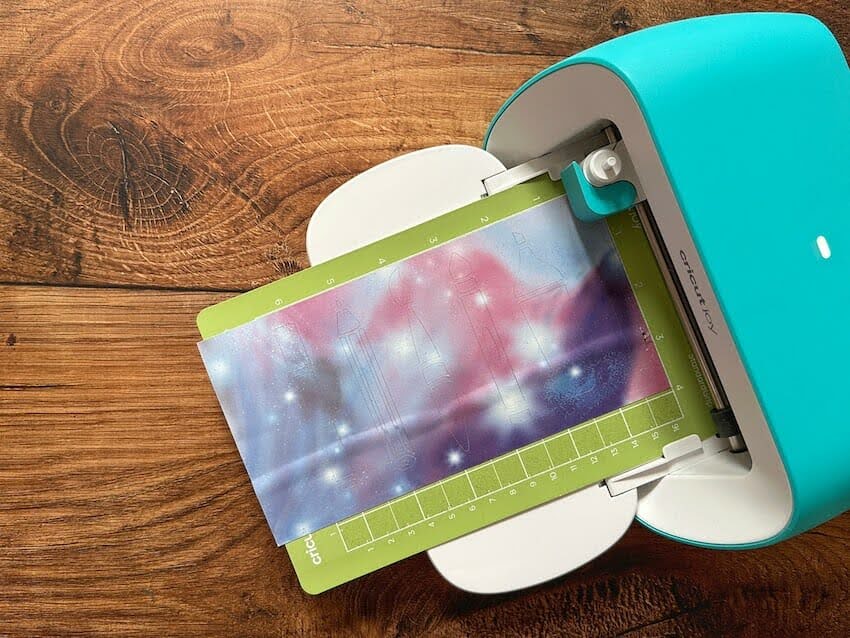
Using the Cricut Design Space software, users must create or select a vector-based design. A mandatory technical step in this phase is the "Mirror" function. Because the design is cut from the back of the transfer sheet and flipped over for application, failure to mirror the design will result in reversed text and imagery.
Phase 2: Mechanical Cutting and Weeding
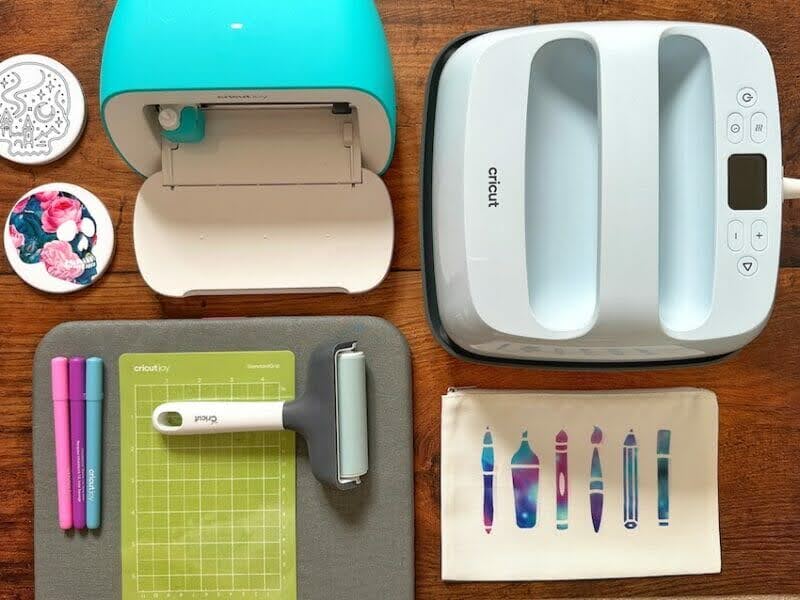
The transfer sheet is placed onto a standard grip cutting mat with the ink side facing upward. The Cricut machine (such as the Maker or Explore series) uses a fine-point blade to cut the design. Unlike vinyl, Infusible Ink sheets have a paper-like consistency. "Weeding"—the process of removing excess material—is typically done by "cracking" the paper and using fingers or tweezers, as traditional weeding tools can easily scratch the delicate ink surface.
Phase 3: Thermal Integration
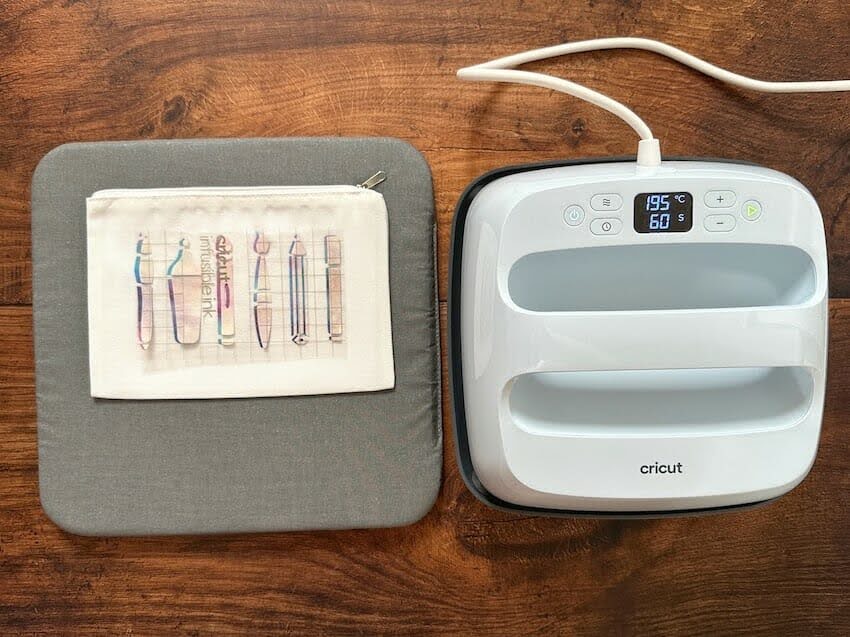
The substrate, such as a polyester cosmetic bag, must be pre-heated to remove moisture and wrinkles. A piece of cardstock is placed inside the bag to prevent "bleed-through" to the other side. The weeded design is placed face-down on the substrate and covered with butcher paper (usually provided with the sheets) to protect the heat press. The application requires a consistent temperature of 385°F for 60 seconds with light pressure. Once cooled, the carrier sheet is removed, revealing a vibrant, factory-finish design.
Precision Customization: The Infusible Ink Pen and Marker System
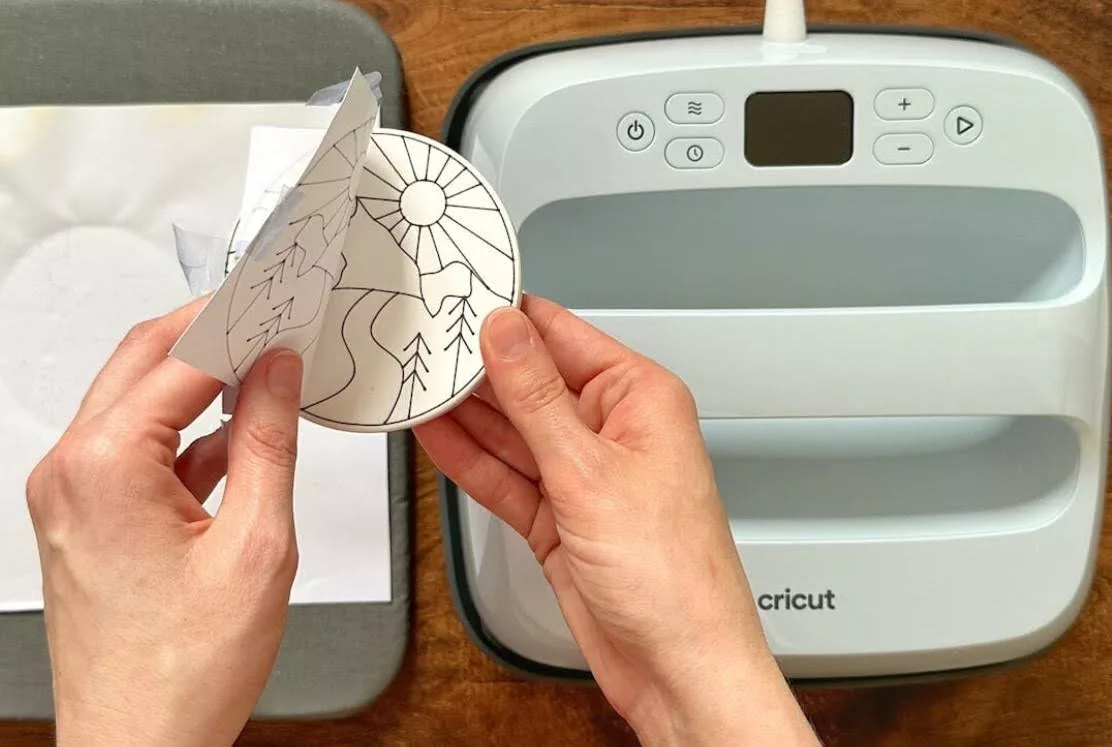
For projects requiring a "hand-drawn" aesthetic or intricate multi-color detail, Infusible Ink Pens and Markers offer a different technical approach. This method is frequently applied to rigid substrates like ceramic coasters.
Drawing and Mapping
The design is created in Design Space, but instead of a "Cut" operation, it is set to "Draw." The Cricut machine holds the pen and executes the design onto standard laser copy paper. Similar to the sheets, the design must be mirrored. If multiple colors are used, the software prompts the user to swap pens during the process.
Application to Rigid Substrates
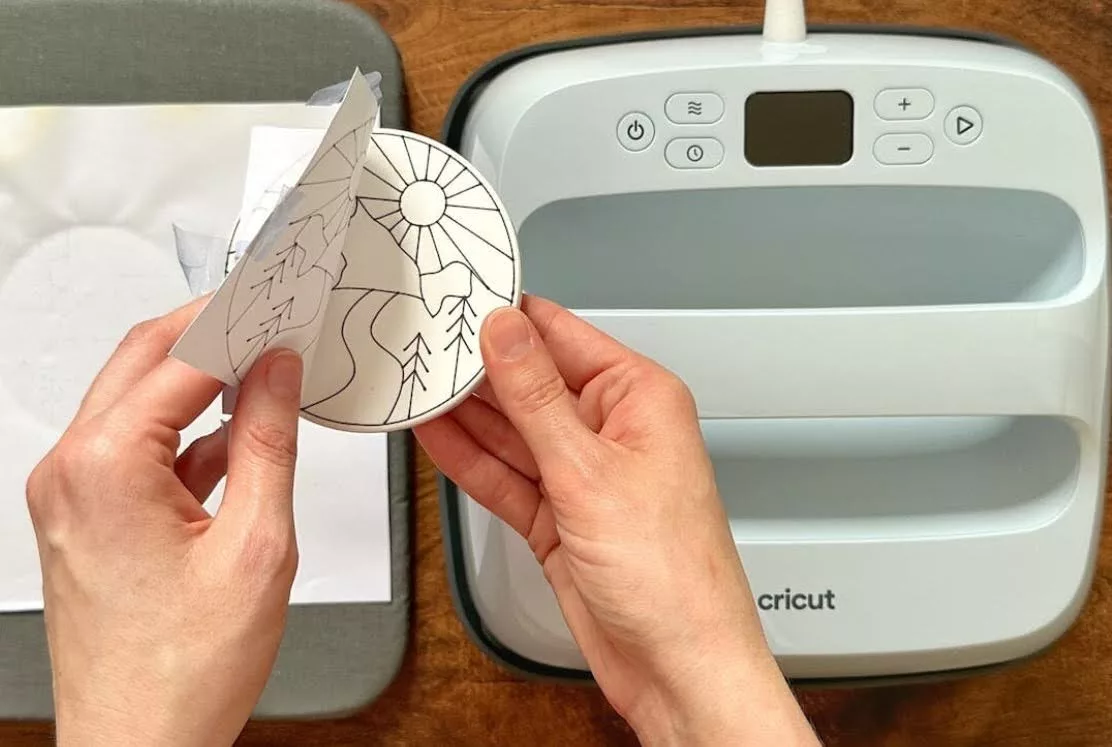
Ceramic coasters require a specific heat profile. After the design is drawn on paper, it is taped securely to the coaster using heat-resistant tape. Any movement during the heating process can cause "ghosting"—a blurry shadow effect caused by the ink gas escaping sideways. The coaster is often pressed upside down (heat source on the bottom of the coaster) to allow the heat to travel through the ceramic and activate the ink against the paper. This process typically requires 400°F for up to 240 seconds, depending on the thickness of the ceramic.
Industry Analysis: The Impact on the Personalized Gift Market
The accessibility of Infusible Ink has significant implications for the "Prosumer" market—individuals who occupy the space between professional and consumer. Market analysts observe that this technology has lowered the capital expenditure required to start a high-quality apparel or home decor line. Small-scale entrepreneurs can now compete with larger retailers by offering "permanent" customization that does not suffer from the perceived lower quality of traditional iron-ons.
Furthermore, the longevity of these products aligns with increasing consumer demand for sustainable and durable goods. Because the designs do not crack or peel, the garments have a longer wearable life, reducing the "fast fashion" turnover that contributes to textile waste.
Best Practices and Maintenance for Longevity
To maintain the integrity of Infusible Ink products, specific maintenance protocols are recommended by industry experts. For apparel and fabric items:
- Laundry: Machine wash inside out with cold water and mild detergent.
- Avoidance: Do not use fabric softeners or bleach, as these chemicals can break down the polymer bonds over time.
- Drying: Tumble dry on a low setting or air dry.
For rigid items like coasters and mugs:
- Cleaning: Hand wash with non-abrasive sponges. While many sublimation blanks are marketed as dishwasher safe, the high-heat drying cycles in some industrial dishwashers can eventually cause the ink to reactivate and fade.
Conclusion and Future Outlook
Cricut Infusible Ink represents a successful migration of industrial chemistry into the domestic sphere. By simplifying the sublimation process, it has empowered a new generation of creators to produce items that are indistinguishable from professionally manufactured goods. As material science advances, it is expected that the range of compatible polymers will expand, potentially allowing for the use of Infusible Ink on a wider variety of natural-synthetic blends and recycled materials. For now, the system remains the gold standard for DIY enthusiasts seeking permanence, vibrancy, and a professional finish in their creative endeavors.