

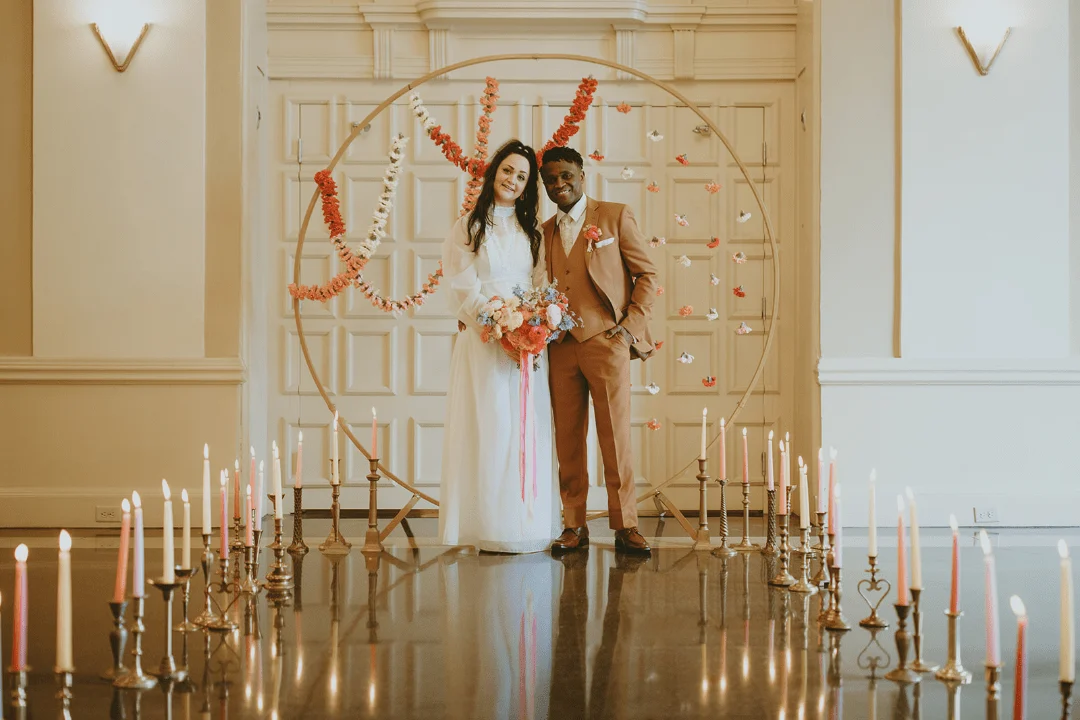
For couples who deeply cherish their values and seek to embed these principles into every facet of their wedding day, the often-overlooked aspect of financial allocation emerges as a potent statement. Beyond the traditional considerations of aesthetics and cost, a growing number of engaged pairs are viewing their wedding budget as a concentrated burst of economic power, akin to a micro-philanthropy initiative. This approach transforms the substantial financial outlay—whether $5,000 or $50,000—into a deliberate act of wealth redistribution, directing funds towards businesses that not only provide services but also resonate with and celebrate the couple’s core beliefs. In an increasingly polarized global landscape, the conscious decision of where to spend one’s money takes on heightened significance, ensuring that the celebration of love also reflects a commitment to social responsibility.
The Evolving Landscape of Wedding Planning: From Aesthetics to Ethics
The wedding industry, a multi-billion dollar global market, has long been characterized by a focus on aspirational aesthetics, luxury, and tradition. However, the dawn of the 21st century has ushered in a profound shift, mirroring broader societal trends towards conscious consumerism. Historically, couples primarily prioritized factors such as venue grandeur, photographic style, catering excellence, and overall cost-effectiveness. While these elements remain crucial, a new dimension—that of ethical alignment and social values—has steadily gained prominence, particularly over the last decade. This evolution is not merely a niche trend but a significant redefinition of what constitutes a "perfect" wedding for many contemporary couples.
The rise of digital platforms and social media has played a pivotal role in this transformation. Couples now have unprecedented access to information about potential vendors, extending beyond curated portfolios to include personal values, political stances, and community engagement. This transparency, while empowering, also introduces complexities. The fear of inadvertently supporting businesses whose values clash with one’s own, or worse, whose actions contradict principles of inclusivity and respect, has become a genuine concern. As a result, the process of vendor selection has transcended mere transactional engagement, morphing into a quest for partners who genuinely embody and uphold the values that are central to the couple’s identity and vision for their union.
The Economic Footprint of Nuptial Celebrations
To understand the full impact of value-aligned spending, it is essential to contextualize the sheer economic scale of the wedding industry. Globally, the wedding market is estimated to be worth hundreds of billions of dollars annually, with figures varying significantly by region. In the United States alone, the average cost of a wedding has consistently hovered around $30,000, though this figure can fluctuate widely based on location, guest count, and service providers. This colossal spending represents a significant transfer of wealth, directly supporting a vast ecosystem of businesses, from independent photographers and florists to large-scale venues and catering companies.
When a couple allocates their wedding budget, they are, in essence, making hundreds of micro-investment decisions. Each dollar spent flows into the coffers of individual entrepreneurs and their teams, influencing local economies and sustaining livelihoods. Viewed through the lens of "wealth redistribution," this concentrated spending power becomes a powerful tool for social change. Couples are no longer just consumers; they are active agents deciding which businesses, and by extension, which ideologies and practices, deserve their financial endorsement. This perspective underscores the ethical weight carried by each vendor contract signed and each payment processed, transforming a personal celebration into a potential catalyst for broader societal values.

The Imperative for Authentic Alignment: Beyond Superficiality
The shift towards value-aligned vendor selection is driven by more than just a desire for ethical consumption; it is deeply rooted in a quest for authenticity and emotional integrity on one of life’s most significant days. In an era marked by heightened social consciousness and often, political polarization, a vendor’s "pretty portfolio" may no longer suffice. Couples express a profound desire to look back at their wedding photos and memories without the lingering discomfort of knowing they unknowingly supported an individual or business whose personal conduct or public statements were discriminatory, prejudiced, or simply misaligned with their core beliefs. The incident involving a well-known wedding photography couple, who were publicly exposed for posting racist and homophobic memes on their personal social media accounts, serves as a stark reminder of the potential pitfalls and the critical need for thorough due diligence. Such revelations can cast a shadow over what should be a joyful memory, underscoring the importance of vetting vendors for more than just their professional output.
What couples increasingly seek are not merely service providers who "tolerate" their community, identity, or diverse guest list, but those who actively "celebrate" them. This distinction is crucial. Tolerance implies acceptance, but celebration denotes enthusiasm, understanding, and genuine affirmation. For LGBTQ+ couples, couples of color, those with disabilities, or individuals from any marginalized community, finding vendors who genuinely embrace their identity translates into a more comfortable, authentic, and truly celebratory experience. This deep alignment fosters trust and allows couples to relax, knowing that the professionals entrusted with their special day are not just competent, but also truly supportive allies.
Strategic Vetting: A Multi-faceted Approach to Vendor Selection
To navigate this complex landscape, couples are employing increasingly sophisticated methods to audit their potential vendor lists, ensuring their financial decisions speak the same language as their personal values. This systematic approach moves beyond initial impressions and delves into the deeper ethos of each business.
-
The Comprehensive Portfolio Review: Beyond the Visuals:
While a vendor’s portfolio traditionally showcases their aesthetic style, lighting techniques, and compositional prowess, a value-aligned review demands a deeper examination. Couples are encouraged to scrutinize the diversity represented within the gallery. Do the images consistently feature a wide range of couples and individuals? This includes, but is not limited to, diverse skin tones, body types, cultural backgrounds, ages, and sexual orientations. A lack of such representation might indicate a limited scope of experience or, more subtly, an unconscious bias.
If specific representation is not evident, direct inquiry becomes essential. Asking pointed questions such as, "Do you have experience photographing queer couples?" or "Are you comfortable working with clients who have disabilities?" or "Do you have a portfolio demonstrating your ability to capture a range of dark skin tones effectively?" can provide invaluable insight. A genuinely inclusive vendor will not only answer affirmatively but will often be able to provide examples or elaborate on their experience and commitment to diversity. -
Purposeful Digital Footprint Analysis:
In the digital age, a vendor’s online presence extends far beyond their professional website. Couples are advised to engage in "stalking with purpose," systematically reviewing a vendor’s broader digital footprint. This includes, but is not limited to, their Instagram, Facebook, Twitter, and even LinkedIn profiles. The goal is to discern their public persona and, where possible, their personal values as reflected in their shares, likes, comments, and public statements.
Beyond curated feeds, examining comments sections, tagged photos, and interactions with other accounts can reveal a more authentic picture. Are their interactions consistently respectful and inclusive? Do they engage with diverse communities online? Are there any subtle cues or overt statements that might indicate a lack of inclusivity or alignment with progressive values? This detailed scrutiny can prevent unwelcome surprises, as illustrated by the aforementioned incident of the racist and homophobic memes. The ease with which information spreads online necessitates this level of due diligence to safeguard the integrity of the wedding experience. -
Empowering Direct Dialogue: Asking the "Hard Questions":
For too long, societal norms dictated that discussing politics, religion, or sensitive social issues with service providers was impolite. However, the paradigm has shifted significantly. Couples are no longer merely hiring "the help"; they are enlisting creative partners who will be intimately present during one of the most emotionally significant days of their lives. These partners will interact with their closest friends and family, making value alignment paramount.
Jess Golden, a Texas-based photographer who was instrumental in exposing the racist wedding vendors, eloquently articulates this shift: "Values are becoming part of the conversation in every household right now… the fact that people are scared to even ask vendors they’re paying thousands of dollars to is beyond me!"
Couples are encouraged to embrace direct, yet low-stress, communication. Scripts can include:
- "We’re really passionate about [e.g., LGBTQ+ rights/sustainability/supporting local businesses], and we’re looking for vendors who share similar values. How do you approach [this issue] in your business practices?"
- "Our guest list is quite diverse, and it’s important to us that everyone feels celebrated and respected. Can you tell us about your experience working with a wide range of clients and communities?"
- "Beyond your beautiful work, we’re curious about your company’s ethos. What values are most important to you in your business operations?"
The responses to these questions, both in content and tone, can be incredibly revealing, indicating a vendor’s genuine commitment to inclusivity versus a superficial attempt at performative allyship.
-
Leveraging Trusted Networks and Vetted Professionals:
One of the most efficient pathways to identifying value-aligned vendors is through trusted referrals. Wedding planners and coordinators, particularly those known for their progressive and inclusive practices, often maintain meticulously curated lists of preferred vendors who have already undergone a degree of ethical vetting. Professionals like Emily Berg of Events by Emily exemplify this approach, actively auditing their recommendations to ensure alignment with their clients’ values.
Couples can leverage this by asking their chosen planner, "Beyond their professional skill, which of your recommended vendors are particularly known for their inclusive practices or commitment to social responsibility?" Or, "Are there any vendors on your list who explicitly champion [specific value, e.g., environmental sustainability, LGBTQ+ inclusivity]?" This strategy significantly reduces the individual burden of extensive research and provides a layer of assurance. -
Utilizing Specialized Inclusive Directories (The Offbeat Wed Model):
Recognizing the growing demand for value-aligned vendors, specialized online platforms have emerged to streamline the search process. The Offbeat Wed Vendor Community, established 15 years ago and notably featured by The New York Times, is a prime example. These directories allow vendors to proactively self-identify their commitments to specific values and communities.
Such platforms empower couples to filter their search based on criteria such as being:- LGBTQ+ friendly
- Body positive
- Disability inclusive
- Committed to racial diversity
- Eco-conscious/sustainable
- Supportive of local economies
- Vegan-friendly
- A minority-owned business
- A woman-owned business
This innovative approach simplifies the process, connecting couples directly with vendors who have already opted into a community prioritizing radical inclusivity and ethical practices for decades. Each vendor listing typically highlights these identifications, enabling immediate connection based on shared principles.
Industry Adaptation and Future Implications
The increasing demand for value-aligned vendor selection is compelling the wedding industry to adapt. Many vendors are now explicitly stating their commitment to diversity, equity, and inclusion on their websites and social media. Some are investing in sensitivity training, diversifying their marketing materials, and actively seeking to expand their client base to reflect a broader spectrum of society. This shift encourages vendors to not only be skilled in their craft but also to cultivate an inclusive and respectful business ethos.
However, challenges remain. The risk of "values washing," where businesses superficially adopt progressive language without genuine commitment, is a concern. Couples must remain vigilant in their vetting process, looking for authenticity over mere rhetoric. Additionally, specialized or ethically sourced services might sometimes come with a higher price point, necessitating budget considerations and a clear prioritization of values versus cost.
Ultimately, the phenomenon of value-aligned wedding spending reflects a broader societal movement towards more conscious and responsible consumption. Weddings, as profound personal and communal celebrations, serve as a microcosm for these evolving ethics. By intentionally directing their economic power, couples are not only ensuring a more authentic and joyful celebration for themselves and their loved ones but are also contributing to a more equitable and inclusive industry landscape. They are supporting fellow humans whose businesses align with their ideals, fostering a sense of community and purpose that extends far beyond the wedding day itself. This deliberate choice fosters peace of mind, authentic memories, and the lasting satisfaction of knowing one’s wealth has been channeled towards positive impact.
For those ready to embark on this journey, resources such as "The Values-Aligned Wedding: A Quick Guide to Vetting Your Wedding Vendors" are invaluable tools, offering practical guidance to ensure every dollar spent resonates with the heart of your union.