The landscape of childhood traditions is undergoing a significant transformation as digital personalization tools and accessible manufacturing materials allow parents to move beyond mass-produced items. A recent development in the home-crafting sector, spearheaded by DIY specialist Jen Causey-Kidder of the creative outlet Something Turquoise, has introduced a sophisticated alternative to the traditional tooth fairy pillow: the personalized ceramic tooth fairy dish. By utilizing inkjet waterslide paper and miniature ceramic components, this project represents a broader trend in the "maker movement" where high-end customization is brought into the domestic sphere. This shift from soft-good textiles to durable, personalized ceramics reflects a growing consumer desire for permanent keepsakes that serve both a functional and aesthetic purpose within the modern home.
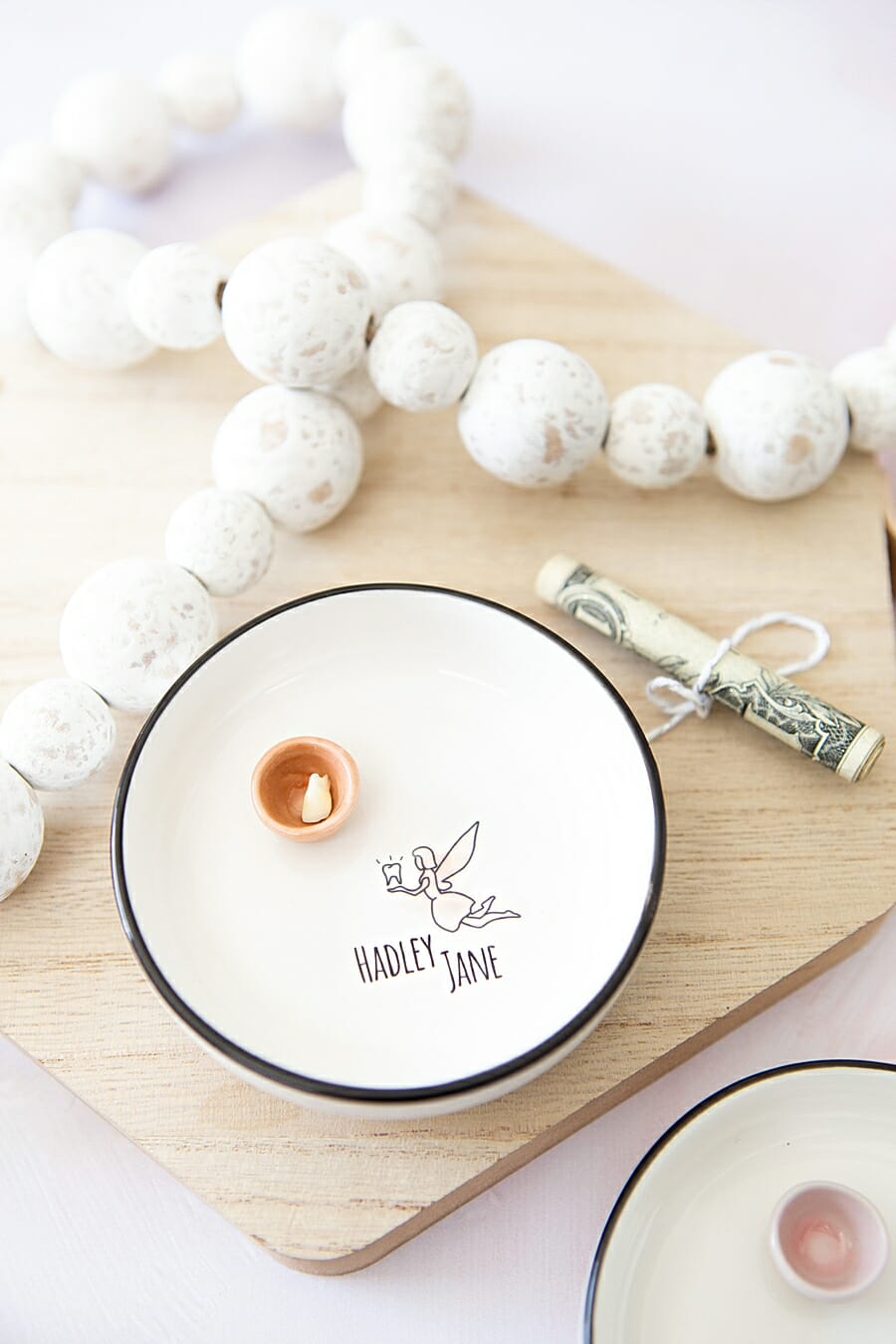
The Evolution of Childhood Milestones and the Customization Trend
For decades, the standard vessel for the "tooth-for-currency" exchange was a small fabric pillow, often adorned with a pocket. However, market analysis suggests that contemporary parents are increasingly seeking "heirloom-quality" items that can be tailored to a child’s specific nursery decor or personal identity. The introduction of the personalized dish method utilizes sauce dishes and dollhouse-scale bowls to create a tiered pedestal design. This structural change is not merely aesthetic; it provides a stable platform for the exchange of currency, specifically addressing the logistical challenges of retrieving small items from under a sleeping child’s pillow.
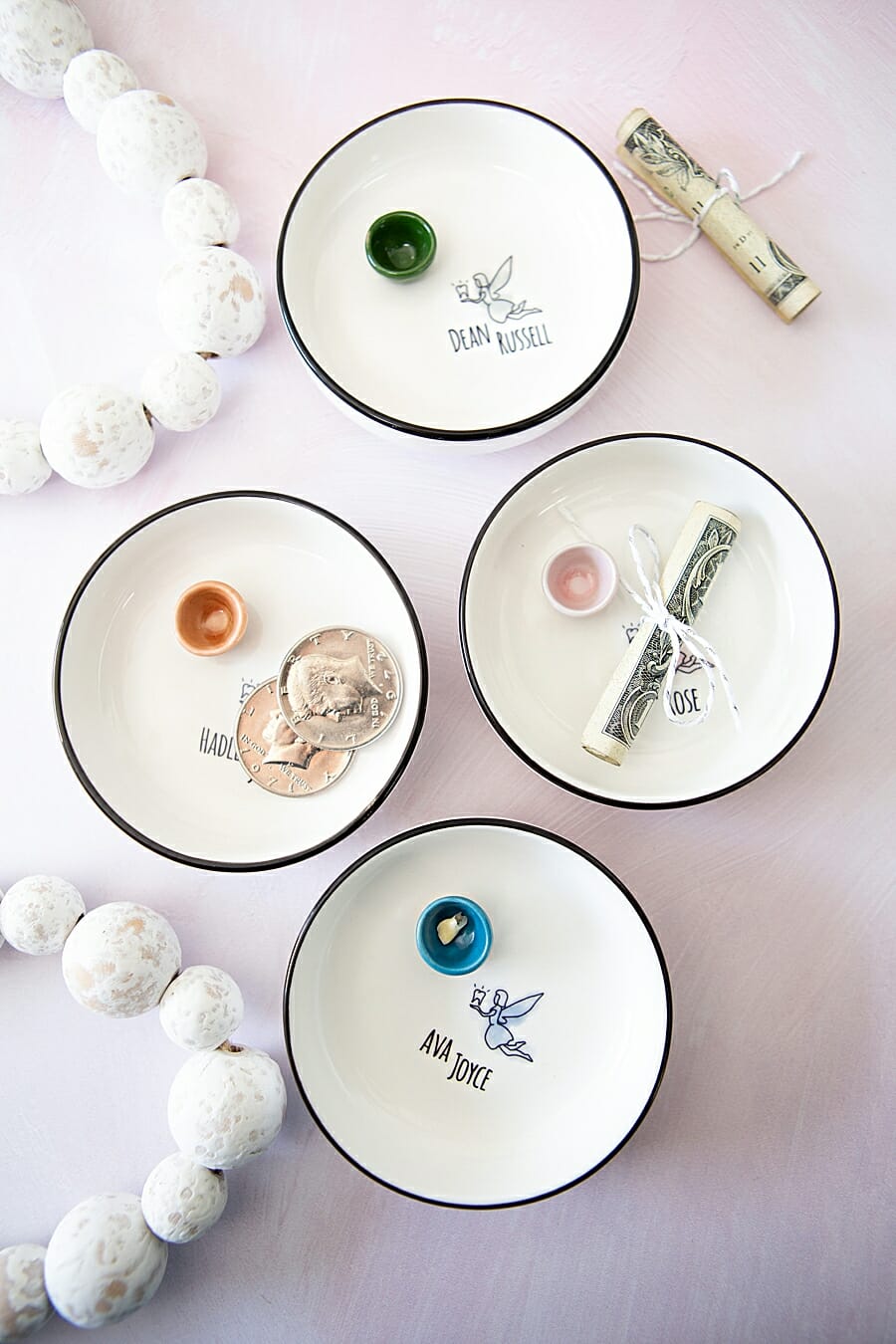
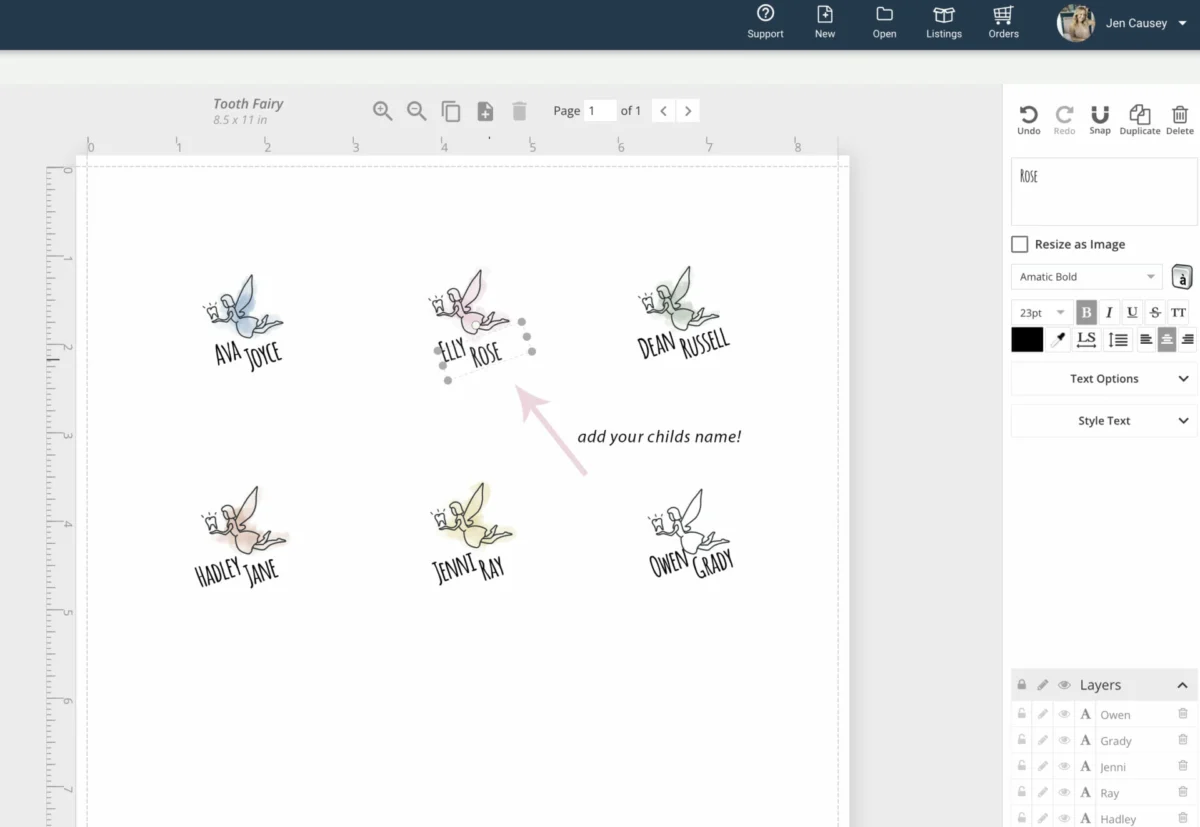
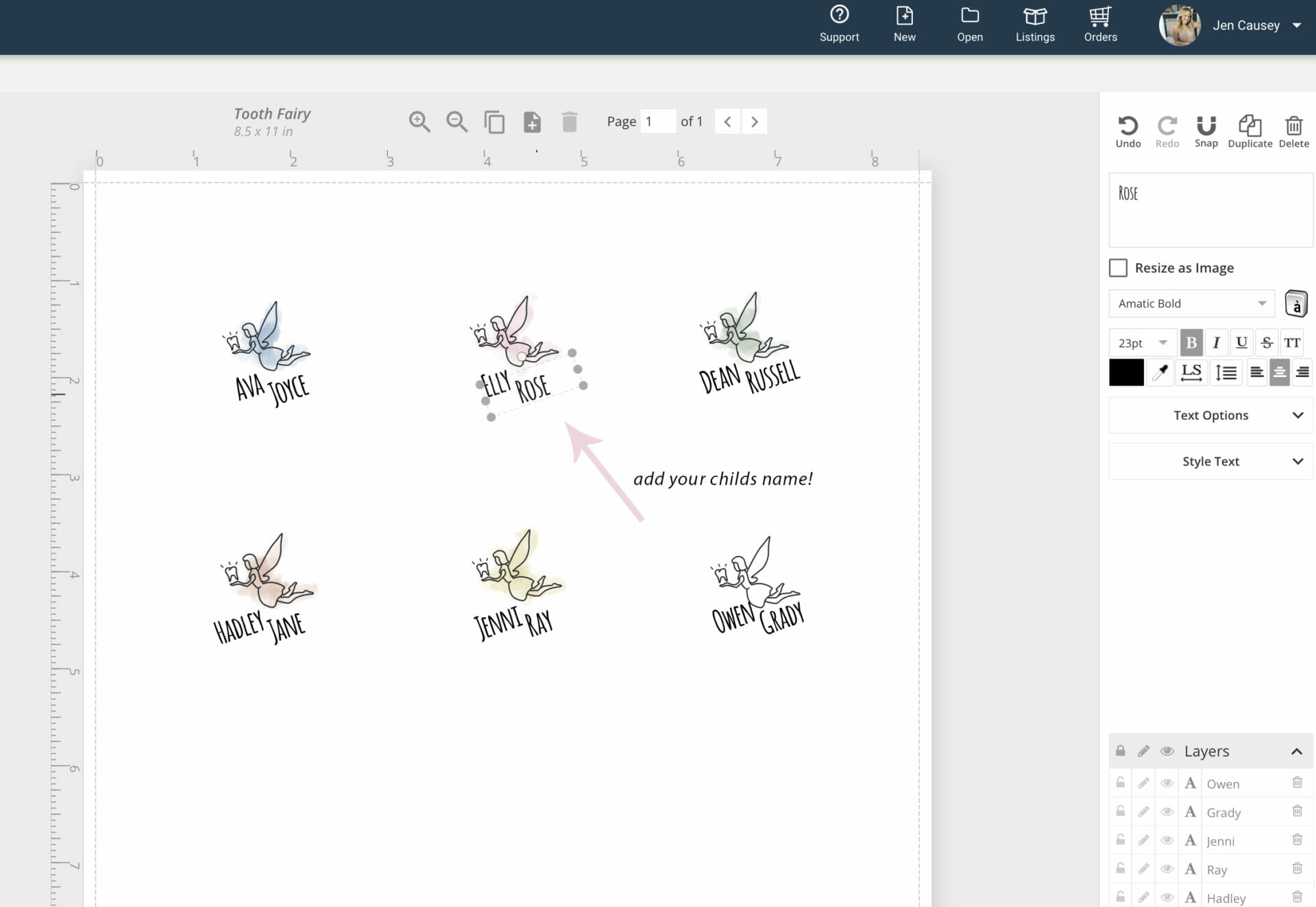
The personalization aspect is powered by Corjl, a digital platform that allows users to edit designs in real-time. This integration of Software as a Service (SaaS) into the hobbyist crafting market has lowered the barrier to entry for professional-grade graphic design. Consumers can now manipulate typography—specifically using fonts like Amatic Bold—and color palettes to match specific interior design schemes. This level of granular control was previously reserved for professional artisans but is now available to the average consumer with a home printer.
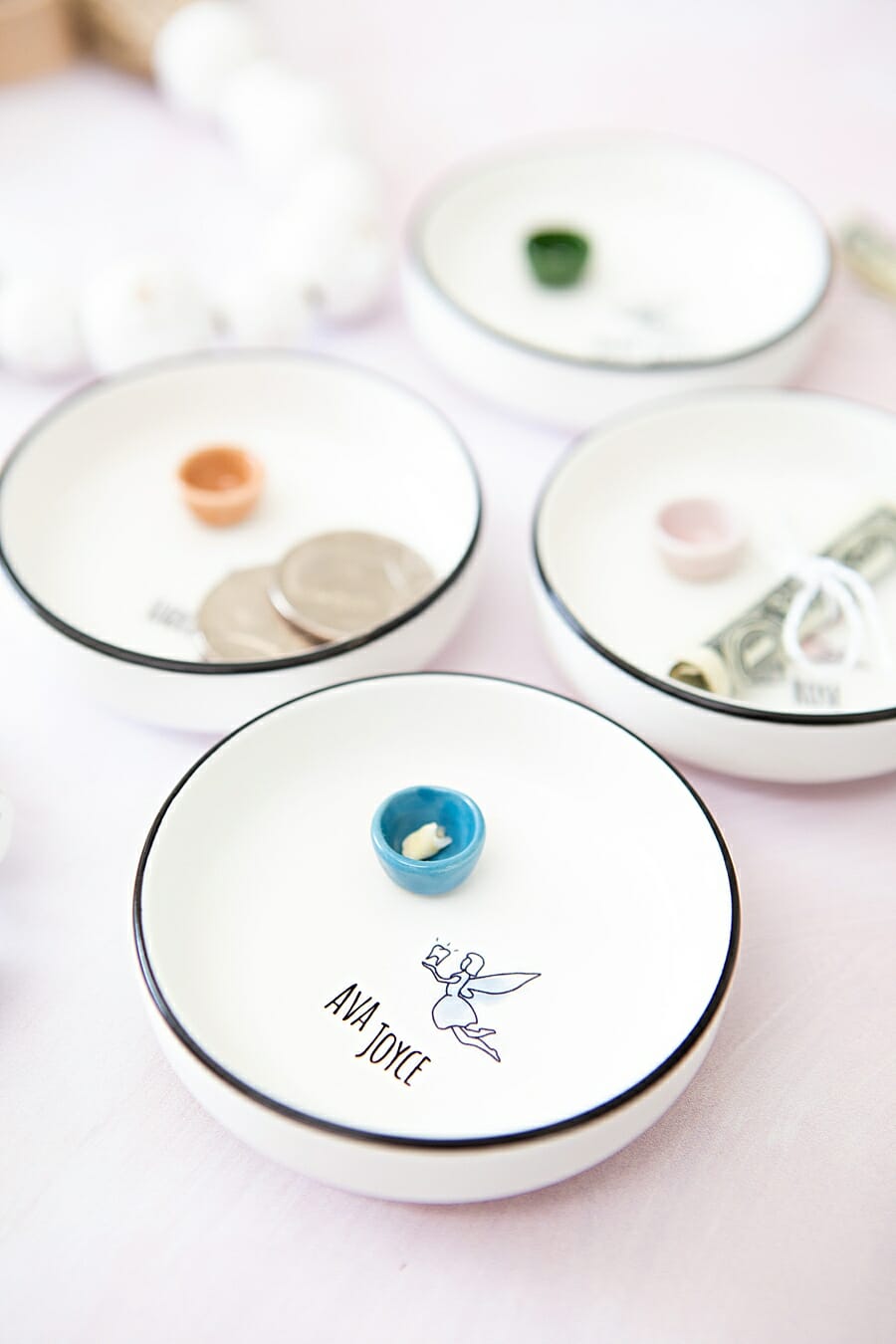
Technical Specifications and Material Analysis
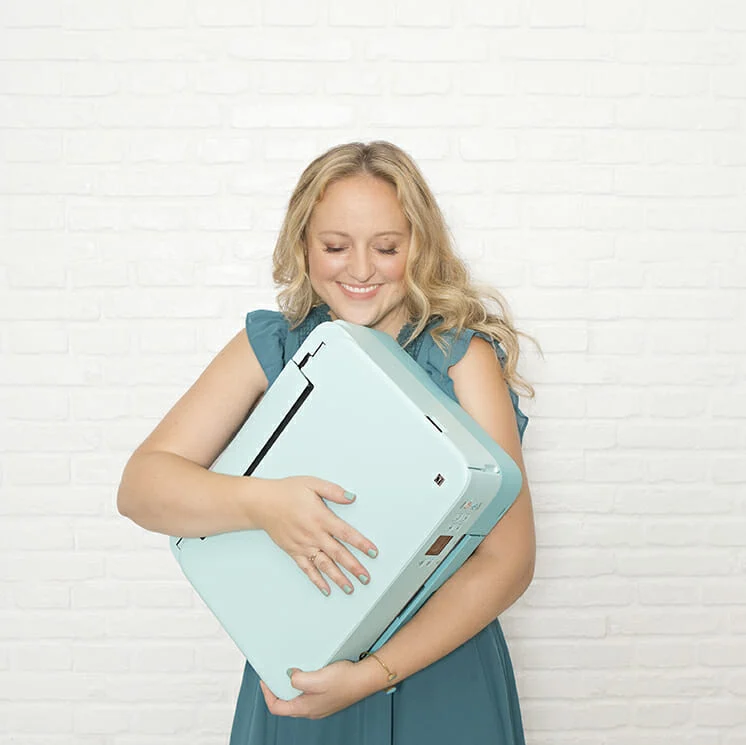
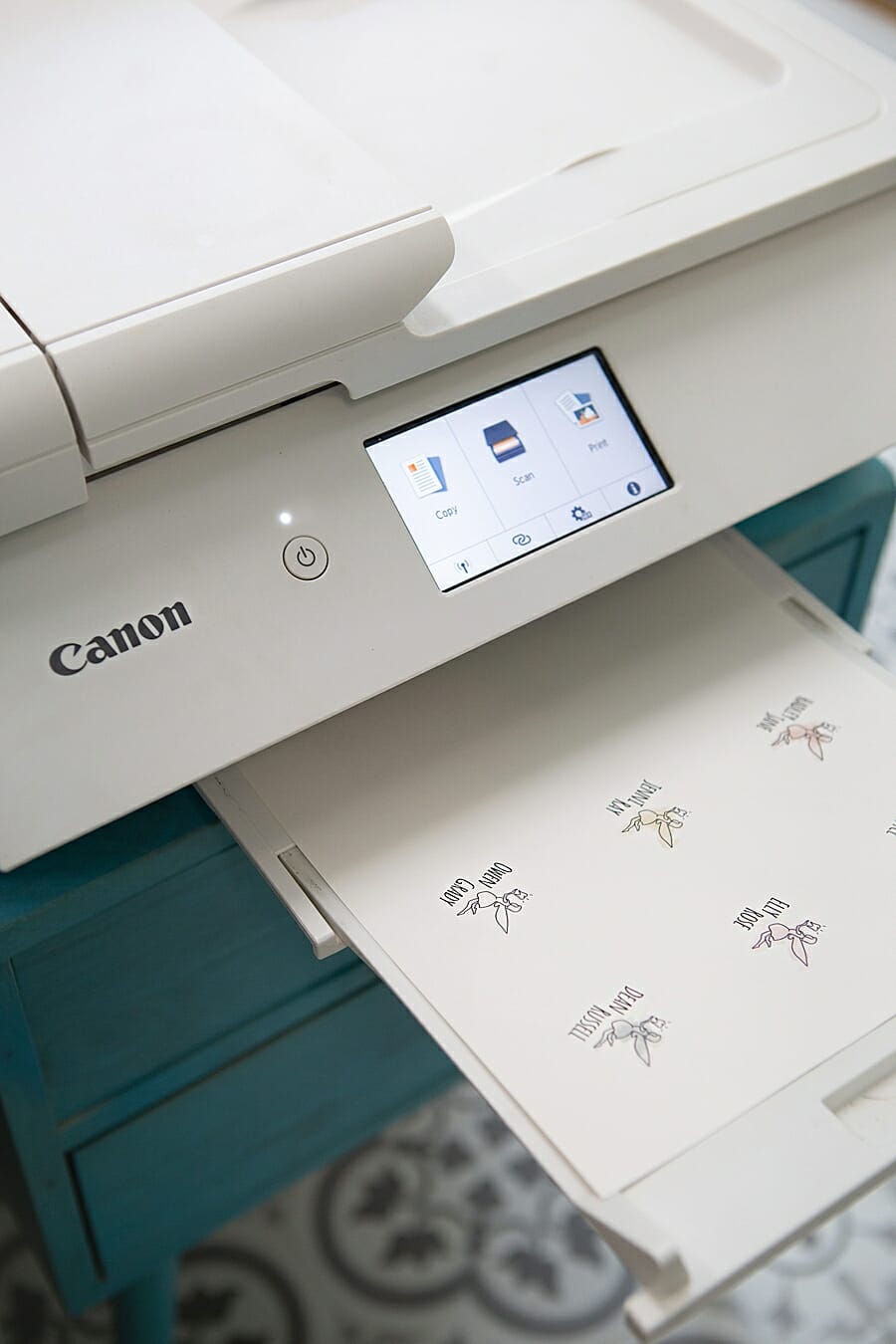
The success of the custom tooth fairy dish relies on a specific sequence of chemical and mechanical processes. The primary medium is inkjet waterslide paper, a sophisticated transfer material that utilizes a water-activated dextrose coating. When printed with a standard inkjet printer, such as the Canon PIXMA TS9521C, the ink sits atop a thin film.
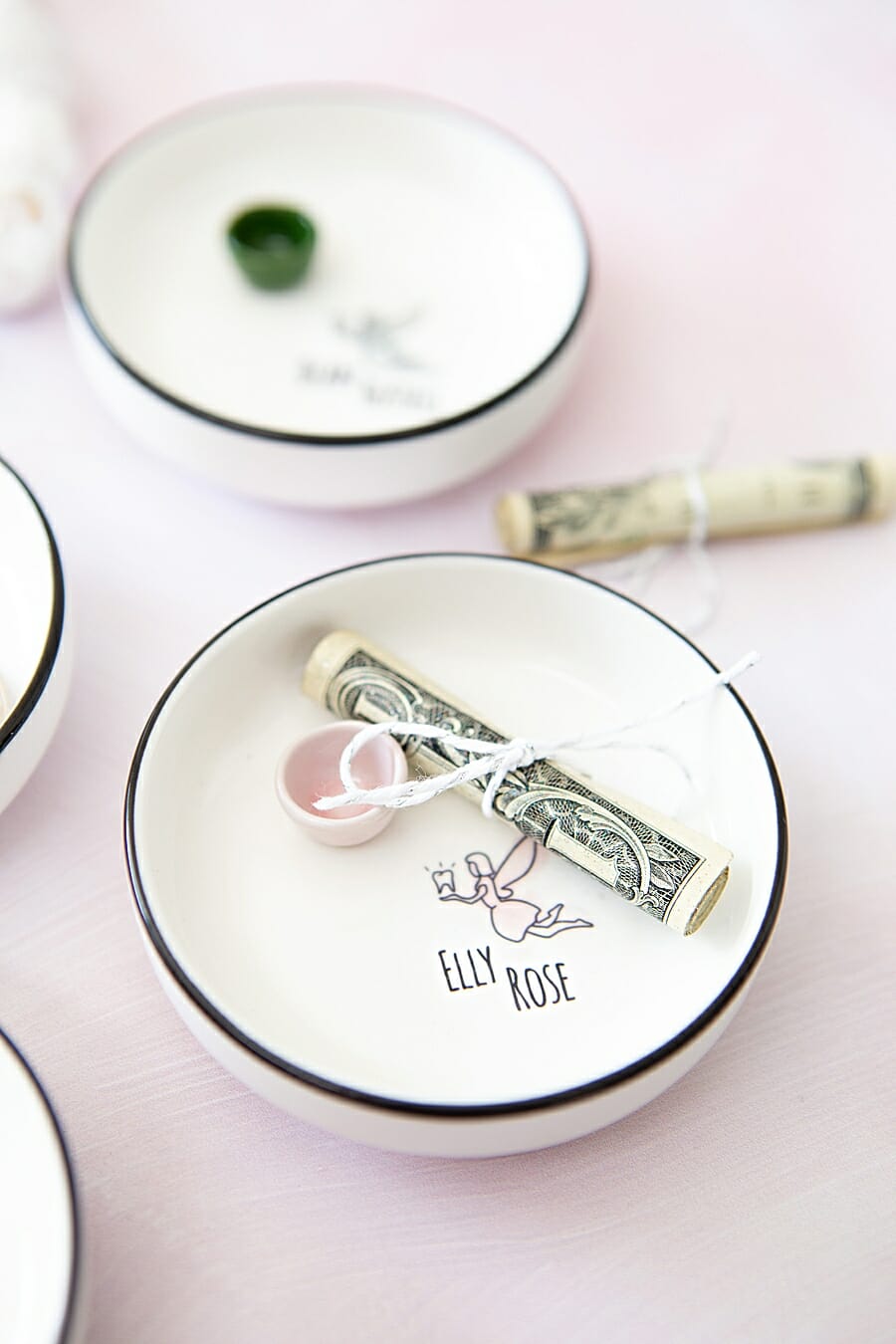
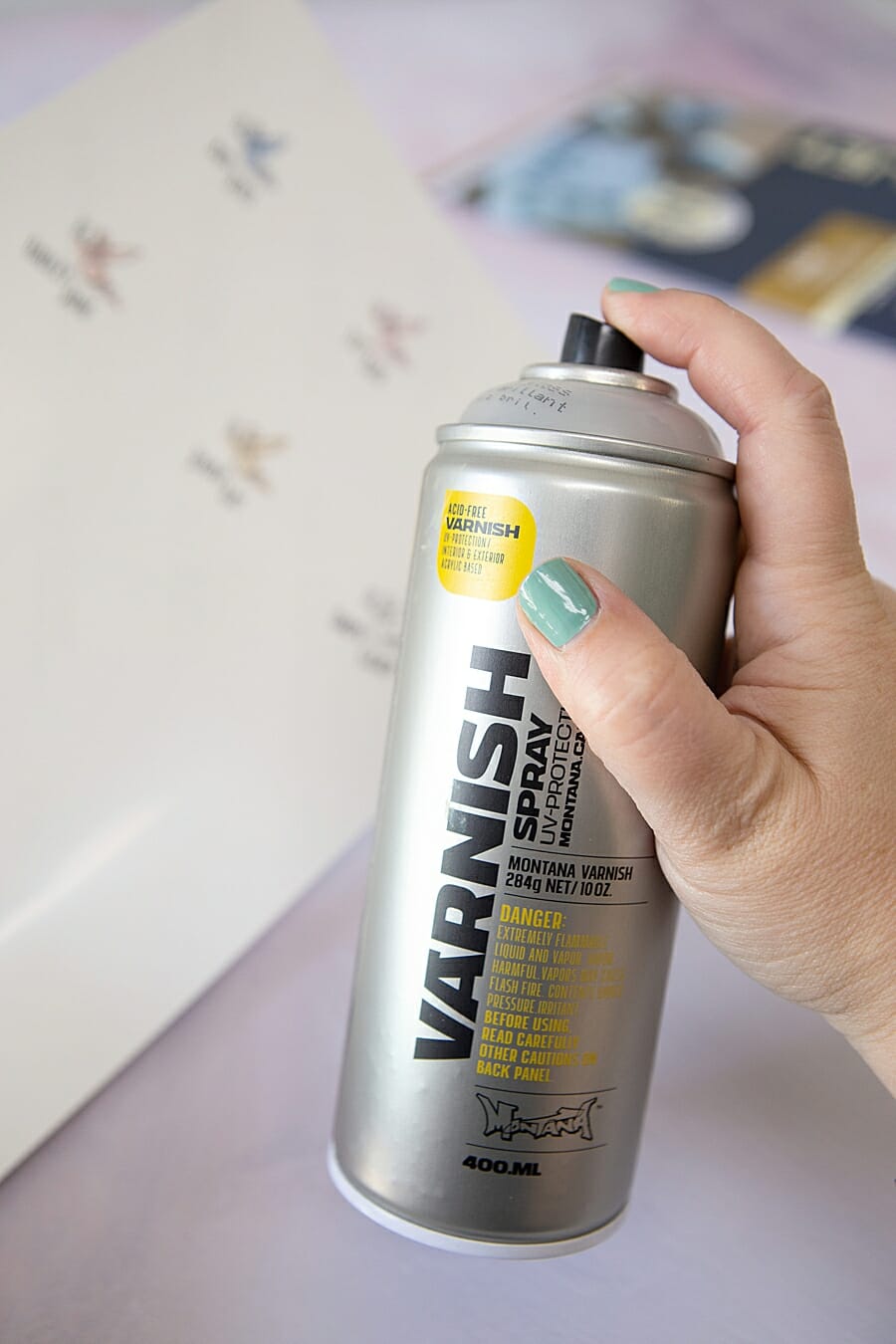
To ensure the longevity of the design, the process requires a sealing phase using a clear varnish. Technical specifications from Montana, a leading manufacturer of specialized sprays, suggest a triple-coat application with precise drying intervals to prevent ink bleed and ensure UV resistance. The final assembly utilizes cyanoacrylate-based adhesives, specifically Gorilla Glue, to bond the ceramic sauce dish with a miniature dollhouse bowl. This creates a "pedestal" effect, elevating the dish’s profile.
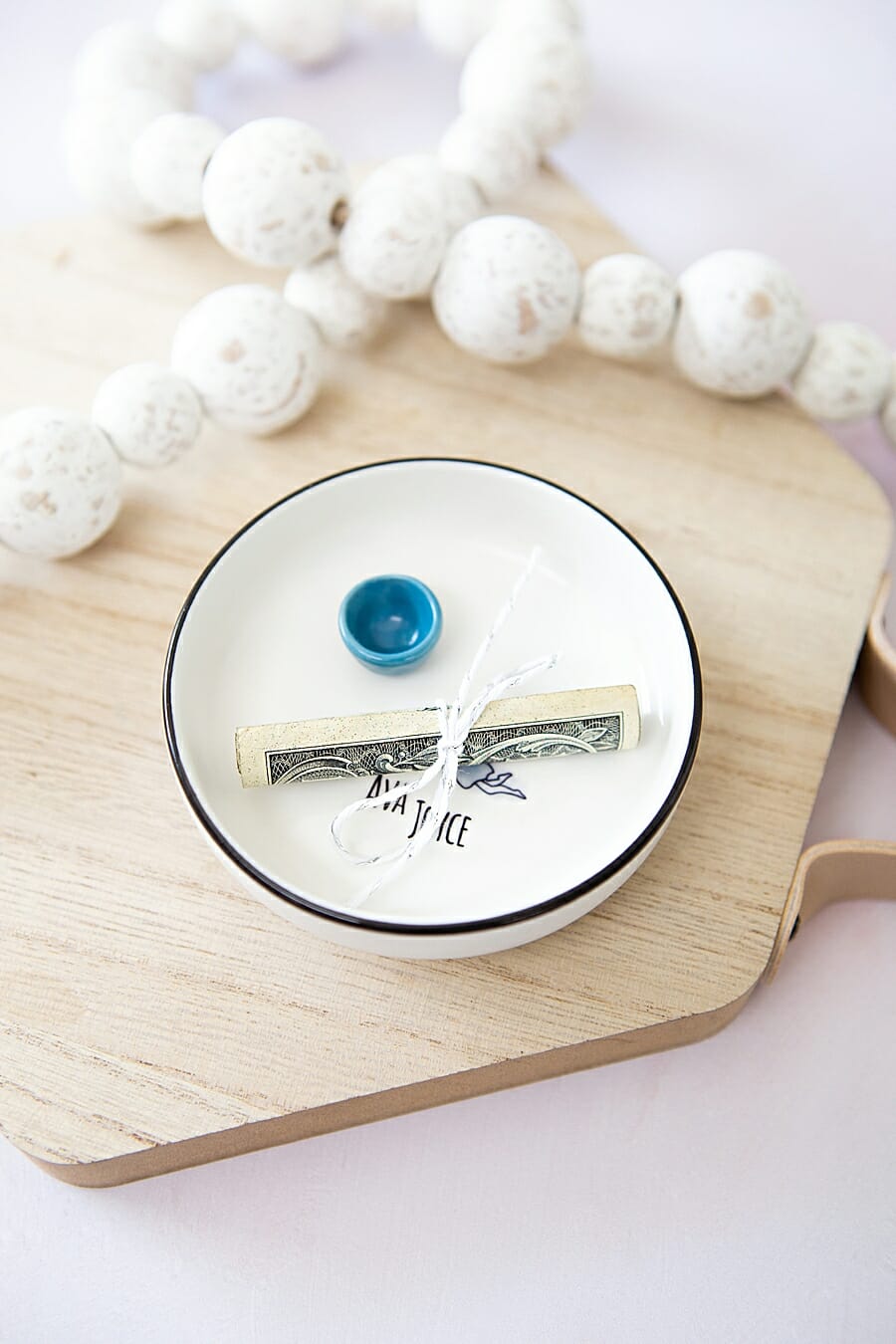
From a safety and regulatory standpoint, it is critical to note that these items are classified as decorative rather than functional dinnerware. Because the waterslide decals and clear varnishes are not rated as food-safe by the FDA, the project is strictly limited to holding non-edible items such as teeth and currency. Furthermore, the lack of high-heat firing means the items are not dishwasher-safe, requiring a specialized care regimen to maintain the integrity of the decal.
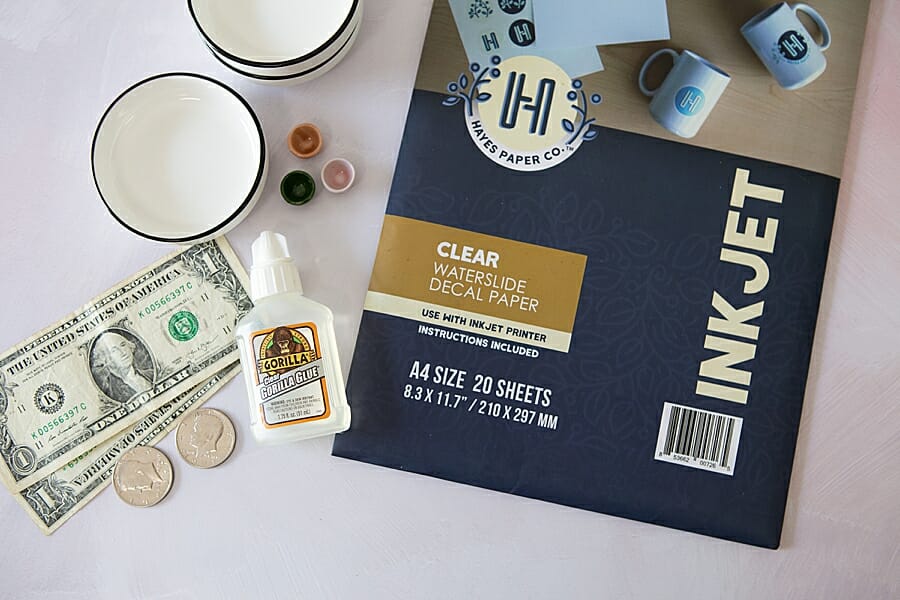
Chronological Methodology of Production
The production of a personalized tooth fairy dish follows a rigorous six-step protocol to ensure structural integrity and visual clarity:
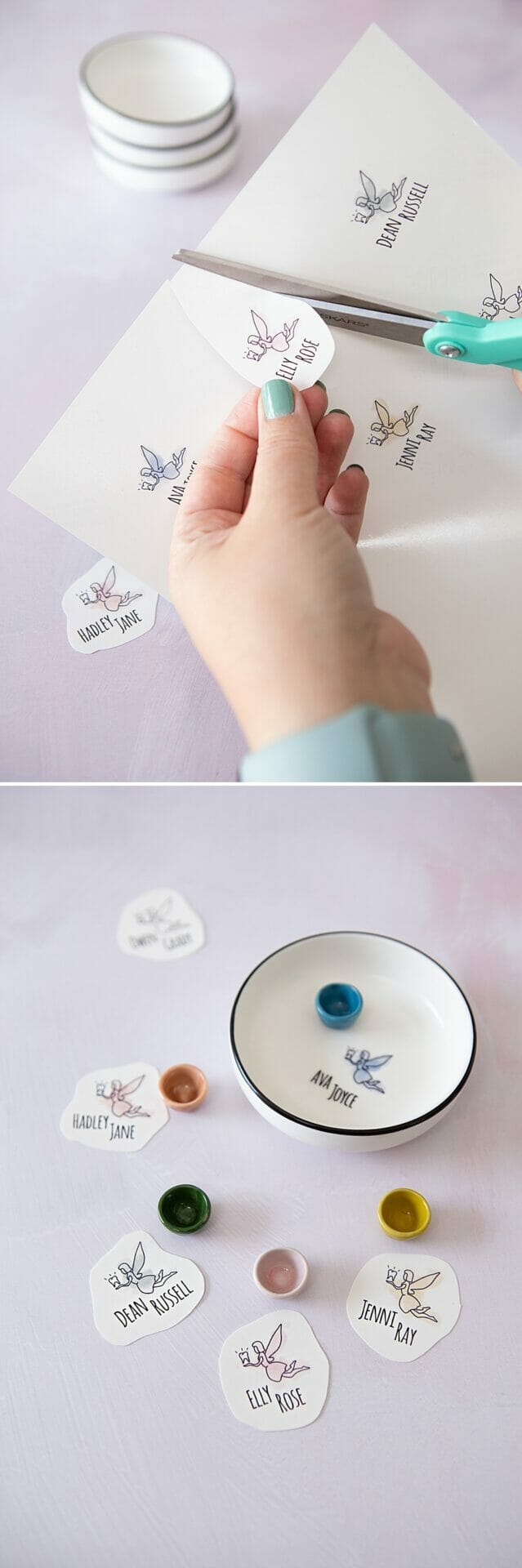
- Digital Customization: The user accesses a template via the Corjl interface, allowing for the input of names and the selection of color-matched fairy decals (available in green, peach, pink, blue, and yellow).
- High-Resolution Printing: The design is rendered onto inkjet waterslide paper. Industry standards recommend the "Best Quality" photo setting to maximize ink density. A five-minute rest period is required post-printing for the ink to stabilize.
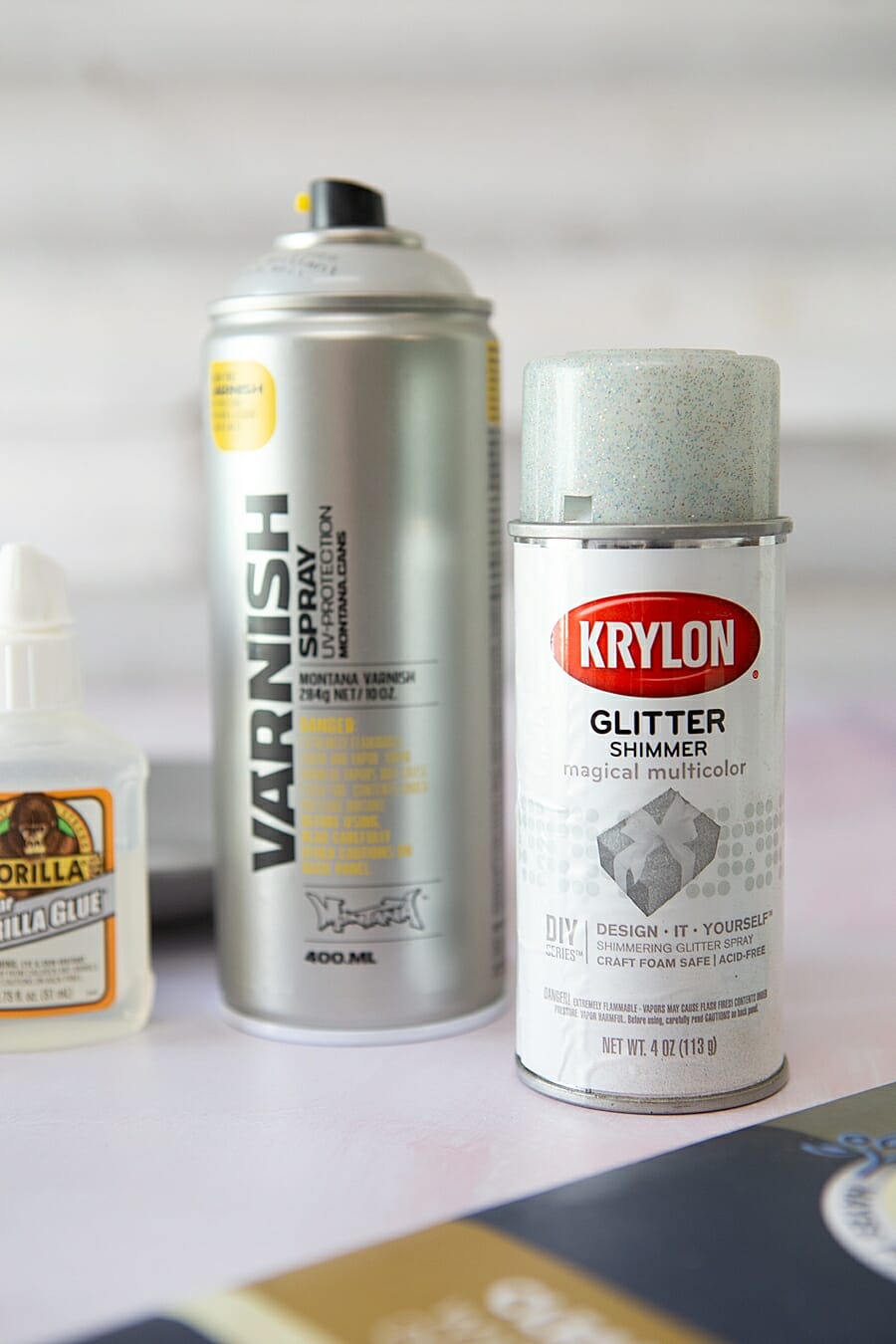
- Chemical Sealing: A clear varnish is applied in three distinct layers. Each layer requires a one-minute drying period, followed by a final 10-minute cure, ideally in a low-humidity environment or direct sunlight to accelerate polymerization.
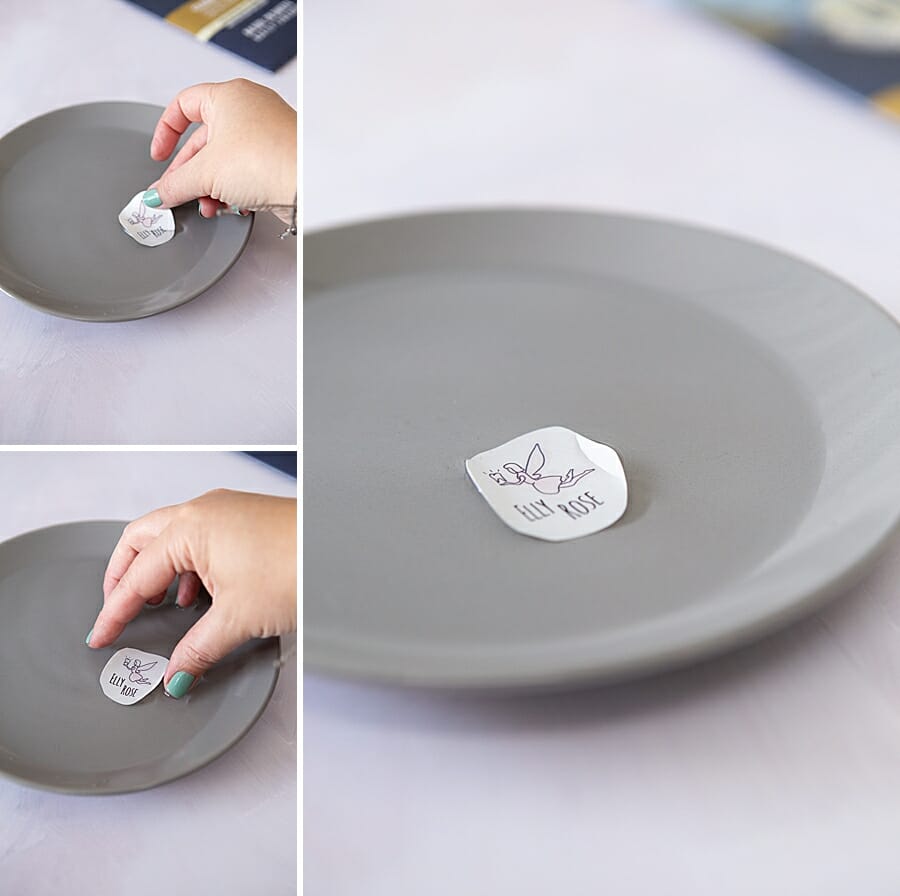
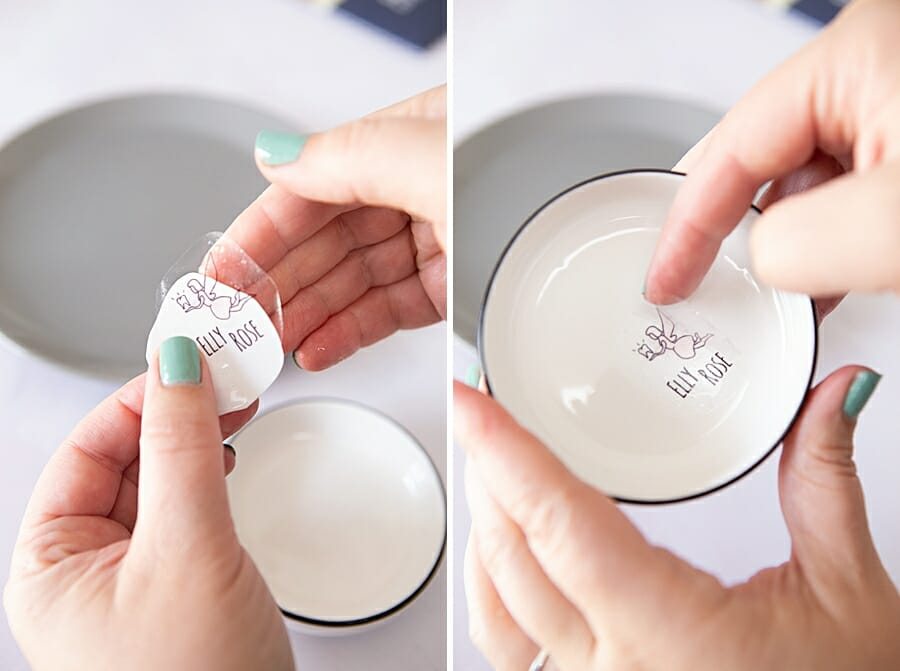
- Precision Decoupage: The decal is trimmed to within 1/8" of the design and submerged in room-temperature water for 30 seconds. This dissolves the water-soluble adhesive, allowing the film to slide onto the ceramic substrate.
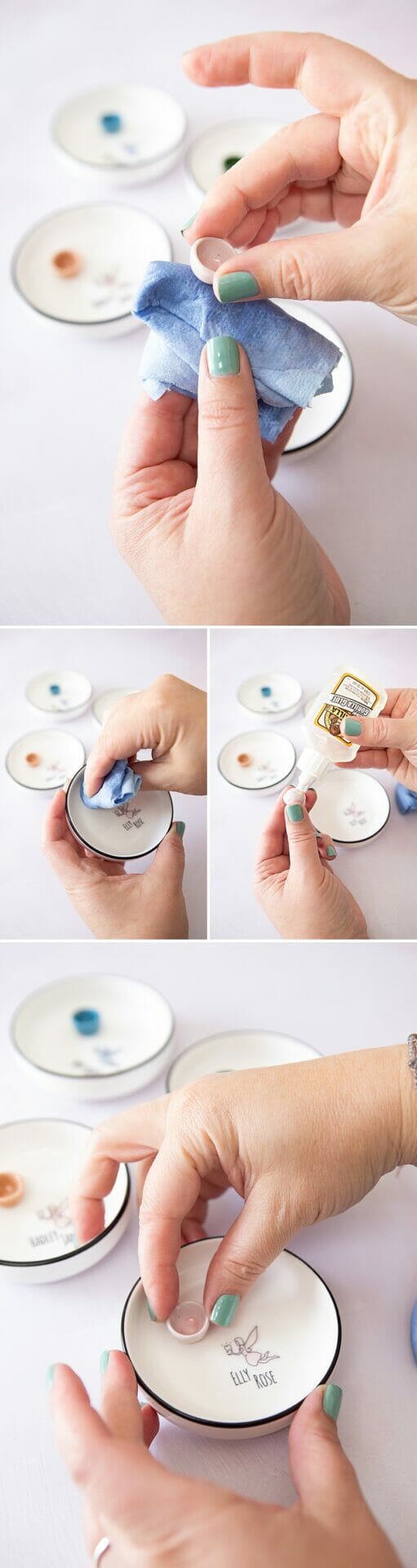
- Structural Bonding: The secondary ceramic component (the dollhouse bowl) is attached to the primary dish using a moisture-activated adhesive. Both surfaces must be dampened to ensure the strongest possible bond.
- Curing Phase: A mandatory three-day drying period is required before the item can be handled or put into service. This allows the adhesive to reach full tensile strength and the decal to fully adhere to the ceramic glaze.
The Economic Landscape of the Tooth Fairy Tradition
The rise of high-effort DIY projects like the tooth fairy dish coincides with a notable increase in the "Tooth Fairy Economy." According to the 2023 Delta Dental Tooth Fairy Poll, the average value of a single lost tooth in the United States has reached a record high of $6.23, a 16% increase from the previous year. In some regions, particularly the West Coast, the average price per tooth has climbed to nearly $7.00.
This inflation in the monetary exchange has led to a corresponding increase in the "presentation" of the gift. Parents are no longer simply leaving a crumpled bill; they are engaging in "value-added" behaviors such as polishing coins or applying glitter spray to currency to create "fairy dust" effects. The personalized dish serves as the centerpiece for this high-engagement parenting style, providing a dedicated "theatrical" space for the ritual.
Industry Responses and Expert Analysis
Child development experts suggest that the move toward personalized, tangible objects for childhood rituals can have psychological benefits. "Creating a dedicated, physical space for a transition like losing a tooth helps children process the physical changes they are experiencing," says Dr. Elena Aris, a child psychologist specializing in childhood development through play. "When a parent involves the child in the creation of a dish, or presents a personalized item, it reinforces a sense of identity and security."
From a retail perspective, the "Something Turquoise" project highlights the shifting power dynamics between big-box retailers and independent creators. By providing the digital assets and a curated list of components (sourced primarily from Amazon), creators like Jen Causey-Kidder are effectively "unbundling" the traditional retail experience. Instead of buying a finished product, consumers are buying the "experience" of creation and the "assurance" of customization.
Broader Implications for the DIY Personalization Market
The success of the personalized tooth fairy dish is indicative of a larger trend in the $50 billion global handicrafts market. As technology continues to bridge the gap between professional manufacturing and home crafting, the "prosumer" class is expanding. The use of waterslide paper, once the domain of model airplane enthusiasts and professional ceramicists, is now a staple of the "mom-blogger" and "Pinterest-parent" demographics.
Furthermore, the integration of social media platforms like Instagram Reels into the instructional process has changed how technical knowledge is disseminated. The visual, short-form video format allows for a rapid "demonstration-to-adoption" cycle. When a creator shares a "live" build of a project, it provides immediate social proof of the project’s viability, driving sales of the underlying components and digital templates.
Conclusion and Future Outlook
The transition from the tooth fairy pillow to the personalized ceramic dish is more than a simple change in material; it is a reflection of the modern intersection of technology, tradition, and the creator economy. By leveraging accessible digital tools and specialized transfer materials, parents are able to create bespoke artifacts that commemorate childhood milestones with a level of sophistication previously unattainable.
As the DIY market continues to evolve, it is expected that more traditional childhood rituals will be "disrupted" by similar high-customization projects. The demand for unique, photogenic, and personalized items shows no signs of waning, ensuring that the "Tooth Fairy" and her associated rituals will continue to be a fertile ground for creative innovation. For those participating in this new wave of crafting, the reward is twofold: a unique keepsake for the child and a sense of creative agency for the parent. Those who complete these projects are encouraged to share their results via social media using dedicated hashtags like #somethingturquoisediy, further fueling the cycle of inspiration and consumption in the digital age.