

Consumer trends in the fourth quarter of the calendar year are increasingly shifting toward personalized, high-utility holiday traditions, as modern families seek alternatives to mass-produced seasonal goods. A prominent example of this shift is the emergence of the "repurposed advent calendar," a movement characterized by the transition from pre-packaged, retail-bought toy countdowns to bespoke, hand-crafted systems designed to accommodate larger households. This trend is driven by a combination of economic strategic planning and a desire for sustained engagement throughout the month of December. For families with multiple children, the traditional $40-per-child retail advent calendar—often featuring repetitive plastic toys or low-grade trinkets—is being replaced by more robust, customized solutions that utilize household organizational tools, such as over-the-door shoe organizers, to manage the logistical challenges of a multi-child holiday countdown.
The Economic and Psychological Drivers of Customization
The shift toward DIY advent calendars is not merely a creative endeavor but a calculated response to the diminishing returns of the commercial advent market. Industry analysts note that while the advent calendar market has expanded to include luxury items, jewelry, and high-end electronics, the entry-level "toy" segment often suffers from "engagement fatigue." Parents frequently report that by the third week of December, children lose interest in the repetitive nature of themed sets, such as those focused exclusively on building blocks, plastic figurines, or basic accessories.
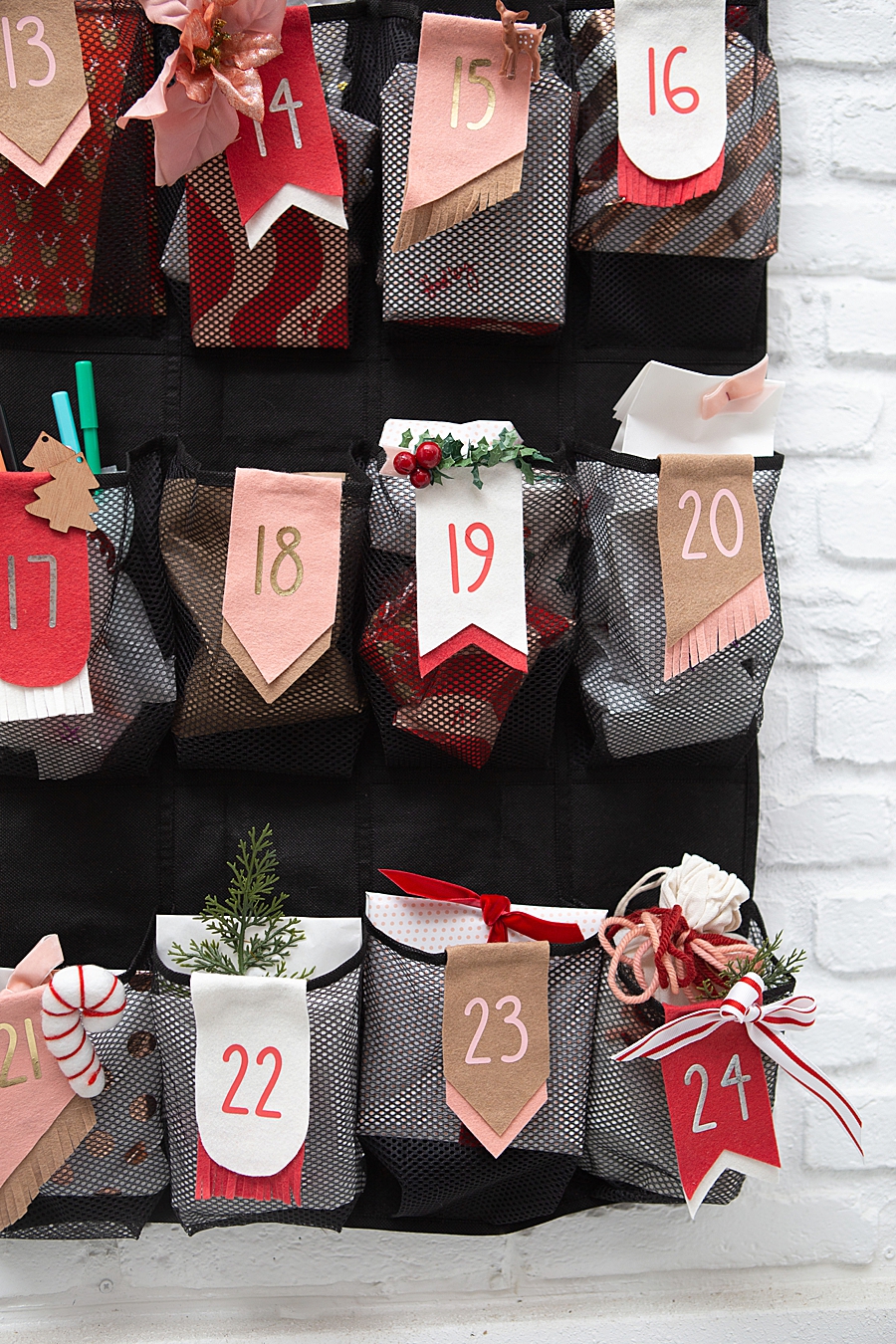
From a financial perspective, the "per-child" cost of the holiday season can escalate rapidly. In a household with four children, a standard $40 retail advent calendar represents a $160 investment. While the gross expenditure remains similar when transitioning to a DIY model—often hovering around the $150 to $160 mark for a full family set—the value proposition shifts. Instead of receiving 24 iterations of a single brand, children are provided with a curated selection of varied items ranging from tactile crafts to educational tools. This diversification of "gift equity" ensures that interest remains high throughout the 24-day period, providing a higher "return on enjoyment" for the same capital outlay.
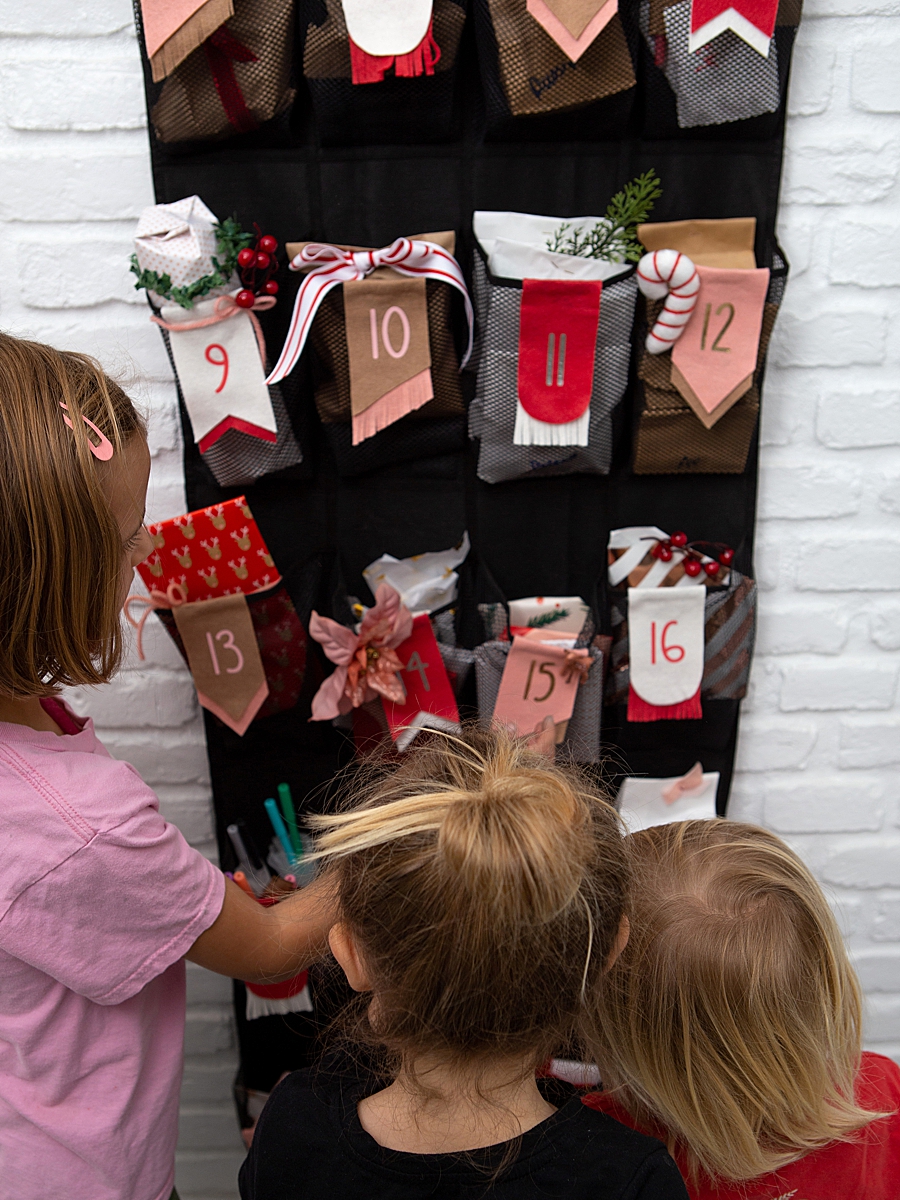
Structural Engineering: The Shoe Organizer as a Holiday Hub
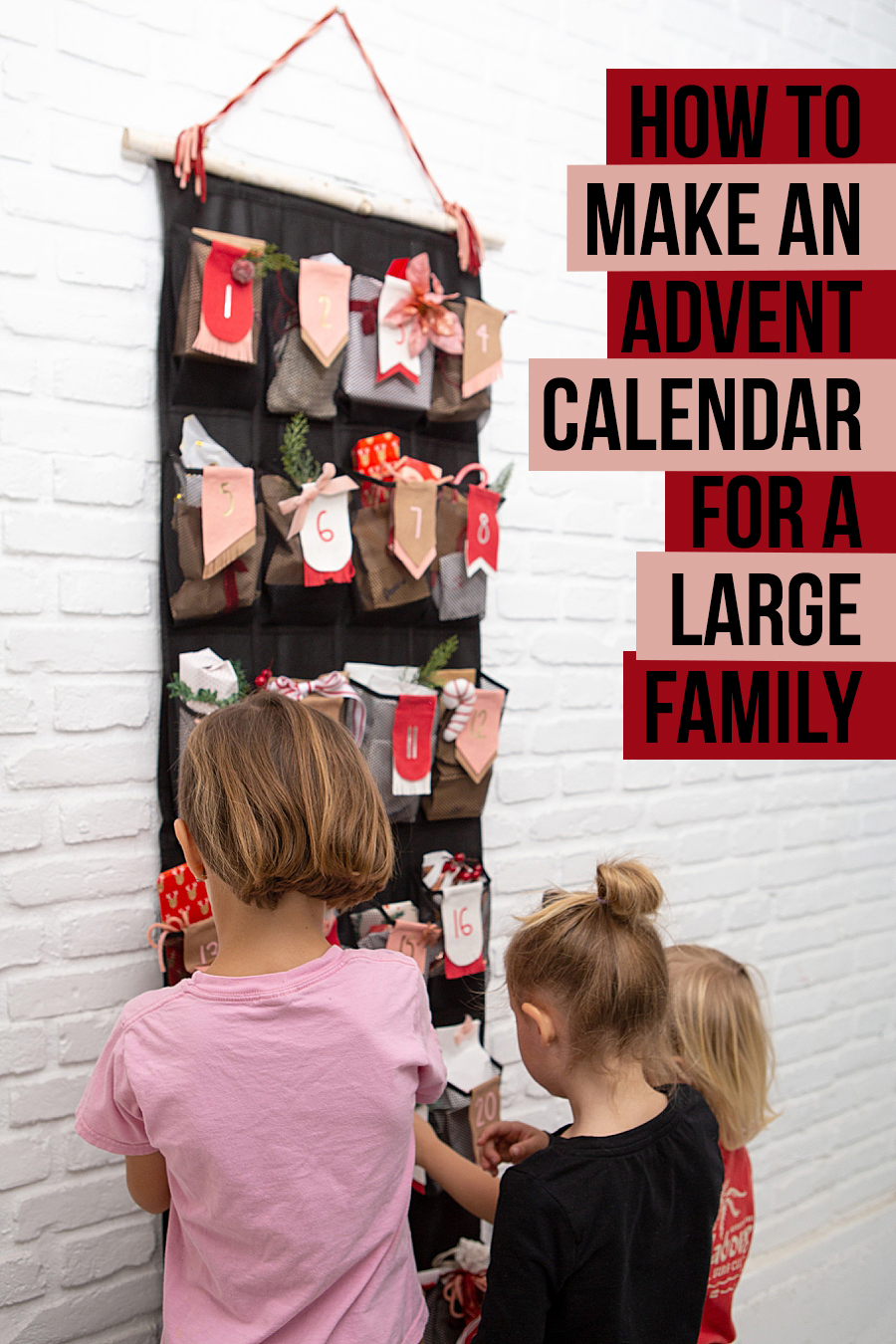
The logistical challenge of managing 96 individual gifts (24 days for four children) requires a structural solution that standard cardboard calendars cannot provide. The adoption of the over-the-door shoe organizer serves as a paradigm shift in holiday organization. These units, typically constructed from heavy-duty canvas or mesh, offer 24 distinct pockets, perfectly aligning with the traditional advent timeline.
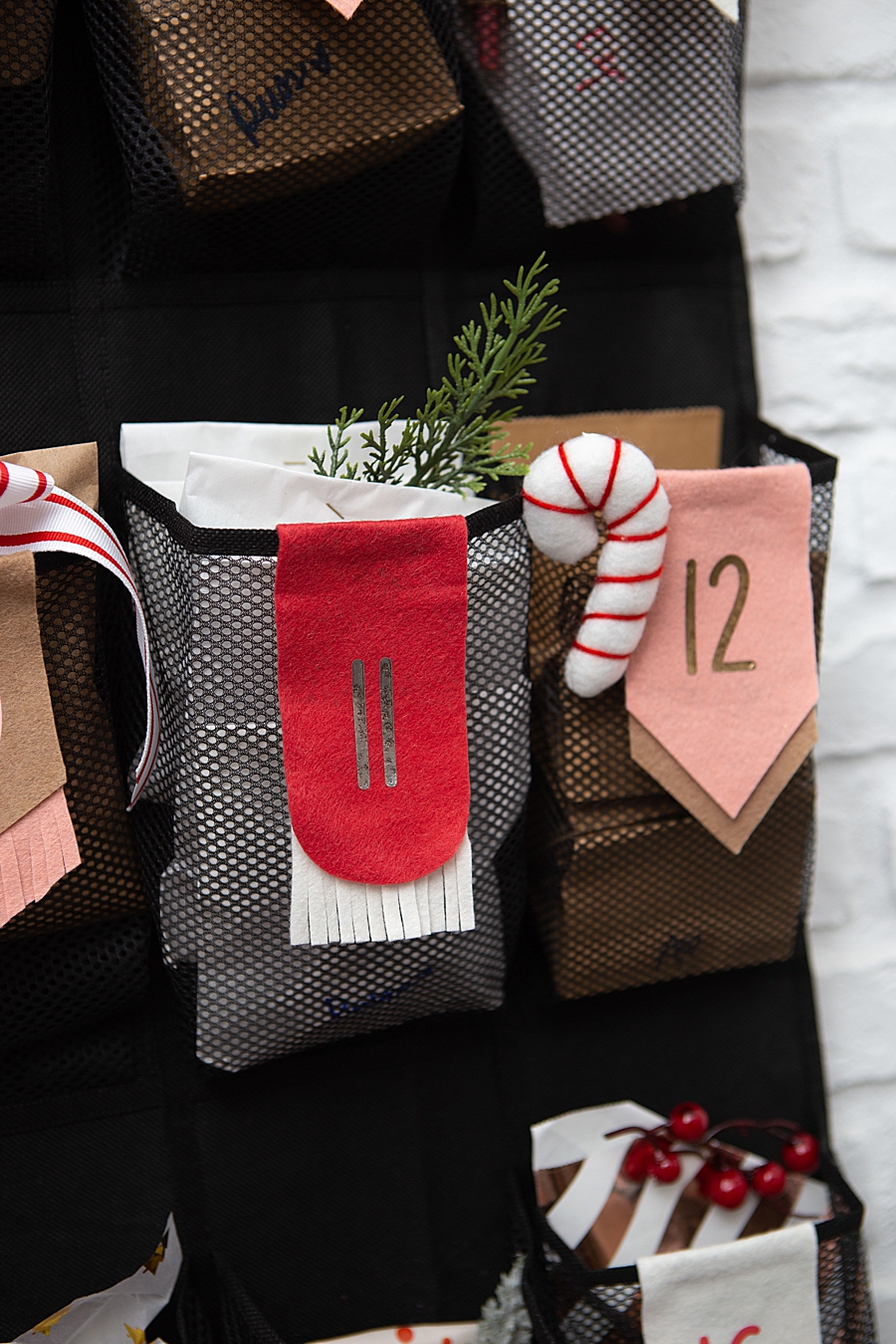
In the implementation developed by DIY expert Jen Causey-Kidder of the lifestyle platform Something Turquoise, the structural integrity of the calendar was reinforced to handle the significant weight of nearly 100 wrapped items. The project utilized a black back-of-the-door shoe rack as the primary chassis. To elevate the aesthetic and functional quality of the display, a white decorative branch was integrated as a suspension bar.
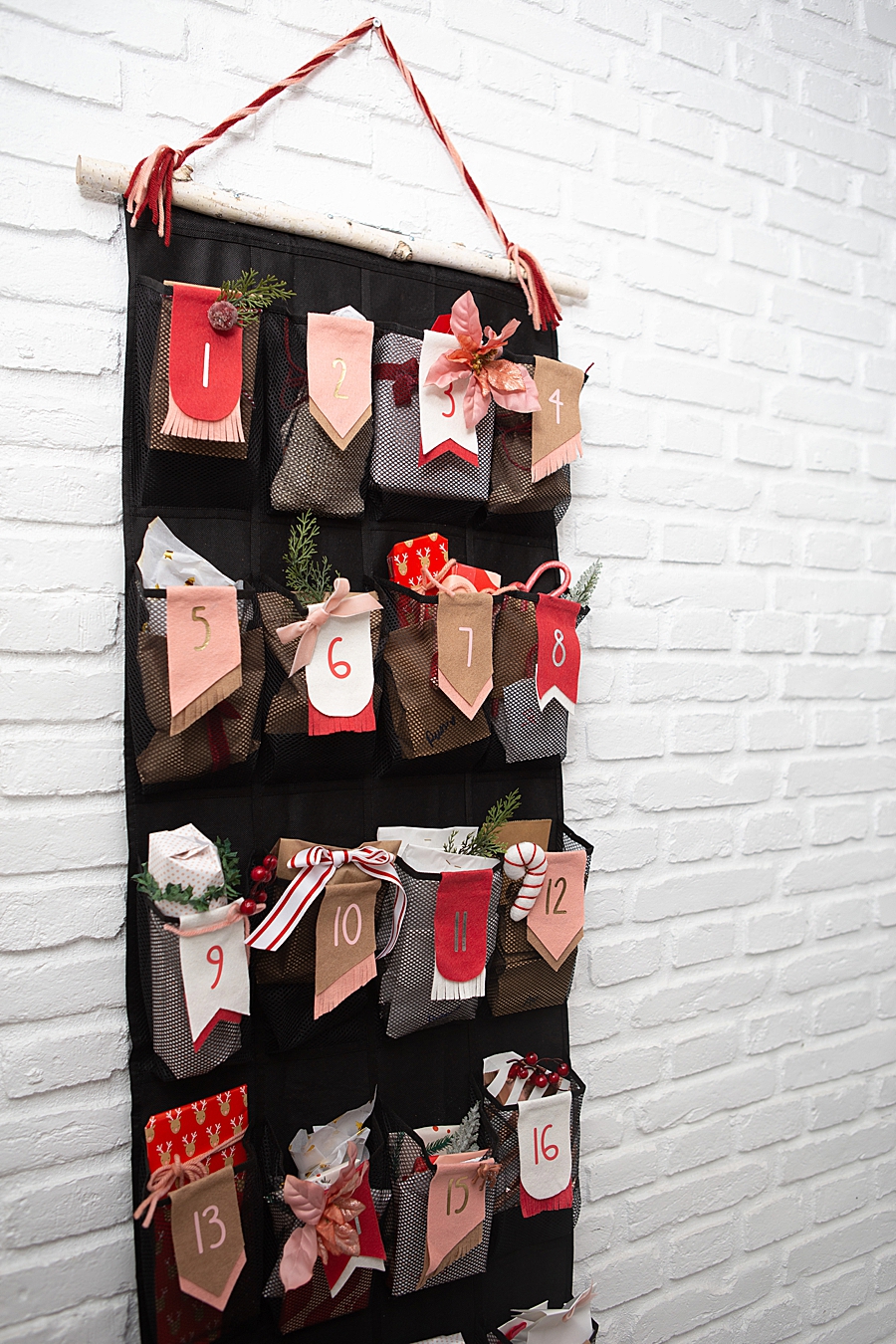
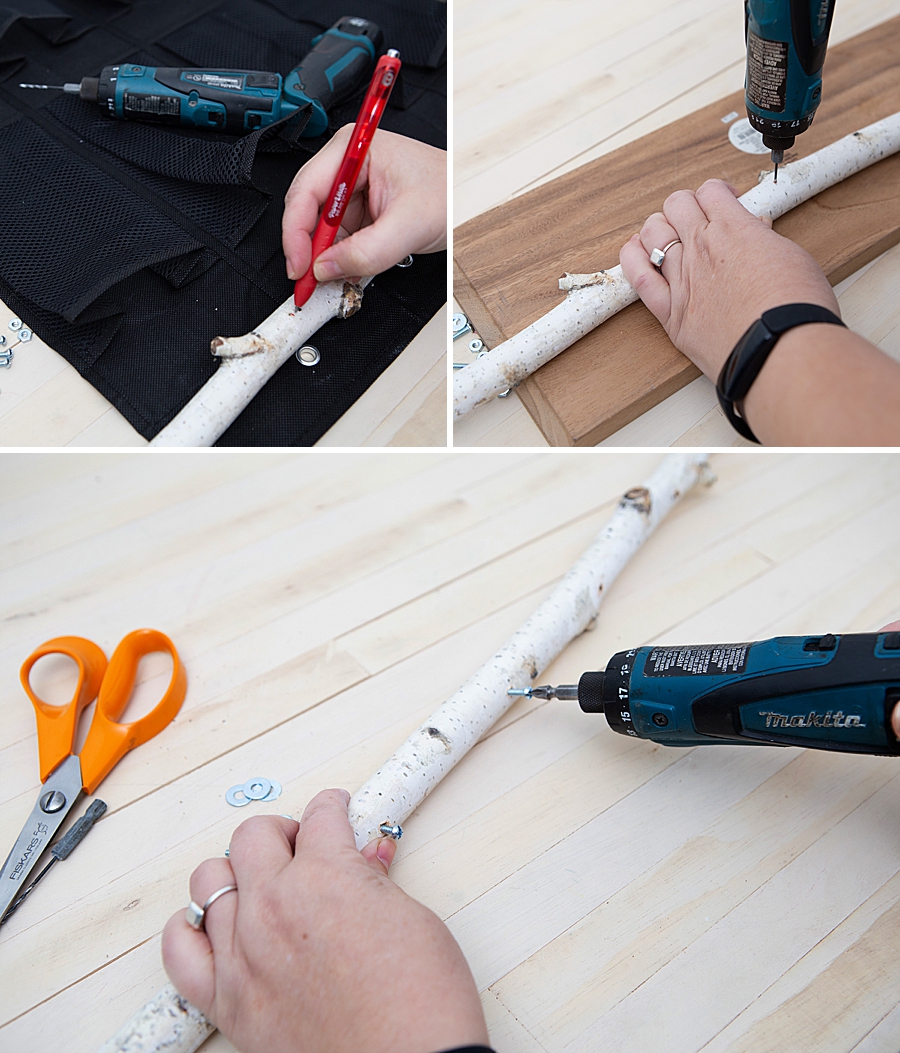
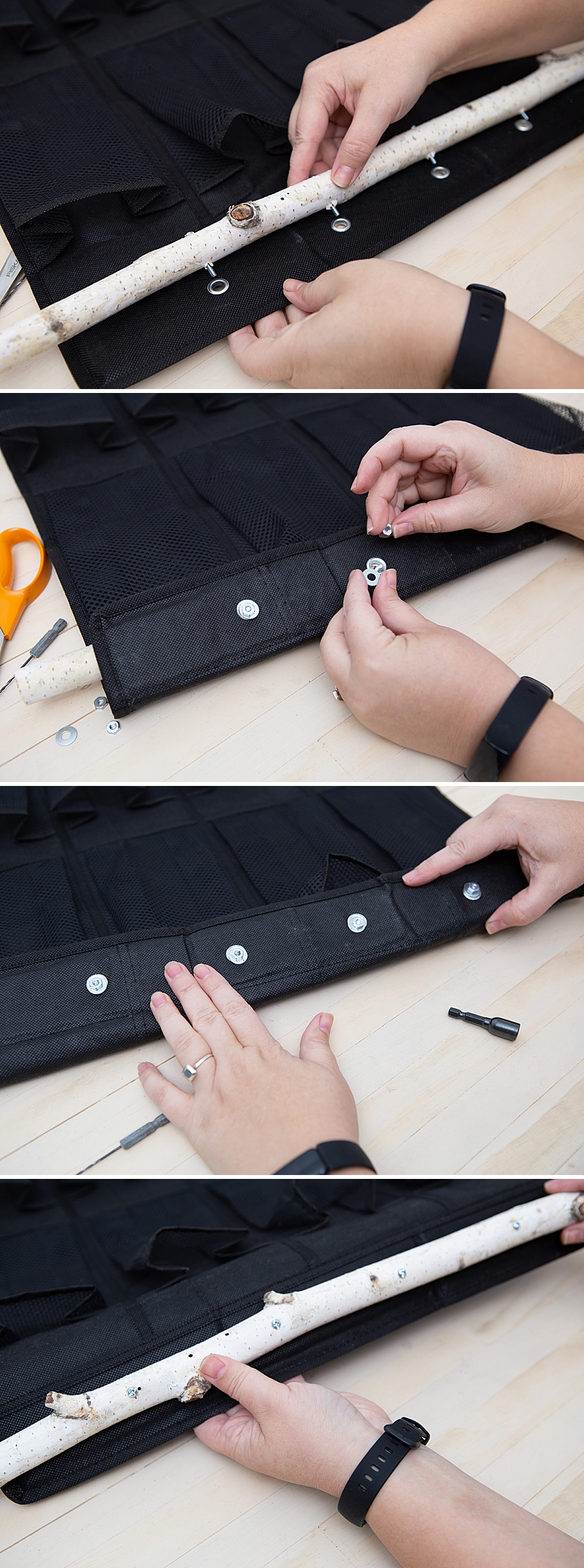
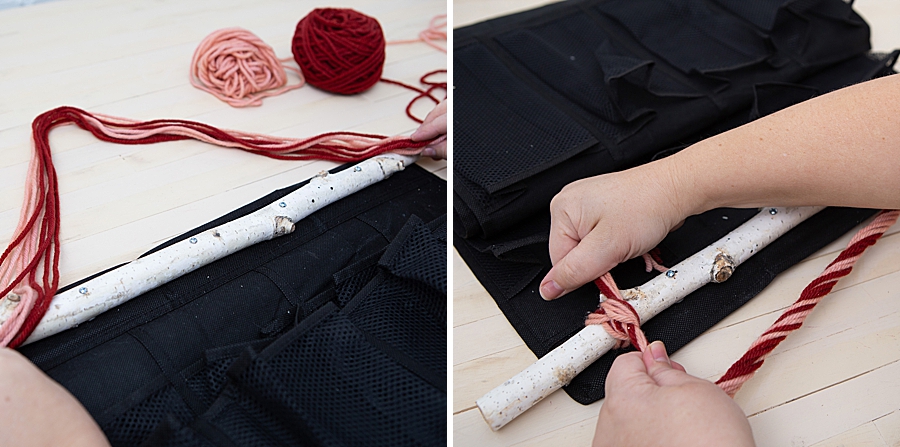
The assembly process involved high-precision hardware to ensure the calendar could withstand the daily interactions of young children. Causey-Kidder’s methodology included drilling through the wooden branch and securing it to the shoe holder using 1.25-inch bolts, washers, and nuts. This mechanical fastening system allowed the heavy unit to be hung securely using twelve strands of reinforced yarn. Such a robust mounting system is essential for families with toddlers, where the physical pull of retrieving gifts could easily dislodge a less secure adhesive or hook-based setup.
Chronology of the Construction Process
The development of a large-scale family advent calendar is a multi-stage operation that begins months before the December 1st deadline. The timeline for a successful implementation generally follows a structured path:

- Procurement and Curation (October – November): The most time-intensive phase involves the strategic gathering of 24 unique types of items. Sourcing occurs across various retail sectors, including discount stores, craft suppliers, and specialty boutiques.
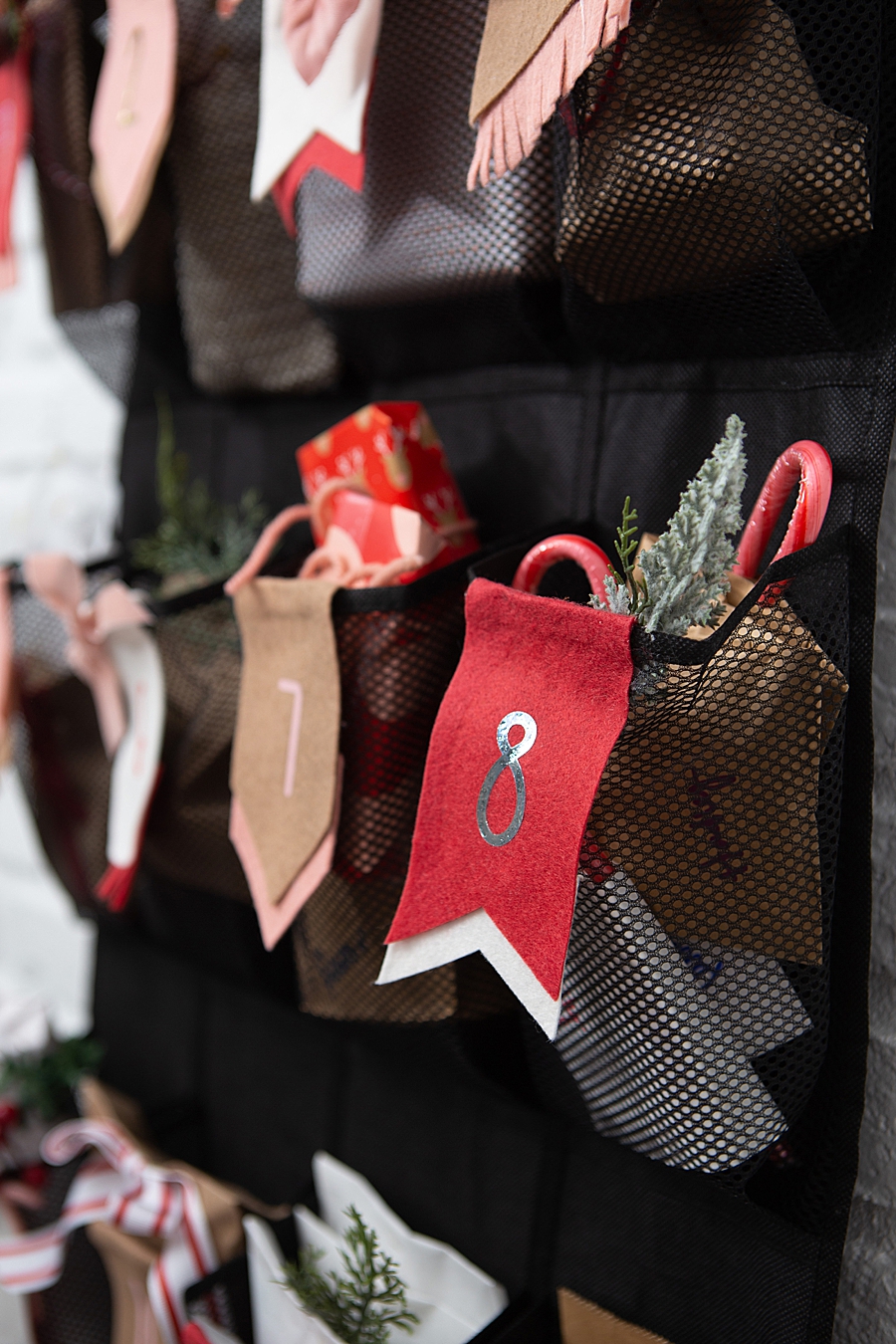
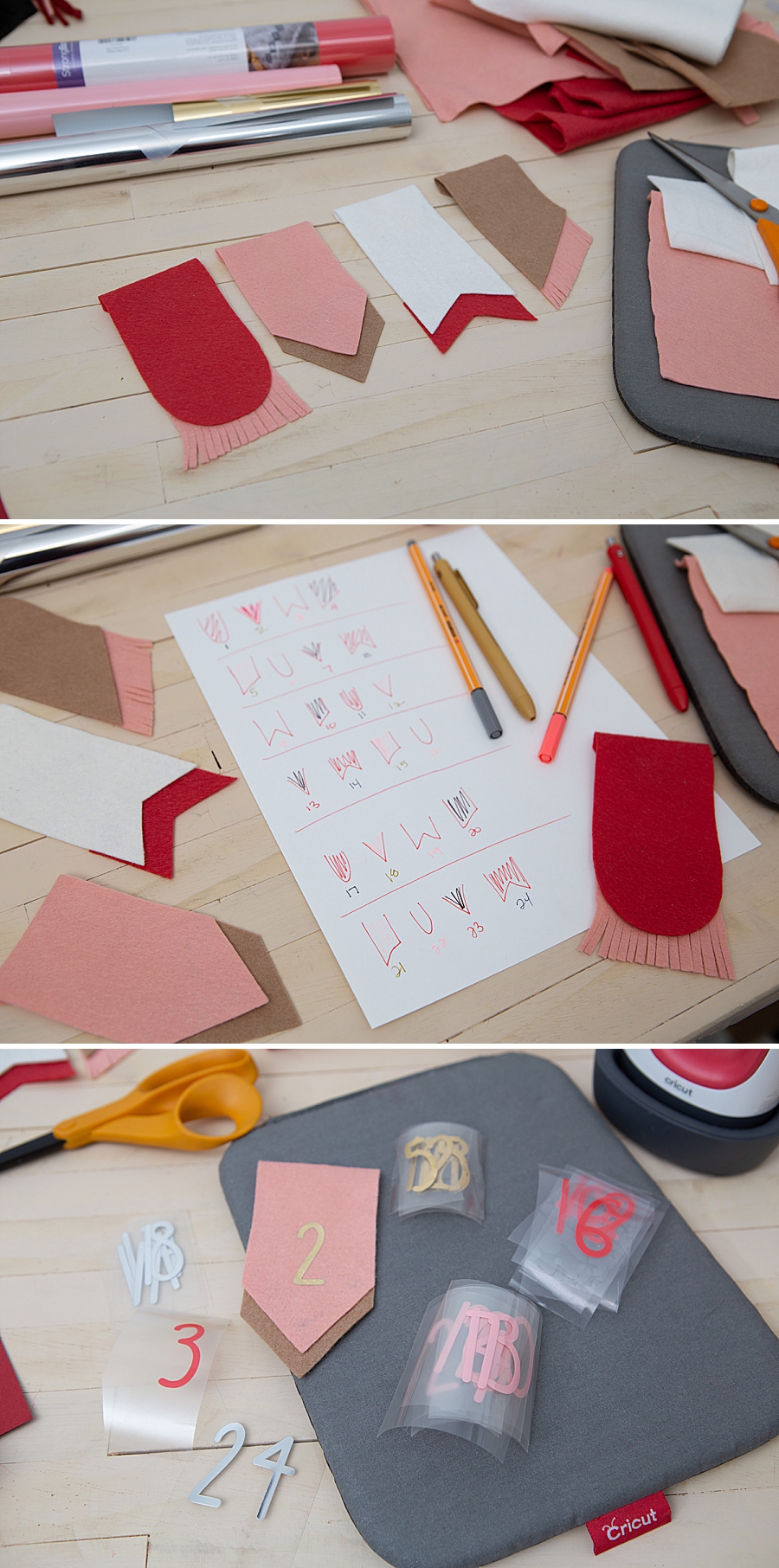
- Design and Fabrication of Identifiers (Mid-November): To maintain organization, custom tags are created. In the Something Turquoise model, Benzie Felt in shades of Red, Blush, White, and Castle was used in conjunction with Cricut Iron-on foils (Gold, Silver, Red, and Pink). This phase involves digital design work to ensure a cohesive visual theme across the 24 days.
- Hardware Assembly (Late November): The mechanical integration of the hanging bar and the shoe organizer occurs. This step ensures the unit is leveled and capable of supporting the full weight of the gifts.
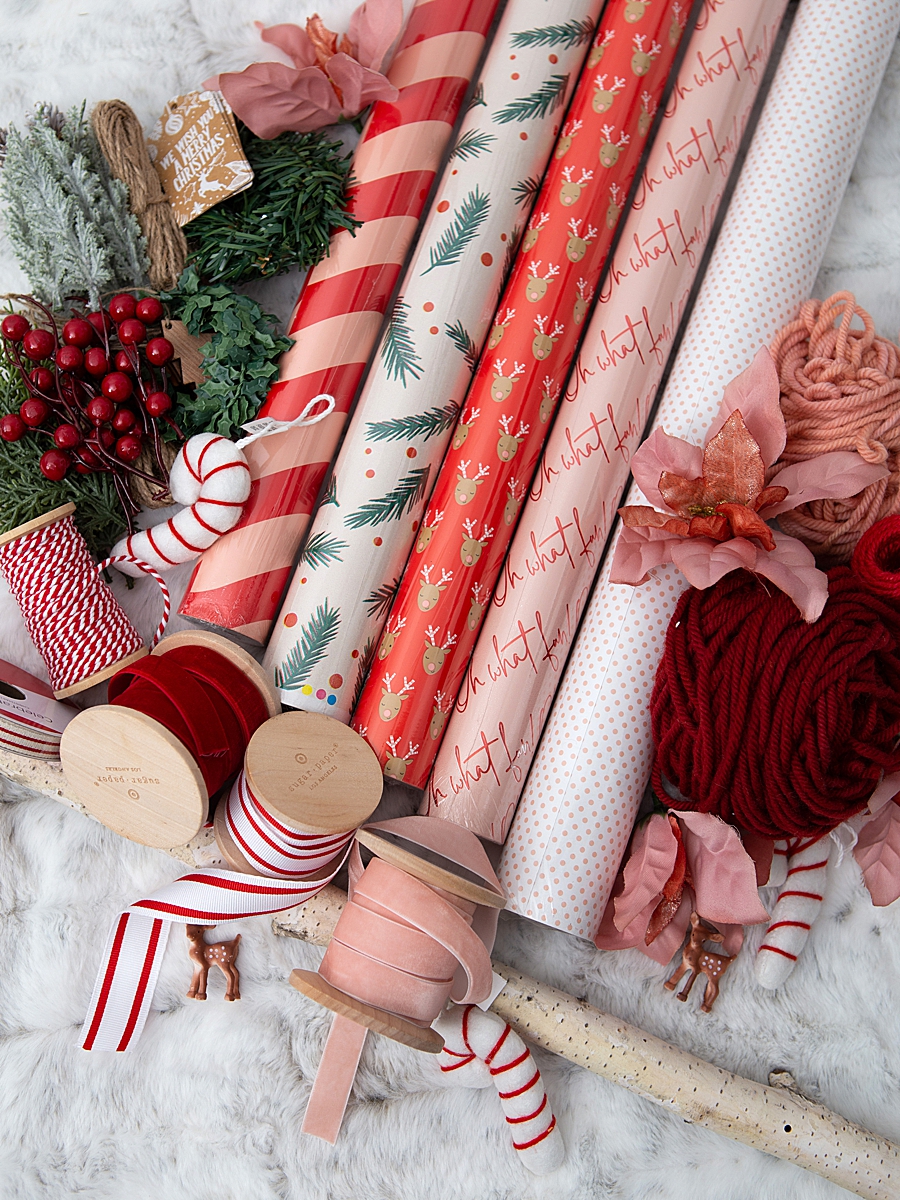
- The Wrapping Marathon (Last Week of November): Individual items are wrapped to maintain the element of surprise. For large families, this step is often augmented by "Mom Tricks"—coding the gifts with specific dates or names to prevent younger children from prematurely opening items in the lower, more accessible pockets.
- Deployment (November 30th): The final unit is mounted and the pockets are filled, ready for the December 1st commencement.
Curating the Gift Inventory: A Diversified Portfolio
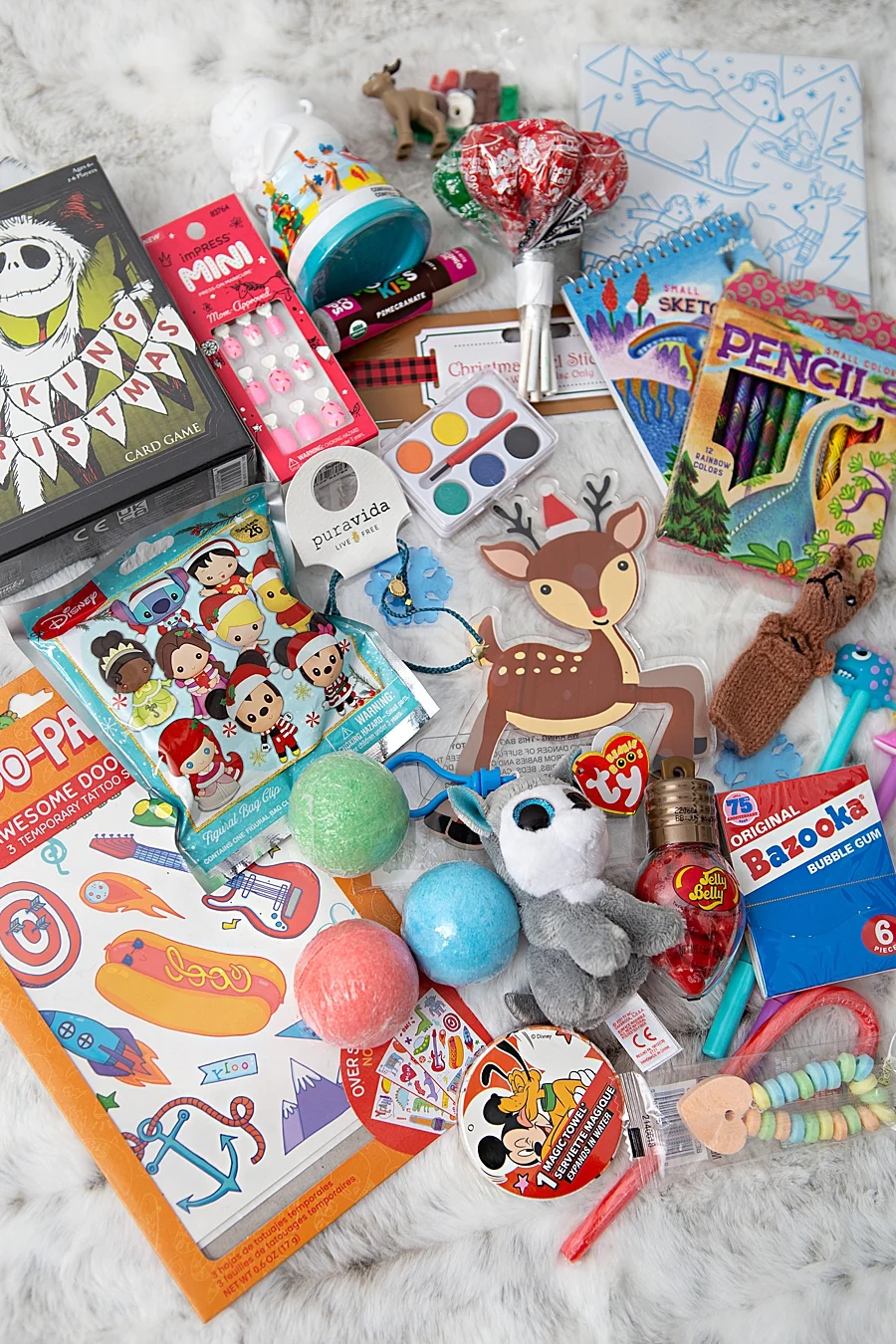
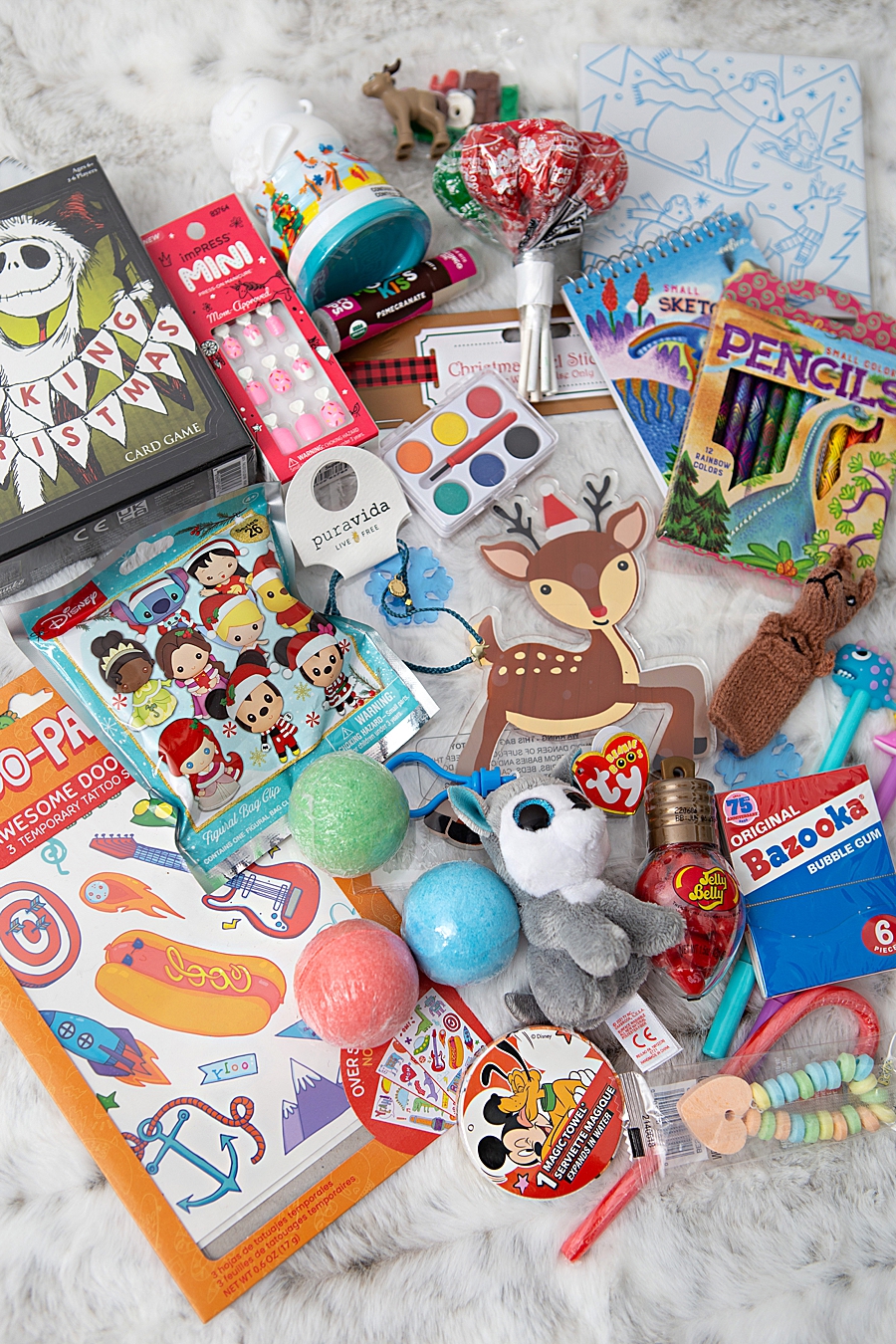
The success of a customized advent calendar relies heavily on the diversity of its contents. Unlike the monolithic nature of a Lego or Disney-themed calendar, the DIY version allows for a "mixed-asset" approach. The inventory curated for the 2022 Something Turquoise project serves as a blueprint for modern family advent contents. The items were categorized to appeal to a wide age range (from 14 months to 7 years) and included:
- Wearable Goods: Pura Vida bracelets and press-on nails from KISS imPress.
- Sensory and Tactile Items: Play dough, finger puppets, and "magic towels" that expand in water.
- Creative and Educational Tools: Mini watercolor sets, colored pencils, notebooks, and paper scratchers.
- Cosmetic and Wellness Items: Bath bombs, chapstick, and scented soaps.
- Traditional Toys: Miniature cars, dinosaurs, and building blocks.
- Consumables: Gourmet gum and specialty candies.
This variety addresses the developmental needs of different age groups simultaneously. While a 7-year-old may find value in a mini notebook and pen, a 3-year-old is more engaged by finger puppets or temporary tattoos. This "stratified gifting" is impossible to achieve with a single off-the-shelf product.
Supporting Data and Market Context
The DIY advent movement is a subset of the larger "Maker Economy," which has seen significant growth since 2020. According to market research, the global handicraft market reached a value of approximately $750 billion in 2022, with holiday-related DIY projects accounting for a substantial portion of seasonal consumer spending. Platforms like Pinterest and Instagram have seen a 40% year-over-year increase in searches for "personalized advent calendars" and "sustainable holiday decor."
Furthermore, the "reusability" factor of the shoe-organizer model aligns with growing consumer interest in sustainability. Traditional advent calendars generate significant waste in the form of single-use plastic trays and cardboard. In contrast, the shoe-rack chassis is a permanent household fixture that can be repurposed for organization during the off-season or stored and reused for decades, significantly reducing the household’s holiday carbon footprint.
Broader Implications for Family Dynamics and Tradition
Beyond the economic and environmental benefits, the transition to a "labor of love" advent calendar has profound implications for family bonding. Sociologists who study holiday traditions suggest that "participatory rituals"—those where parents take an active role in the creation rather than just the purchase—lead to higher levels of familial satisfaction and stronger long-term memories for children.
The "Mom Trick" mentioned by Causey-Kidder—labeling each gift with a specific date to manage a "terror" of a toddler—highlights the practical parenting involved in these traditions. It transforms the advent calendar from a simple countdown into a tool for teaching patience, turn-taking, and chronological awareness.
As the retail landscape continues to grapple with supply chain fluctuations and the rising cost of plastic goods, the move toward curated, hand-wrapped, and structurally sound holiday displays is expected to grow. The "Something Turquoise" model demonstrates that for the modern large family, the most effective holiday solution is one that combines industrial-grade organization with the bespoke touch of home craftsmanship. The $160 investment, once spent on fleeting plastic novelties, is now redirected into a durable family heirloom that promises a more engaging and meaningful path to Christmas Day.