Consumers are increasingly pivoting away from standardized retail Advent calendars in favor of highly personalized, cost-effective alternatives as the holiday season approaches. This shift is driven by a combination of "calendar fatigue"—where children lose interest in repetitive themed toys—and the rising financial burden on multi-child households. Recent market observations indicate that while the global Advent calendar market continues to expand, a significant demographic of "large families" remains underserved by traditional retail formats. This has led to the emergence of innovative DIY solutions, such as the shoe-organizer advent calendar, which repurposes household utility items into festive, high-capacity holiday countdowns.
The Economic and Psychological Shift in Holiday Traditions
For decades, the Advent calendar market was dominated by simple chocolate-filled cardboard displays. However, the last ten years have seen an explosion in "toy-based" calendars from major brands such as LEGO, Mattel, and Disney. While these products offer high initial excitement, parents frequently report a decline in engagement by the third week of December. The repetitive nature of the contents—often 24 variations of the same toy line—leads to a phenomenon known as "novelty exhaustion."
Furthermore, the financial logistics for large families are becoming increasingly complex. With premium toy calendars retailing for approximately $40.00 each, a family with four children faces an immediate seasonal expenditure of $160.00 before the primary gift-giving even begins. Analysts suggest that this price point, coupled with the lack of variety, is a primary catalyst for the DIY movement. By reallocating that same $160.00 budget toward a singular, curated display for the entire household, parents are finding they can provide higher-quality, diverse items that cater to various age groups simultaneously.
Project Framework: The Shoe-Organizer Methodology
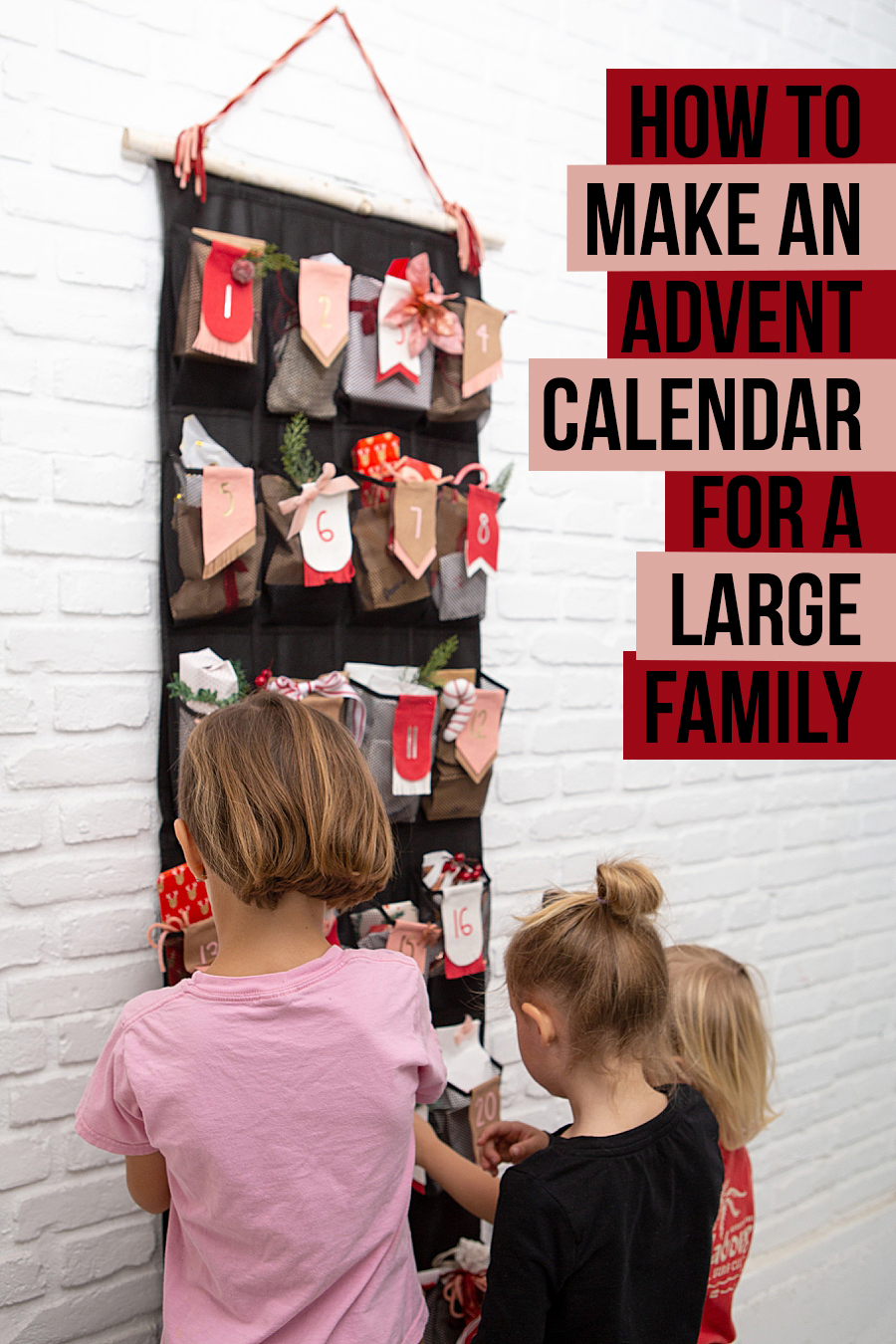
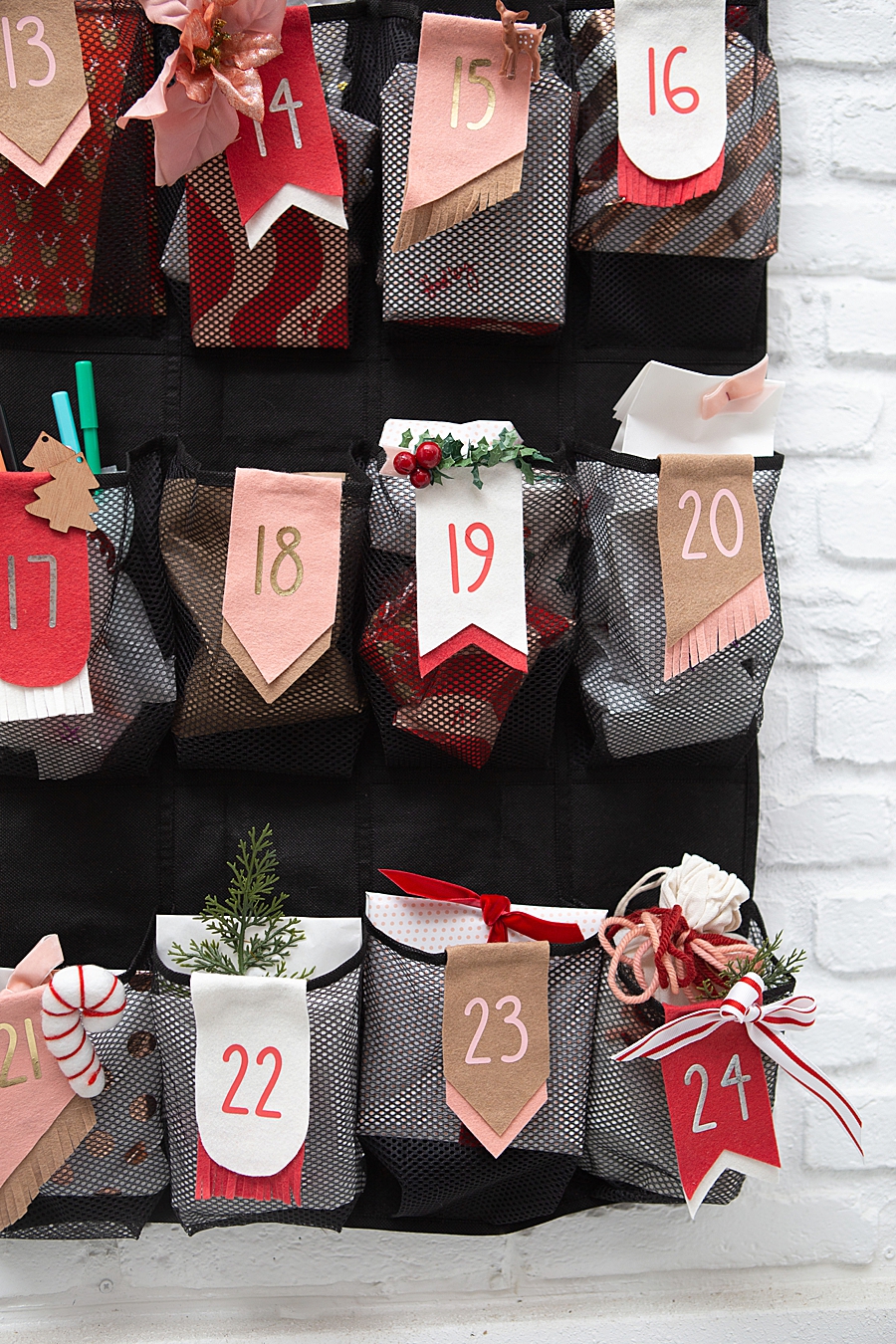
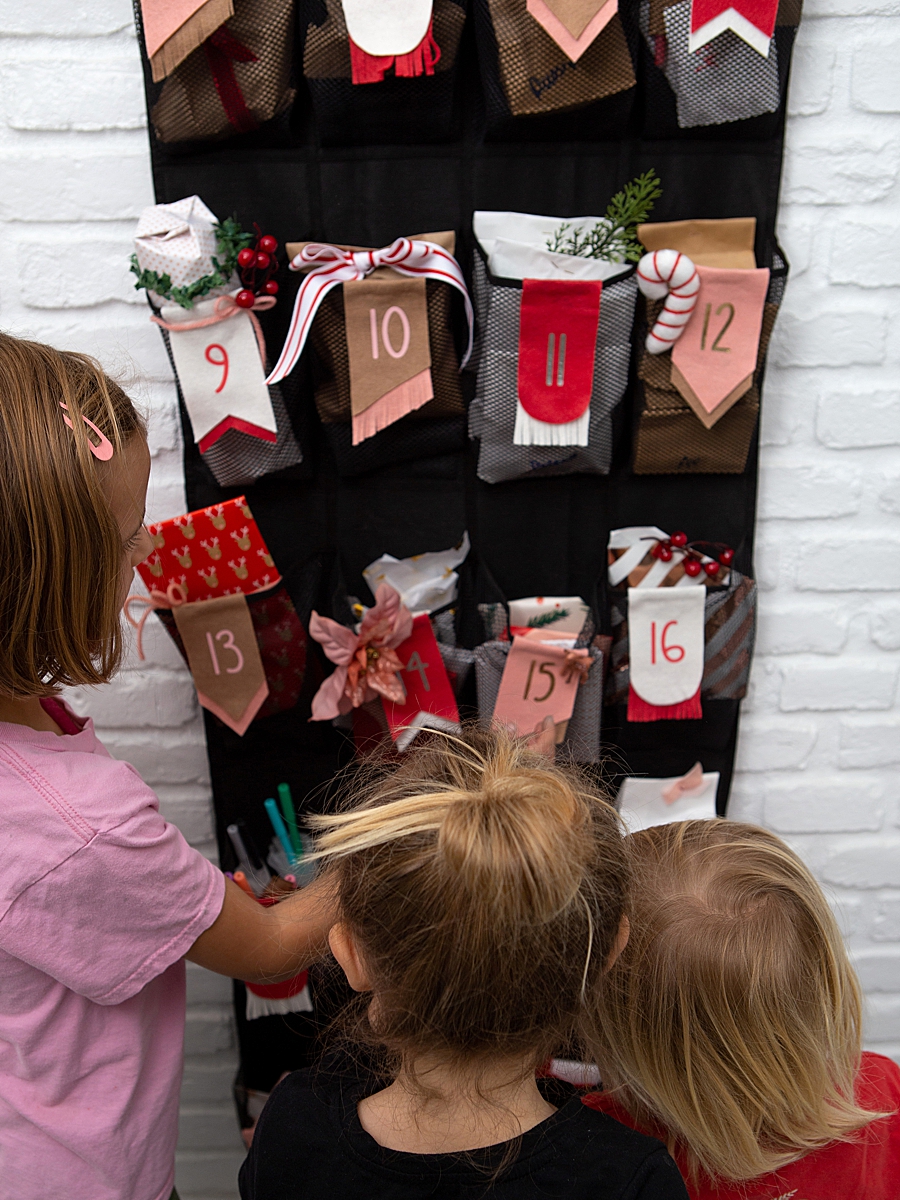
The "Large Family Advent Calendar" project, pioneered by DIY expert Jen Causey-Kidder of Something Turquoise, utilizes a standard back-of-the-door shoe organizer as the structural foundation. This approach addresses the two most significant hurdles for large-family holiday decor: space and capacity. Unlike traditional small-compartment calendars, a shoe organizer offers 24 large, durable pockets capable of holding multiple items or larger-scale gifts that would not fit in a standard cardboard window.
Structural Integrity and Assembly Chronology
The construction of a high-capacity Advent calendar requires more than just aesthetic consideration; it requires structural engineering to support the weight of 24 days’ worth of gifts for multiple children. The project follows a specific chronological development cycle:
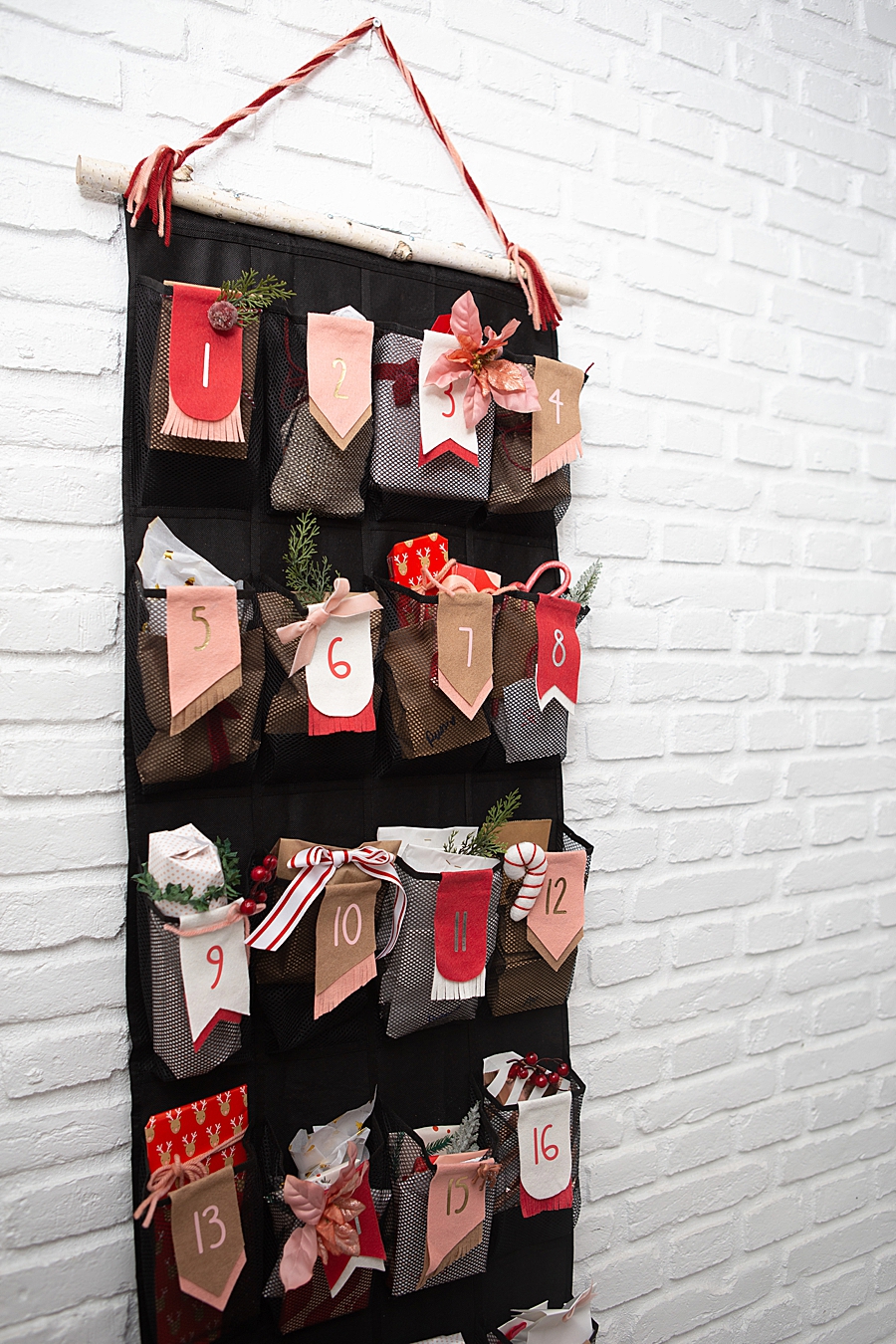
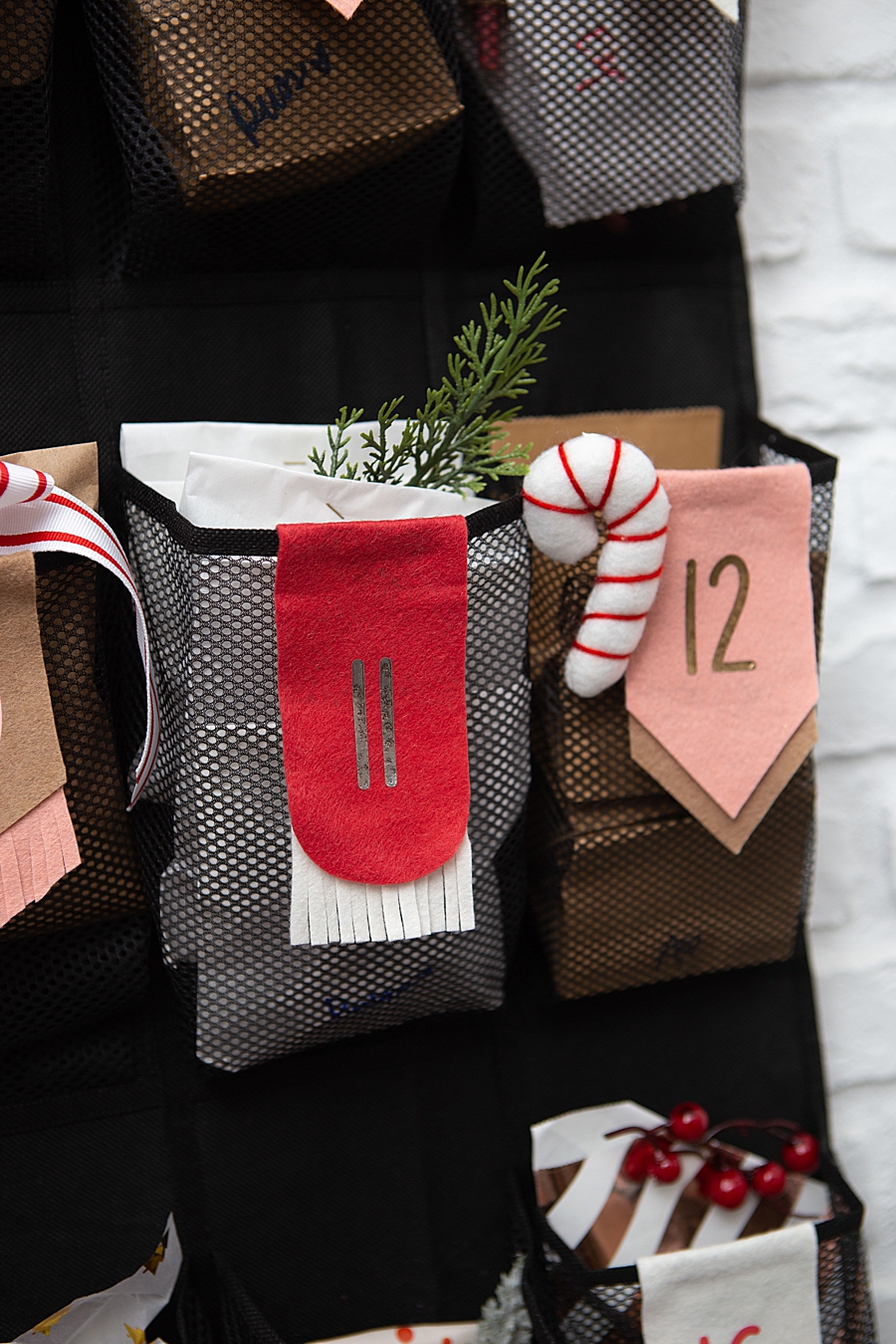
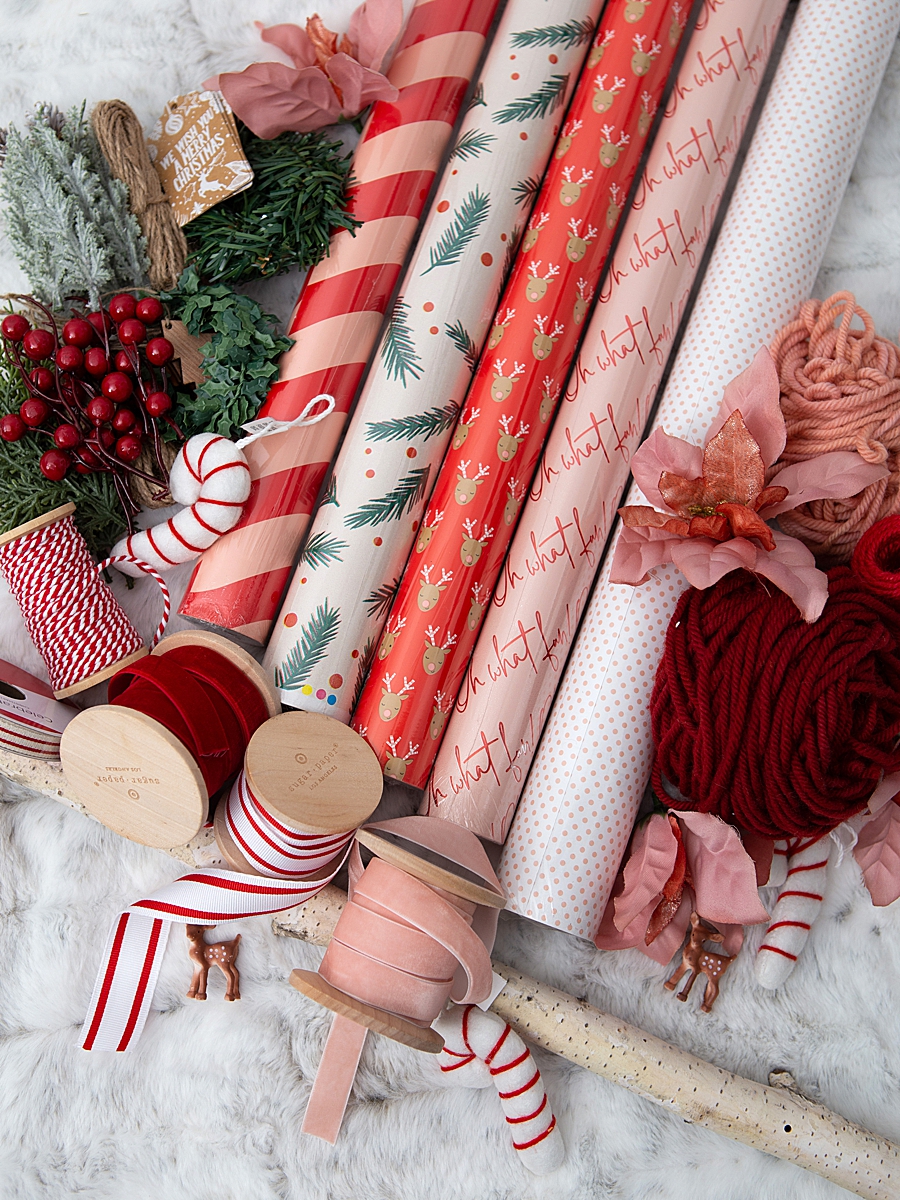
- The Collection Phase (October – November): A two-month lead time is typically required to source 24 days of unique items. Sourcing from various retailers—including Target, Dollar Tree, and specialty boutiques—allows for a mix of "filler" items and higher-value "mini-gifts."
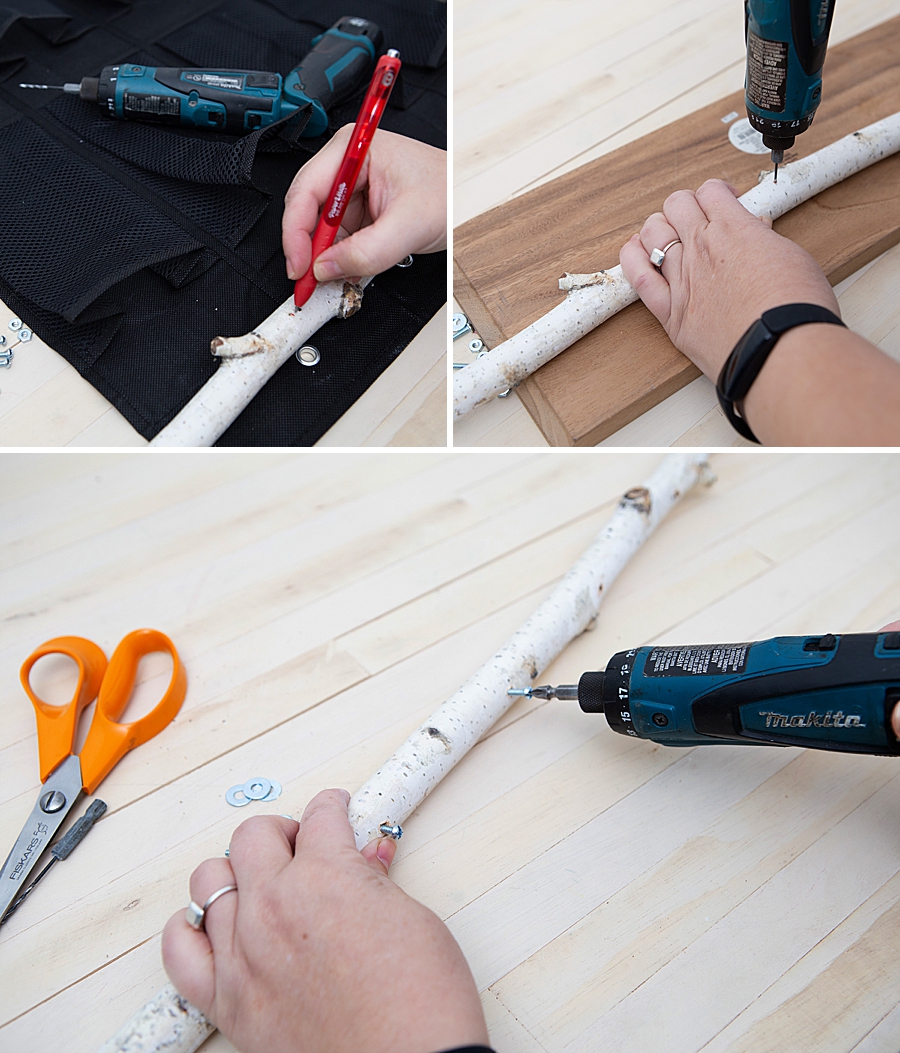
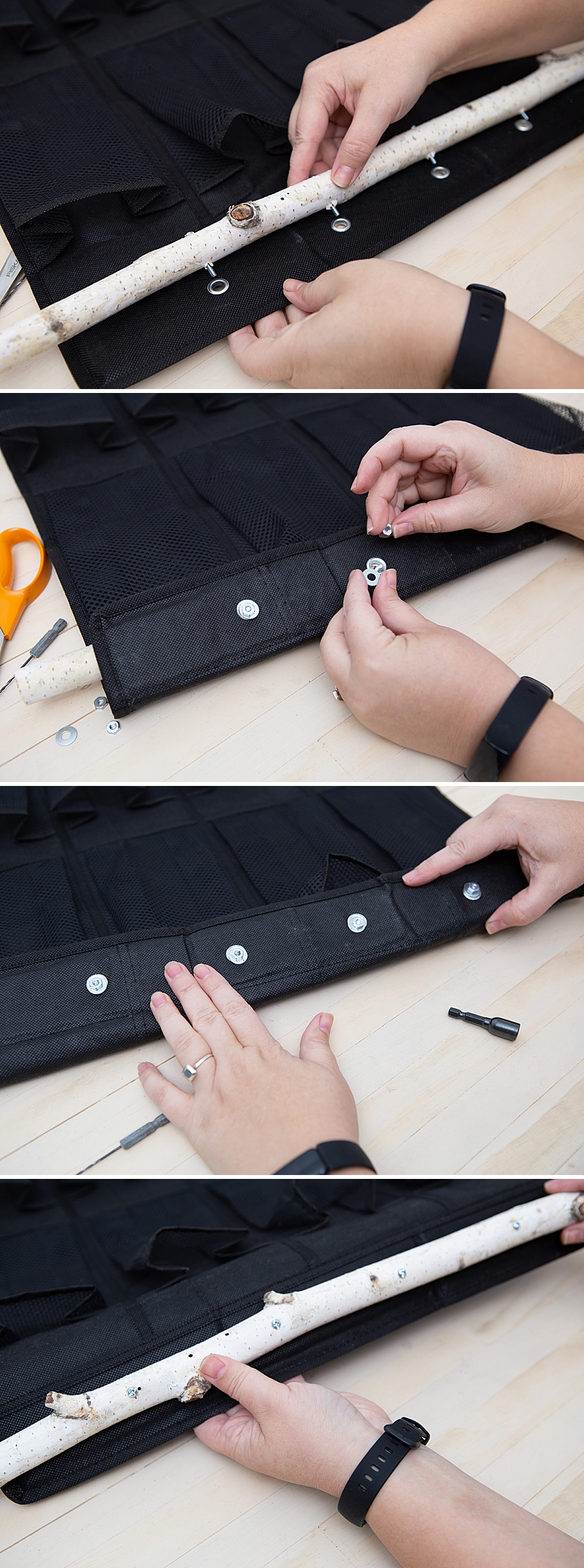
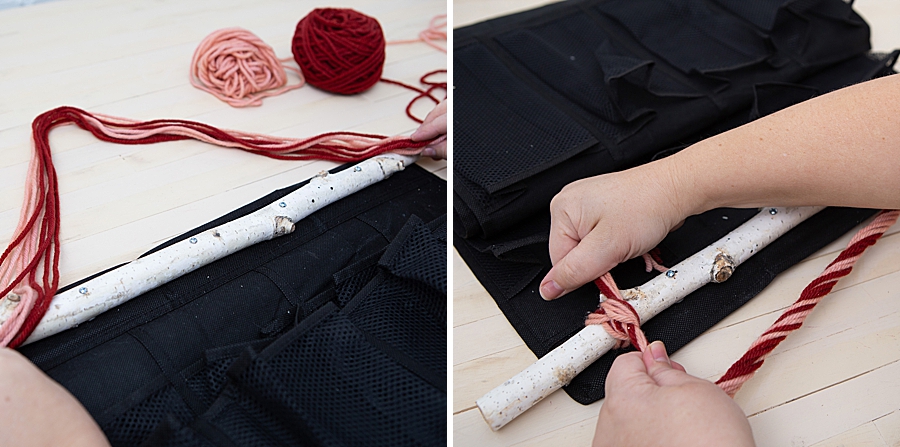
- The Structural Reinforcement: Given the weight of a fully loaded organizer, a standard over-the-door hook system may fail. The methodology involves using a sturdy natural element, such as a white-painted branch or a wooden dowel. In the Causey-Kidder model, the branch is drilled through and secured to the shoe holder using 1.25-inch bolts, washers, and nuts. This ensures the display remains stable throughout the month of December.
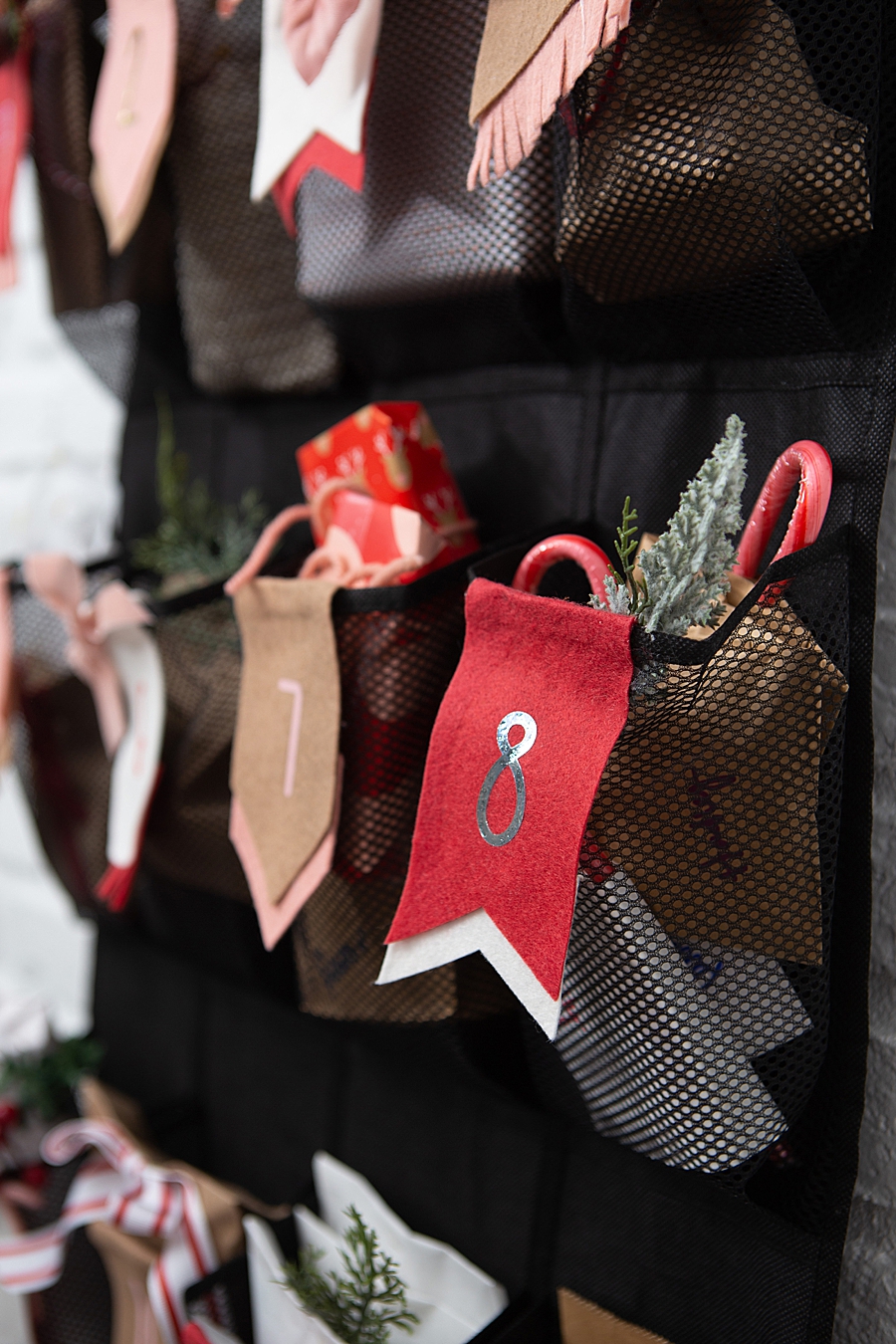
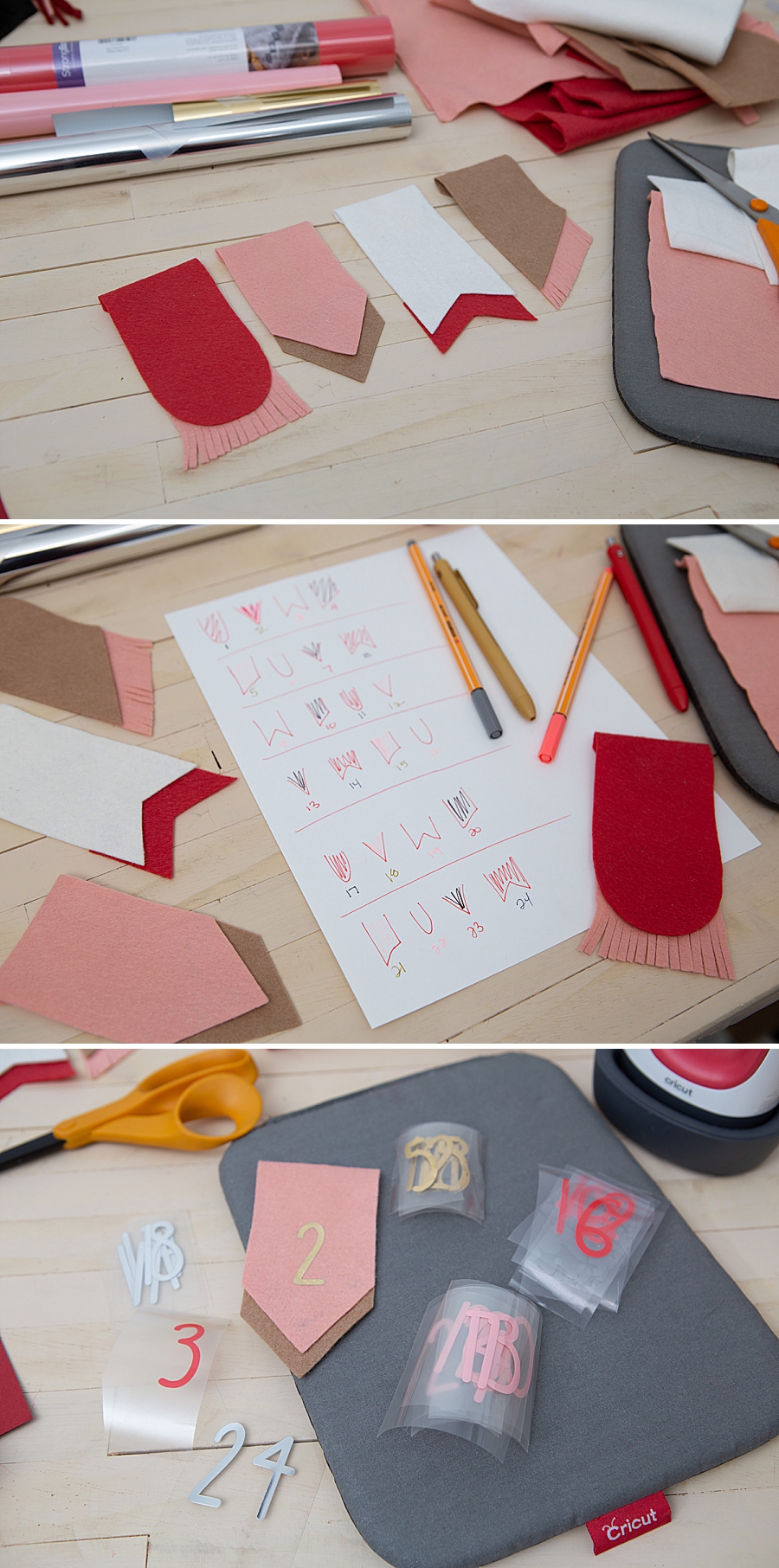
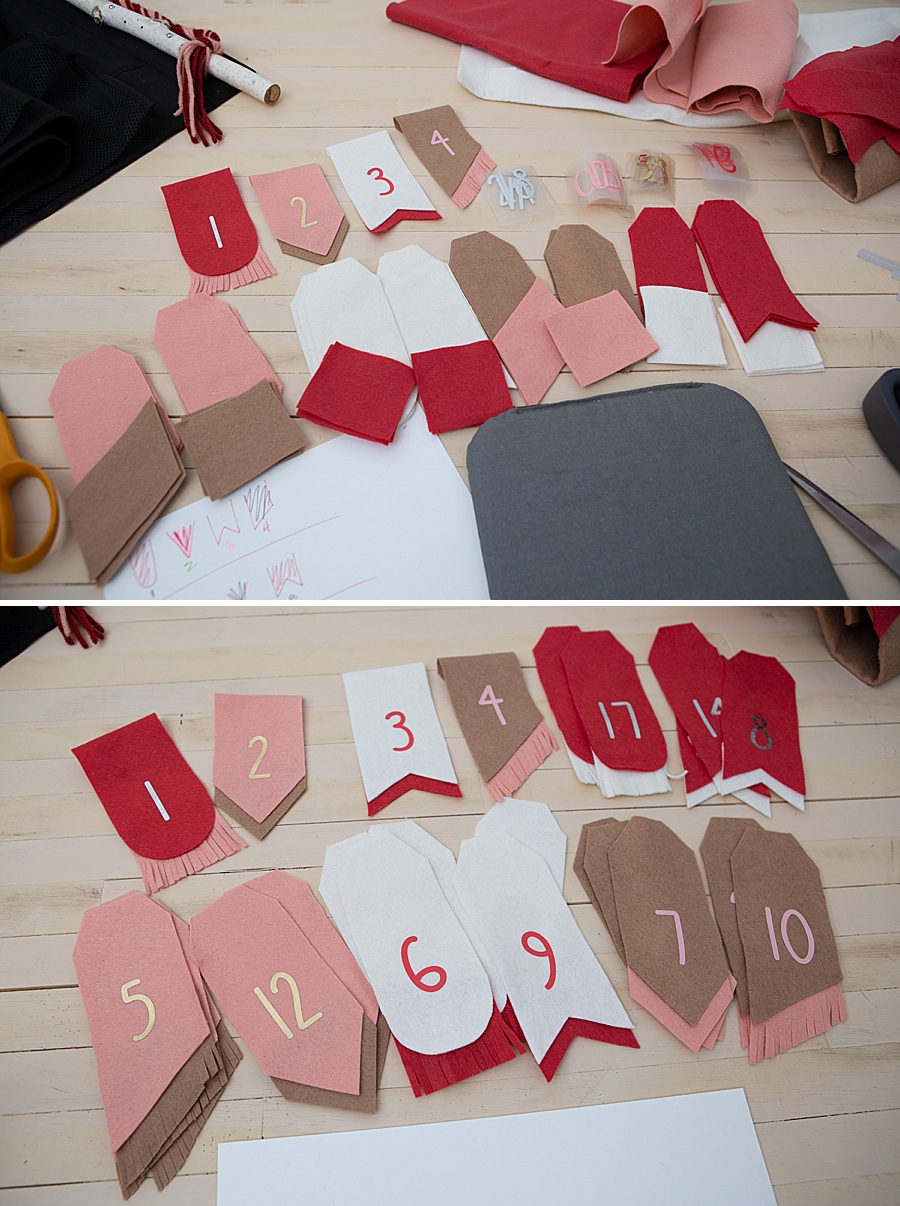
- The Aesthetic Design Phase: Utilizing tools such as a Cricut machine and high-quality felt (e.g., Benzie Design), individual number tags are created. The use of iron-on vinyl in metallic foils and seasonal colors provides a professional, retail-grade finish to the DIY project.
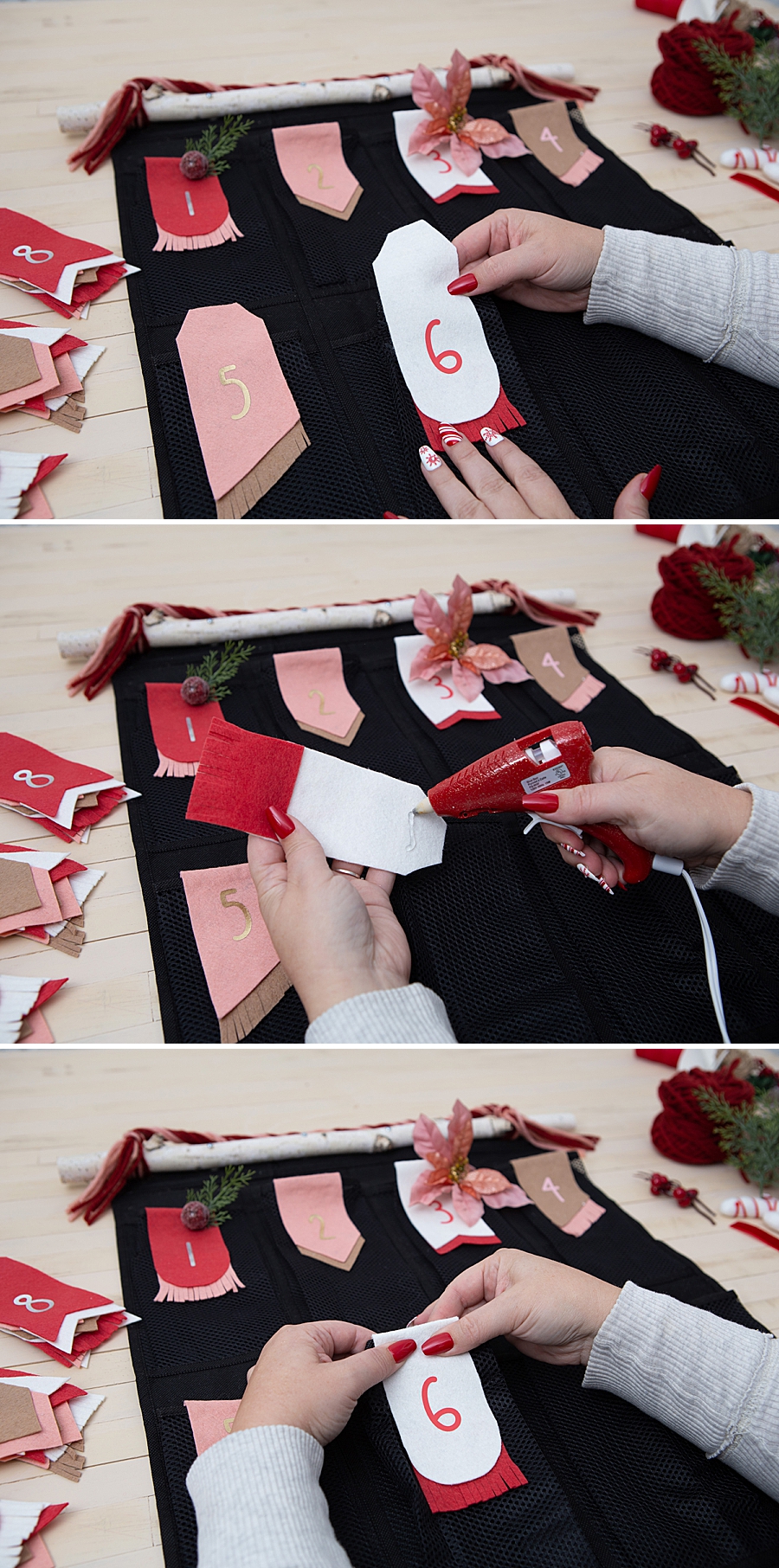
- The Assembly and "Mom Trick" Implementation: The final stage involves hot-gluing the felt tags to the pockets and wrapping each gift. A critical tactical component—referred to as the "Mom Trick"—involves labeling each wrapped gift with its specific date. This prevents younger children from disrupting the order and ensures that specific gifts are opened on the intended days.
Financial Analysis: DIY vs. Retail
A comparative analysis of the costs associated with this DIY project versus traditional retail options reveals a strategic shift in value rather than a simple reduction in spending.
- Retail Expenditure: For a four-child household, four branded calendars at $40.00 each total $160.00 plus tax. The result is 96 small, often redundant plastic toys.
- DIY Expenditure: The curated gift budget for the shoe-organizer project is approximately $150.00. While the initial investment in the organizer ($15.00–$20.00) and crafting supplies (felt, vinyl, branch) adds a one-time cost, these components are reusable.
The DIY model allows for a "blended" budget. On certain days, the family might receive a single "family gift," such as a board game, which provides collective value. On other days, personalized items like Pura Vida bracelets or specialized art supplies offer individual satisfaction. This flexibility is absent in the rigid structure of mass-produced calendars.

Curated Content: Addressing Multi-Generational Needs
One of the primary advantages of the shoe-organizer format is the ability to accommodate a wide age range. In the analyzed model, the children range from 14 months to 7 years old. A standard retail calendar cannot safely or effectively cater to both a toddler and a primary-school student.
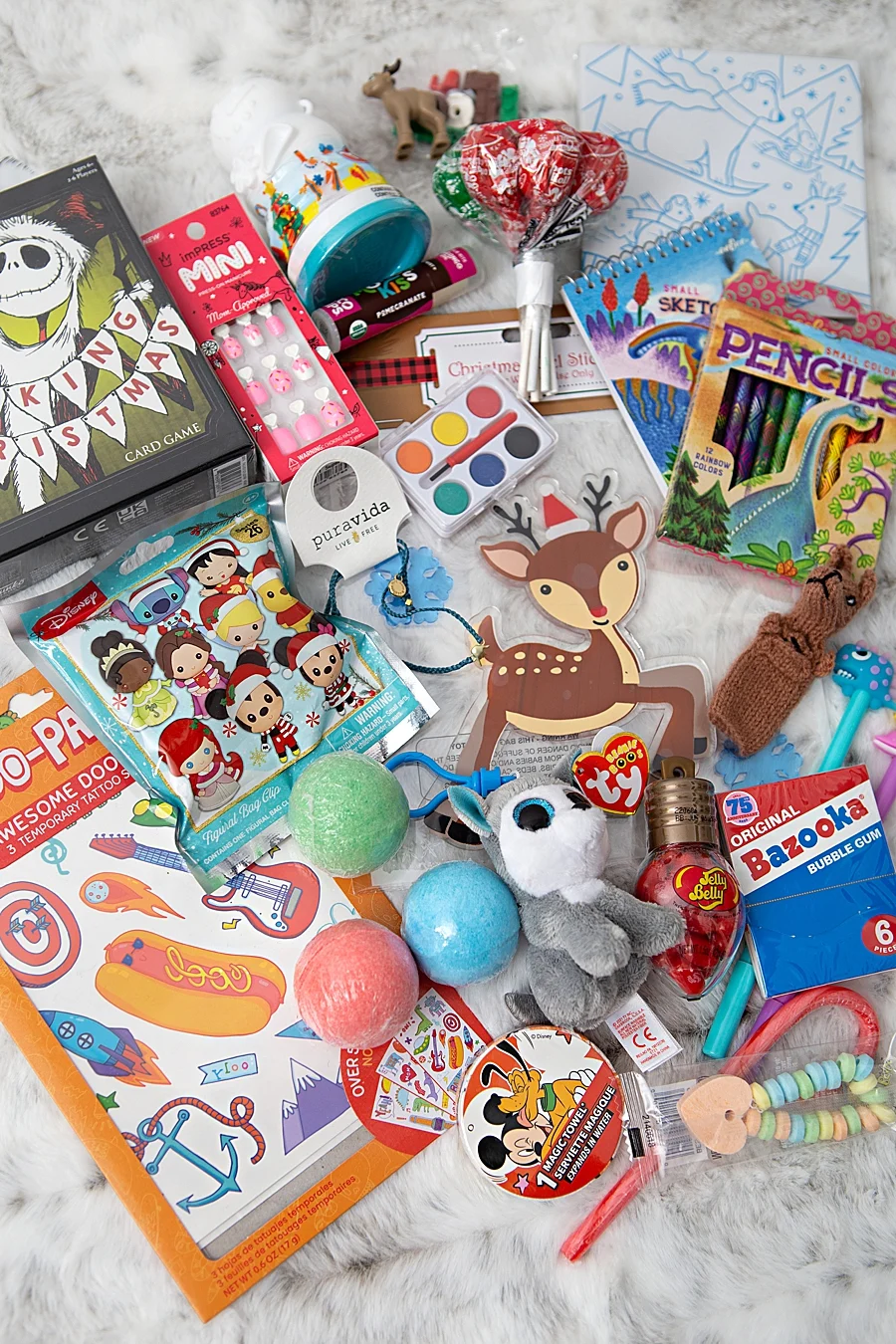
The DIY inventory for this project included:
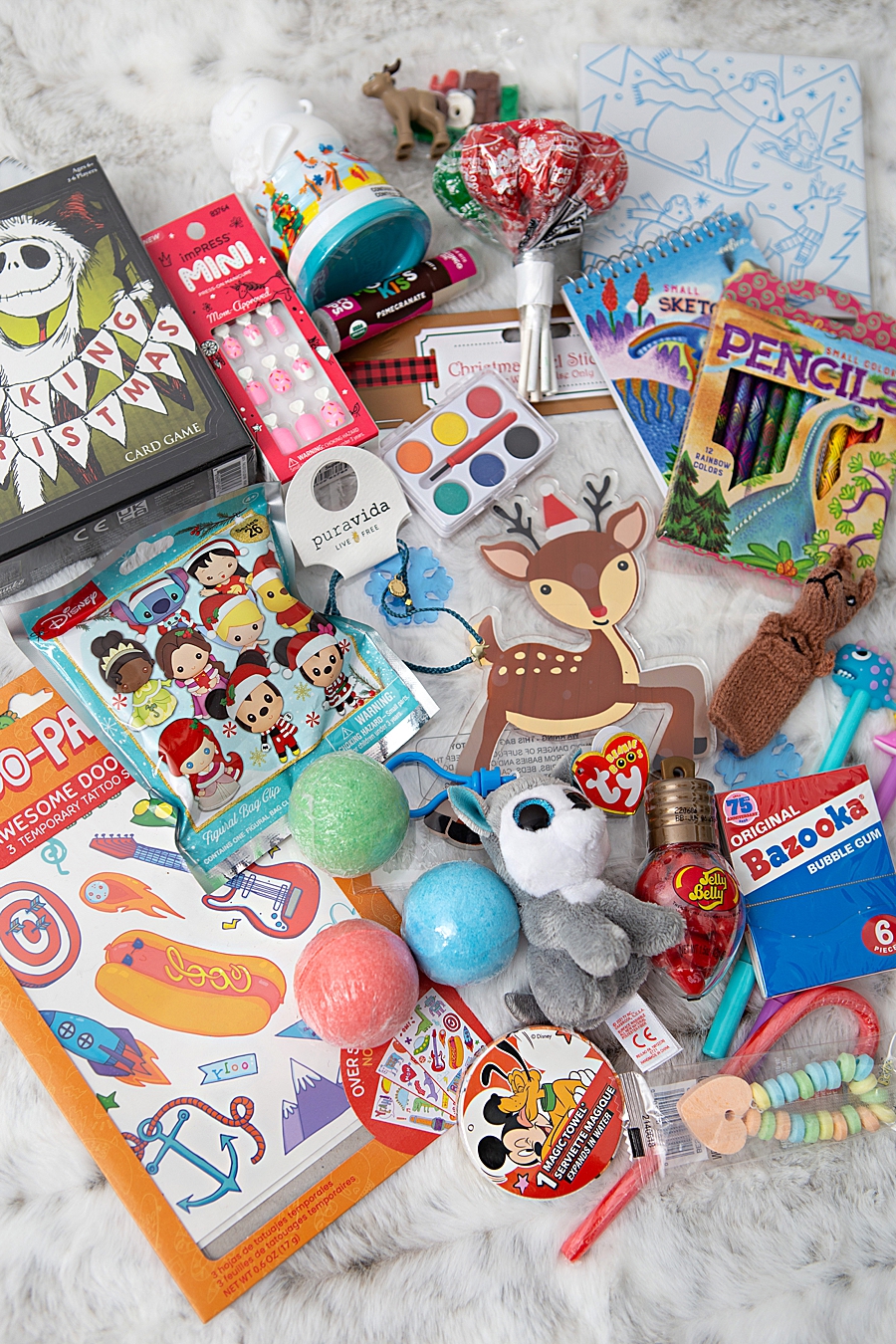
- Tactile and Creative Items: Play-Doh, watercolor sets, colored pencils, and paper scratchers.
- Wearables: Pura Vida bracelets, press-on nails (KISS imPress), and finger puppets.
- Novelties: Magic towels, window stickies, bath bombs, and mini-plush toys.
- Consumables: Specialty gum, holiday candies, and chapstick.
By sourcing from a variety of vendors—including Sprouts for healthy treats and Michaels for craft-based embellishments—the calendar serves as a daily discovery tool rather than a predictable routine.
Logistical Implications and Parental Management
The transition to a large-scale DIY Advent calendar introduces new logistical considerations for the household. Parental feedback suggests that the "labor of love" required to wrap and organize 24 days of gifts is significant, often taking several hours of focused labor. However, the long-term benefits include a reduction in "daily clutter." Because the gifts are curated, they are more likely to be used or kept, whereas small plastic pieces from retail calendars are frequently lost or discarded within days.
Furthermore, the use of a back-of-the-door organizer utilizes vertical space that is often wasted. For families living in smaller urban environments or those with limited holiday decorating space, this "low-profile, high-impact" display is a viable alternative to bulky shelf-based Advent villages.
Broader Market Impact and the "Personalization" Trend
The success of DIY projects like the shoe-organizer Advent calendar reflects a broader trend in the $400 billion holiday retail market: the demand for "intentional" gifting. Market analysts observe that Millennial and Gen Z parents are increasingly skeptical of "blind box" marketing—a tactic used by many toy companies to drive sales through surprise mechanics. Instead, these parents are opting for transparency and personalization.
Social media platforms, particularly Instagram and TikTok, have played a pivotal role in disseminating these DIY methodologies. The hashtag #somethingturquoisediy and similar communities allow parents to share "gift inventories," helping others source age-appropriate items. This peer-to-peer exchange of information is bypassing traditional retail advertising, as parents look to one another for "tried and tested" holiday solutions.
Conclusion: The Future of the Advent Tradition
As the 2024 holiday season approaches, the DIY shoe-organizer Advent calendar stands as a testament to the ingenuity of modern parents facing economic and repetitive-content challenges. By combining structural durability with highly personalized curation, this method offers a sustainable and engaging alternative to the status quo.
While the "labor of love" required to assemble such a project is non-trivial, the result is a family heirloom-quality tradition that can be adapted as children grow. The shift from "buying" a countdown to "building" one reflects a deeper desire among consumers to reclaim the narrative of the holiday season, focusing on surprise, delight, and family-specific values rather than mass-market convenience. For the large family, the shoe organizer is no longer just a utility for footwear; it is a 24-pocket vessel for holiday memories.