


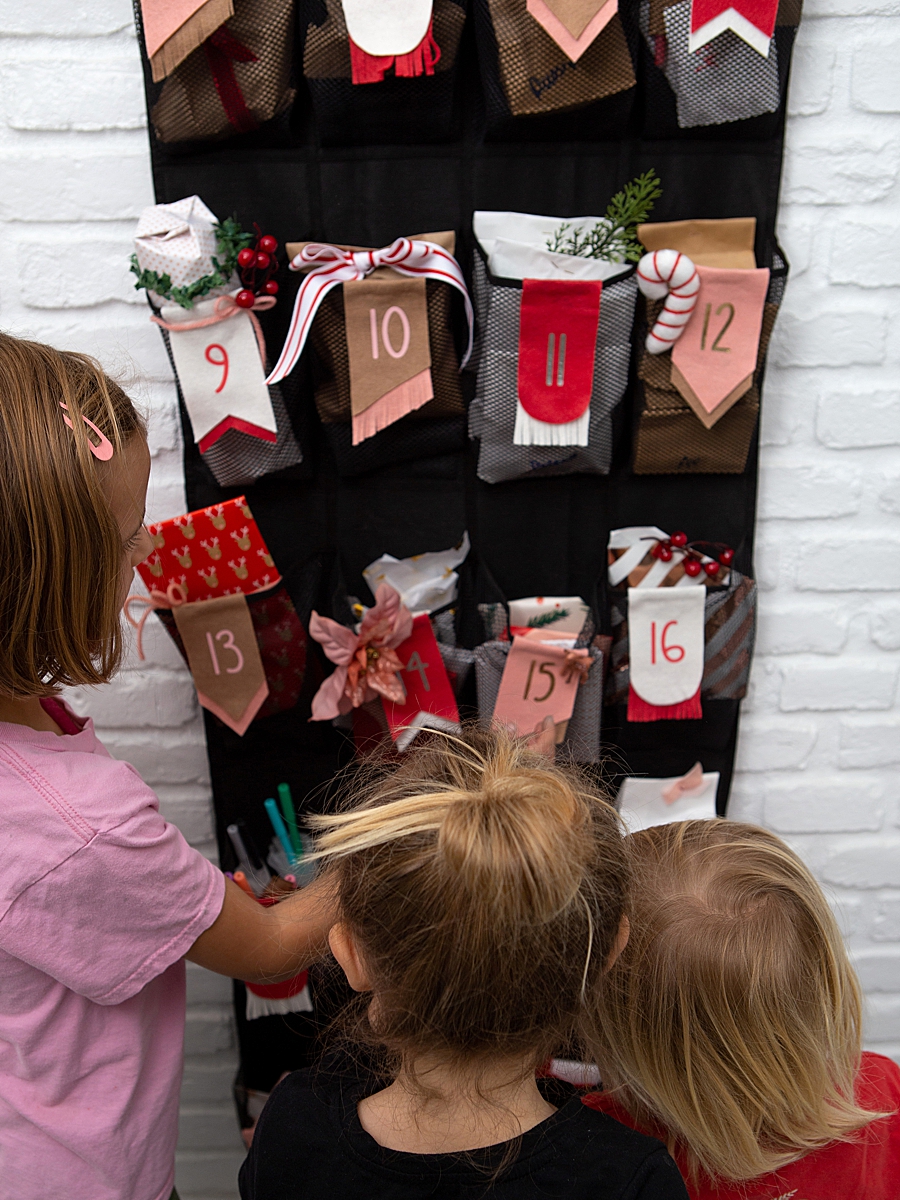
The traditional holiday countdown is undergoing a significant transformation as consumers increasingly pivot away from mass-produced, pre-packaged advent calendars in favor of customized, cost-effective DIY solutions. This shift, exemplified by recent initiatives from lifestyle experts like Jen Causey-Kidder of Something Turquoise, highlights a growing dissatisfaction with the price and repetitive nature of commercial toy calendars. For families with multiple children, the financial and logistical burden of maintaining individual licensed calendars—such as those from LEGO, Disney, or Star Wars—has prompted a search for more sustainable and engaging alternatives. By repurposing household items like over-the-door shoe organizers, parents are finding ways to deliver personalized experiences while maintaining a strict holiday budget.
The Economic Drivers of DIY Holiday Traditions
The commercial advent calendar market has seen explosive growth over the last decade, transitioning from simple chocolate-filled cards to high-end luxury items and licensed toy sets. However, for a household with four children, the cost of these items can quickly escalate. With the average licensed toy advent calendar retailing for approximately $40.00, a large family faces a pre-tax expenditure of $160.00 before the month of December even begins.
Market analysis suggests that while these products offer convenience, they often suffer from "content fatigue." Consumers report that by the third week of the countdown, children frequently lose interest in the repetitive nature of the small plastic trinkets provided. This lack of perceived value, combined with the rising cost of living and seasonal inflation, has driven a segment of the population toward the "curated advent" model. In this model, the total budget—in this case, approximately $150.00 to $160.00—is reallocated to purchase 24 unique, high-quality items that cater specifically to the varied interests and age groups of the children involved.
Chronology of a Custom Advent Build
The transition from commercial to custom calendars involves a multi-stage process of procurement, structural assembly, and logistical planning. The project initiated by Causey-Kidder serves as a blueprint for this transition, moving from the identification of a recurring problem to the execution of a reusable household fixture.
Phase I: Concept and Material Sourcing
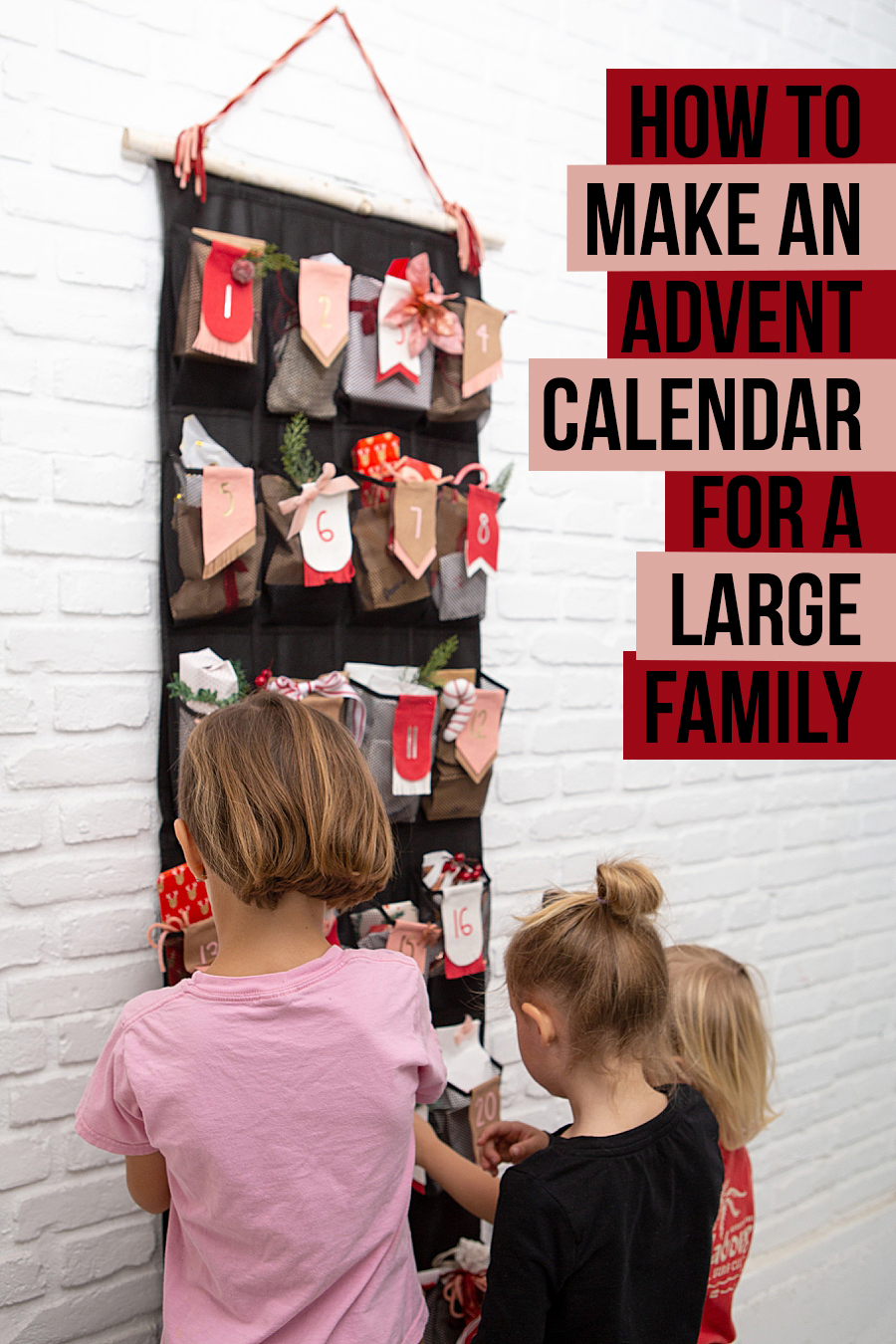
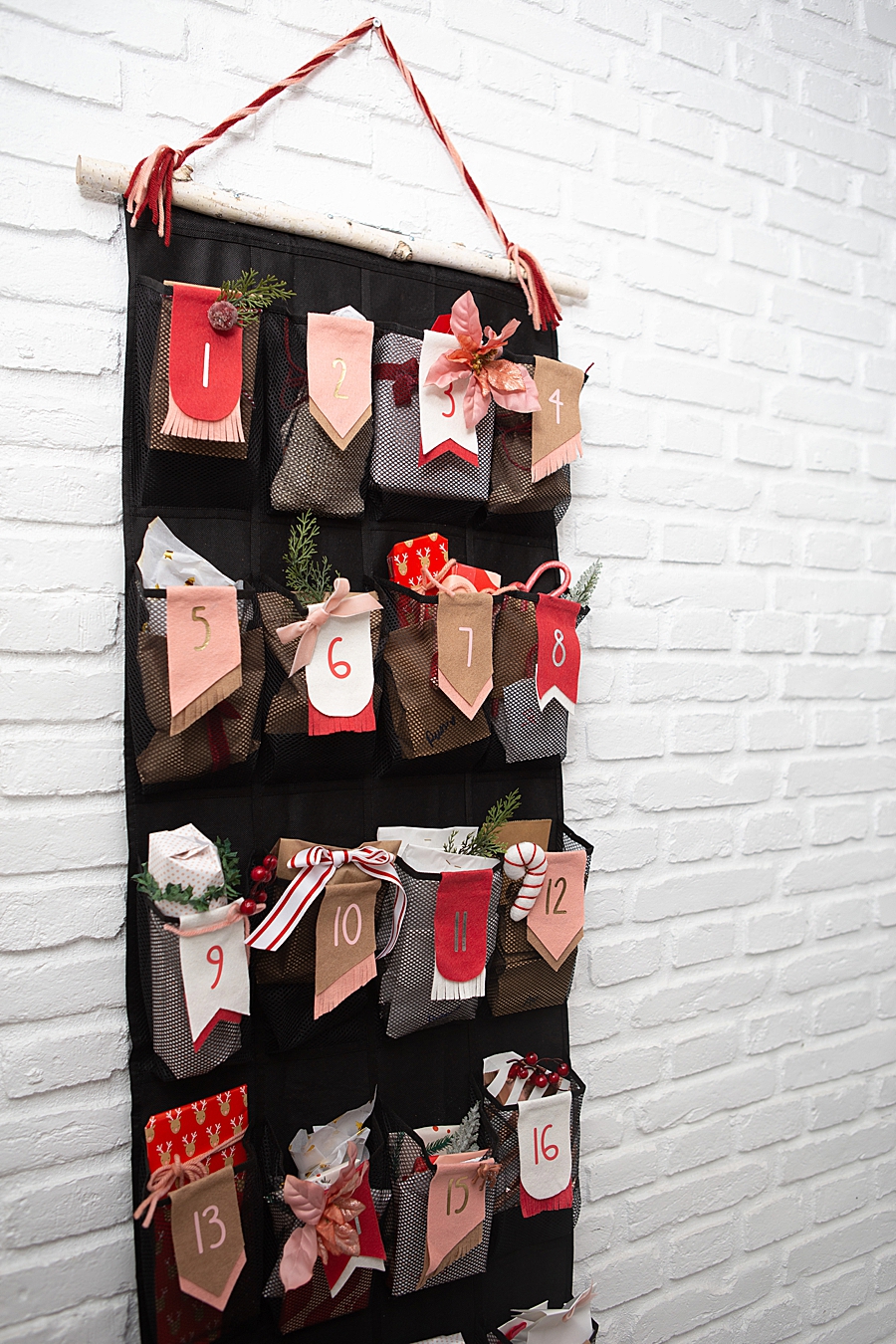
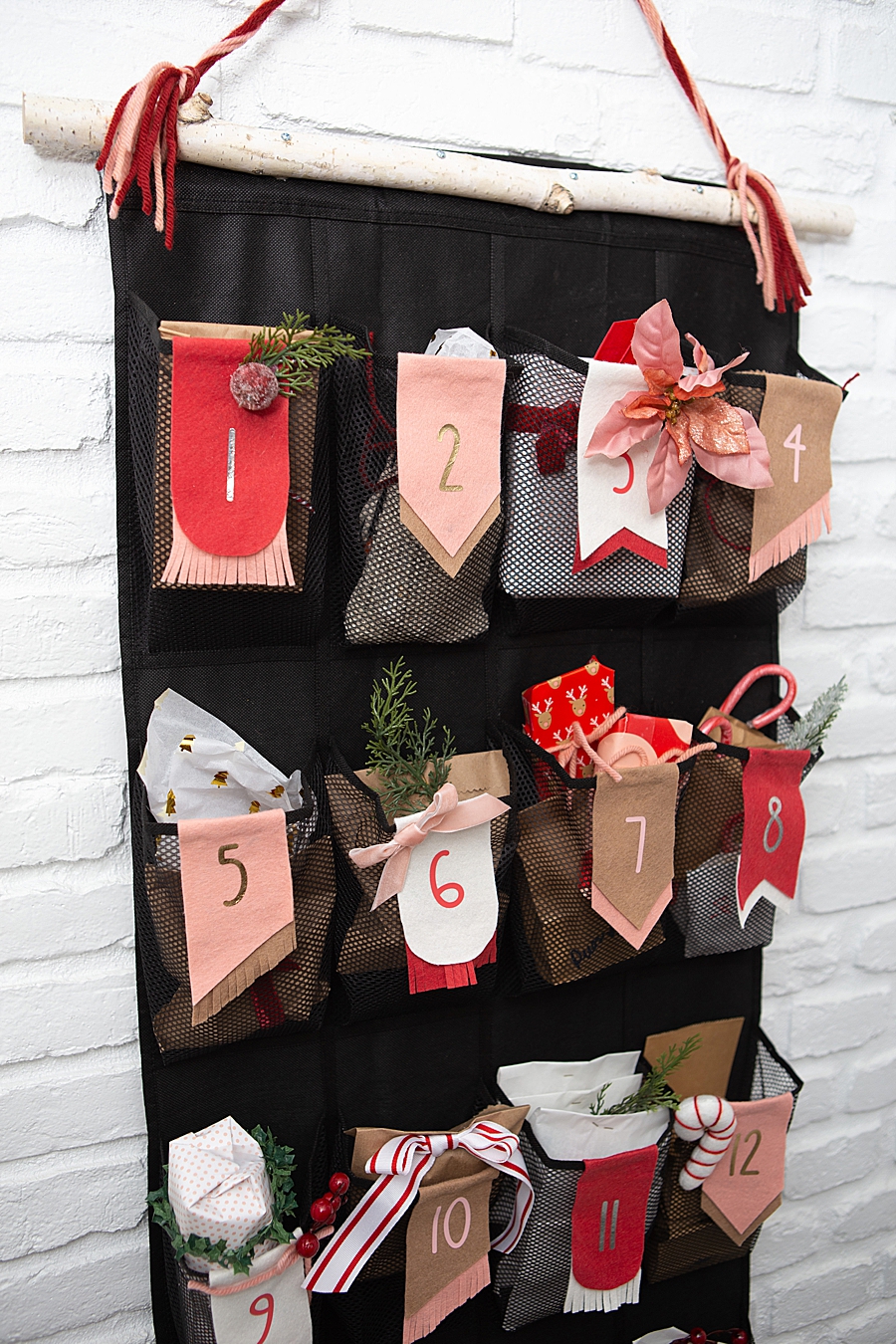
The primary challenge for large families is finding a vessel capable of holding 24 days’ worth of gifts for multiple recipients. Research into organizational solutions identified the back-of-the-door shoe holder as the most viable candidate due to its 24-pocket configuration, which aligns perfectly with the December 1–24 countdown.
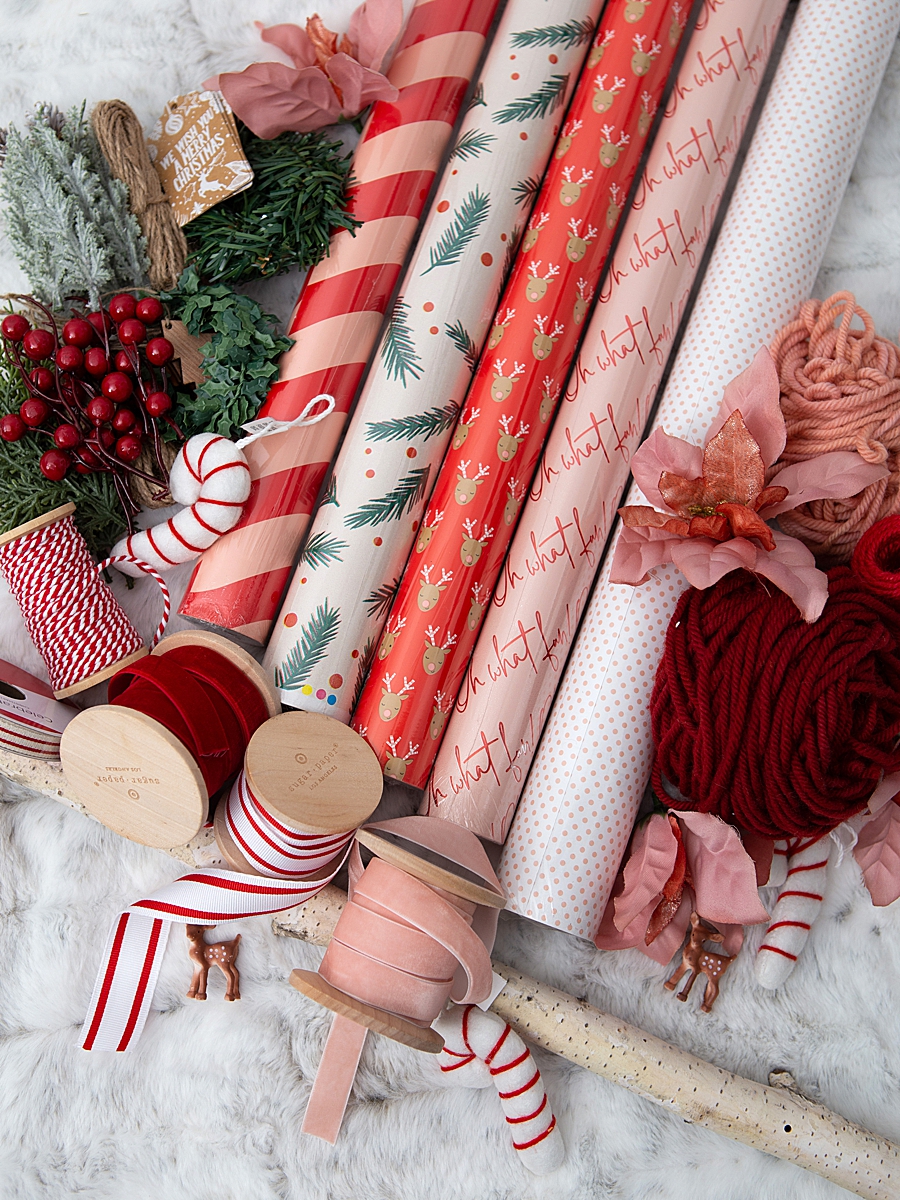
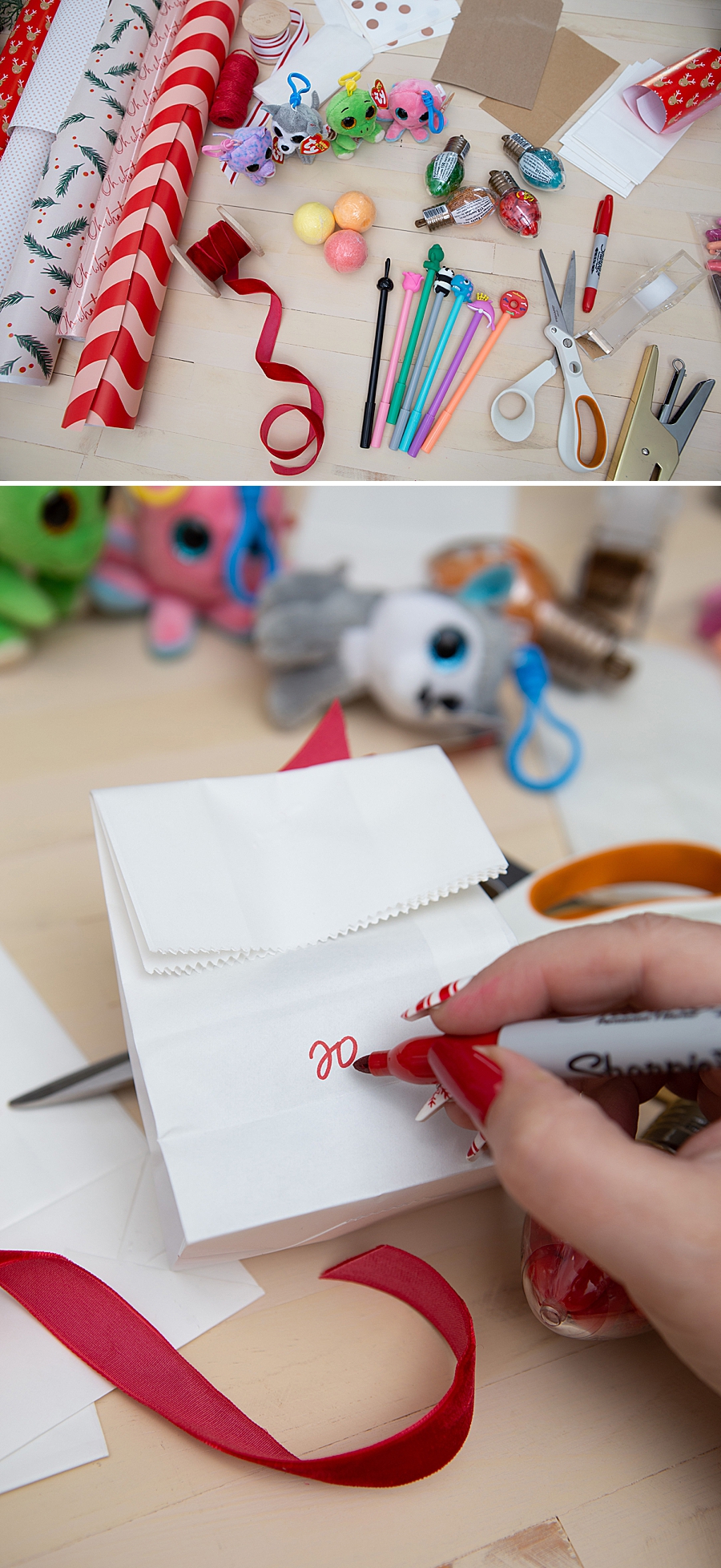
Sourcing for the project involved a mix of new acquisitions and the utilization of existing craft inventories. New purchases included the shoe rack, specific wrapping papers from retailers such as Target, and decorative embellishments from Michaels. Meanwhile, core structural and aesthetic components—including felt from Benzie Design and iron-on vinyl from Cricut—were pulled from existing supplies to mitigate additional costs.
Phase II: Structural Engineering and Assembly
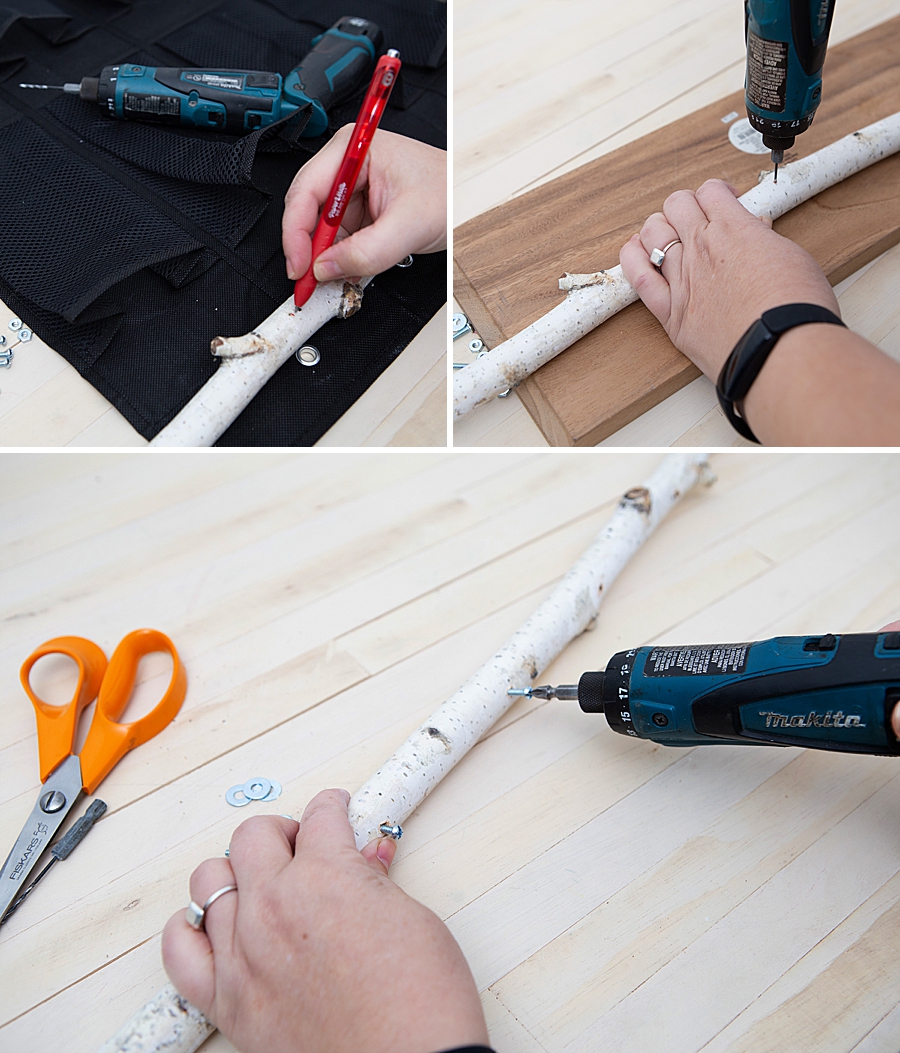
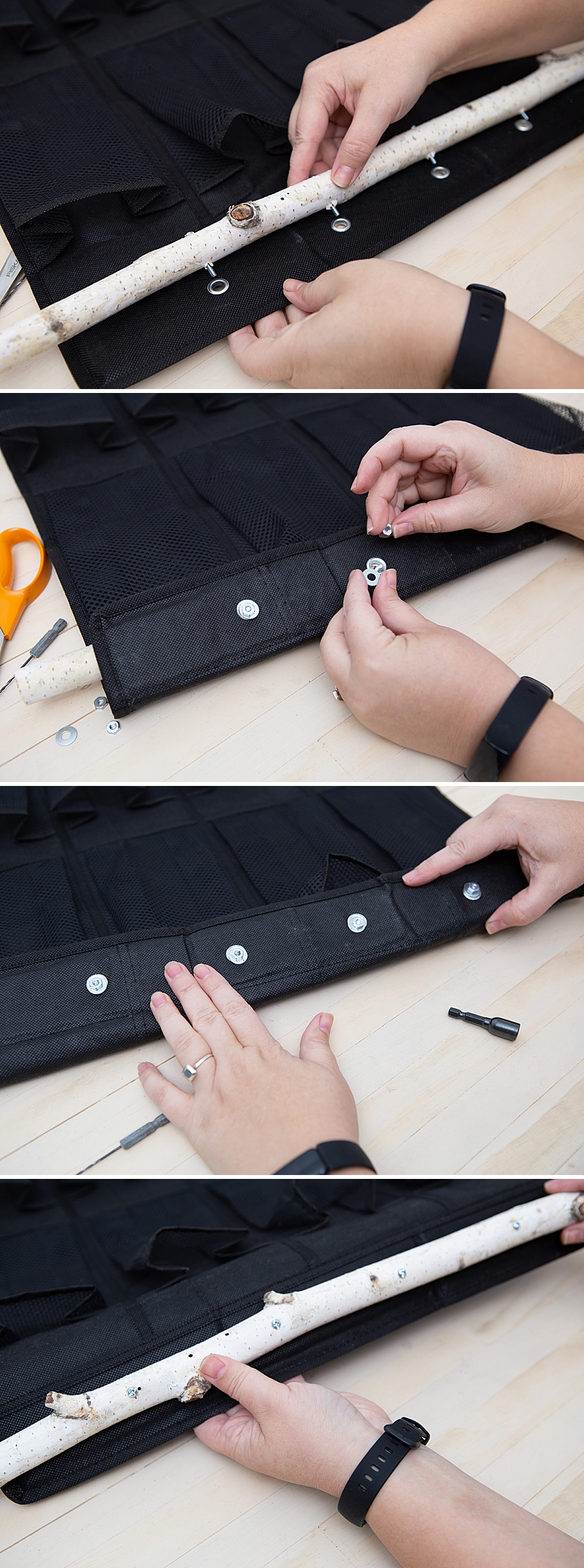
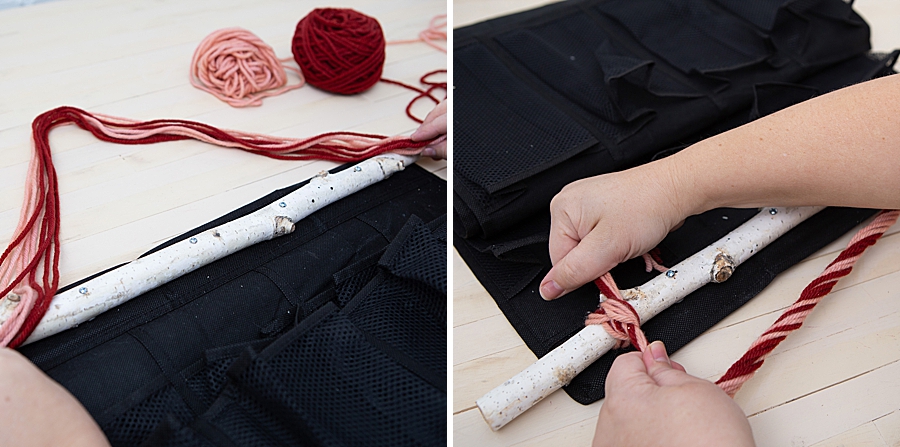
Given the cumulative weight of 24 days of gifts, standard over-the-door hooks were deemed insufficient for long-term durability. The assembly process required a structural modification: the integration of a natural wooden branch to serve as a load-bearing header.

To ensure stability, the branch was prepared by drilling through the wood and attaching it directly to the shoe holder using 1.25-inch bolts, washers, and nuts. This mechanical fastening system allows the calendar to hang securely from yarn or rope, supporting the weight of toys, candies, and various sundries without the risk of the fabric tearing or the rack sagging.
Phase III: Aesthetic Customization
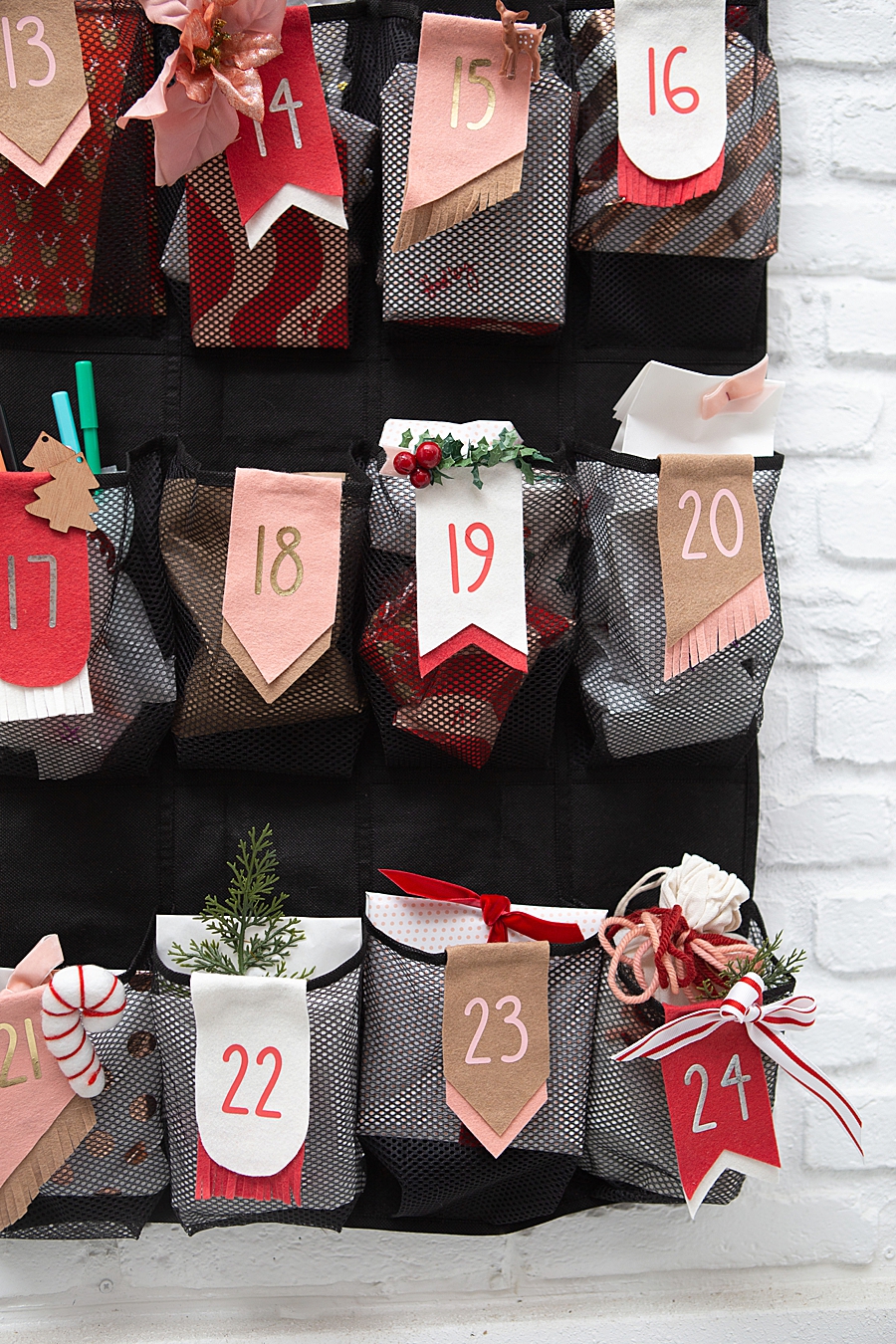
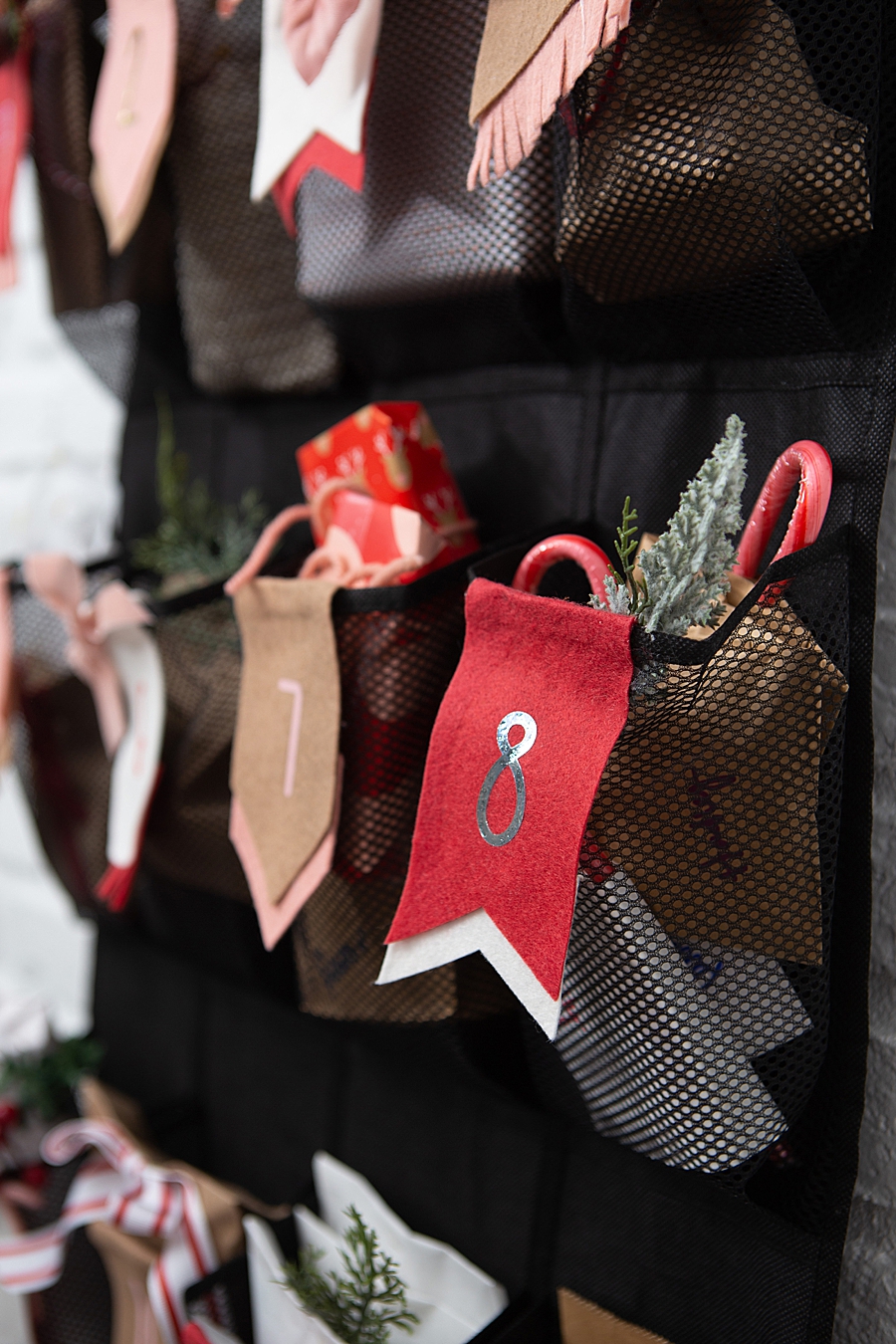
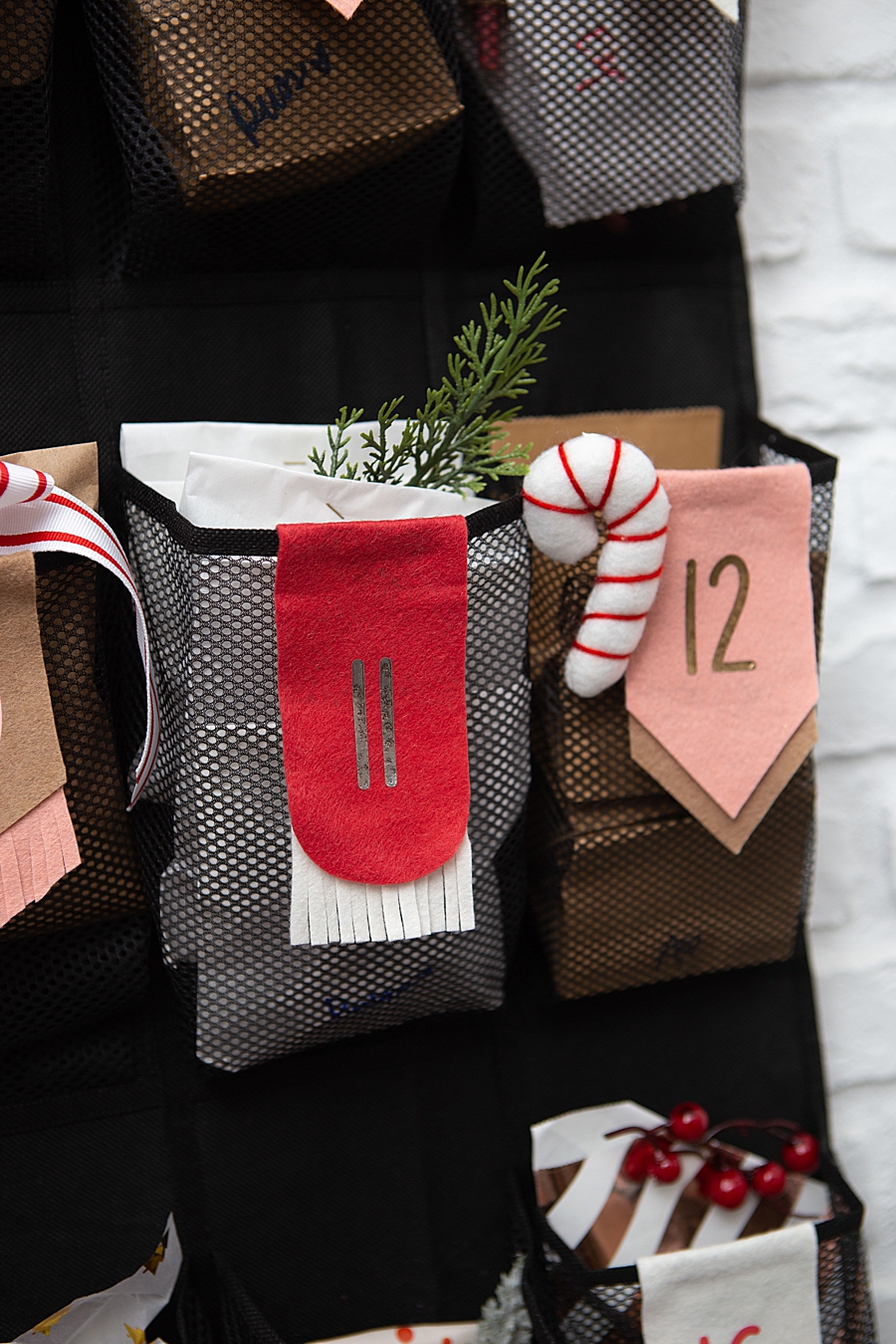
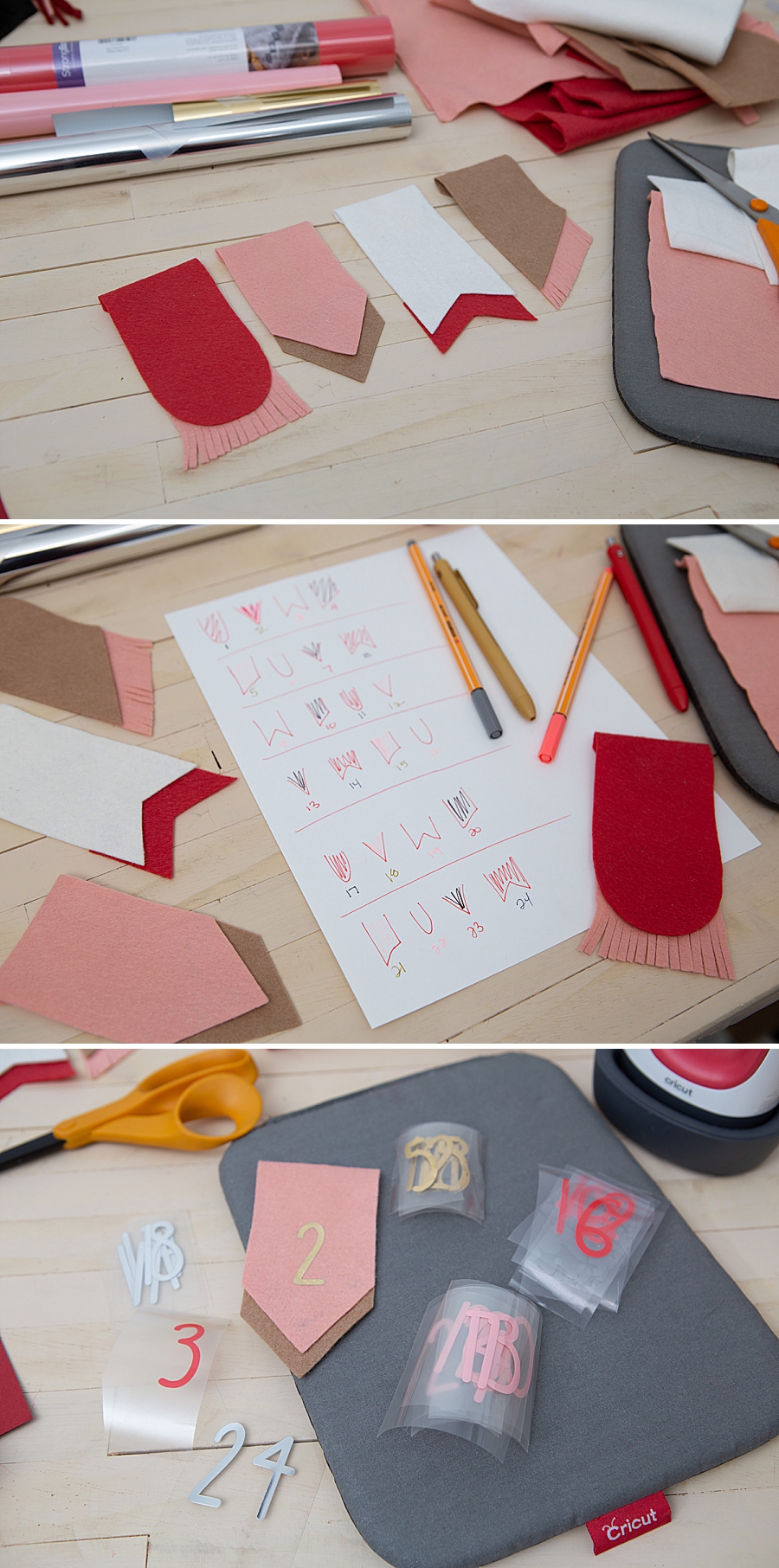
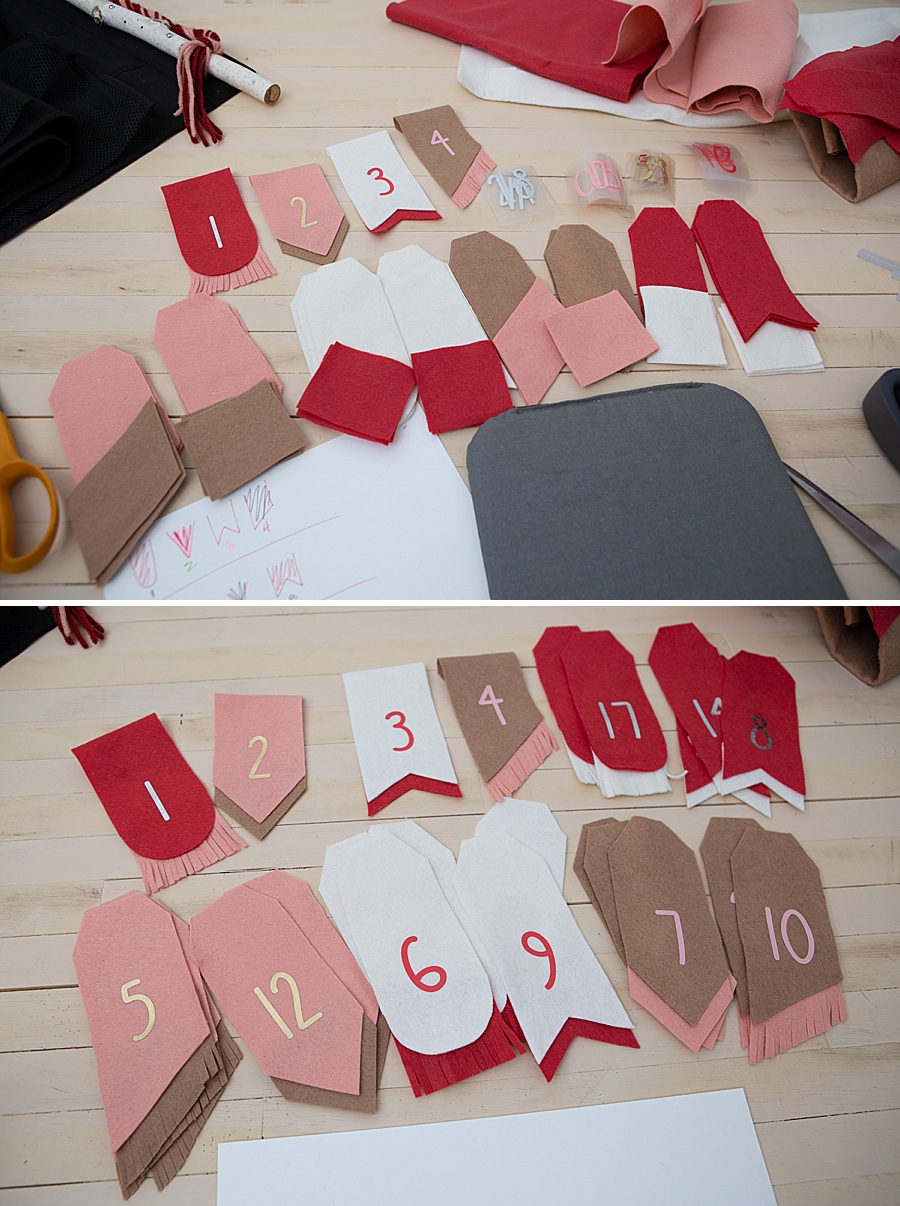
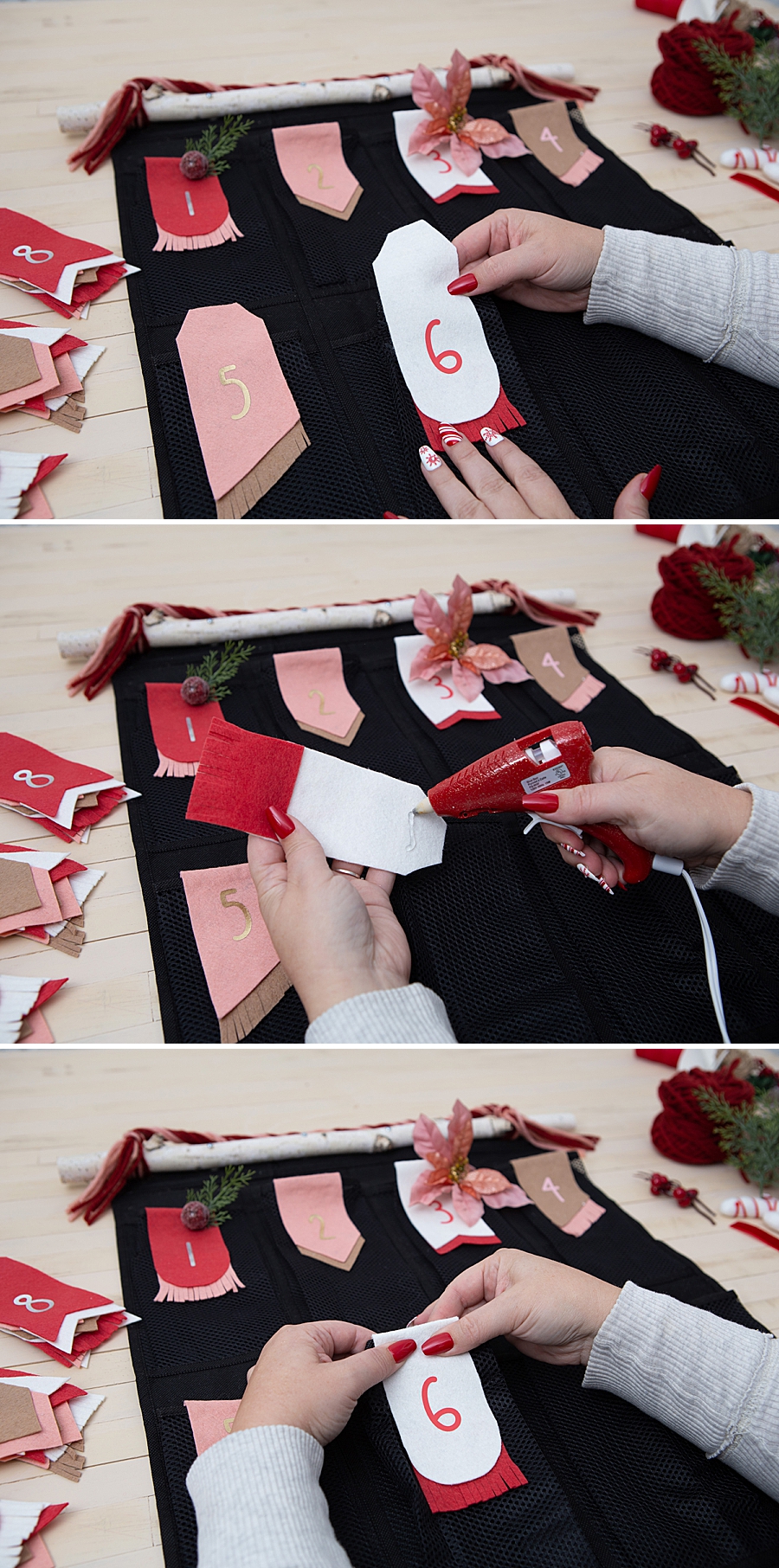
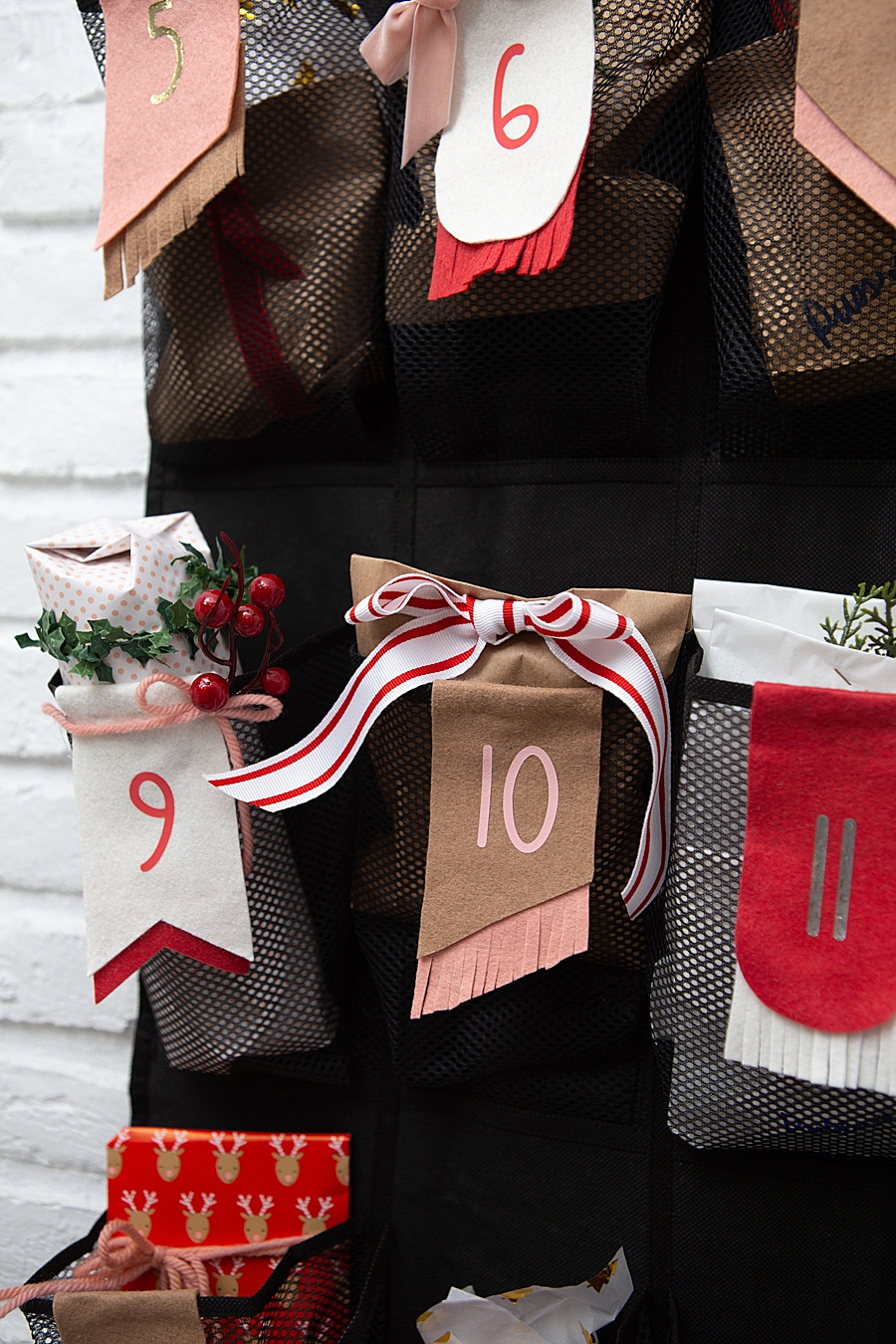
The visual components were developed using digital design tools. Using a Cricut Design Space canvas and "BFC Autumn Harvest" typography, 24 individual felt tags were created. A color palette of red, blush, white, and castle-gray felt was utilized to create a cohesive but varied aesthetic. These tags were then adhered to the pockets using high-temperature adhesive (hot glue), a method chosen for its speed and relative durability against the frequent handling expected from younger children.
Strategic Gift Selection and Logistical Management
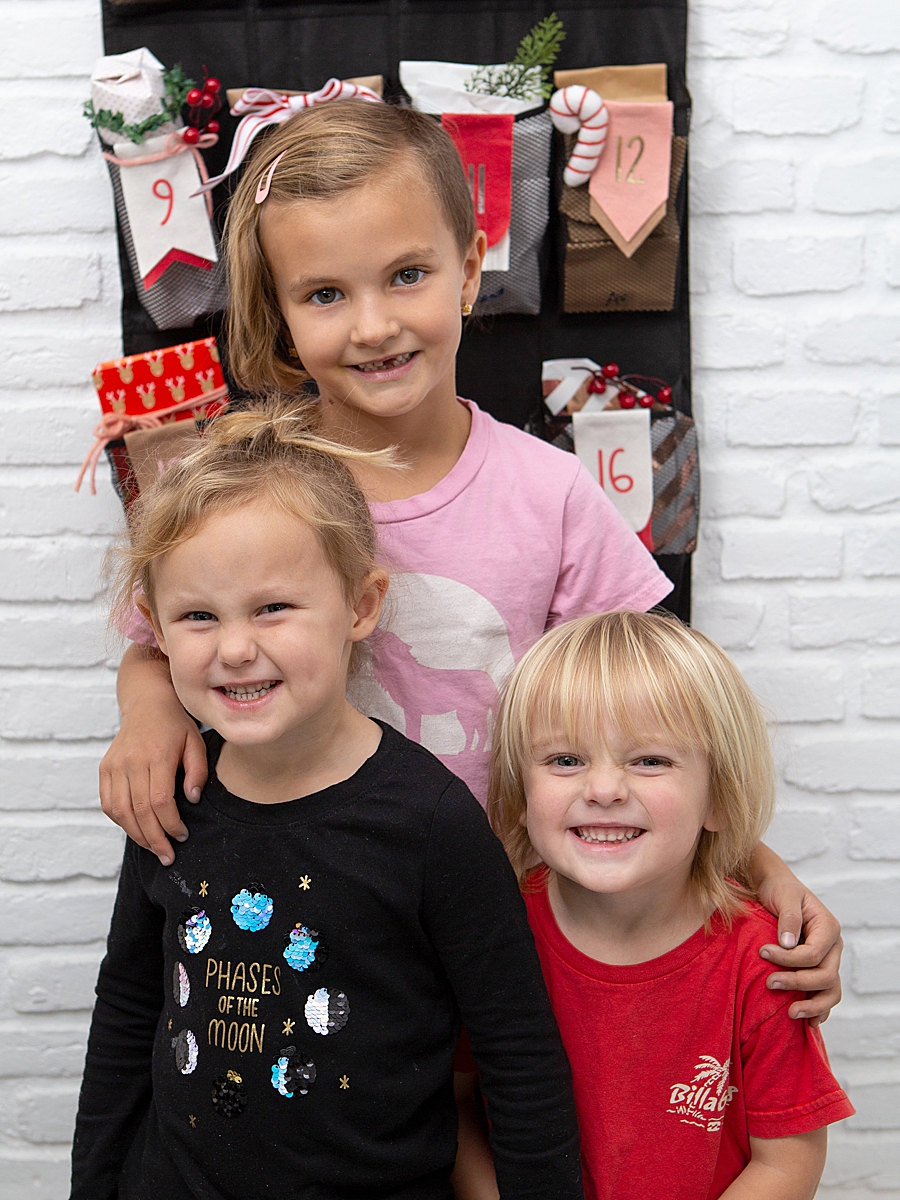
One of the primary advantages of a DIY calendar is the ability to customize the contents for a diverse range of ages. In the case of the Causey-Kidder family, the children range from 14 months to seven years old. This necessitated a tiered approach to gift selection, ensuring that items were age-appropriate and safe.
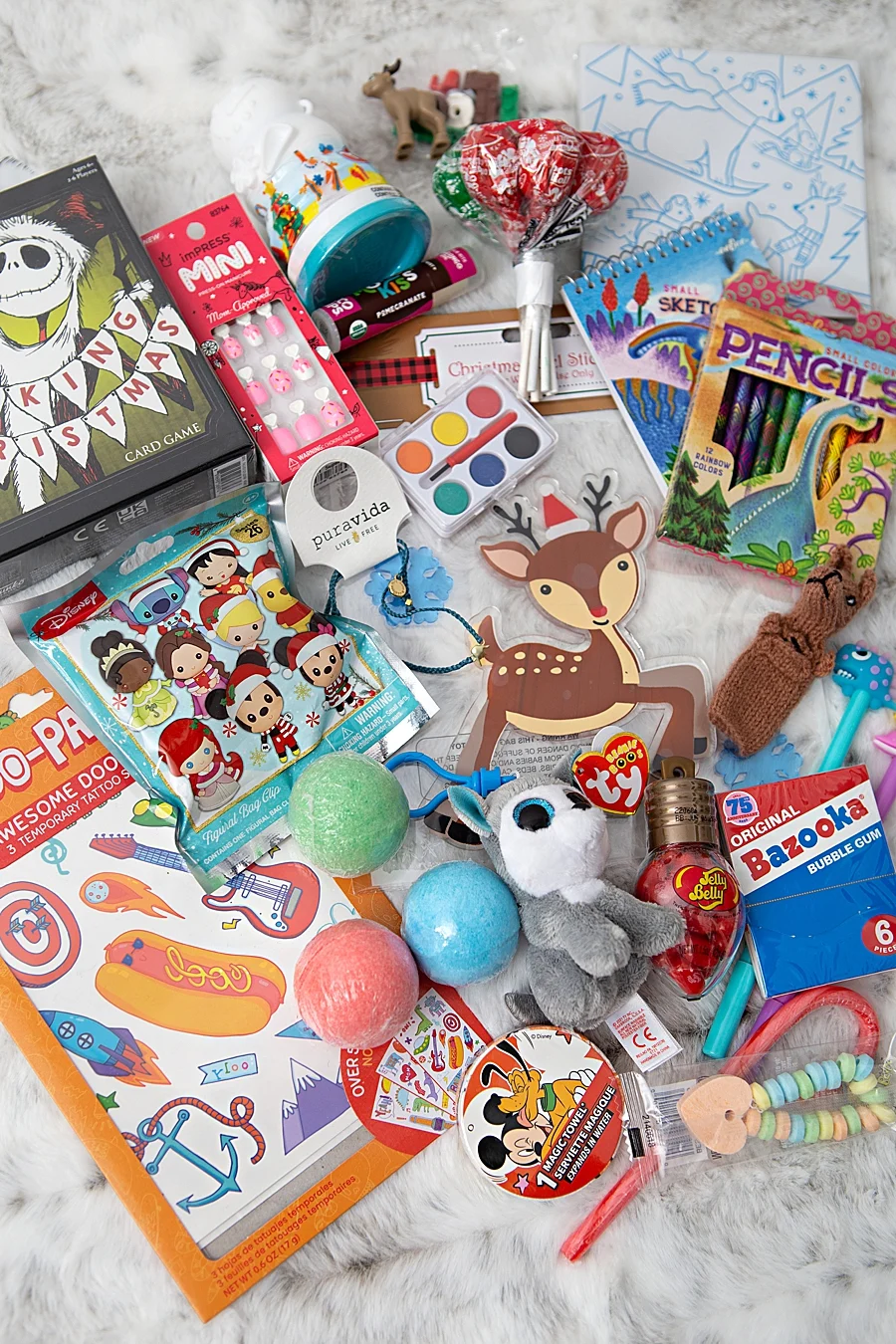
The curated inventory included:
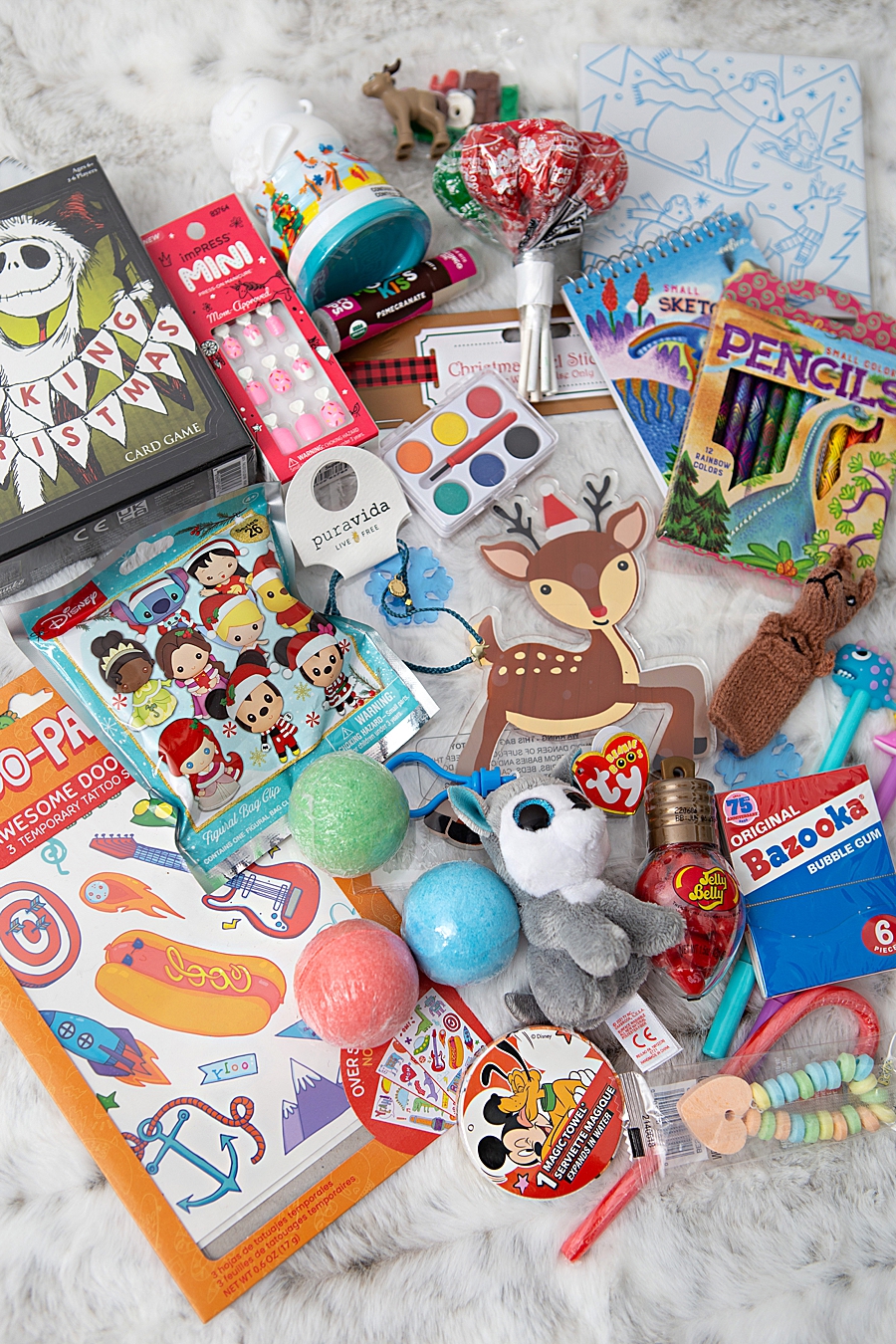
- Personal Accessories: Pura Vida bracelets and press-on nails.
- Creative Tools: Mini watercolor sets, colored pencils, notebooks, and play dough.
- Interactive Toys: Finger puppets, mini stuffies, cars, and dinosaurs.
- Practical Items: Chapstick, bath bombs, and "magic towels."
- Family Engagement: Small games and puzzles designed for group play.
To manage the logistics of a four-child household, a "Mom Trick" was implemented: each gift was labeled with its specific opening date. This serves a dual purpose: it ensures that high-value or specific "event" gifts (like a family game) are opened on appropriate days, and it allows parents to monitor the inventory if younger children attempt to prematurely empty the lower, more accessible pockets.
Data Analysis: Commercial vs. Bespoke Models
When evaluating the shift toward DIY calendars, several data points highlight the long-term benefits for the consumer.
| Feature | Commercial Toy Calendar | DIY Shoe Organizer Calendar |
|---|---|---|
| Average Cost (per child) | $40.00 – $60.00 | $35.00 – $40.00 (variable) |
| Reusability | Low (disposable packaging) | High (reusable fabric/hardware) |
| Content Variety | Low (single-brand focus) | High (multi-category items) |
| Waste Generation | High (plastic/cardboard) | Moderate (reusable wrap options) |
| Personalization | None | Total (age and interest specific) |
The initial investment in the DIY model—purchasing the shoe rack, the hardware, and the crafting tools—is offset by the fact that the primary infrastructure can be reused for a decade or more. Furthermore, the DIY model allows for the inclusion of "family gifts" or "experience coupons" (e.g., "One night of hot cocoa and a movie"), which carry zero financial cost but high emotional value.
Broader Implications for the Holiday Retail Sector
The rise of the "Labor of Love" advent calendar reflects a broader trend in consumer behavior known as "intentional gifting." As the market becomes saturated with low-cost plastic toys, a segment of the parenting demographic is pushing back, prioritizing quality over quantity.
This trend has implications for major retailers. While companies like LEGO and Mattel continue to dominate the advent space, there is a rising demand for "blank" advent vessels. Retailers like Amazon, Target, and specialty craft stores are seeing increased sales in wooden advent chests, fabric pocket hangers, and DIY kit components.
Industry analysts suggest that the move toward customized calendars also reflects a desire for "digital detox" during the holidays. The process of building, wrapping, and labeling a calendar provides a tactile, creative outlet for parents, while the unique daily surprises offer a more meaningful engagement for children than the predictable contents of a licensed box.
Conclusion: A Sustainable Holiday Tradition
The project documented by Something Turquoise serves as more than just a craft tutorial; it is a case study in modern household management and creative problem-solving. By identifying the financial and psychological "pain points" of commercial holiday products, families are reclaiming the countdown to Christmas as a personalized, sustainable, and budget-conscious tradition.
While the "Labor of Love" approach requires a significant investment of time—collecting items over several months and spending hours on assembly and wrapping—the result is a sturdy, meaningful fixture that grows with the family. As families look toward future holiday seasons, the over-the-door shoe organizer advent calendar stands as a testament to the fact that the most memorable traditions are often those built by hand, rather than those bought off a shelf.
For those interested in replicating this model, the integration of digital cutting tools, sturdy hardware, and a strategic approach to age-appropriate gifting remains the gold standard for creating a successful, multi-child holiday experience. The movement toward these bespoke solutions is expected to grow as more families seek to balance the magic of the season with the realities of modern economic and environmental considerations.