


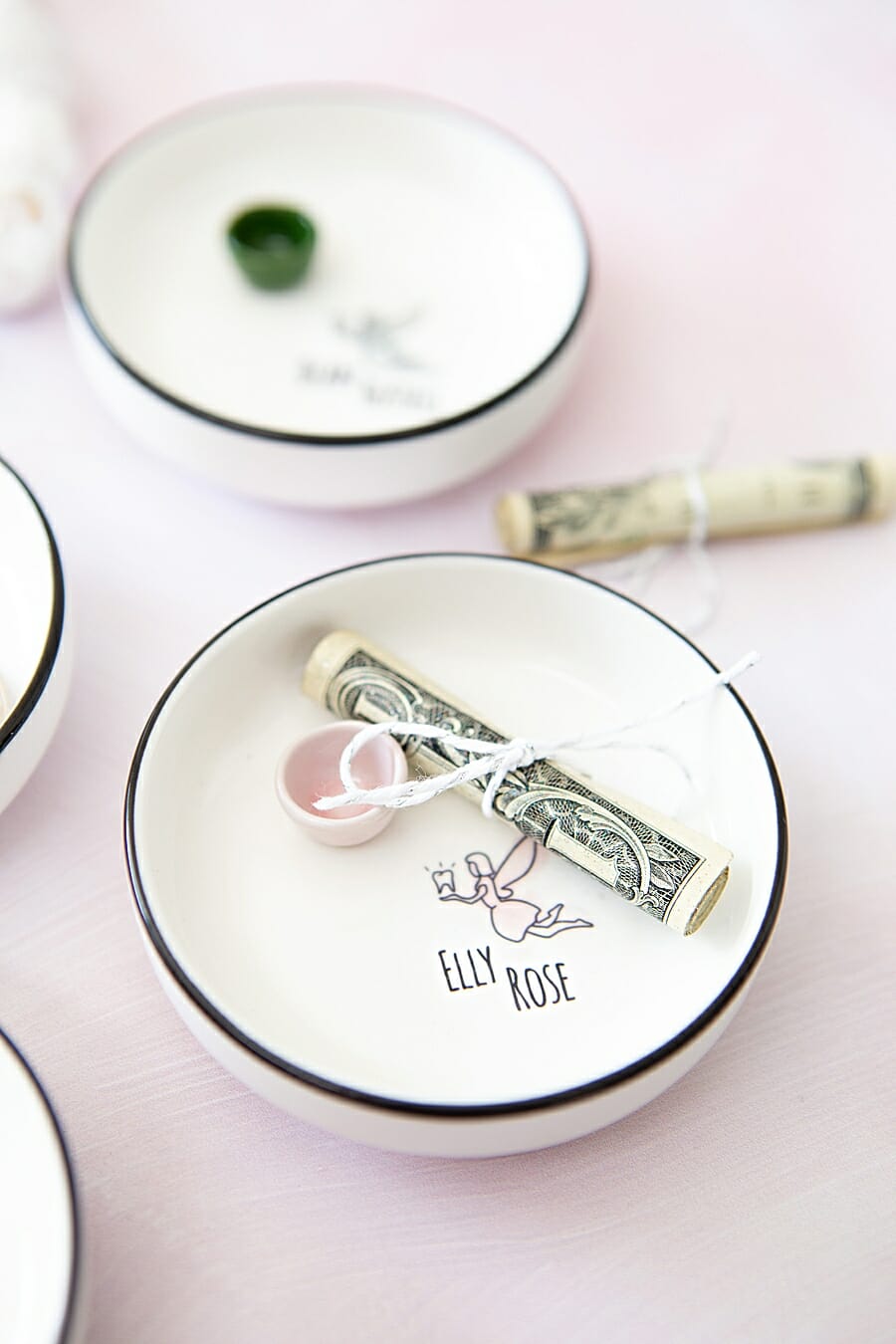
The landscape of childhood traditions is undergoing a significant transformation as digital design tools and accessible crafting technologies allow parents to move beyond mass-produced items toward highly personalized keepsakes. At the center of this shift is the evolution of the Tooth Fairy ritual, a cornerstone of early childhood in many Western cultures. Traditionally centered around small pillows or envelopes tucked beneath a child’s sleeping head, the practice is being reimagined through the creation of bespoke ceramic dishes. This modern iteration leverages inkjet waterslide decal technology, digital editing platforms, and specialized adhesives to create durable, aesthetically pleasing vessels for the exchange of primary teeth for currency.
Historical Context and the Evolution of the Tooth Fairy Tradition
To understand the rise of specialized items like Tooth Fairy dishes, one must examine the origins of the myth itself. While the exchange of a lost tooth for a gift is a global phenomenon, the specific character of the Tooth Fairy is a relatively recent addition to folklore. Early Norse and European traditions involved "tooth-fee" (tand-fé), where a child was paid for their first lost tooth, often because the teeth were believed to bring good luck in battle or protection against evil spirits.
The modern incarnation of the Tooth Fairy began to take shape in the early 20th century. The first known literary reference appeared in a 1927 "three-act playlet" by Esther Watkins Arnold. By the 1950s, the tradition had become a standard household event in the United States, fueled by the post-war prosperity and the rise of child-centric parenting. Traditionally, the ritual required a "tooth pillow"—a small cushion with a pocket. However, as contemporary interior design and parenting styles lean toward minimalism and personalization, the "tooth dish" has emerged as a functional and decorative alternative. This shift reflects a broader trend in the "keepsake economy," where parents seek to document developmental milestones through physical objects that can be archived or displayed.
Technical Methodology: The Integration of Digital and Analog Crafting
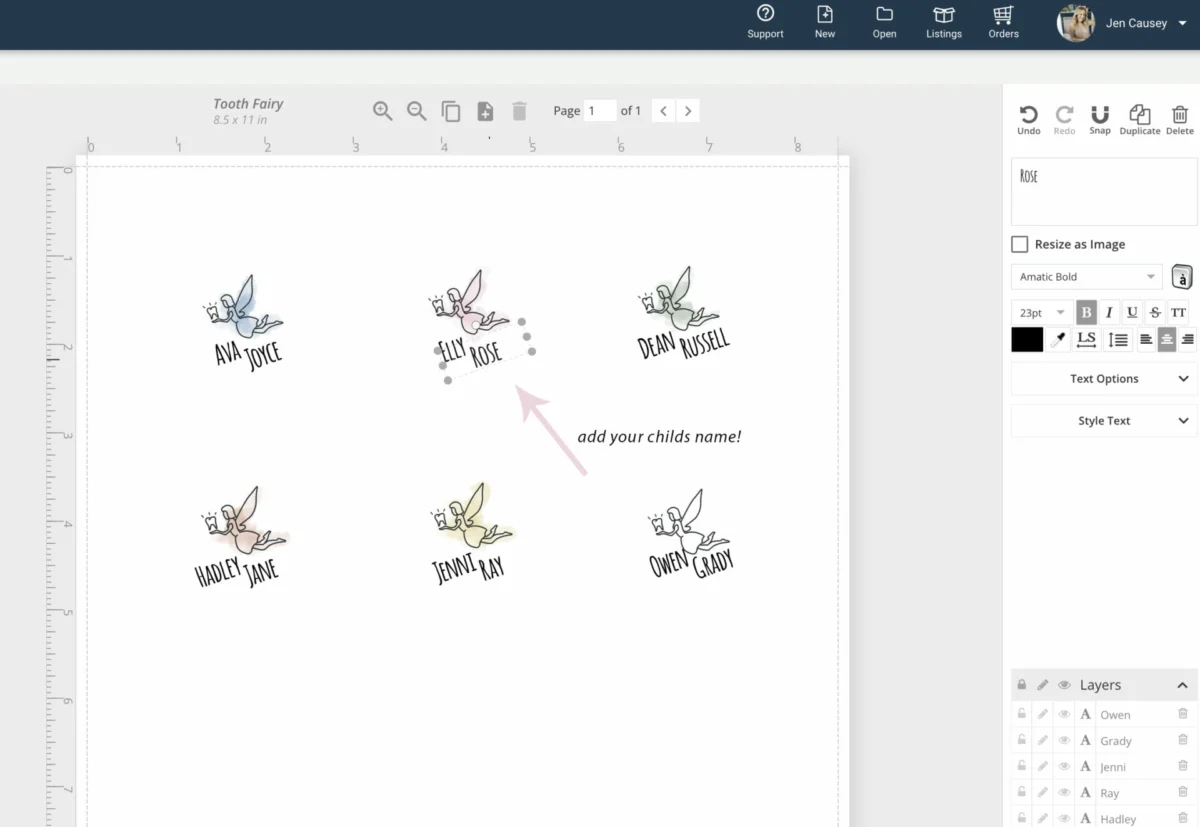
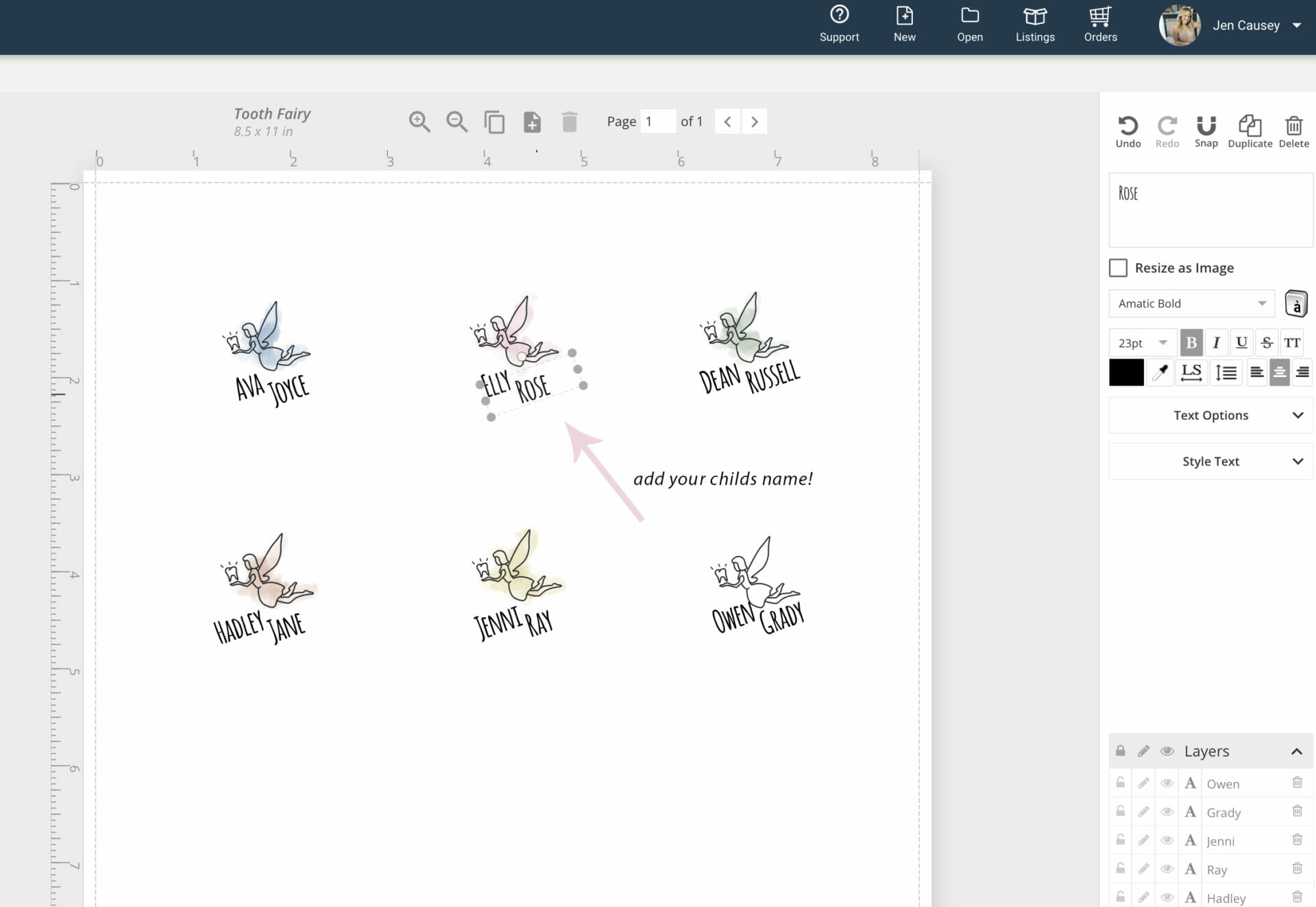
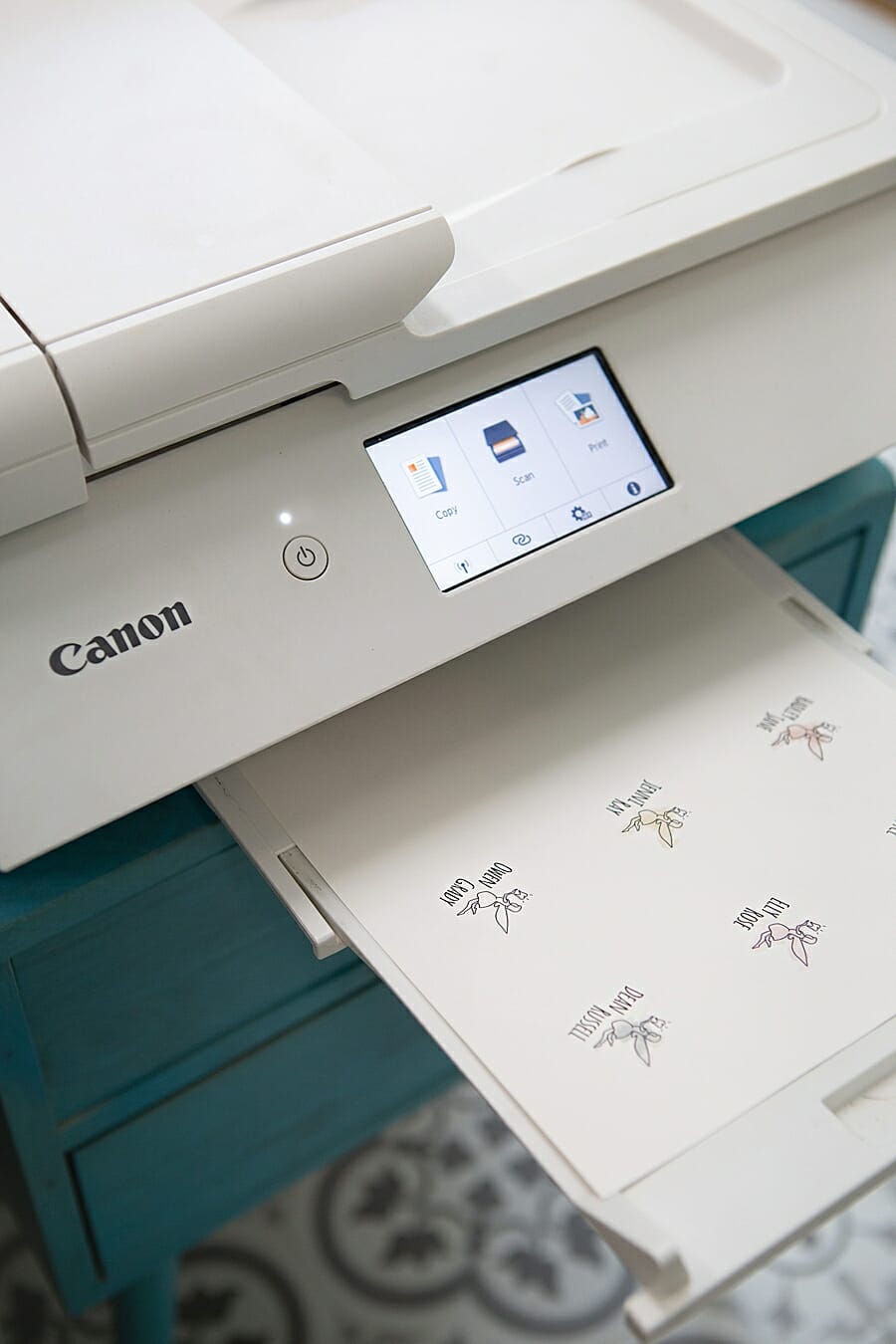
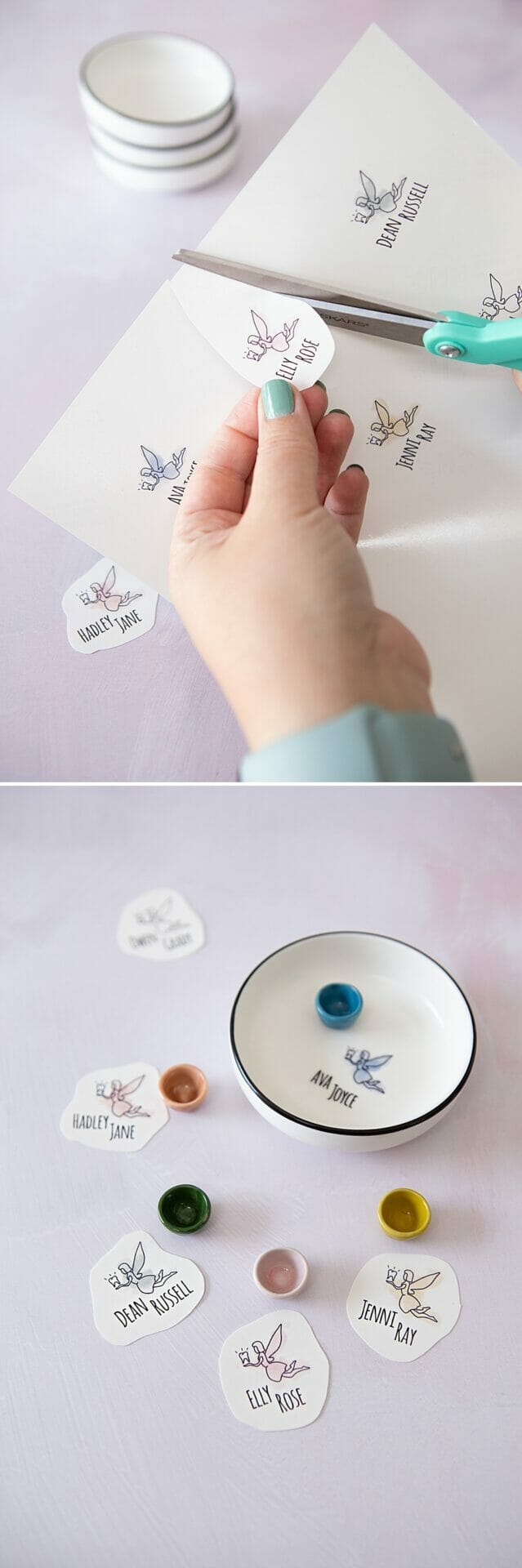
The production of personalized Tooth Fairy dishes represents a sophisticated intersection of home computing and traditional ceramics. The process begins with digital asset management, utilizing platforms such as Corjl. These web-based tools allow users to manipulate graphic designs, such as the "Amatic Bold" font and fairy motifs, without requiring advanced knowledge of professional design software. This democratization of design is a key driver in the current DIY (Do-It-Yourself) market.
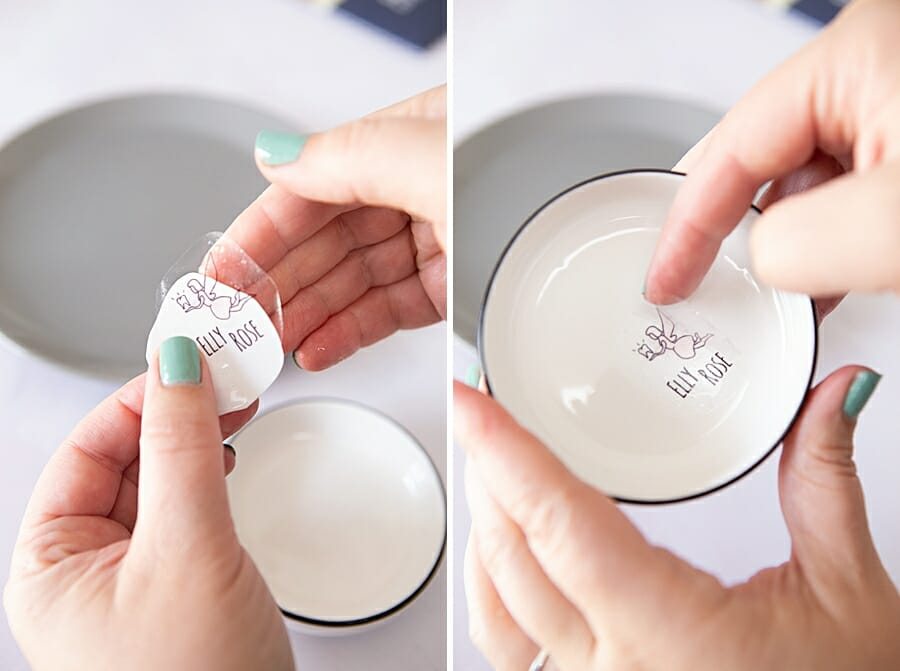
Following the design phase, the physical creation involves the application of waterslide decal paper. This medium, originally used in model building and industrial labeling, consists of a water-soluble adhesive layer on a paper backing. When printed with an inkjet printer, the ink sits on a thin plastic or lacquer film.
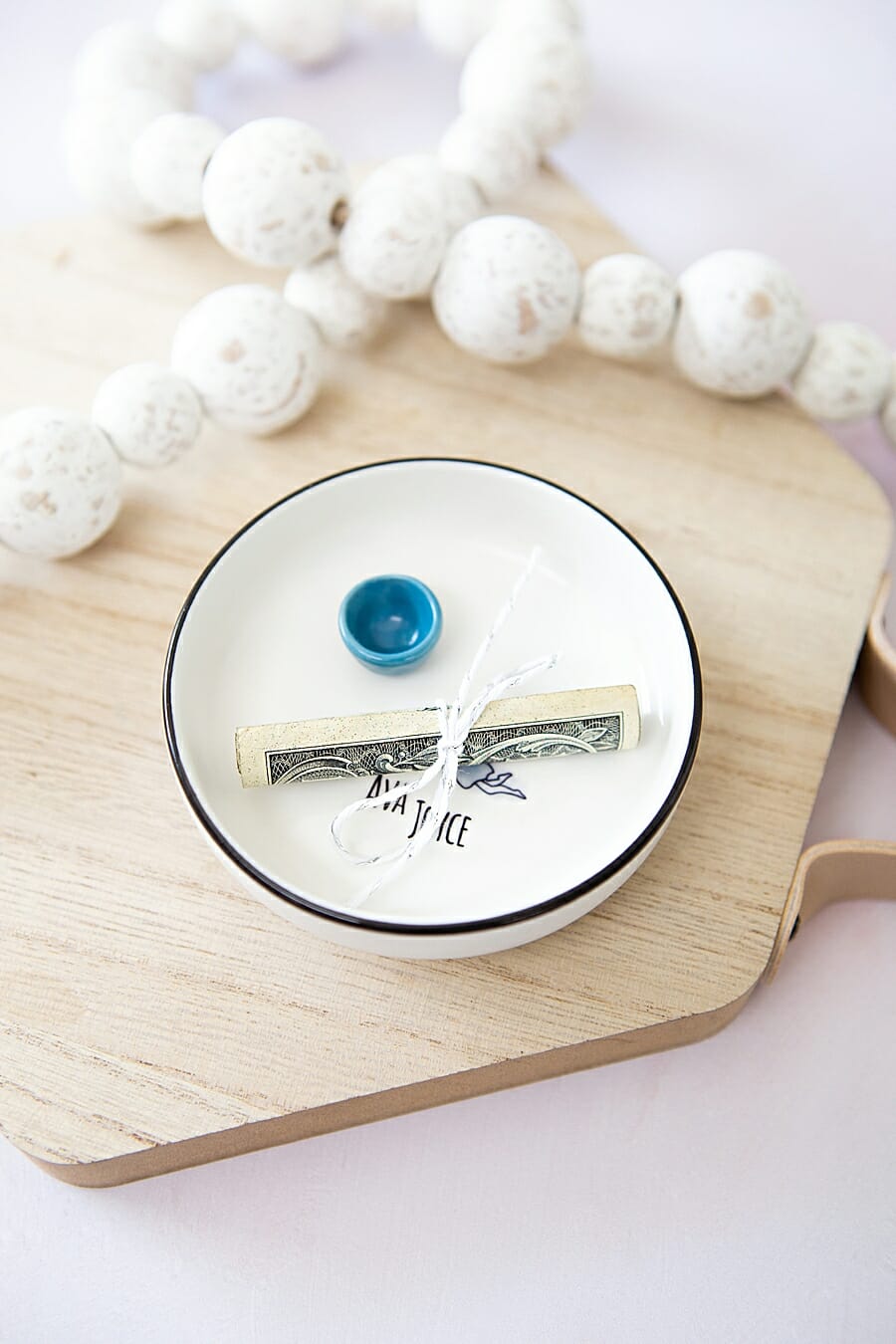
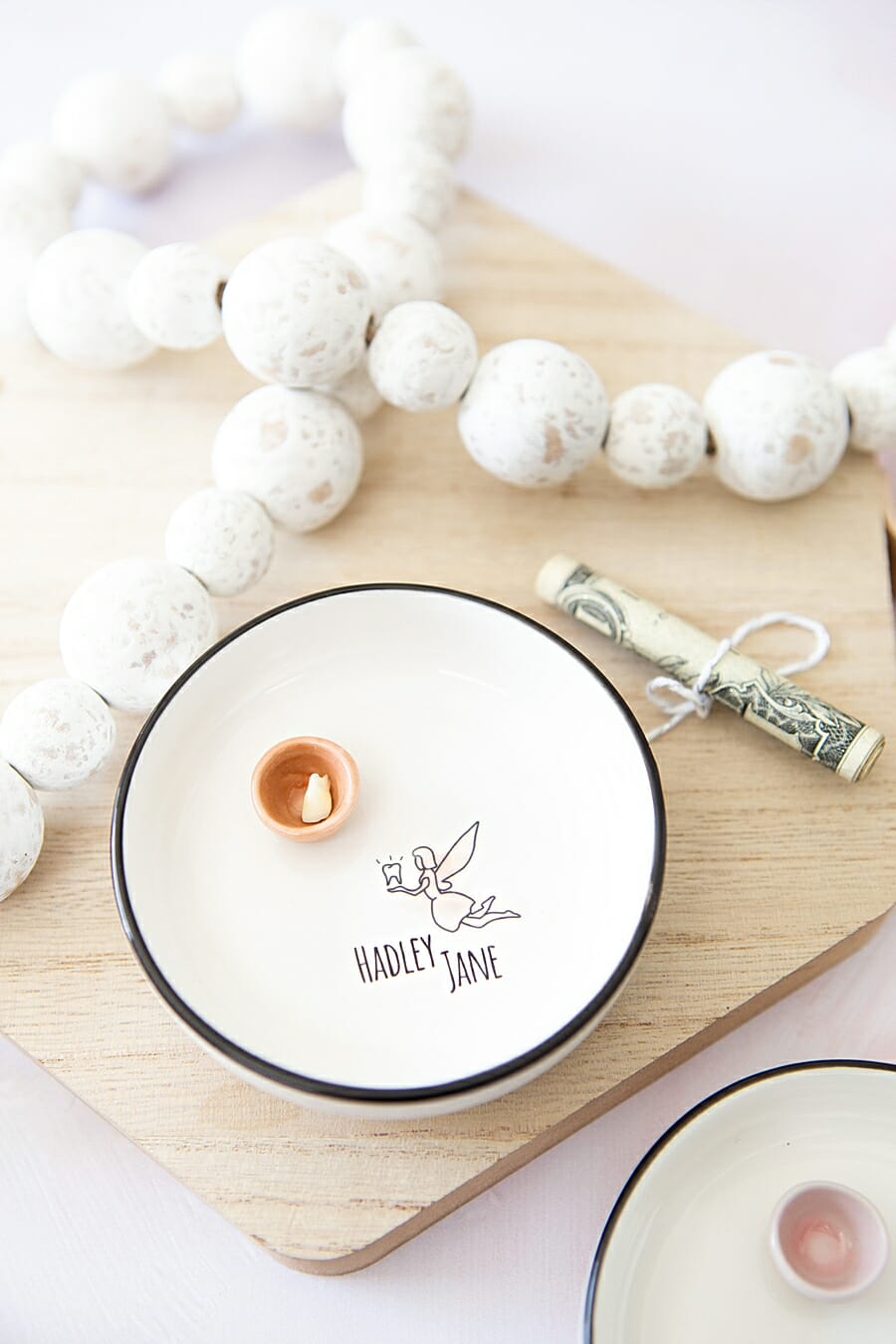
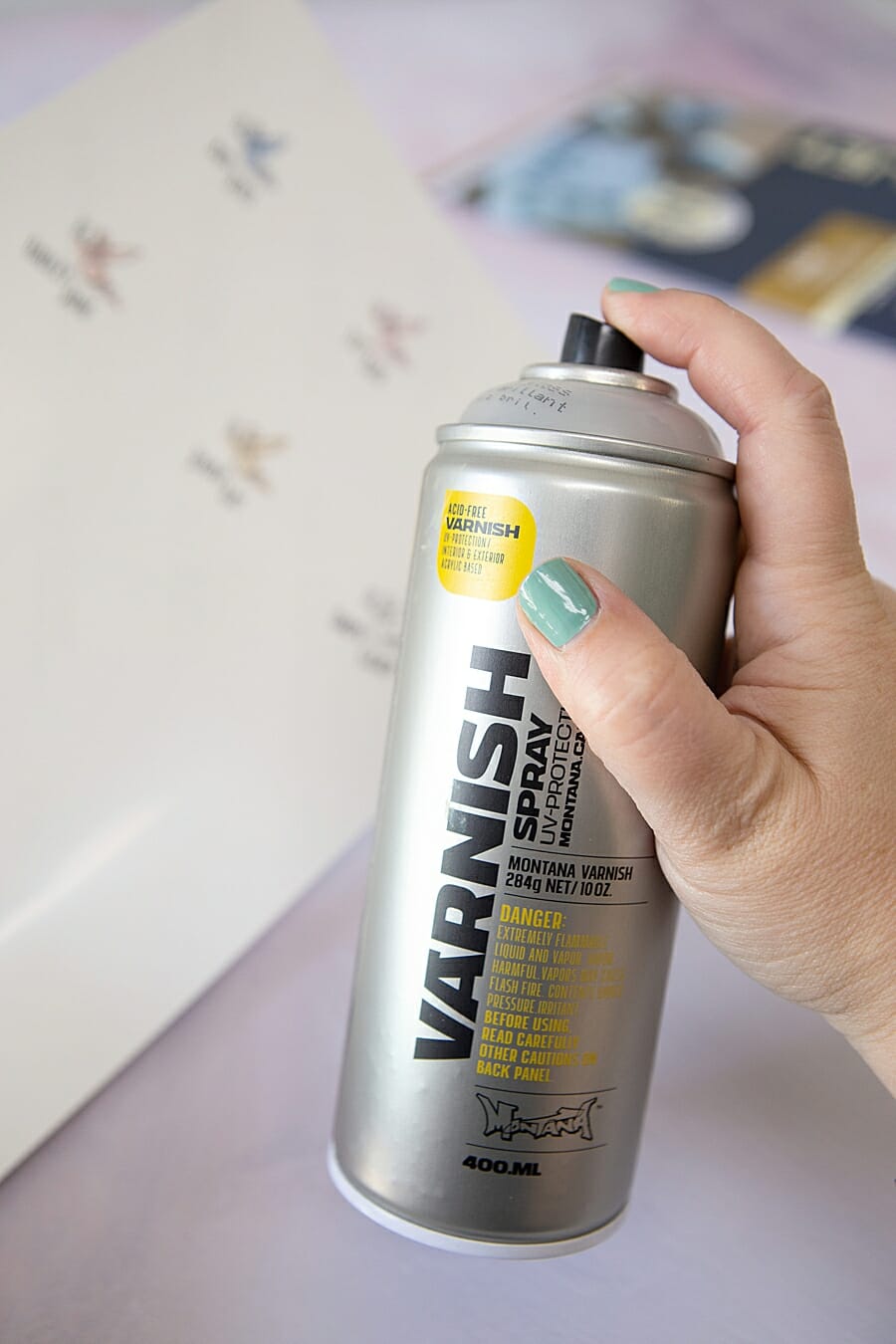
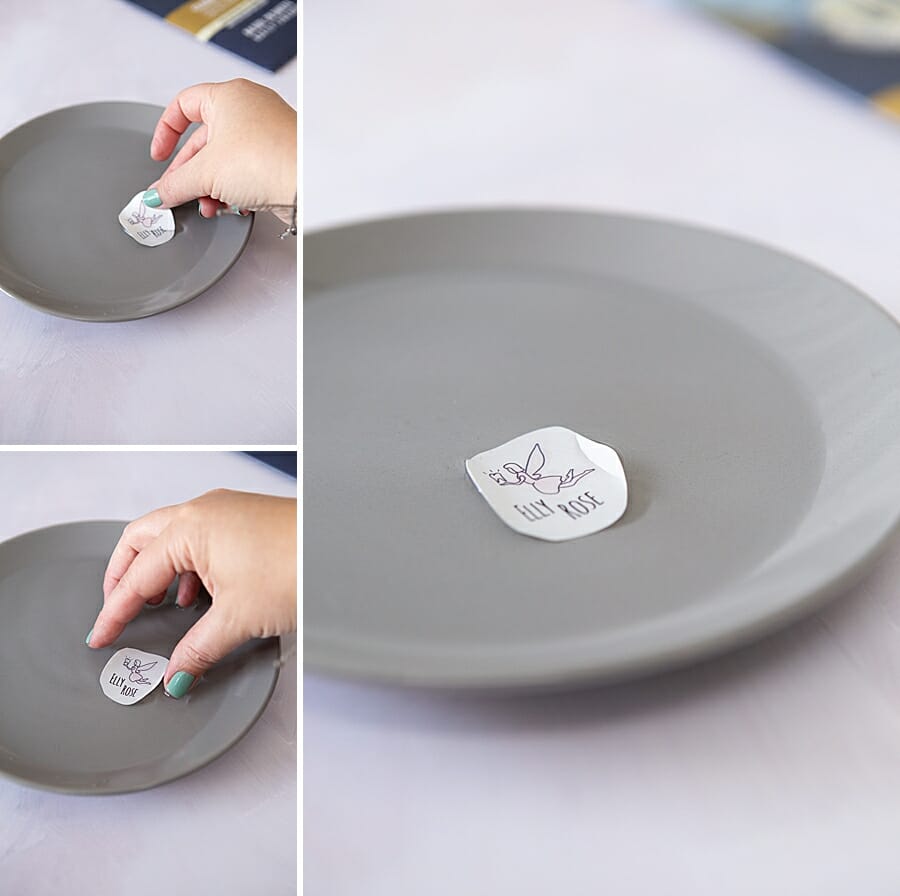
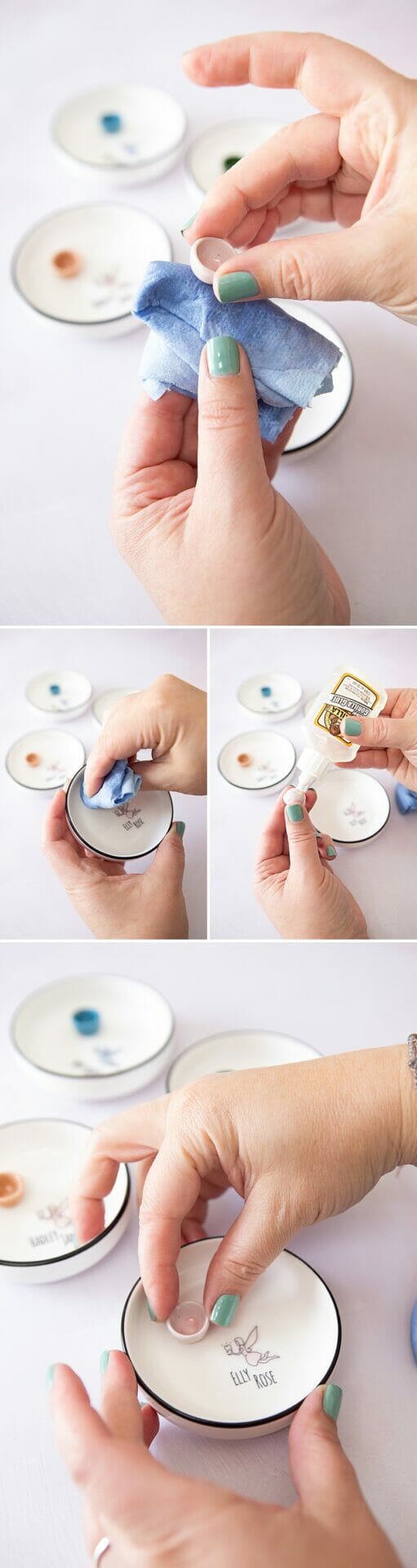
The technical requirements for a successful transfer are precise. The printed design must be sealed with a clear varnish—such as those produced by Montana or similar high-quality aerosol brands—to prevent the water-soluble inkjet ink from bleeding when submerged. This sealing process typically requires multiple coats with specific drying intervals to ensure a waterproof barrier. Once cured, the decal is soaked in water, causing the film to slide off the backing, allowing it to be positioned on a ceramic surface. The final assembly often involves bonding two disparate ceramic elements—a base sauce dish and a smaller "dollhouse" bowl—using high-strength cyanoacrylate or polyurethane adhesives like Gorilla Glue to create a tiered, sculptural effect.

The Tooth Fairy Economy: Data and Trends
The creation of specialized dishes is not merely an aesthetic choice but a response to the growing "Tooth Fairy Economy." According to the annual Delta Dental Tooth Fairy Survey, which has tracked the value of a lost tooth since 1998, the average payout has seen significant fluctuations tied to broader economic indicators.
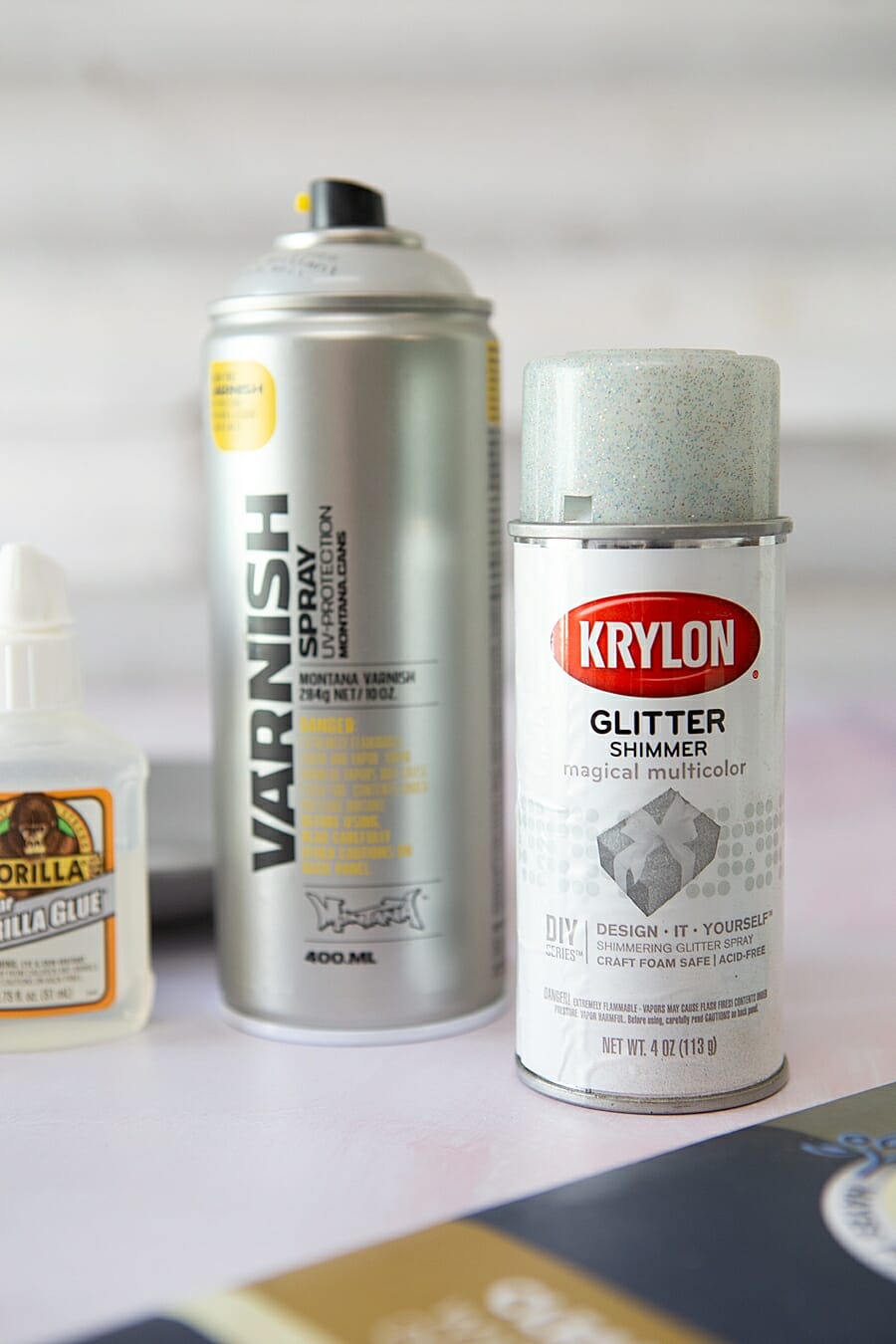
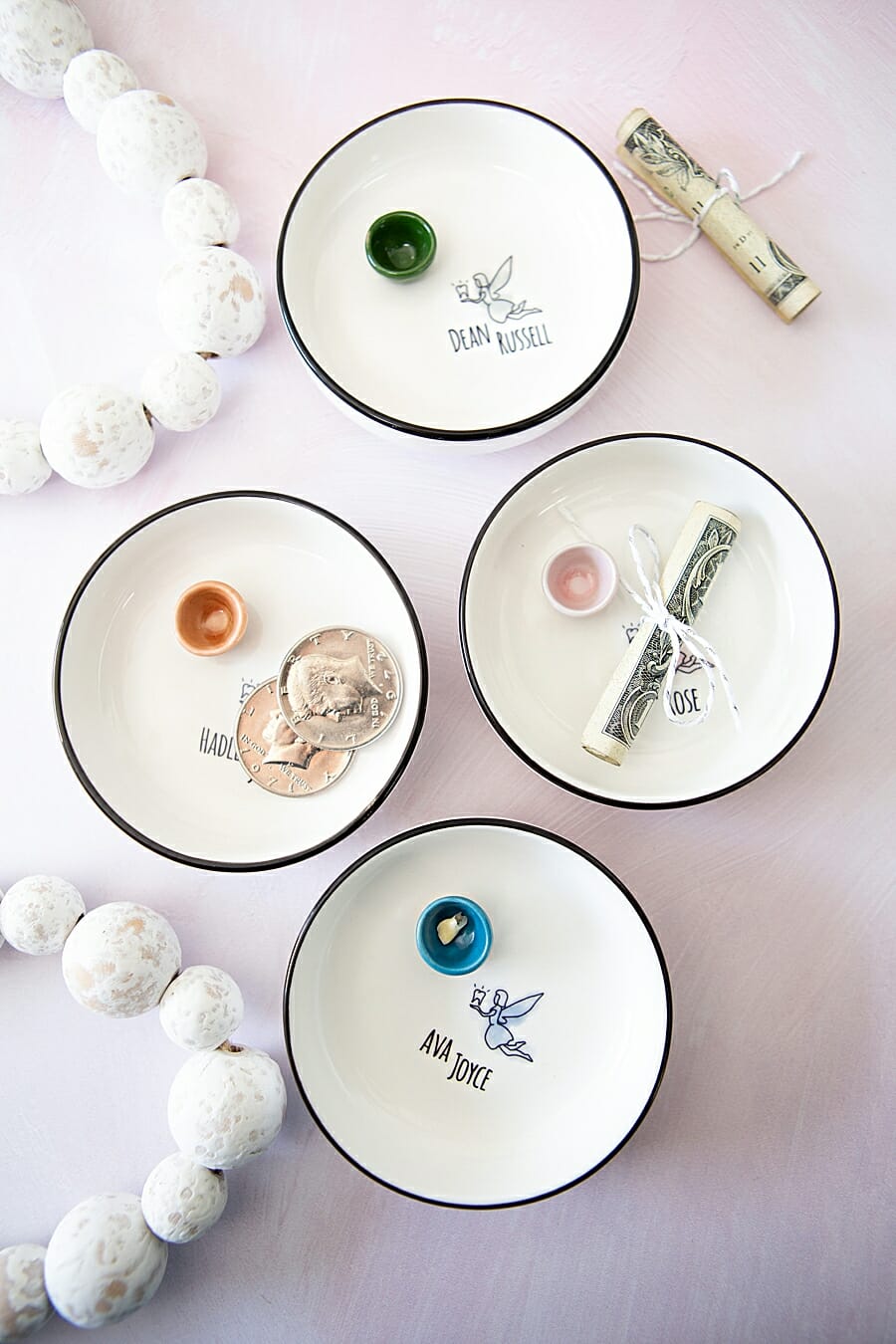
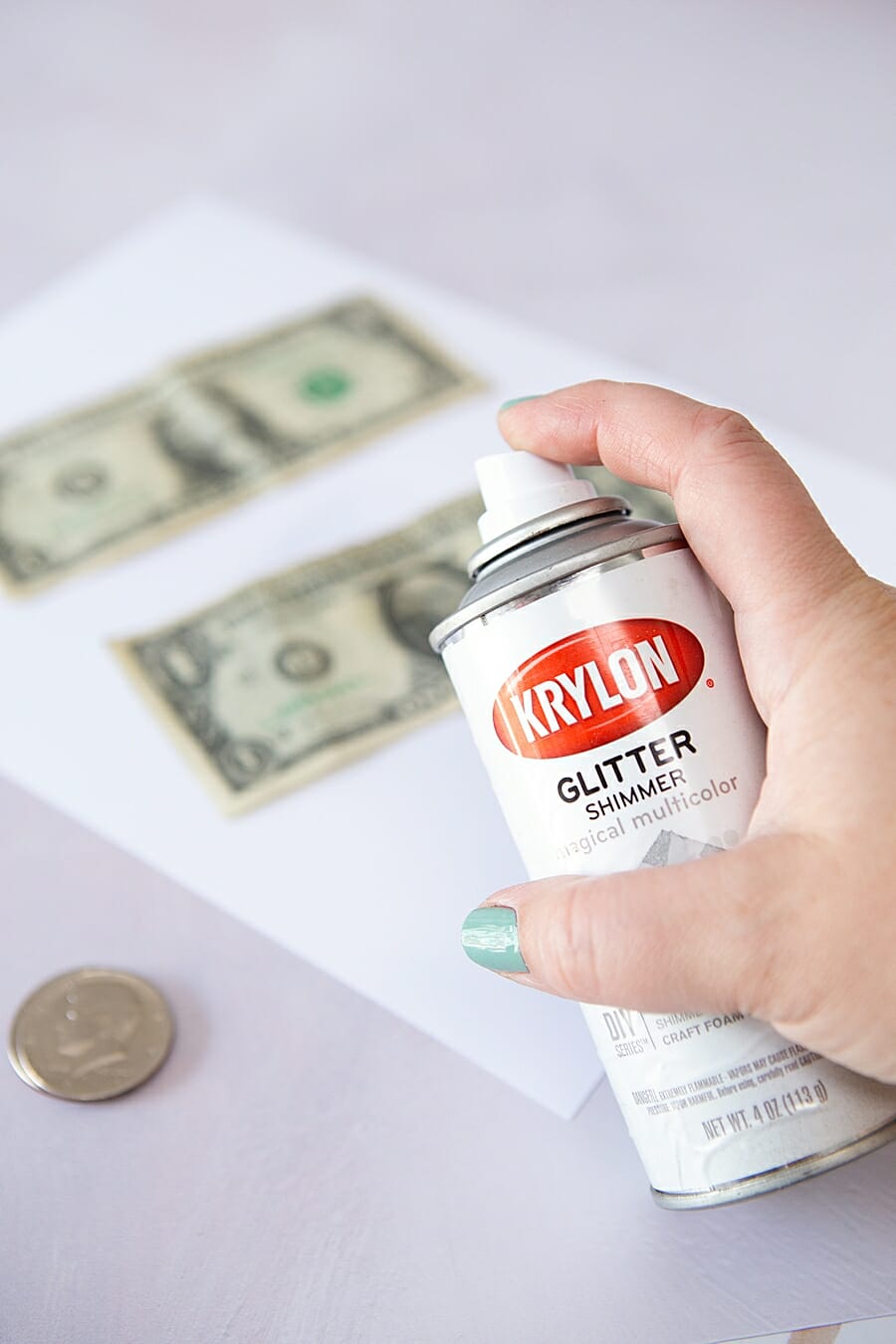
In 2023, the average value of a single tooth in the United States reached a record high of $6.23, a substantial increase from the $5.36 reported in the previous year. This "inflation" of the tooth market has led to more elaborate presentation methods. Parents are no longer simply sliding a crumpled bill under a pillow; they are increasingly engaging in "currency enhancement," such as applying glitter spray to dollar bills or polishing half-dollar coins to a high luster. The use of a dedicated dish facilitates this presentation, providing a stable platform for both the biological "offering" and the subsequent "reward."
Safety, Durability, and Material Analysis
While these DIY projects offer high levels of customization, they also introduce considerations regarding material safety and longevity. Journalistic analysis of the materials used—specifically inkjet waterslide paper and clear varnishes—reveals that these items are generally classified as decorative rather than functional.
Most clear aerosol varnishes are not food-safe (FDA approved for contact with food), nor are they dishwasher-safe. The chemical composition of the resins used in the decals can degrade under high heat or when exposed to abrasive detergents. However, because the primary function of a Tooth Fairy dish is to hold dry currency and small calcified structures (teeth), the risk of chemical leaching is negligible. To ensure the longest possible lifespan for the decal, experts recommend a three-day curing period and suggest that users avoid "oven curing" unless the specific decal brand and the ceramic substrate are rated for thermal processing.
Psychological Impact and Childhood Rituals
Child developmental experts suggest that rituals like the Tooth Fairy play a vital role in helping children navigate the anxiety associated with physical loss. The loss of a tooth is a visible sign of aging and change, which can be unsettling for young children. By creating a structured, "magical" exchange, parents provide a framework that celebrates growth rather than mourning the loss of a body part.
The introduction of a personalized dish adds a layer of "ownership" to the ritual. When a child sees their name or a chosen color on the vessel, it reinforces their individual identity within the family unit. Furthermore, the act of placing the tooth in a specific, designated location—rather than hiding it under a pillow—can reduce the logistical stress for parents (the "Tooth Fairy") who must retrieve the tooth and replace it with money without waking the sleeping child. This practical benefit often outweighs the sentimental value for many modern families.
Market Implications for the Crafting Industry
The rise of specialized DIY projects like the Tooth Fairy dish is a boon for the "Creator Economy." Companies like Amazon, which provide the raw materials (miniature bowls, sauce dishes, and specialized papers), and digital marketplaces like Etsy, where design templates are sold, have seen a surge in micro-niche crafting.
The integration of hashtags such as #somethingturquoisediy on social media platforms like Instagram and Twitter (X) serves as a powerful marketing engine. This "user-generated content" (UGC) loop encourages other parents to attempt the project, driving sales for the component manufacturers. It also creates a community of practice where troubleshooting—such as how to avoid bubbles in the decal or which glue provides the best ceramic-to-ceramic bond—is shared freely, further lowering the barrier to entry for novice crafters.
Future Outlook and Conclusion
As home manufacturing technologies continue to advance, the trend toward hyper-personalization in childhood traditions is expected to accelerate. We may soon see the integration of 3D-printed tooth vessels or augmented reality (AR) components where the "fairy" can be seen on a smartphone screen interacting with the physical dish.
For now, the personalized ceramic dish stands as a testament to the enduring power of the Tooth Fairy myth and the modern parent’s desire to blend tradition with contemporary craftsmanship. By utilizing a combination of digital design and manual assembly, these objects become more than just containers; they are artifacts of a specific moment in a child’s development, preserved through the careful application of science and art. The move from the soft, hidden pillow to the bright, personalized dish signifies a shift toward a more transparent, celebrated, and documented childhood experience.