The traditional landscape of childhood milestones is undergoing a significant transformation as modern parents increasingly pivot toward bespoke, handmade commemoratives over mass-produced alternatives. A prominent example of this shift is the recent emergence of personalized ceramic tooth fairy dishes, a sophisticated replacement for the conventional tooth fairy pillow. This methodology, popularized by DIY specialist Jen Causey-Kidder of the creative outlet Something Turquoise, utilizes advanced home-printing technology and industrial-grade adhesives to create durable, aesthetic keepsakes. By integrating inkjet waterslide paper technology with miniature ceramic components, the process represents a convergence of traditional parenting rituals and modern "maker" culture.
Technical Methodology and Production Chronology
The production of personalized tooth fairy dishes involves a multi-stage technical process that bridges digital graphic design and physical assembly. The workflow is characterized by specific chemical curing times and precision application techniques.
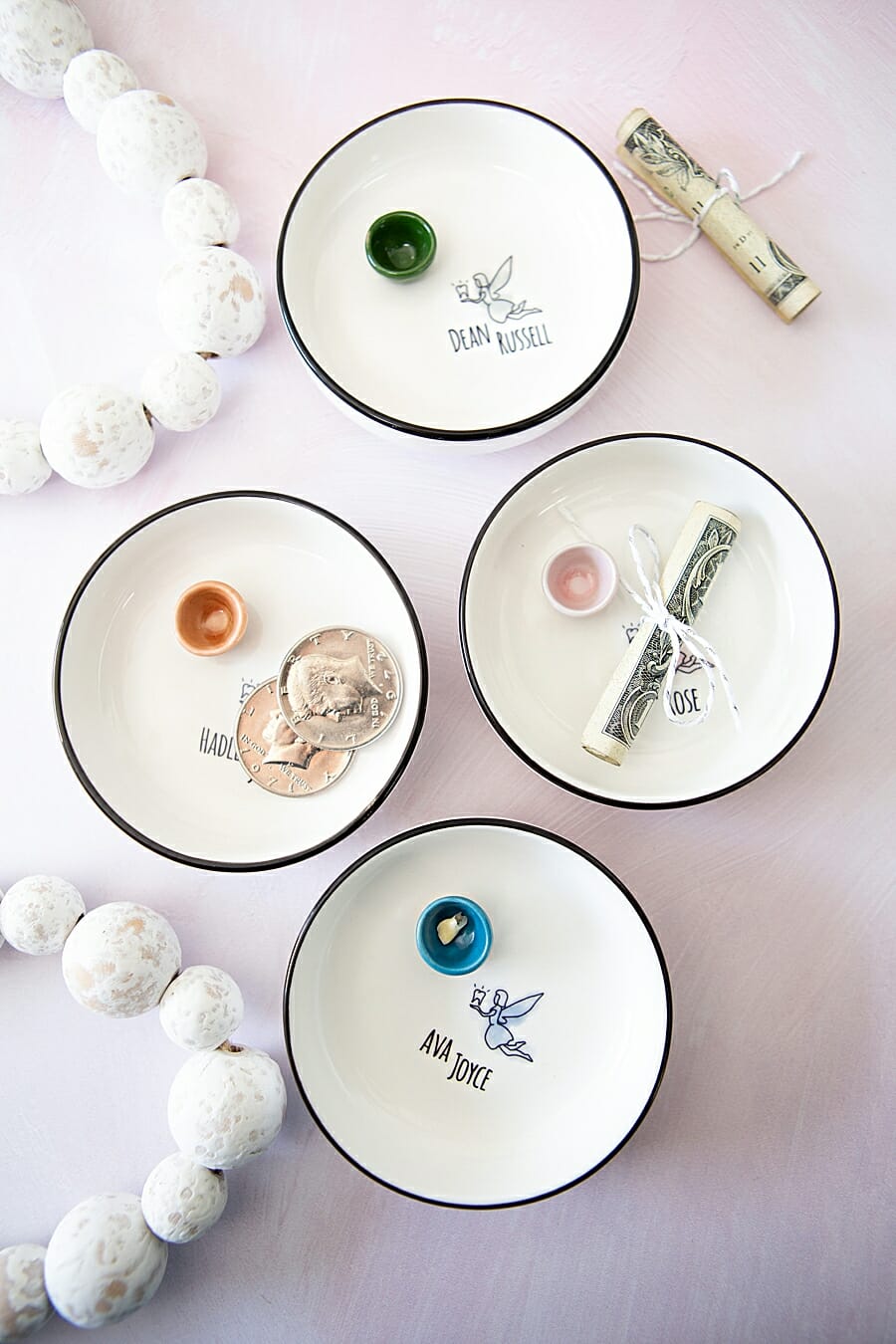
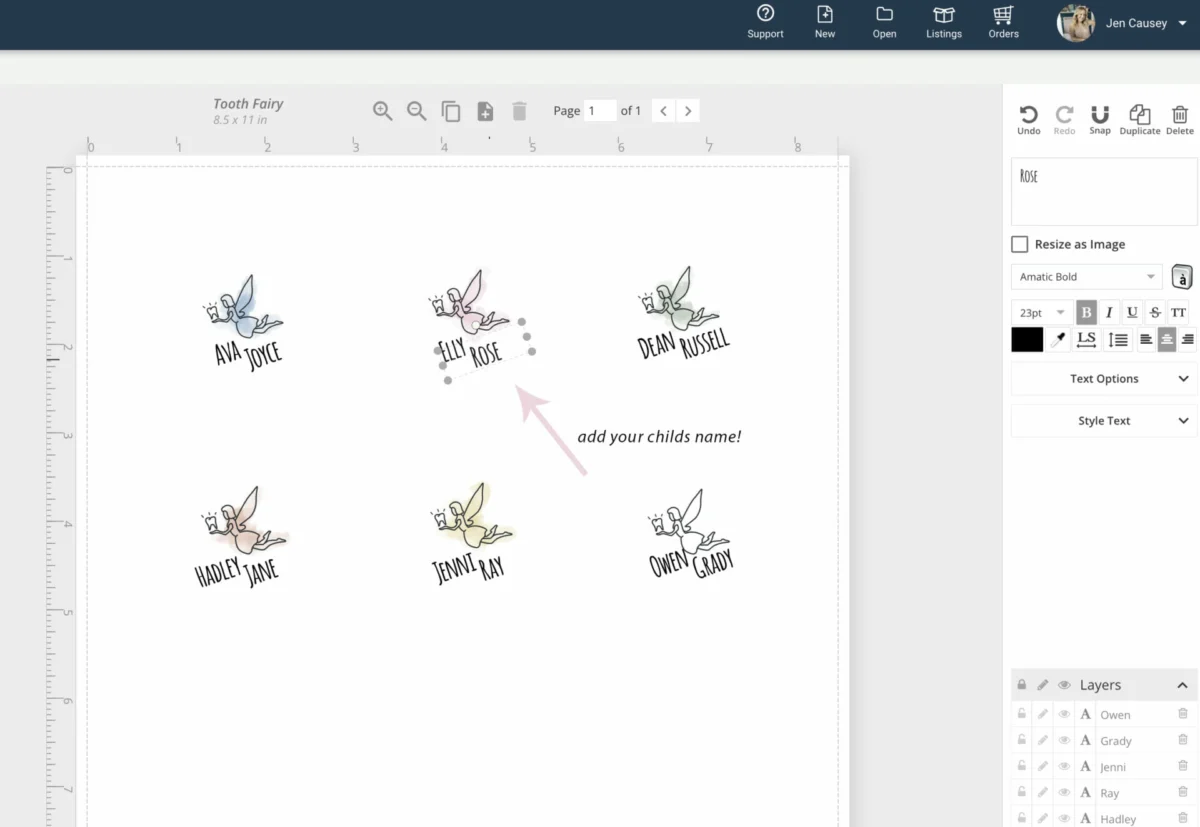
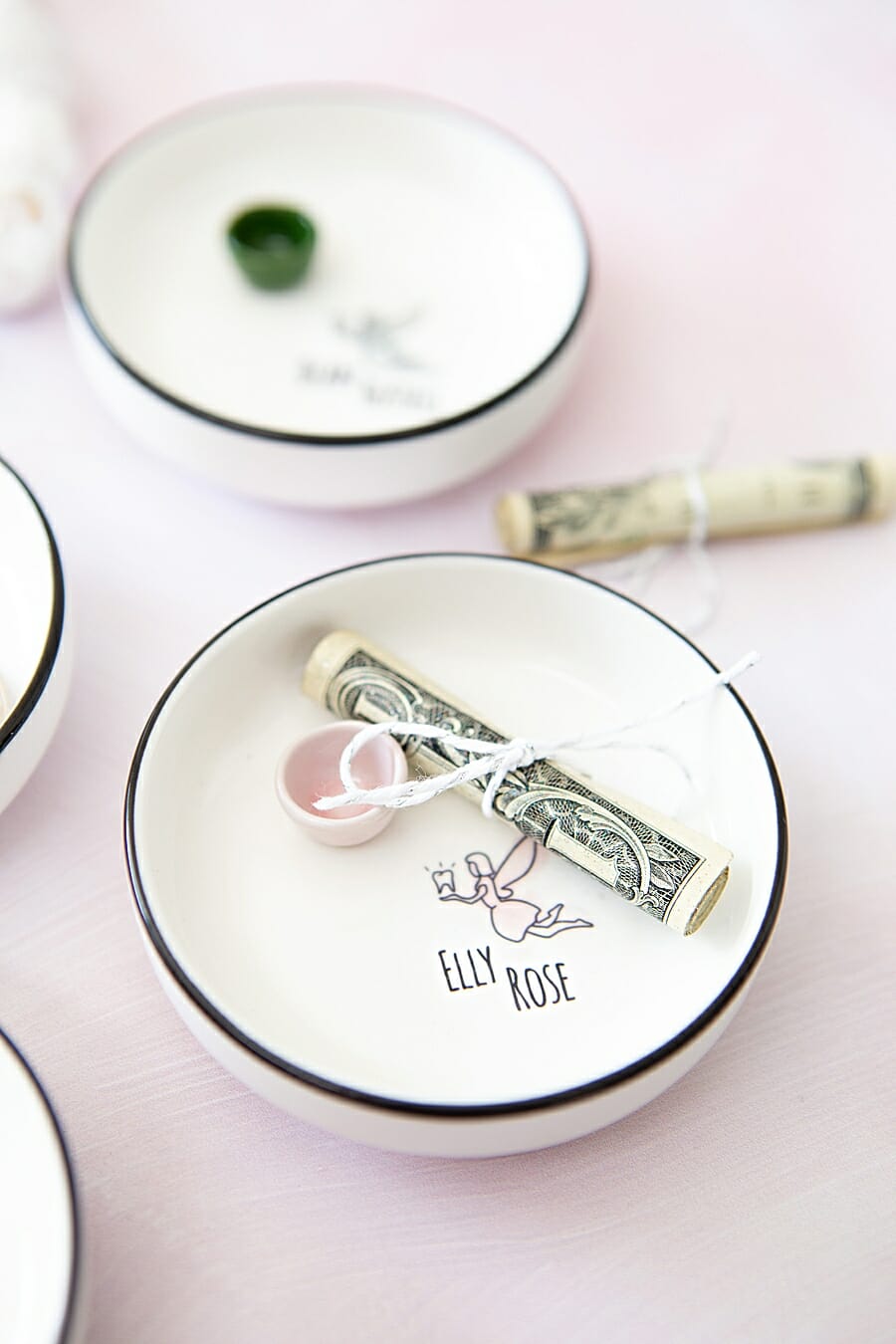
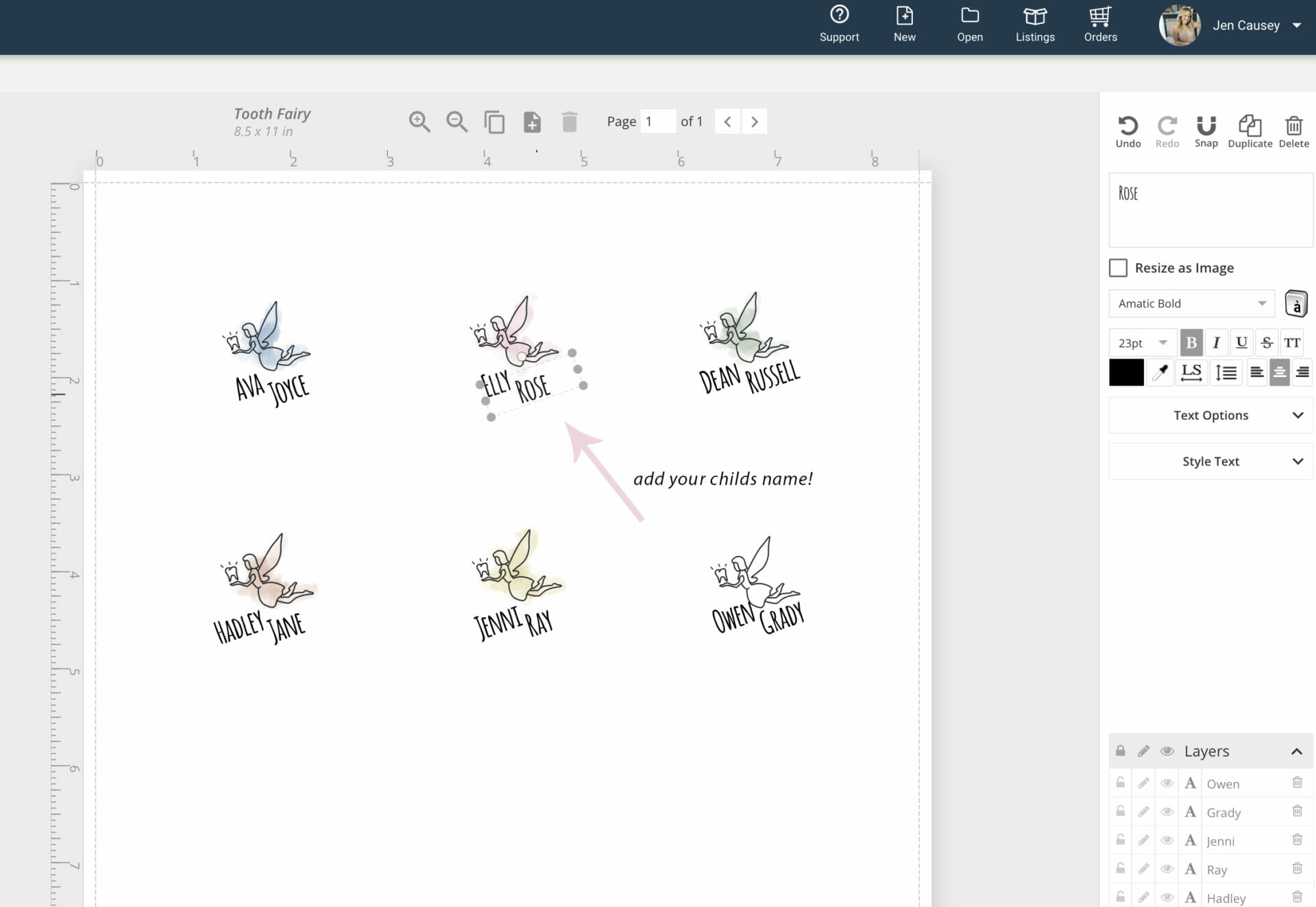
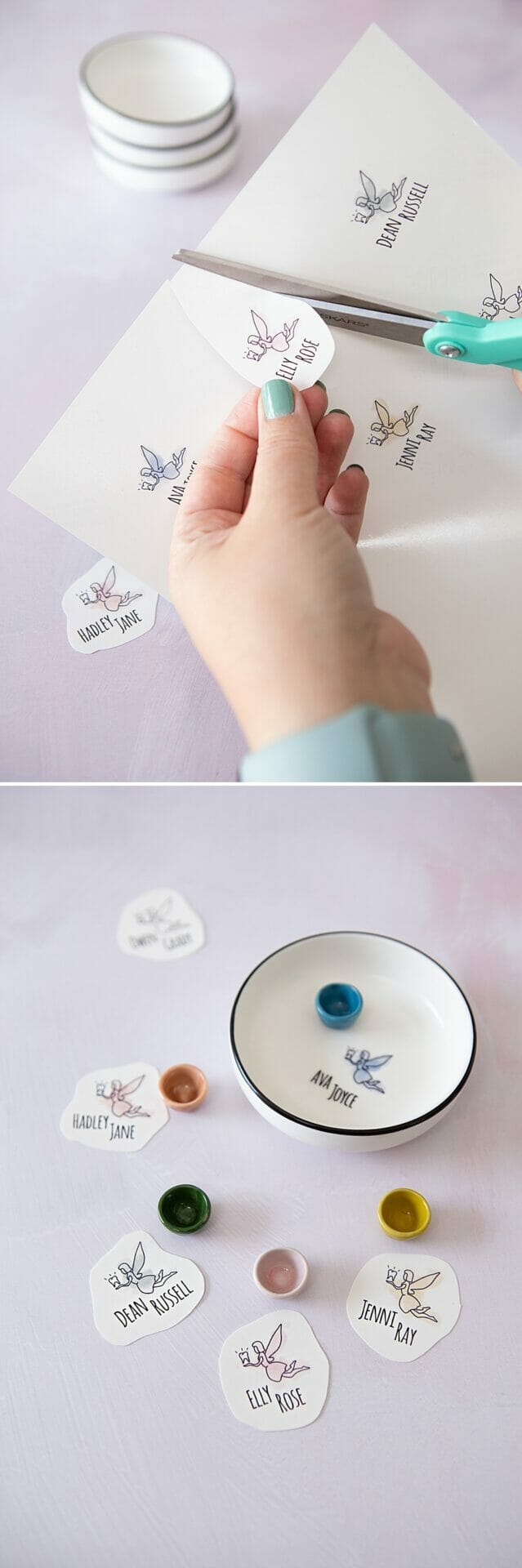
- Digital Customization and Asset Acquisition: The process begins with the acquisition of digital templates, often managed through platforms like Corjl. This software allows for end-user modification of typography and color palettes, specifically the "Amatic Bold" font and a five-color spectrum (green, peach, pink, blue, and yellow).
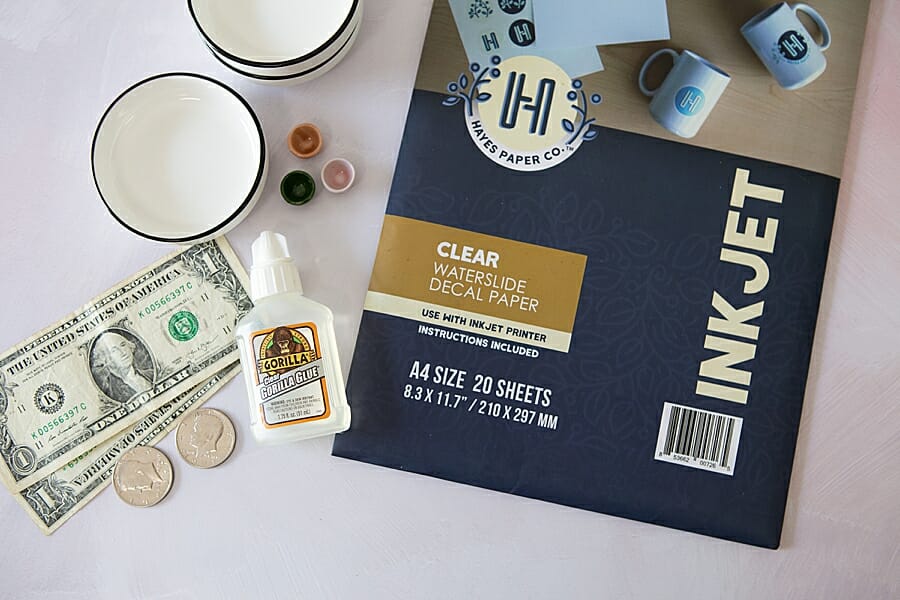
- Substrate Printing: Designs are rendered onto inkjet waterslide paper. Unlike standard adhesive labels, waterslide paper consists of a water-soluble adhesive layer on a paper backing, which, when activated, allows a thin polymer film to slide onto a non-porous surface.
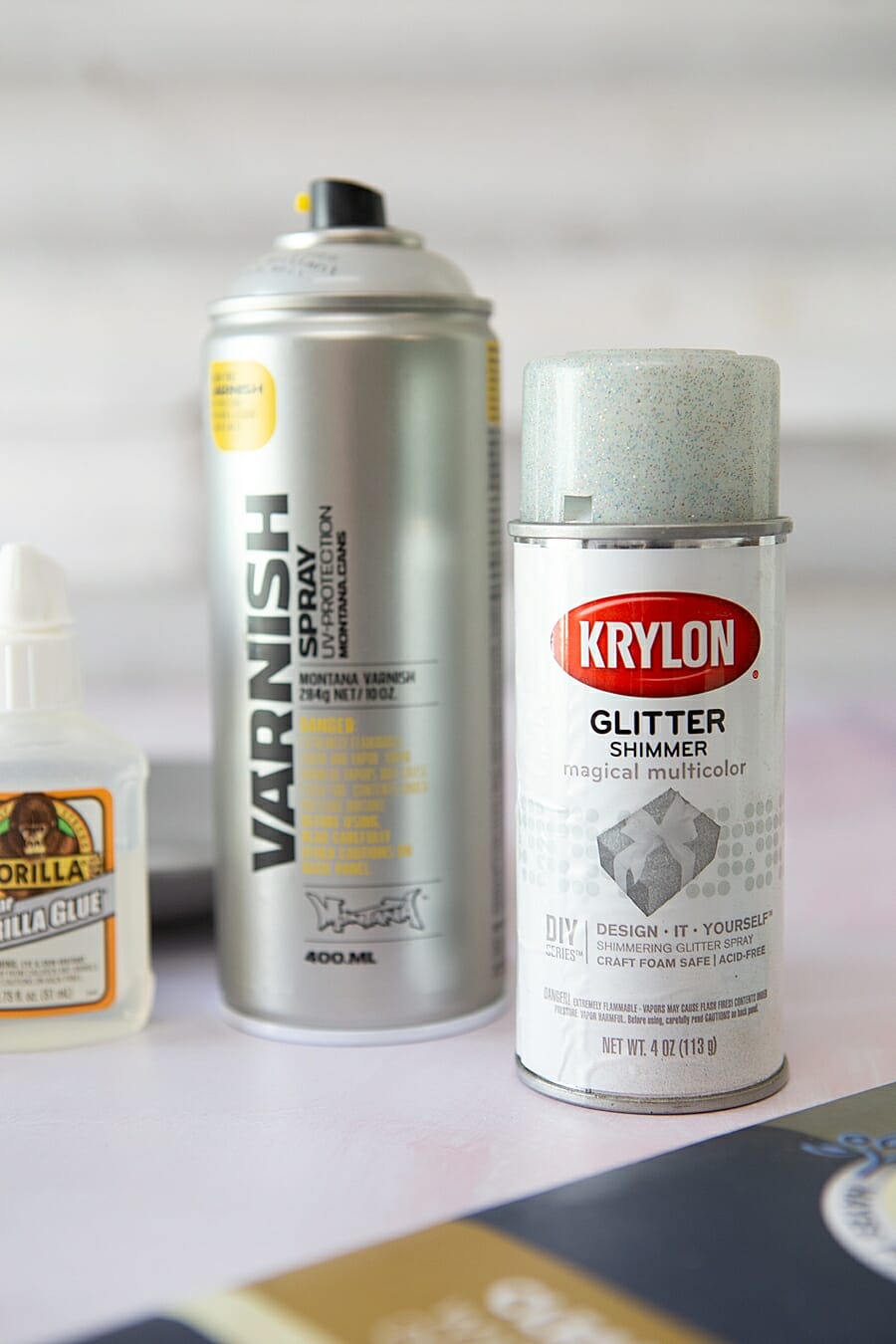
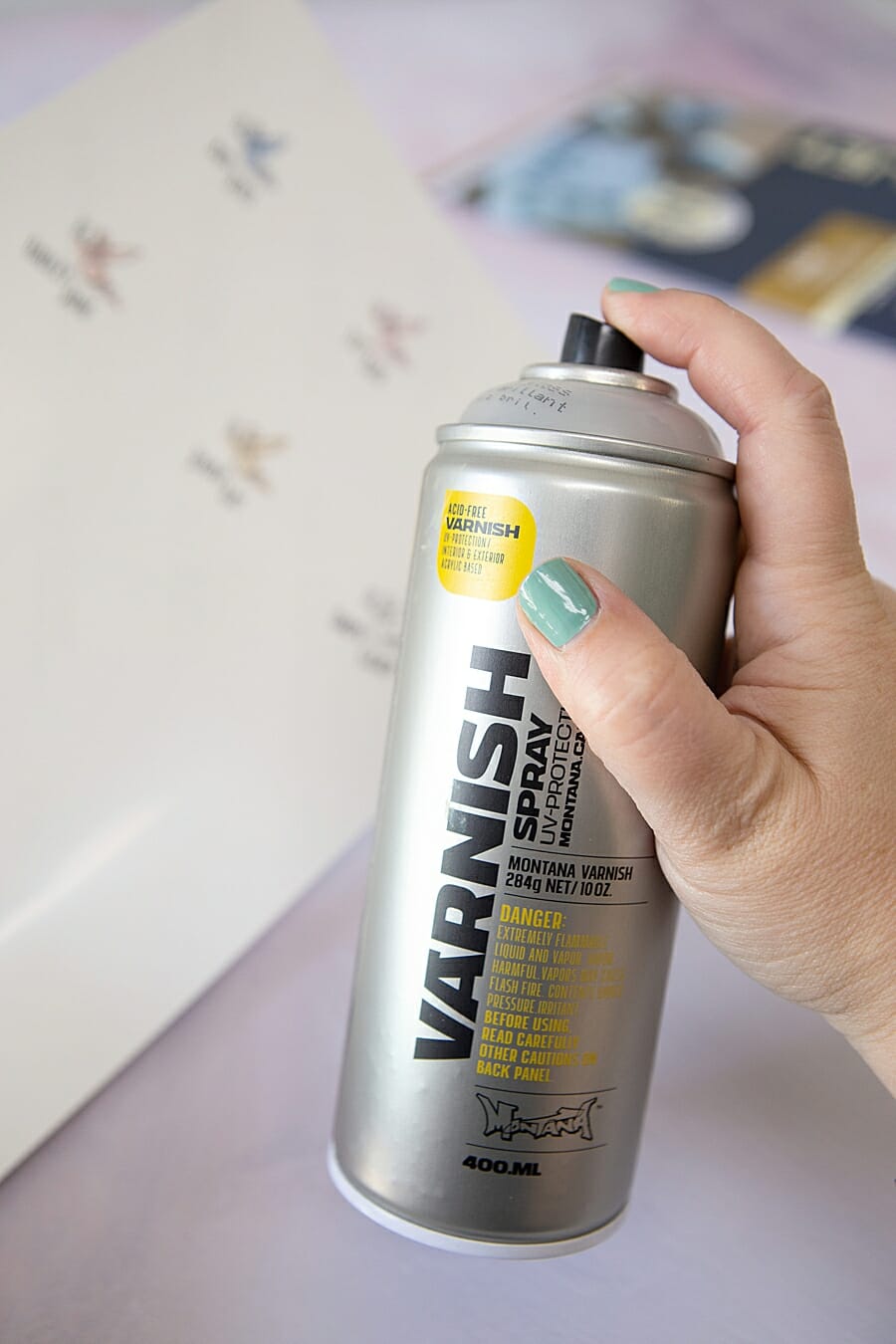
- Chemical Sealing and Stabilization: Because inkjet ink is water-soluble, the printed decal must be sealed before application. This requires the application of a clear aerosol varnish, such as Montana varnish. The standard protocol involves three distinct coats with one-minute intervals between applications to ensure the design remains intact during the hydration phase.
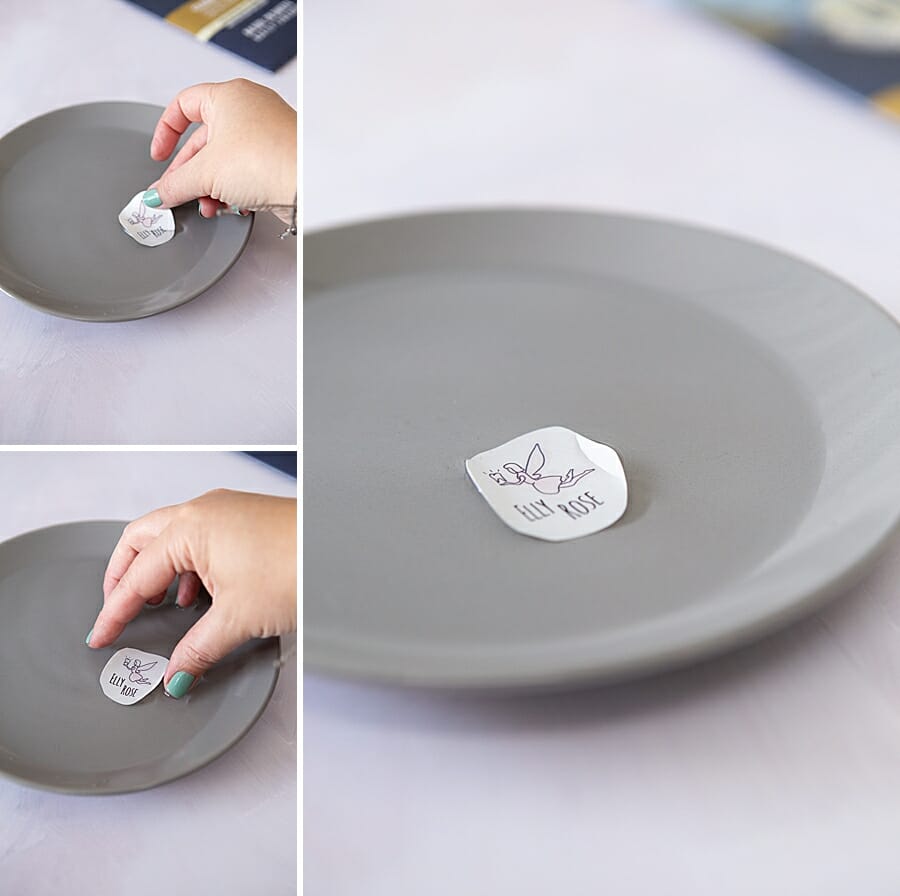
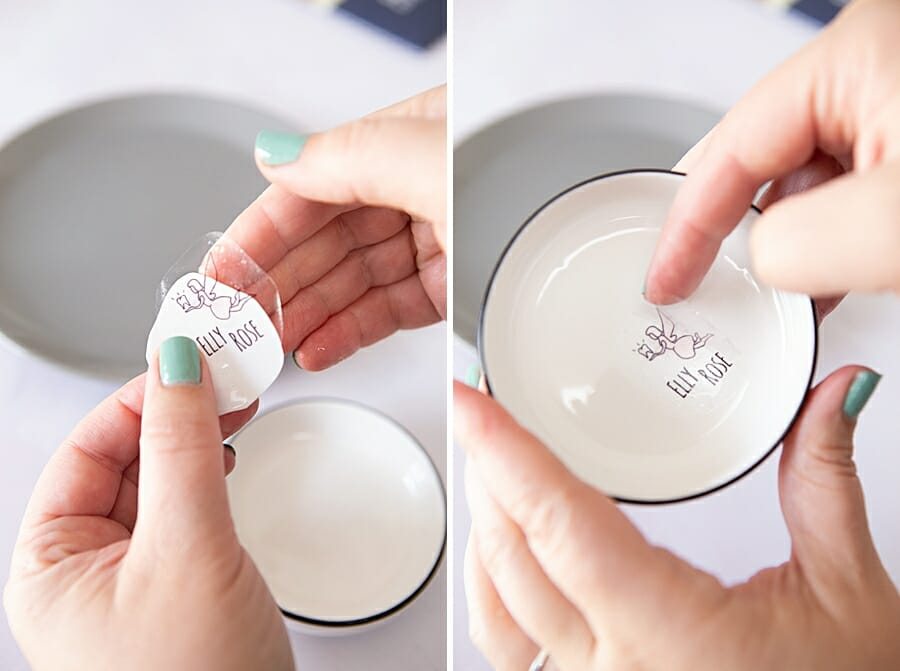
- Hydraulic Application: The sealed decal is submerged in water for approximately 30 seconds to dissolve the temporary bond with the paper backing. Once the polymer film becomes mobile, it is transferred to the ceramic surface—typically a miniature sauce dish or a dollhouse-scale bowl.
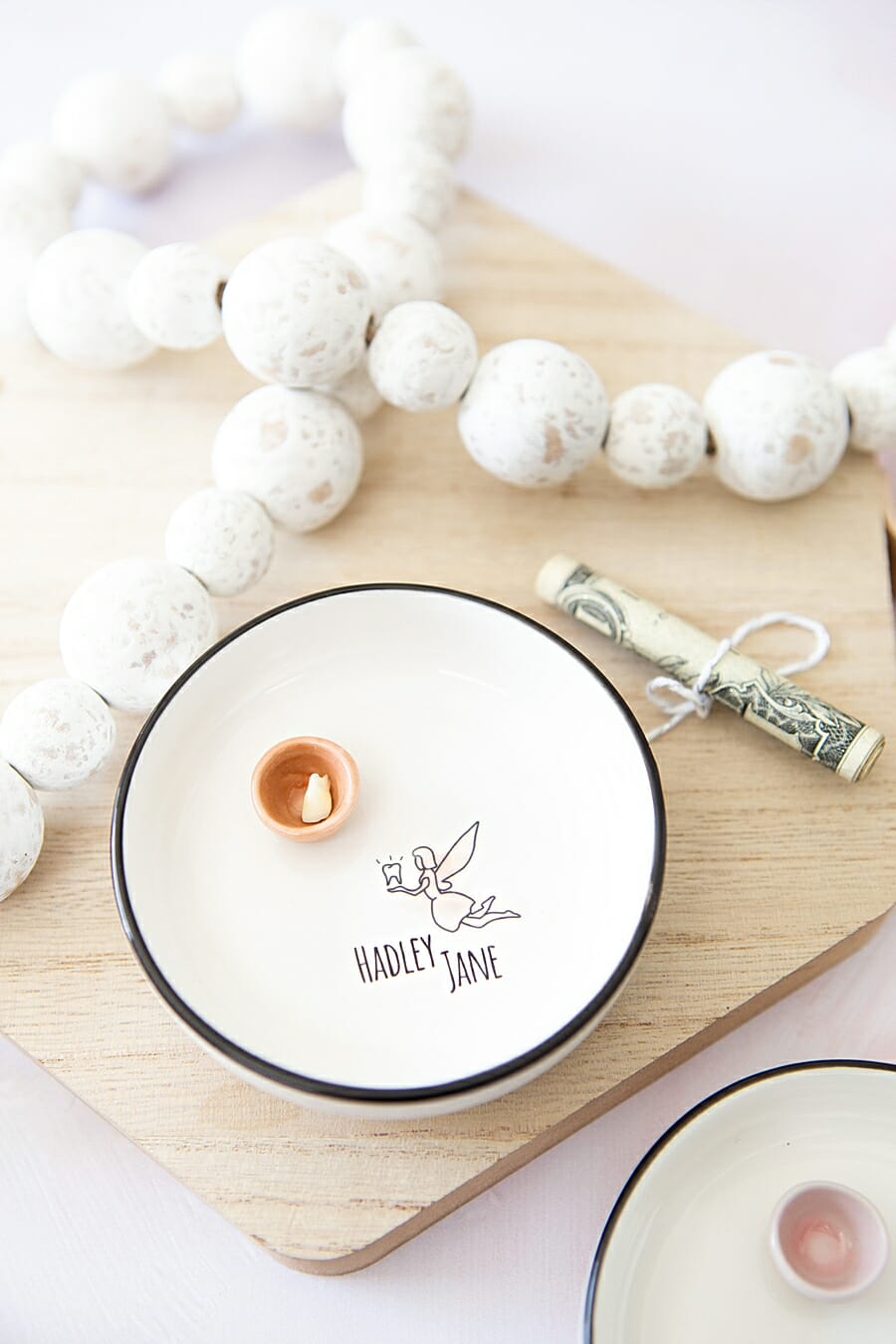
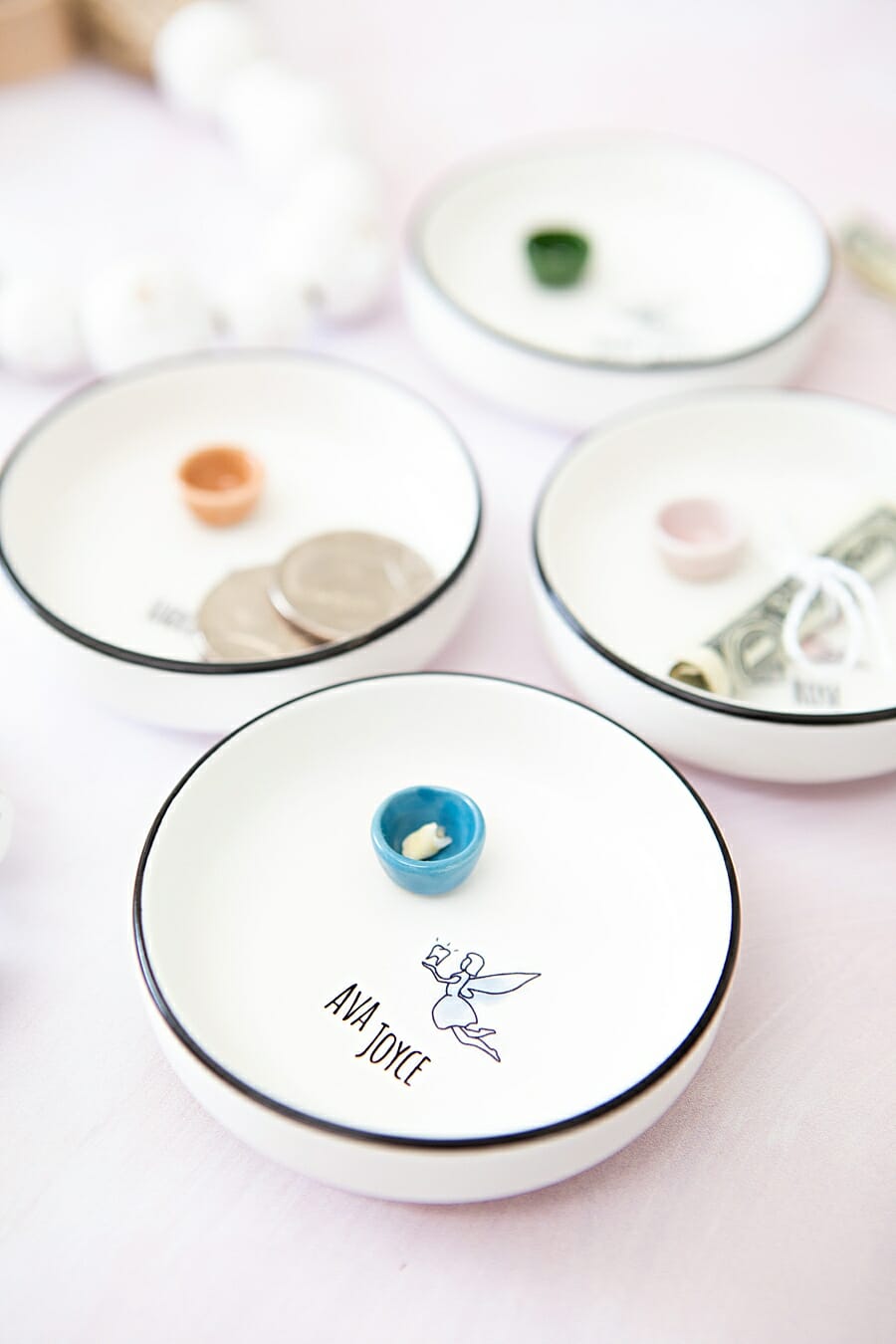
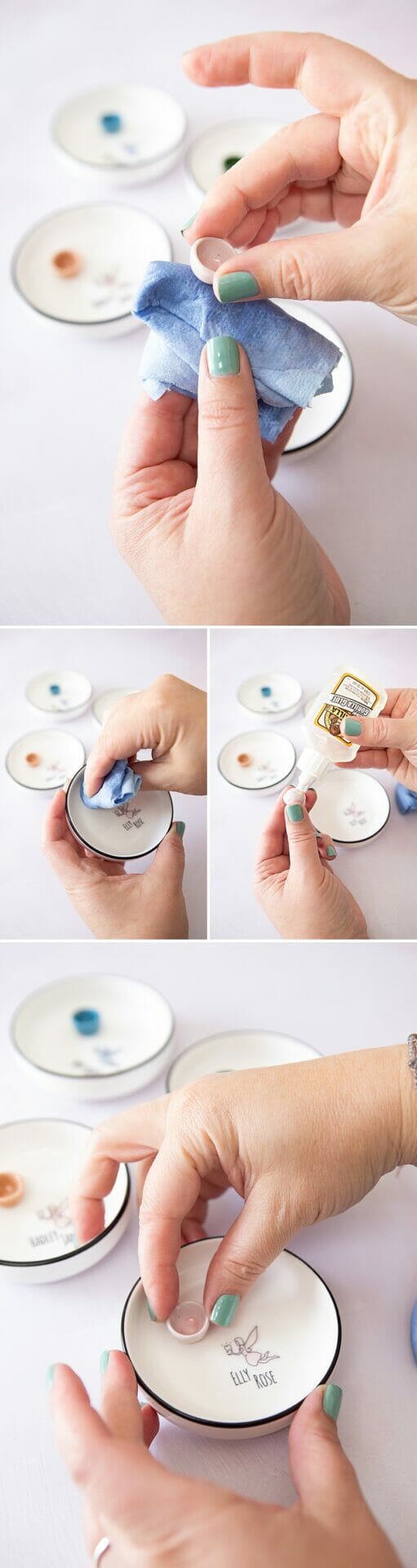
- Structural Assembly: The final physical form is achieved by bonding the primary dish to a secondary base using cyanoacrylate or polyurethane-based adhesives, such as Gorilla Glue. This creates a pedestal effect, elevating the dish into a specialized "tooth bowl."
- Curing and Finalization: A mandatory 72-hour curing period is required to ensure the stability of the decal and the structural integrity of the bond. While ceramic items can often be oven-cured for food safety, these specific items are designated as non-food safe keepsakes, intended solely for the exchange of currency and biological specimens (primary teeth).
Historical Context of the Tooth Fairy Ritual
To understand the rise of specialized vessels like the tooth fairy dish, one must examine the evolution of the ritual itself. The tooth fairy is a relatively modern synthesis of several older European traditions. In early Norse culture, a "tand-fé" (tooth fee) was paid to children for their primary teeth, which were believed to bring good luck in battle.
The modern personification of the fairy did not solidify in the United States until the early 20th century. A 1927 "three-act playlet" for children by Esther Watkins Arnold is frequently cited as the catalyst for the fairy’s popular imagery. Throughout the mid-20th century, the ritual became a standardized tool for parents to ease the anxiety associated with the physical loss of a body part. The transition from the "tooth under the pillow" to the "tooth in a dish" reflects a broader trend toward organized, aesthetic-driven parenting where the ritual is as much about the commemorative object as it is about the event itself.
Economic Impact and the Personalized Gift Market
The move toward DIY personalized tooth fairy dishes is reflective of the broader growth in the personalized gift market. According to market analysis reports, the global personalized gift market was valued at approximately $25.8 billion in 2020 and is projected to reach $43.3 billion by 2032, growing at a compound annual growth rate (CAGR) of 6.2%.
Several factors drive this economic shift:
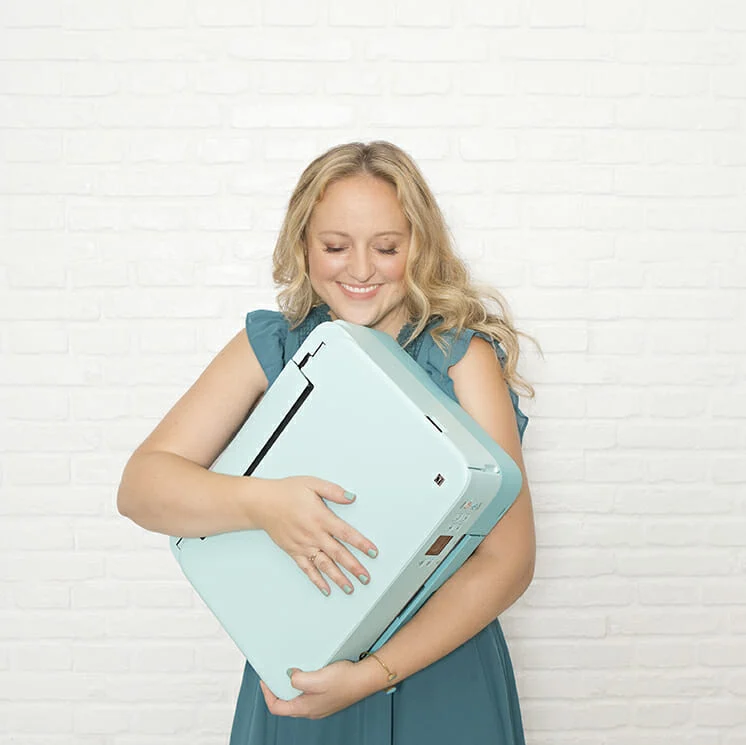
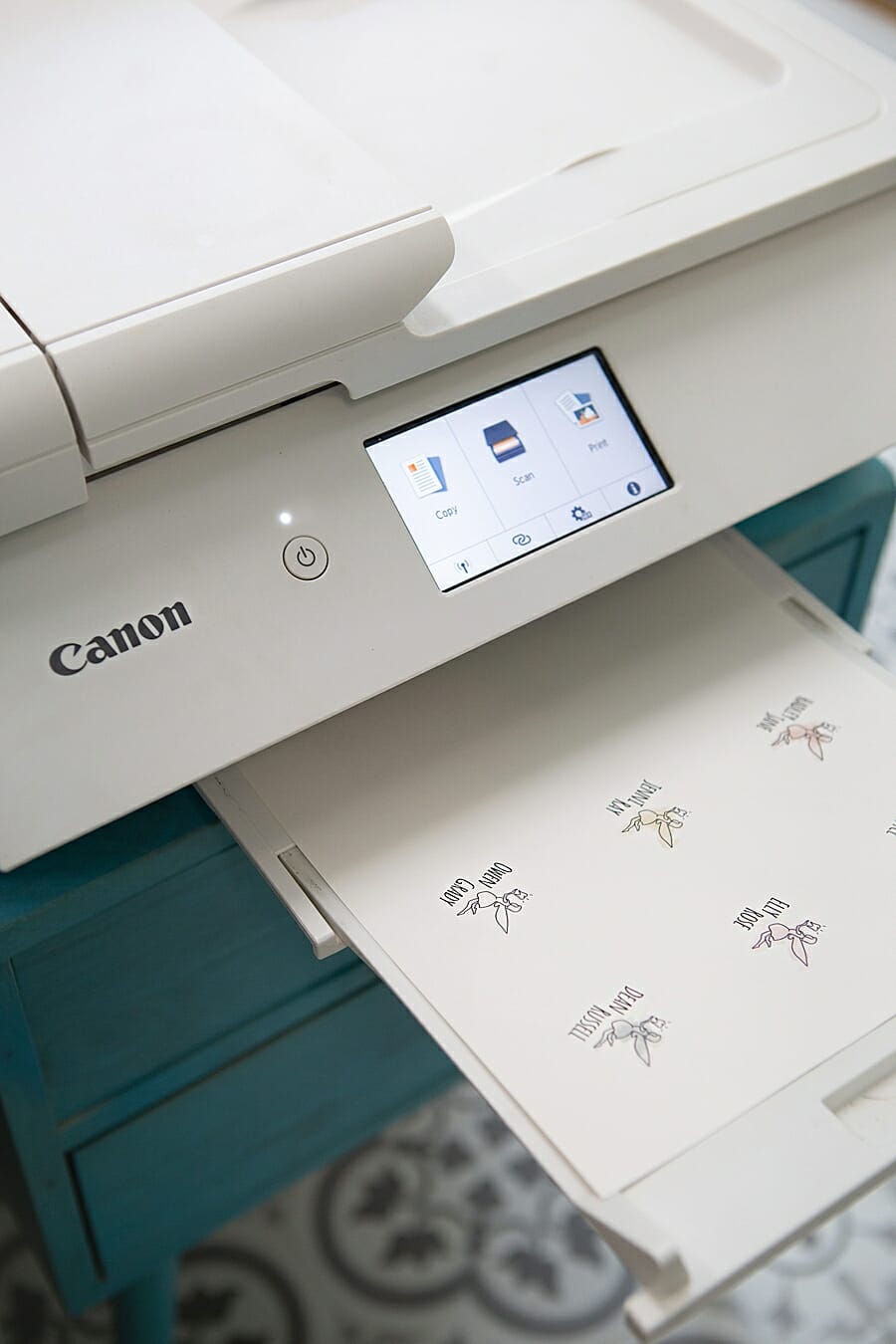
- The "Etsy Effect": The democratization of crafting tools (like the Canon PIXMA TS9521C crafting printer) has allowed individuals to produce professional-grade items at home.
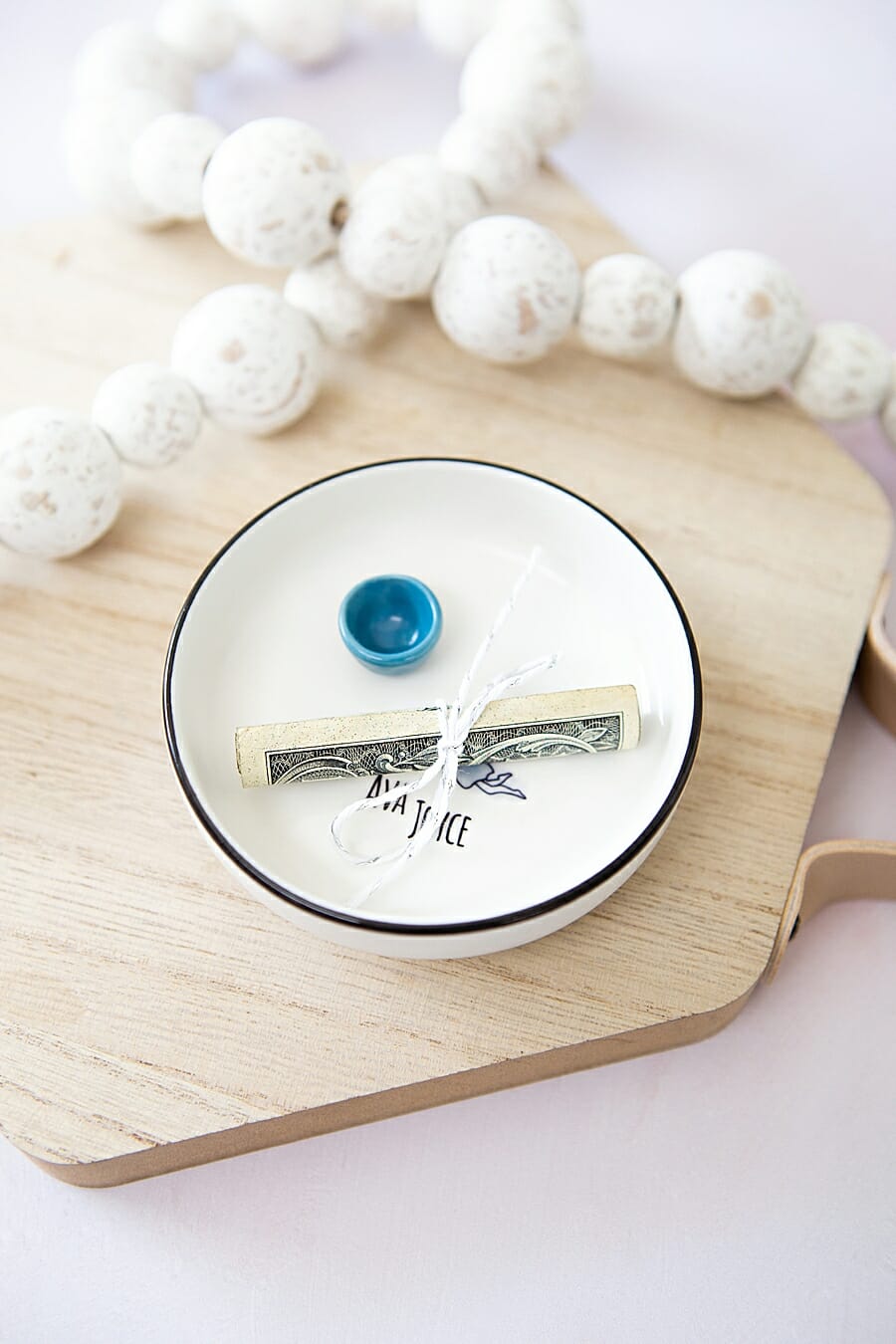
- Social Media Influence: Platforms such as Instagram and Pinterest have turned parenting rituals into visual content, increasing the demand for "photo-ready" items like the glittered dollar bills and polished half-dollars often paired with these dishes.
- The Tooth Fairy Index: According to the annual Delta Dental Tooth Fairy Index, the average payout for a lost tooth has reached record highs, hitting an average of $6.23 per tooth in the United States in 2023. As the monetary value of the exchange increases, parents are seeking more formal "vessels" for the transaction.
Safety and Material Analysis
While the DIY tooth fairy dish offers high aesthetic value, it necessitates a discussion regarding material safety and durability. The use of waterslide paper and aerosol varnishes renders the items unsuitable for food or beverage consumption. Varnish fumes and the chemical composition of adhesives require use in well-ventilated areas.
Furthermore, the choice of materials highlights a shift toward "micro-ceramics" in the DIY space. Sauce dishes and dollhouse components, typically sourced from mass-market retailers like Amazon, are repurposed through "upcycling" techniques. This reflects a growing consumer interest in taking inexpensive, functional items and increasing their perceived value through labor and personalization.
Psychological and Developmental Implications
Childhood development experts suggest that rituals like the tooth fairy play a vital role in cognitive development. The ritual provides a structured way for children to process the transition from infancy to middle childhood. By creating a dedicated, personalized dish, parents are reinforcing the significance of the milestone.
"The personalization of these objects serves as a form of identity reinforcement for the child," notes educational psychology theory. "When a child sees their name or a specific design chosen for them on a permanent object, it elevates the ritual from a mere transaction to a significant family tradition."
The use of "tooth fairy money"—specifically the practice of applying glitter spray to currency or polishing coins—further expands the "magic" of the event. This attention to detail is a hallmark of modern "intensive parenting," where every aspect of a child’s experience is curated to maximize wonder and memory-making.
Broader Impact on the DIY Community
The dissemination of these tutorials via social media reels and digital shops has created a decentralized community of "makers." By using hashtags such as #somethingturquoisediy, participants engage in a feedback loop of innovation, sharing modifications to the original design.
This trend also highlights the viability of the digital asset economy. Designers are no longer just selling finished products; they are selling the "intellectual property" of the design (via Corjl templates), allowing the consumer to take over the role of the manufacturer. This shift reduces shipping costs and carbon footprints while empowering the end-user with creative control.
Conclusion: The Future of Commemorative Crafts
The personalized tooth fairy dish represents more than a simple craft project; it is a microcosm of current trends in technology, economics, and parenting. As home-based manufacturing technology continues to advance, the line between consumer and creator will continue to blur. The transition from the hidden tooth under a pillow to a displayed ceramic vessel signifies a cultural move toward transparency, aesthetic celebration, and the permanent preservation of childhood innocence.
As these dishes cure on windowsills across the country, they serve as a testament to the enduring power of childhood folklore, reimagined for a digital and design-conscious age. The tooth fairy, it seems, has moved out of the shadows of the pillow and into the light of a personalized, glitter-strewn ceramic dish.