The landscape of the global DIY and home personalization market has undergone a significant transformation with the introduction of sublimation-based technologies tailored for consumer use. Cricut Infusible Ink represents a pivotal shift in this sector, moving away from traditional topical applications, such as heat-transfer vinyl (HTV), toward a molecular-level integration of pigment and substrate. This technology allows independent creators and small-scale entrepreneurs to produce items—ranging from apparel and tote bags to ceramic coasters and mugs—that possess the durability and aesthetic finish of factory-manufactured goods. Unlike traditional iron-on materials that utilize an adhesive layer to bond with the surface of a fabric, Infusible Ink utilizes a chemical process known as sublimation, wherein the ink transitions from a solid state to a gas under high heat, subsequently permeating the fibers or coating of the base material.
The Technical Foundations of Sublimation Technology
To understand the impact of Cricut Infusible Ink, one must analyze the underlying science of sublimation. In the context of digital printing and crafting, sublimation occurs when specialized heat-sensitive inks are exposed to temperatures typically ranging between 385°F and 400°F (195°C to 205°C). At this threshold, the ink bypasses the liquid phase entirely. Simultaneously, the polymer fibers of the recipient material—such as polyester—expand to receive the gaseous pigment. As the material cools, the fibers close, trapping the ink inside the structure of the medium rather than on top of it.
This process results in a "permanent bond" that is fundamentally different from the mechanical bond of vinyl. Data from textile durability tests indicate that sublimation transfers are resistant to cracking, peeling, and fading through dozens of high-temperature wash cycles. For the end-user, this translates to a professional-grade product where the design is indistinguishable from the texture of the fabric itself.
Material Requirements and Compatibility Standards
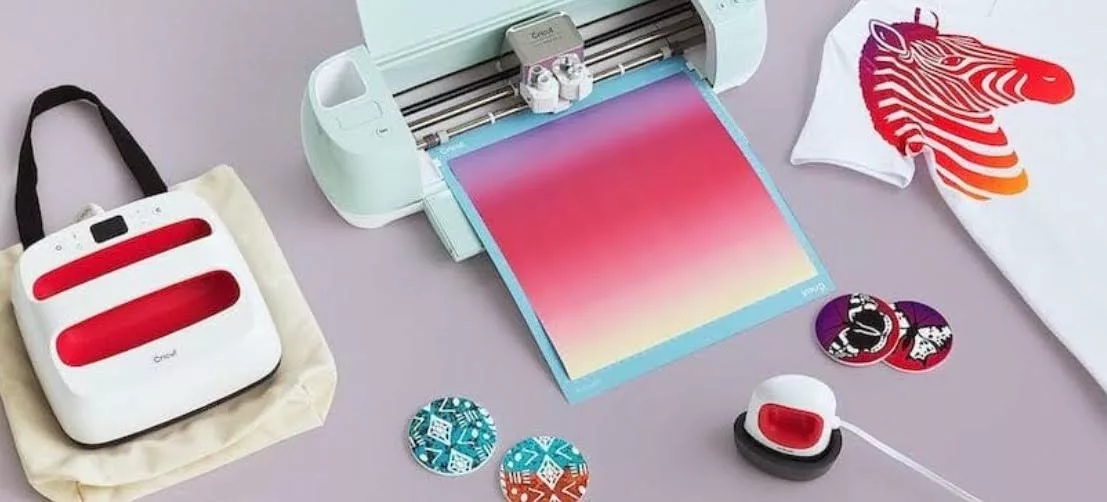
A critical factor in the successful application of Infusible Ink is the selection of "blanks," or base materials. Because the ink requires a polymer-based structure to bond with, it cannot be used on 100% organic fibers like cotton or untreated wood. Industry standards suggest that for optimal color vibrancy and longevity, a fabric blank should consist of at least 65% polyester. While Cricut produces a proprietary line of "Infusible Ink Compatible" blanks, including polymer-coated ceramic coasters and high-polyester-count apparel, the technology is compatible with any sublimation-ready substrate available on the market.
For non-fabric items, such as mugs or coasters, a specialized poly-coating is required. Using these materials ensures that the gaseous ink has a receptive surface to penetrate. Attempting to use Infusible Ink on standard cotton t-shirts or uncoated ceramic will result in a faded, "ghosted" appearance, as the ink has no chemical means of anchoring to the material.
Procedural Chronology for Infusible Ink Transfer Sheets
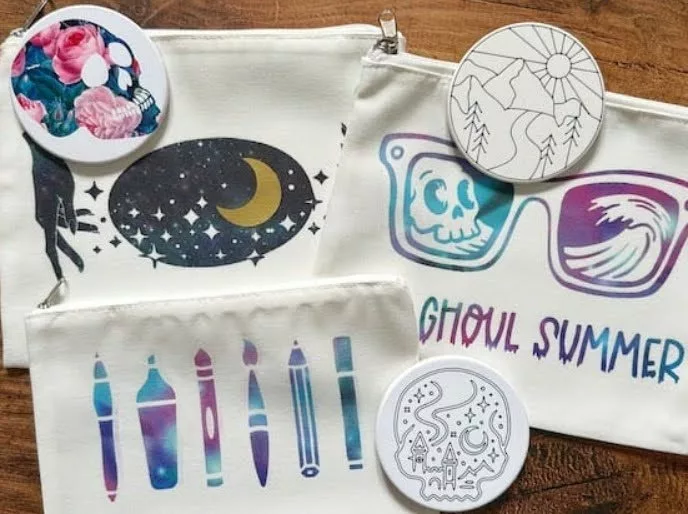
The application of Infusible Ink Transfer Sheets follows a rigorous technical protocol to ensure precision and color fidelity. These sheets come pre-inked in solid colors or patterns and are handled similarly to vinyl but require different cutting and weeding techniques.
Phase 1: Digital Design and Mirroring
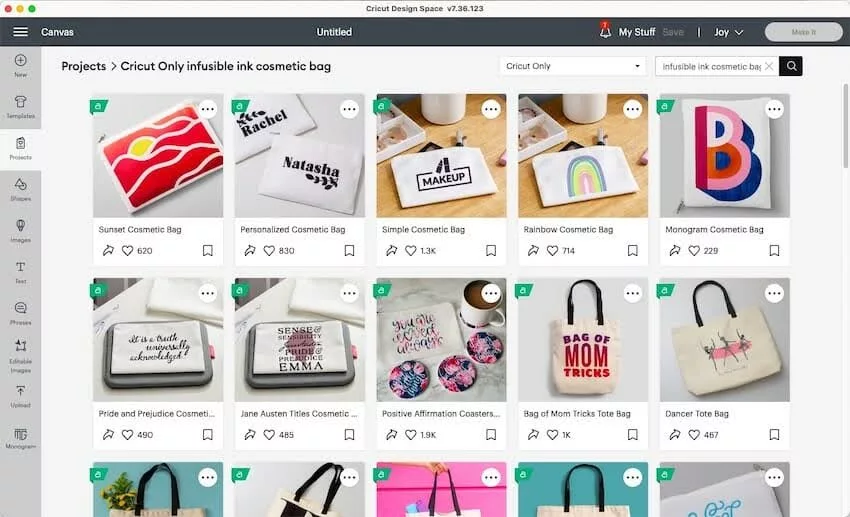
The process begins in a digital design environment, such as Cricut Design Space. Because the design is placed face-down on the substrate during the heating process, the software must be set to "Mirror" the image. Failure to mirror the design results in inverted text and asymmetrical graphics on the final product.
Phase 2: Mechanical Cutting and Weeding
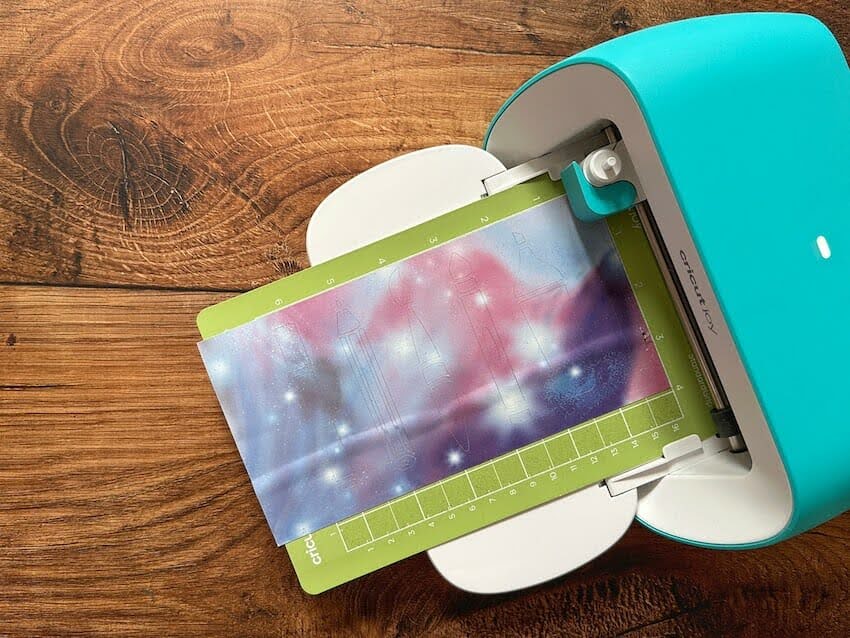
The transfer sheet is placed onto a cutting mat with the ink side facing upward. A digital cutting machine then executes the design. Unlike vinyl, Infusible Ink sheets have a paper-like consistency. "Weeding"—the process of removing excess material—is typically done by hand rather than with sharp tools to avoid scratching the ink. The user "cracks" the paper by slightly bending it, allowing the unwanted pieces to be easily lifted away from the clear liner.
Phase 3: Thermal Application
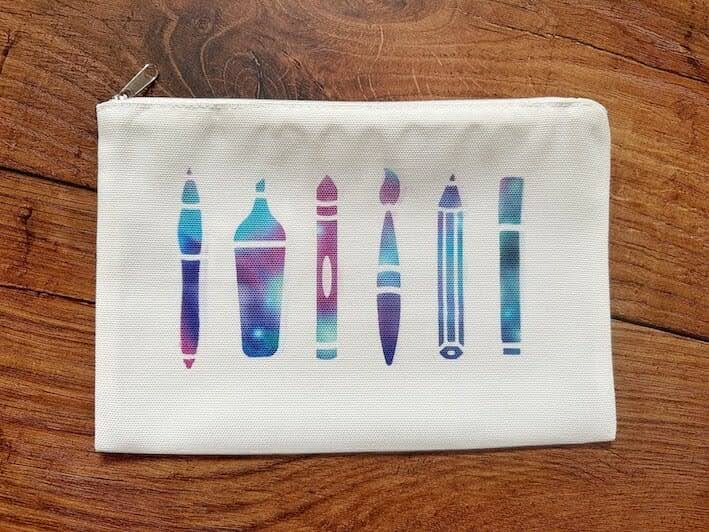
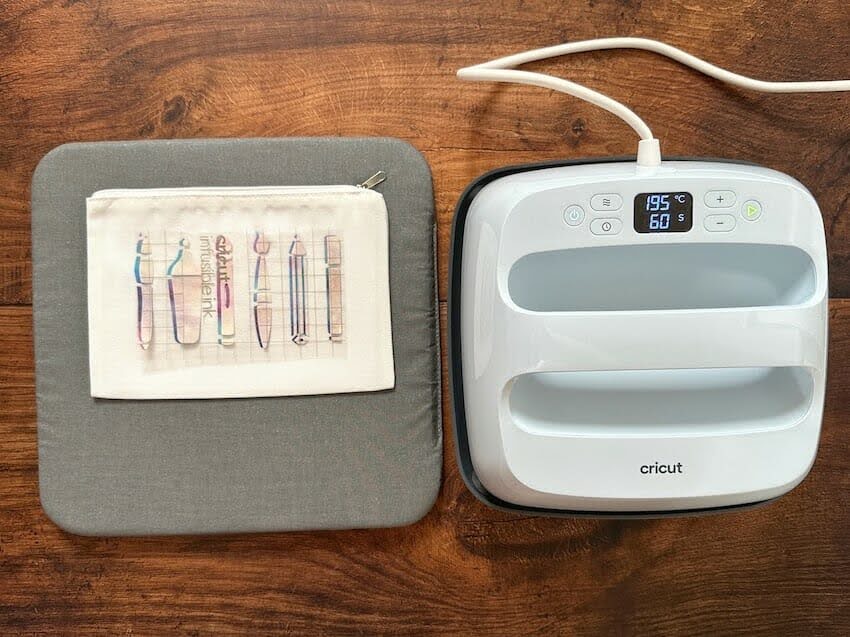
The substrate must be pre-heated to remove moisture and wrinkles. For a cosmetic bag or similar fabric item, a piece of cardstock is placed inside the bag to prevent the ink from "bleeding" through to the other side. The weeded design is placed face-down on the substrate. A layer of butcher paper (usually provided with the sheets) is placed on top to protect the heat press from stray ink vapors. The heat press is applied with consistent, firm pressure at 385°F for 40-60 seconds.
Procedural Chronology for Infusible Ink Pens and Markers
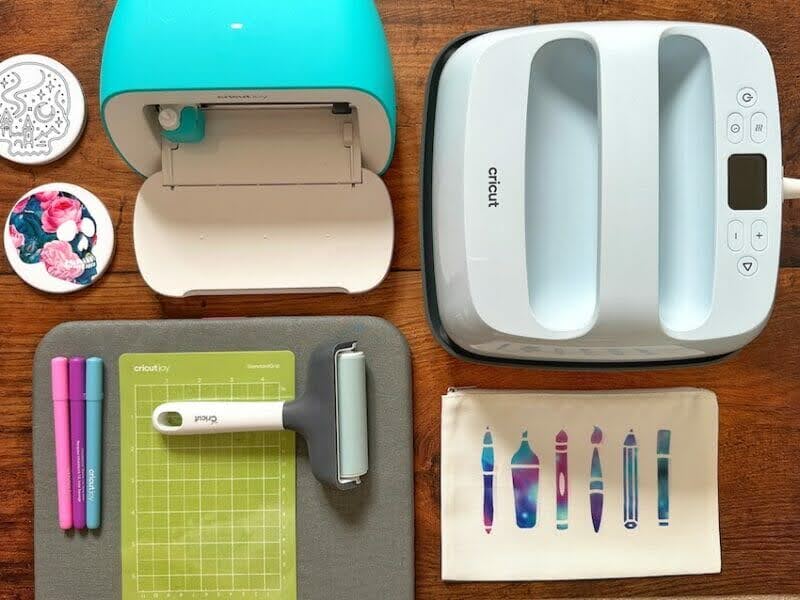
For creators seeking bespoke, hand-drawn, or intricate line-art designs, Infusible Ink Pens and Markers offer an alternative to pre-printed sheets. This method allows the cutting machine to "draw" the design onto laser copy paper, which then serves as the transfer medium.
Phase 1: Graphic Configuration
In the design software, the operation type is changed from "Basic Cut" to "Draw." This instructs the machine to use the pen adapter rather than the blade. As with the sheets, the design must be mirrored.
Phase 2: Automated Drawing
The machine draws the design onto standard laser copy paper. Once the outline is complete, the user may choose to fill in the design using markers. It is important to note that the ink appears dull on the paper; the true vibrancy is only revealed once the chemical reaction of the heat press occurs.
Phase 3: Substrate Integration
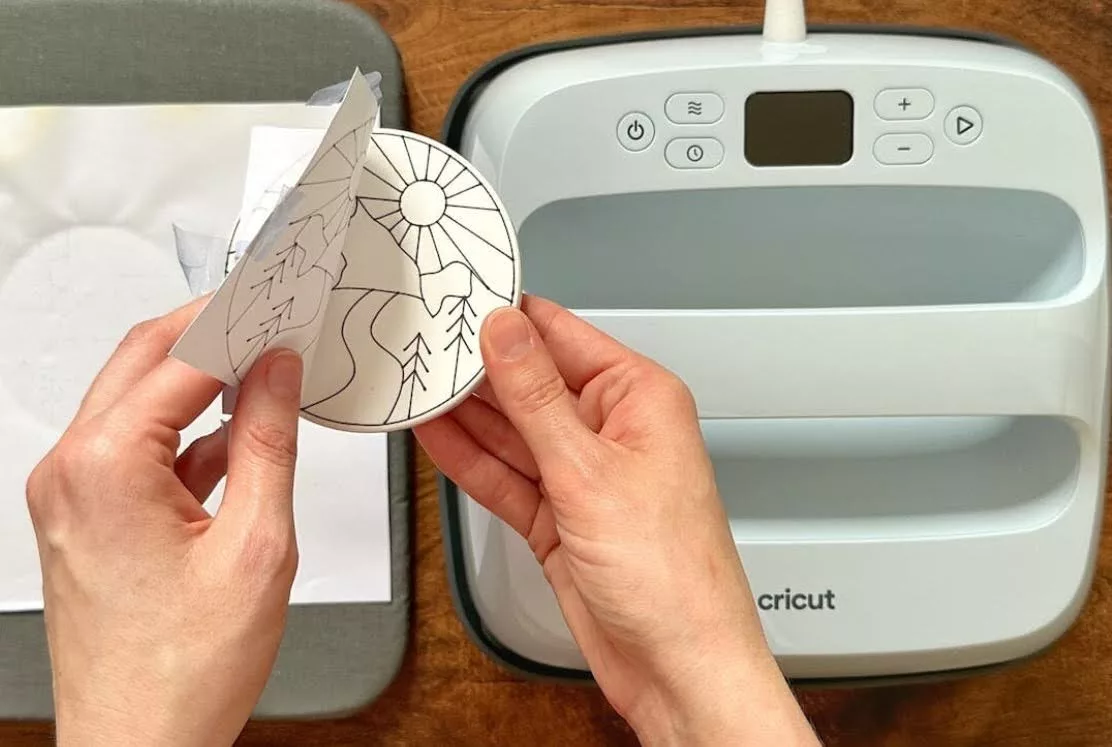
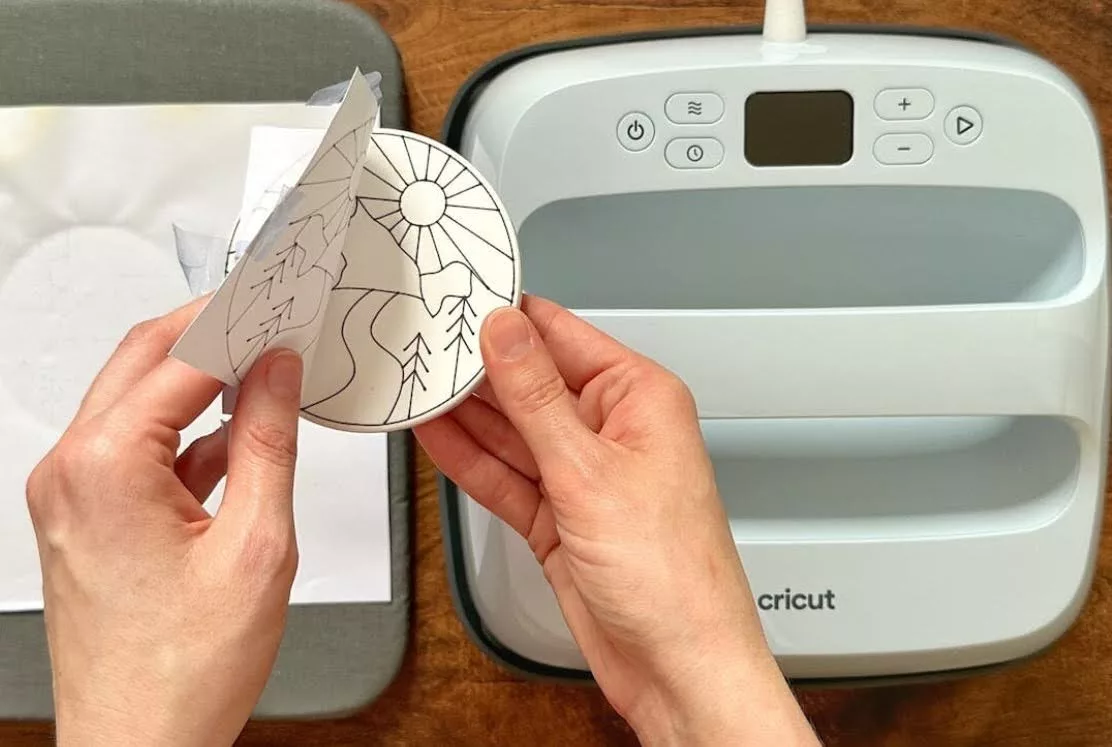
Using a ceramic coaster as an example, the surface is cleaned with a lint-free cloth to remove oils and debris. The paper design is secured to the coaster using heat-resistant tape to prevent "ghosting"—a blurred effect caused by the paper shifting during the gas transition. The coaster is then placed face-down on the heat press. For ceramic materials, the heat is typically set to 400°F for a duration of 240 seconds.
Industry Impact and Market Implications
The democratization of sublimation technology through the Cricut Infusible Ink line has significant implications for the "Prosumer" (professional consumer) market. According to market research, the global personalized gift market is expected to reach billions of dollars by the late 2020s, driven largely by the ease of access to high-quality production tools.
Small business owners on platforms like Etsy have transitioned from vinyl-based products to sublimation-based products to meet consumer demand for dishwasher-safe and laundry-durable goods. This shift reduces the rate of product returns and increases brand loyalty, as the "handmade" feel is replaced by a "retail-ready" quality. Furthermore, the elimination of the "hand-feel" (the physical thickness of a decal) makes these products more appealing for high-end athletic wear and home decor.
Quality Control and Troubleshooting Protocols
Despite the streamlined nature of the technology, several technical variables can affect the outcome. Professional crafters and technicians monitor the following factors to ensure quality control:
- Moisture Management: Moisture is the primary enemy of sublimation. If a fabric blank contains humidity, the steam produced during heating will displace the gaseous ink, resulting in uneven coloring or "fading." Pre-pressing the material for 15 seconds is a mandatory step to evacuate moisture.
- Thermal Consistency: The use of a standard household iron is generally discouraged for Infusible Ink. Sublimation requires a precise, edge-to-edge temperature that household irons cannot maintain. A dedicated heat press or "EasyPress" is required to ensure the entire design reaches the sublimation point simultaneously.
- Ghosting Prevention: Because the ink turns into a gas, any movement of the transfer sheet while it is hot will cause a secondary, faint image to appear. The use of heat-resistant tape and a "cool lift" (waiting for the item to cool before removing the paper) are standard industry recommendations to maintain sharp lines.
Long-term Maintenance and Product Care
One of the primary selling points of Infusible Ink technology is its permanence. However, to maximize the lifespan of the infused designs, specific care protocols are recommended. For apparel and fabric cases, manufacturers suggest machine washing in cold water with mild detergent and avoiding the use of fabric softeners, which can occasionally interfere with the polymer bonds over time. For ceramic items, while many are technically dishwasher safe, hand-washing is often recommended to preserve the integrity of the specialized poly-coating that holds the ink.
Conclusion
Cricut Infusible Ink has effectively bridged the gap between amateur crafting and professional manufacturing. By simplifying the complex chemical process of sublimation into a user-friendly system of sheets, pens, and compatible blanks, the technology has empowered a new generation of makers to produce high-fidelity, permanent designs. As the DIY industry continues to evolve, the emphasis on durability and professional-grade aesthetics suggests that sublimation-based systems will remain a cornerstone of home-based production and small-scale entrepreneurship. Through meticulous adherence to temperature, pressure, and material compatibility, users can achieve results that were once only possible in industrial factory settings.