

The Evolution of Thermal Transfer Technology
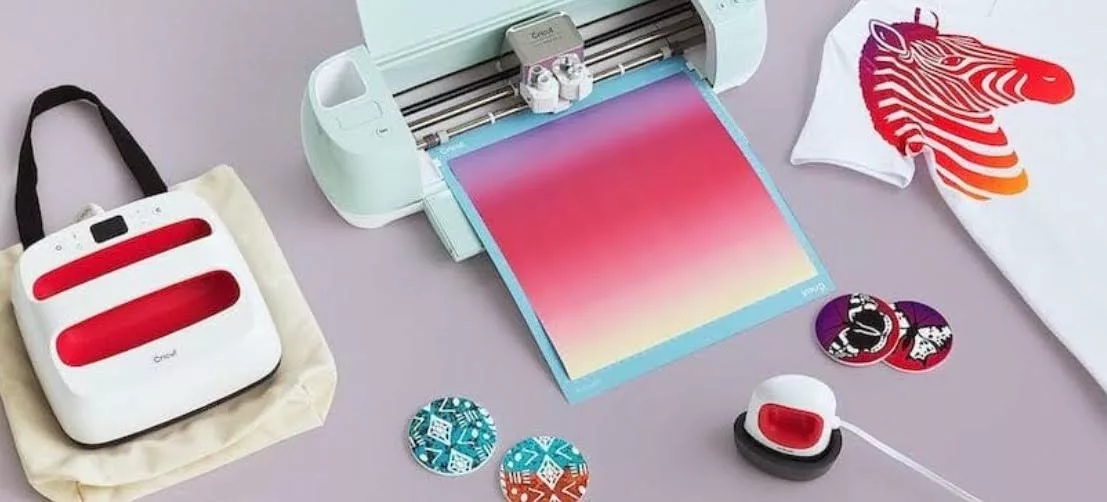
For decades, home-based garment and accessory customization relied almost exclusively on Heat Transfer Vinyl (HTV) or "iron-on" transfers. While effective for simple designs, HTV sits atop the base material, creating a physical layer that is susceptible to peeling, cracking, and fading over time. The introduction of Cricut Infusible Ink represents a significant technological shift toward sublimation. Sublimation is a chemical process where a substance transitions from a solid state directly into a gas without passing through a liquid phase.
When heat is applied to Infusible Ink, the solid dye turns into a gas and permeates the fibers of the base material—typically a polyester-rich fabric or a polymer-coated hard surface. As the material cools, the ink reverts to a solid state, becoming trapped within the structure of the substrate rather than sitting on its surface. This results in a "hand-free" finish, meaning the design cannot be felt by touch and will last as long as the item itself. Industry analysts suggest that the democratization of this technology has empowered a new generation of micro-entrepreneurs on platforms like Etsy and Shopify, who can now compete with larger manufacturers in terms of product quality.
Strategic Implementation: The Cosmetic Bag Workflow
The application of Infusible Ink requires precision and an understanding of thermodynamic variables. To demonstrate the efficacy of Transfer Sheets, a standard cosmetic bag project serves as a baseline for professional results. This method is the preferred choice for large, vibrant blocks of color and intricate patterns that require a "factory-printed" aesthetic.
Step 1: Design Architecture and Mirroring
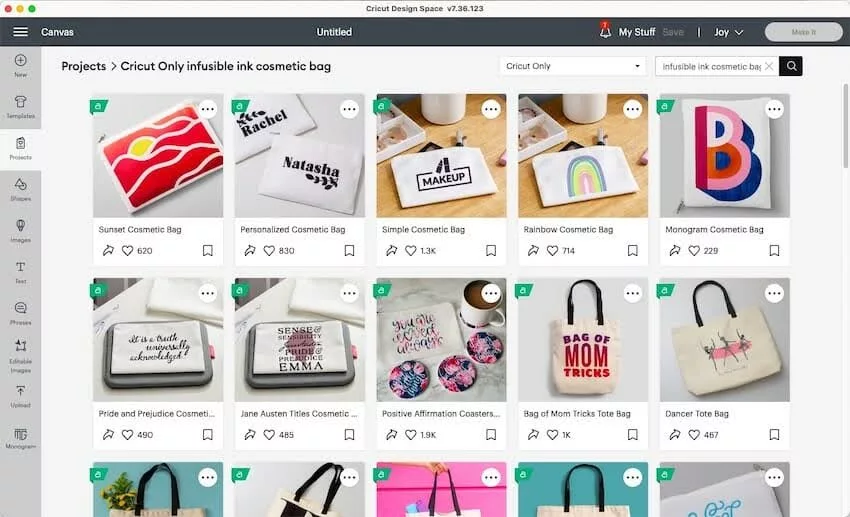
The process begins in Cricut Design Space, the proprietary software used to interface with the cutting hardware. Users select or upload vector graphics, ensuring the dimensions are scaled precisely to the "blank" (the item being customized). A critical technical requirement in this stage is the "Mirror" toggle. Because the ink is transferred face-down, the design must be cut in reverse to appear correctly on the final product.
Step 2: Precision Cutting and Weeding
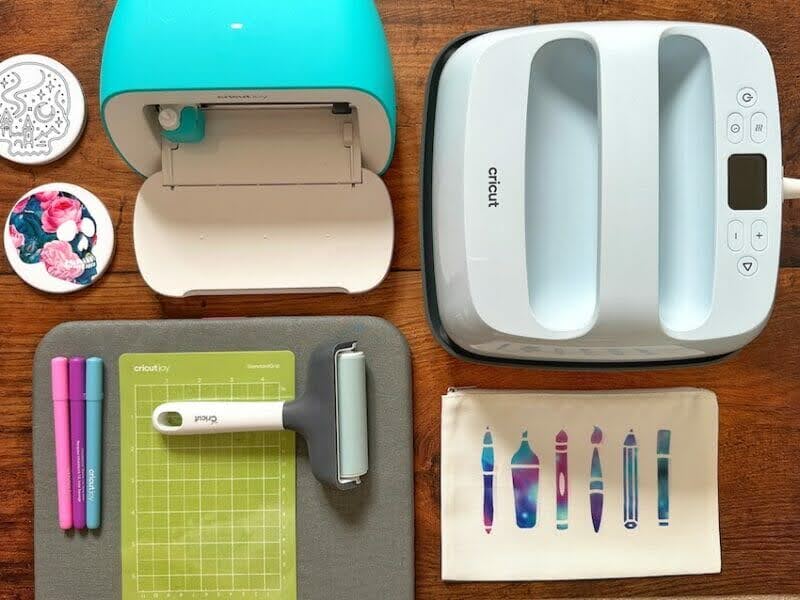
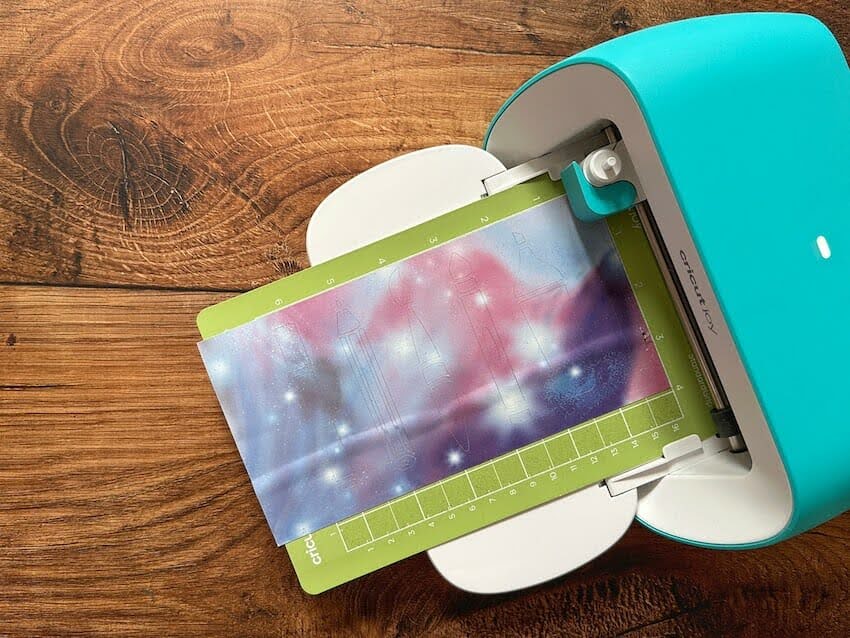
The Infusible Ink Transfer Sheet is placed onto a StandardGrip machine mat with the ink side facing up. Using a Cricut machine, such as the Explore 3 or Maker 3, the design is cut. Unlike vinyl, Infusible Ink sheets have a paper-like consistency. "Weeding"—the process of removing excess material—is performed by gently "cracking" the paper to reveal the cut lines and then removing the unwanted sections with tweezers or by hand. Experts recommend keeping hands dry and oil-free during this stage, as moisture can damage the sensitive ink.
Step 3: High-Heat Integration
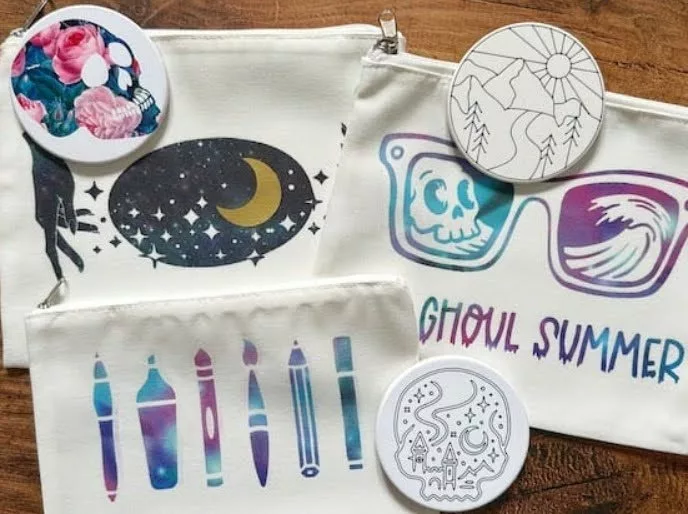
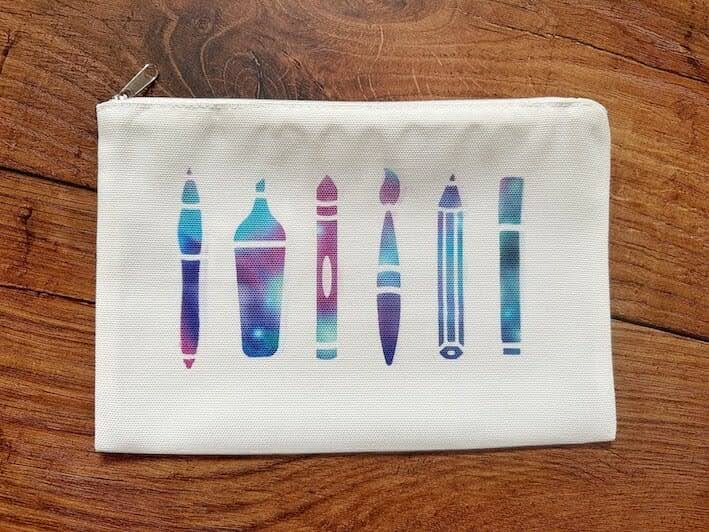
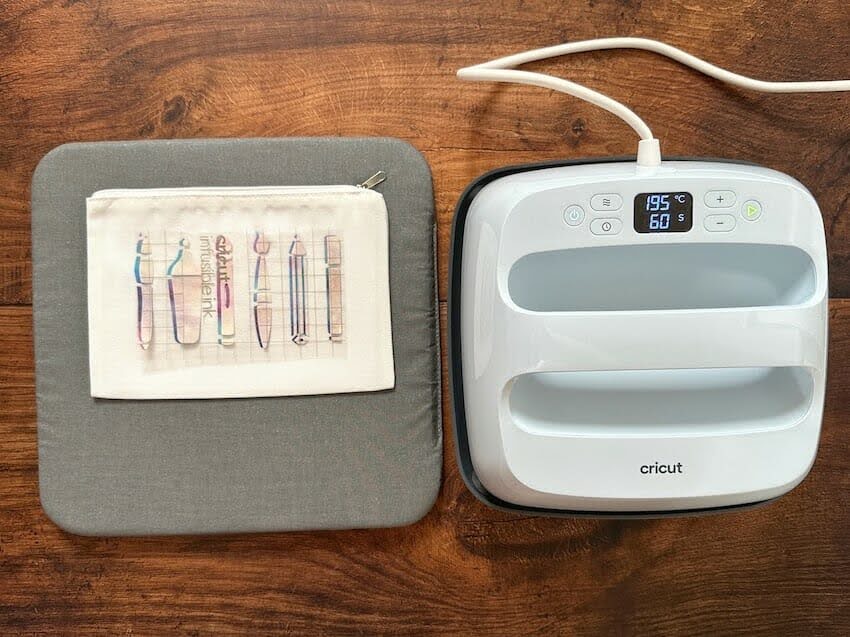
The final stage involves the use of a professional heat press, such as the Cricut EasyPress. For a polyester cosmetic bag, the press is typically set to 385°F (195°C). The bag is pre-heated to remove moisture and wrinkles. A piece of cardstock is placed inside the bag to prevent "ghosting" or ink bleeding through to the other side. The design is placed face-down, covered with butcher paper (to protect the press), and subjected to constant heat and pressure for 60 seconds. The result is a permanent molecular bond between the ink and the fabric.
Technical Versatility: The Ceramic Coaster Project
While transfer sheets offer bold patterns, Infusible Ink Pens and Markers provide a different utility, allowing for hand-drawn designs or fine-line illustrations plotted by the machine. This is particularly effective for hard substrates like ceramic coasters.
Step 1: Digital to Analog Conversion
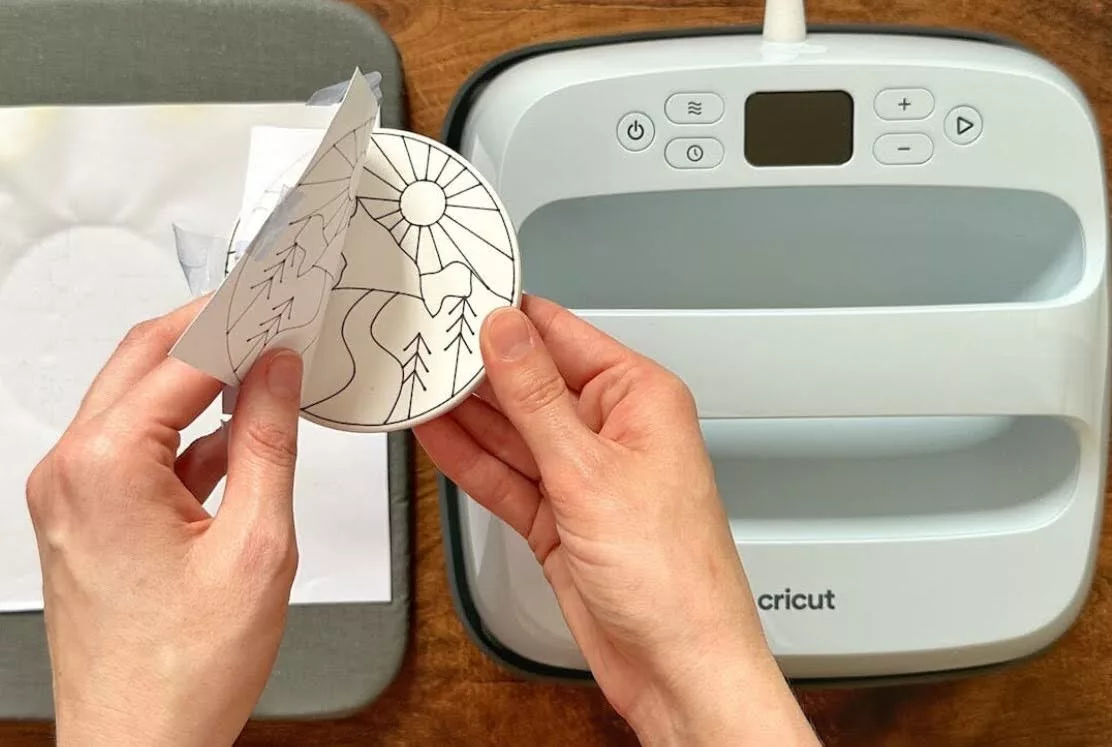
In Design Space, the "Operation" for the design is set to "Pen" or "Draw." This instructs the machine to use the Infusible Ink Marker rather than the cutting blade. The design is drawn onto standard laser copy paper. This allows for a unique hybrid of digital precision and artistic flair.
Step 2: Substrate Preparation
Ceramic coasters must be specifically manufactured with a polymer coating to accept the ink. Standard hardware store tiles will not work, as the ink has no porous surface to bond with. The coaster is cleaned with a lint-free cloth to ensure no dust particles interfere with the chemical transfer.
Step 3: The Heat Transfer Process
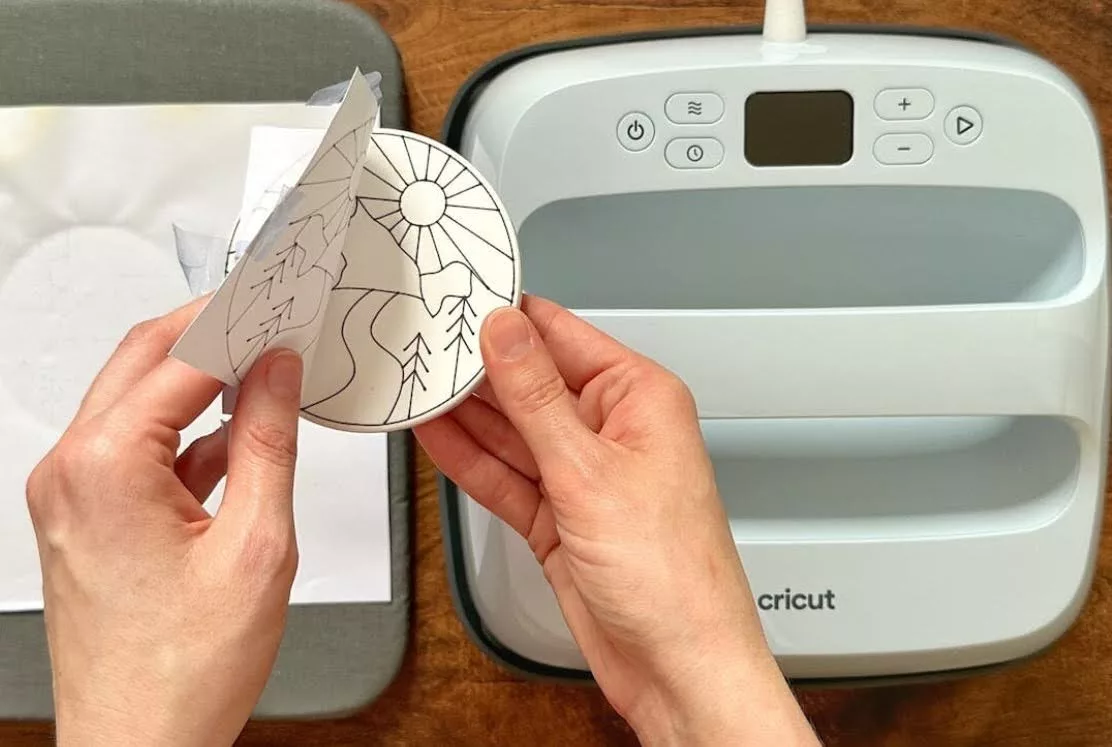
The drawn design is taped to the coaster using heat-resistant tape to prevent shifting. During the heating process, even a millimeter of movement can cause "ghosting," a blurred shadow effect that ruins the professional finish. For ceramic coasters, the item is often flipped upside down on the heat press, allowing the heat to radiate through the ceramic to the ink, ensuring an even distribution of thermal energy.
Material Compatibility and Technical Specifications
A common point of failure for beginners is the use of incompatible base materials. The chemistry of Infusible Ink requires a high percentage of polyester or a specific polymer coating. On 100% cotton, the ink has nothing to "grab" onto and will wash out almost immediately. For fabric projects, a minimum of 65% polyester is recommended, though 100% polyester yields the most vibrant results.
Furthermore, the "blanks" must be white or very light-colored. Because the ink is translucent, it cannot "cover" a dark background. A blue ink design on a yellow shirt, for instance, will appear green due to the additive color process. This limitation is a key distinction from HTV, which is opaque and can be layered on any color.
Industry Impact and Market Implications
The shift toward sublimation-at-home has significant implications for the craft industry. Companies like Cricut have successfully simplified a process that previously required expensive industrial printers and specialized ventilation. According to retail data, the "DIY" segment of the hobby industry saw a 20% increase in spending on high-end heat-transfer equipment between 2020 and 2023.
This technology also addresses the growing consumer demand for sustainability. Because Infusible Ink designs do not peel or crack, the garments and items have a longer lifecycle than those decorated with traditional iron-ons. This durability reduces the "fast fashion" cycle of disposal, aligning with broader environmental trends in the textile industry.
Maintenance and Longevity Standards
To maintain the integrity of an ink-infused product, specific care protocols must be followed. For apparel and fabric bags, manufacturers recommend machine washing in cold water with mild detergent. The use of fabric softeners or bleach is discouraged, as these chemicals can break down the polymer bonds over time. For hard substrates like coasters and mugs, hand-washing is preferred, though many polymer-coated ceramics are rated as dishwasher-safe. By adhering to these standards, users ensure that their "one-of-a-kind" designs remain as vibrant as the day they were created.
Conclusion: The Future of Home Customization
Cricut Infusible Ink represents the current pinnacle of home-based customization technology. By merging the ease of digital design with the permanence of industrial chemistry, it allows creators to produce high-value goods with minimal overhead. As the technology continues to evolve—potentially expanding into more diverse material compatibilities and color gamuts—the line between professional manufacturing and home crafting will continue to blur, fostering a more robust and creative global marketplace. Whether for personal fulfillment or commercial enterprise, the ability to "infuse" creativity into the very fabric of everyday objects marks a new chapter in the history of the maker movement.