

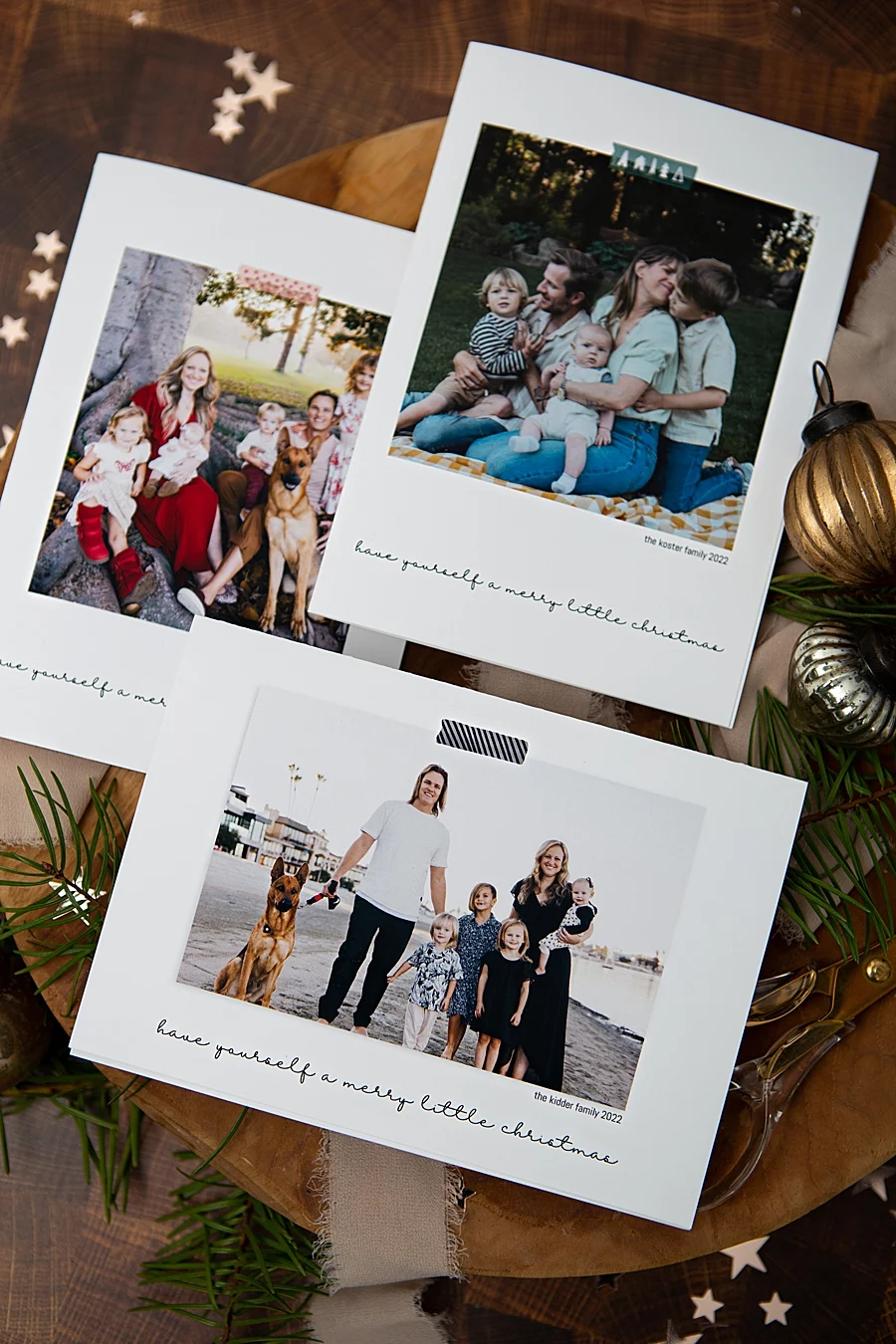
The intersection of high-fidelity printing technology and the modern DIY movement has fundamentally altered how consumers approach seasonal traditions, particularly the production of personalized holiday stationery. As the fourth quarter remains the peak period for the greeting card industry—a sector that generates an estimated $7 billion in annual retail sales in the United States alone—the demand for professional-grade, home-based solutions has reached an all-time high. In a strategic collaboration designed to bridge the gap between commercial printing quality and consumer accessibility, Canon U.S.A., Inc. has partnered with the crafting resource Something Turquoise to streamline the process of creating bespoke photo Christmas cards. This initiative leverages the advanced capabilities of the Canon PIXMA TS9521C Crafting Printer and specialized media to empower users to bypass traditional third-party printing services in favor of immediate, high-quality home production.
The Evolution of Consumer-Grade Crafting Technology
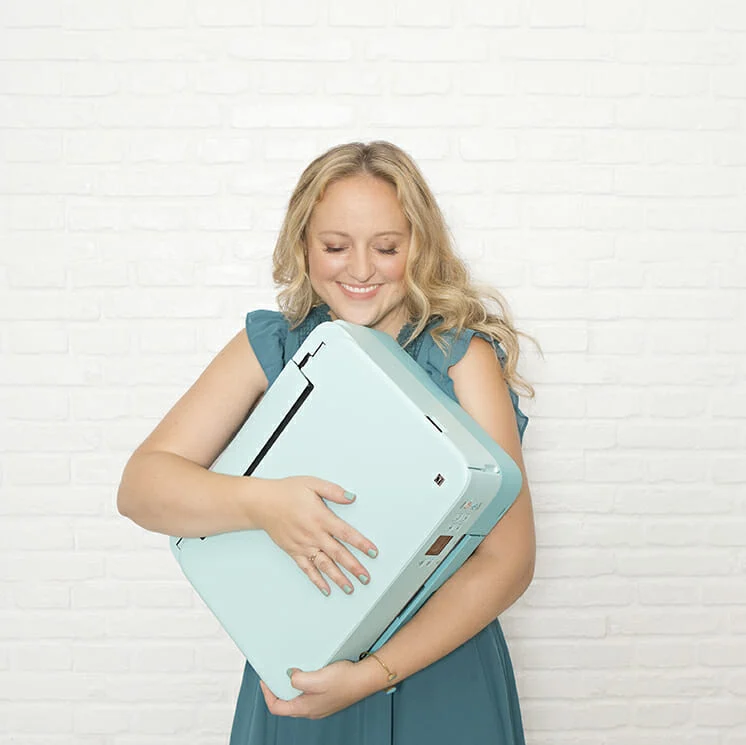
For decades, the consumer printer market was divided into two distinct categories: high-speed document printers for home offices and dedicated photo printers for enthusiasts. However, the rise of the "creator economy" and the resurgence of tactile hobbies like scrapbooking and custom stationery have necessitated a hybrid approach. The Canon PIXMA TS9521C, often referred to as the "Crafter’s Printer," represents this shift in hardware engineering. Unlike standard inkjet models, this device is specifically calibrated to handle a diverse range of media weights and sizes, including the 12×12-inch formats common in scrapbooking.
The technical specifications of the PIXMA series are central to its efficacy in holiday card production. Utilizing a five-individual ink system, the printer is designed to deliver sharp black text and vibrant, color-accurate photographic prints. This is particularly critical for holiday cards, which often feature professional family photography where skin tones and festive color palettes must be rendered with precision. Furthermore, the integration of wireless technology and support for various mobile printing applications allows for a seamless transition from digital design to physical output, reflecting a broader industry trend toward integrated hardware-software ecosystems.
Strategic Integration of Specialized Media
Hardware is only one half of the professional-grade equation; the substrate, or paper, plays an equally vital role in the final perception of quality. To facilitate this DIY workflow, Canon has introduced the 7×10 Double-Sided Greeting Card Paper Pack. This product is engineered to address the common pain points of home-based card making. Each pack contains 20 sheets of double-sided matte photo paper that are pre-cut and pre-scored.
The inclusion of a pre-scored line is a significant technical detail; it ensures that when the 7×10 sheet is folded to a 5×7 card, the fibers of the paper do not crack or fray, a common issue when using standard heavy cardstock. The matte finish is a deliberate choice for holiday greetings, as it provides a non-reflective surface that resists fingerprints and offers a sophisticated, "boutique" aesthetic compared to high-gloss alternatives. Accompanied by 20 matching 5×7 envelopes, the kit provides a comprehensive solution that mirrors the packaging of high-end stationery retailers.
The Design Workflow: Bridging the Gap with Corjl and Adobe Express
To lower the barrier to entry for users who may lack professional graphic design skills, the collaboration utilizes the Corjl software platform. This web-based editing tool allows users to manipulate complex designs without the need for expensive software suites like Adobe Creative Cloud, although Adobe Express remains a complementary tool for broader creative tasks.
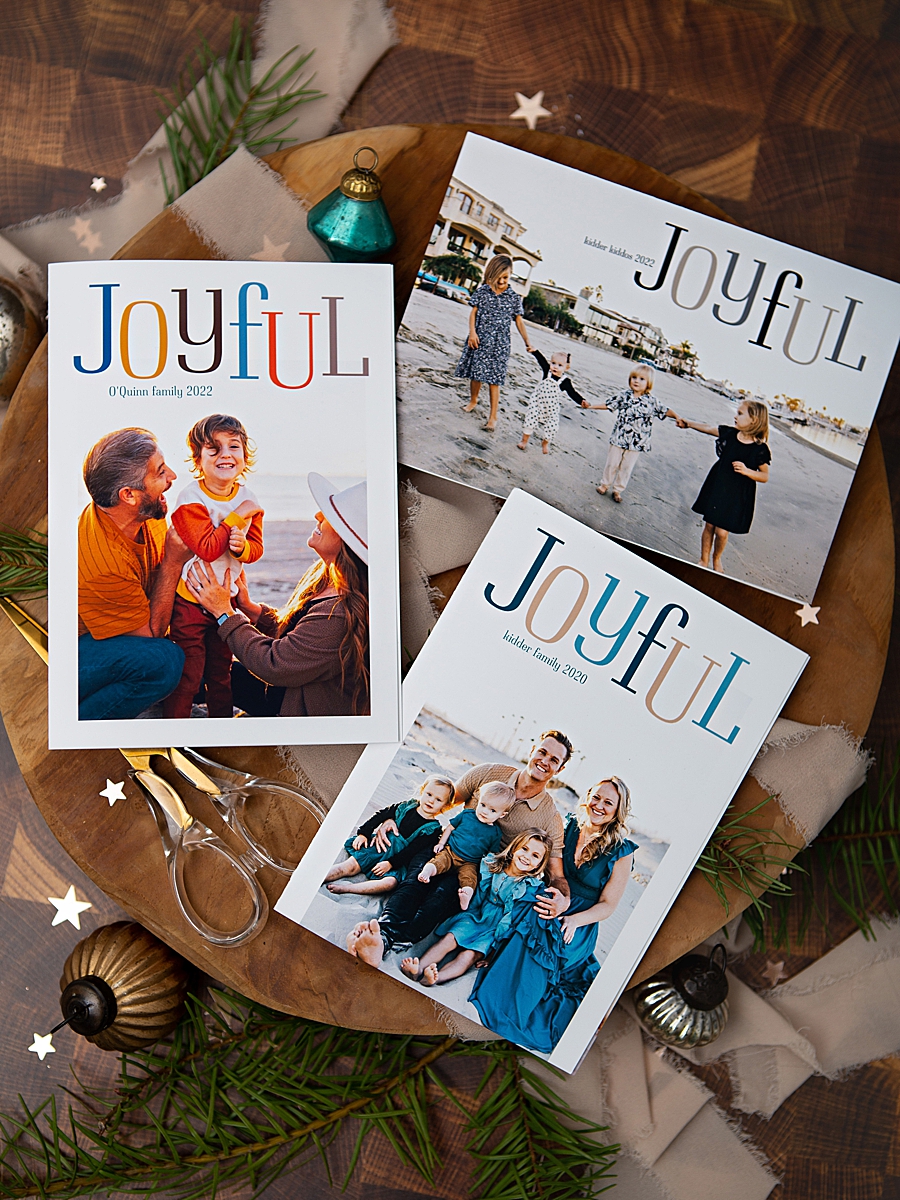
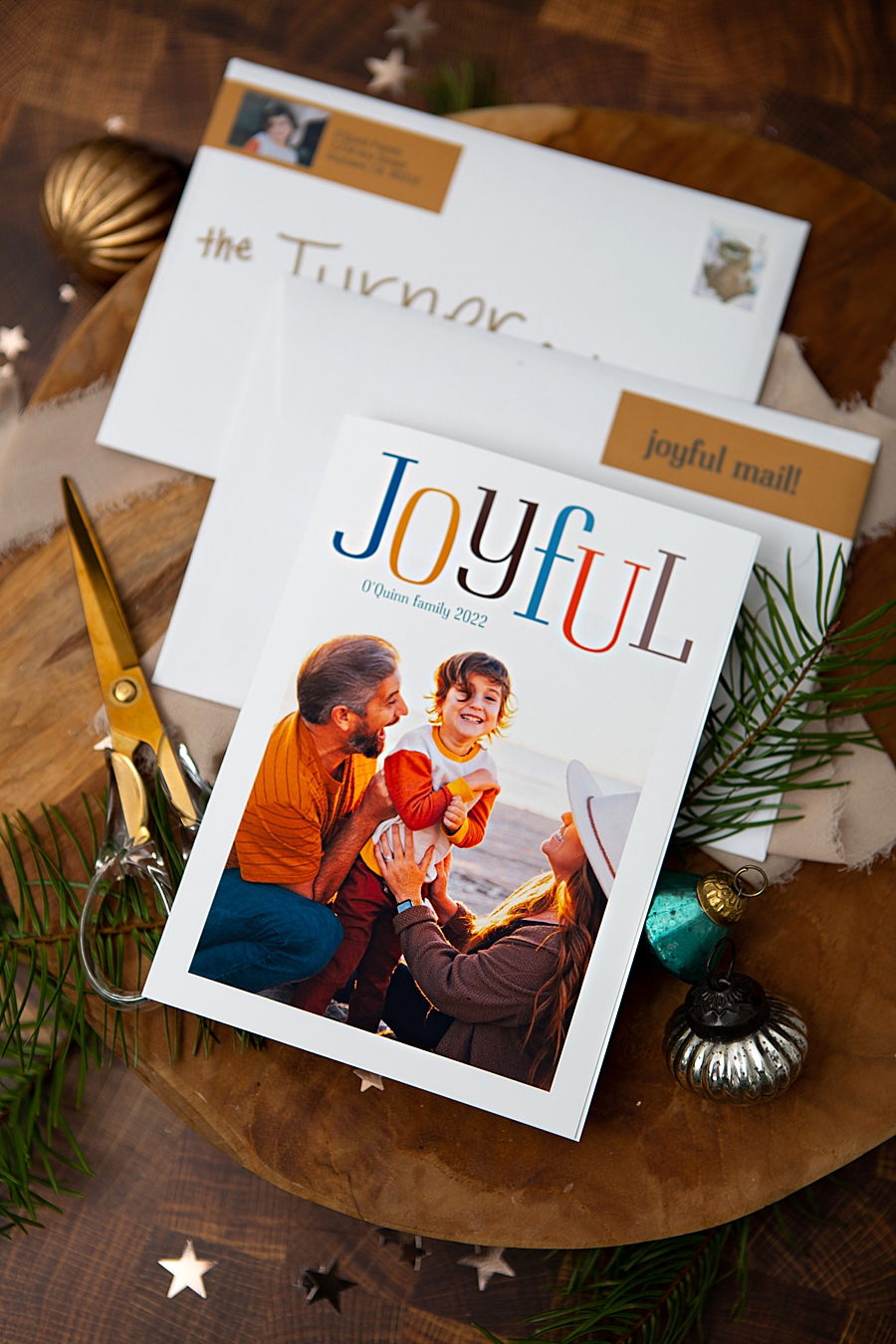
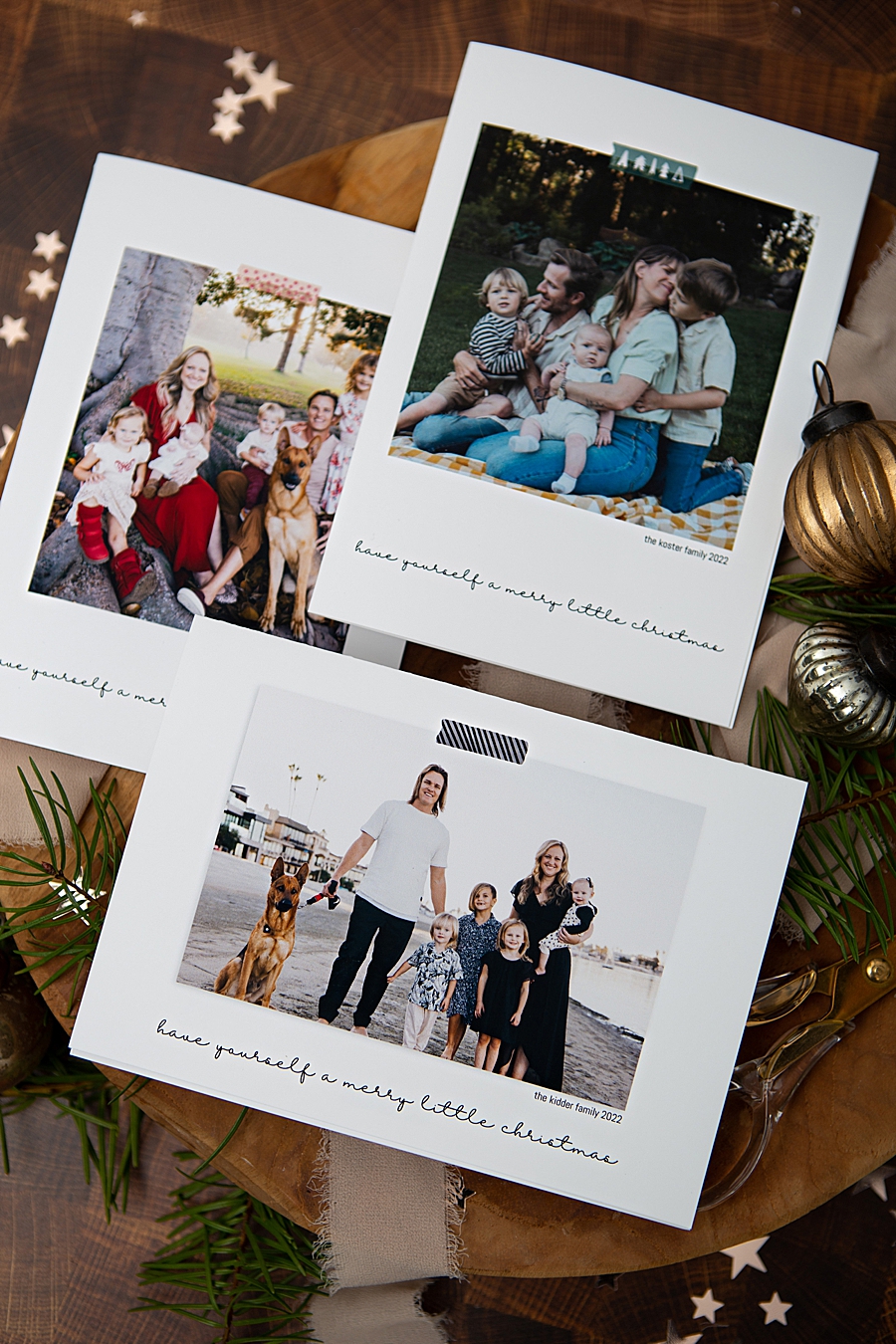
Through the Something Turquoise portal, users are granted access to three specific design motifs: "Joyful," "Tape," and "Berries." Each design serves a different aesthetic niche:
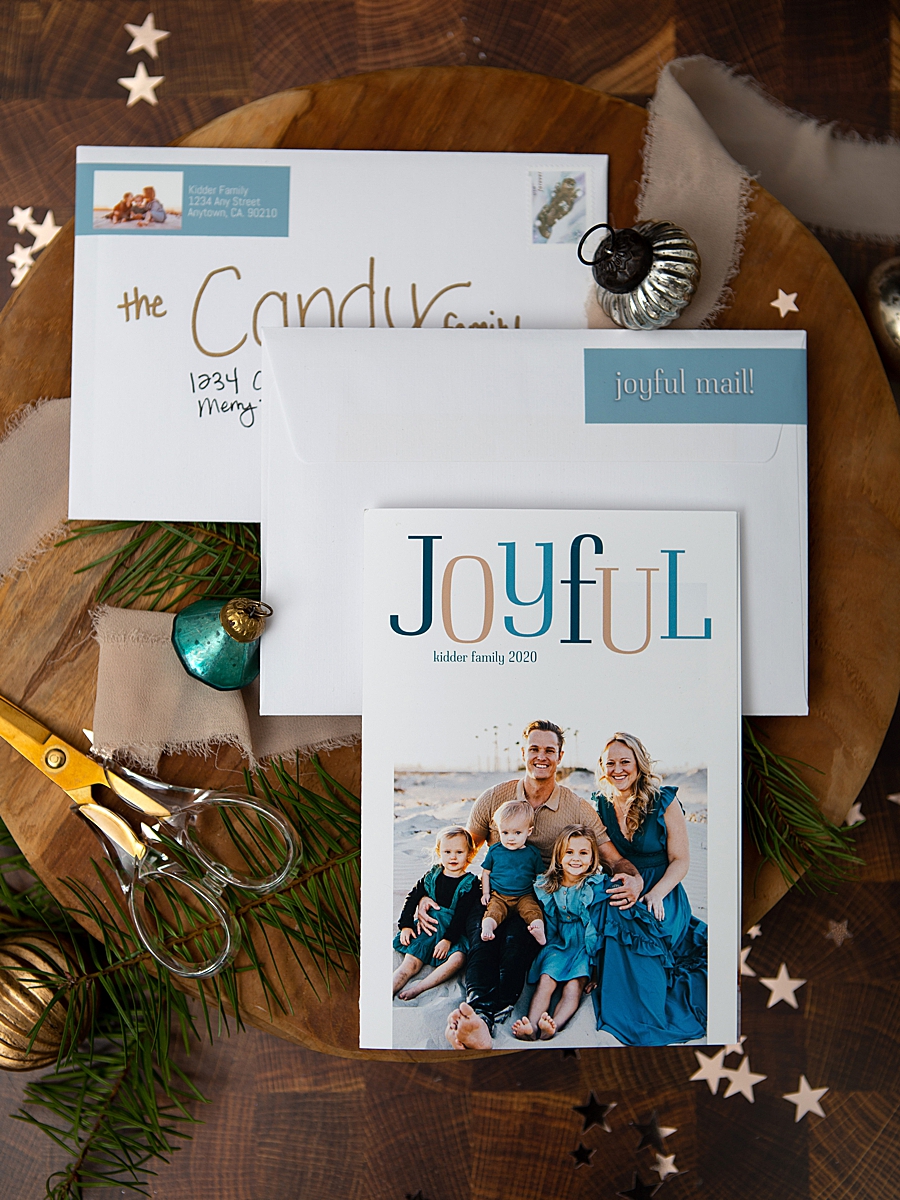
- Joyful: A typography-focused design that emphasizes bold messaging. The software allows users to color-match the text to specific elements within their uploaded family photos, ensuring visual harmony.
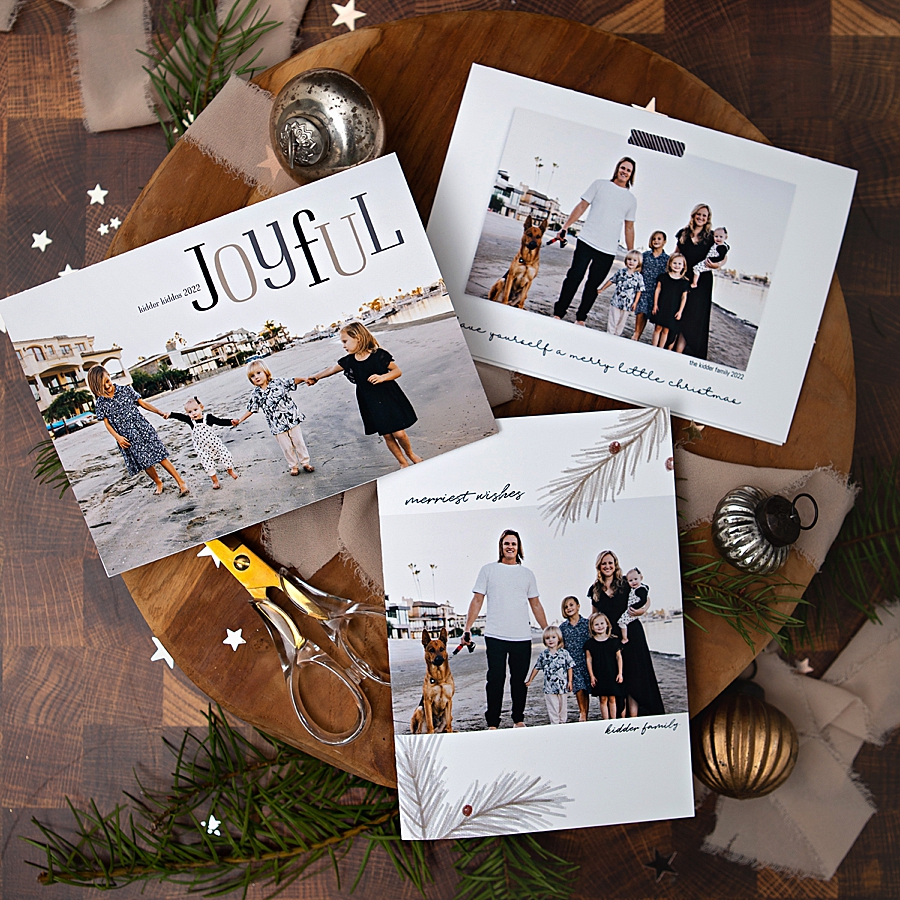
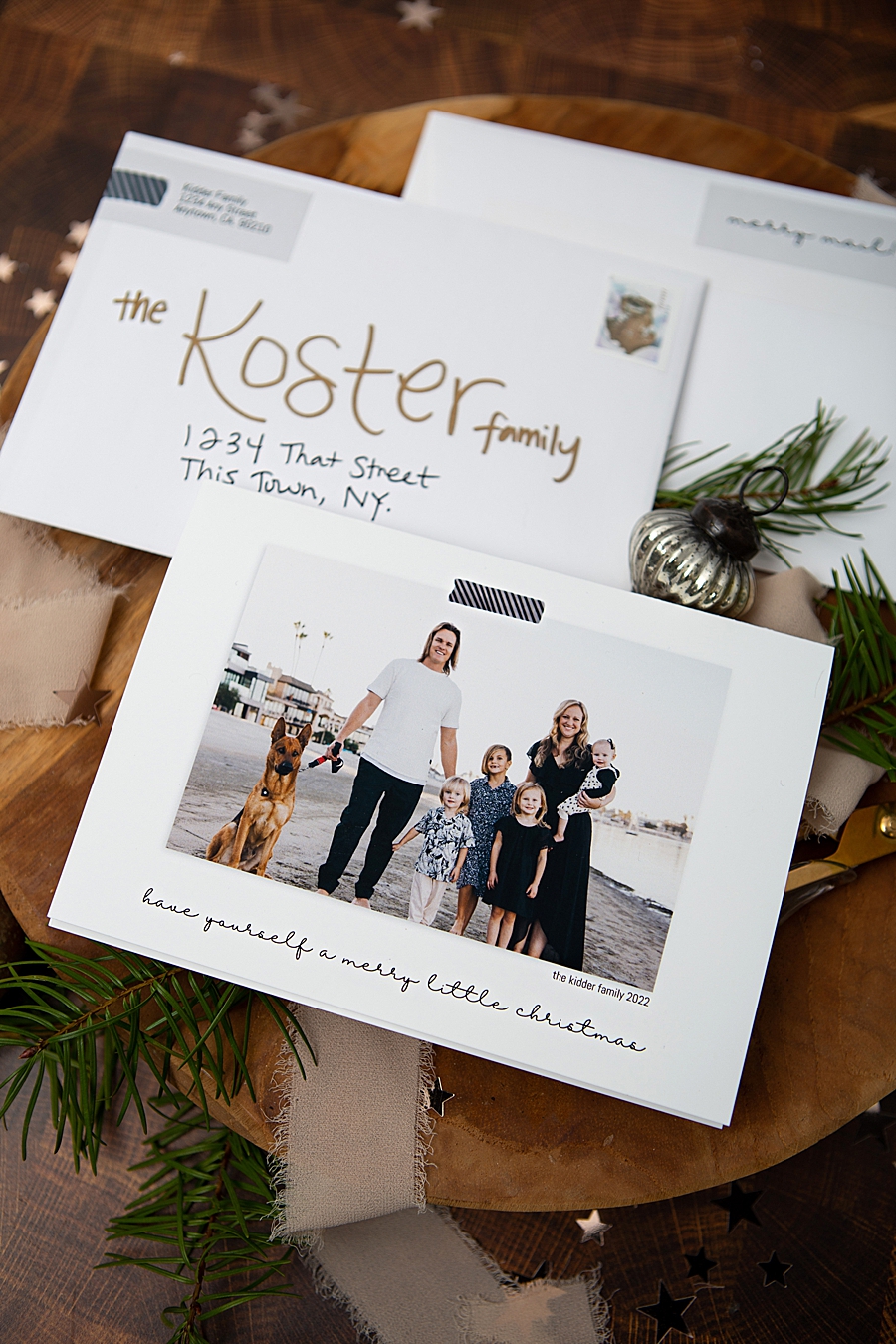
- Tape: A "faux-scrapbook" aesthetic featuring digital overlays of black and white stripes, pink polka dots, or green tree patterns, mimicking the look of physical washi tape.
- Berries: A hand-drawn botanical approach featuring pink, green, and beige color schemes, catering to the minimalist and organic design trends prevalent in modern home decor.
The Corjl interface provides a "what you see is what you get" (WYSIWYG) experience, enabling the customization of text, photo placement, and even the interior of the card. This level of granular control was previously reserved for those with professional design training, but its migration to user-friendly web platforms has democratized the creation of high-end stationery.
Chronology of the DIY Printing Process
The transition from a digital file to a finished holiday card involves a specific sequence of technical steps designed to ensure output consistency. Based on the protocols established by Canon and Something Turquoise, the workflow typically follows this chronology:
- Template Acquisition: Users access the design templates via a dedicated checkout process, utilizing promotional codes such as "canonholiday" to bypass traditional licensing fees.
- Digital Customization: Photos are uploaded into the Corjl interface. Users perform essential edits, such as cropping, color correction, and text adjustment. This stage includes the selection of vertical or horizontal orientations to match the composition of the family photograph.
- Printer Calibration: The Canon PIXMA TS9521C is loaded with the 7×10 matte paper. It is essential to adjust the printer settings to recognize the specific media type and "high quality" print mode to ensure the ink density is sufficient for the matte substrate.
- Execution and Drying: The double-sided printing capability allows for the exterior and interior of the card to be printed in separate passes or via a duplexing unit. Due to the ink-heavy nature of photo printing, a brief drying period is recommended before folding along the pre-scored lines.
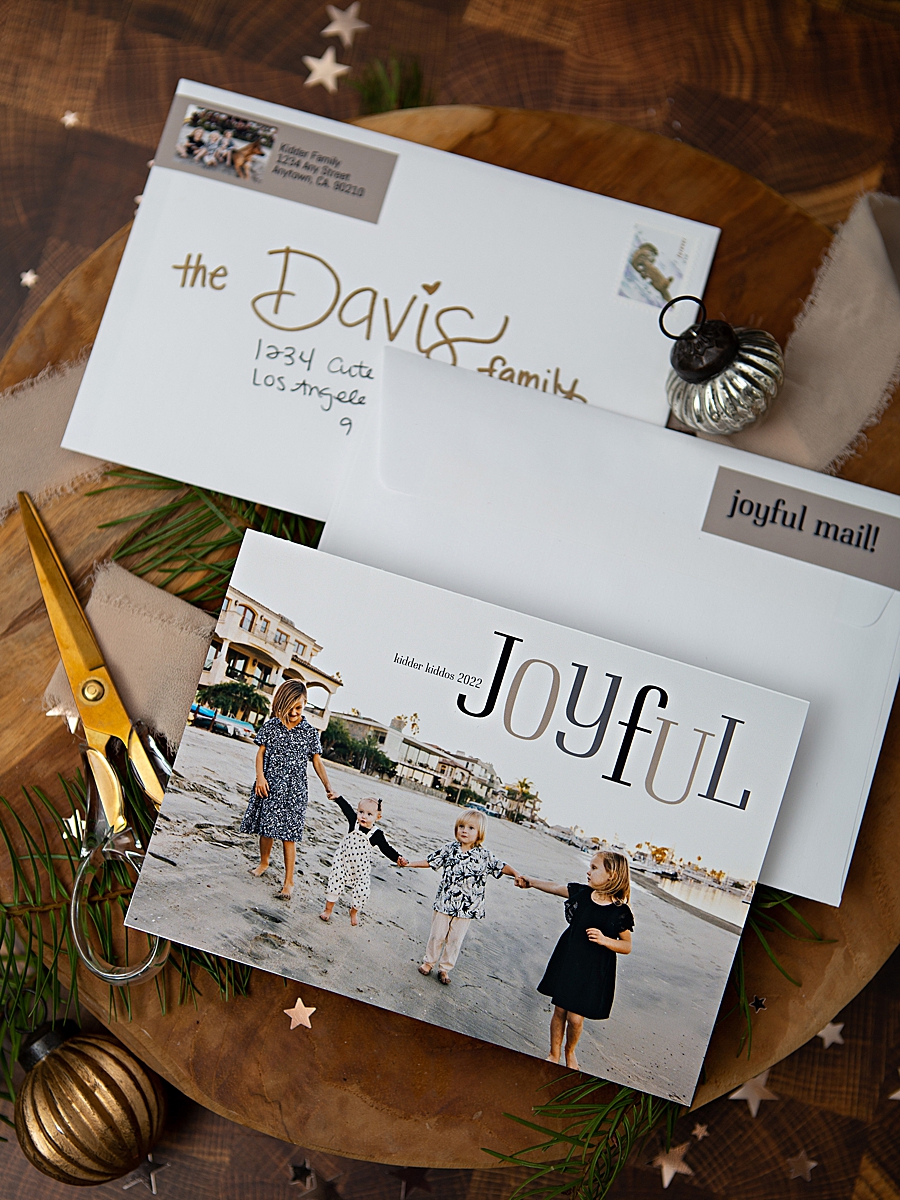
- Final Assembly: The cards are folded and paired with matching address labels, which are also included as part of the digital design suite to ensure a cohesive visual identity from the envelope to the card itself.
Economic and Market Implications
The move toward home-printed holiday cards is not merely a creative choice but an economic one. Traditional custom card services often charge between $1.50 and $3.50 per card, depending on paper quality and quantity. By utilizing home hardware and specialized paper packs, the per-unit cost is significantly reduced, even when accounting for ink consumption.
Market analysts suggest that this trend is part of a larger "prosumer" movement, where the lines between professional services and consumer capabilities are blurring. As printer manufacturers like Canon continue to refine their ink technology and media offerings, the incentive for consumers to outsource small-to-medium-scale printing tasks diminishes. This shift has forced commercial printing giants to pivot toward more complex offerings, such as foil-stamping, letterpress, or ultra-thick "lux" papers that remain difficult to replicate with home-based inkjet technology.
Broader Impact on the Maker Community
The social dimension of this technology cannot be overlooked. The use of hashtags such as #somethingturquoisediy facilitates a feedback loop where users share their results on platforms like Instagram and Twitter. This community engagement serves as a form of "crowdsourced" troubleshooting and inspiration, further encouraging the adoption of DIY printing solutions.
Furthermore, the ability to print on demand offers a level of flexibility that traditional ordering does not. Users can print additional cards instantly if their mailing list expands, or customize individual cards for different segments of their audience (e.g., a different photo for family versus business acquaintances). This agility is a primary driver in the sustained popularity of the PIXMA crafting line.
Conclusion: The Future of Personalized Stationery
As digital communication continues to dominate daily life, the value of physical, printed media has arguably increased. A physical holiday card represents a tangible investment of time and creative effort. The collaboration between Canon and Something Turquoise highlights a future where sophisticated technology serves as a tool for personal expression rather than a replacement for it. By providing the hardware, the media, and the design templates, Canon has created a closed-loop system that removes the traditional barriers to professional-quality home manufacturing.
For the consumer, the result is a product that bears the hallmarks of a professional print shop but carries the personal touch of a handmade craft. As the PIXMA TS9521C and similar devices continue to evolve, the distinction between "store-bought" and "home-made" will likely continue to fade, ushering in a new era of high-tech domestic artistry. The success of this year’s holiday card initiative suggests that the market for integrated, easy-to-use crafting solutions is robust and poised for further expansion in the coming years.