


The Economic and Psychological Drivers of DIY Advent Solutions
The transition from store-bought to handmade advent calendars is often driven by a combination of financial pragmatism and a desire for curated experiences. In the case of a family with four children, the purchase of four premium "toy" advent calendars—averaging $40 each—results in an immediate expenditure of $160 before the month of December even begins. Market analysis suggests that while these calendars provide a daily "dopamine hit" of a new item, the novelty frequently wanes by the third week. This is largely due to the "filler" items often included in commercial sets to reach the 24-piece requirement.
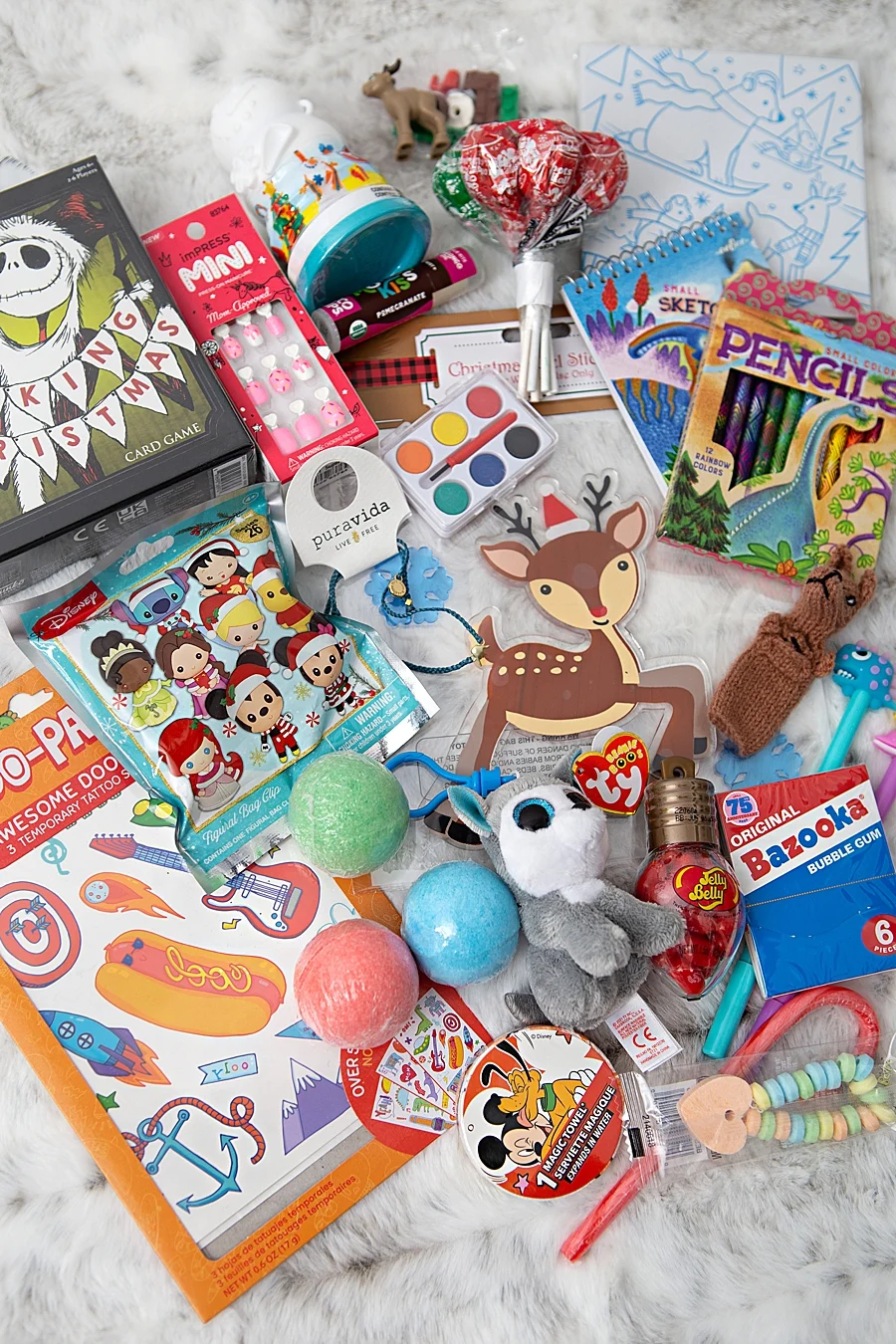
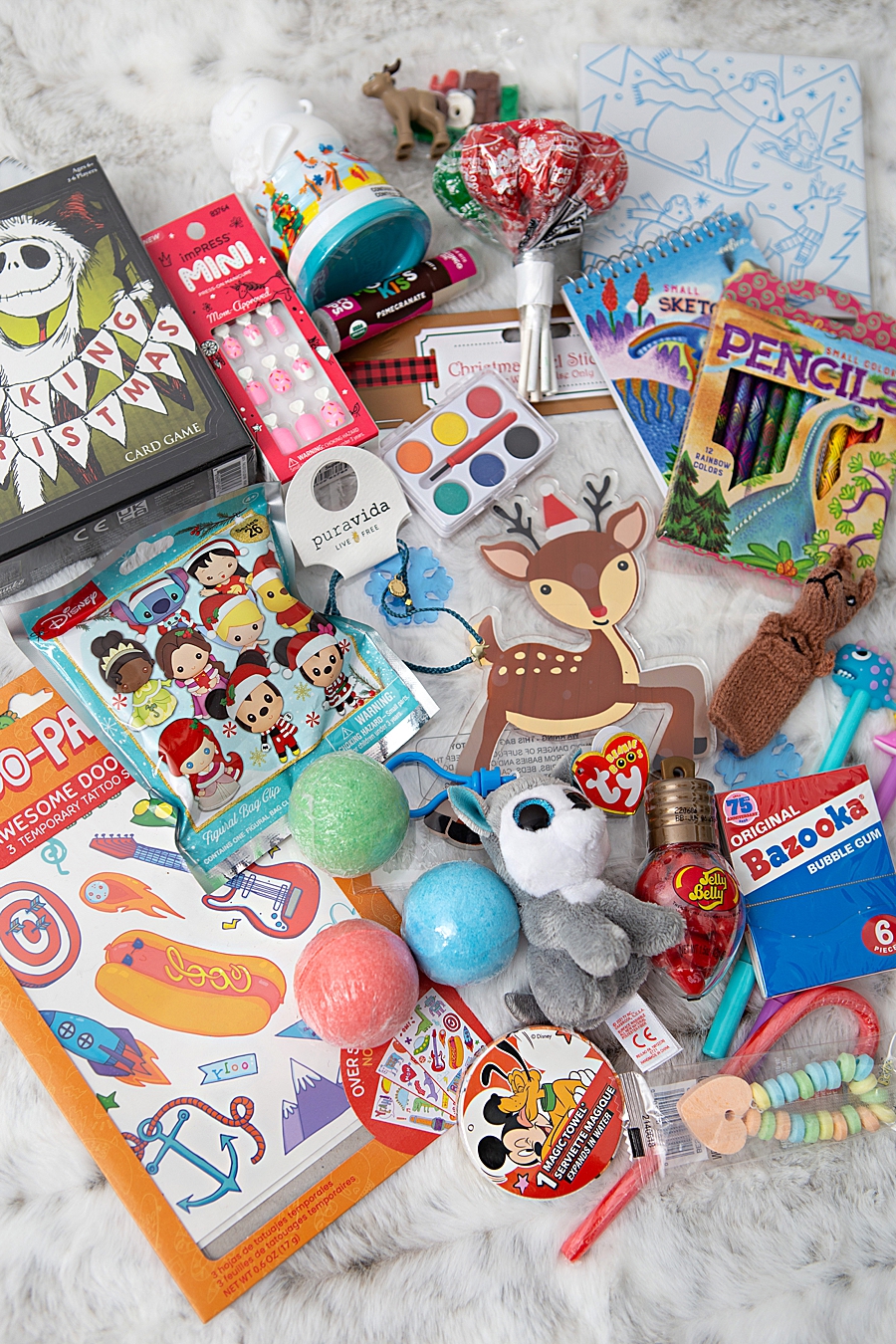
By redirecting that $160 budget toward a customized DIY project, parents can achieve a higher "quality-to-cost" ratio. Causey-Kidder’s project utilized a budget of approximately $150 for the contents of the calendar, including a diverse array of items ranging from Pura Vida bracelets and bath bombs to mini watercolor sets and family games. This strategy allows for age-appropriate differentiation, which is a significant hurdle for families with children of varying developmental stages. For instance, in a household with children aged 7, 4, 3, and 14 months, a one-size-fits-all Lego or jewelry calendar fails to meet the safety or interest requirements of the entire group.
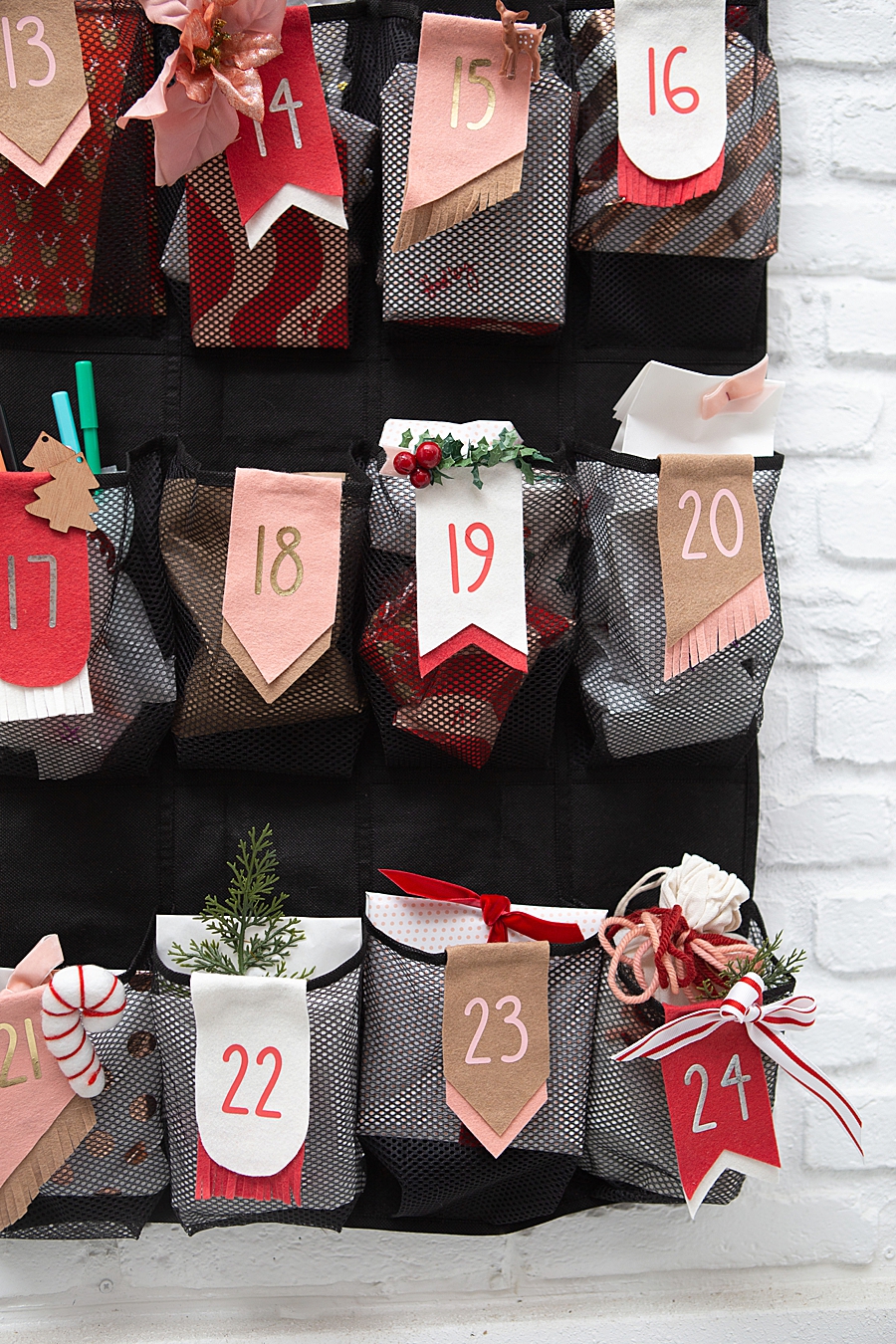
Technical Construction and Methodology
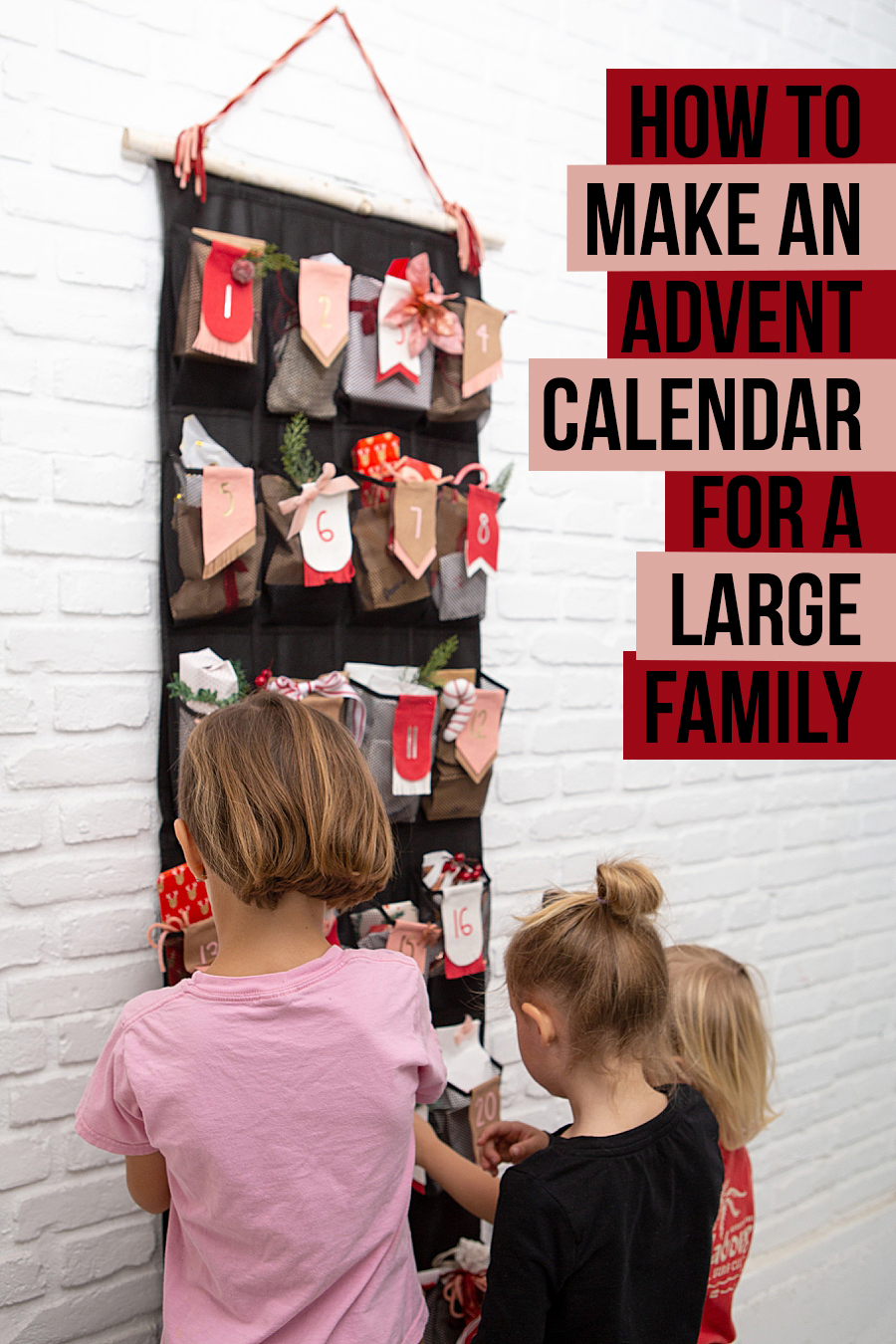
The "Shoe Organizer Advent Calendar" is built upon a foundation of structural integrity and aesthetic customization. The process involves several distinct phases: material procurement, structural mounting, aesthetic branding, and logistical gift management.
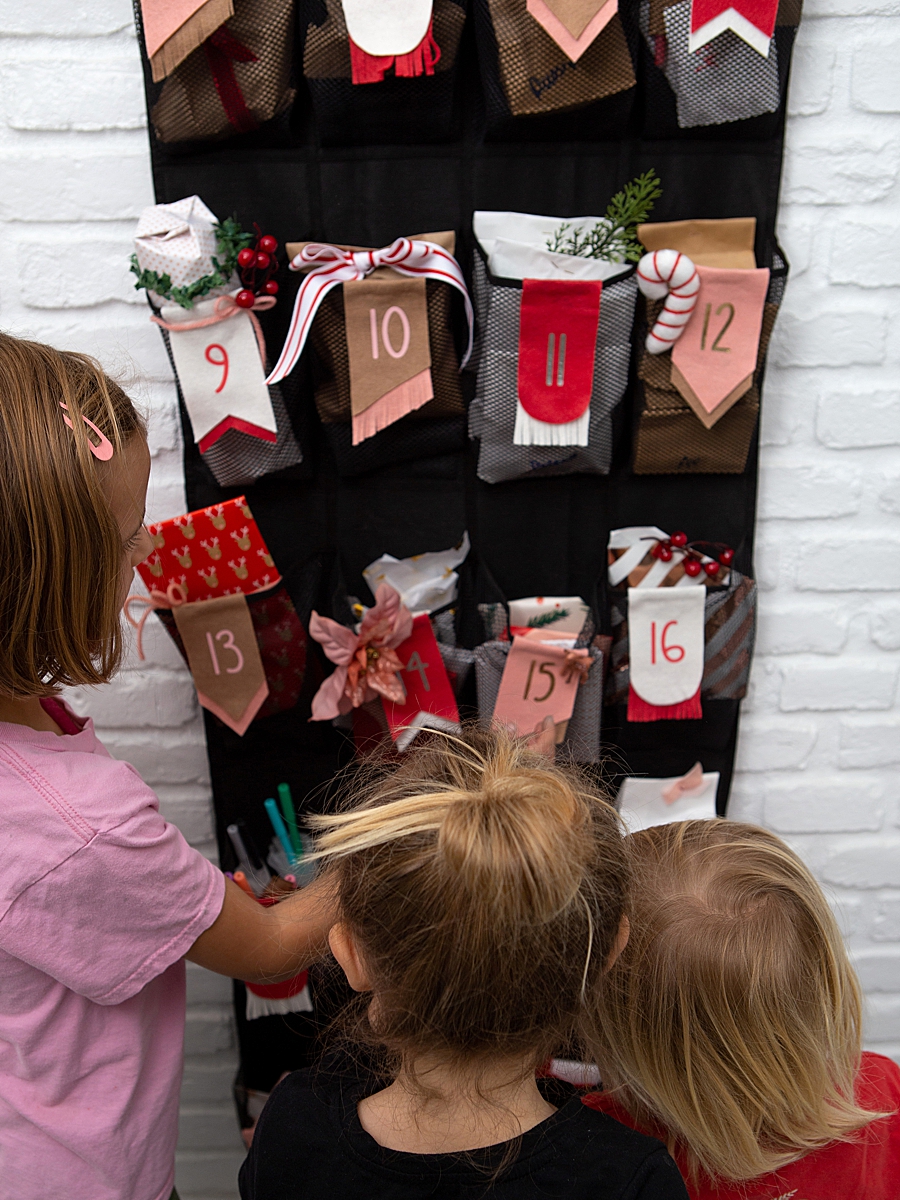
Structural Mounting and Weight Distribution
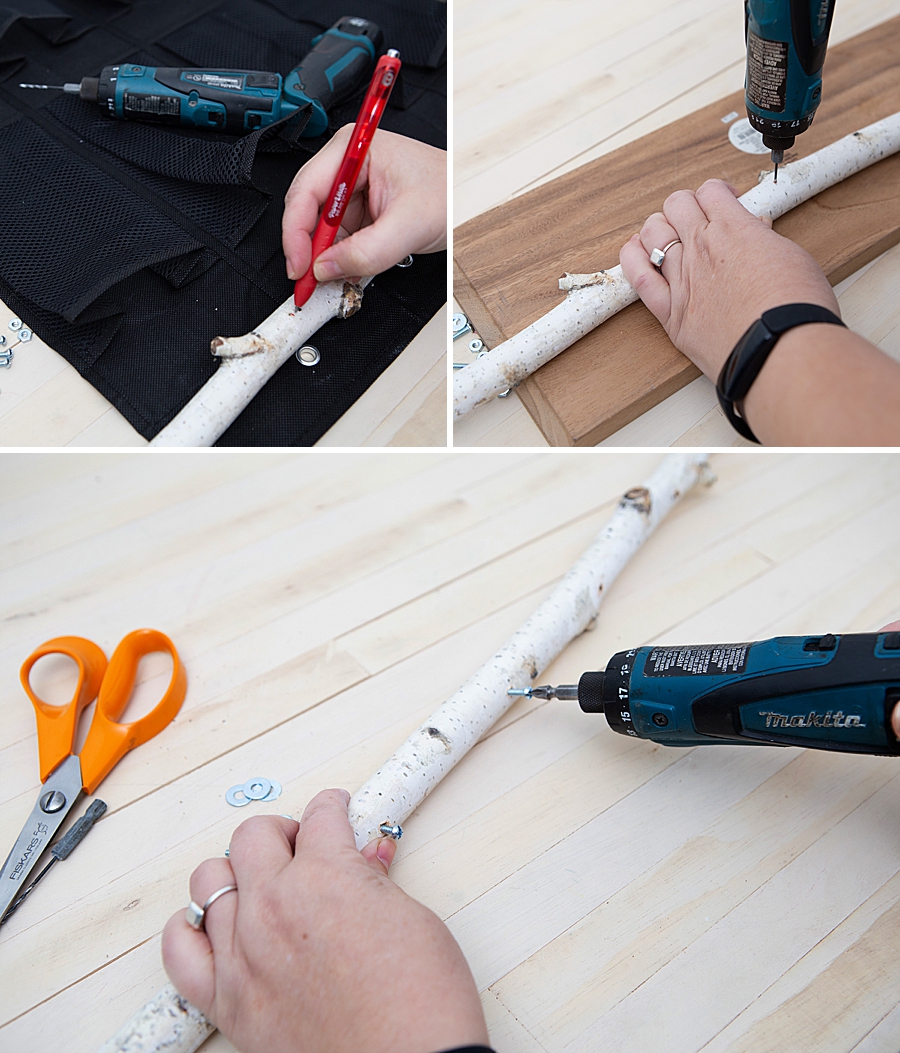
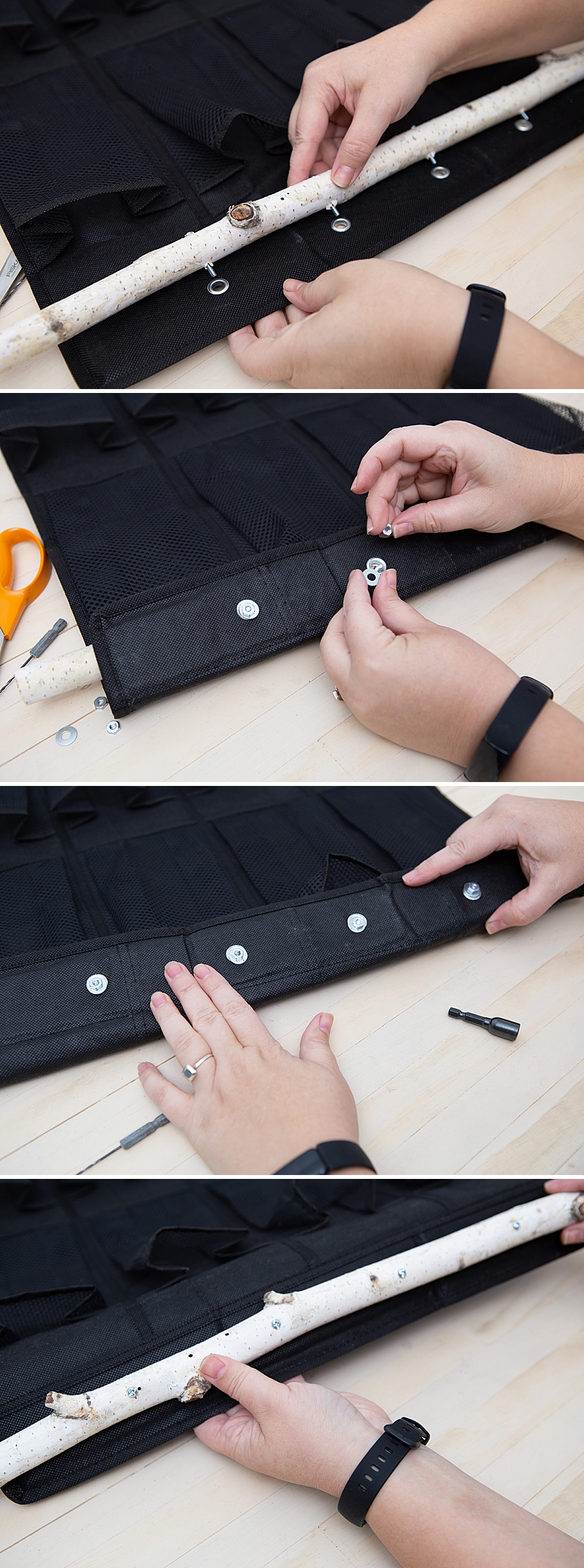
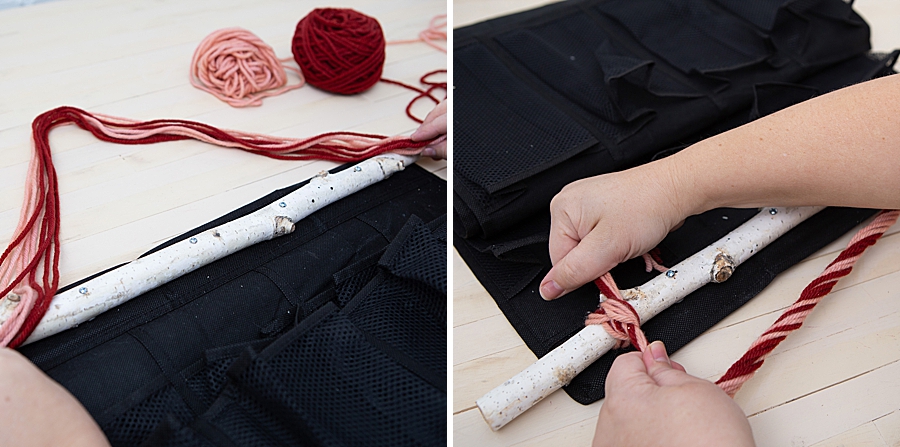
Because a 24-pocket shoe organizer filled with gifts for multiple children can reach a significant weight, standard over-the-door hooks may prove insufficient or damaging to door frames. Causey-Kidder’s methodology involved a more permanent and robust mounting solution. Using a decorative white branch as a mounting bar, the organizer was secured using 1.25-inch bolts, washers, and nuts. This mechanical attachment ensures that the weight of the gifts—which included heavier items like play dough and bath bombs—is distributed evenly across the branch, which was then suspended using 12 strands of reinforced yarn.
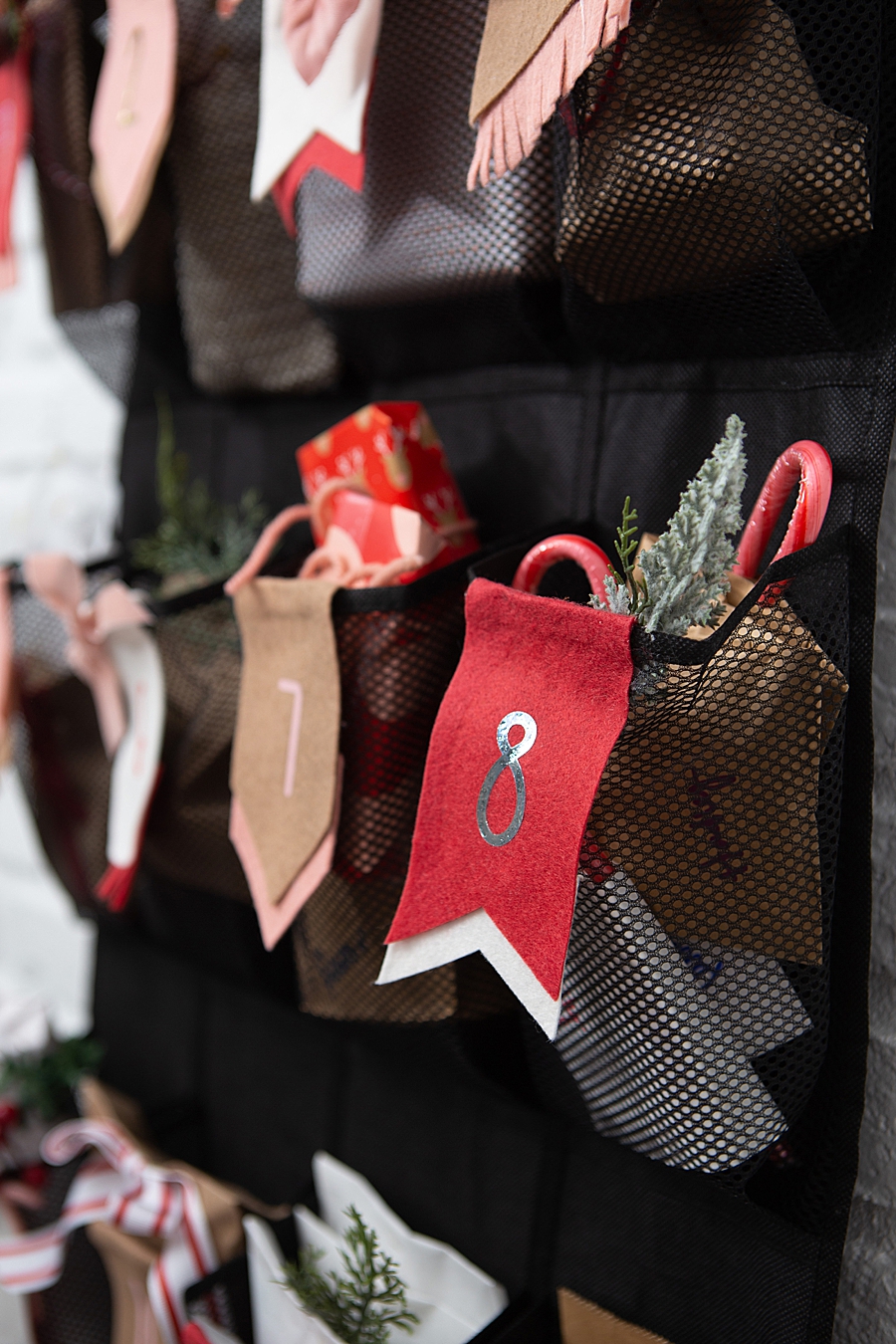
Aesthetic Branding and Customization
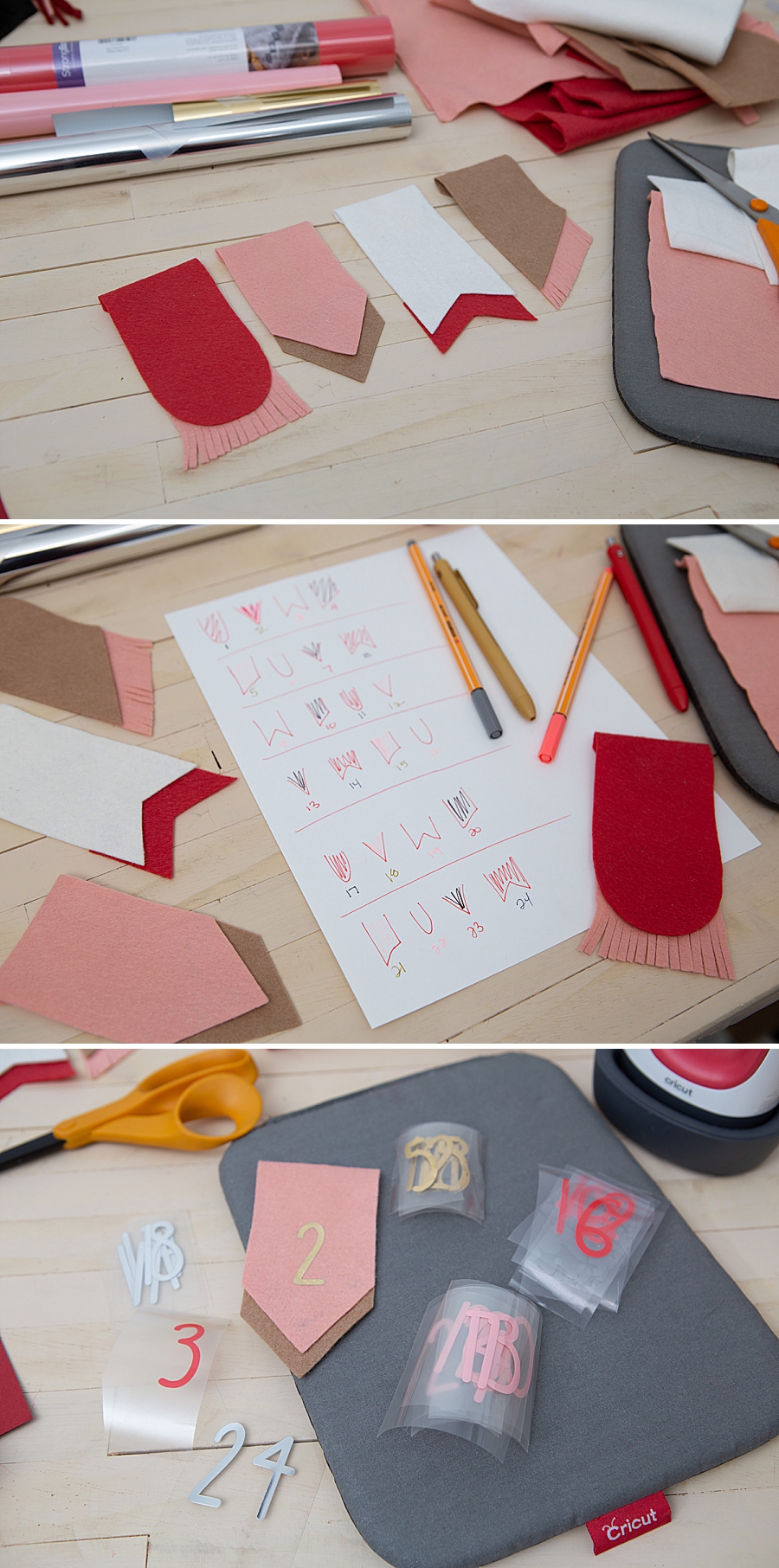
To elevate the project from a utility item to a holiday centerpiece, the use of high-quality textiles and precision cutting tools is employed. Causey-Kidder utilized Benzie Felt in a palette of Red, Blush, White, and Castle, combined with Cricut Iron-on vinyl in Red, Pink, Gold Foil, and Silver Foil. The use of a Cricut Design Space workflow allowed for the creation of 24 unique, numbered tags using the "BFC Autumn Harvest" font. This level of customization serves two purposes: it creates a cohesive visual theme that complements home decor, and it provides a clear organizational system for the daily ritual.
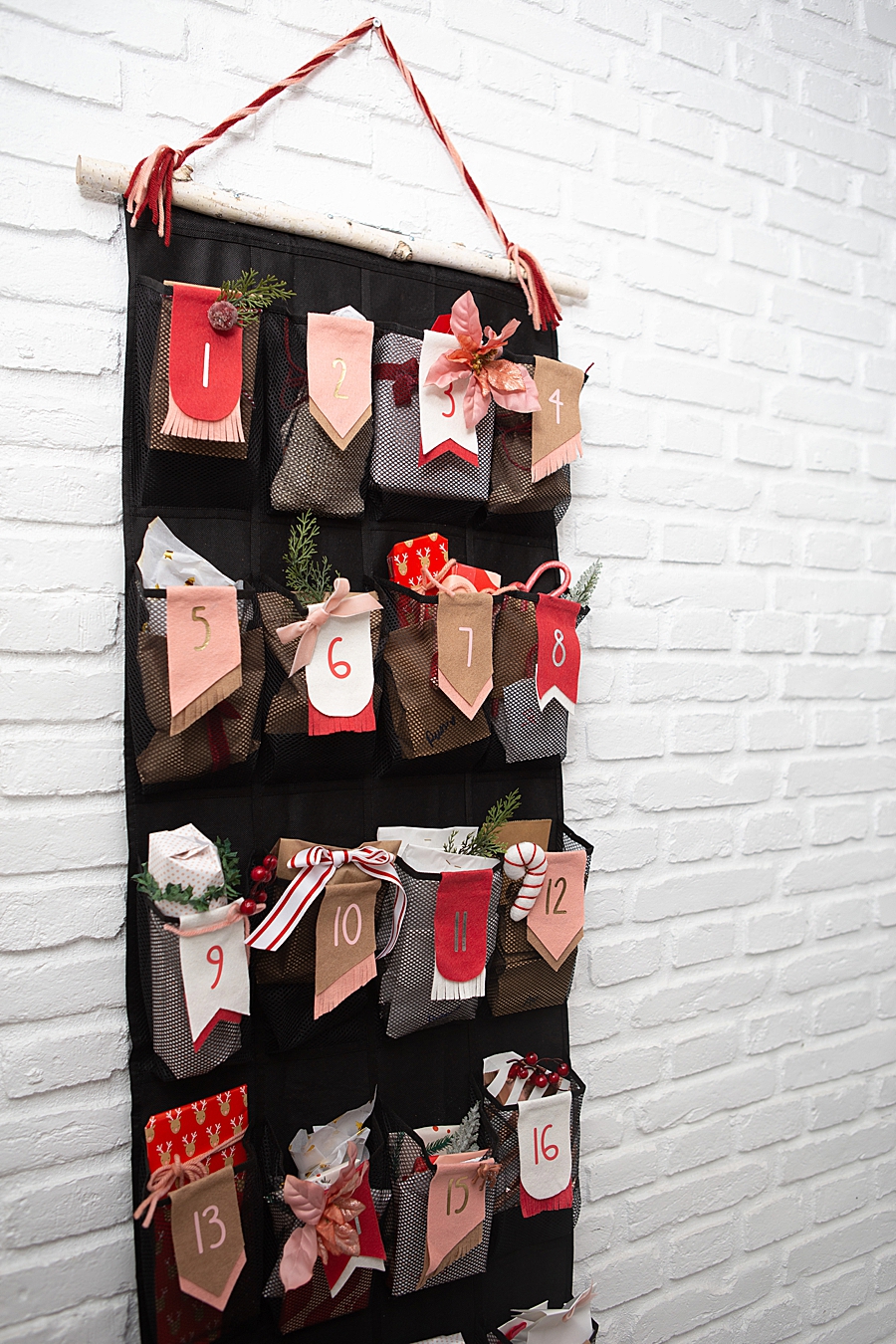
Chronology of the Project: From Concept to Completion
The timeline for a project of this scale extends beyond the immediate assembly, requiring a "collection phase" that typically spans several months.
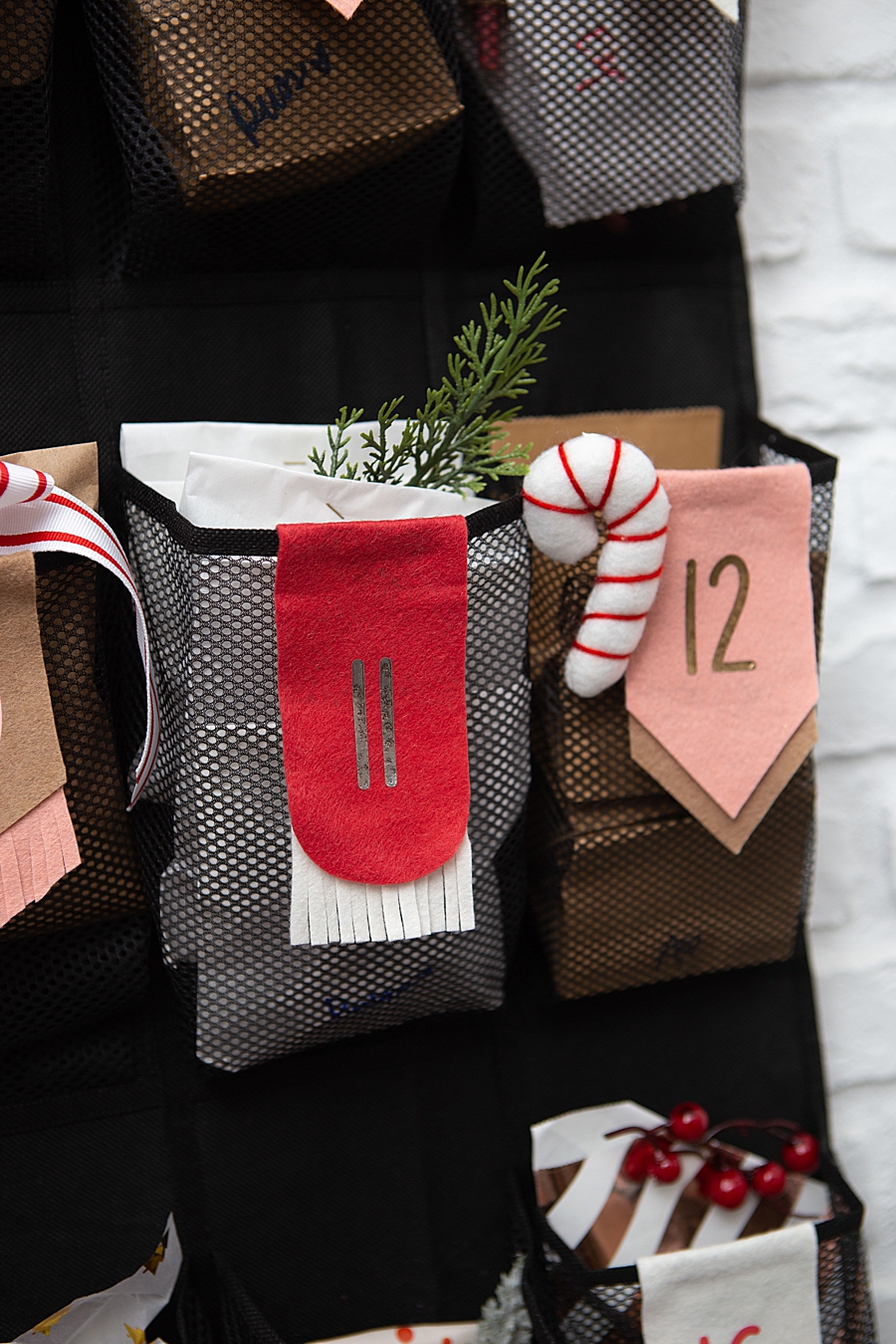
- September – October (The Collection Phase): The creator spent approximately two months sourcing small, high-value items from various retailers, including Target, Sprouts, Walgreens, and Dollar Tree. This staggered approach prevents budget spikes and allows for the discovery of unique "mini" items that are not typically available during the peak December rush.
- Early November (Structural Assembly): The drilling of the branch and the mounting of the shoe rack were completed to establish the "canvas" for the project.
- Mid-November (Tag Production): The design and cutting of the 24 felt tags. This phase is noted as the most time-intensive, requiring precise alignment of the iron-on numbers to the felt backing.
- Late November (The Wrapping Marathon): Each of the items (or groups of items) was individually wrapped using paper from Target’s Sugar Paper line and embellishments from Michaels.
- Deployment (December 1st): The final installation of the calendar in a high-traffic area of the home.
Strategic Gift Management: The "Mom Trick"
A critical component of the large-family advent calendar is the management of expectations and the prevention of "premature opening" by younger children. Causey-Kidder implemented a strategic logistical safeguard: dating each individual gift. By writing the specific date on the wrapping paper of each item before placing it in the pocket, parents can ensure that the sequence of gifts remains intact even if a toddler removes items from the lower, reachable pockets.

Furthermore, the curation included "family gifts" interspersed with individual items. This tactical choice shifts the focus from individual acquisition to collective experience, such as a family game night, which reinforces the social fabric of the household during the holiday season.

Broader Implications for the Holiday Retail Market
The success of DIY projects like the Shoe Organizer Advent Calendar signals a broader trend in consumer behavior: the "Experience Economy." Consumers are increasingly valuing the effort and personalization of a gift over the brand name on the box. This shift poses a challenge to traditional toy manufacturers who rely on high-volume, low-customization advent products.
From a sustainability perspective, the DIY shoe organizer model offers a "circular" advantage. Unlike cardboard commercial calendars that are disposed of on December 26th, the shoe rack and the mounting branch are reusable assets. The only recurring costs in subsequent years are the gifts themselves and the wrapping materials, making the long-term financial outlook of this DIY approach superior to the annual purchase of disposable products.
Expert Analysis: The Psychological Benefit of Curated Rewards
Child development experts often note that the "anticipation phase" of the holidays is as important as the holiday itself. Traditional advent calendars can sometimes promote a "quantity over quality" mindset. In contrast, a curated calendar allows parents to tailor rewards to a child’s recent achievements or current interests. If a child has recently taken up an interest in art, the inclusion of a mini watercolor set on Day 12 serves as a personalized encouragement that a mass-market Star Wars calendar cannot provide.
The inclusion of "Mom and Dad" gifts within the pockets also models the behavior of "giving and receiving" for children. By seeing that the advent calendar is a family-wide celebration rather than a child-centric toy dispenser, children develop a more holistic understanding of holiday traditions.
Final Assessment: A Labor of Love with Long-Term Returns
While Jen Causey-Kidder acknowledges that the project is a "labor of love" requiring significant time and planning, the result is a sturdy, aesthetically pleasing, and highly functional holiday tradition. The use of the hashtag #somethingturquoisediy on social media platforms indicates a growing community of "makers" who are sharing similar adaptations, suggesting that the "Large Family Advent Calendar" is evolving from a niche DIY project into a mainstream holiday standard for organized households.
By combining the utility of a household organizer with the creativity of textile design and the thoughtfulness of curated gift-giving, this model provides a blueprint for families looking to reclaim the "magic" of the advent season from the constraints of commercial packaging. As the "maker movement" continues to intersect with seasonal celebrations, the shoe organizer advent calendar stands as a testament to the power of functional DIY.