

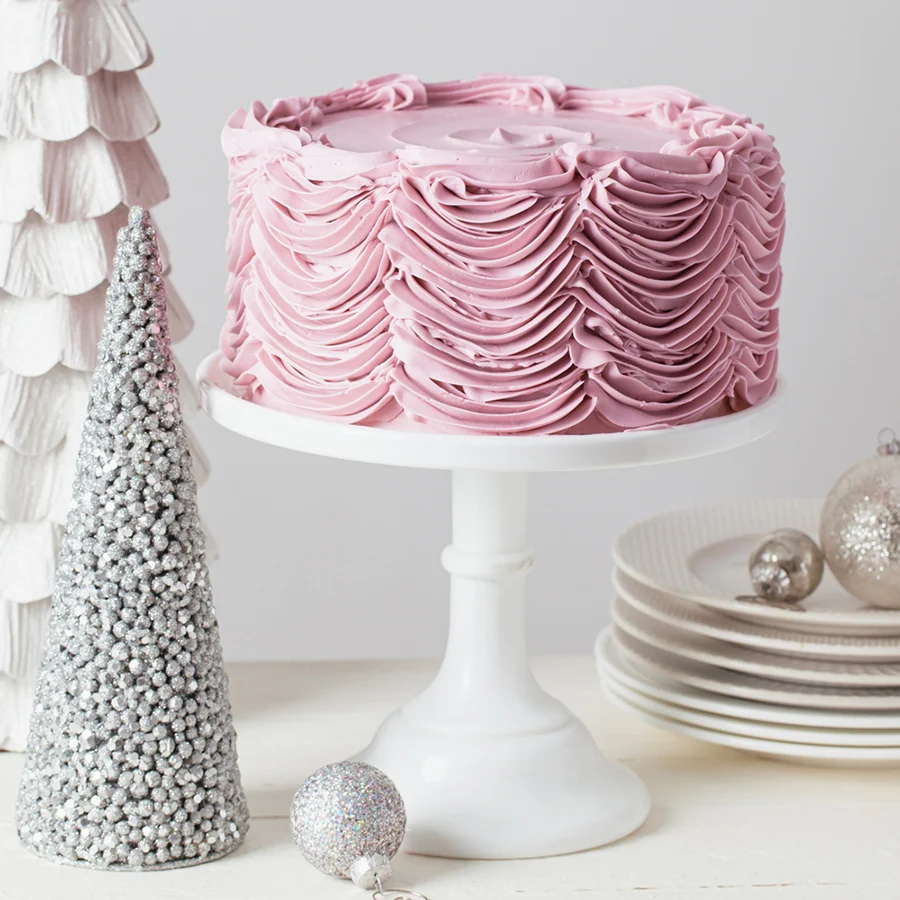
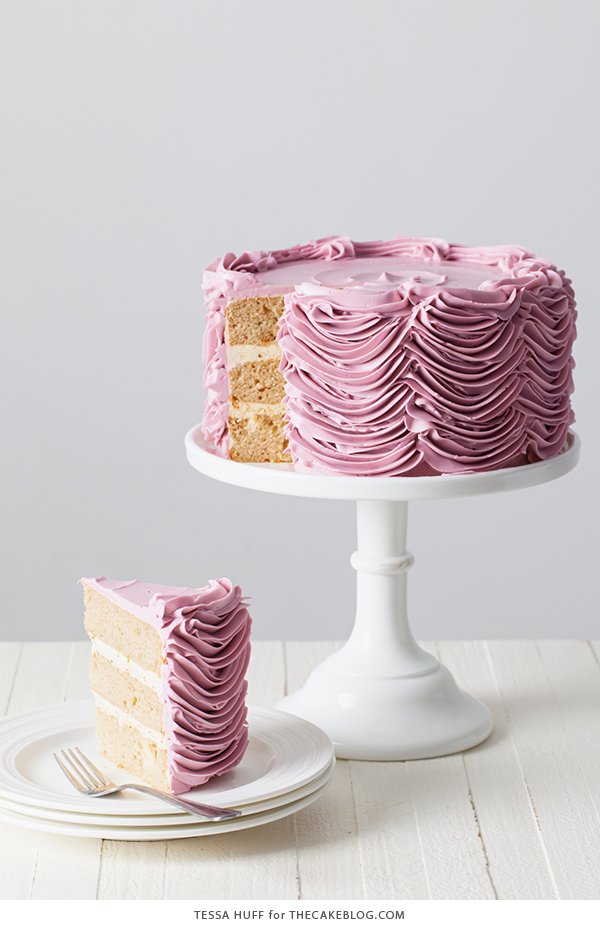
The release of the Hazelnut Nutcracker Cake represents a significant intersection of classical performing arts and contemporary artisanal confectionery, blending the thematic elements of Tchaikovsky’s most famous ballet with high-level pastry techniques. Developed by noted cake designer and author Tessa Huff for the digital publication TheCakeBlog.com, this culinary creation serves as a technical showcase of seasonal flavors, specifically targeting the high-demand holiday baking window. The cake is architecturally structured around a brown sugar and nutmeg-infused sponge, complemented by a sophisticated hazelnut praline Swiss meringue buttercream and finished with an intricate "swag" piping technique intended to evoke the visual aesthetics of the ballet’s iconic costumes.

Conceptual Foundation and Thematic Inspiration
The Hazelnut Nutcracker Cake is deeply rooted in the cultural tradition of the winter holiday season, specifically drawing from the 1892 ballet The Nutcracker. While the ballet’s "Land of Sweets" sequence traditionally features the Sugar Plum Fairy, Huff’s interpretation pivots toward the "Nutcracker" title character by emphasizing roasted hazelnuts and warm, woody spices. This shift is a practical response to ingredient seasonality; while fresh plums are largely unavailable during the North American winter, hazelnuts and spices like nutmeg and cinnamon are at their peak of consumer relevance.
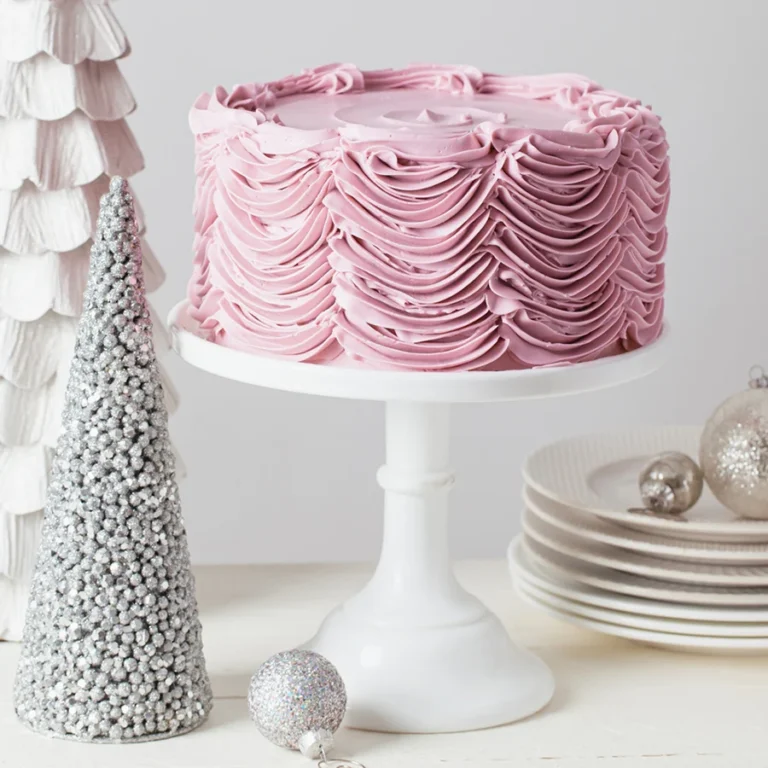
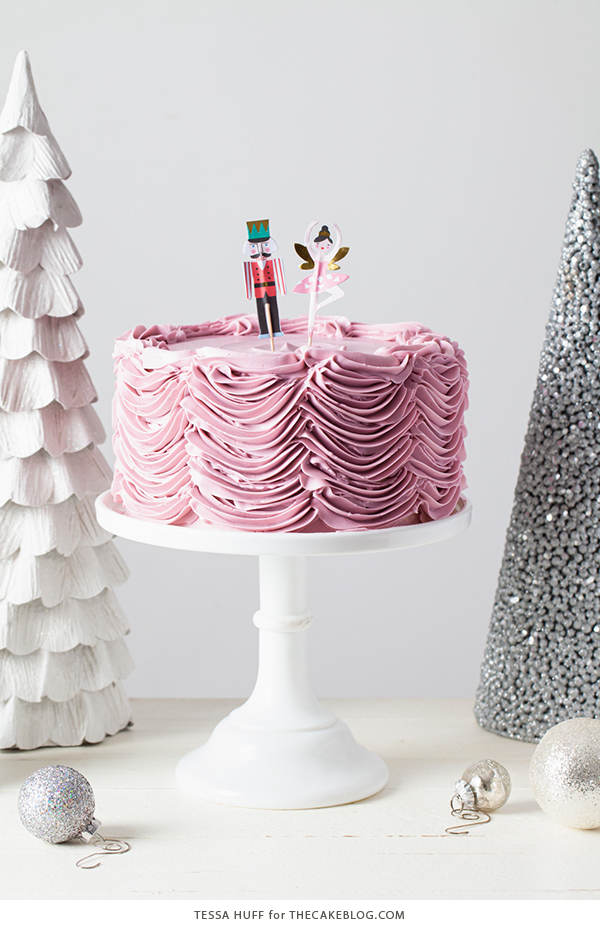
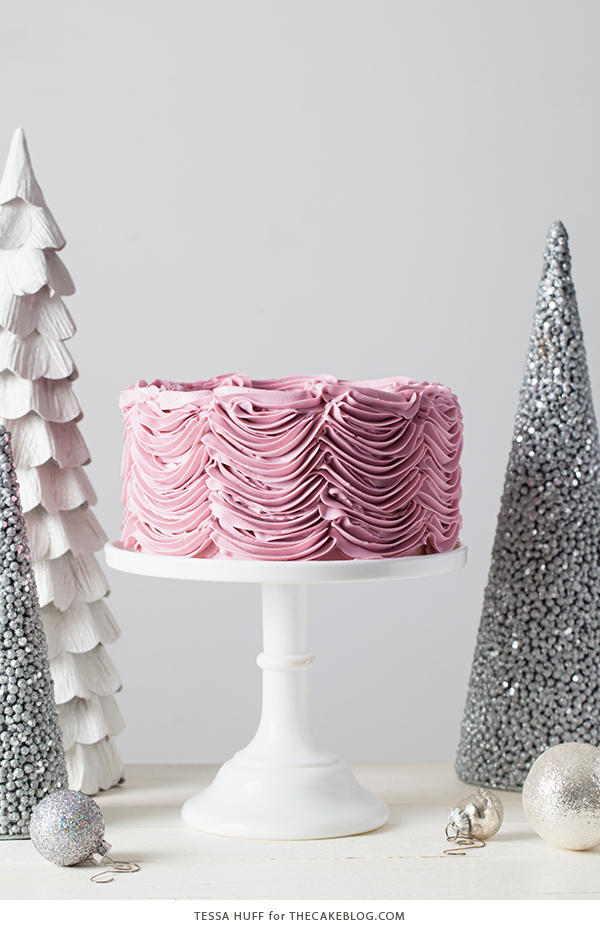
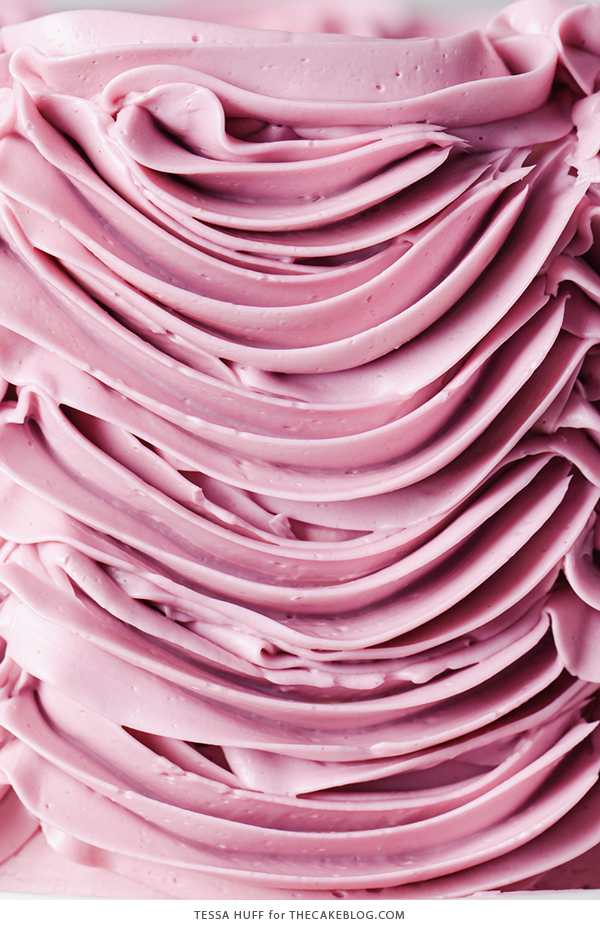
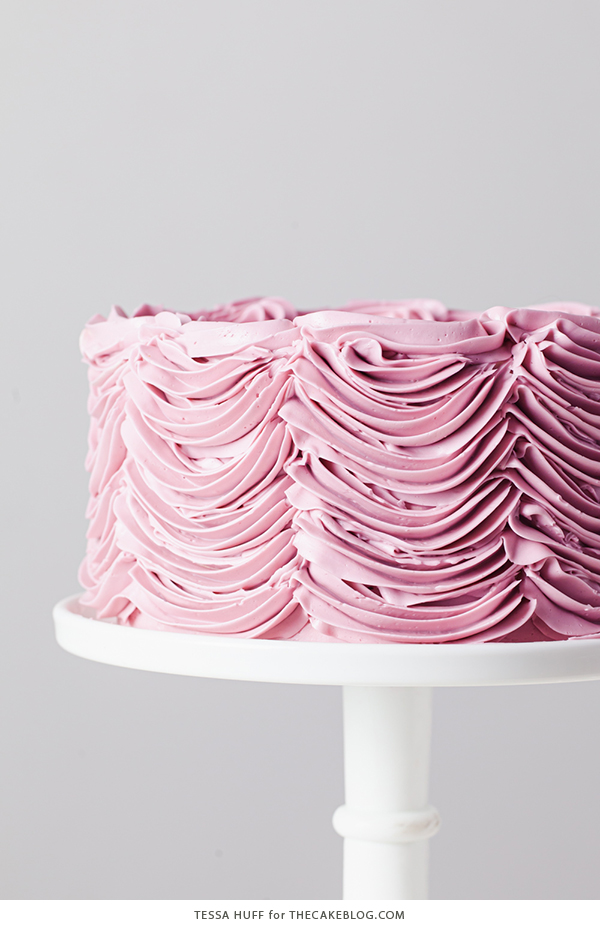
The design philosophy behind the cake seeks to translate the "child-like wonder" associated with the holiday season into a tangible, edible format. The use of "sugarplum purple" for the exterior buttercream serves as a direct colorimetric nod to the ballet’s protagonist, while the ruffled piping—known in the industry as "swag piping"—mimics the layered tulle of a ballerina’s tutu. This level of thematic integration has become a hallmark of the modern artisanal baking movement, where the narrative of the food is considered as essential as its flavor profile.
Technical Composition and Ingredient Analysis
The cake’s construction is divided into three distinct technical phases: the sponge, the praline element, and the buttercream finish. Each phase utilizes specific chemical and textural principles to ensure a balanced final product.
The Brown Sugar Nutmeg Sponge
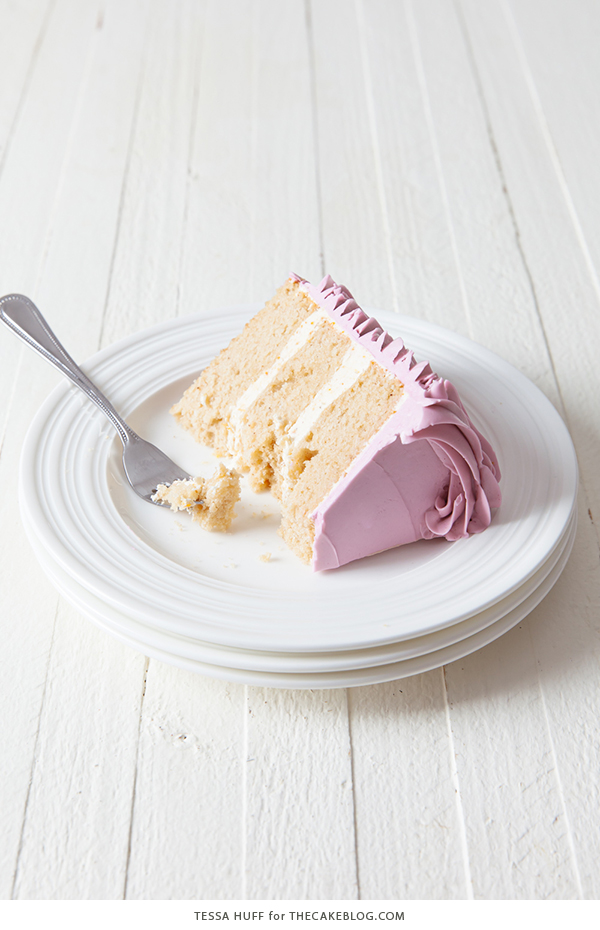
The base of the cake utilizes brown sugar rather than granulated white sugar to provide a higher moisture content and a deep, molasses-driven flavor profile. The inclusion of fresh nutmeg—rather than pre-ground varieties—introduces volatile oils that provide a more pungent, aromatic experience. This choice aligns with current culinary trends favoring whole-spice processing to maximize flavor impact. The sponge acts as a sturdy yet tender foundation for the heavy buttercream and praline additions.
The Hazelnut Praline Component
The most technically demanding internal element is the hazelnut praline. This involves the creation of a nut brittle, where hazelnuts are roasted and then encased in a hard caramel. Once cooled, this brittle is ground into a fine powder. From a food science perspective, this process introduces the Maillard reaction through the roasting of the nuts and the caramelization of the sugars, resulting in a complex, toasted flavor profile that cannot be achieved through extracts or syrups. This praline powder is then folded into the buttercream, providing both a concentrated flavor and a unique, slightly granular texture.
Swiss Meringue Buttercream and Piping
Unlike traditional American buttercream, which relies on powdered sugar and butter, the Hazelnut Nutcracker Cake utilizes a Swiss meringue buttercream (SMBC). SMBC is favored by professional pastry chefs for its stability and silky mouthfeel. It is created by whisking egg whites and sugar over a bain-marie until the sugar dissolves and the mixture reaches a safe temperature, followed by a high-speed whip to create a meringue into which room-temperature butter is incorporated. This medium is ideal for the "swag" piping used on the cake’s exterior, as it holds its shape under various temperatures and allows for the crisp definition required to mimic fabric ruffles.
Chronology of Development and Publication
The development of the Hazelnut Nutcracker Cake follows a standard timeline for high-end seasonal content creation within the digital food media industry.
- Ideation (Q3): Planning for holiday content typically begins in the late summer or early autumn. During this phase, Huff identified the Nutcracker theme as a perennial favorite with high SEO (Search Engine Optimization) potential.
- Recipe Testing (October – November): The recipe underwent multiple iterations to ensure the ratios of praline powder to buttercream did not compromise the structural integrity of the "tutu" ruffles.
- Visual Production (November): Photography and staging were conducted to capture the "nostalgic and child-like wonder" described in the release. The use of specific lighting and props was designed to enhance the "sugarplum" aesthetic.
- Digital Publication (December): The recipe was officially released on TheCakeBlog.com, timed to coincide with the peak of the Nutcracker ballet season and the period of highest consumer engagement for holiday baking recipes.
Supporting Data: The Hazelnut and Holiday Baking Market
The choice of hazelnut as the primary flavor profile is supported by broader agricultural and market data. According to reports from the USDA and the Oregon Hazelnut Marketing Board, Oregon produces approximately 99% of the United States’ hazelnut crop. The holiday season (Q4) accounts for a significant portion of annual hazelnut consumption, as the nut is historically associated with European winter traditions and high-end confectionery.
Furthermore, the "DIY Gourmet" baking sector has seen a 15-20% increase in engagement over the last five years, driven largely by social media platforms like Instagram and Pinterest. Recipes that offer a "professional" aesthetic, such as the Hazelnut Nutcracker Cake’s swag piping, perform significantly better in terms of user retention and sharing than simpler, traditional recipes. The inclusion of a "Cook Mode" feature in the digital recipe—a technical tool that prevents screens from dimming during the baking process—reflects the modern baker’s reliance on mobile devices in the kitchen.
Professional Reactions and Community Impact
While specific "official" statements from culinary boards are rare for individual recipes, the response from the professional baking community has focused on the accessibility of the "swag" technique. Historically, such intricate piping was reserved for formal wedding cakes or professional competitions. By translating this technique into a holiday-themed home baking project, Huff has effectively bridged the gap between professional pastry arts and home hobbyism.
Inferred reactions from the user base, evidenced by the 4.5-star rating based on early reviews, suggest that the recipe’s complexity is viewed as a positive "challenge" for intermediate bakers. The addictive nature of the "candied hazelnut brittle" was a recurring point of praise, highlighting the importance of multi-functional components (a brittle that serves as both an ingredient and a standalone snack).
Broader Impact and Confectionery Implications
The Hazelnut Nutcracker Cake represents a broader trend in the food industry: the "eventization" of home baking. No longer is a cake merely a dessert; it is a centerpiece, a conversation starter, and a tribute to cultural touchstones. By linking the recipe to The Nutcracker, the creator taps into a pre-existing emotional connection that millions of consumers have with the holiday season.
Analytically, the success of this recipe underscores several key shifts in consumer behavior:
- Aesthetic Priority: The visual "tutu" effect is as important as the flavor, reflecting the "eat with your eyes first" mentality of the digital age.
- Ingredient Transparency: The use of fresh nutmeg and homemade praline reflects a move away from artificial flavorings in favor of "from-scratch" artisanal components.
- Cultural Fusion: The blending of 19th-century Russian ballet themes with modern North American baking styles demonstrates the globalized nature of contemporary food culture.
In conclusion, the Hazelnut Nutcracker Cake is more than a seasonal recipe; it is a meticulously designed culinary project that integrates historical art, food science, and modern marketing. It serves as a benchmark for how seasonal content can be enriched through technical expertise and thematic depth, providing a blueprint for the future of digital culinary publishing. As the holiday season continues to drive significant economic activity in the grocery and specialty food sectors, high-concept recipes like this one remain vital to the vitality of the home baking industry.